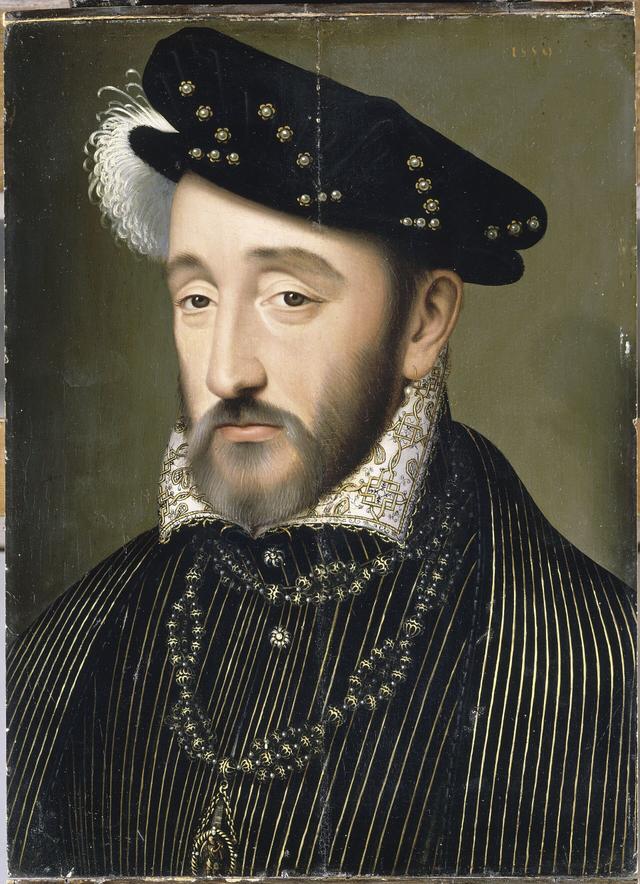
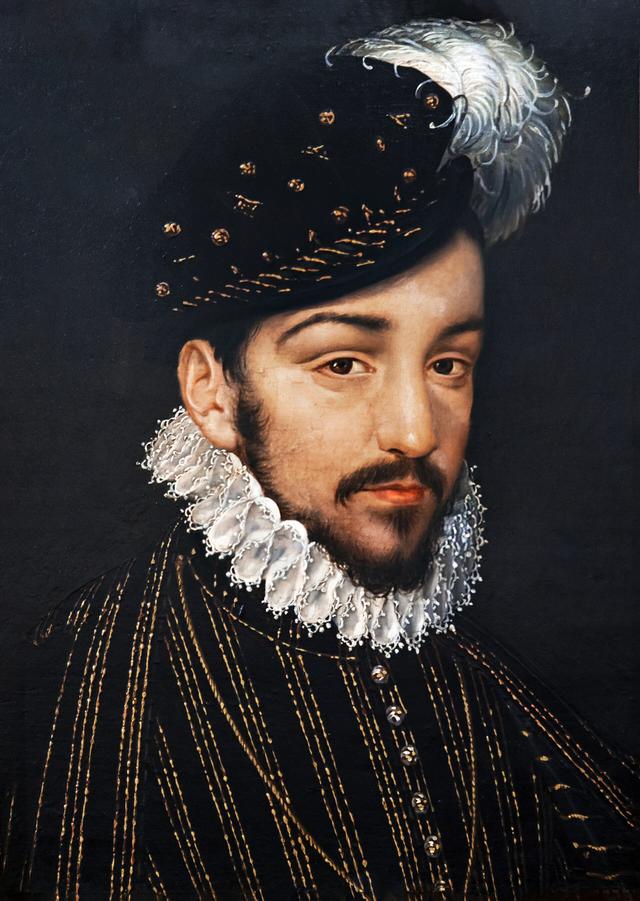
Henry IV, the king who ended the Wars of Religion
- Born
- 13 December 1553
- Died
- 14 May 1610
- Reign
- 1589 – 1610
- Family
- Bourbons
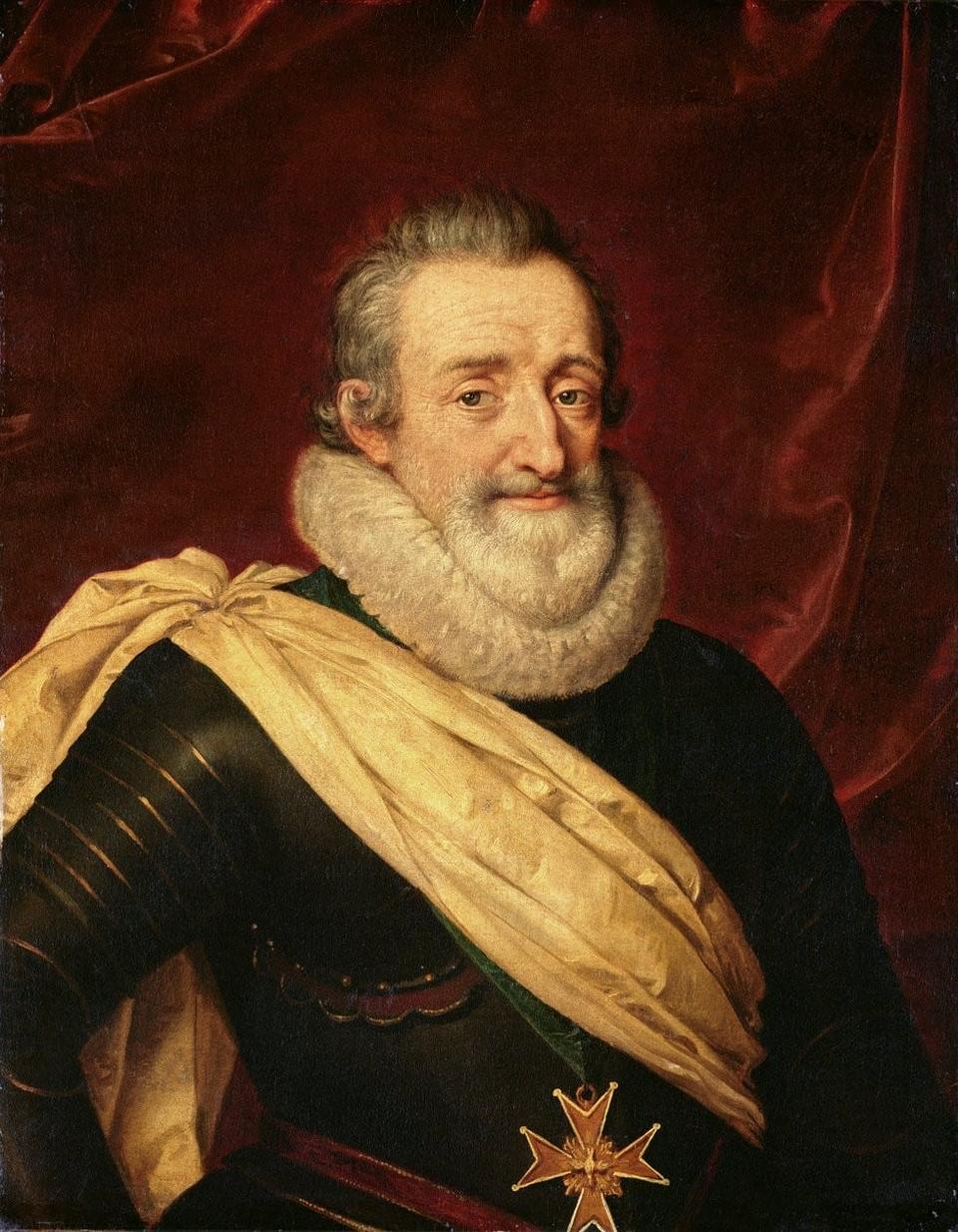

A Protestant, he had to declare himself a Catholic to save his life on the night of his wedding, then became a Protestant again, then a Catholic once more to enter Paris. Henry of Navarre took ten years to conquer a kingdom that was his by right. He brought it peace with the Edict of Nantes, set Sully to work on the finances and the masons to work at Fontainebleau and the Louvre, and was killed in a traffic jam on the Rue de la Ferronnerie.
Henry IV in dates
| Date | Event |
|---|---|
| 13 December 1553 | Born at the Château de Pau, in Béarn |
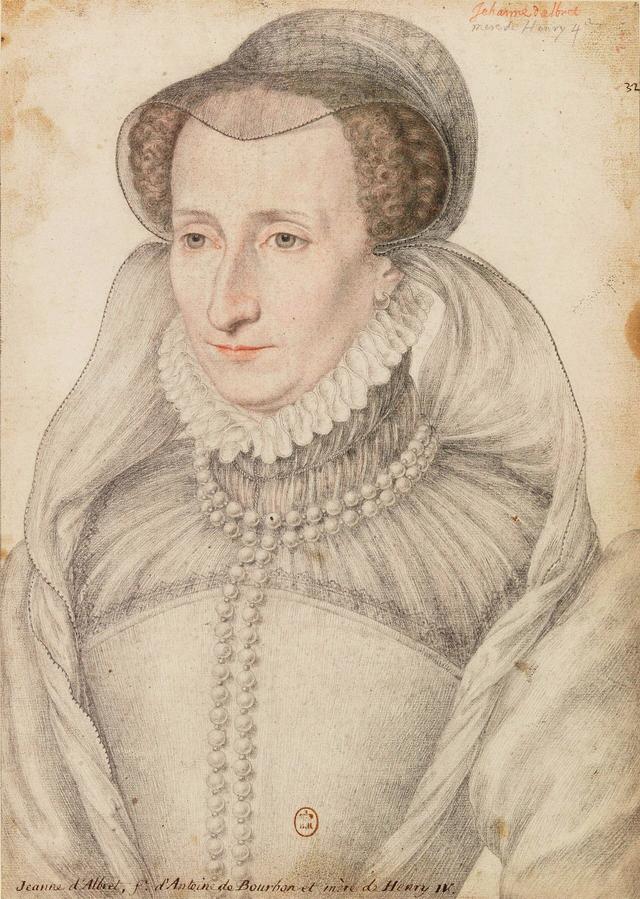
| 9 June 1572 | Becomes King of Navarre on the death of his mother, Jeanne d'Albret |
| 18 August 1572 | Marries Marguerite de Valois in Paris; six days later, the Saint Bartholomew's Day massacre |
| 1576 | Escapes from the court, where he was held, and takes back the leadership of the Protestants |
| 2 August 1589 | Becomes King of France on the death of Henry III |
| 1590 | Victory at Ivry; siege of Paris |
| 25 July 1593 | Renounces Protestantism at the Basilica of Saint-Denis |
| 1594 | Crowned at Chartres, he enters Paris on 22 March |
| April 1598 | Edict of Nantes |
| 1600 | Marries Marie de' Medici |
| 14 May 1610 | Assassinated by Ravaillac in Paris; buried at Saint-Denis |
The King of Navarre
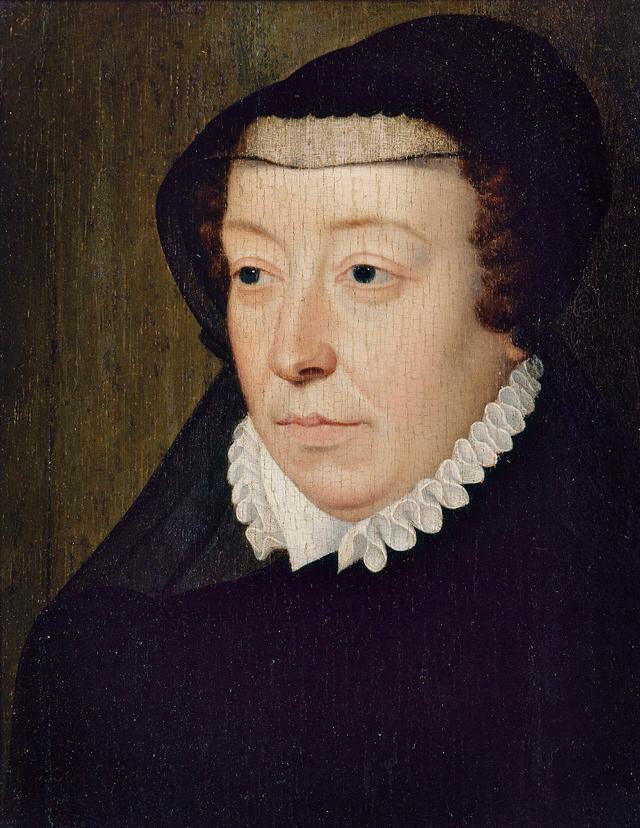
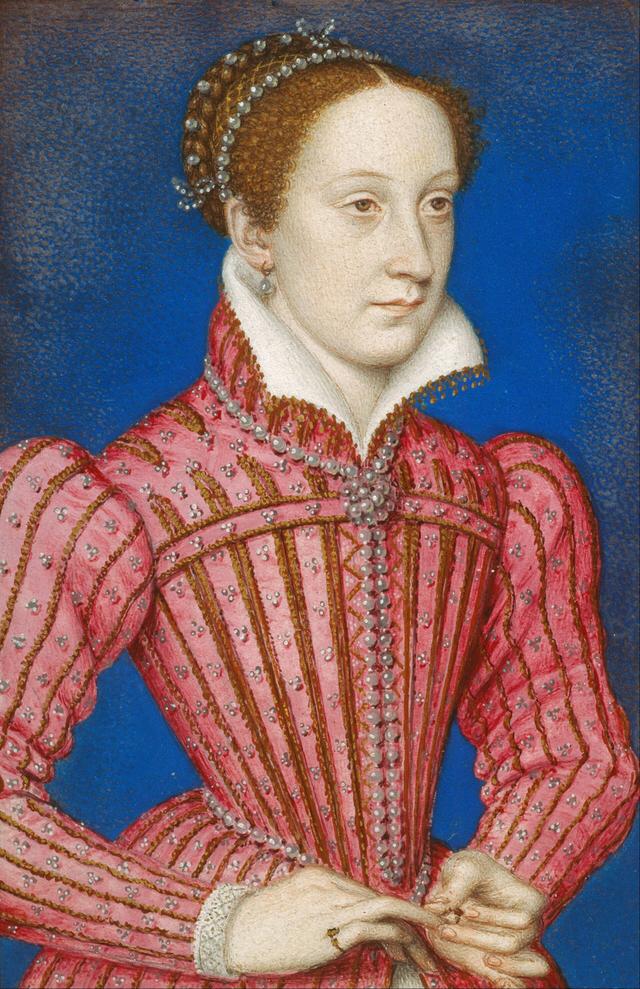
Henry of Bourbon was born in Pau, the son of Antoine de Bourbon and Jeanne d'Albret, Queen of Navarre. His mother raised him in the Protestant faith. In August 1572, Catherine de' Medici married him to her daughter Marguerite to bring Catholics and Protestants closer together. Six days after the wedding, on the night of 24 August, came the Saint Bartholomew's Day massacre. Henry saved his life only by converting. Held at court for nearly four years, he escaped in 1576 and became a Protestant again. See also: Catherine de' Medici
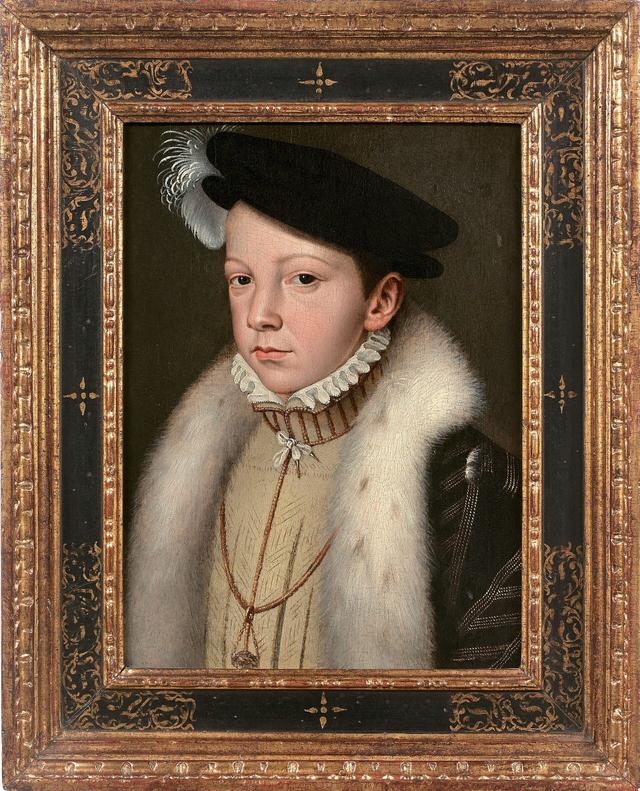
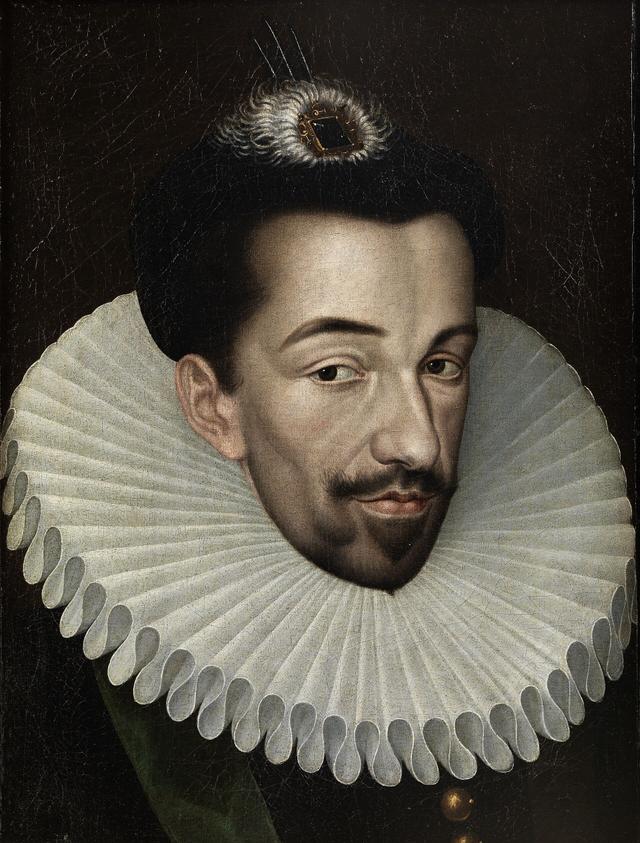
In 1584, the death of Henry III's last brother made him heir to the throne. The Catholics of the League, led by the Duke of Guise, refused to accept a Protestant king. See also: Henry, Duke of Guise, Henry III
A kingdom to conquer
On 1 August 1589, Henry III was stabbed by a monk; he died the next day, naming Henry of Navarre as his successor. The new king held neither Paris nor most of the large towns. He defeated the League at Arques, then at Ivry in 1590, but failed to take Paris.
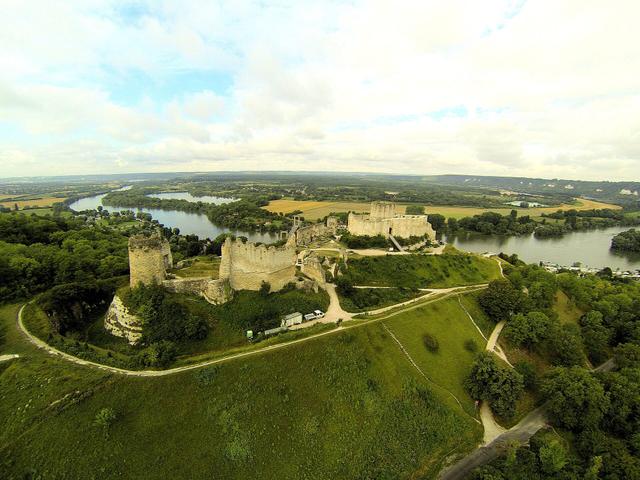
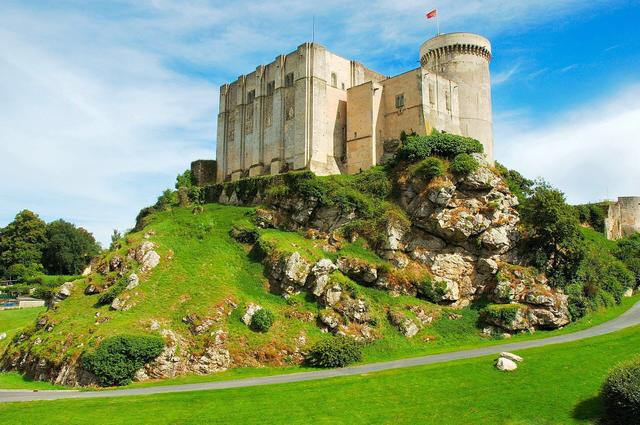
The war passed through Normandy. In 1590, his troops besieged Falaise and opened a breach in the rampart of William the Conqueror's castle. See also: Falaise Castle (William the Conqueror's Castle) In 1599, at the request of the Estates of Normandy, he ordered Château Gaillard to be dismantled, as it had become a den of soldiers. See also: Château Gaillard
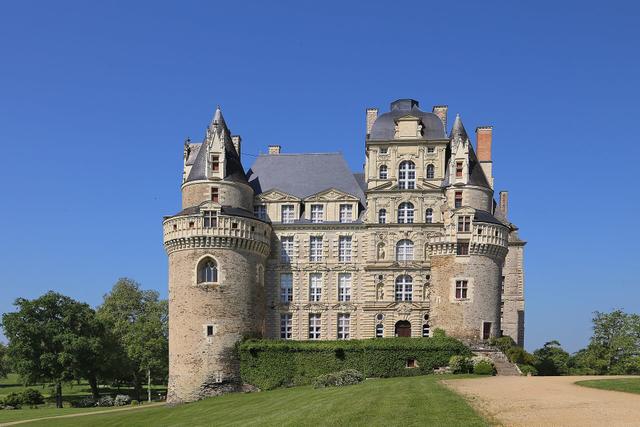
Charles de Cossé, lord of Brissac in Anjou and governor of Paris for the League, eventually opened the gates of the capital to him. Henry IV made him a marshal, then Duke of Brissac. See also: Château de Brissac
“Paris is well worth a Mass”
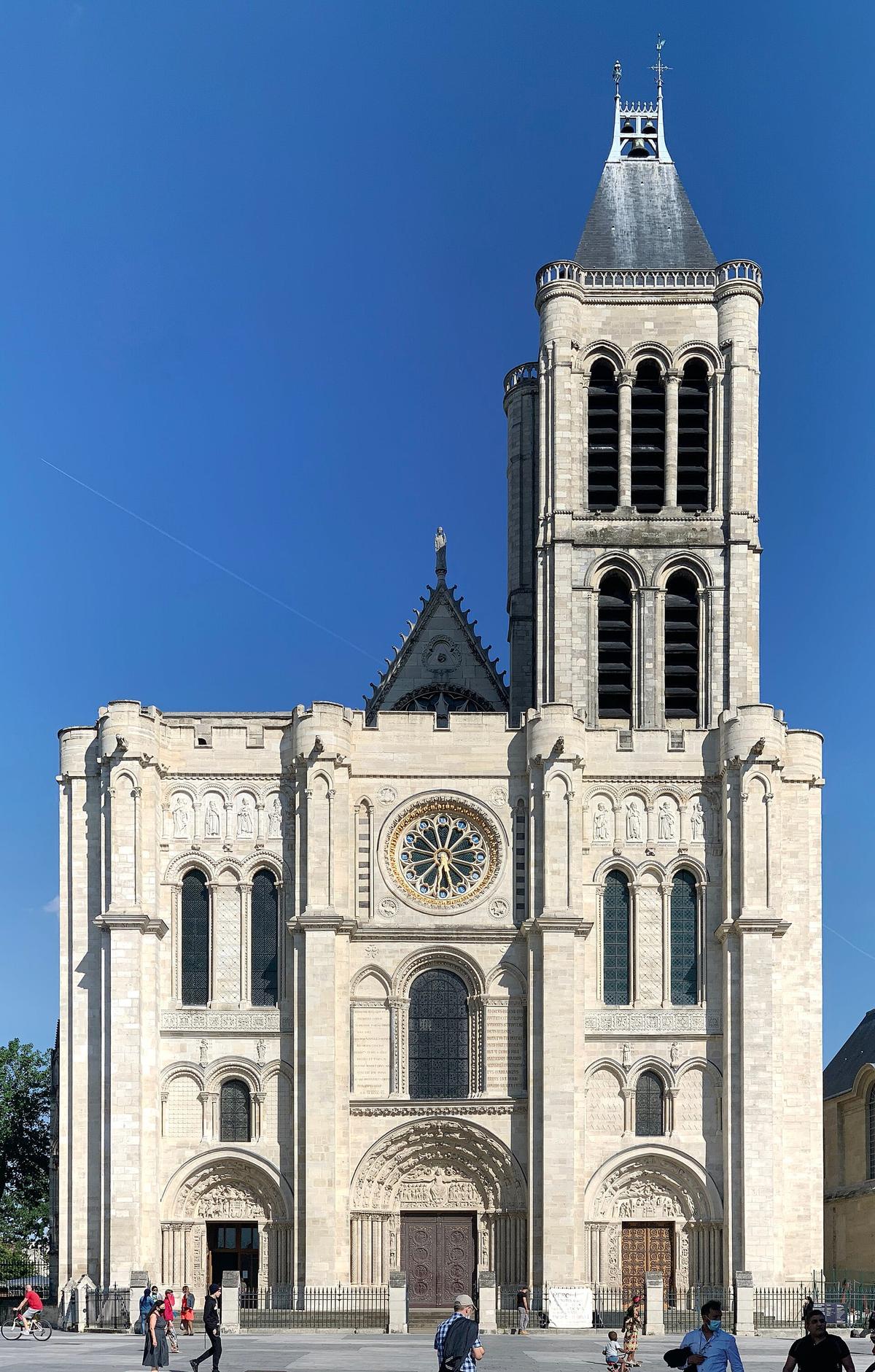

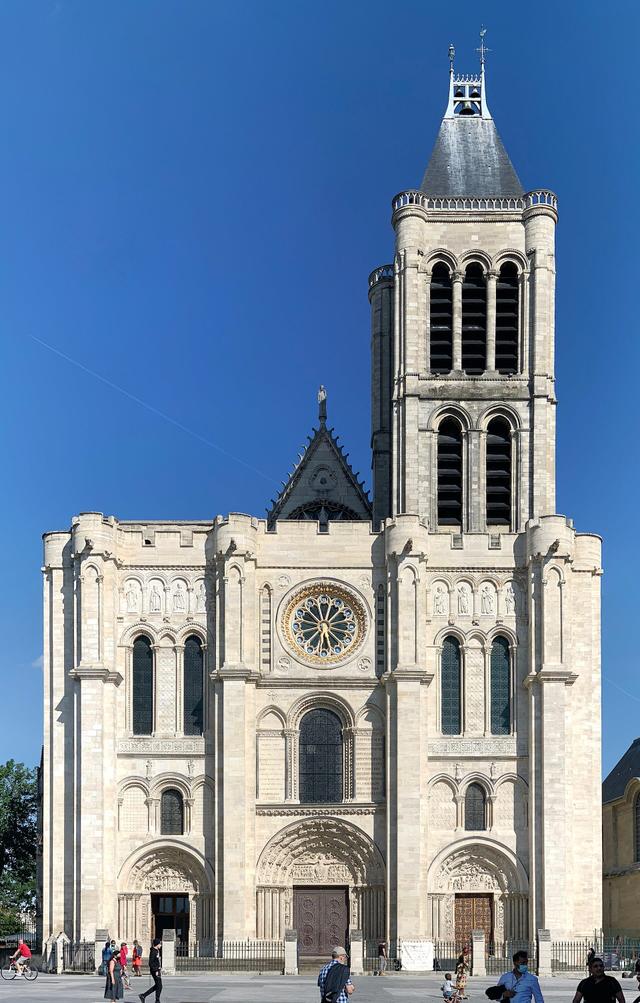
On 25 July 1593, Henry IV renounced Protestantism in the Basilica of Saint-Denis, the burial place of the kings. The phrase “Paris is well worth a Mass” (« Paris vaut bien une messe ») is attributed to him, with no proof that he ever said it. He was crowned at Chartres in February 1594, as Reims was in the hands of the League, and entered Paris on 22 March. See also: Basilica of Saint-Denis
In April 1598, the Edict of Nantes granted Protestants freedom of worship in certain places, as well as fortified towns. The Wars of Religion, which had begun in 1562, were over. With his minister Sully, he put the finances back in order. See also: Sully
What to see: at Saint-Denis, the crypt where Henry IV lies with the Bourbons. In 1793, revolutionaries opened the tombs; the king's body, very well preserved, was put on display for a few days before being thrown into the common pit.
Gabrielle d'Estrées
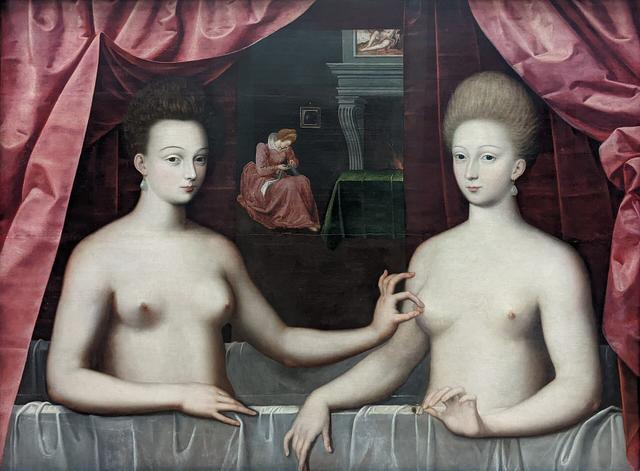
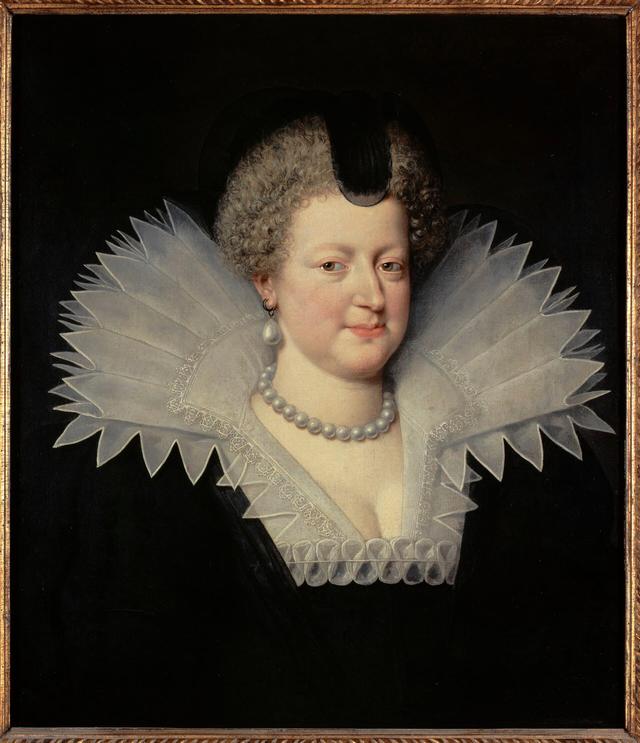
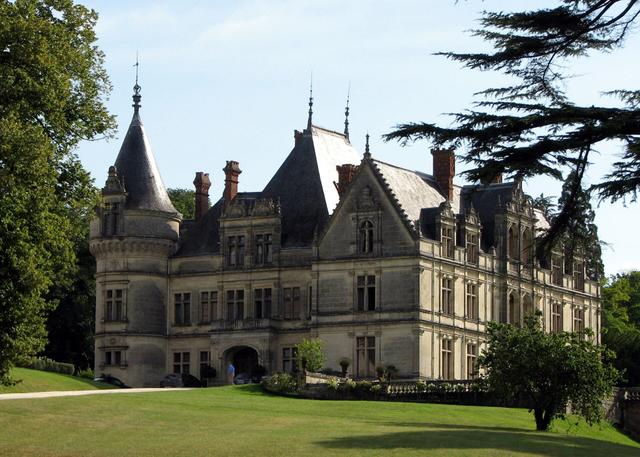
Gabrielle d'Estrées, the mistress Henry IV loved most, was born at the Château de la Bourdaisière, near Tours. She bore him three children, including César, Duke of Vendôme. The king wanted to marry her once his marriage to Marguerite had been annulled, but she died suddenly in April 1599. A year later, he married Marie de' Medici. See also: Château de la Bourdaisière, Marie de' Medici
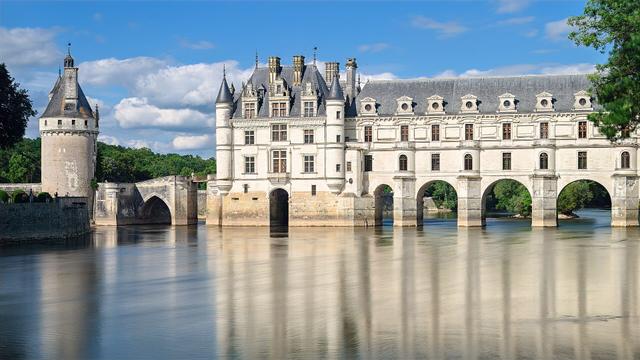
At Chenonceau, a bedroom bears the name of Gabrielle d'Estrées: the château passed to her son César through his marriage to Françoise de Lorraine, niece of Queen Louise, Henry III's widow. See also: Château de Chenonceau
Fontainebleau and the Louvre
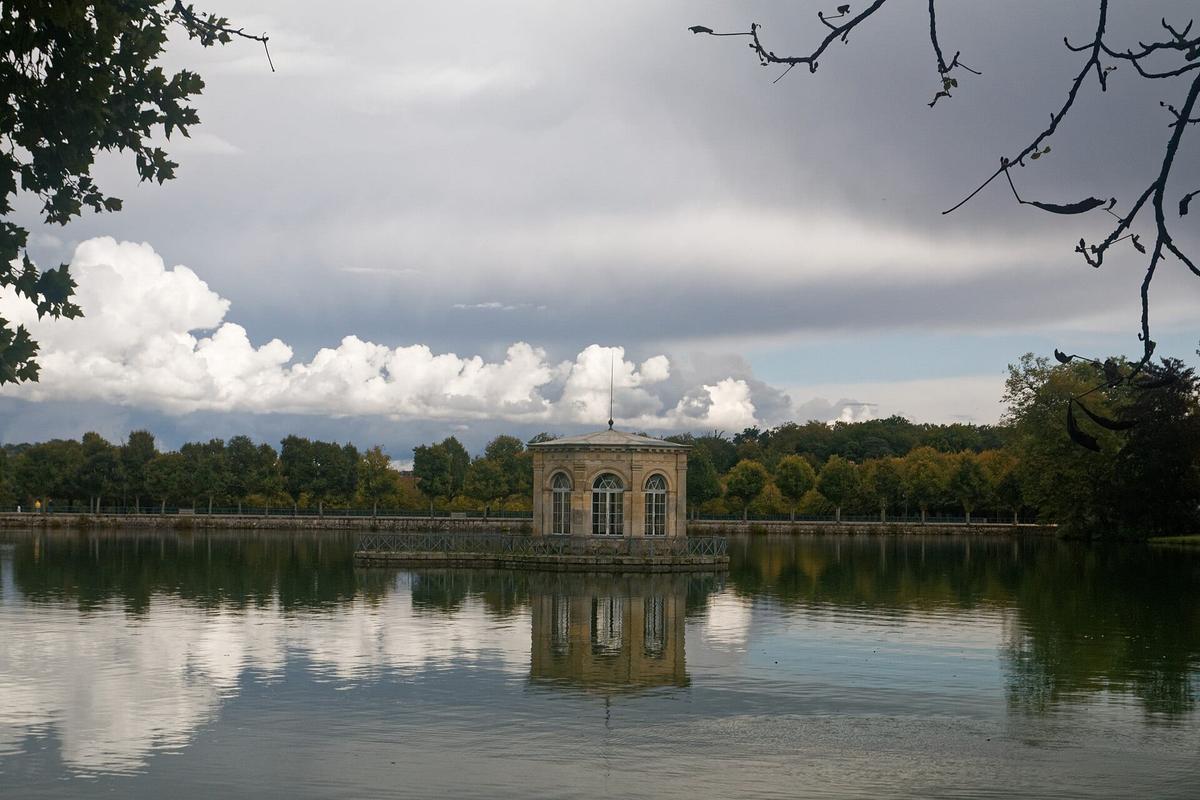

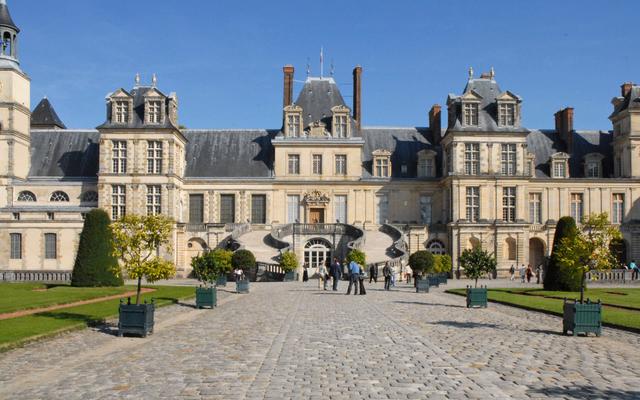
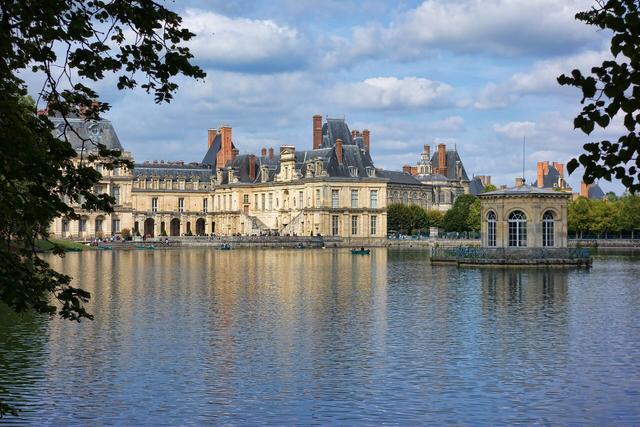
Henry IV loved Fontainebleau. He built the Cour des Offices there, enlarged the gardens, dug the Grand Canal and built the Diana Gallery. His son, the future Louis XIII, was born there in 1601. See also: Palace of Fontainebleau, Louis XIII
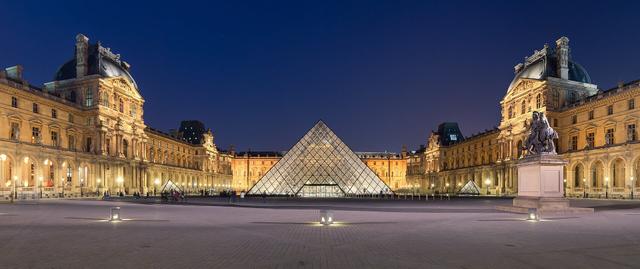
In Paris, he had the Pont Neuf and the Place Royale, today's Place des Vosges, completed, and began the Grand Gallery of the Louvre, along the Seine, to link the palace to the Tuileries. See also: Louvre Museum
What to see: at Fontainebleau, the Diana Gallery and the Diana Garden; at the Louvre, the Grand Gallery, where the Italian paintings now hang.
Death on the Rue de la Ferronnerie
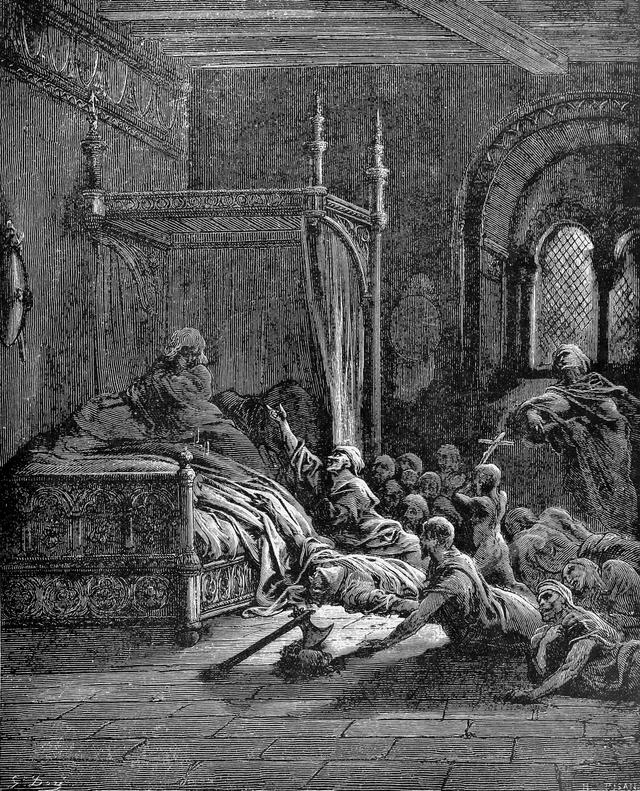
On 14 May 1610, the king's coach was held up by a traffic jam on the Rue de la Ferronnerie, in Paris. François Ravaillac, a fanatical Catholic, climbed onto a wheel and stabbed him twice. Henry IV died almost at once. His son Louis XIII was eight; Marie de' Medici became regent.
In his footsteps: from Saint-Denis to Fontainebleau
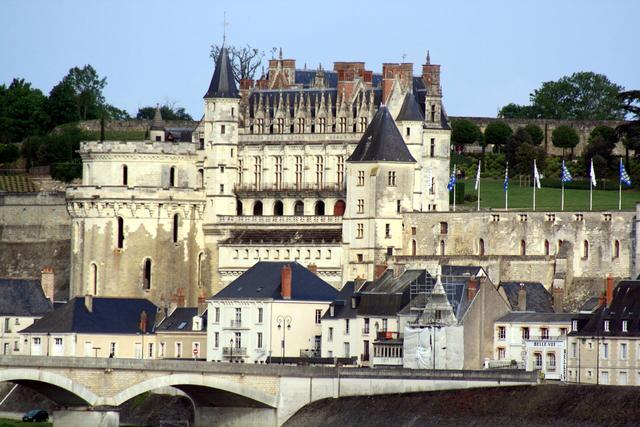
The Basilica of Saint-Denis is at the end of metro line 13. Fontainebleau is 40-45 minutes from Paris-Gare de Lyon by train. On the Loire, La Bourdaisière is about twenty minutes from Amboise. See also: Royal Château of Amboise
Partner links: if you book through these links, we earn a commission at no extra cost to you. Partner links · Learn more
Guided tours and day trips on GetYourGuide
FAQ
Was Henry IV a Protestant?
He was born and raised a Protestant. He converted to Catholicism twice: in 1572 to save his life, then for good in 1593, at Saint-Denis.
Who killed Henry IV?
François Ravaillac, on 14 May 1610, on the Rue de la Ferronnerie in Paris. He was tried and executed two weeks later.
What was the Edict of Nantes?
An edict signed by Henry IV in April 1598, granting Protestants freedom of conscience and, in certain places, freedom of worship. Louis XIV revoked it in 1685.
Where is Henry IV buried?
In the Basilica of Saint-Denis. His tomb was desecrated in 1793; the remains of the kings were gathered in the crypt in 1817.
Who was Gabrielle d'Estrées?
Henry IV's mistress, born at the Château de la Bourdaisière, in Touraine. She had three children with the king and died in 1599, before she could marry him.
Sources: fr.wikipedia.org (Henri IV (roi de France))
Tickets to book online
Partner links: if you book through these links, we earn a commission at no extra cost to you. Partner links · Learn more
Places to visit
Related guides


Related historical figures