UNESCO World Heritage Sites to visit in France
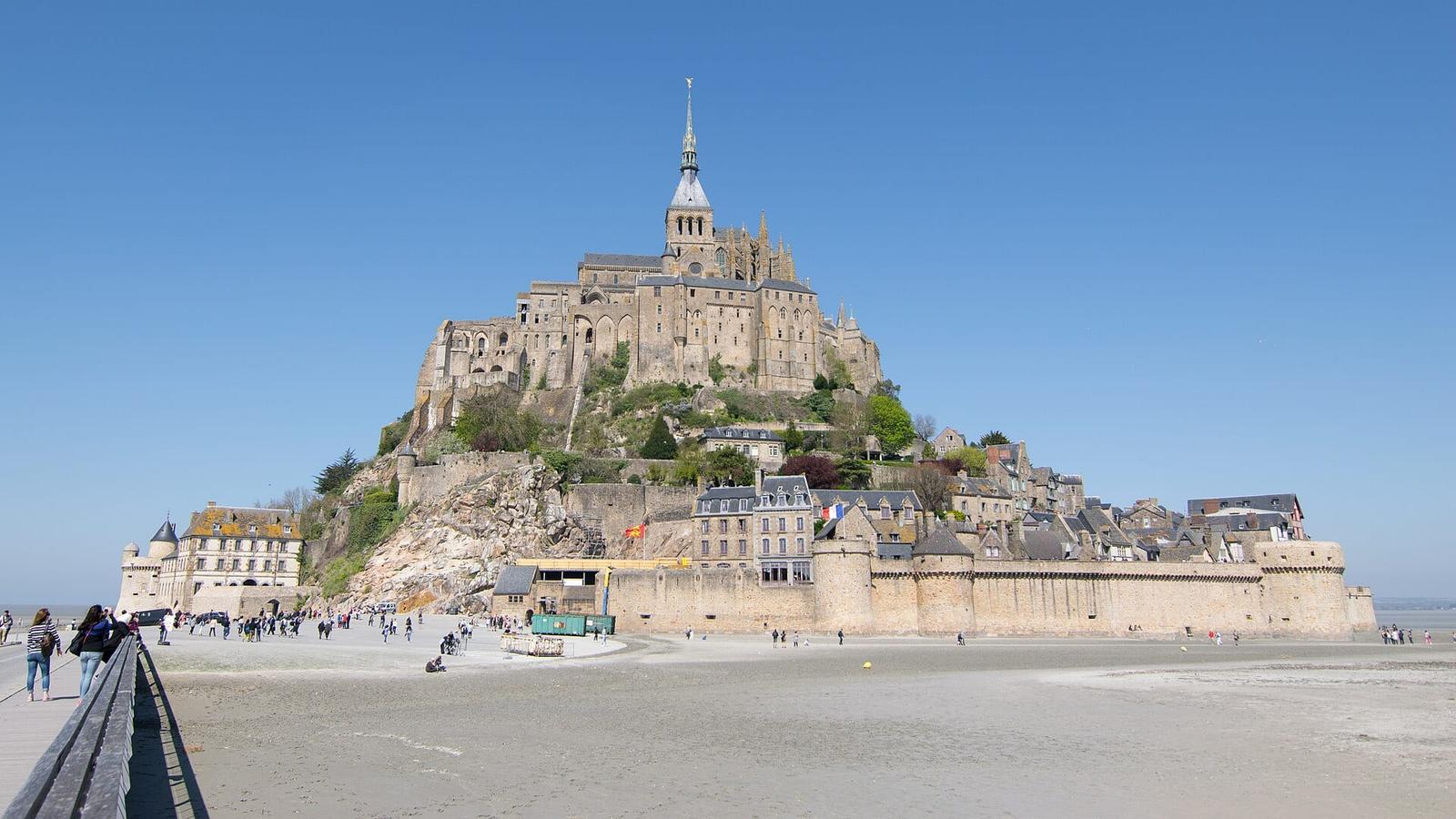
France has 56 properties on the UNESCO World Heritage List since the two additions of July 2026: the D-Day landing beaches and the royal fortresses of Languedoc. A property can be a single monument, a town or a series of places. Here are the listed sites that have a page on our website, ranked by visitor numbers, with what you need to know to visit them.
The essentials
- 56 French properties are on the World Heritage List in 2026: 47 cultural, 7 natural and 2 mixed, according to the French Ministry of Culture.
- The two latest, listed on 26 July 2026: the D-Day landing beaches in Normandy and the Capetian royal fortresses of Languedoc, including Montségur, Termes and Lastours.
- Many are free: the Basilica of Saint-Sernin in Toulouse, the abbey church of Conques, the Fonseranes Locks and the Pont Valentré can be visited without a ticket.
- The most expensive: the cellar tour at Champagne Taittinger (€40) or the Palace of Versailles (€35 for non-European residents).
- Book in summer at Lascaux IV, Chauvet Cave 2 and the Palace of Versailles: visits run on time slots.
25 UNESCO sites to visit in France: the list
The places are ranked by their latest published visitor figure. The year each was added to the World Heritage List is shown on every line.
Partner links: if you book through these links, we earn a commission at no extra cost to you. Partner links · Learn more
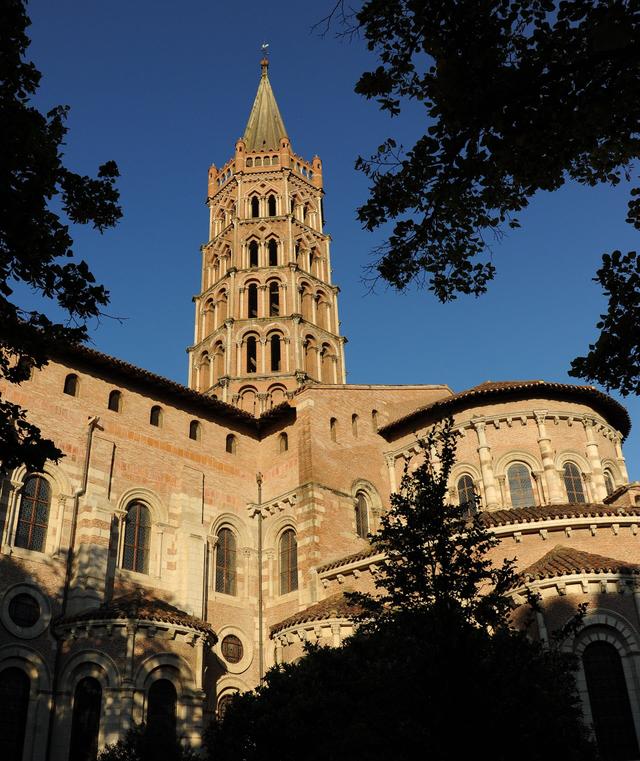
Basilica of Saint-Sernin, Toulouse
Languedoc and Cathar CountryUNESCO 1998Free admission≈ 754,800 visitors (2019)
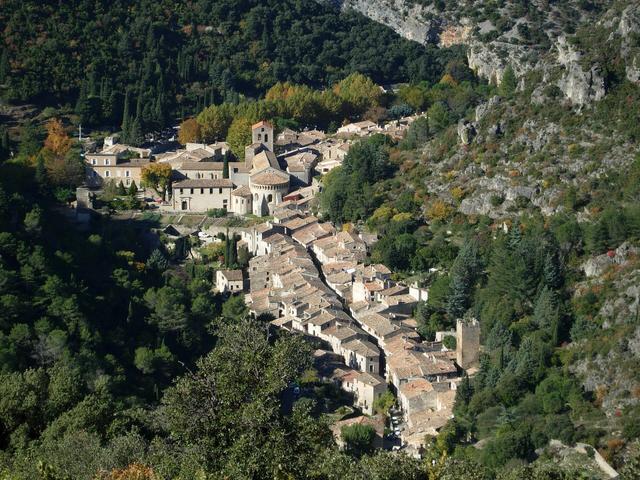
Tickets and tours ›Saint-Guilhem-le-Désert and Gellone Abbey
Languedoc and Cathar CountryUNESCO 1998Free admission≈ 700,000 visitors (2017)
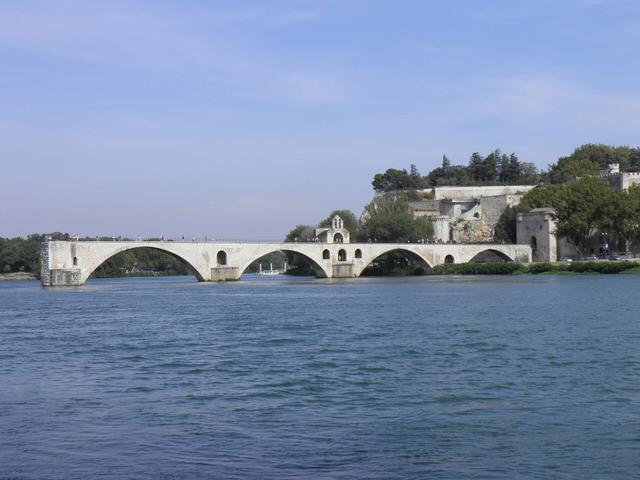
Tickets and tours ›Pont d'Avignon (Pont Saint-Bénezet)
ProvenceUNESCO 1995Admission €6606,607 visitors (2025)
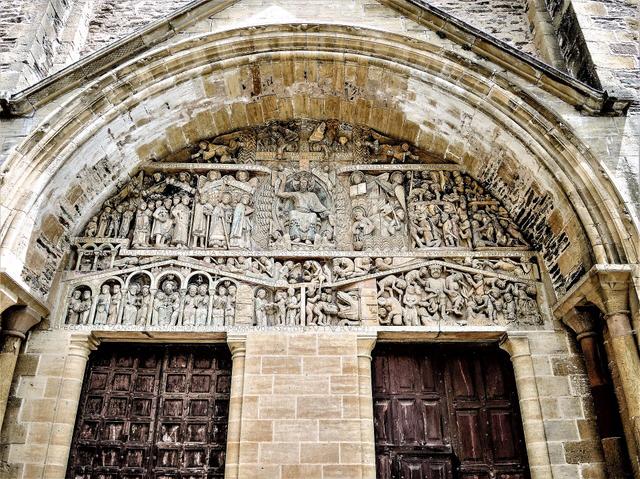
Tickets and tours ›Abbey Church of Sainte-Foy, Conques
Languedoc and Cathar CountryUNESCO 1998Free admission≈ 600,000 visitors
Tickets and tours ›Chauvet Cave 2 (Grotte Chauvet 2)
Lyon and BeaujolaisUNESCO 2014Admission €18348,400 visitors (2025)
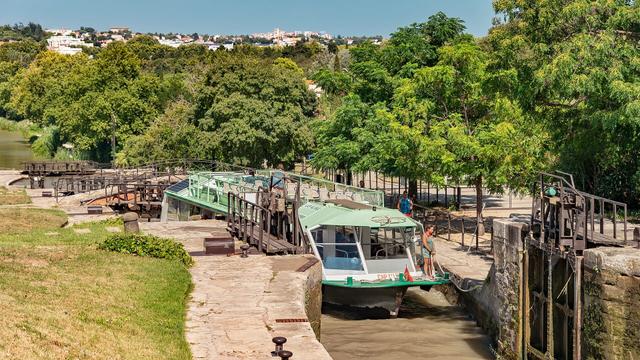
Tickets and tours ›Fonseranes Locks
Languedoc and Cathar CountryUNESCO 1996Free admission≈ 320,000 visitors
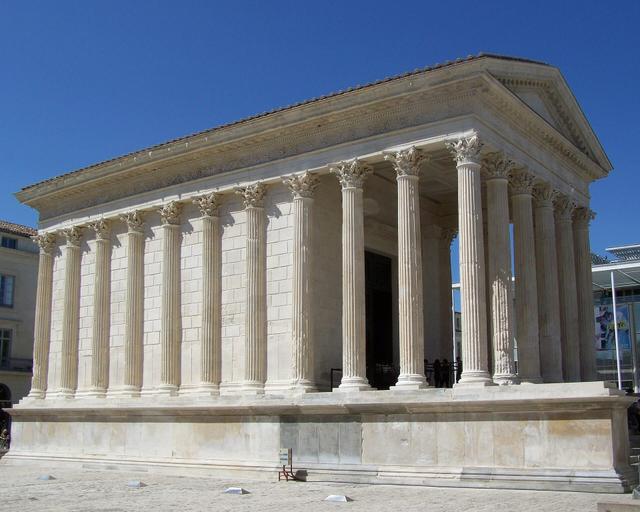
Tickets and tours ›Maison Carrée
Languedoc and Cathar CountryUNESCO 2023Admission €6.50172,633 visitors (2024)
Tickets and tours ›Taittinger Champagne cellars (Reims)
ChampagneUNESCO 2015Admission €40≈ 80,000 visitors (2024)
Tickets and tours ›Rouffignac Cave
Dordogne and LotUNESCO 1979Admission €12.50≈ 65,000 visitors (2022)
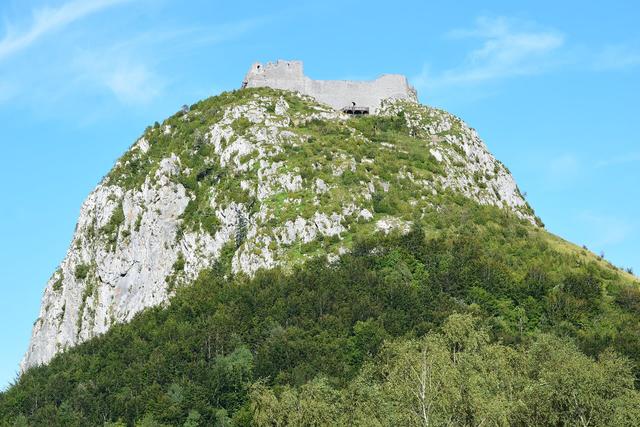
Tickets and tours ›Montségur Castle
Languedoc and Cathar CountryUNESCO 2026Admission €7.50≈ 60,000 visitors
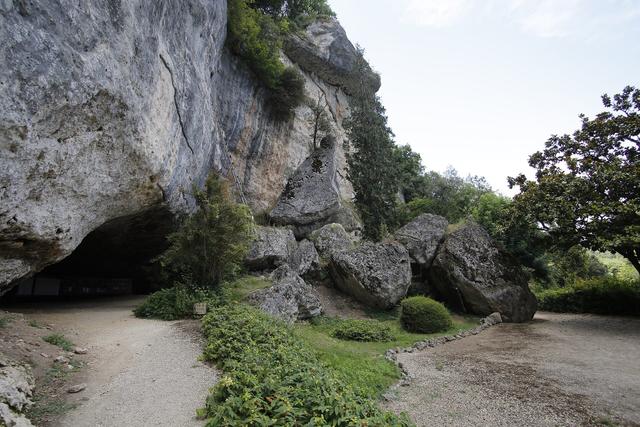
Tickets and tours ›Laugerie-Basse rock shelters
Dordogne and LotUNESCO 1979Admission €7.50≈ 58,000 visitors (2022)
Tickets ›Fleury Abbey (Saint-Benoît-sur-Loire)
Loire Valley castlesUNESCO 2000Free admission50,000 visitors
Tickets and tours ›
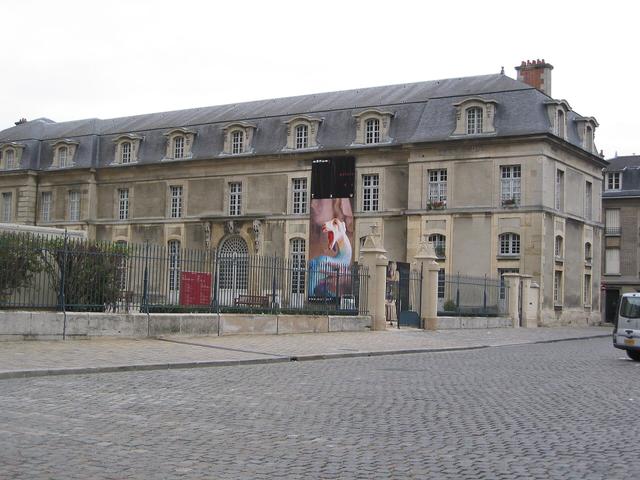
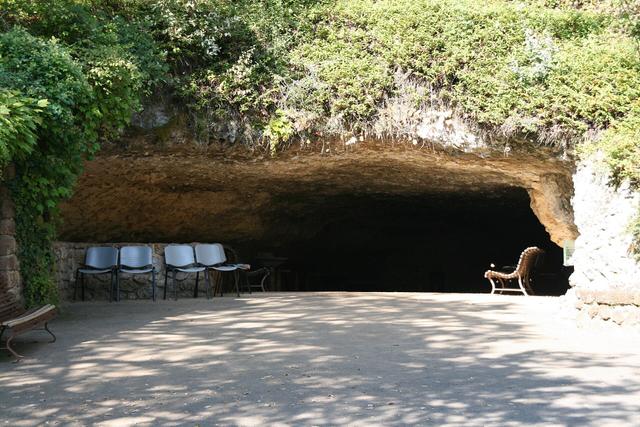
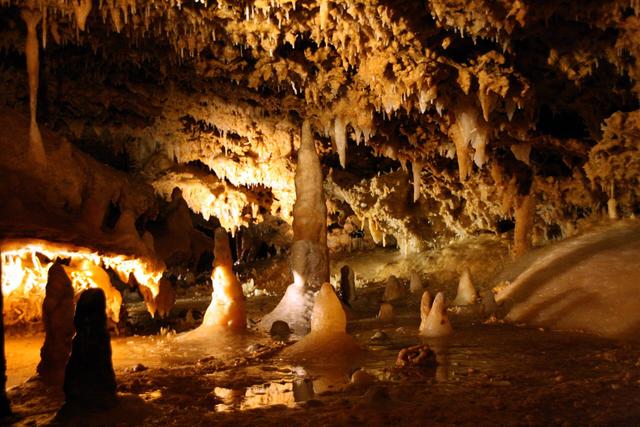
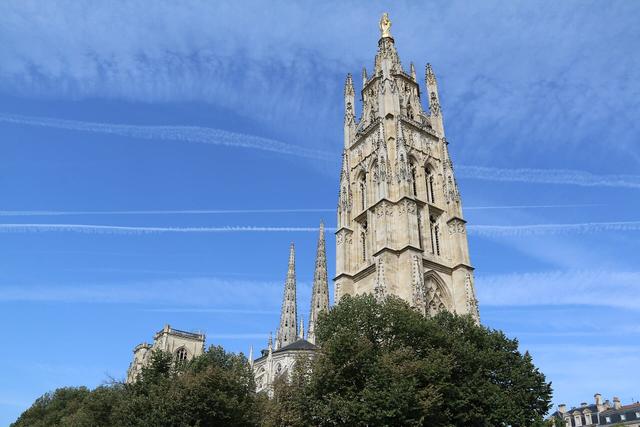
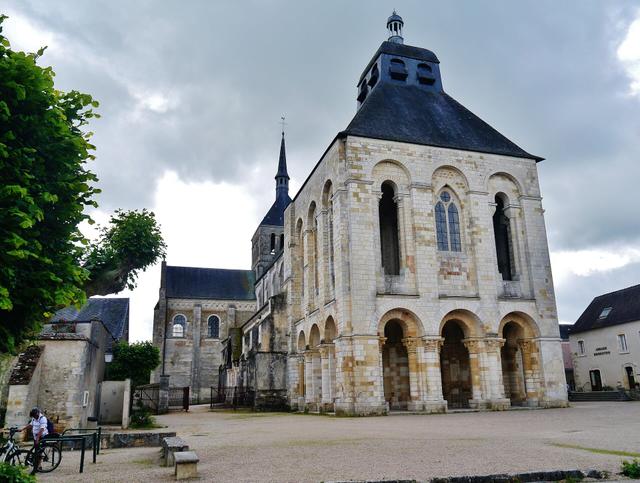
Visitor numbers: latest annual figure published by the site or its operator (year in brackets, ≈ for an estimate). Prices: lowest adult rate at the ticket office, checked between 29 October 2026 and 12 November 2026. The ranking updates every time the pages are checked.
How this ranking works
What makes the list. Only places that have a page on monuvista and belong to a World Heritage property. So this is not the official list of 56 properties: a valley, a nature park or a town district without a page is not on it, and one property can appear several times, through several of its monuments.
The criterion. The places are ranked by their latest published yearly visitor figure. A place without a figure comes after those that have one.
The limits. The figures do not date from the same year, and some are estimates, especially for free churches, where nobody counts visitors. Two places on the list are replicas: Lascaux IV and Chauvet Cave 2 reproduce World Heritage caves that are closed to the public. We keep them because they are the only way to see those paintings.
Updates. When a page is added or a figure corrected, the list recalculates itself. See also: Most visited monuments in France
What "World Heritage listed" means
The World Heritage List comes from a UNESCO convention adopted in 1972. A place is added when the World Heritage Committee recognises its "outstanding universal value": an interest that goes beyond the borders of its country. In return, the country that submits the bid commits to protecting and managing the site.
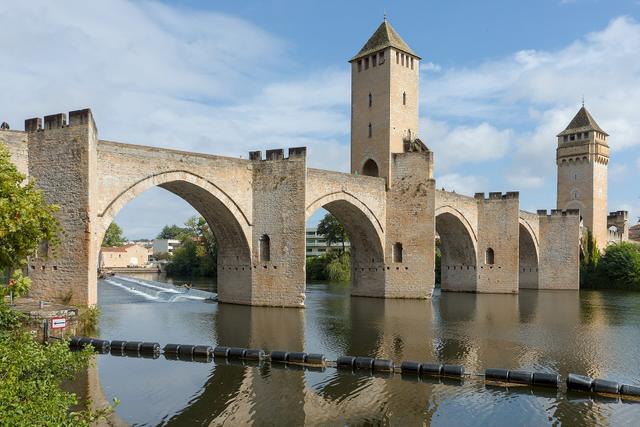
For you as a visitor, being listed changes neither the price nor the opening hours. It does not mean the place charges admission, or that it is big: you can walk across the Pont Valentré in Cahors for free, and the Maison Carrée in Nîmes does not take long to visit. It can, however, draw more people. At Montségur, listed in 2026, it is best to come early in the morning in summer.
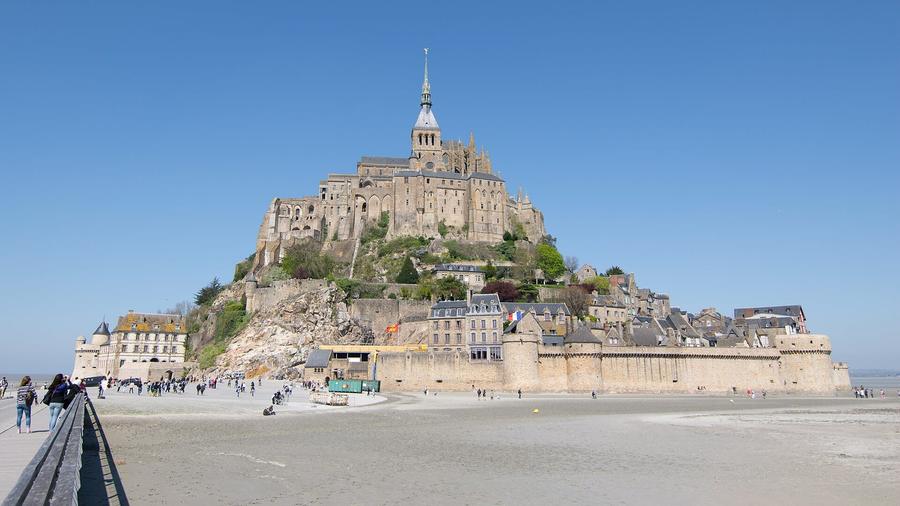
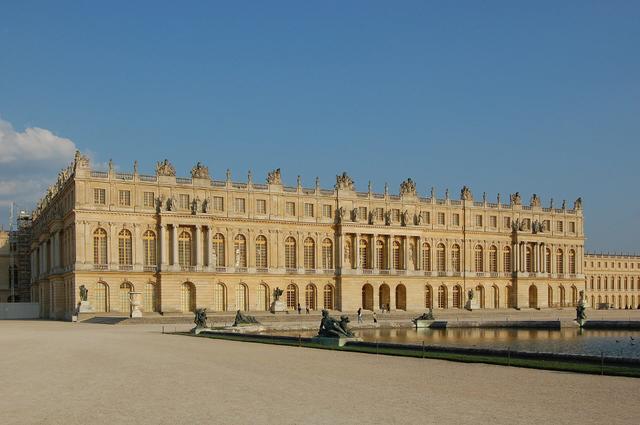
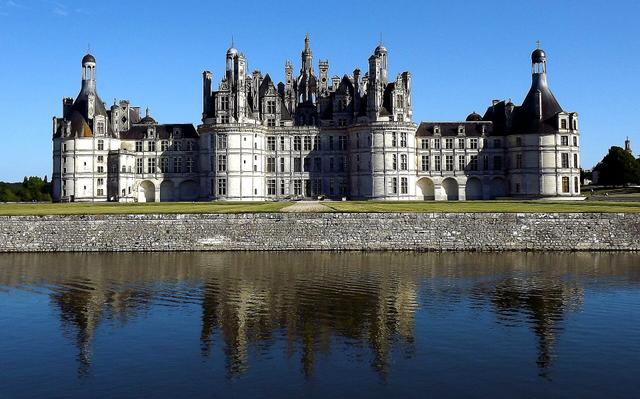
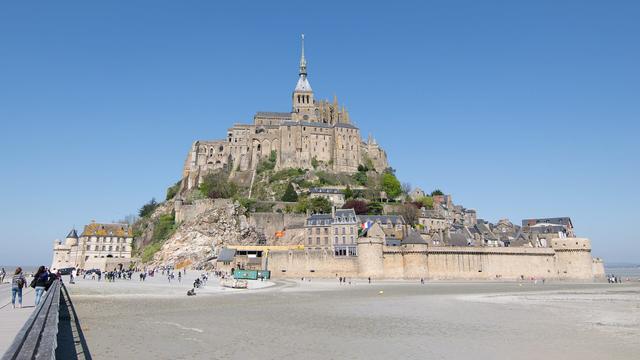
A listing is not always a single monument. Mont-Saint-Michel is listed with its bay, Versailles with its park, Chambord twice: on its own in 1981, then as part of the Loire Valley in 2000. See also: Chambord or Chenonceau
Serial sites: one property, many places
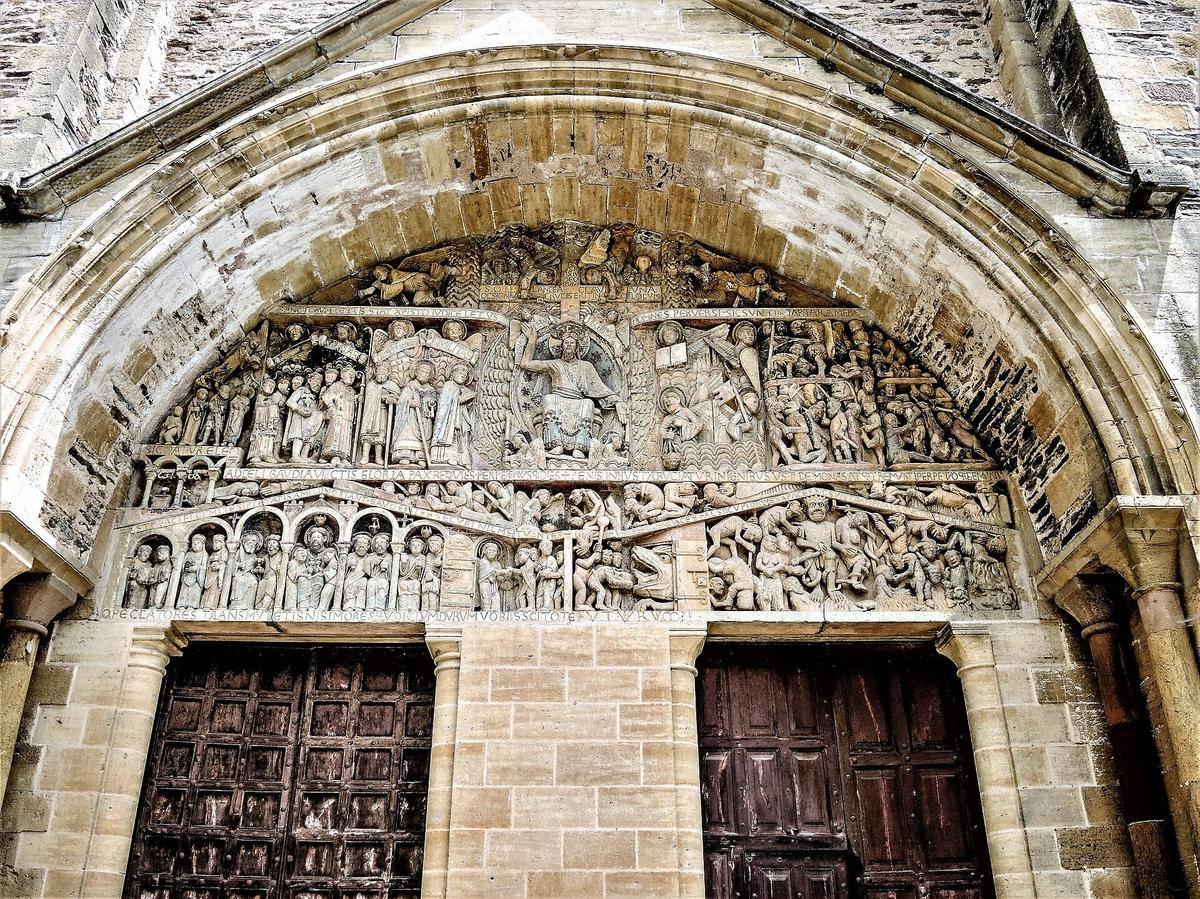
Several French properties group dozens of places spread across the country. That is why the list has more places than there are properties.
Routes of Santiago de Compostela in France (1998). The listing covers monuments along the pilgrimage routes. You will find several on the list: the Basilica of Saint-Sernin in Toulouse, the Abbey Church of Sainte-Foy in Conques, Saint-Guilhem-le-Désert and Gellone Abbey, the Pont Valentré in Cahors and the Pey-Berland tower in Bordeaux. The churches are free; at Conques, the guided tour costs €5.
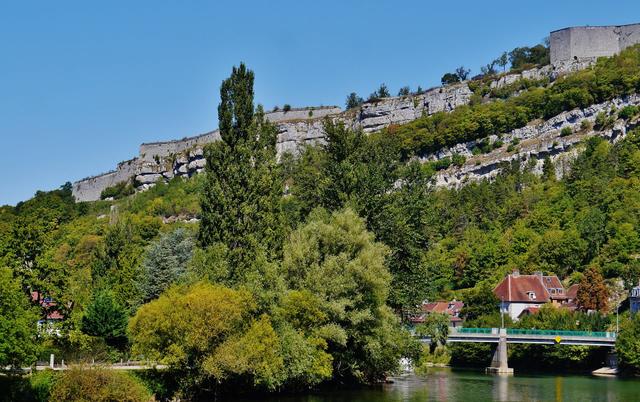
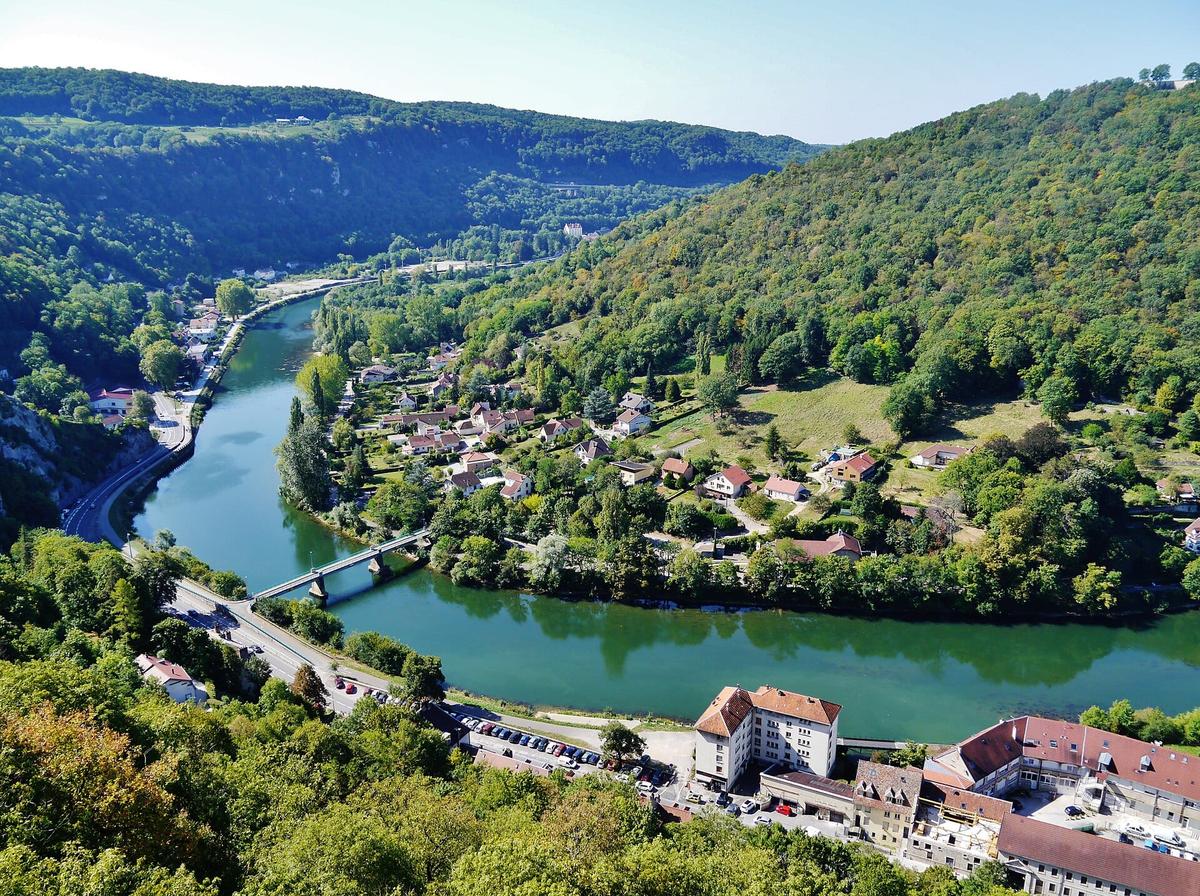
Fortifications of Vauban (2008). About a dozen strongholds, from the Channel to the Alps. The Besançon Citadel, above the loop of the Doubs, is one of them; entry costs €15 in high season and €9.50 in low season.
The Loire Valley between Sully-sur-Loire and Chalonnes (2000). A landscape of river, towns and châteaux. Fleury Abbey, in Saint-Benoît-sur-Loire, is free to visit. See also: Loire Valley castles
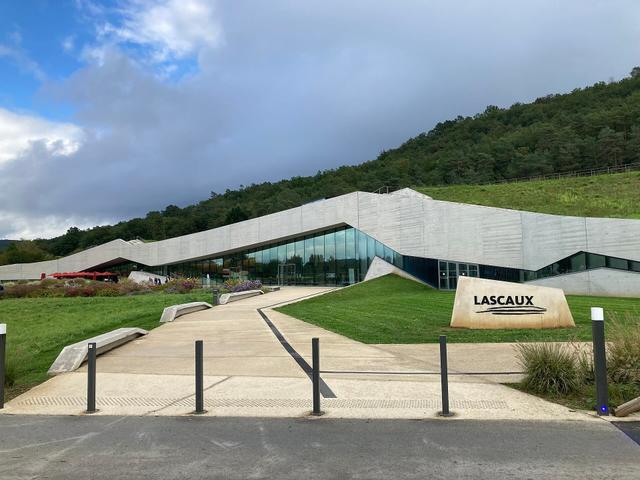
Prehistoric sites of the Vézère Valley (1979). Decorated caves and rock shelters around Les Eyzies and Montignac: Rouffignac Cave, the Laugerie-Basse shelters, and Lascaux, which you discover through its replica, Lascaux IV. See also: Dordogne in 3 days
Champagne hillsides, houses and cellars (2015). The cellars of Reims and Épernay are part of it, including Taittinger's in Reims, dug into old Gallo-Roman chalk quarries.
Recent additions
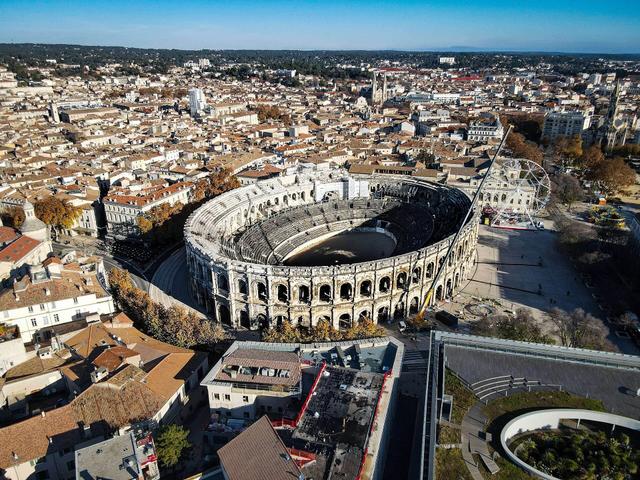
2023: the Maison Carrée in Nîmes, a remarkably well-preserved Roman temple, with entry at €6.50. The same year, France had the First World War funerary and memorial sites (Western Front) and the volcanoes and forests of Mount Pelée, in Martinique, added to the list. See also: Nîmes or Arles
2024: the Marquesas Islands, in French Polynesia, a mixed property, both cultural and natural.
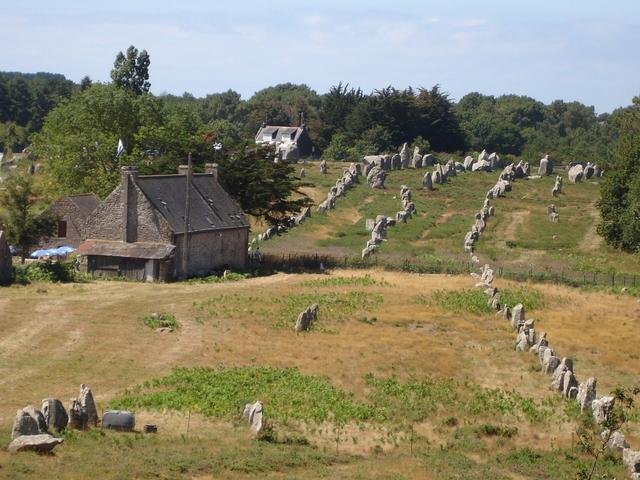
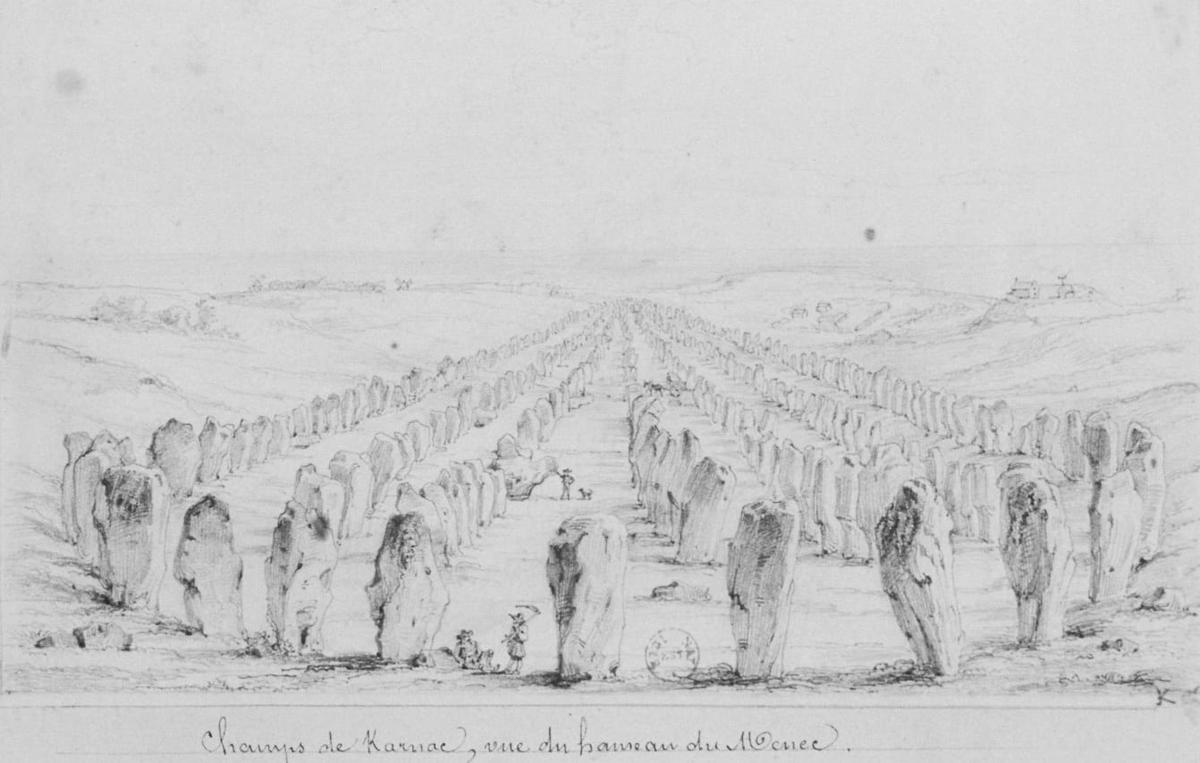
2025: the megaliths of Carnac and the shores of Morbihan. At the Carnac Stones, access to the fenced areas is by guided tour in summer (€13). From October to March, you can walk freely among the standing stones. Book a few days ahead in July and August.
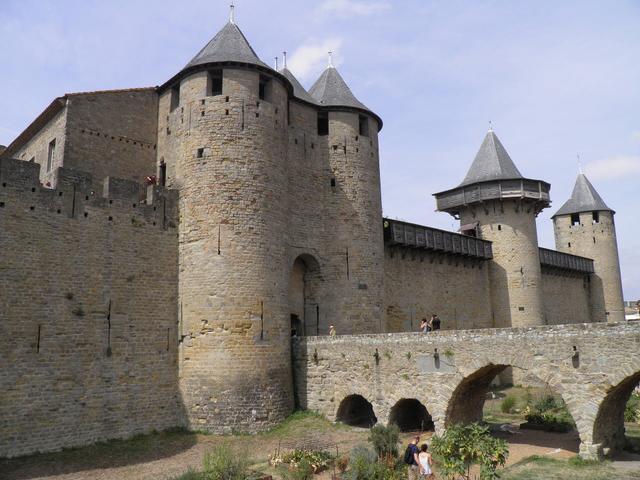
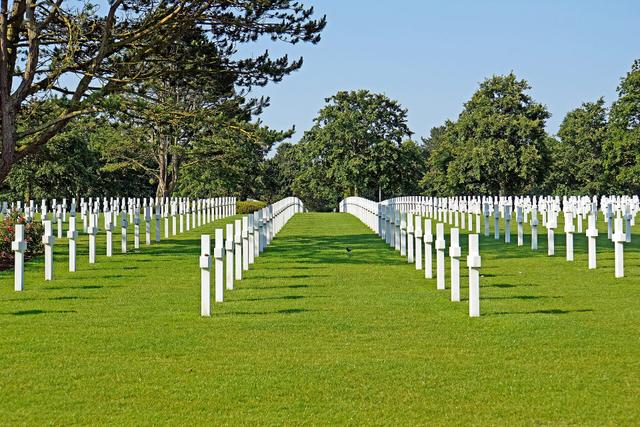
2026: the D-Day landing beaches and the royal fortresses of Languedoc. The fortresses were rebuilt by the King of France after the Albigensian Crusade. Montségur is on the list; Termes, Lastours and the Carcassonne Medieval City are also part of it. The landing beaches cover the sites of 6 June 1944 on the Normandy coast. See also: Cathar castles, D-Day beaches
Tips for visiting UNESCO sites in France
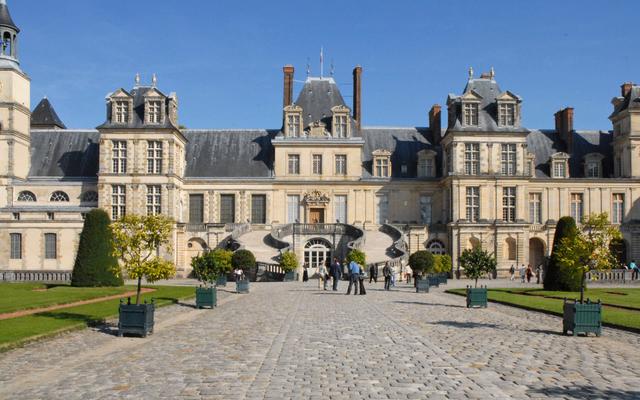
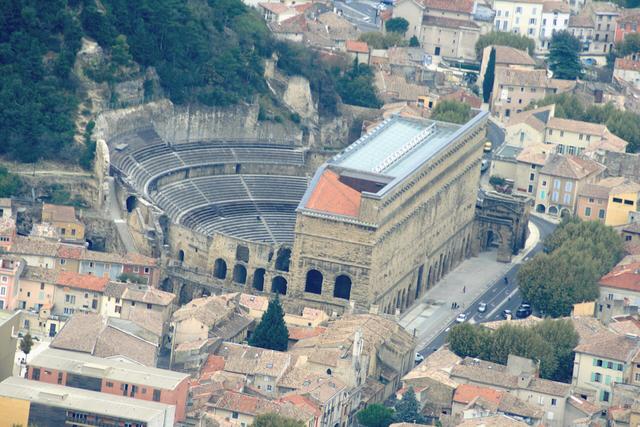
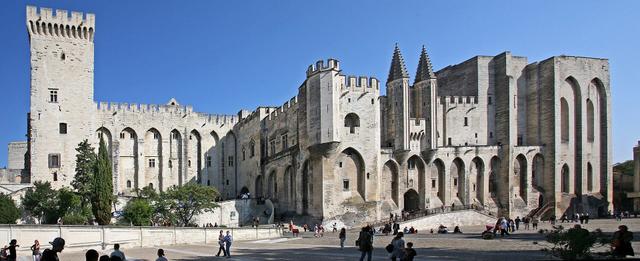
Group them by region. Avignon has the Palais des Papes and the Pont Saint-Bénezet, listed together in 1995; a ticket for the bridge alone costs €6. The Roman theatre of Orange is about 35 minutes away by car. In the Dordogne, keep a day for the Vézère Valley. See also: Things to do in Avignon
Book the caves. At Lascaux IV, the replica is visited in groups at set times: in summer, a full time slot can leave you waiting several hours. Buy online before you come. The same goes for Chauvet Cave 2.
Free entry. At Mont-Saint-Michel, Versailles and Chambord, under-18s and EU residents aged 18 to 25 get in free. The abbey of Mont-Saint-Michel, run by the Centre des monuments nationaux, is also free for everyone on the first Sunday of the month, from November to March. See also: Free entry for under-26s in France, Free museums and monuments on the first Sunday of the month
Come early to the busiest places. At Mont-Saint-Michel, take an abbey time slot at opening time, or come late in the afternoon, when the groups leave. The village and the Grande Rue are free to wander: in the evening, they empty out. From November to March, the abbey ticket is cheaper. See also: Mont-Saint-Michel from Paris


See also: Most visited castles in France, Free monuments in France
FAQ
How many UNESCO sites are there in France?
56 World Heritage properties in 2026, including 47 cultural, 7 natural and 2 mixed, according to the French Ministry of Culture. The two latest were listed on 26 July 2026.
What are the new UNESCO sites in France in 2026?
The D-Day landing beaches, Normandy, 1944, and the Capetian royal fortresses of Languedoc, including Carcassonne, Montségur, Termes, Lastours, Peyrepertuse and Quéribus.
What is the most visited UNESCO site in France?
Among the places with a page on our site, the Palace of Versailles, with 8,400,000 visitors in 2025.
Do you have to pay to visit UNESCO sites?
Not necessarily. Being listed sets no price. Saint-Sernin, Conques, Saint-Guilhem-le-Désert, the Fonseranes Locks and the Pont Valentré are free.
Can you visit the real Lascaux cave?
No. It is closed to the public to protect the paintings. Lascaux IV, in Montignac, shows a complete replica.
Why are not all UNESCO sites on this list?
It only includes places that have a page on our site. Large natural areas, such as the lagoons of New Caledonia, and some listed town centres do not have one.
Tickets to book online
Partner links: if you book through these links, we earn a commission at no extra cost to you. Partner links · Learn more
Related guides

Related historical figures