Nicolas Fouquet, the man who entertained the king too well
- Born
- 1615
- Died
- 23 March 1680
- Active years
- 1653 – 1661
- Family
- Artists, saints and favourites
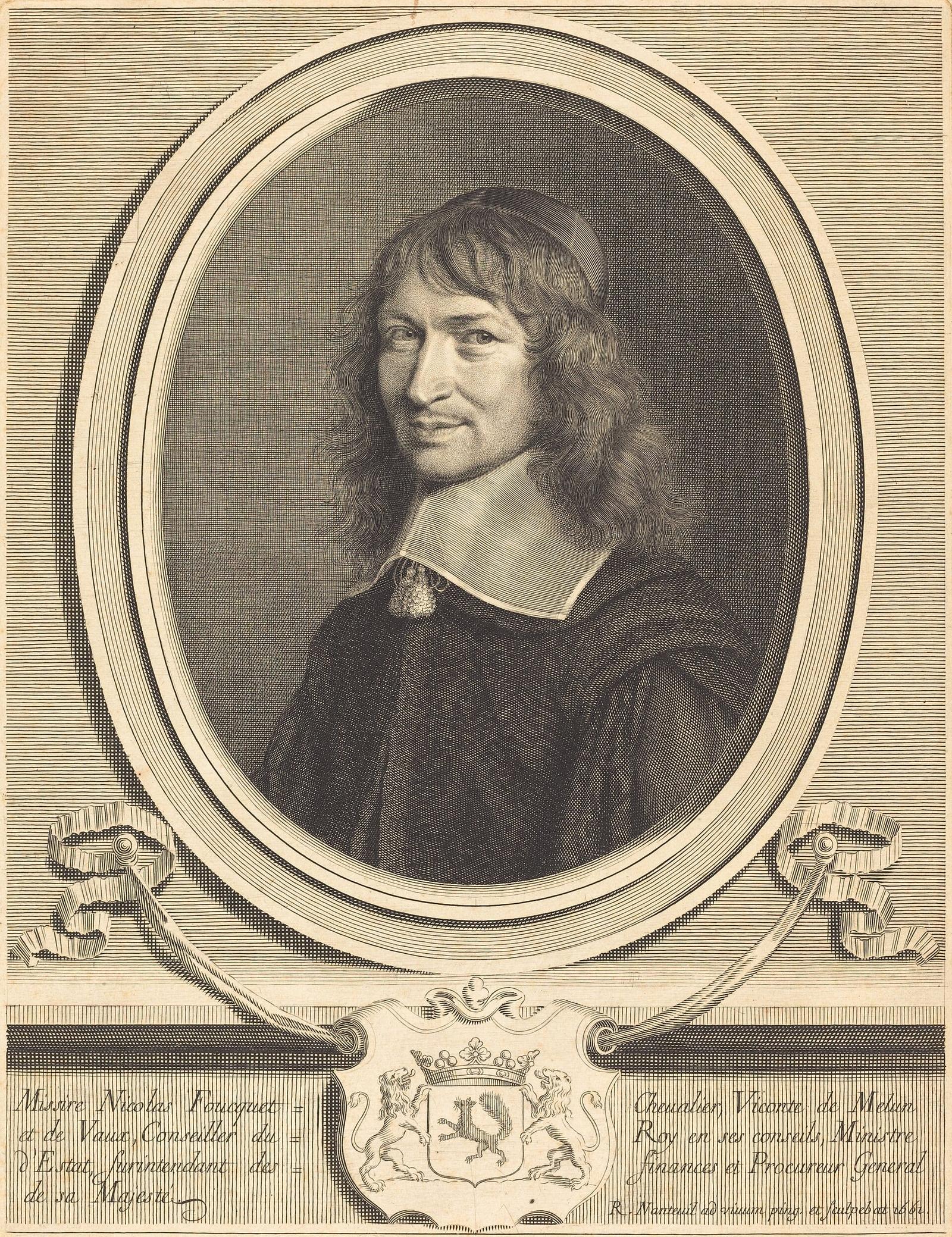
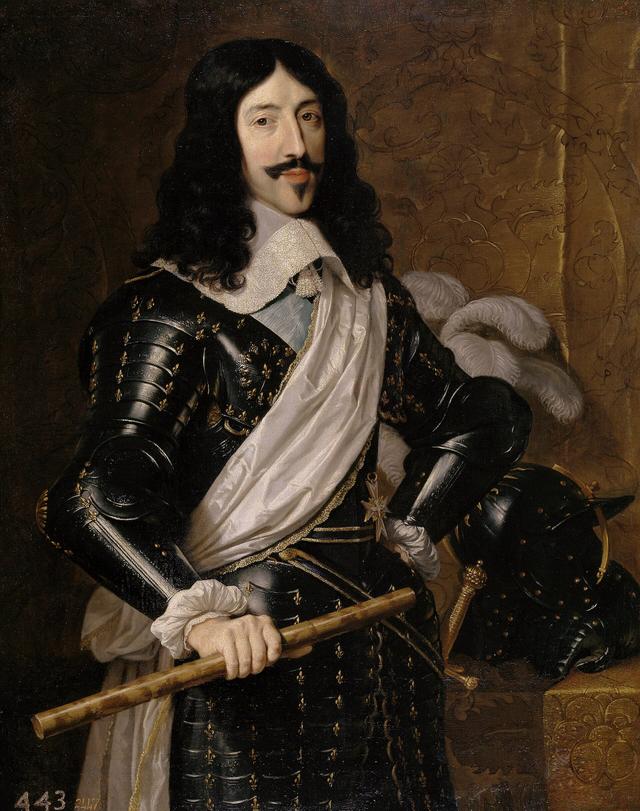
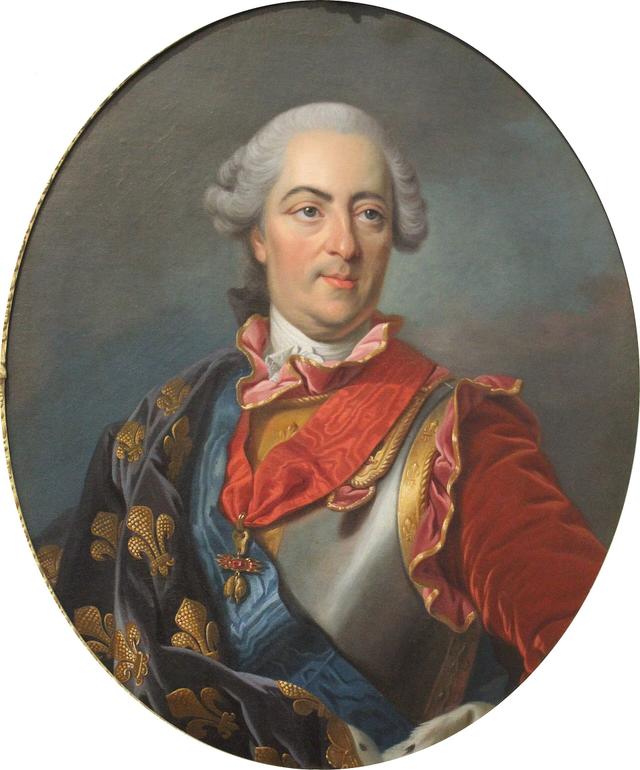
On 17 August 1661, Nicolas Fouquet welcomed Louis XIV to his brand-new château at Vaux-le-Vicomte: a dinner served by Vatel, a comedy by Molière, fireworks. Nineteen days later, d'Artagnan arrested him in Nantes. He never saw Vaux again, and the king hired the superintendent's architect, painter and gardener to build Versailles.
Nicolas Fouquet in dates
| Date | Event |
|---|---|
| 1615 | Born in Paris, into a family of magistrates |
| 1650 | Procurator general at the Parlement of Paris |
| 1653 | Appointed Superintendent of Finances by Mazarin |
| 1656 | Work begins on Vaux-le-Vicomte |
| 9 March 1661 | Mazarin dies: Louis XIV decides to rule alone |
| 17 August 1661 | Grand party at Vaux in honour of the king |
| 5 September 1661 | Arrested in Nantes by d'Artagnan |
| December 1664 | Sentenced to banishment; the king changes the sentence to life imprisonment |
| 1665 | Locked up in the fortress of Pignerol, in the Alps |
| 23 March 1680 | Dies at Pignerol |
Mazarin's superintendent
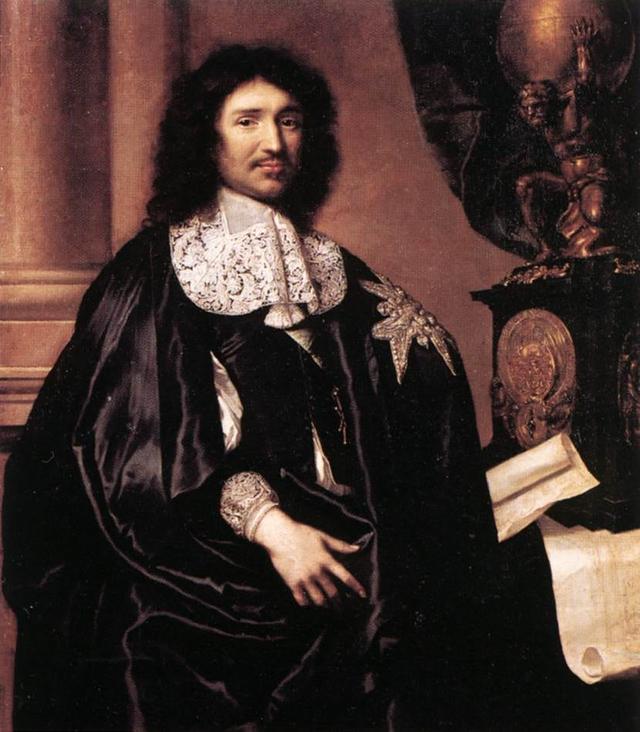
Nicolas Fouquet came from a family of Parisian magistrates. During the Fronde, he stayed loyal to Mazarin and Queen Anne of Austria, and bought the office of procurator general at the Parlement of Paris. In 1653, Mazarin made him Superintendent of Finances. The kingdom was emerging from civil war and had no credit left: Fouquet raised money from financiers, partly on his own fortune, and grew rich himself along the way, as everyone did at the time.
He was a patron of artists and writers: La Fontaine, Molière, Madame de Scudéry, the painter Charles Le Brun. His coat of arms showed a squirrel, called a “fouquet” in Anjou, and a Latin motto: Quo non ascendet?, “How high will he not climb?”
Vaux-le-Vicomte, the château that angered the king
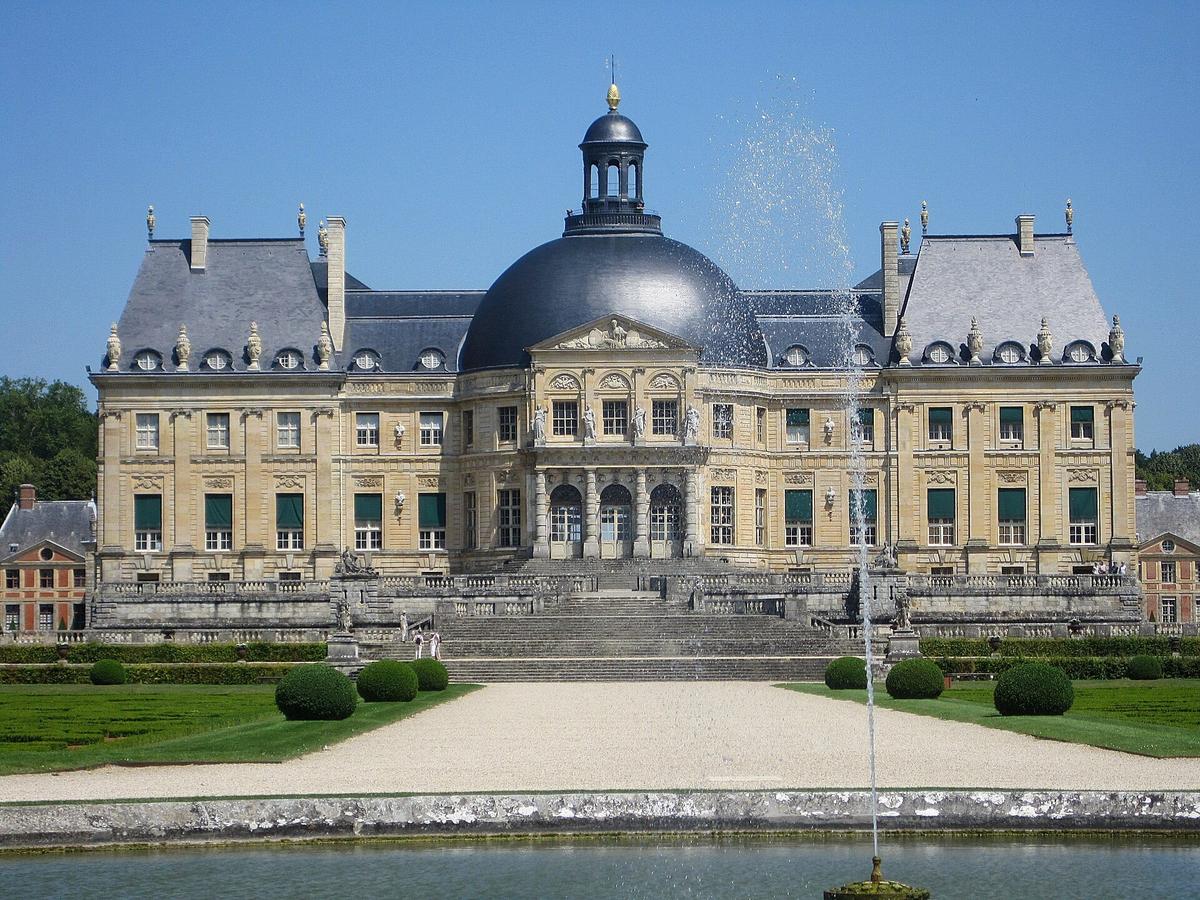
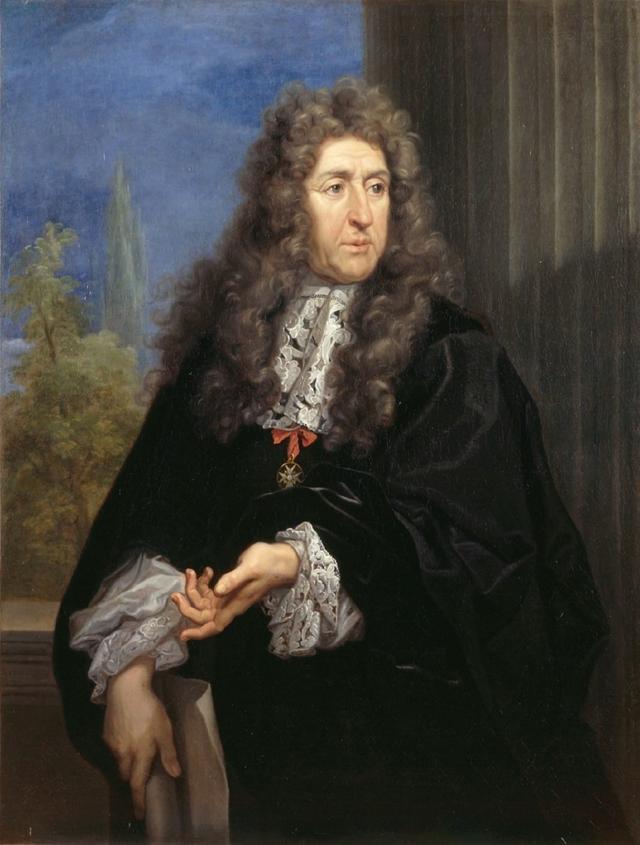
From 1656, Fouquet built a new kind of château near Melun. The architect Louis Le Vau, the painter Charles Le Brun and the gardener André Le Nôtre worked together there for the first time. The château, its painted salons and its French formal gardens, 1500 metres long, were completed in five years. See also: Vaux-le-Vicomte
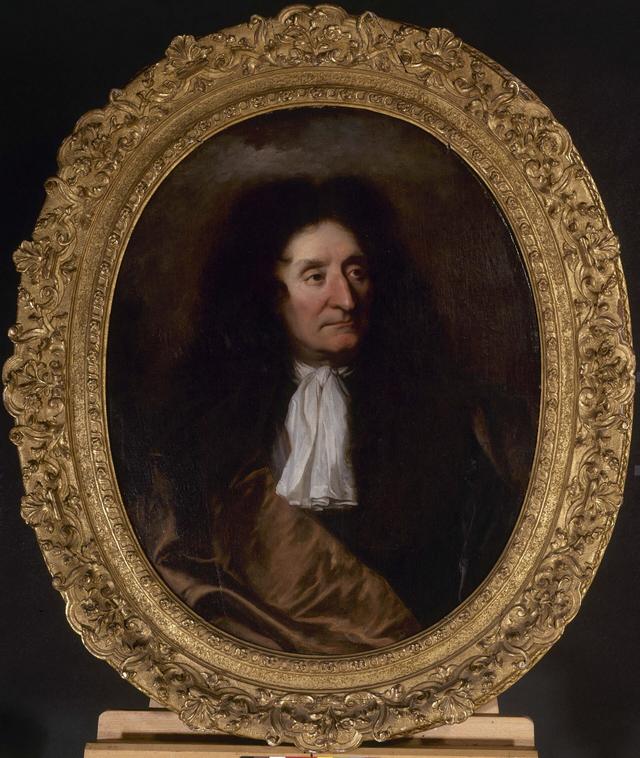
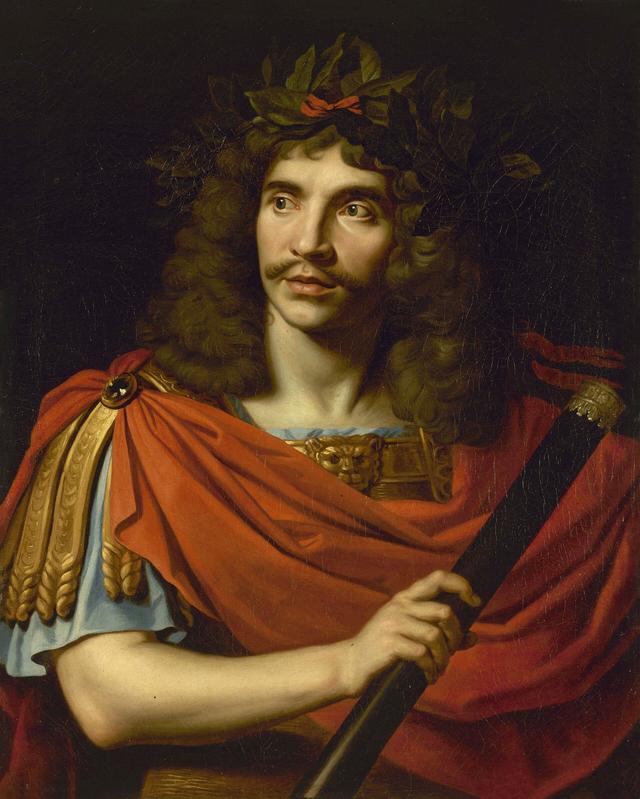
On 17 August 1661, Fouquet received the young Louis XIV and the court there. His steward, Vatel, organised the dinner. For the occasion Molière created a comedy-ballet, The Bores (Les Fâcheux). The evening ended with fireworks. La Fontaine described the party in a letter to his friend Maucroix. The king, who was twenty-three and had an empty treasury, left dazzled and furious. See also: Louis XIV, Molière
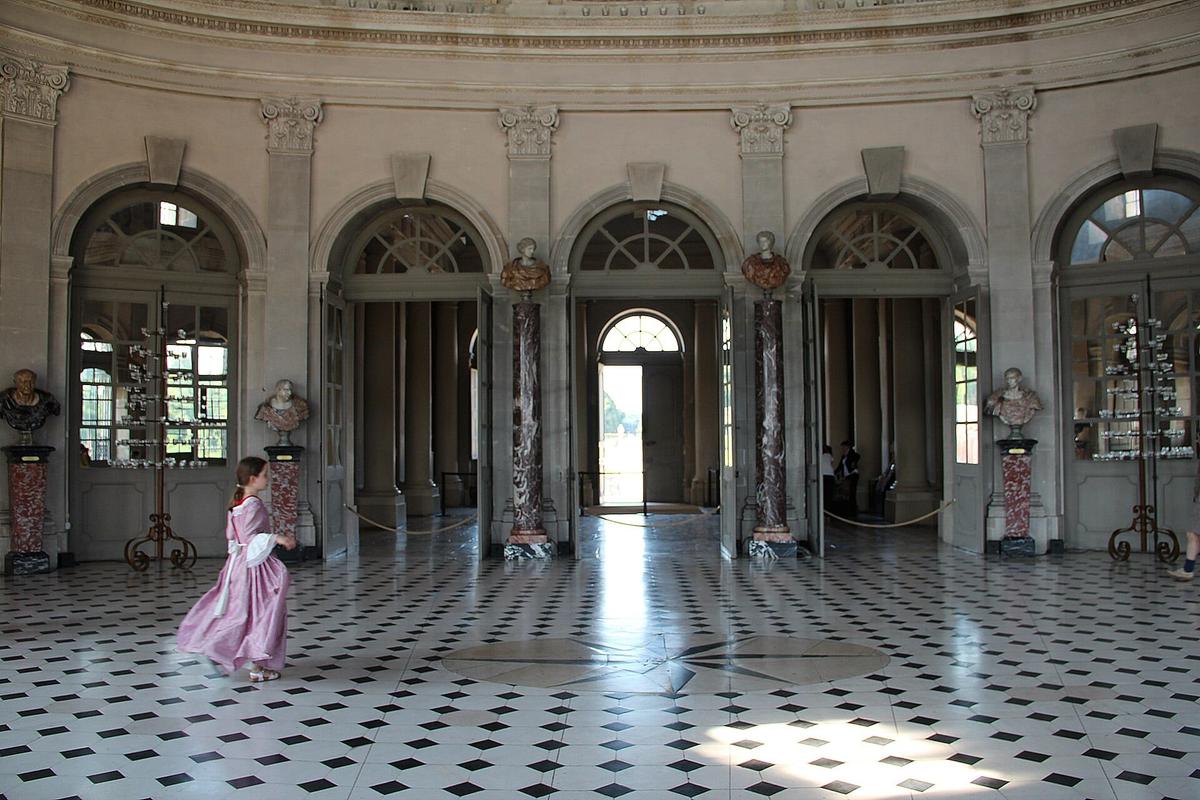
What to see: the Oval Grand Salon, 18 metres high, whose dome Le Brun never painted; the bedchamber prepared for the king; the kitchens; the vista across Le Nôtre's gardens. The candlelit evenings held in summer recapture the spirit of the 1661 party.
The arrest
The decision had been made before the party. Colbert, Mazarin's trusted man, had built a case against the superintendent and convinced the king that Fouquet was robbing him. On 5 September 1661, in Nantes, where the court had come for the Estates of Brittany, d'Artagnan, lieutenant of the Musketeers, arrested him as he left the council.
The trial lasted three years. Part of public opinion sided with the accused: Madame de Sévigné followed the hearings and described them in her letters, and La Fontaine wrote an elegy for him. In December 1664, the judges sentenced him to banishment. Louis XIV made the sentence harsher: it would be life in prison. Fouquet was locked up at Pignerol, a fortress in the Alps, where he died in 1680.
From Vaux to Versailles
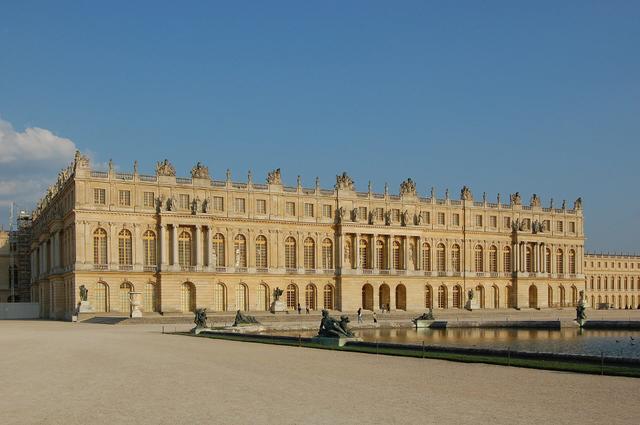
Louis XIV had some of the tapestries, statues and orange trees of Vaux seized. Above all, he hired Le Vau, Le Brun and Le Nôtre to transform his father's hunting lodge at Versailles. The palace you visit at Versailles today owes a great deal to the team Fouquet had brought together. See also: Palace of Versailles
What to see: at Versailles, Le Brun's Hall of Mirrors and Le Nôtre's Grand Canal, to compare with Vaux.
In his footsteps: Vaux-le-Vicomte
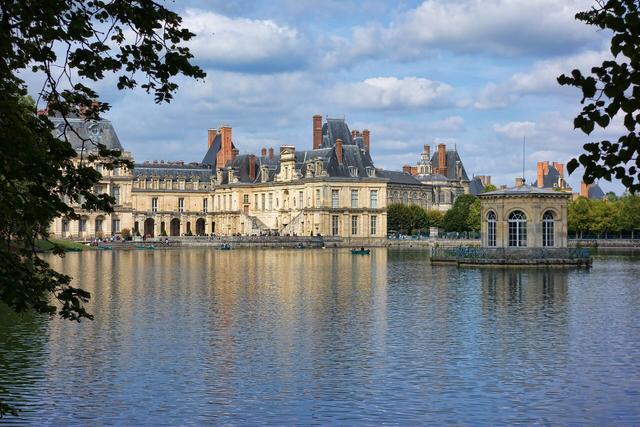
Vaux-le-Vicomte is 50 km from Paris. By train, take RER R to Melun, then the château shuttle, which must be booked. Fontainebleau is about twenty minutes away by car: you can see both châteaux in one day. See also: Palace of Fontainebleau
Partner links: if you book through these links, we earn a commission at no extra cost to you. Partner links · Learn more
FAQ
Why was Fouquet arrested?
He was accused of embezzlement and of plotting a rebellion. Colbert wanted his job, and Louis XIV wanted to show that he ruled alone, without a minister richer and more powerful than himself.
Who arrested Fouquet?
Charles de Batz de Castelmore, known as d'Artagnan, lieutenant of the King's Musketeers, on 5 September 1661 in Nantes.
Was Fouquet the Man in the Iron Mask?
No. The theory has circulated, but Fouquet died at Pignerol in 1680. The masked prisoner, who was held for a time in the same fortress, died in the Bastille in 1703.
What happened at the party at Vaux?
A dinner organised by Vatel, the first performance of Molière's The Bores and a fireworks display, on 17 August 1661, before Louis XIV and the court.
Can you visit Vaux-le-Vicomte?
Yes. The château is privately owned but open to the public in spring, summer, autumn and at Christmas, with candlelit evenings in summer.
Sources: fr.wikipedia.org (Nicolas Fouquet)
Tickets to book online
Partner links: if you book through these links, we earn a commission at no extra cost to you. Partner links · Learn more
Places to visit
Related guides