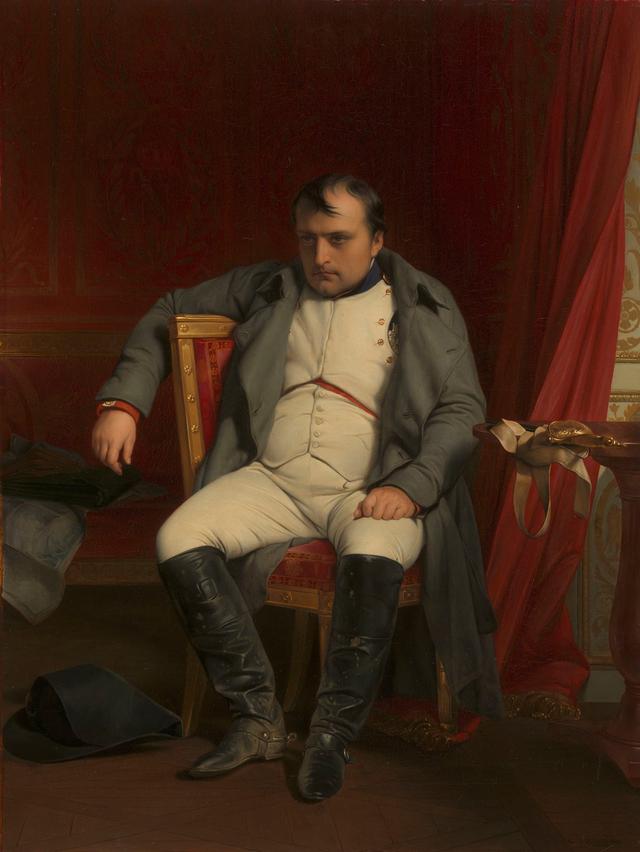
Molière, the king's actor in the châteaux
- Born
- 1622
- Died
- 17 February 1673
- Active years
- 1643 – 1673
- Family
- Artists, saints and favourites
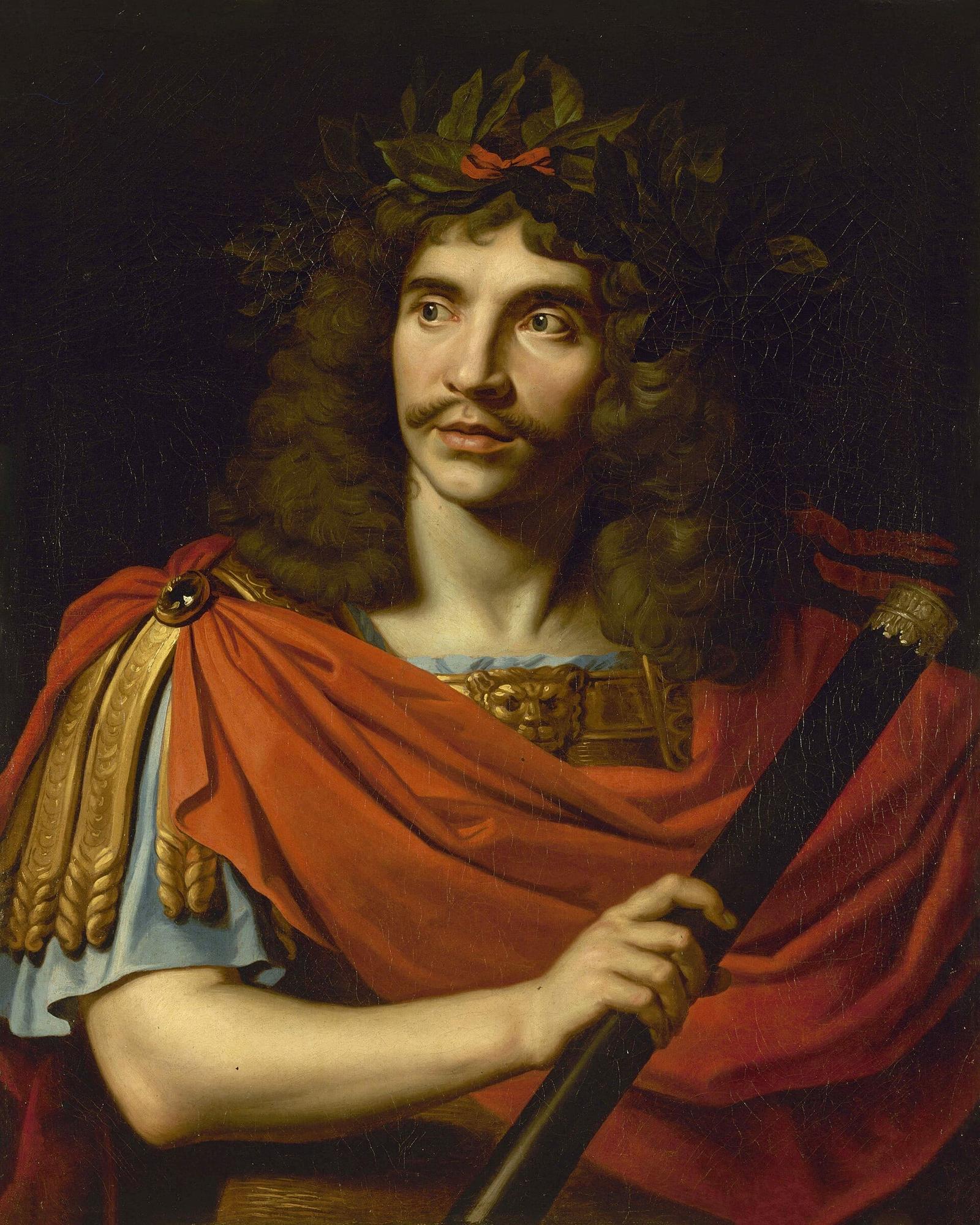
We picture Molière in a Paris theatre. Yet several of his plays were born in châteaux, for a party, a hunt or a royal whim: The Bores in the gardens of Vaux-le-Vicomte, the first Tartuffe in those of Versailles, The Bourgeois Gentleman at Chambord. For fifteen years, Jean-Baptiste Poquelin wrote, acted and ran his company to the rhythm of Louis XIV's court.
Molière in dates
| Date | Event |
|---|---|
| 15 January 1622 | Baptism in Paris of Jean-Baptiste Poquelin, son of a royal upholsterer |
| 1643 | Founds the Illustre-Théâtre with the Béjart family; takes the name Molière the following year |
| 1645-1658 | Thirteen years of touring the provinces |
| 24 October 1658 | Performs before Louis XIV at the Louvre; the company settles in Paris |
| 1659 | The Affected Young Ladies (Les Précieuses ridicules), his first big success |
| 17 August 1661 | First performance of The Bores at Vaux-le-Vicomte |
| 12 May 1664 | First Tartuffe at Versailles, banned at once |
| 1665 | His company becomes the King's Troupe |
| October 1669 | Monsieur de Pourceaugnac at Chambord |
| 14 October 1670 | The Bourgeois Gentleman at Chambord |
| 17 February 1673 | Dies in Paris, after the fourth performance of The Imaginary Invalid |
Thirteen years on the road
Jean-Baptiste Poquelin could have taken over his father's post as upholsterer to the king. At twenty-one, he chose the theatre instead and founded the Illustre-Théâtre with Madeleine Béjart and her family. The venture went bankrupt after two years, and Molière spent a few days in prison for debt.
The company then left for the provinces, from Nantes to Lyon, from Bordeaux to Pézenas. For thirteen years, Molière learned his trade: a comic actor, he wrote his first farces and his first comedies.
The Louvre, 1658
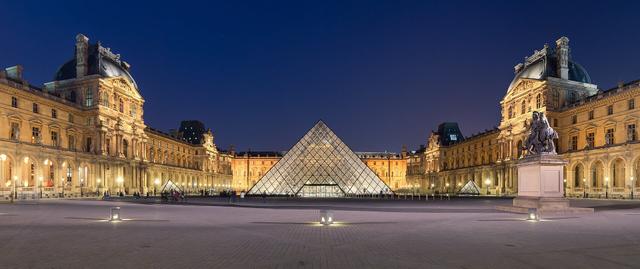
On 24 October 1658, the company performed before Louis XIV for the first time, at the Louvre. Corneille's tragedy Nicomède was a little dull. Molière asked permission to add a short farce of his own, The Doctor in Love (Le Docteur amoureux). The king laughed and gave the company a theatre in Paris. See also: Louvre Museum, Louis XIV
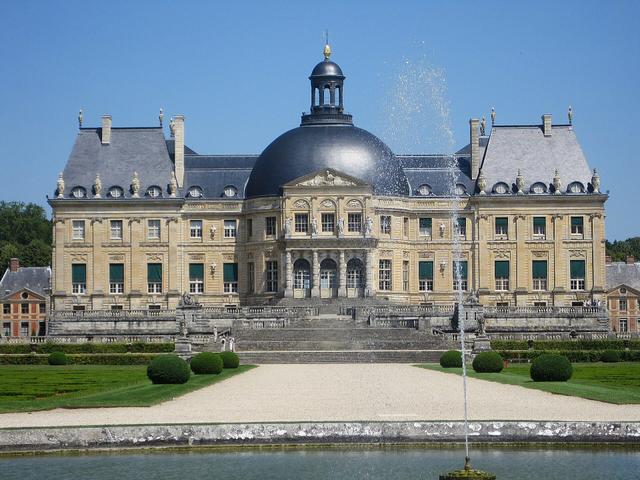
Vaux-le-Vicomte, 1661
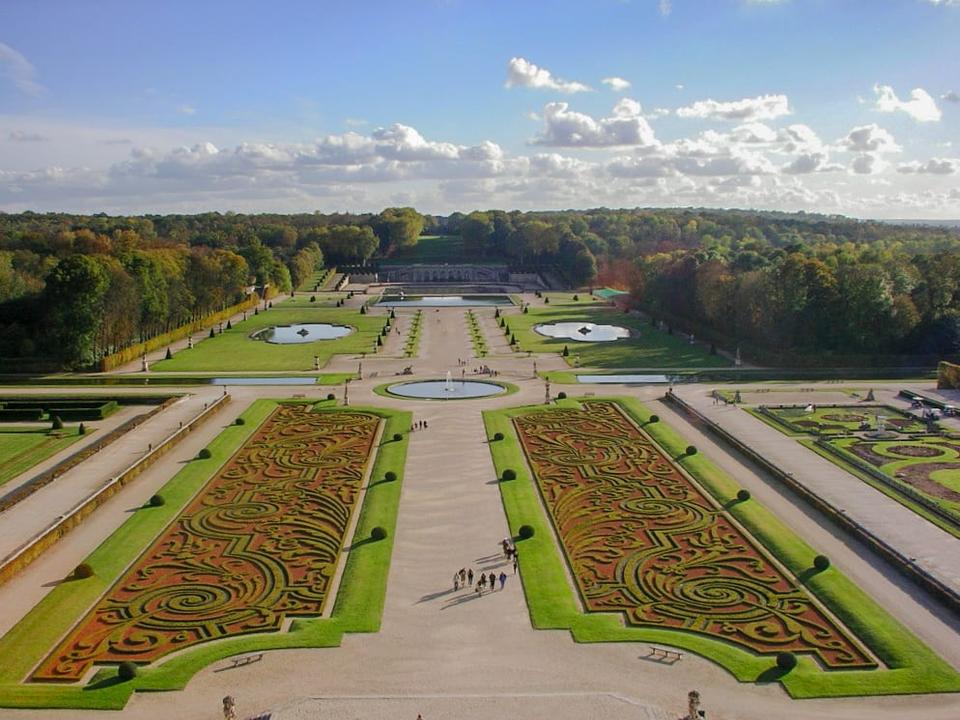
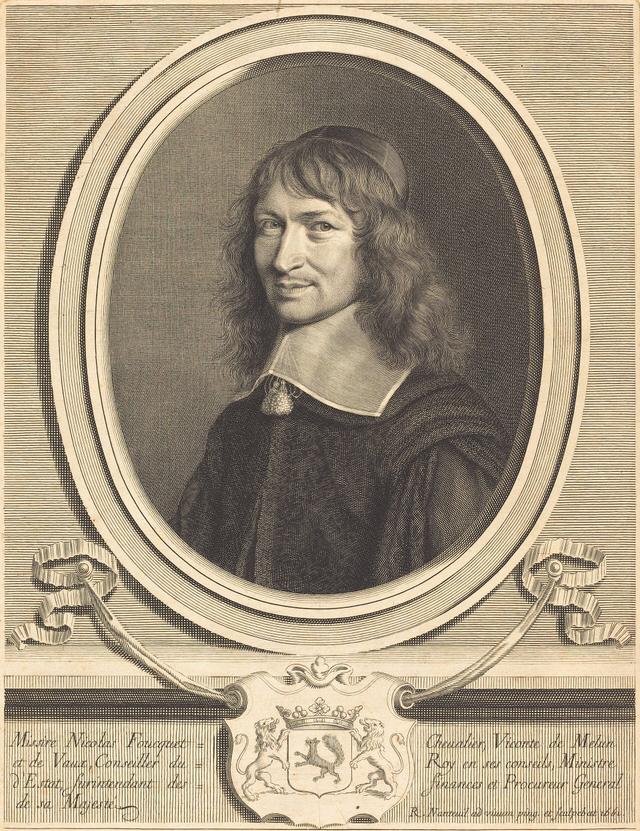
For the party he gave for the king on 17 August 1661, Superintendent Fouquet commissioned a new play from Molière. Molière had only a fortnight. He wrote The Bores (Les Fâcheux), a comedy mixed with dances: it was the first comedy-ballet. It was performed in the open air, in Le Nôtre's gardens. Three weeks later, Fouquet was arrested; Molière, for his part, kept the king's favour. See also: Vaux-le-Vicomte, Nicolas Fouquet
What to see: Le Nôtre's gardens and their vista; in summer, the candlelit evenings recapture the atmosphere of the party.
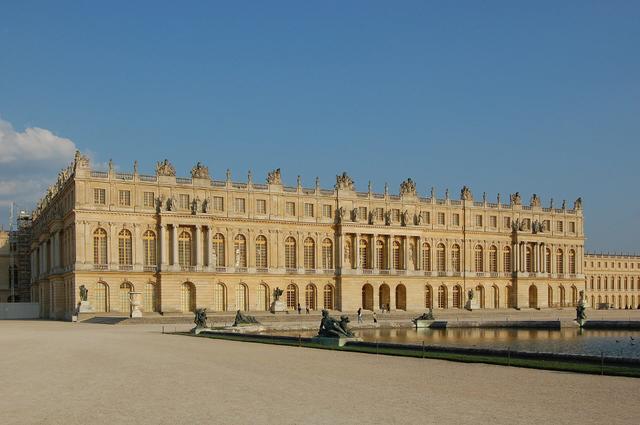
Versailles, 1664
In May 1664, at Versailles, which was still a small hunting château, Louis XIV held a party lasting several days, the Pleasures of the Enchanted Island. Molière was one of its organisers. On 12 May, he presented a first version of Tartuffe there, in three acts. The devout cried scandal, and the king, who had laughed, had to ban it. It took five years of struggle before the play could be performed freely, in 1669. See also: Palace of Versailles
What to see: at Versailles, the view across the gardens towards the Grand Canal, where the 1664 festivities took place before the great palace was built.
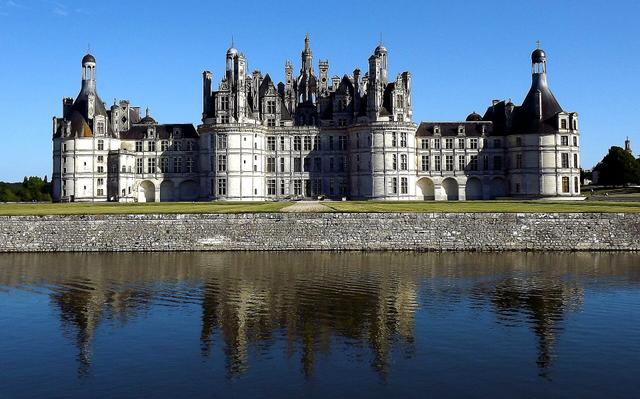
Chambord, 1669 and 1670
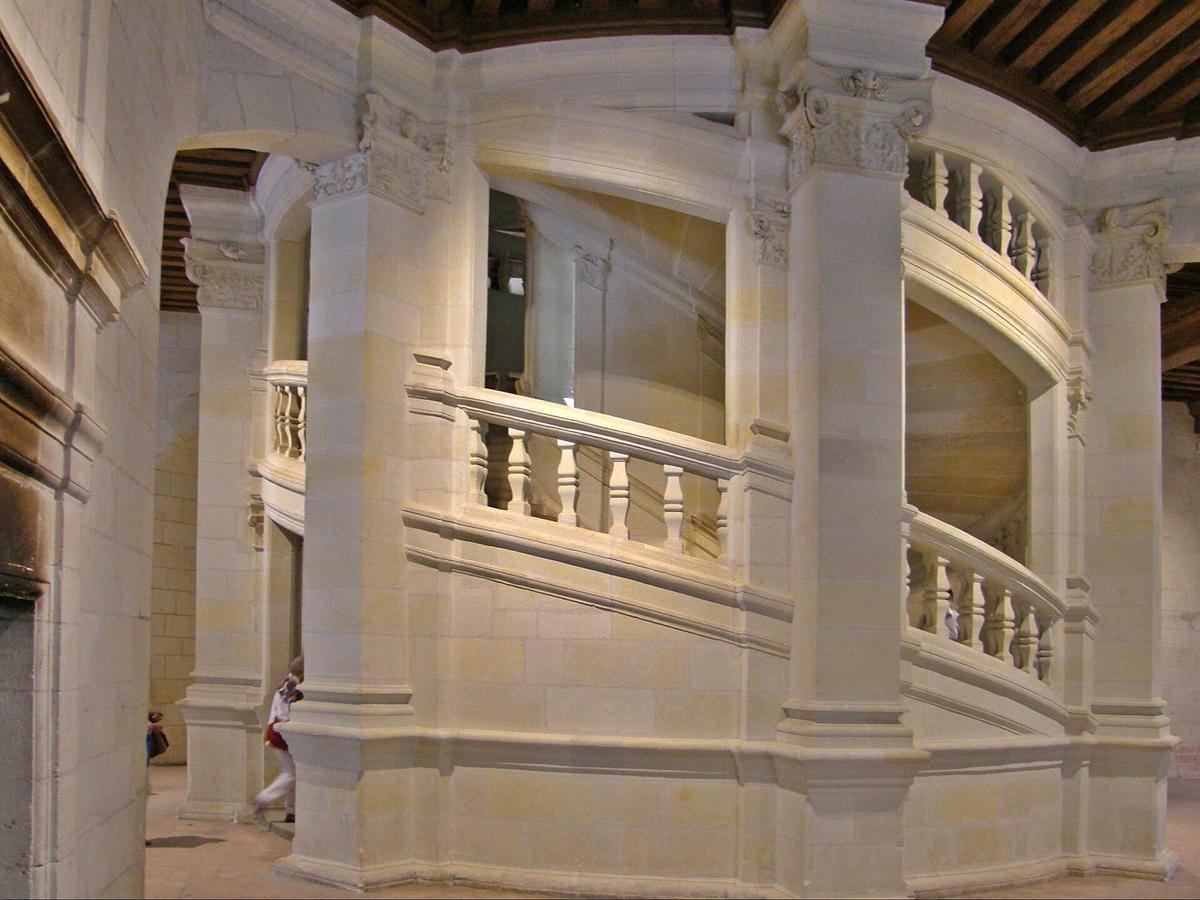
The king came to hunt at Chambord in the autumn. In October 1669, Molière and Lully created Monsieur de Pourceaugnac there. The following year, on 14 October 1670, they presented The Bourgeois Gentleman, commissioned by the king after a ridiculous visit from a Turkish envoy. According to tradition, Louis XIV said nothing at the première; the courtiers, playing it safe, tore the play apart. At the second performance, the king congratulated Molière, and the court changed its mind. See also: Château de Chambord
What to see: the keep and the double-helix staircase, and Louis XIV's apartment on the first floor, where the court stayed during these visits.
The last performance
Molière had suffered for years from a lung disease. On 17 February 1673, he played the part of Argan in The Imaginary Invalid for the fourth time. Seized by a convulsion on stage, he finished the performance, then died at home, on the Rue de Richelieu, a few hours later. As actors were frowned upon by the Church at the time, it took the king's intervention for him to be buried at night, in consecrated ground. Seven years later, his company merged with another to form the Comédie-Française.
In his footsteps: from Chambord to Vaux
Chambord is 15 km from Blois. See also: Royal Château of Blois Vaux-le-Vicomte is 50 km from Paris, with a shuttle from Melun station, and Versailles is a ten-minute walk from the Versailles Château Rive Gauche station on RER C.
Partner links: if you book through these links, we earn a commission at no extra cost to you. Partner links · Learn more
FAQ
Where was The Bourgeois Gentleman first performed?
At the Château de Chambord, on 14 October 1670, before Louis XIV and the court, with music by Lully.
Did Molière die on stage?
No, but nearly. He was taken ill during the fourth performance of The Imaginary Invalid, on 17 February 1673, and died at home a few hours later.
Which play did Molière write for Vaux-le-Vicomte?
The Bores (Les Fâcheux), a comedy-ballet first performed on 17 August 1661 at Fouquet's party in honour of the king.
Why was Tartuffe banned?
The play mocks a religious hypocrite. After its first performance at Versailles in 1664, the religious party obtained a ban; it was not allowed until 1669.
Was Molière his real name?
No. His name was Jean-Baptiste Poquelin, and he took the name Molière around 1644, without ever explaining why.
Sources: fr.wikipedia.org (Molière)
Tickets to book online
Partner links: if you book through these links, we earn a commission at no extra cost to you. Partner links · Learn more
Places to visit


Related guides


Related historical figures