Louis XIII, Richelieu's king and the Versailles before Versailles
- Born
- 27 September 1601
- Died
- 14 May 1643
- Reign
- 1610 – 1643
- Family
- Bourbons
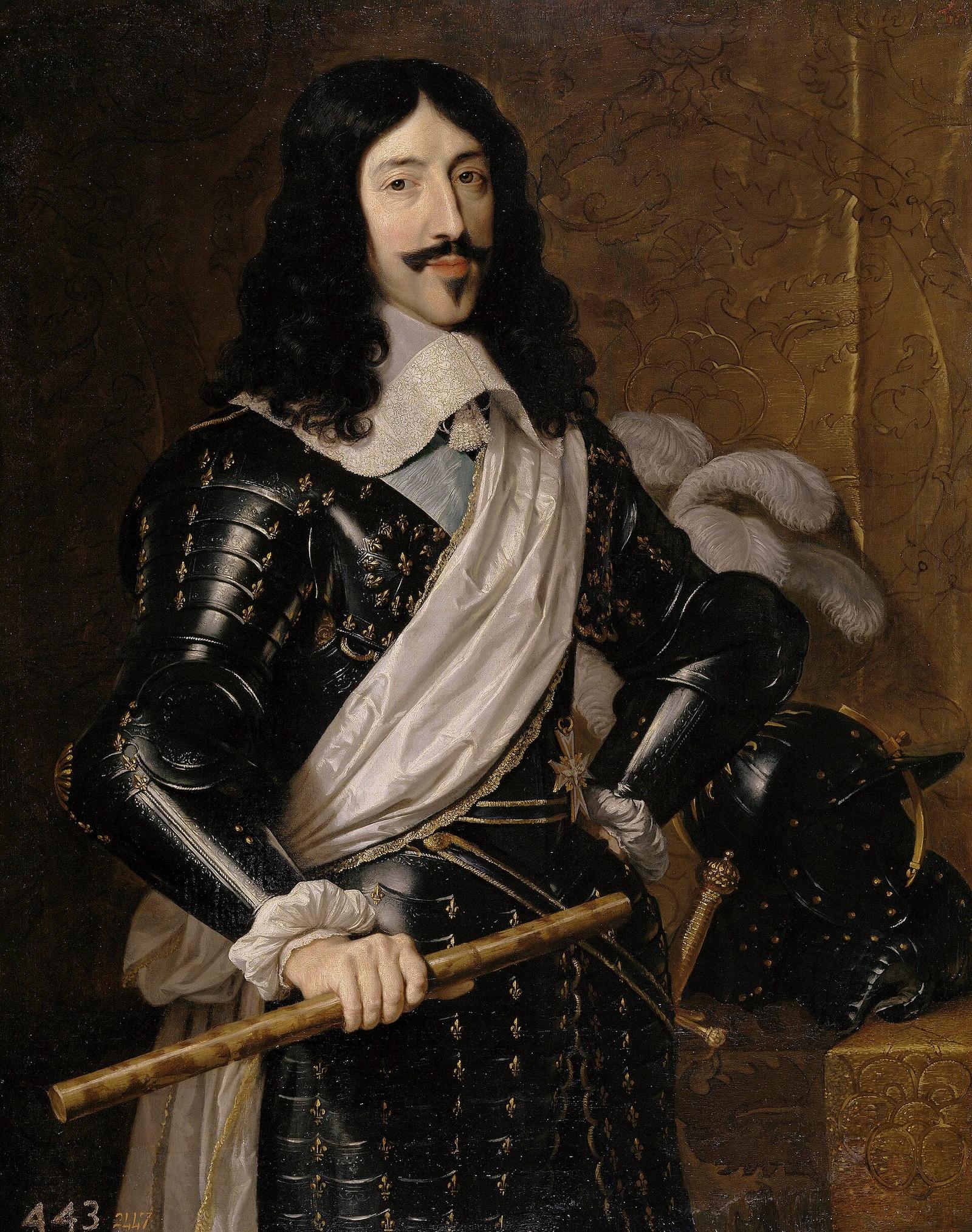
He is best known from The Three Musketeers, as a shy king in Richelieu's shadow. Yet at sixteen Louis XIII had his mother's favourite killed, exiled her to Blois, then made peace with her at Brissac, before choosing Richelieu over her. And it was he who built, on a wooded hill near Paris, the hunting lodge that would become Versailles.
Louis XIII in dates
| Date | Event |
|---|---|
| 27 September 1601 | Born at the Palace of Fontainebleau, son of Henry IV and Marie de' Medici |
| 14 May 1610 | Becomes king when his father is assassinated; his mother is regent |
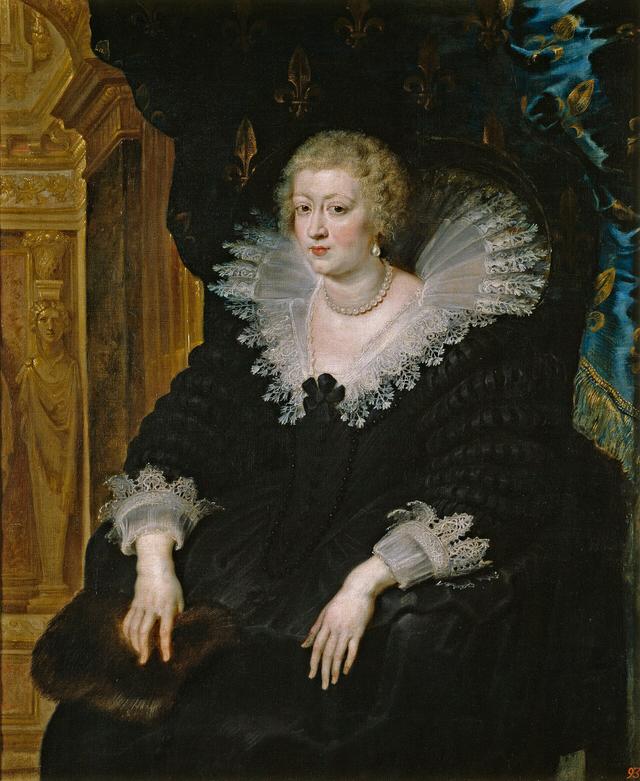
| 1615 | Marries Anne of Austria, Infanta of Spain |
| 24 April 1617 | Has Concini, his mother's favourite, killed and exiles her to Blois |
| February 1619 | Marie de' Medici escapes from the Château de Blois |
| August 1620 | Reconciled with his mother at the Château de Brissac |
| 1623 | Builds a hunting lodge at Versailles |
| 1624 | Richelieu joins the royal council and becomes its head |
| 1628 | Capture of La Rochelle, the great Protestant stronghold |
| 10-11 November 1630 | Day of the Dupes: he chooses Richelieu over his mother |
| 5 September 1638 | Birth of his son, the future Louis XIV |
| 14 May 1643 | Dies at Saint-Germain-en-Laye; buried at Saint-Denis |
The child of Fontainebleau
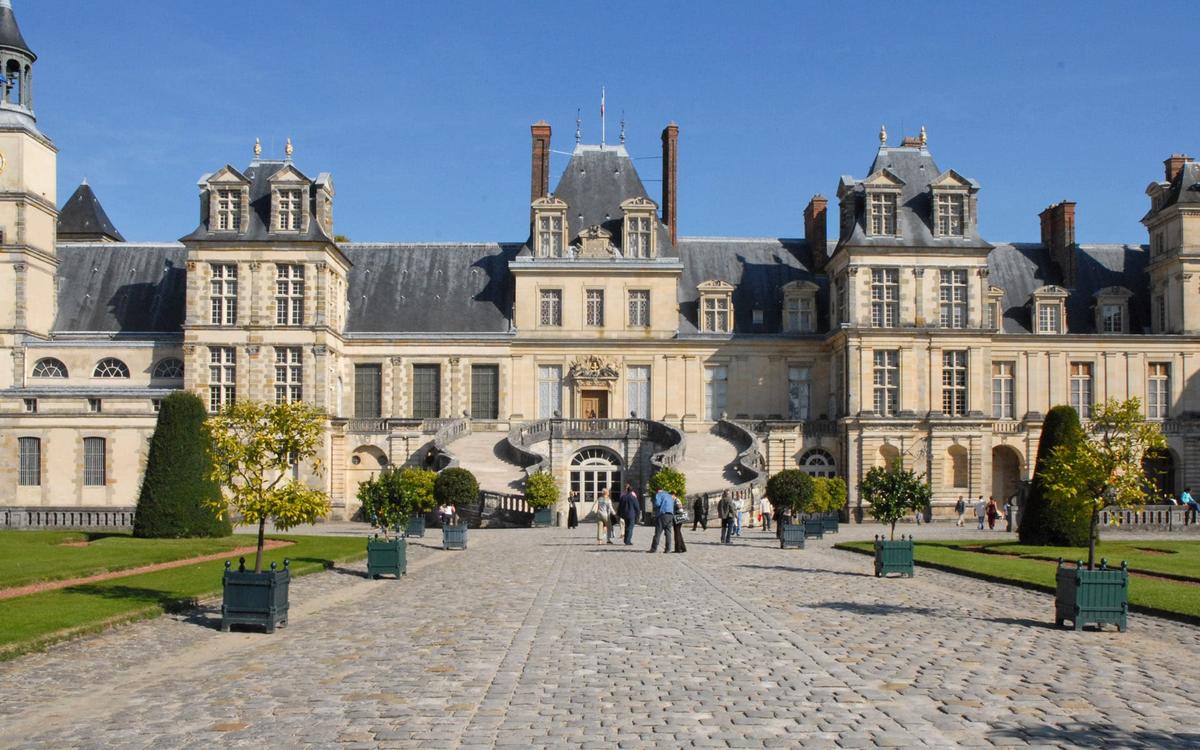
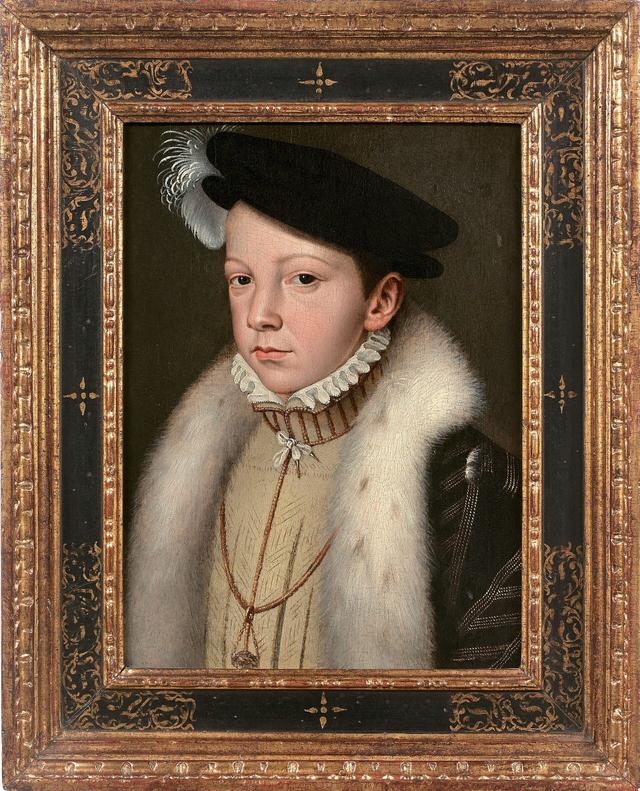
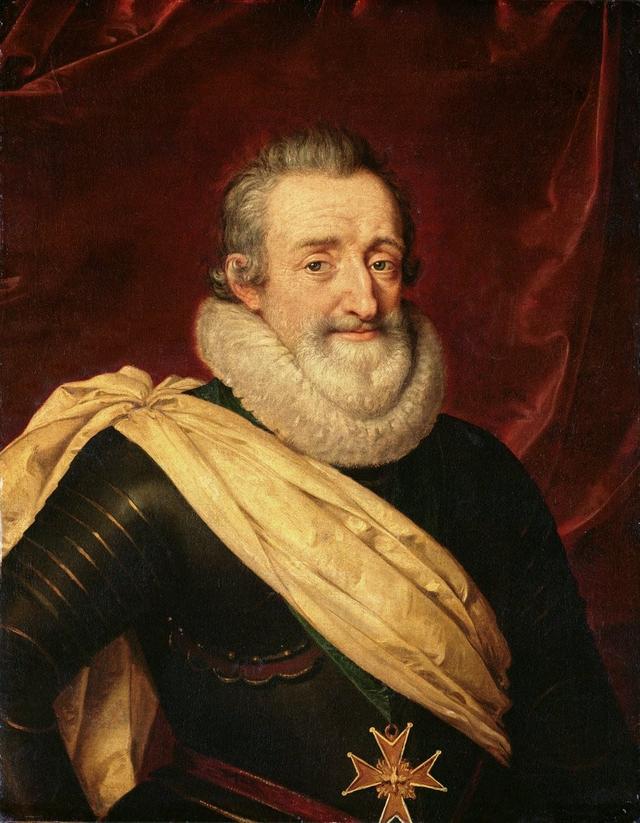
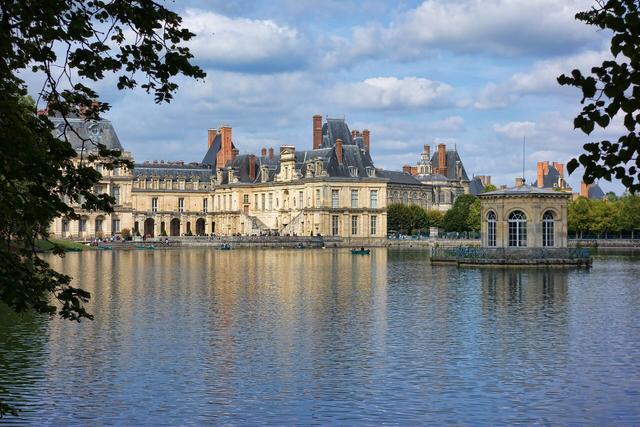
Louis was born at Fontainebleau in 1601. He was the first dauphin born in France in more than fifty years, and his father, Henry IV, was wild with joy. His physician, Jean Héroard, kept a diary of his daily life for twenty-seven years, one of the most detailed records of a king's childhood. See also: Henry IV
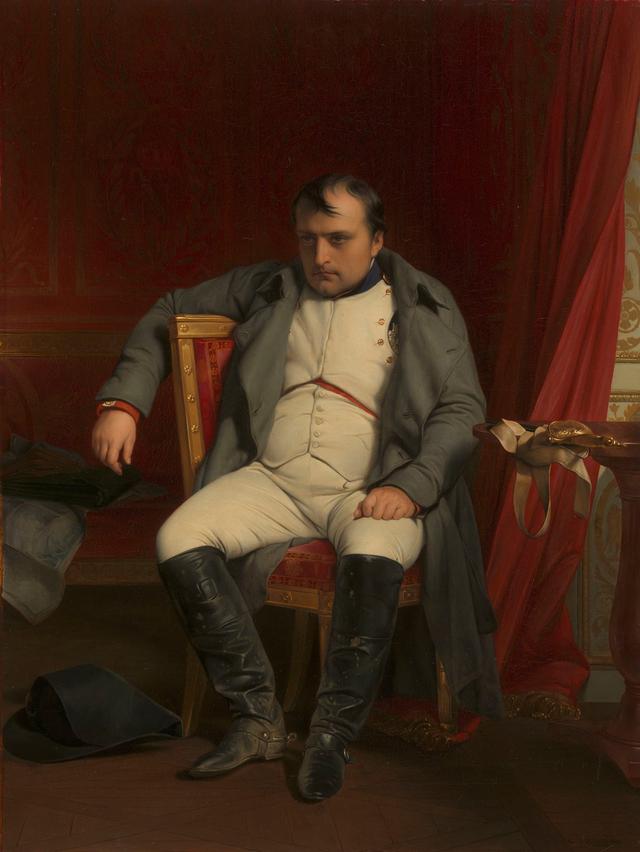
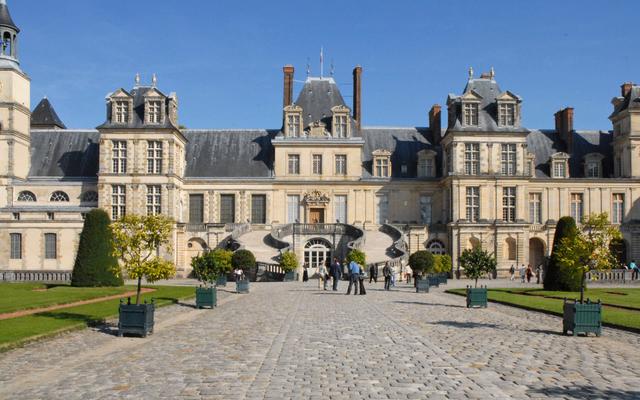
Once king, Louis XIII often came back to Fontainebleau. Between 1632 and 1634 he built the great horseshoe staircase in the main courtyard, the one Napoleon would walk down in 1814 to bid farewell to his Guard. See also: Palace of Fontainebleau, Napoleon
What to see: the horseshoe staircase, the Baptistery Gate in the Oval Court, which recalls his baptism in 1606, and the Diana Gallery built by his father.
The king against his mother
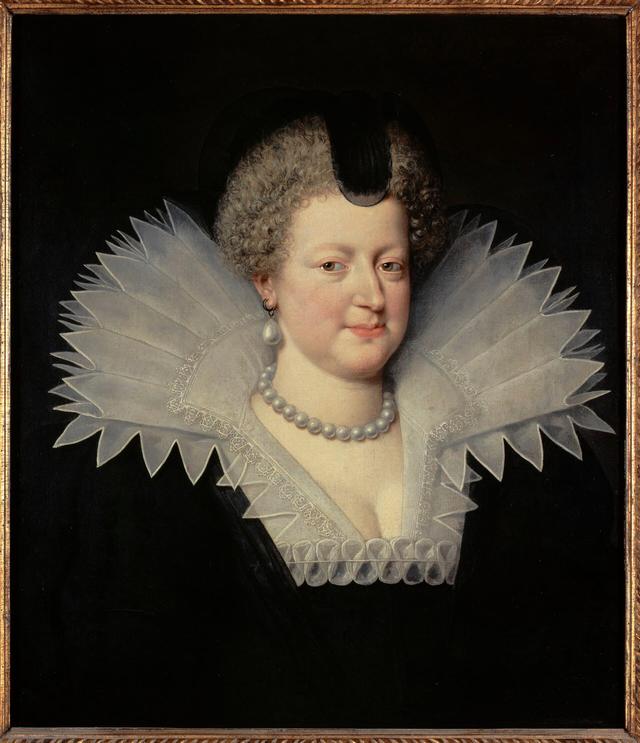
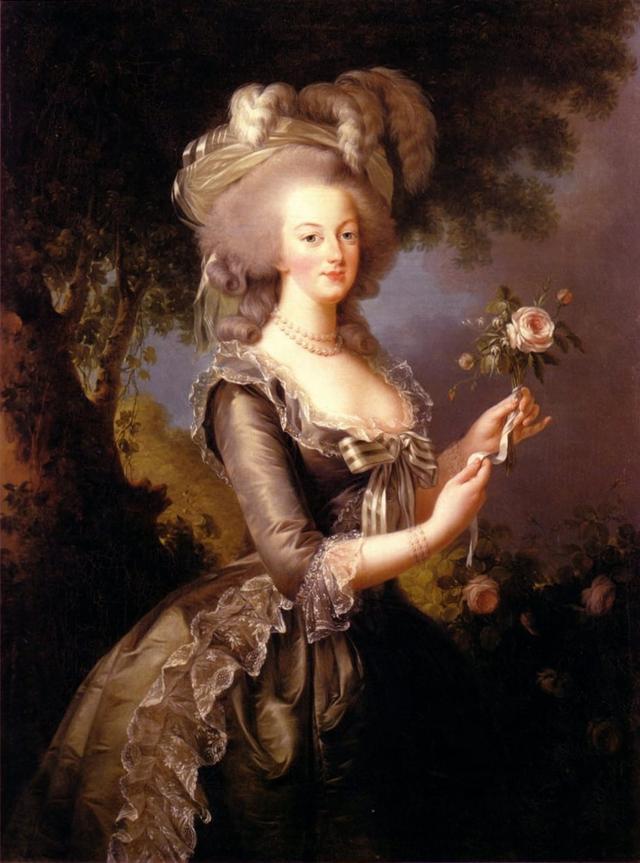
The king was eight when his father was assassinated. Marie de' Medici ruled as regent and left power to a Florentine adventurer, Concino Concini. In 1617, aged sixteen, Louis XIII had Concini arrested; he was shot down by the guards at the entrance to the Louvre. The king sent his mother away to the Château de Blois. See also: Marie de' Medici
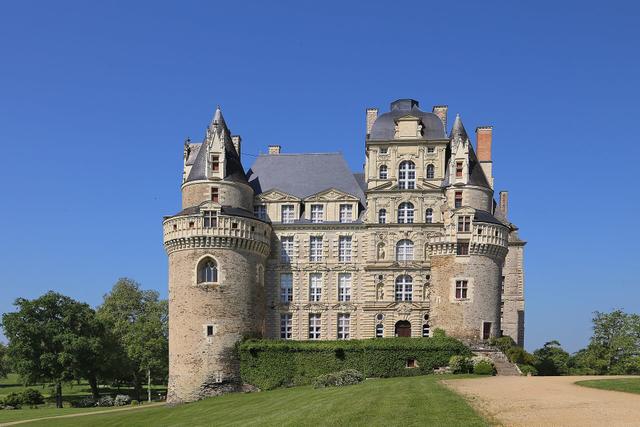
On the night of 21 to 22 February 1619, Marie de' Medici escaped through a window with a rope ladder and took the lead of the rebel princes. After a short war and the defeat of her troops at Les Ponts-de-Cé, near Angers, mother and son were reconciled at the Château de Brissac in August 1620. See also: Royal Château of Blois, Château de Brissac
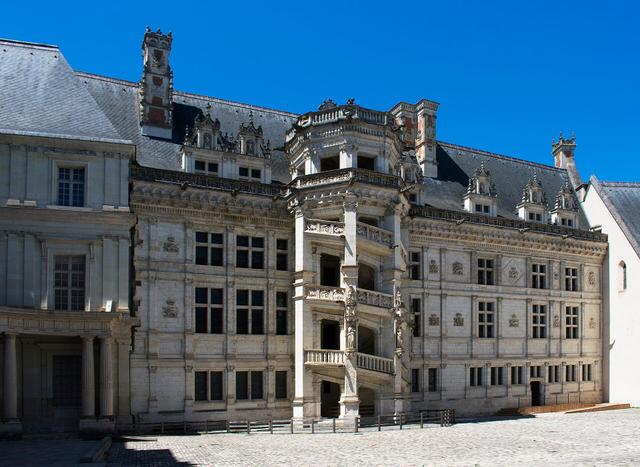
What to see: at Blois, the Francis I wing and its staircase, and the Gaston d'Orléans wing; at Brissac, the tallest château in France, with its seven storeys.
Richelieu
In 1624, Marie de' Medici brought a bishop she protected onto the council: Cardinal Richelieu. The king and the cardinal, who seemed to have nothing in common, would govern together for eighteen years. They took La Rochelle from the Protestants in 1628, then went to war against Spain and the Holy Roman Empire.
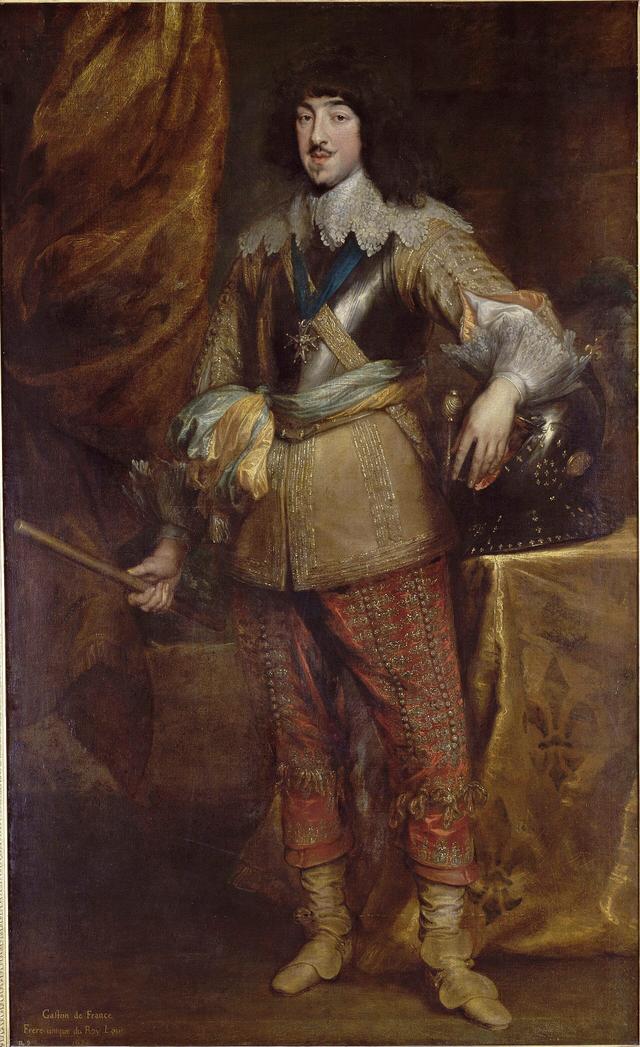
On 10 November 1630, the queen mother demanded that Richelieu be dismissed. She thought she had won. The next day, the king confirmed the cardinal in office. This was the Day of the Dupes: Marie de' Medici went into exile for good. The king's brother, Gaston d'Orléans, plotted in turn; he would end his days at Blois. See also: Gaston, Duke of Orléans
His servants on the Loire
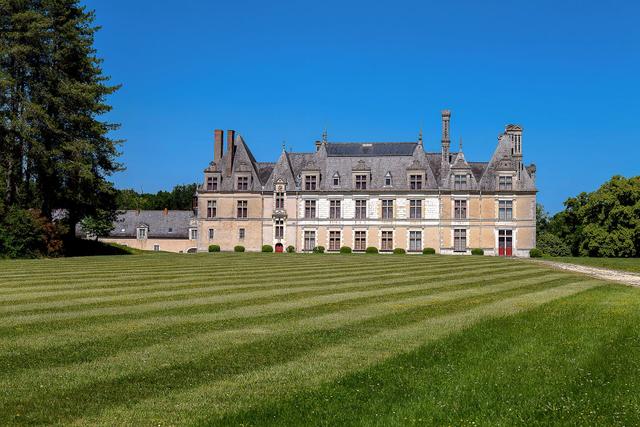
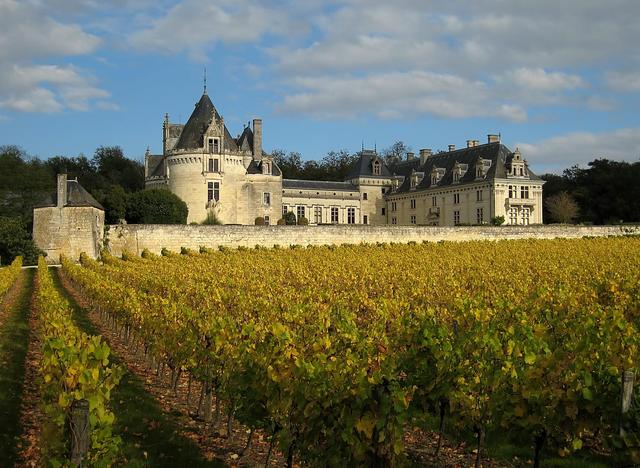
The king's loyal men received lands and titles. In 1615, Louis XIII made Brézé, near Saumur, a marquisate. Paul Ardier, who had served Henry III, Henry IV and Louis XIII, bought Beauregard, near Blois, and from 1620 to 1638 had the Gallery of Illustrious Men painted there, which includes a portrait of Louis XIII. See also: Château de Brézé, Château de Beauregard
What to see: at Beauregard, the 327 portraits in the gallery and its Delft tile floor; at Brézé, the underground passages and the dry moats, described as the deepest in Europe.
The Versailles hunting lodge
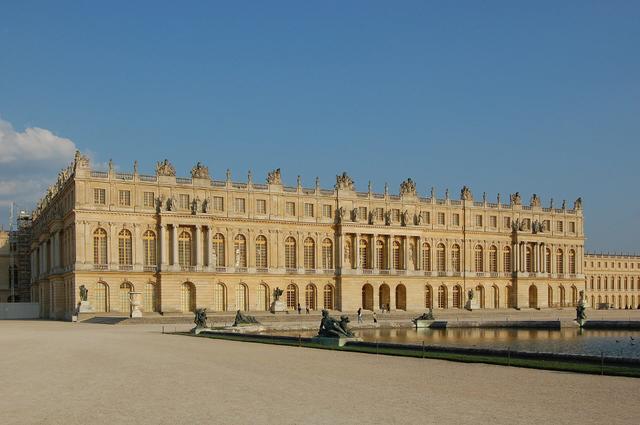
In 1623, Louis XIII built a small hunting lodge at Versailles, on a hill in the middle of the woods. Ten years later he replaced it with a small château of brick and stone. His son would wrap the palace we know today around it without demolishing it: the Marble Court, at the centre, is the courtyard of Louis XIII's château. See also: Palace of Versailles, Louis XIV
Louis XIII died on 14 May 1643, thirty-three years to the day after his father. His son was four.
In his footsteps: from Fontainebleau to Versailles
Fontainebleau is 40-45 minutes from Paris-Gare de Lyon by train. Versailles is a ten-minute walk from the Versailles Château Rive Gauche station on RER C. On the Loire, Beauregard is 7 km from Blois station, and Brissac 20 km from Angers.
Partner links: if you book through these links, we earn a commission at no extra cost to you. Partner links · Learn more
Places to stay near Fontainebleau
FAQ
Where was Louis XIII born?
At the Palace of Fontainebleau, on 27 September 1601. He was baptised there in 1606, in the Oval Court.
How old was Louis XIII when he became king?
Eight, when Henry IV was assassinated in 1610. His mother, Marie de' Medici, governed until 1617.
Did Louis XIII build Versailles?
In 1623 he built a hunting lodge there, then a small château. Louis XIV later enlarged it into the present palace.
What was the Day of the Dupes?
On 10 and 11 November 1630, Marie de' Medici thought she had secured Richelieu's dismissal; the king kept him. Those who had believed in his fall were the “dupes”.
Where is Louis XIII buried?
In the Basilica of Saint-Denis, with the kings of France. See also: Basilica of Saint-Denis
Sources: fr.wikipedia.org (Louis XIII)
Tickets to book online
Partner links: if you book through these links, we earn a commission at no extra cost to you. Partner links · Learn more
Places to visit


Related guides
Related historical figures