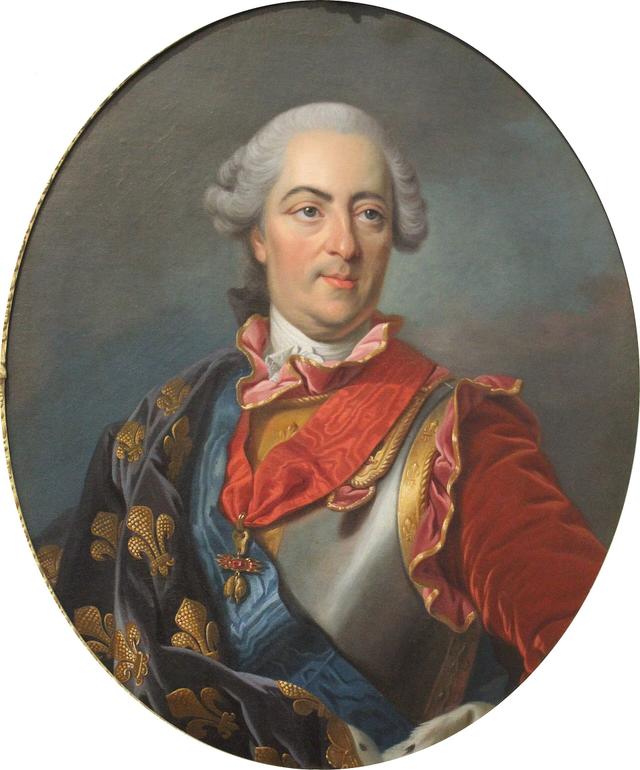
Louis XVI, the locksmith king swept away by the Revolution
- Born
- 23 August 1754
- Died
- 21 January 1793
- Reign
- 1774 – 1792
- Family
- Bourbons
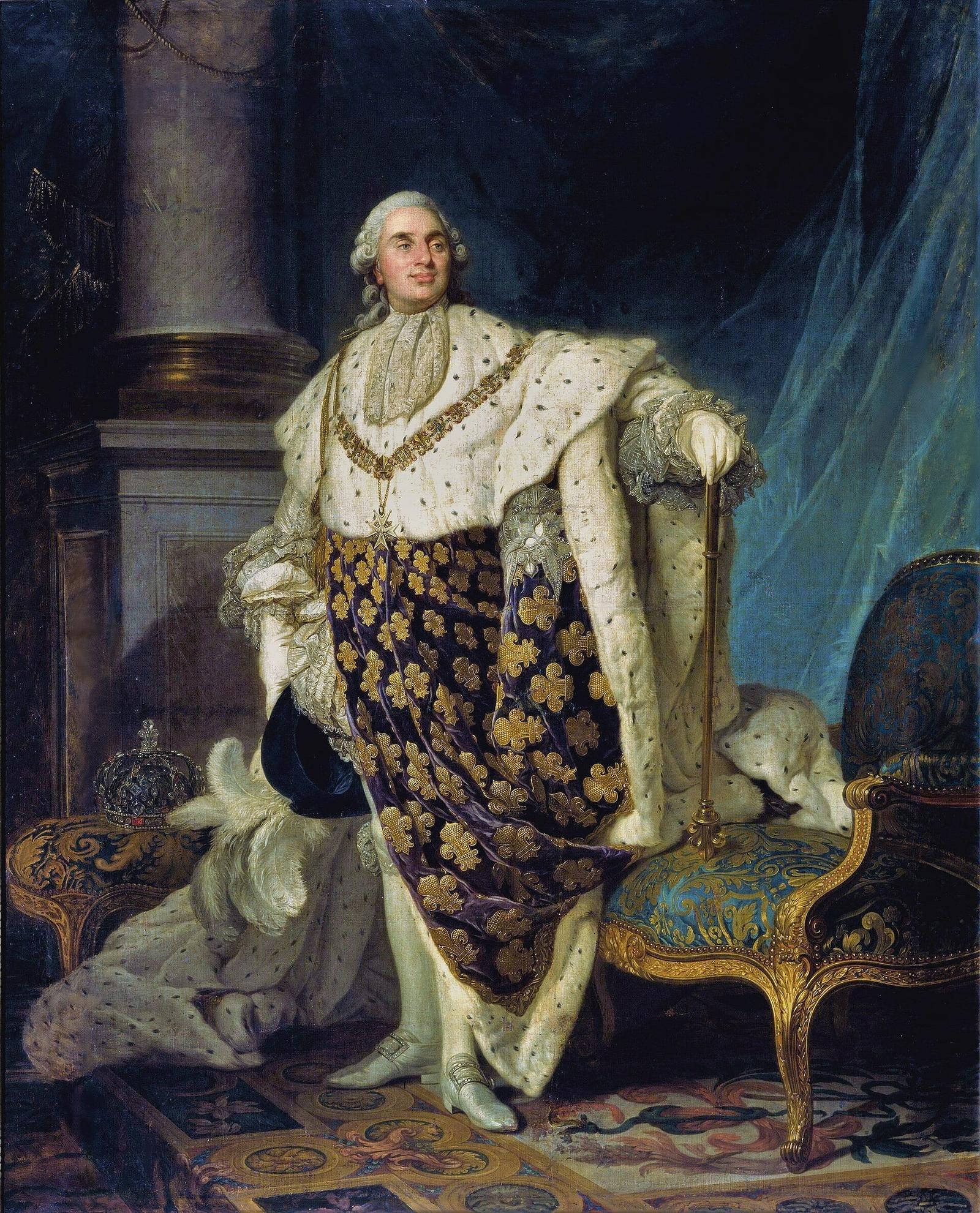
He loved hunting, geography and lockmaking, and would gladly have done without reigning. Louis XVI came to the throne at nineteen, backed American independence, summoned the Estates-General to Versailles and, within a few months, watched power slip from his hands. He left Versailles in October 1789, never to return, and died on the scaffold on 21 January 1793.
Louis XVI in dates
| Date | Event |
|---|---|
| 23 August 1754 | Born at Versailles, grandson of Louis XV |
| 1765 | Becomes Dauphin on his father's death |
| 16 May 1770 | Marries Marie Antoinette of Austria at Versailles |
| 10 May 1774 | Becomes king on the death of Louis XV |
| 11 June 1775 | Crowned at Reims |
| 1778-1783 | France supports the American rebels against England |
| 5 May 1789 | The Estates-General open at Versailles |
| 6 October 1789 | The crowd brings the royal family back to the Tuileries in Paris |
| 20-21 June 1791 | The royal family's flight is stopped at Varennes |
| 10 August 1792 | Fall of the monarchy; the royal family is imprisoned in the Temple |
| 21 January 1793 | Guillotined on the Place de la Révolution, now the Place de la Concorde |
An unexpected Dauphin
Louis-Auguste was the third son of the Dauphin Louis, son of Louis XV. His two elder brothers died young, then his father in 1765: at eleven, he became heir to the throne. Tall, shy and short-sighted, he was more at ease in a workshop or with a map than in a drawing room. He was passionate about geography and voyages of exploration, and set up a locksmith's workshop at Versailles. See also: Louis XV
In 1770, aged fifteen, he married Marie Antoinette, daughter of the Empress of Austria. See also: Marie Antoinette
The king of Versailles
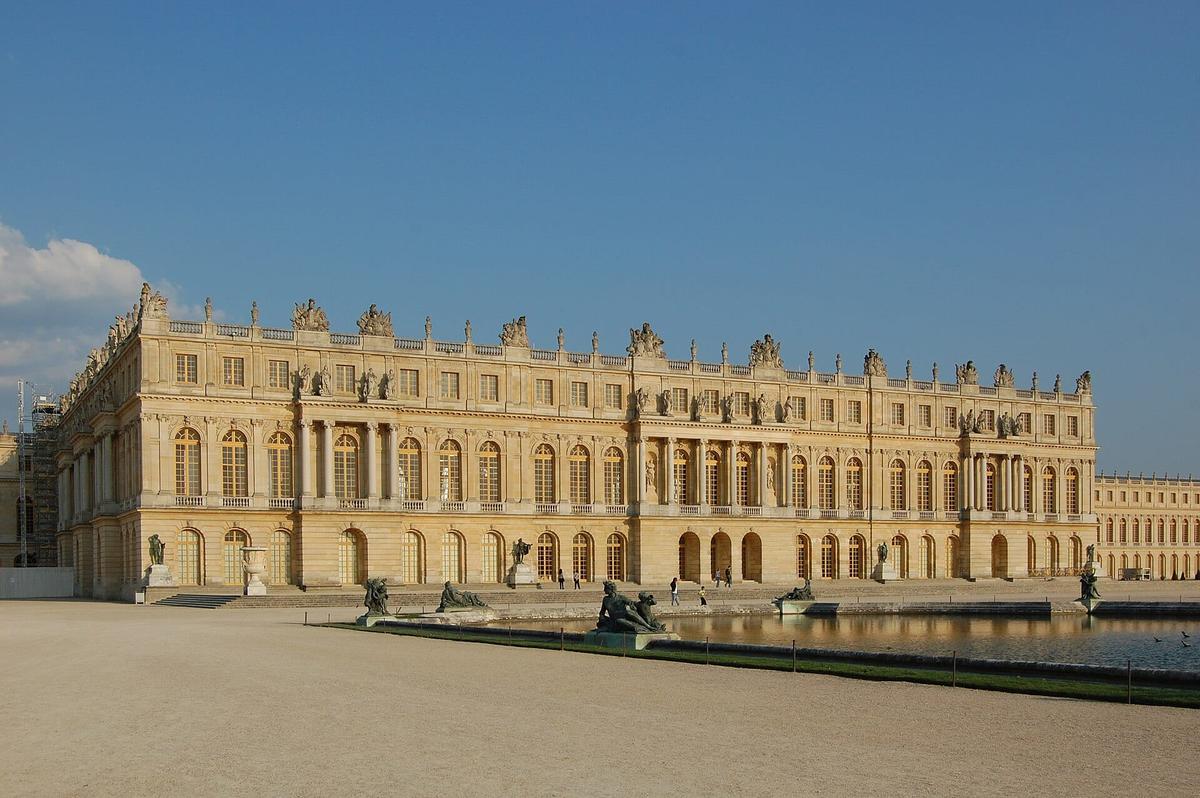
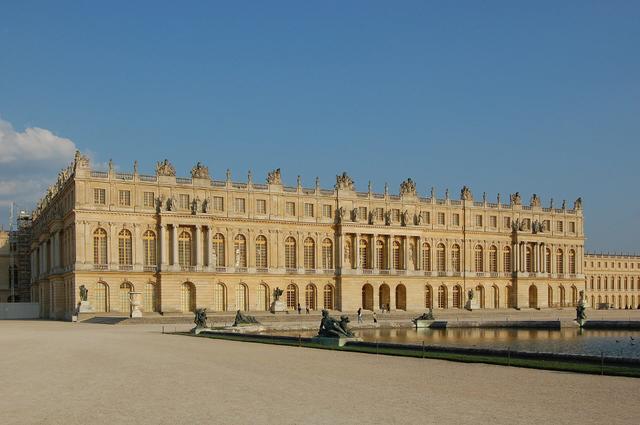
When he became king in 1774, Louis XVI kept the court at Versailles. He gave the Petit Trianon to the queen, hunted almost every day and commissioned La Pérouse to make a scientific voyage around the world, writing part of the instructions himself. He supported the American colonists in their war against England: the victory at Yorktown, in 1781, owed a great deal to the French fleet. But the war had emptied the Treasury. See also: Palace of Versailles
In 1789, to raise money, he summoned the Estates-General, which had not met since 1614. They opened at Versailles on 5 May. In June, the deputies of the Third Estate declared themselves the National Assembly and swore, in the Jeu de Paume (the royal tennis court), to give the kingdom a Constitution.
What to see: in the palace, the King's Bedchamber and the private apartments, including his library; in the park, the Petit Trianon and the Queen's Hamlet.
Fontainebleau, the court's last seasons
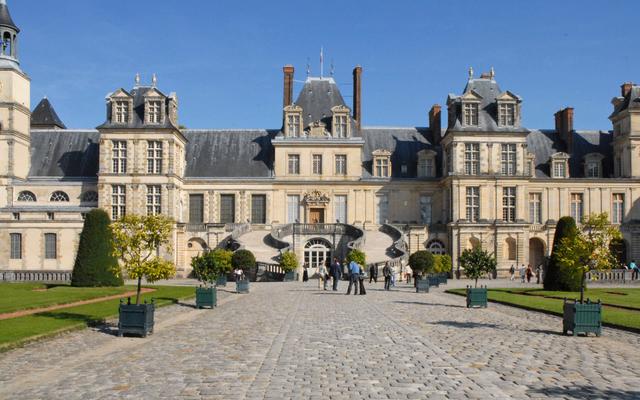
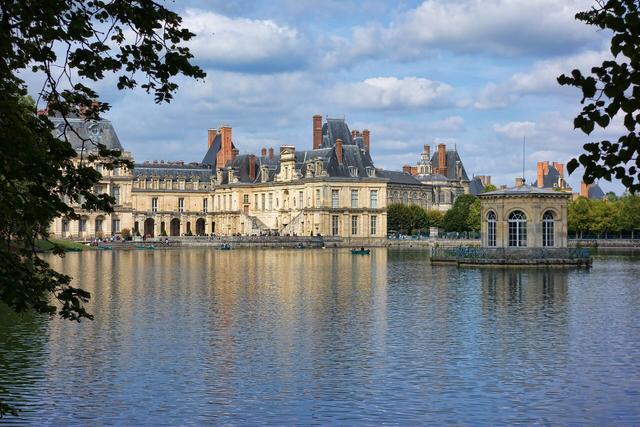
Every autumn the court moved to Fontainebleau for the hunting. Marie Antoinette had her bedchamber redone there and a boudoir fitted out; the king hunted in the forest. The stay of 1786 was one of the last of the Ancien Régime: the monarchy would have neither the money nor the time for such journeys again. See also: Palace of Fontainebleau
What to see: the Queen's Bedchamber and Marie Antoinette's boudoir, decorated during her reign, in the State Apartments.
From Versailles to the scaffold
On 6 October 1789, a crowd from Paris stormed the palace and brought the royal family back to the Tuileries. The king never saw Versailles again. In June 1791, he tried to escape to the east; he was recognised, arrested at Varennes and brought back to Paris. On 10 August 1792, the Tuileries Palace was stormed and the monarchy abolished. Imprisoned in the Temple with his family, "Louis Capet" was tried by the Convention and sentenced to death. He was guillotined on 21 January 1793.
Saint-Denis
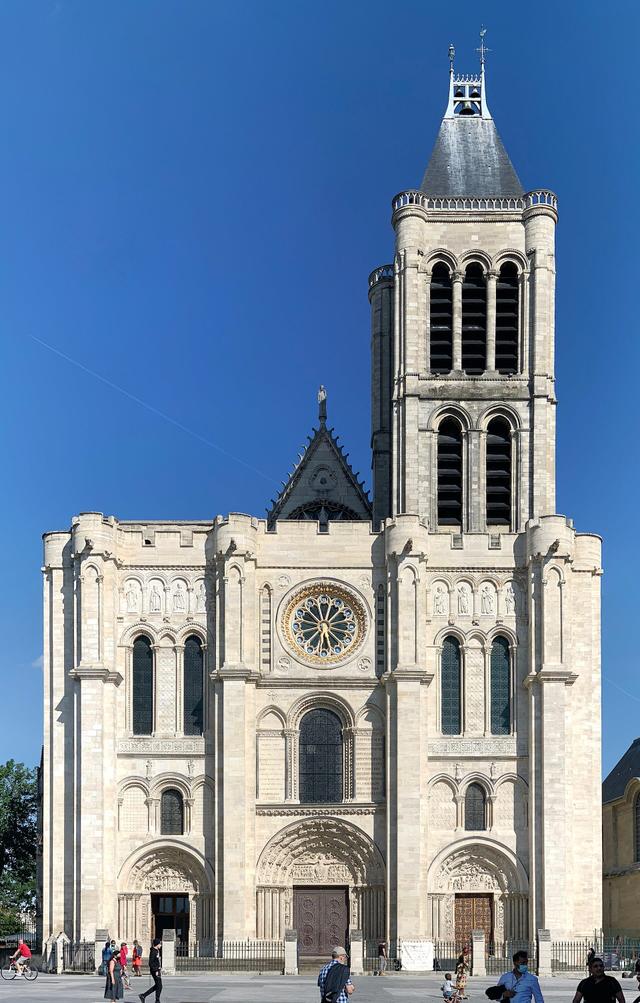
The king's body was thrown into a pit in the Madeleine cemetery. In 1815, his brother Louis XVIII had his remains and those of Marie Antoinette exhumed and moved to the Basilica of Saint-Denis, the burial place of the kings. The heart of their son, Louis XVII, who died in the Temple, was placed there in 2004. See also: Basilica of Saint-Denis
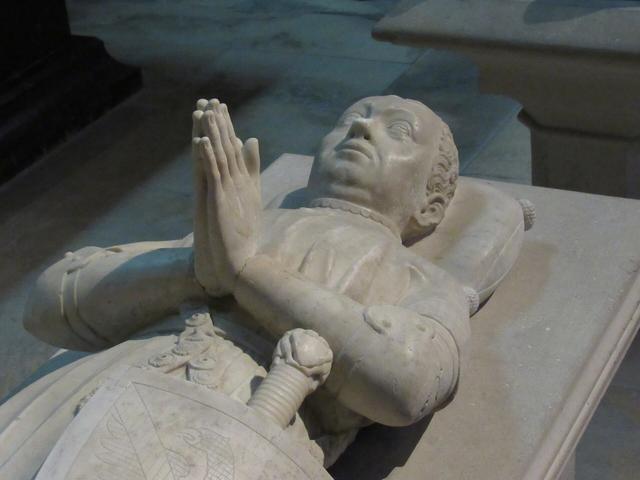
What to see: in the crypt, the Bourbon vault; in the basilica, the statues of Louis XVI and Marie Antoinette kneeling in prayer, carved during the Restoration.
In his footsteps: Versailles, Fontainebleau, Saint-Denis
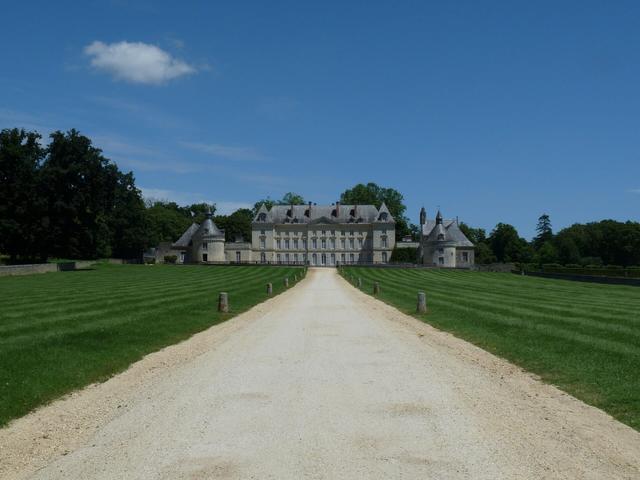
Versailles is a ten-minute walk from Versailles Château Rive Gauche station on RER line C. Fontainebleau is 40-45 minutes from Paris Gare de Lyon by train. The Basilica of Saint-Denis is at the end of metro line 13. To see a château furnished as it was during his reign, Montgeoffroy, near Angers, has kept its furniture from the 1770s. See also: Château de Montgeoffroy
Partner links: if you book through these links, we earn a commission at no extra cost to you. Partner links · Learn more
Places to stay near Versailles
FAQ
Why was Louis XVI executed?
After the fall of the monarchy on 10 August 1792, the Convention tried him for treason, in particular for his contacts with the foreign powers at war with France. He was sentenced to death by a narrow majority.
Where was Louis XVI guillotined?
On the Place de la Révolution, today's Place de la Concorde, in Paris, on 21 January 1793.
Where is Louis XVI buried?
In the Basilica of Saint-Denis, since 1815, with Marie Antoinette. He had first been buried in the Madeleine cemetery.
Why is he called the locksmith king?
He had a real passion for lockmaking and worked in a workshop set up at Versailles, with a master locksmith.
Did Louis XVI help American independence?
Yes. France allied itself with the rebels in 1778, and its fleet played a decisive role at Yorktown in 1781.
Sources: fr.wikipedia.org (Louis XVI)
Tickets to book online
Partner links: if you book through these links, we earn a commission at no extra cost to you. Partner links · Learn more
Places to visit


Related guides
Related historical figures