Colbert, the minister who wanted everything made in France
- Born
- 29 August 1619
- Died
- 6 September 1683
- Active years
- 1661 – 1683
- Family
- Artists, saints and favourites
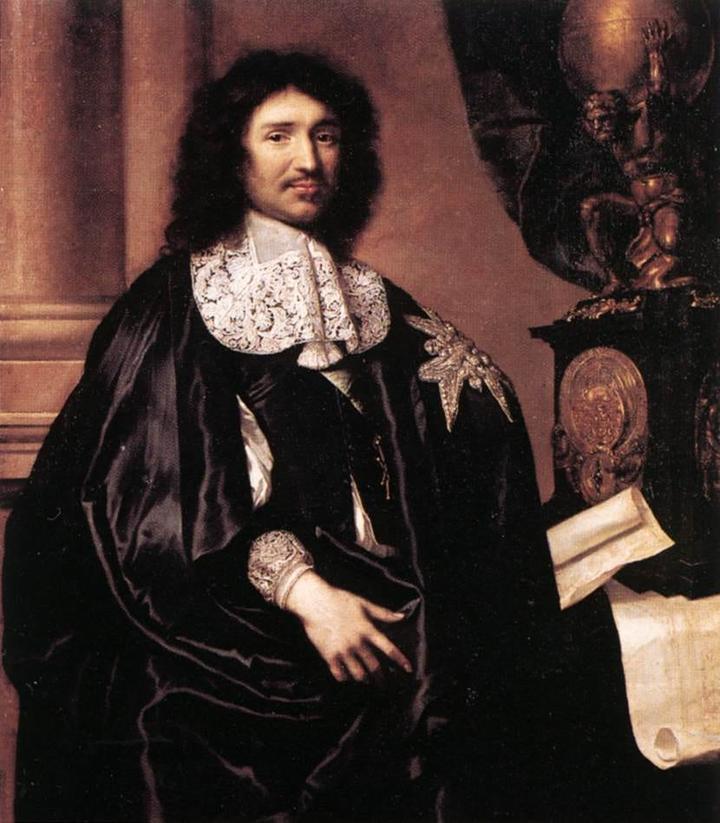
The son of merchants from Reims, Jean-Baptiste Colbert first served Mazarin, then brought down Fouquet and for twenty years was Louis XIV's great minister. Finance, manufacturing, the navy, the king's buildings: he wanted France to make its own mirrors, lace and ships. His hand can be seen at Versailles as well as Rochefort and Alençon.
Colbert in dates
| Date | Event |
|---|---|
| 29 August 1619 | Born in Reims, into a family of cloth merchants |
| 1648 | Marries Marie Charron |
| 1651 | Becomes the manager of Mazarin's fortune |
| 1661 | Mazarin dies; Fouquet falls; Colbert becomes intendant of finances |
| 1664 | Superintendent of the King's Buildings |
| 1665 | Controller-General of Finances; mirror and lace manufactories; royal studs |
| 1666 | Founds the Rochefort arsenal; Academy of Sciences |
| 1669 | Secretary of State for the Navy |
| 6 September 1683 | Dies in Paris, aged 64 |
Mazarin's steward
Jean-Baptiste Colbert was born in Reims in 1619, into a family of cloth merchants. He joined the war administration young, then in 1651 Mazarin made him manager of his personal fortune. Colbert ran his abbeys, his lands and his investments. He was hard-working, methodical and cold: Madame de Sévigné nicknamed him "the North". See also: Cardinal Mazarin
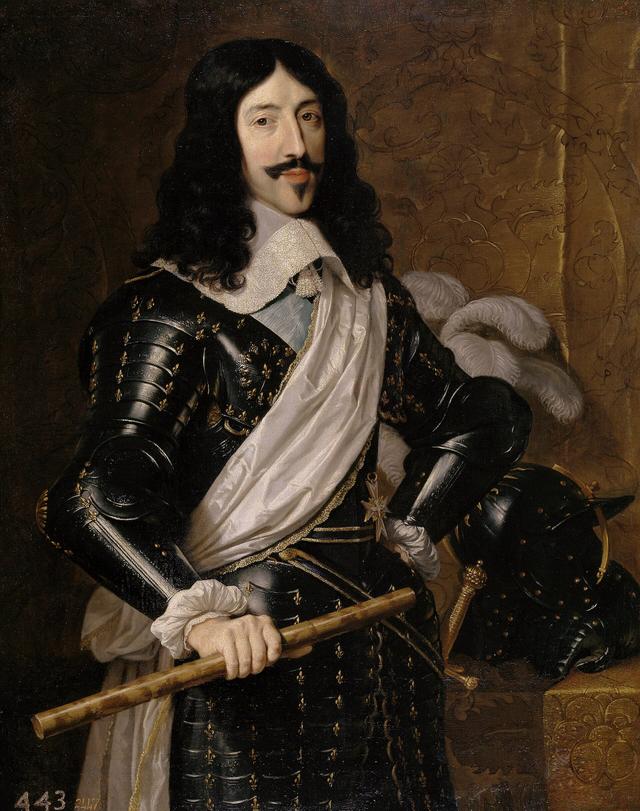
Mazarin died in March 1661. According to tradition, he recommended Colbert to Louis XIV on his deathbed. The king made him an intendant of finances, with the task of keeping an eye on the superintendent Fouquet. See also: Louis XIV
Vaux-le-Vicomte: the fall of Fouquet
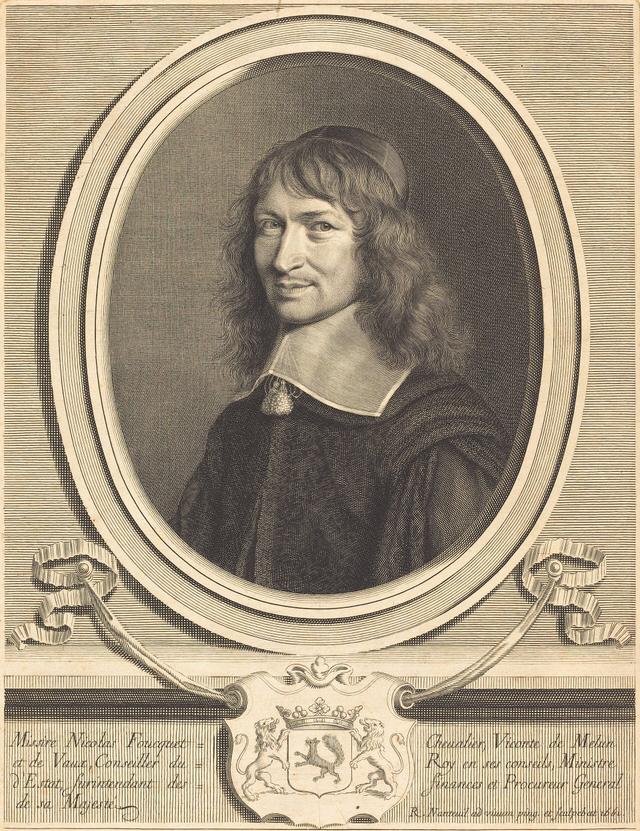
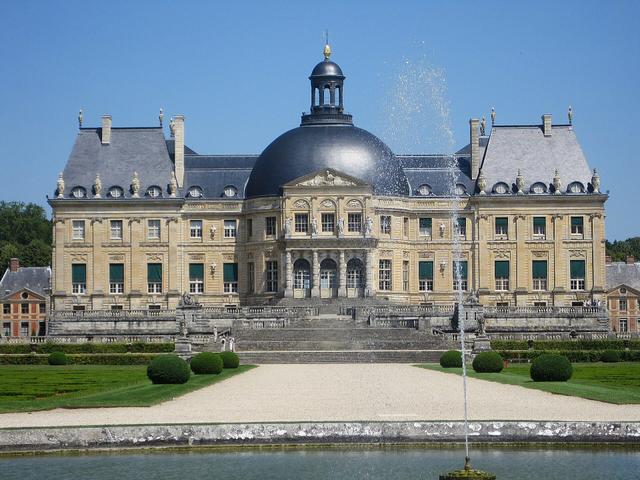
For months Colbert built up a case against Fouquet and convinced the king that the superintendent was robbing him. The party of 17 August 1661 at Vaux-le-Vicomte, far too splendid for a minister, made up Louis XIV's mind. Fouquet was arrested in Nantes on 5 September 1661. During his long trial, Colbert pushed the judges to be severe. See also: Nicolas Fouquet, Vaux-le-Vicomte
Fouquet had set up a tapestry workshop at Maincy, near Vaux. Colbert took it over for the king and merged it into the Gobelins in Paris, under the direction of the painter Le Brun.
What to see: at Vaux, the oval Grand Salon and the vista of Le Nôtre's gardens, to understand what first dazzled and then annoyed the king.
Versailles: the mirrors of the gallery
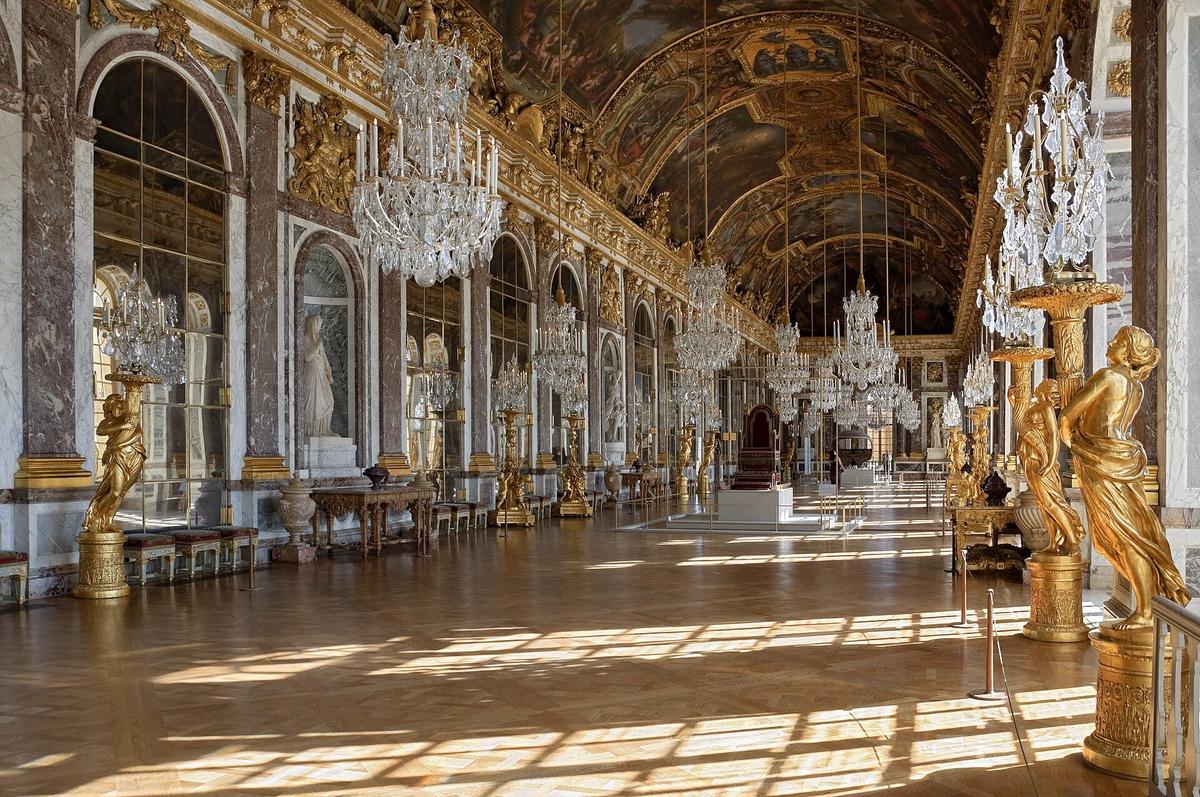
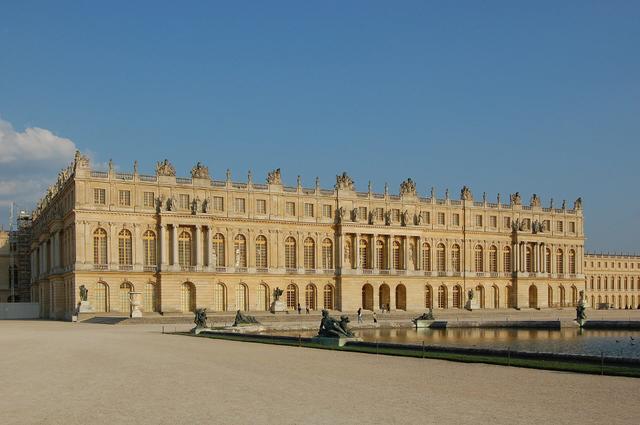
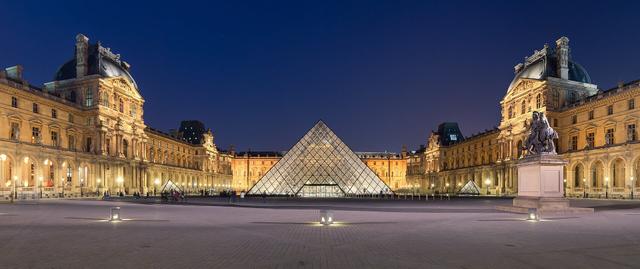
In 1664 Colbert became Superintendent of the King's Buildings. He would have preferred Louis XIV to finish the Louvre: in 1665 he wrote to the king that Versailles served his pleasure more than his glory. He brought the sculptor Bernini from Rome to design the Louvre's façade, but the project was dropped. See also: Louvre Museum The king chose Versailles, and Colbert had to pay for the building work and oversee it. See also: Palace of Versailles
At the time, mirrors came from Venice, which forbade its glassmakers to leave. In 1665 Colbert set up a royal mirror manufactory in Paris all the same, with workers brought from Murano. When the Hall of Mirrors was built, between 1678 and 1684, its 357 mirrors came out of this French manufactory.
What to see: the Hall of Mirrors, 73 metres long, then the War Salon and the Peace Salon at either end.
Rochefort: an arsenal out of the marshes
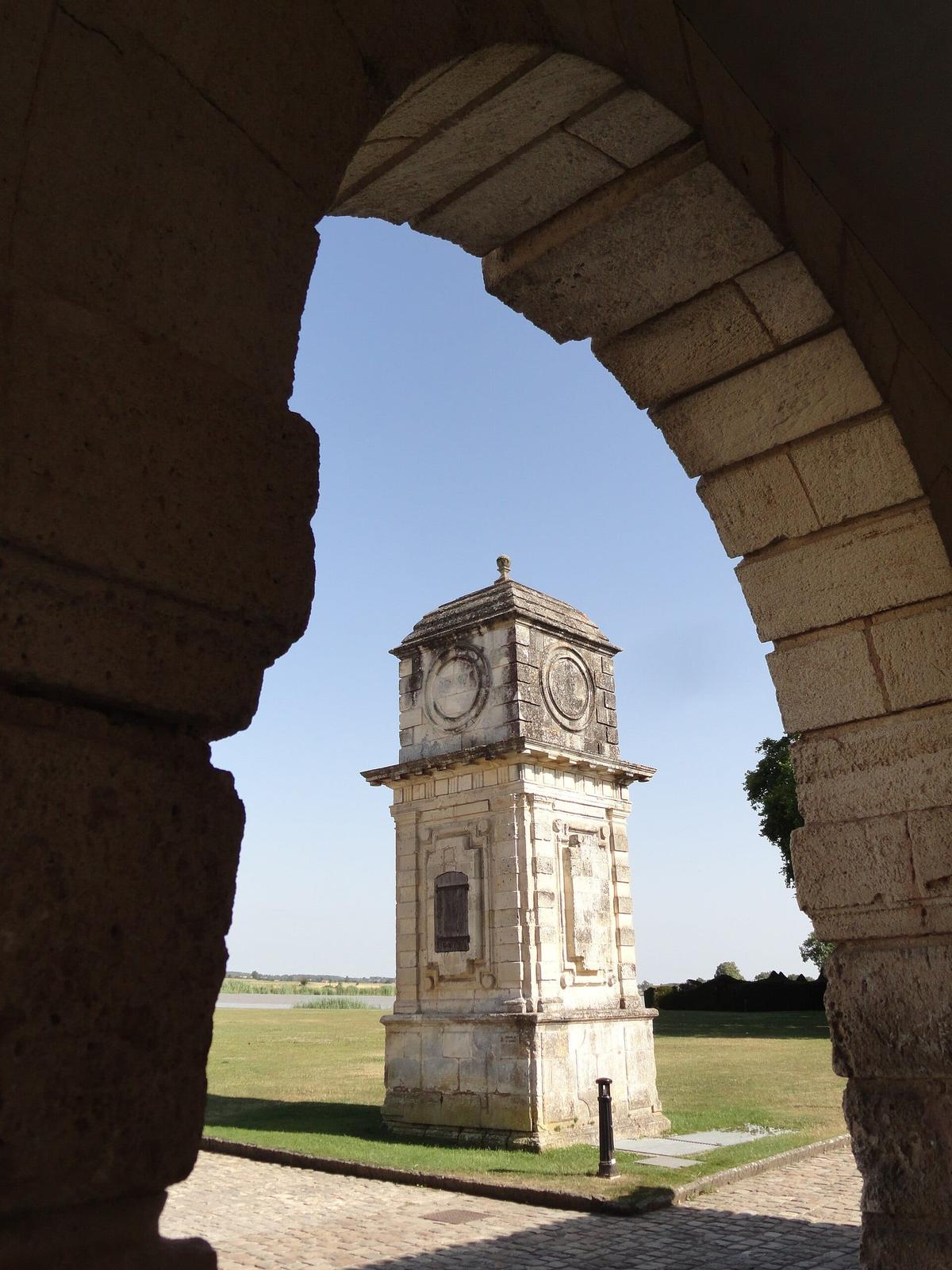
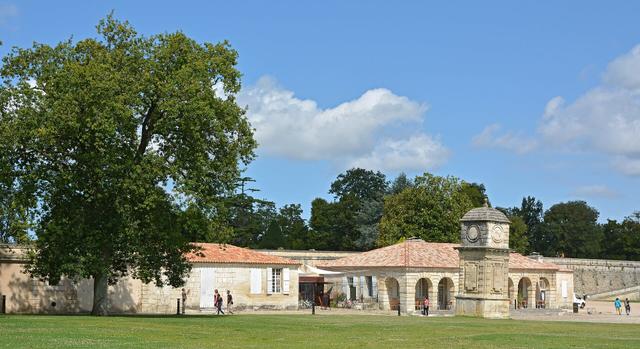
As Secretary of State for the Navy, Colbert wanted a fleet able to rival England and Holland. He needed a naval port on the Atlantic, safe from attack. In 1666 he chose a bend of the Charente a few kilometres from the sea: Rochefort. His cousin Colbert de Terron ran the works.
The Corderie Royale, built in the following years, made the ships' ropes. It is very long, because cables were twisted there in a single piece. See also: Corderie Royale Rochefort
What to see: the façade of the Corderie along the Charente, the exhibition on rope-making, and the Navy gardens around it.
Alençon: lace "in the Venetian manner"
The great lords of the court bought their lace in Venice and Flanders. Colbert wanted to keep that money in France. In 1665 he set up a royal lace manufactory at Alençon, making lace "in the Venetian manner". The lacemakers of Alençon developed their own needlepoint, the point d'Alençon, added to UNESCO's intangible heritage list in 2010. See also: Alençon Lace and Fine Arts Museum (Musée des Beaux-Arts et de la Dentelle)
What to see: the museum's lace rooms, with old pieces and the lacemakers' tools; it takes between 7 and 15 hours of work for a single square centimetre.
Le Pin stud: the king's horses
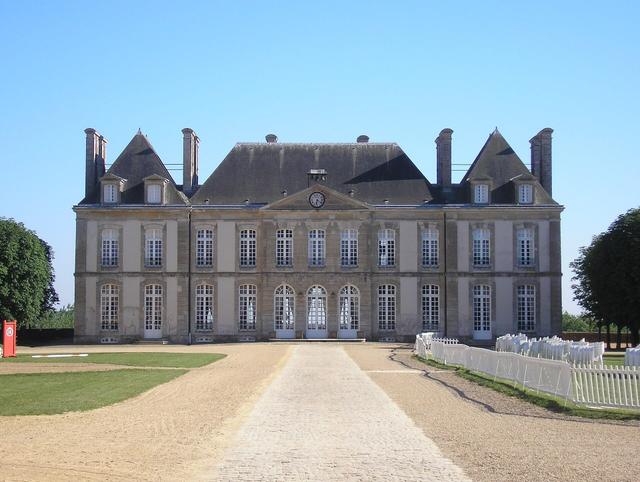
France also bought its best horses abroad. In 1665 Colbert created the royal stud administration, tasked with improving breeding. The great stud at Le Pin, in Normandy, was only built after his death, from 1715, but it is the direct heir of that decision. See also: Haras national du Pin
What to see: the main courtyard and the brick and stone stables, then a stallion show.
A death no one mourned
Colbert died in Paris on 6 September 1683, worn out. Taxes had made him unpopular. He was buried at night in the church of Saint-Eustache, for fear the crowd would attack the coffin. His tomb, carved by Coysevox and Tuby, is still in the church. He had also prepared the Code Noir, the ordinance on slavery in the colonies, published in 1685, two years after his death.
In his footsteps: from Versailles to Rochefort
Versailles and Vaux-le-Vicomte each make a day trip from Paris. Alençon and Le Pin stud, in Normandy, are about fifty kilometres apart: a weekend is enough. Rochefort combines with Brouage and La Rochelle, where you meet Richelieu again. See also: Brouage Citadel, Cardinal Richelieu
Partner links: if you book through these links, we earn a commission at no extra cost to you. Partner links · Learn more
Places to stay near Versailles
FAQ
Where is Colbert buried?
In Paris, in the church of Saint-Eustache, near Les Halles. His marble tomb was carved by Coysevox and Tuby.
Where was Colbert born?
In Reims, on 29 August 1619, into a family of cloth merchants.
What is Colbertism?
A policy that aims to make the state richer by producing in France what used to be bought abroad. Colbert set up royal manufactories, protected industry with taxes on imported goods and built up the navy and trade.
What role did Colbert play in the fall of Fouquet?
He put together the case against him, convinced Louis XIV to have the superintendent arrested in 1661, then pushed for a harsh sentence.
Who did Colbert marry?
Marie Charron, a financier's daughter, in 1648. They had nine children; three of their daughters married dukes.
Sources: fr.wikipedia.org (Jean-Baptiste Colbert), chateauversailles.fr, corderie-royale.com, museedentelle.cu-alencon.fr, haras-national-du-pin.com, vaux-le-vicomte.com
Tickets to book online
Partner links: if you book through these links, we earn a commission at no extra cost to you. Partner links · Learn more
Places to visit
Related guides