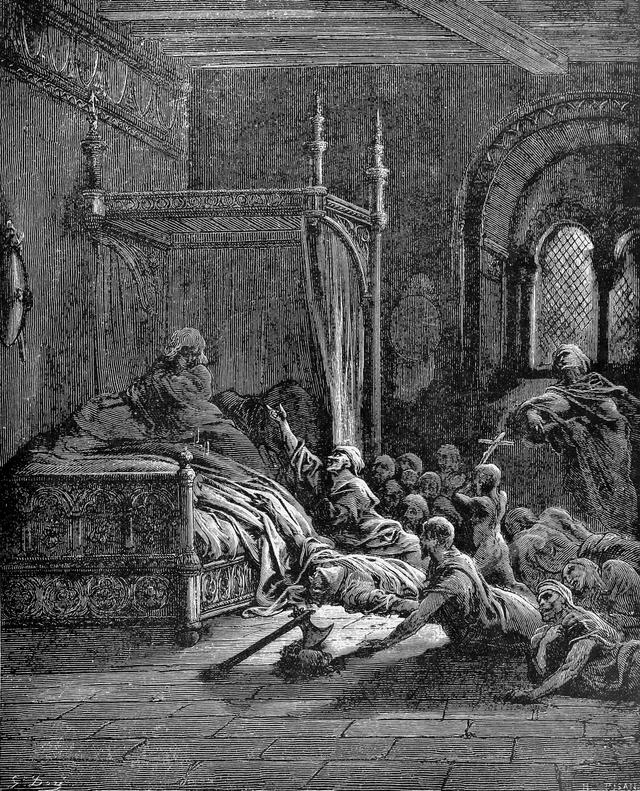
Napoleon, from the Farewell Courtyard to the Loire châteaux
- Born
- 15 August 1769
- Died
- 5 May 1821
- Reign
- 1804 – 1815
- Family
- Bonapartes
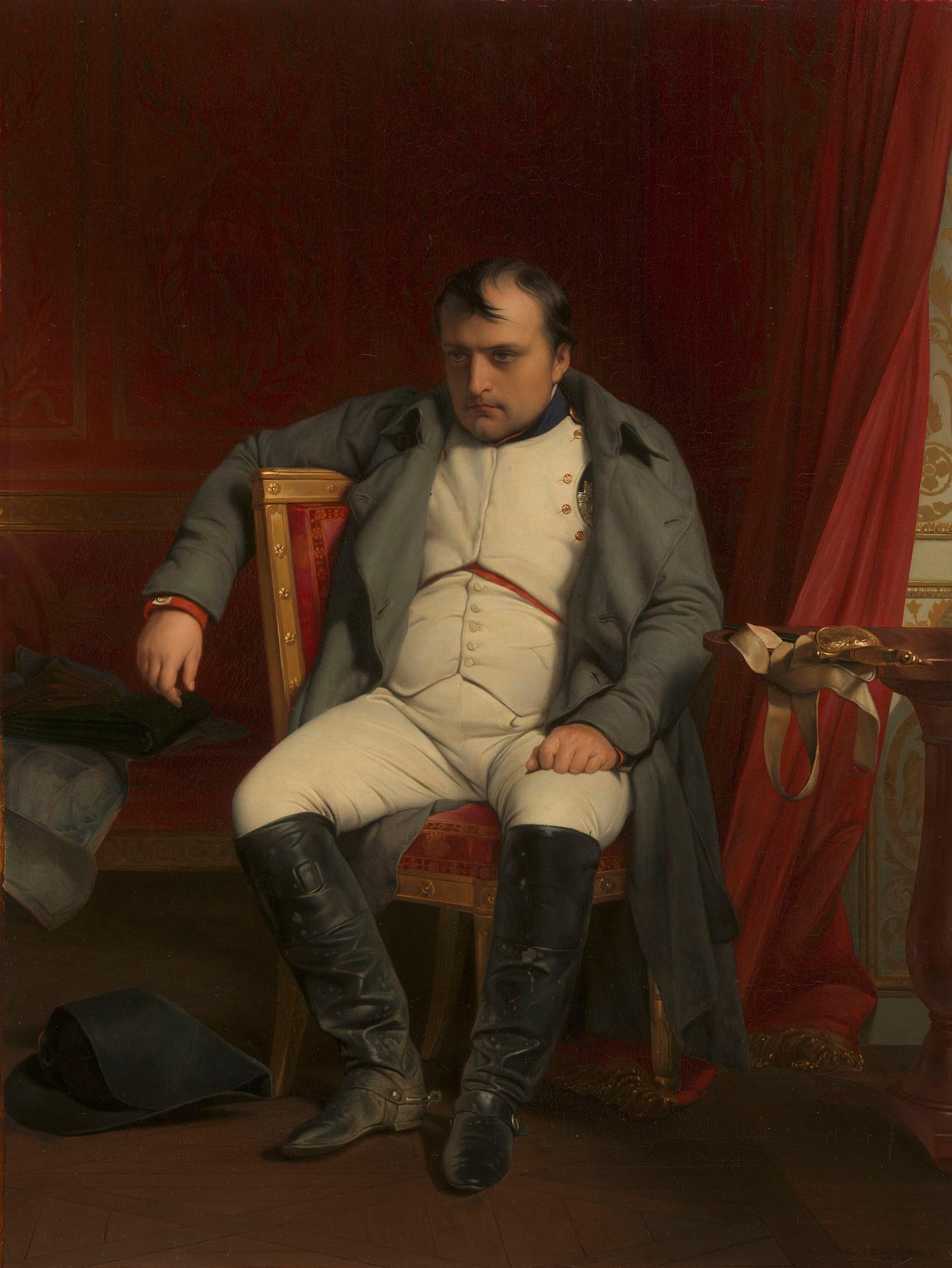
He slept in the beds of kings, filled the Louvre with the paintings of Europe and made Fontainebleau his favourite home, which he called “the house of the centuries”. It was there too that he signed his abdication and, on 20 April 1814, walked down the horseshoe staircase to bid farewell to his Guard. On the Loire, you find his traces at Valençay, Talleyrand's home, and in two prisons he created, at Fontevraud and Saumur.
Napoleon in dates
| Date | Event |
|---|---|
| 15 August 1769 | Born in Ajaccio, Corsica |
| 1793 | Distinguishes himself at the siege of Toulon; a general at twenty-four |
| 1796-1797 | Italian campaign |
| 9 November 1799 | Coup of 18 Brumaire; becomes First Consul |
| 2 December 1804 | Crowned Emperor at Notre-Dame de Paris |
| 2 December 1805 | Victory at Austerlitz |
| 1810 | Marries Marie Louise of Austria; religious wedding at the Louvre |
| 1812 | Russian campaign; Pope Pius VII is moved to Fontainebleau |
| April 1814 | Abdicates at Fontainebleau; farewell to the Guard on 20 April, then leaves for Elba |
| 1815 | Return for the Hundred Days; defeat at Waterloo on 18 June; exile on Saint Helena |
| 5 May 1821 | Dies on Saint Helena; his remains return to Les Invalides in 1840 |
The general who became emperor
Napoleon Bonaparte was born in Corsica a year after the island became French. A pupil at the military schools of Brienne and Paris, then an artillery officer, he made his name at the siege of Toulon in 1793. His victories in Italy made him famous; in 1799, the coup of 18 Brumaire, prepared with Sieyès and Talleyrand, gave him power. See also: Talleyrand
As First Consul, he reorganised the country: the Civil Code, prefects, the Banque de France, lycées. In 1804, he had himself proclaimed emperor and crowned himself at Notre-Dame, in the presence of the Pope.
Fontainebleau, the house of the centuries
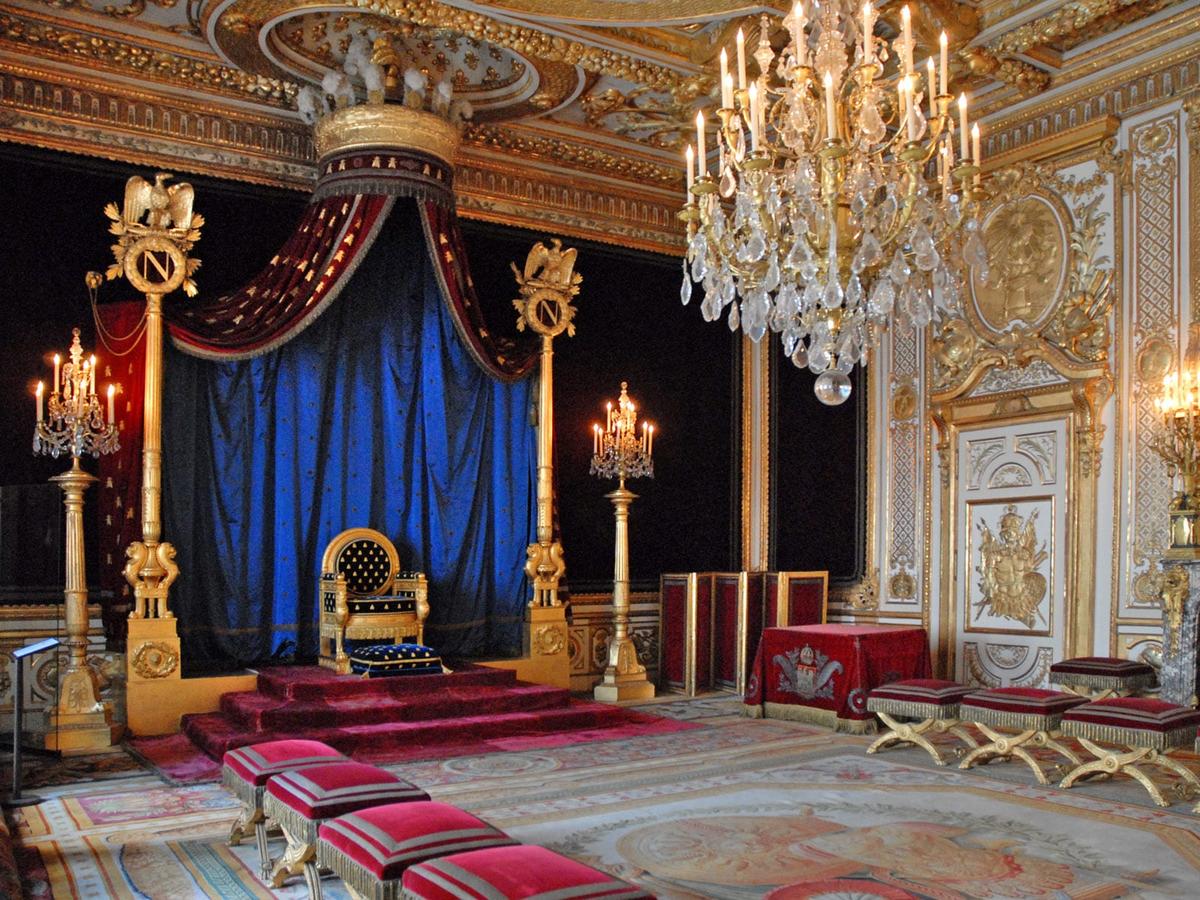
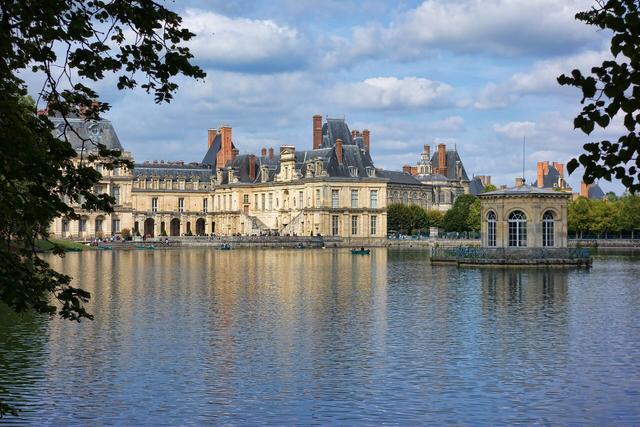
Stripped of its furniture during the Revolution, Fontainebleau was refurnished by Napoleon from 1804. He set up a Throne Room in the former royal bedchamber and called the palace “the true home of kings, the house of the centuries” (« la maison des siècles »). From 1812 to 1814 he held Pope Pius VII there, who under pressure signed a new concordat, which he promptly disowned. See also: Palace of Fontainebleau
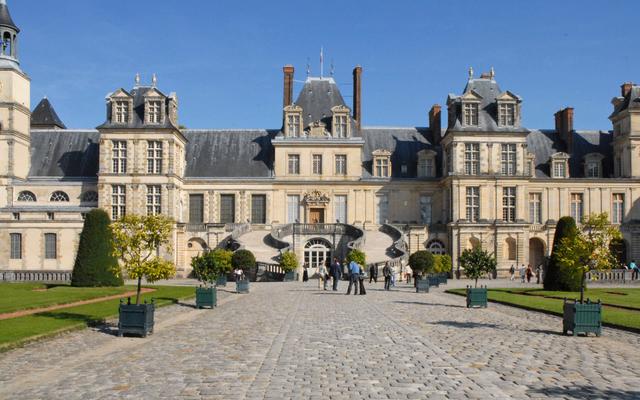
In April 1814, the Allies were in Paris. His marshals refused to fight on. Napoleon signed his abdication at Fontainebleau. On 20 April, he walked down the horseshoe staircase built under Louis XIII and bade farewell to the Old Guard, gathered in the main courtyard, before leaving for Elba. The courtyard has been called the Farewell Courtyard (Cour des Adieux) ever since. See also: Louis XIII
What to see: the Farewell Courtyard, the Throne Room, the Emperor's bedroom and small apartment, and the Napoleon I Museum.
The Louvre, Musée Napoléon
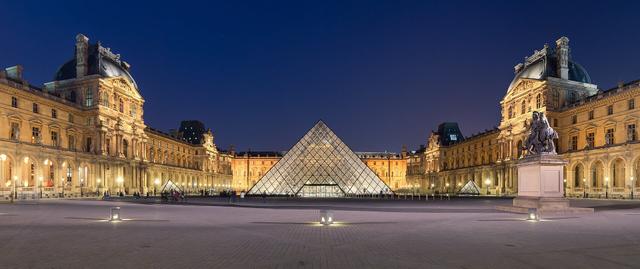
The Louvre became a museum in 1793. Under the Consulate and the Empire, it was called the Musée Napoléon and filled up with works seized in Italy, Germany and the Netherlands; most were returned in 1815. In April 1810, the religious wedding of Napoleon and Marie Louise was held in the Salon Carré. See also: Louvre Museum
What to see: David's The Coronation of Napoleon, one of the largest paintings in the museum, in the Denon wing. The painter showed the Emperor's mother in the front row; she had not come.
Valençay and the Spanish princes
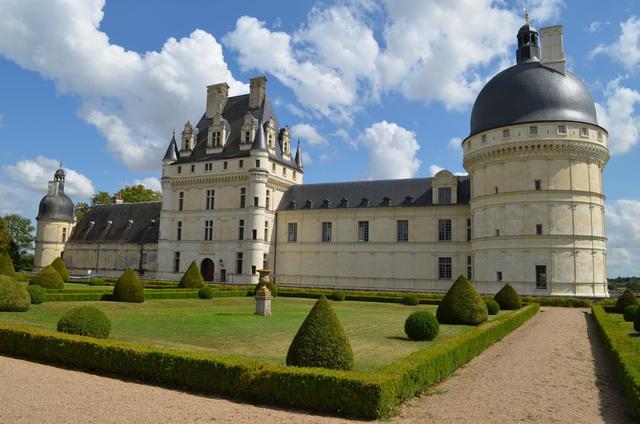
In 1803, Bonaparte helped his minister Talleyrand buy Valençay, in Berry, so that he could entertain foreign diplomats there. In 1808, Napoleon pushed aside the Spanish Bourbons and put his brother Joseph on the throne in Madrid. King Ferdinand VII, his brother and their uncle were sent to Valençay, where they remained prisoners until 1814. See also: Château de Valençay
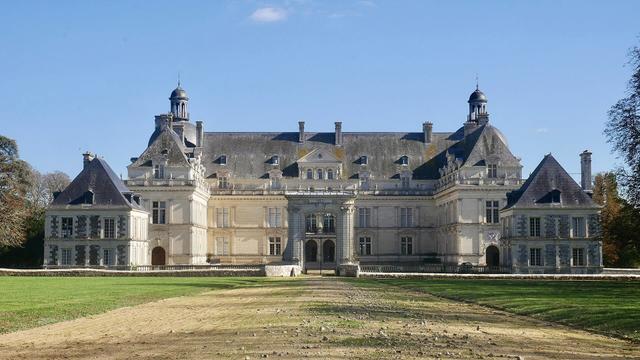
The same year, the Emperor and Josephine stopped at the Château de Serrant, near Angers. See also: Château de Serrant
What to see: at Valençay, the small theatre fitted out to entertain the princes, with its original sets, and the large maze.
Two prisons on the Loire
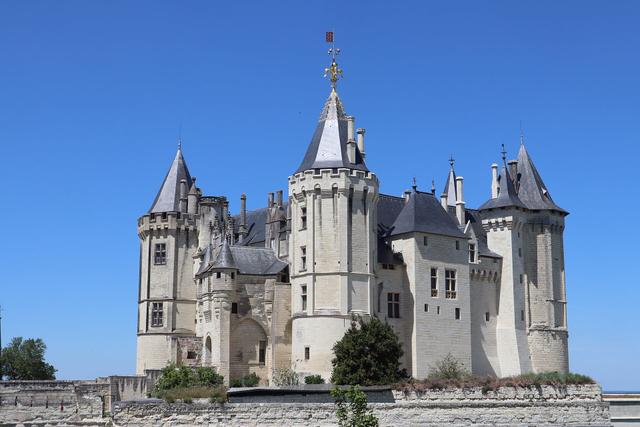
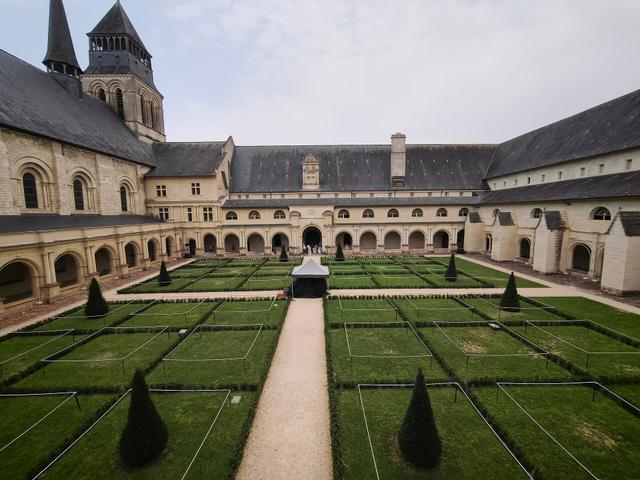
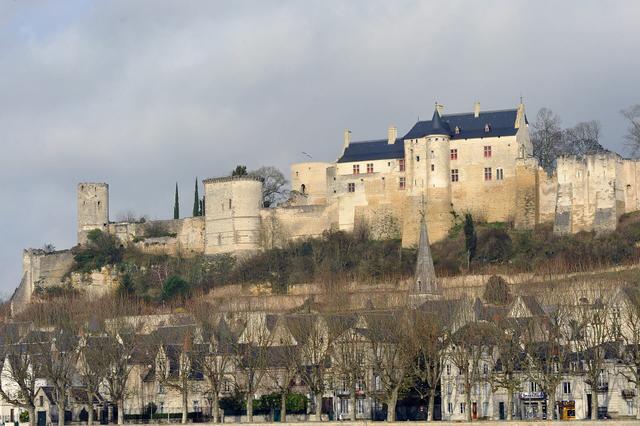
Napoleon also left his mark on Anjou by setting up prisons there. He turned Fontevraud Abbey, emptied of its nuns during the Revolution, into a central prison, which opened in 1814 and did not close until 1963. At Saumur, he made the château a state prison from 1810. See also: Fontevraud Abbey, Château de Saumur
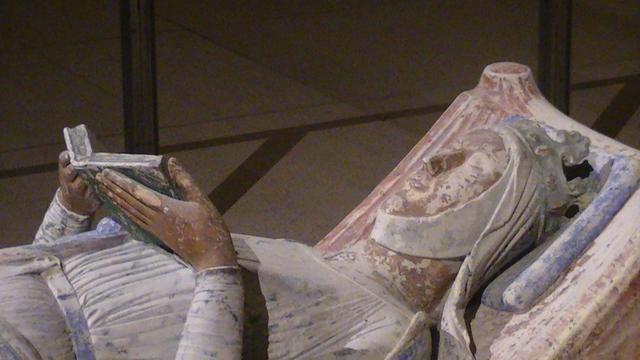
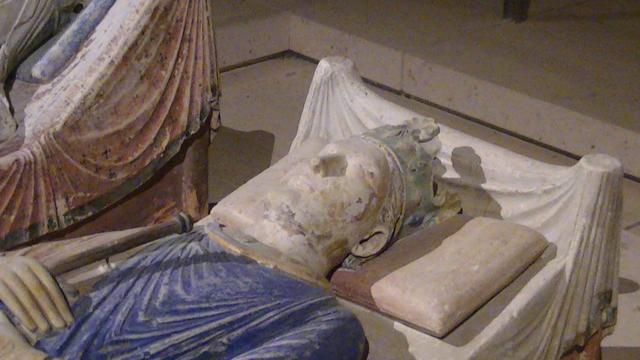
What to see: at Fontevraud, the tomb effigies of the Plantagenets, then the buildings where prisoners lived for a century and a half.
Versailles, the Grand Trianon
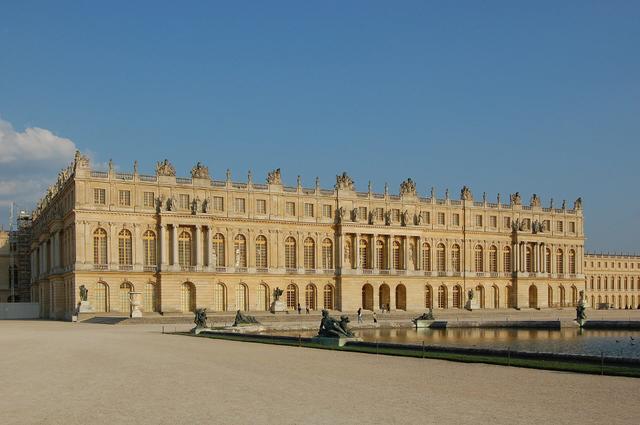
Napoleon did not live in the Palace of Versailles, which was too closely tied to the Bourbons, but he had the Grand Trianon refurnished and stayed there with Marie Louise. His apartments have kept some of their Empire furniture. See also: Palace of Versailles
In his footsteps: Fontainebleau
Fontainebleau is 40-45 minutes from Paris-Gare de Lyon by train, then bus 3401 to the palace. Vaux-le-Vicomte is about twenty minutes away by car. See also: Vaux-le-Vicomte South of the Loire, Valençay is 25 km from the ZooParc de Beauval. See also: ZooParc de Beauval
Partner links: if you book through these links, we earn a commission at no extra cost to you. Partner links · Learn more
Places to stay near Fontainebleau
FAQ
Where did Napoleon say farewell to his Guard?
In the main courtyard of the Palace of Fontainebleau, on 20 April 1814, at the foot of the horseshoe staircase. It has been called the Farewell Courtyard ever since.
Where did Napoleon abdicate?
At the Palace of Fontainebleau, in April 1814. He abdicated a second time in Paris, at the Élysée Palace, after Waterloo, in June 1815.
Where is Napoleon buried?
At Les Invalides, in Paris. He died on Saint Helena in 1821 and was first buried there; his remains were brought back to France in 1840.
Why were the Spanish princes at Valençay?
Napoleon removed them from the Spanish throne in 1808 and had them held at Talleyrand's château until 1814.
Where can you see the painting of Napoleon's Coronation?
At the Louvre, in the Denon wing. A second version, painted by David himself, hangs in the Palace of Versailles.
Sources: fr.wikipedia.org (Napoléon Ier)
Tickets to book online
Partner links: if you book through these links, we earn a commission at no extra cost to you. Partner links · Learn more
Places to visit


Related guides
Related historical figures