Philip Augustus, the king who defeated the Plantagenets
- Born
- 21 August 1165
- Died
- 14 July 1223
- Reign
- 1180 – 1223
- Family
- Direct Capetians
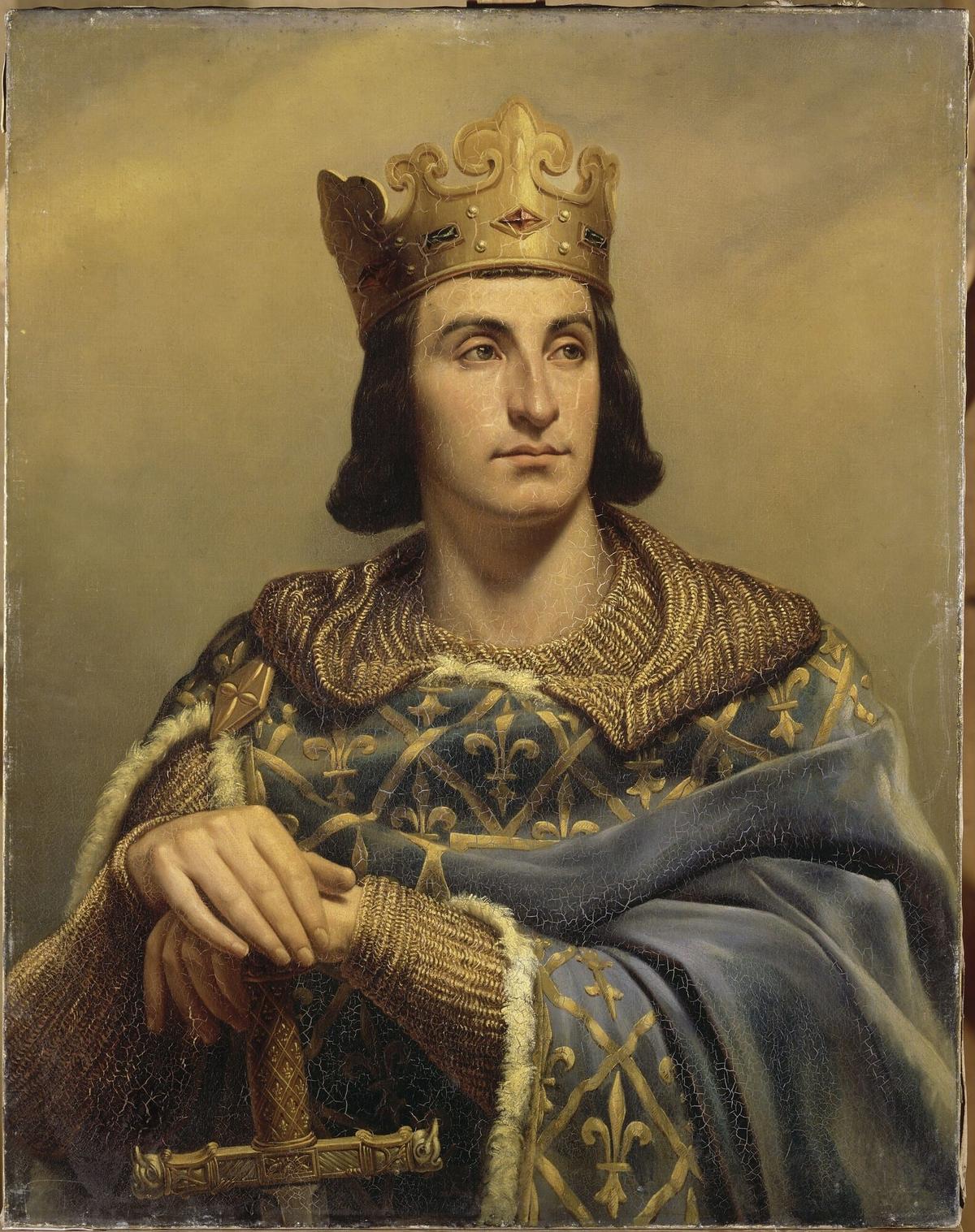
When he came to the throne, the King of England held more land in France than he did. When he died, Normandy, Anjou and Touraine were French. In between, Philip Augustus spent forty years chipping away at the Plantagenet empire, one castle after another. Several of these fortresses can still be visited, and they tell the story of that shift better than a textbook.
Philip Augustus in dates
| Date | Event |
|---|---|
| 21 August 1165 | Born in Paris, son of Louis VII and Adela of Champagne |
| 1180 | Becomes king at fifteen; marries Isabella of Hainaut |
| 1189 | Allies with Richard against his father, Henry II Plantagenet, who dies at Chinon |
| 1190-1191 | Goes on crusade with Richard, then returns alone after the capture of Acre |
| 1190 | Begins the Paris city wall on the Right Bank |
| 1199 | Richard the Lionheart dies; John Lackland succeeds him |
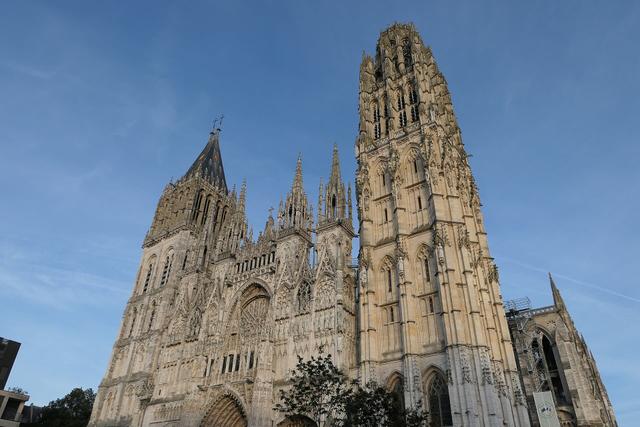
| 6 March 1204 | Captures Château Gaillard; Rouen surrenders the same year |
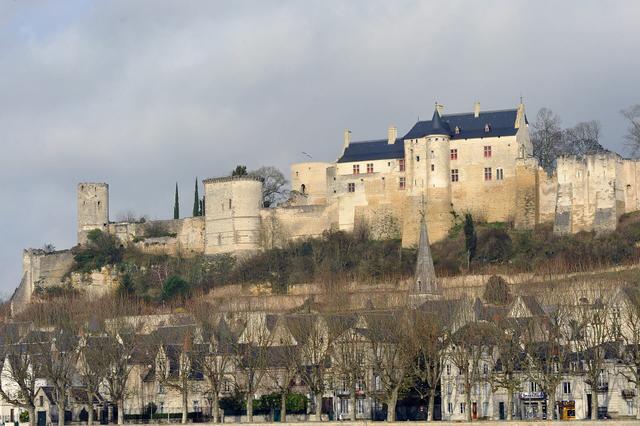
| 1205 | Captures Chinon and Loches |
| 27 July 1214 | Victory at Bouvines over Emperor Otto IV and his allies |
| 14 July 1223 | Dies at Mantes; buried at Saint-Denis |
The son of Louis VII against the Plantagenets
Philip was born in August 1165, after his father, Louis VII, had waited nearly thirty years for a male heir. The monk Rigord, his biographer, nicknamed him “Augustus”, after the Roman emperors and the month of his birth. He was crowned while his father was still alive and ruled alone from 1180.
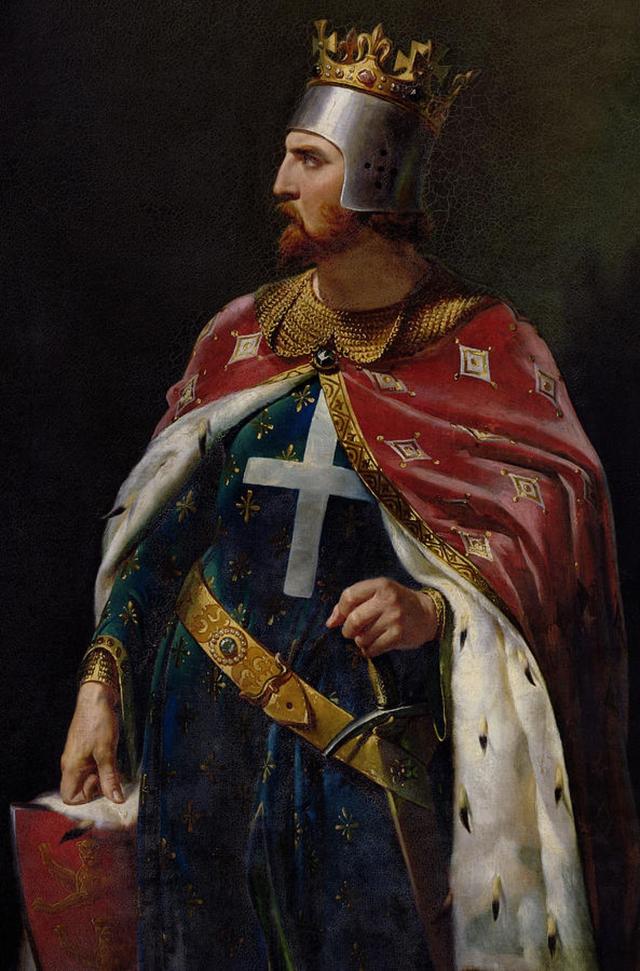
Facing him, Henry II Plantagenet held England, Normandy, Anjou, Touraine and, through his wife Eleanor, Aquitaine. Philip played the sons against the father: he allied with Richard, who finally defeated Henry II in 1189. See also: Henry II of England
Richard, the friend who became an enemy
The two young kings set off on crusade together in 1190. Their friendship did not survive the winter spent in Messina. After the capture of Acre, Philip went back to France and used Richard's captivity to attack Normandy. War broke out again when Richard returned. See also: Richard the Lionheart
Château Gaillard: the siege that brought down Normandy
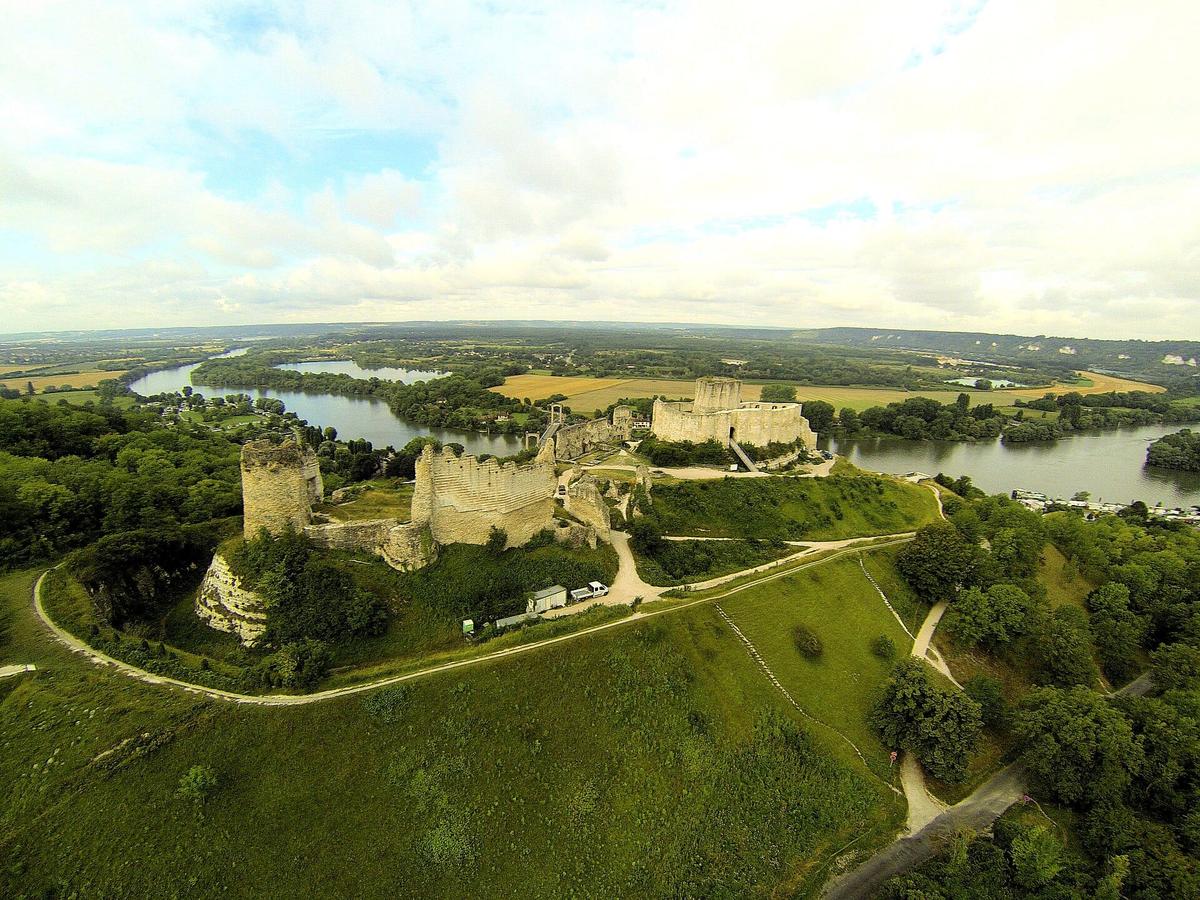
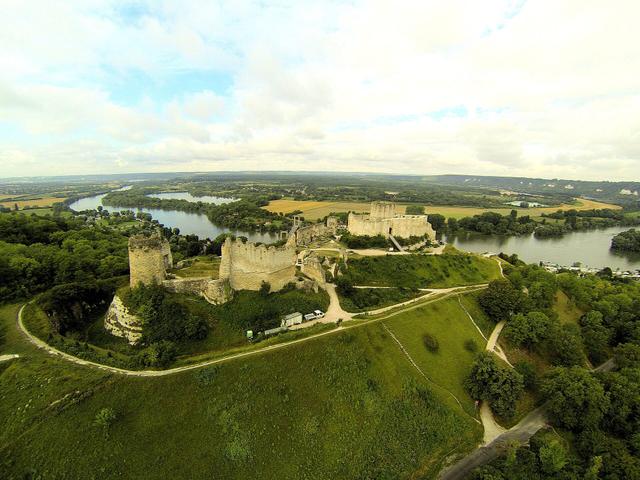
To block the road to Rouen, Richard had Château Gaillard built above the Seine, between 1196 and 1198. After Richard's death, Philip Augustus laid siege to it in September 1203. The siege lasted all winter; the castle fell on 6 March 1204. Rouen surrendered a few months later, and Normandy became French.
Today you enter the fortress through the outer bailey, the part Philip Augustus's troops attacked first. See also: Château Gaillard
What to see: the outer bailey and its ditch cut into the rock, the scalloped wall around the keep, the view over the Seine and Les Andelys.
Falaise: the victor's tower
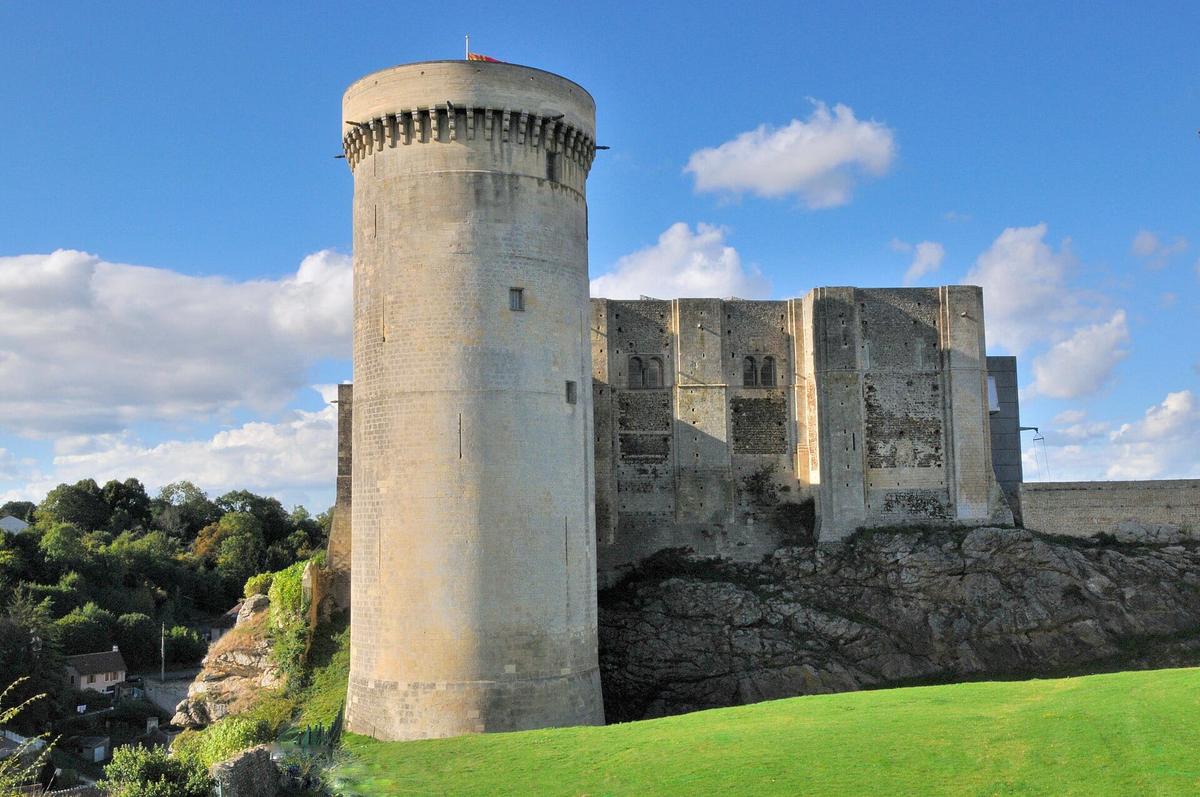
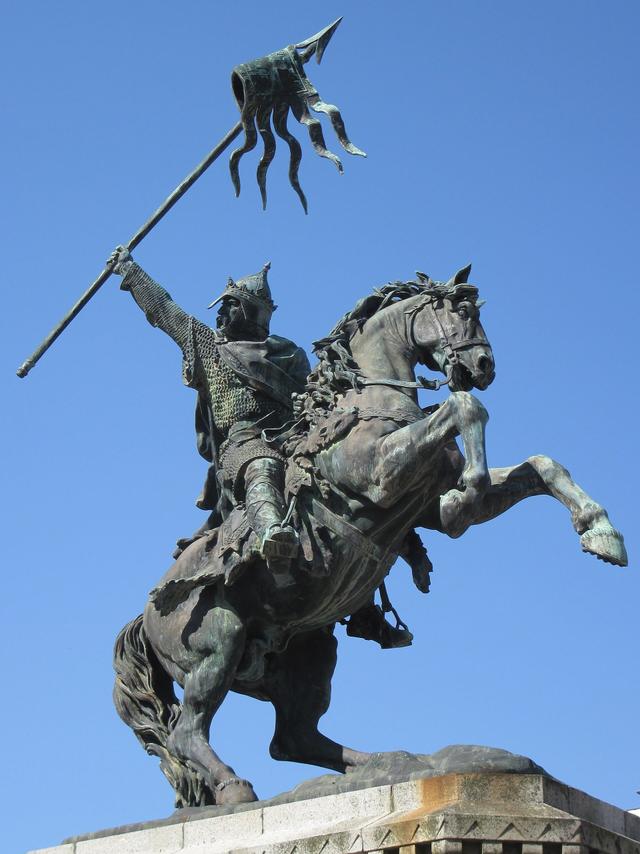
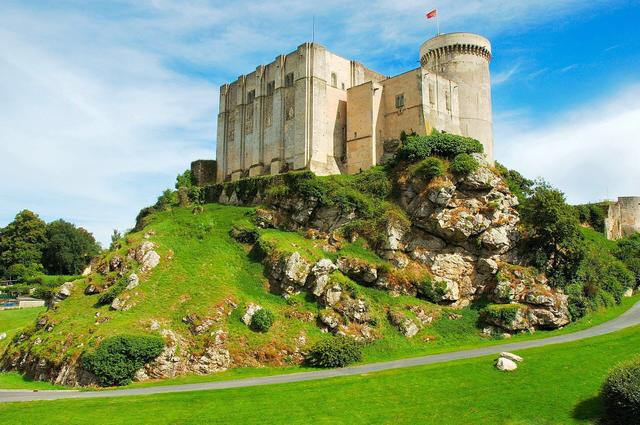
In 1204, Philip Augustus also took Falaise, the birthplace of William the Conqueror. He built a large round tower there, 30 metres high, next to the Norman keeps: it is the tower now called the Talbot Tower. See also: Falaise Castle (William the Conqueror's Castle)
What to see: the Talbot Tower and its view over the hedged farmland, the two Norman keeps, the gateway through the ramparts.
Chinon, Loches and Saumur: the Loire changes sides
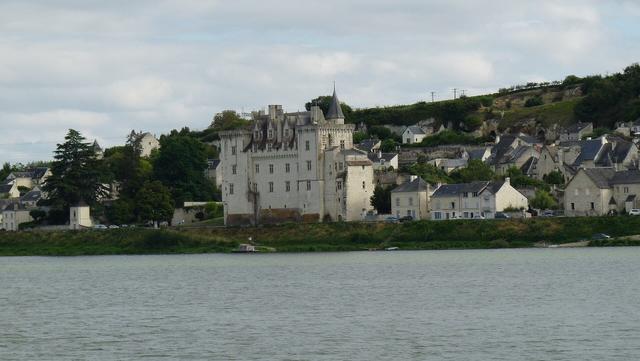
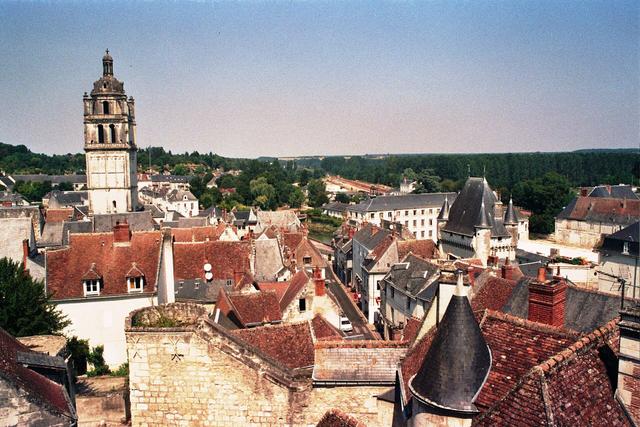
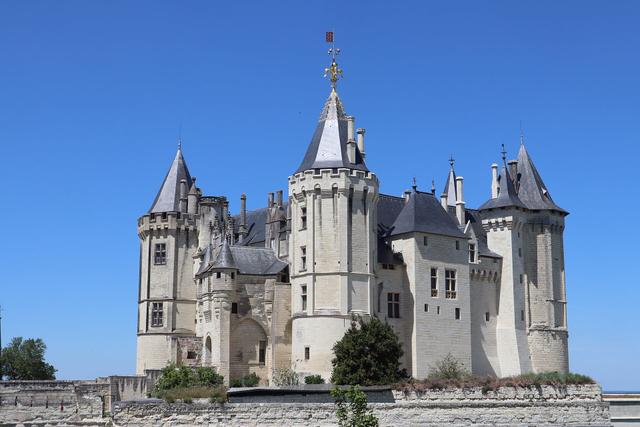
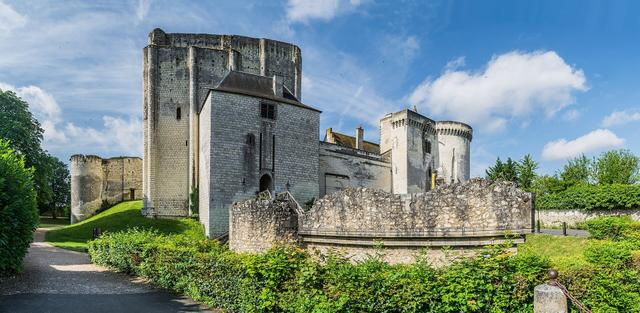
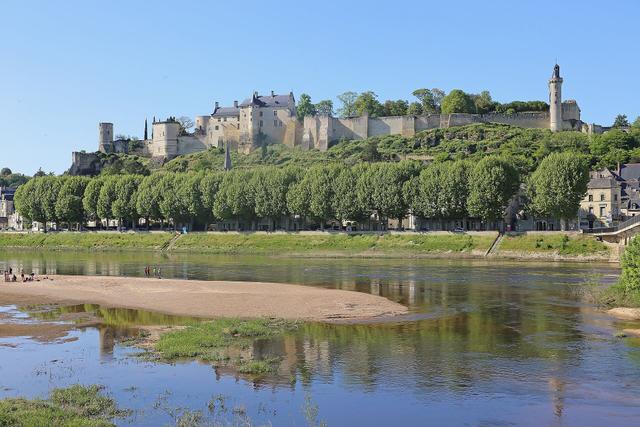
The conquest moved south. Philip Augustus seized the Château de Saumur in 1203 and built a new keep there. See also: Château de Saumur In 1205, he took Chinon, the Plantagenets' favourite residence, after a nine-month siege. See also: Royal Fortress of Chinon Loches fell the same year. See also: Royal City of Loches
The victory at Bouvines in 1214, over Emperor Otto IV and John Lackland's allies, secured these conquests. Philip was also the first king to call himself “King of France” rather than “King of the Franks”.
What to see: at Chinon, the Fort du Coudray and the royal lodgings; at Loches, Fulk Nerra's keep; at Saumur, the château above the Loire.
In his footsteps: the Seine and the Loire
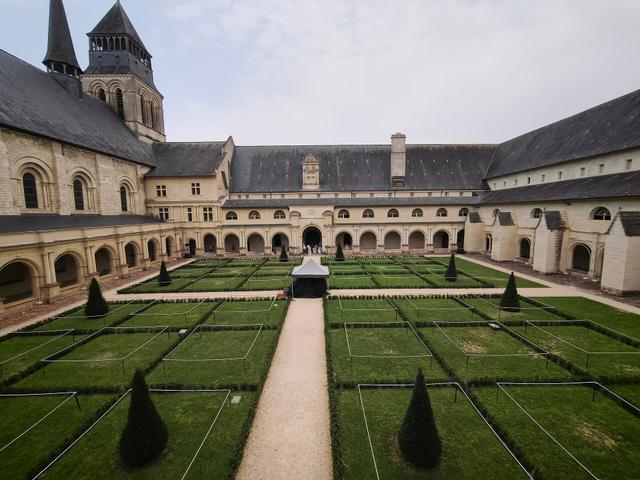
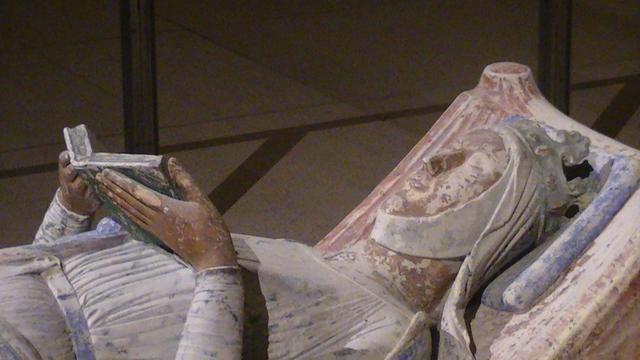
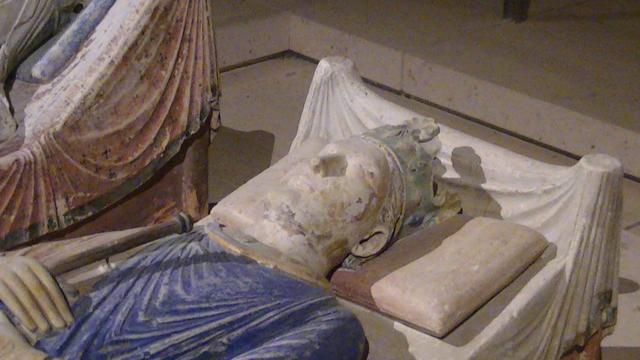
Château Gaillard is at Les Andelys, 45 min from Rouen and 1 hr 30 from Paris, and pairs well with Giverny. See also: Monet's House and Gardens Falaise is 40 minutes from Caen. Chinon and Saumur are close to Fontevraud, where the Plantagenets are buried. See also: Fontevraud Abbey
Partner links: if you book through these links, we earn a commission at no extra cost to you. Partner links · Learn more
Places to stay near Les Andelys
FAQ
Why is Philip II called “Augustus”?
The nickname comes from the monk Rigord, his biographer. It recalls the Roman emperors and the month of his birth, August, and honours the growth of the royal domain.
When did Philip Augustus take Château Gaillard?
On 6 March 1204, after a siege that began in September 1203. The fall of the castle opened the road to Rouen.
How did Normandy become French?
Through Philip Augustus's conquest at the expense of John Lackland: Château Gaillard, Falaise and then Rouen fell in 1204.
What was the Battle of Bouvines?
A victory for Philip Augustus on 27 July 1214 over Emperor Otto IV and a coalition backed by John Lackland. It confirmed his conquests.
Where is Philip Augustus buried?
In the Basilica of Saint-Denis. He died at Mantes on 14 July 1223.
Sources: fr.wikipedia.org (Philippe II Auguste), chateau-gaillard.fr
Tickets to book online
Partner links: if you book through these links, we earn a commission at no extra cost to you. Partner links · Learn more
Places to visit
Related guides