Joan of Arc, in the footsteps of the Maid
- Born
- c. 1412
- Died
- 30 May 1431
- Active years
- 1429 – 1431
- Family
- Artists, saints and favourites
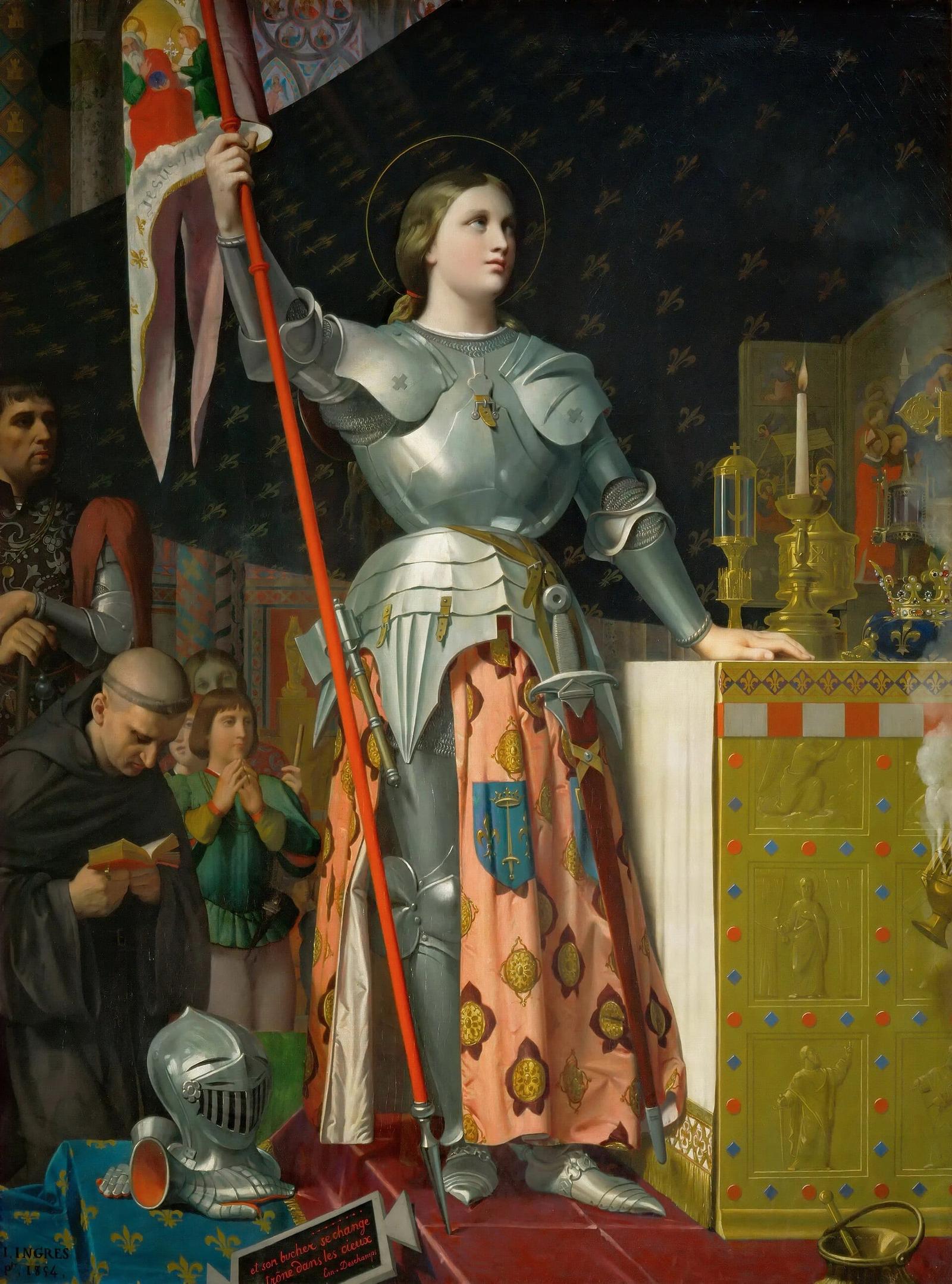
Her public life lasted only two years. In 1429, a seventeen-year-old peasant girl won over the dauphin Charles at Chinon, freed Orléans and had him crowned at Reims; in 1431 she was burned in Rouen. Half the places where this story played out are Loire châteaux you can still visit.
Joan of Arc in dates
| Date | Event |
|---|---|
| c. 1412 | Born in Domrémy, on the borders of Lorraine and Champagne |
| early March 1429 | Arrives at Chinon and meets the dauphin Charles |
| 27 April 1429 | Leaves Blois with the relief army for Orléans |
| 8 May 1429 | The English lift the siege of Orléans |
| May 1429 | Meets the dauphin again at Loches and urges him to go to Reims |
| 12-18 June 1429 | Loire campaign: Jargeau, Meung, Beaugency, victory at Patay |
| 29 June 1429 | The army leaves Gien for Reims |
| 17 July 1429 | Charles VII is crowned in Reims Cathedral |
| 23 May 1430 | Captured outside Compiègne by the Burgundians, allies of the English |
| 30 May 1431 | Burned alive in the Place du Vieux-Marché, Rouen |
| 7 July 1456 | Rehabilitated: the first trial is annulled |
| 16 May 1920 | Canonised; she is one of the two secondary patron saints of France |
A peasant girl before the dauphin
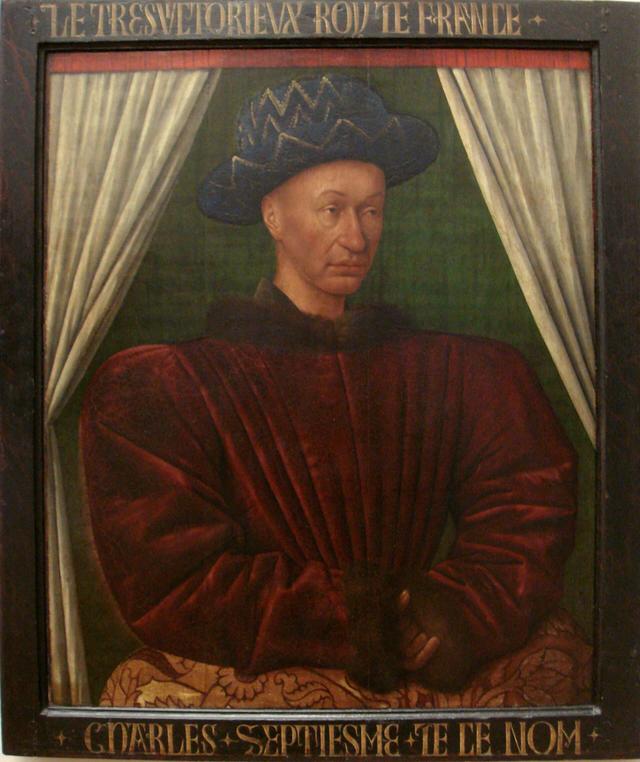
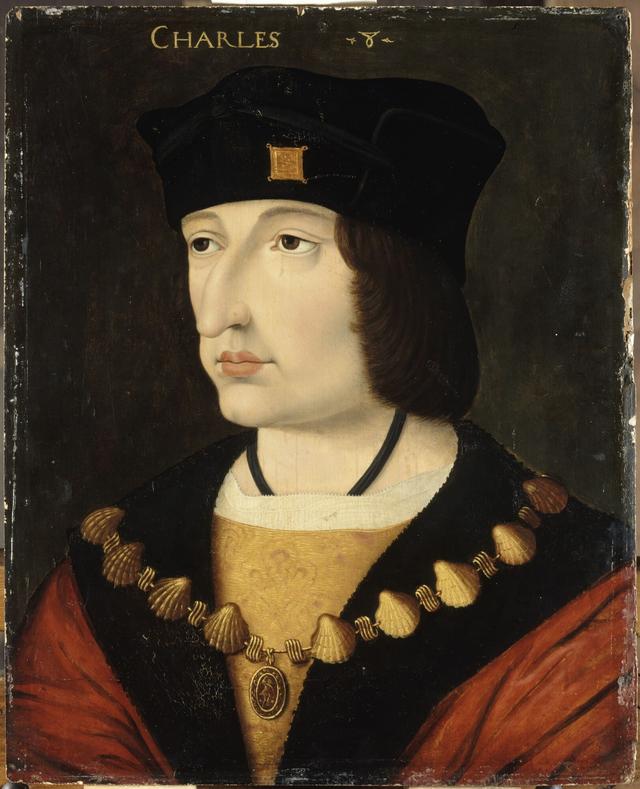
In 1428, the Hundred Years' War was going badly for the dauphin Charles. The English and their Burgundian allies held Paris and the north of the kingdom, and were besieging Orléans, the key to the Loire. Charles, whom his enemies called the "King of Bourges", had not been crowned.
A girl from Domrémy claimed to hear voices telling her to drive out the English and lead the dauphin to Reims. The captain of Vaucouleurs eventually gave her an escort. Dressed as a man, she crossed a country partly held by the enemy in eleven days, and reached Chinon in early March 1429.
Chinon: the meeting
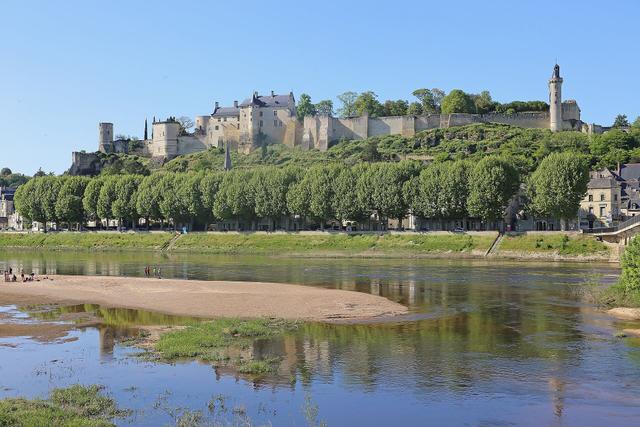
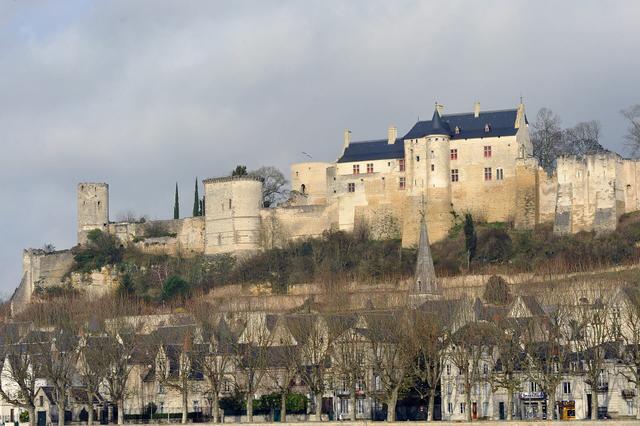
Tradition says that Charles, to test her, hid among his courtiers, and that Joan walked straight up to him. The scene took place in the great hall of the royal lodge, of which the walls and fireplace remain. Before giving her an army, the dauphin had her examined by theologians in Poitiers.
The Royal Fortress is visited today with a HistoPad, a tablet that recreates the rooms as they were in the Middle Ages. It is the best way to picture the scene in a lodge where only the walls are left. See also: Royal Fortress of Chinon
What to see: the remains of the royal lodge where she met Charles, the Clock Tower, 35 metres high, and the view over the Vienne from the ramparts.
Blois, Orléans, Loches: the spring of 1429
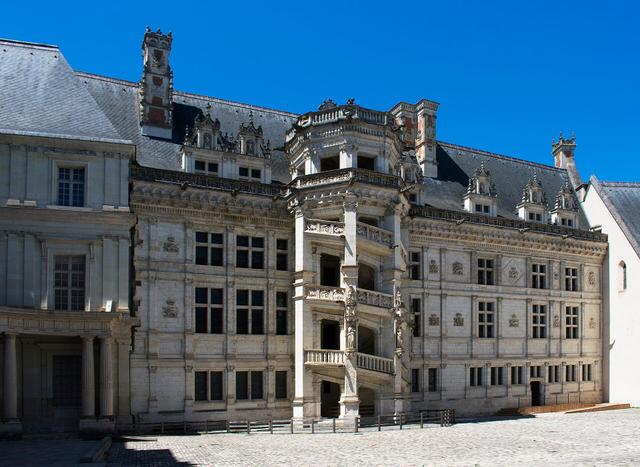
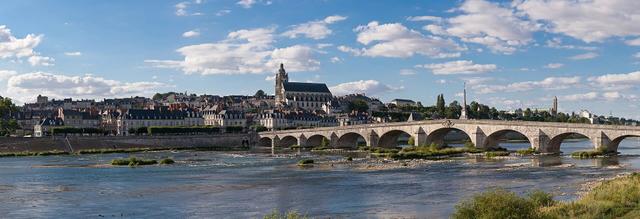
The relief army gathered at Blois, then a town of the Duke of Orléans, who was a prisoner in England. Joan left on 27 April 1429 with a supply convoy. On 8 May, after a week of fighting, the English lifted the siege of Orléans. Of the château of that time, Blois still has the great Hall of the Estates, one of the oldest seigneurial halls in France. See also: Royal Château of Blois
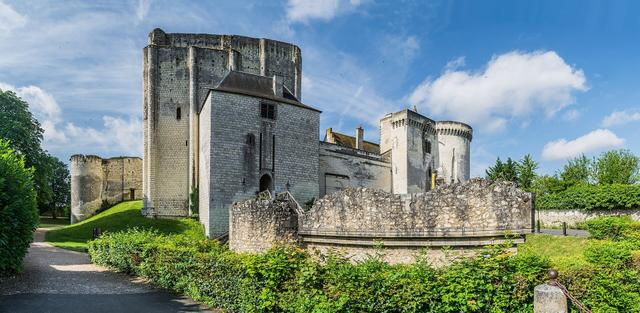
A few days later, Joan met the dauphin again at Loches. In the royal lodge, she urged him to leave for Reims without delay. You can visit the room where the scene is said to have taken place. See also: Royal City of Loches
Meung, Sully, Gien: the Loire campaign
In June, the army retook the Loire towns one by one. At Meung-sur-Loire, Joan and the Duke of Alençon drove the English out of the castle and off the bridge, a few days before the great victory at Patay on 18 June. The château, a former residence of the bishops of Orléans, can be visited along with its underground passages. See also: Château de Meung-sur-Loire
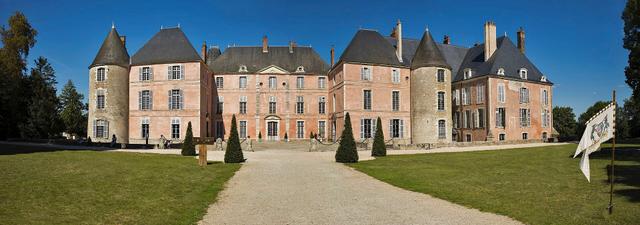
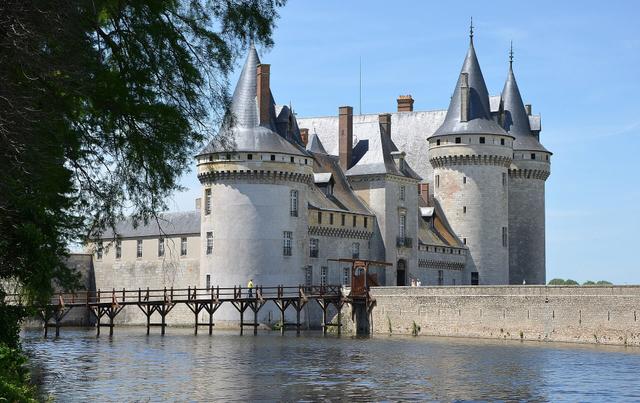
Charles VII waited for what came next at Sully-sur-Loire, home of his favourite Georges de La Trémoille. Joan joined him there. She came back in the spring of 1430, almost a prisoner of a court that no longer wanted to fight, and left without permission. See also: Château de Sully-sur-Loire
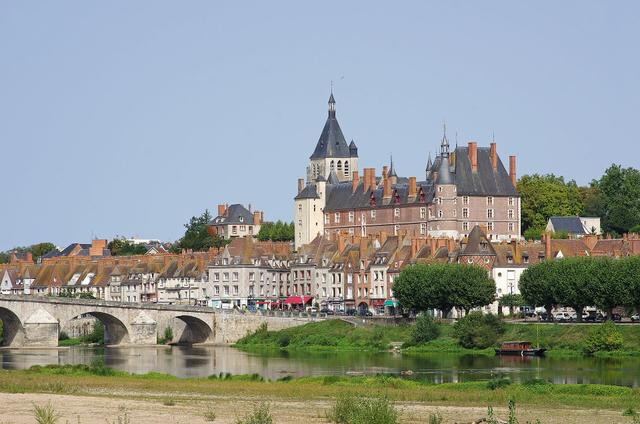
Finally the army regrouped at Gien, setting off for Reims on 29 June. The present red-brick château was built some fifty years later; it houses the Museum of Hunting and Nature. See also: Château de Gien
Rouen: the trial and the stake
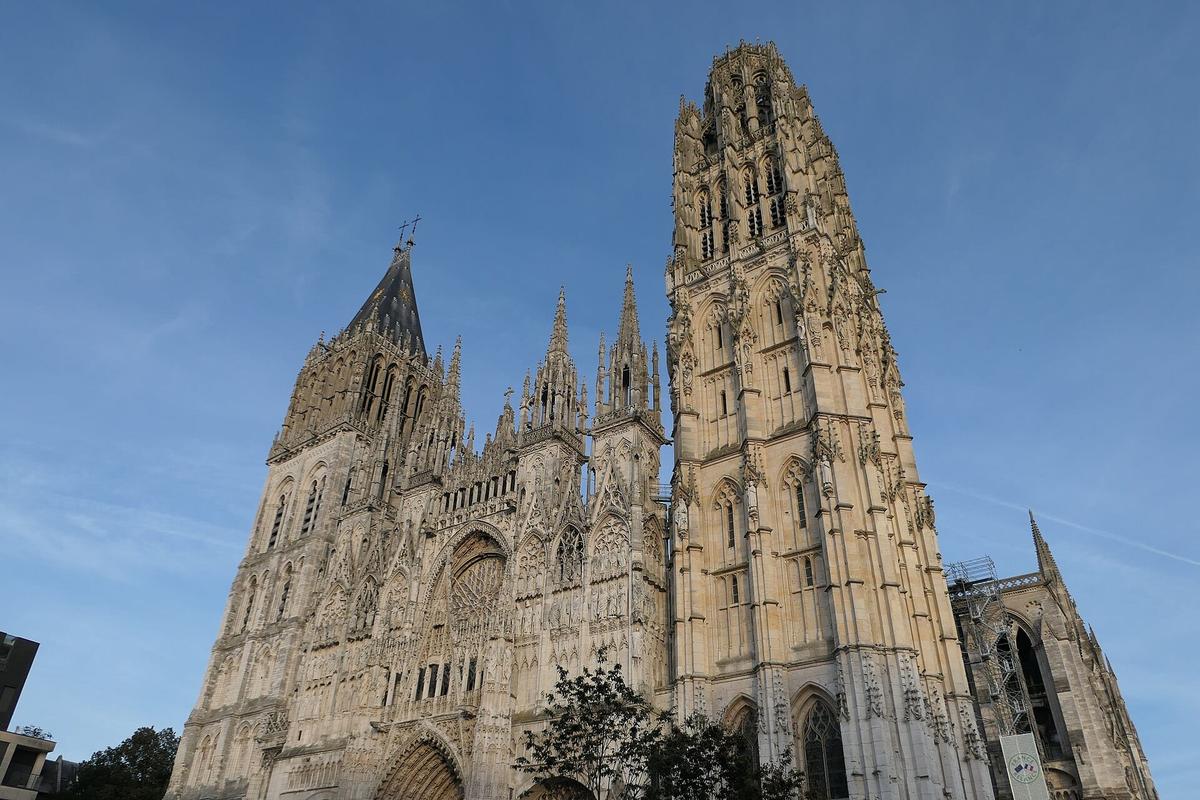
Captured outside Compiègne in May 1430, Joan was sold to the English, who tried her in Rouen, their capital in France. The trial, led by Bishop Pierre Cauchon, opened in February 1431 at the castle. Condemned for heresy, she was burned on 30 May 1431 in the Place du Vieux-Marché. Her ashes were thrown into the Seine.
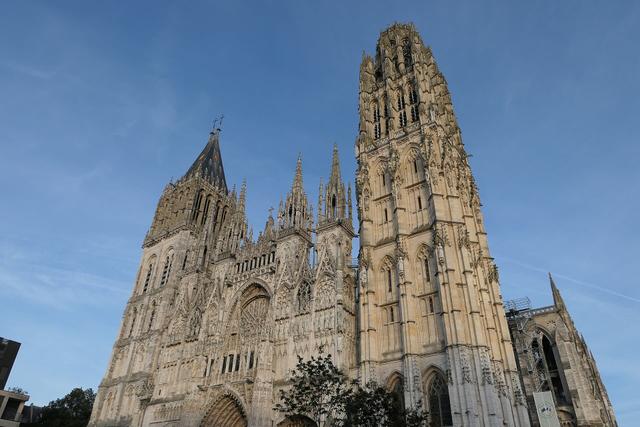
Twenty-five years later, a second trial cleared her name. The verdict of rehabilitation was proclaimed in Rouen on 7 July 1456. The Archbishops' Palace, right next to the cathedral, now houses the Historial Jeanne d'Arc, a visit that tells the story of both trials. In the Place du Vieux-Marché, a cross marks the spot where the stake stood, beside the modern Church of Sainte-Jeanne-d'Arc. See also: Rouen Cathedral
In her footsteps: two routes
On the Loire, a two-day loop links Chinon, Loches and Blois, with Meung, Sully and Gien further upstream, towards Orléans. In Normandy, Rouen makes a day trip from Paris: the cathedral, the Historial, the Place du Vieux-Marché and the Gros-Horloge are a few minutes' walk from each other.
Partner links: if you book through these links, we earn a commission at no extra cost to you. Partner links · Learn more
FAQ
Where did Joan of Arc meet Charles VII?
At the Château de Chinon, in Touraine, in early March 1429.
Where did Joan of Arc die?
In Rouen, burned alive in the Place du Vieux-Marché, on 30 May 1431.
Which Loire châteaux are linked to Joan of Arc?
Chinon, where she met the dauphin; Loches, where she urged him to go to Reims; Blois, where she set out for Orléans; and Meung-sur-Loire, Sully-sur-Loire and Gien, stages of the 1429 campaign.
Is there a portrait of Joan of Arc?
No portrait painted in her lifetime has survived. The only contemporary drawing is a sketch scribbled in 1429 in the margin of a register of the Paris Parlement, by a clerk who had never seen her.
When was Joan of Arc canonised?
On 16 May 1920, by Pope Benedict XV.
Sources: fr.wikipedia.org (Jeanne d'Arc), forteressechinon.fr, historial-jeannedarc.fr
Tickets to book online
Partner links: if you book through these links, we earn a commission at no extra cost to you. Partner links · Learn more
Places to visit


Related guides

Related historical figures