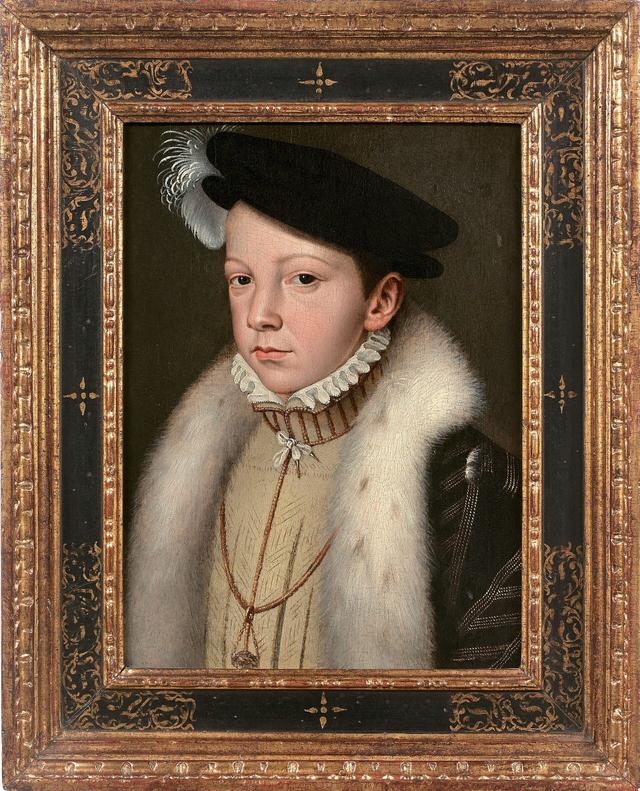
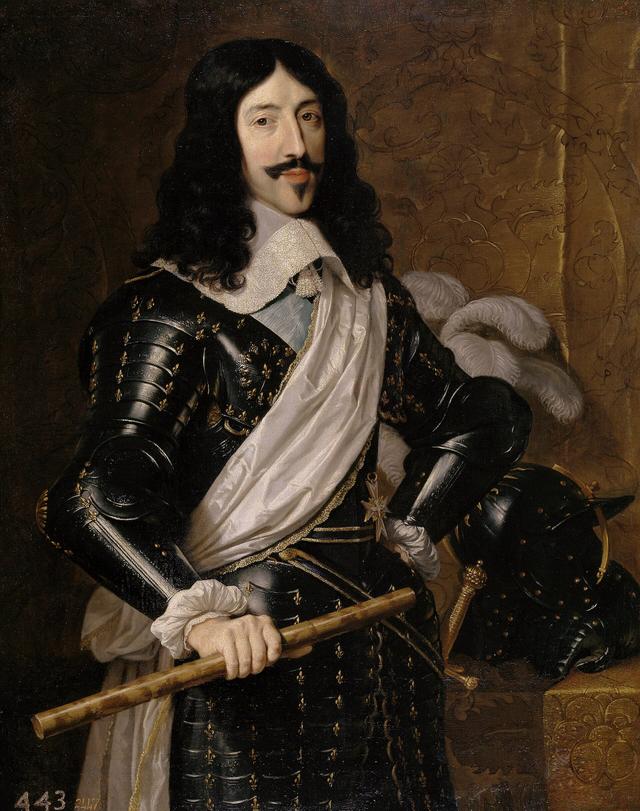
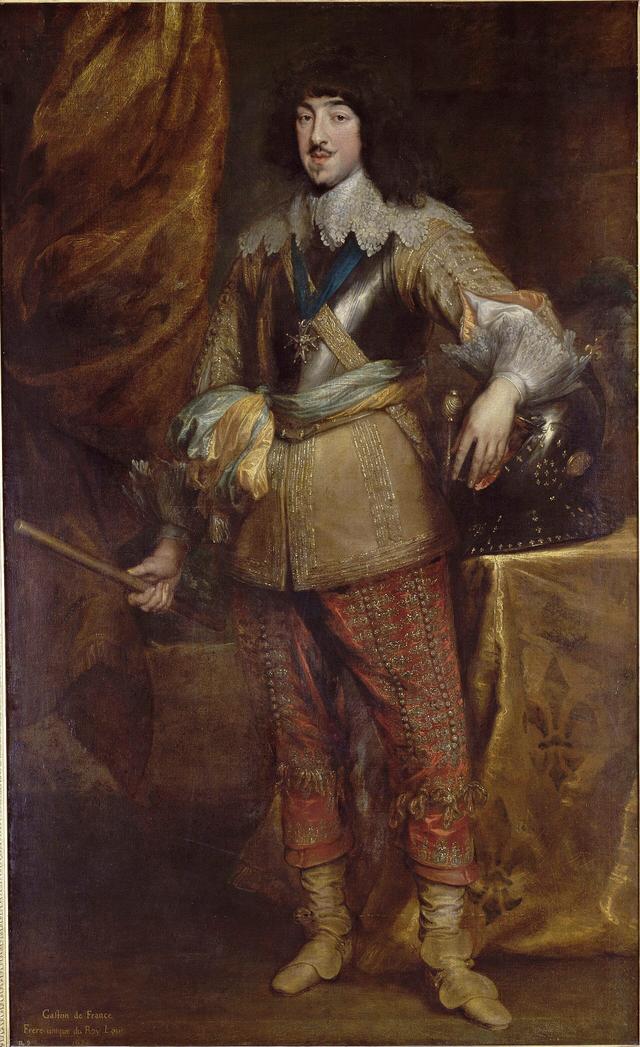
The murder of the Duke of Guise at Blois (23 December 1588)
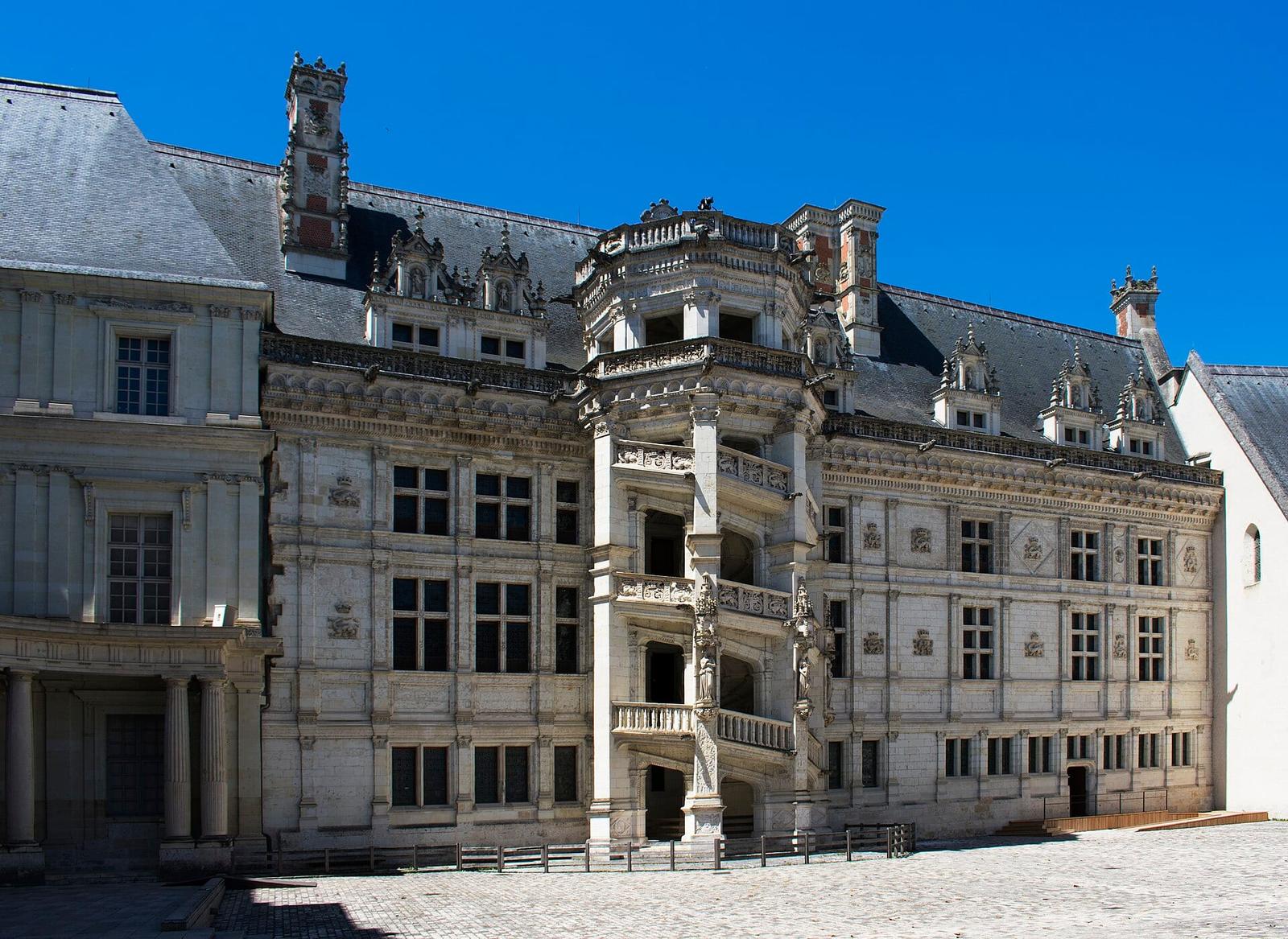
Early on the morning of 23 December 1588, King Henry III had his guards murder Henry of Guise, leader of the Catholic League, in the royal apartments at the Château de Blois. The duke's brother, the Cardinal of Guise, was killed the next day. Eight months later, Henry III himself died from a monk's knife. Here is the story, its place in the Wars of Religion, and the rooms where it happened, which you can still visit.
The key facts
- What: the murder of Henry of Guise, known as Le Balafré (Scarface), leader of the Catholic League, on the orders of King Henry III.
- When: Friday 23 December 1588, early in the morning. His brother, Cardinal Louis of Guise, was killed on the 24th.
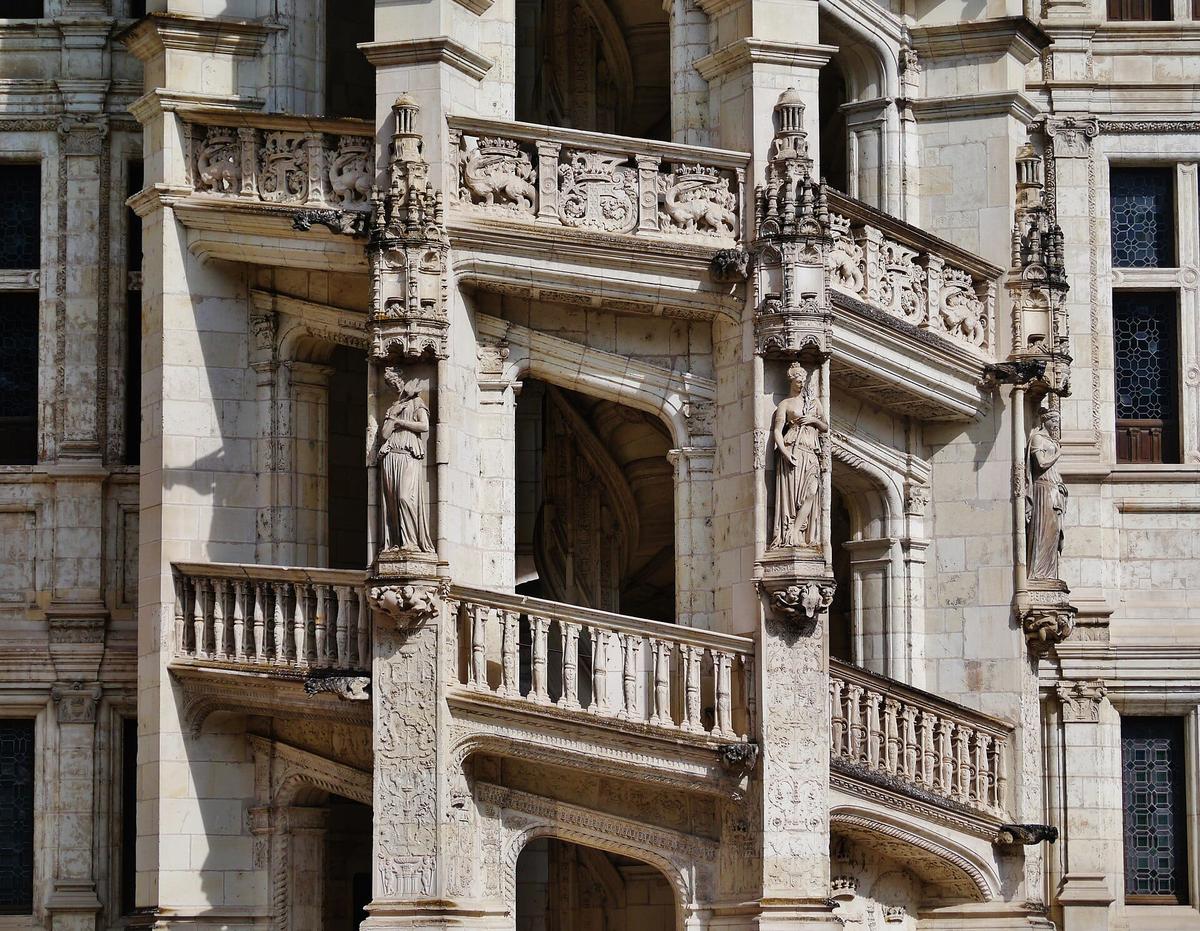
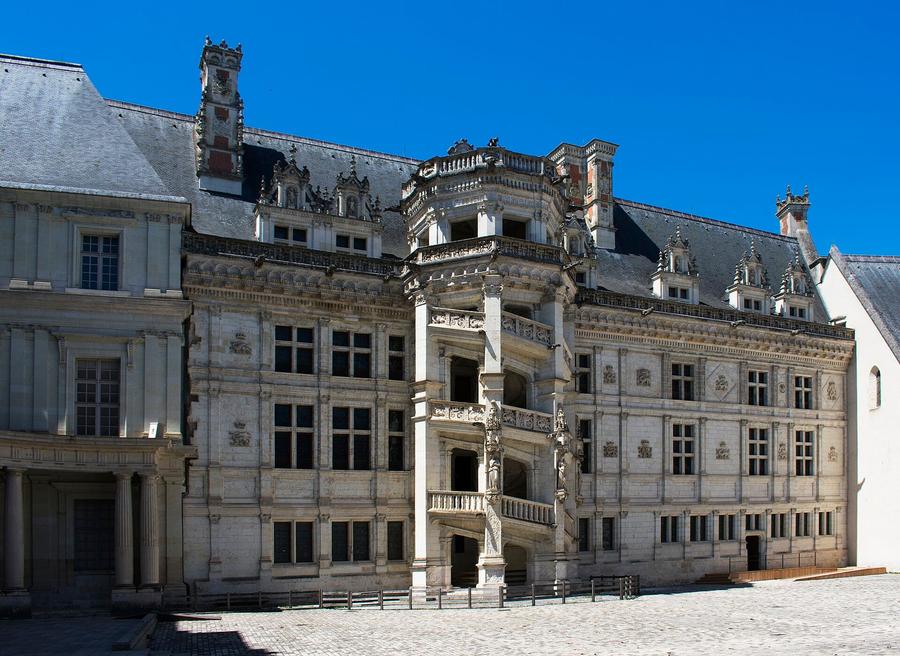
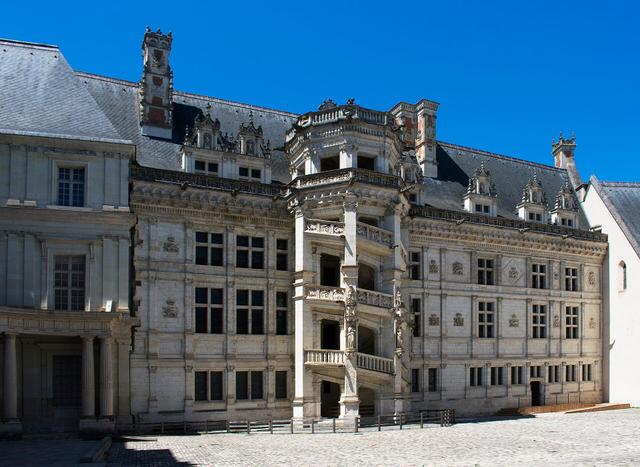
- Where: on the second floor of the Francis I wing of the Château de Blois, between the king's bedchamber and his "old cabinet".
- Why: backed by Paris and by Spain, Guise had become more powerful than the king.
- What came next: Catherine de' Medici died at the château on 5 January 1589; Henry III was stabbed at Saint-Cloud on 1 August 1589 and died the next day. Henry of Navarre became Henry IV.
- What to see today: the king's bedchamber, the Council Chamber and its 19th-century paintings, Catherine de' Medici's bedchamber and the Hall of the Estates. Admission €16.
Key dates
| Date | Event | Where |
|---|---|---|
| March 1560 | Amboise conspiracy, crushed by the Guises | Amboise |
| 1562 | Start of the Wars of Religion | Wassy |
| 24 August 1572 | St Bartholomew's Day massacre | Paris |
| 1575 | Henry of Guise wounded in the face at Dormans | Champagne |
| 1576 | First Catholic League | France |
| 1584 | Henry of Navarre, a Protestant, becomes heir to the throne | Paris |
| 12 May 1588 | Day of the Barricades, the king flees Paris | Paris |
| October 1588 | Opening of the Estates General | Blois |
| 23 December 1588 | Murder of the Duke of Guise | Blois |
| 24 December 1588 | Execution of the Cardinal of Guise | Blois |
| 5 January 1589 | Death of Catherine de' Medici | Blois |
| 1 August 1589 | Henry III stabbed by Jacques Clément | Saint-Cloud |
| 2 August 1589 | Death of Henry III, accession of Henry IV | Saint-Cloud |
Why did Henry III have the Duke of Guise killed?
From 1562 onwards, France was torn apart by the conflict between Catholics and Protestants. The Guise family, a younger branch of the Dukes of Lorraine, led the hardest-line Catholic faction. As early as 1560, at Amboise, Francis of Guise, Henry's father, had crushed a Protestant plot: the conspirators were executed at the château in front of the court. See also: Royal Château of Amboise
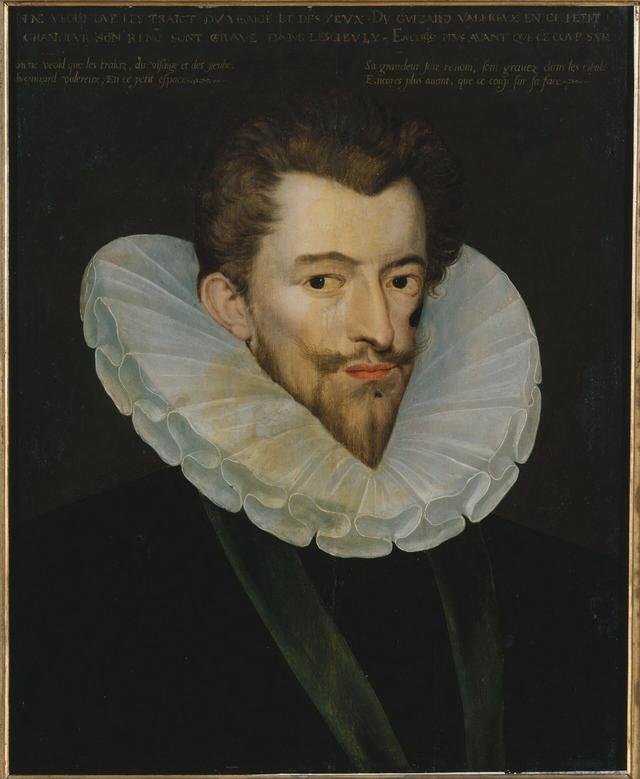
Henry of Guise, born on 31 December 1550, inherited this position. In 1572, during the St Bartholomew's Day massacre, it was his men who killed Admiral de Coligny, the Protestant leader. Tall and popular, he was the idol of the people of Paris.
Everything changed in 1584. The king's last surviving brother died, and Henry III had no children. The lawful heir was now Henry of Navarre, a Protestant. To stop him from reigning, Guise revived the Catholic League, with money from King Philip II of Spain.
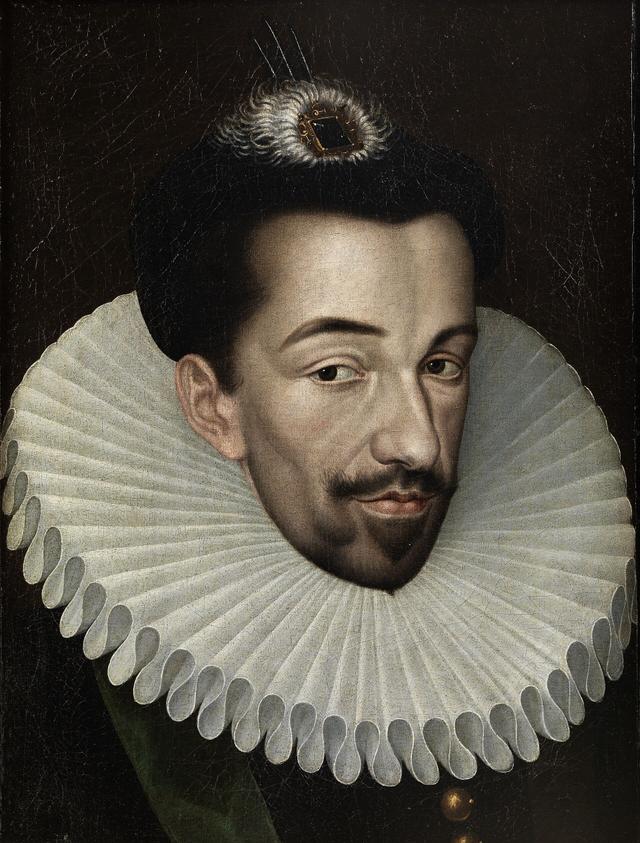
On 12 May 1588, Guise entered Paris against the king's orders. The city threw up barricades against the royal troops: this was the Day of the Barricades. Henry III left his capital the following day. To regain control, he summoned the Estates General to Blois. But most of the deputies supported the League, and Guise behaved as if he were in charge. The king concluded that the only way out was to get rid of him. See also: Henry III
Why was he called "Le Balafré"?
In 1575, at the Battle of Dormans in Champagne, Henry of Guise was wounded in the face. The scar earned him the nickname "Le Balafré", or Scarface ("el Acuchillado" to the Spanish). Some writers already give the nickname to his father, Francis, who had also been wounded in the face. See also: Henry, Duke of Guise
23 December 1588: what happened inside the château
The king lodged on the second floor of the Francis I wing, above the apartments of his sick mother, Catherine de' Medici. During the night, he posted members of the Forty-Five, his personal guard, in his apartments. They were Gascon noblemen who owed him everything.
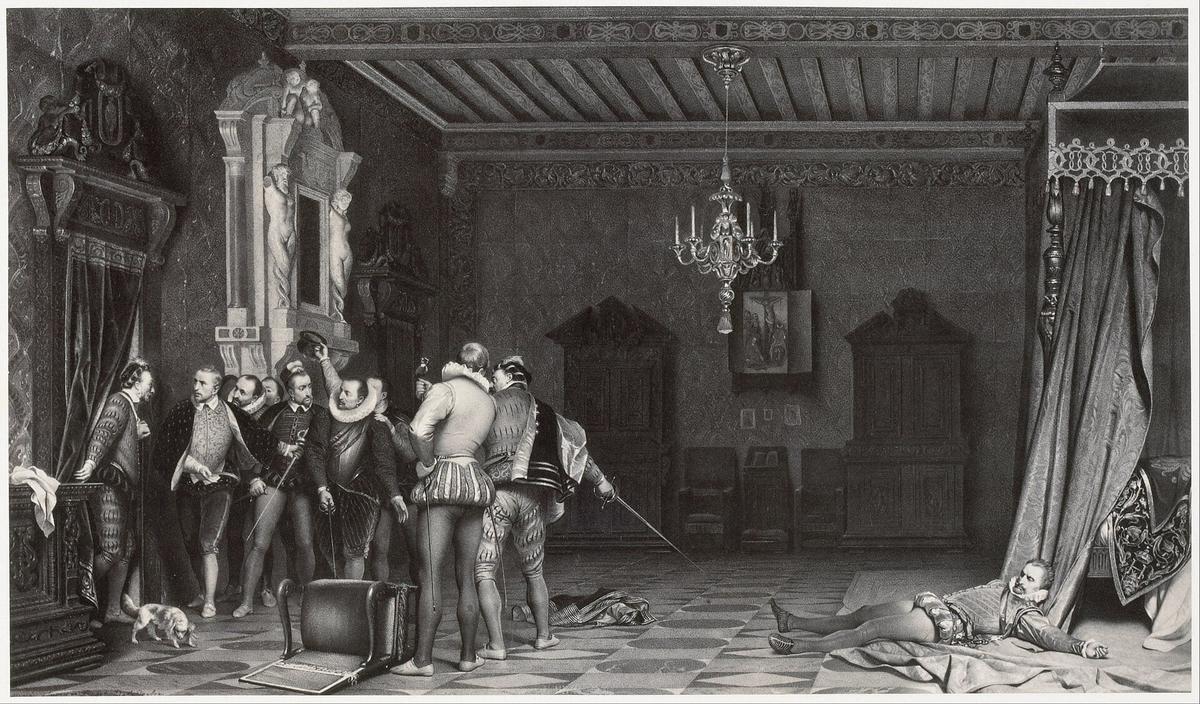
Early in the morning, the Council met in the neighbouring room. Guise was there. The king summoned him to his "old cabinet". To get there, the duke had to cross the king's bedchamber, where eight of the Forty-Five were waiting. They struck him with daggers and swords. Guise, a very strong man, wounded several of his attackers before he collapsed. He is said to have received around thirty blows; it was the Sieur de Loignac who finished him off.
Two true details: on the body, a note in his own hand was found: "To keep the war going in France, seven hundred thousand écus are needed every month". For the king, this proved his links with Spain. And the words attributed to Henry III over the corpse, "He is taller dead than alive", are probably apocryphal: historians have found no reliable source for them.
The same day, the duke's mother and his son Charles were arrested. Cardinal Louis of Guise, the duke's brother, who had rushed over on hearing the noise, was arrested too. He was executed by soldiers the next day, 24 December. To stop their tombs from becoming places of pilgrimage for the League, both bodies were burnt and the ashes thrown into the Loire.
The death of Catherine de' Medici (5 January 1589)
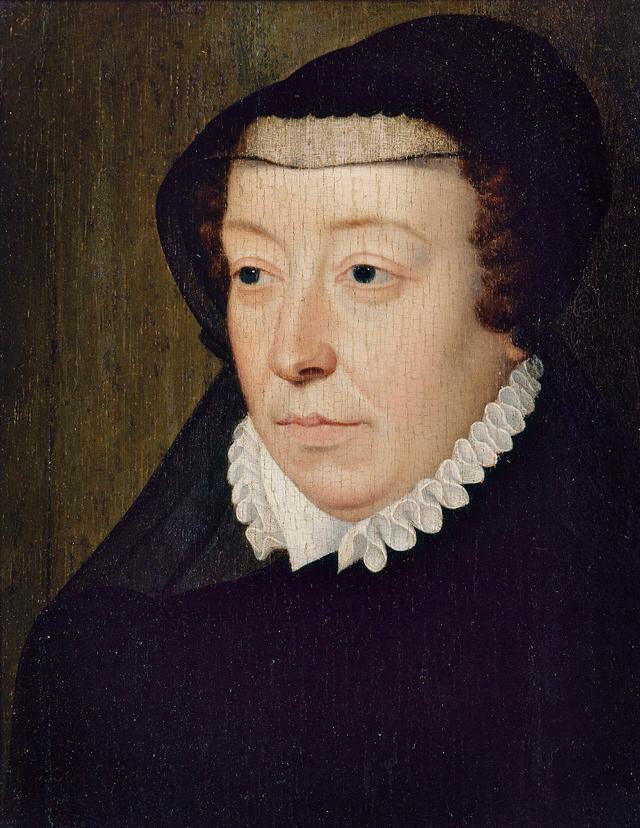
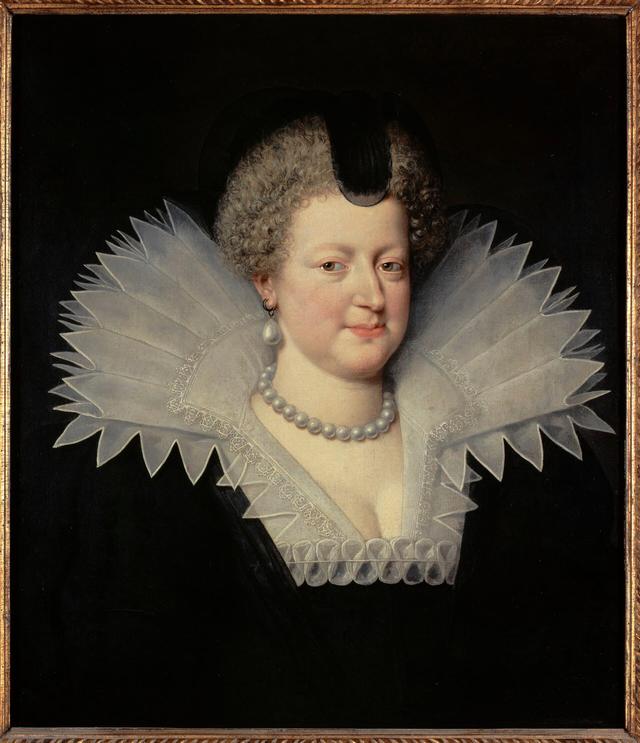
Catherine de' Medici, the king's mother, was sixty-nine. She lodged on the floor below, in the queen's bedchamber. According to tradition, when she heard about the murder, she told her son: "You have cut well, my son, now you must sew." The words come from indirect witnesses and should be taken as such.
She died in this bedchamber on 5 January 1589, less than two weeks after the murder. She had spent thirty years trying to keep the balance between the factions. See also: Catherine de' Medici
How did Henry III die? Saint-Cloud, 1 August 1589
The murder solved nothing. Paris rose up, preachers called for the "tyrant" to be killed, and the Sorbonne released the French from their duty to obey the king. The surviving brother, the Duke of Mayenne, took over the leadership of the League.
Henry III then did something nobody expected: he allied himself with Henry of Navarre, the Protestant he had fought against. The two kings besieged Paris together in July 1589. Henry III set up his quarters at Saint-Cloud.
On 1 August 1589, a young Dominican friar, Jacques Clément, gained access to the king by claiming to bring him letters. He stabbed him in the stomach with a knife. Clément was killed on the spot by the guards. Henry III died during the night of 1 to 2 August, after recognising Henry of Navarre as his successor. It was the end of the Valois.
Henry IV still had to convert to Catholicism, in 1593, before he could enter Paris the following year. See also: Henry IV
What to see at the Château de Blois about the murder
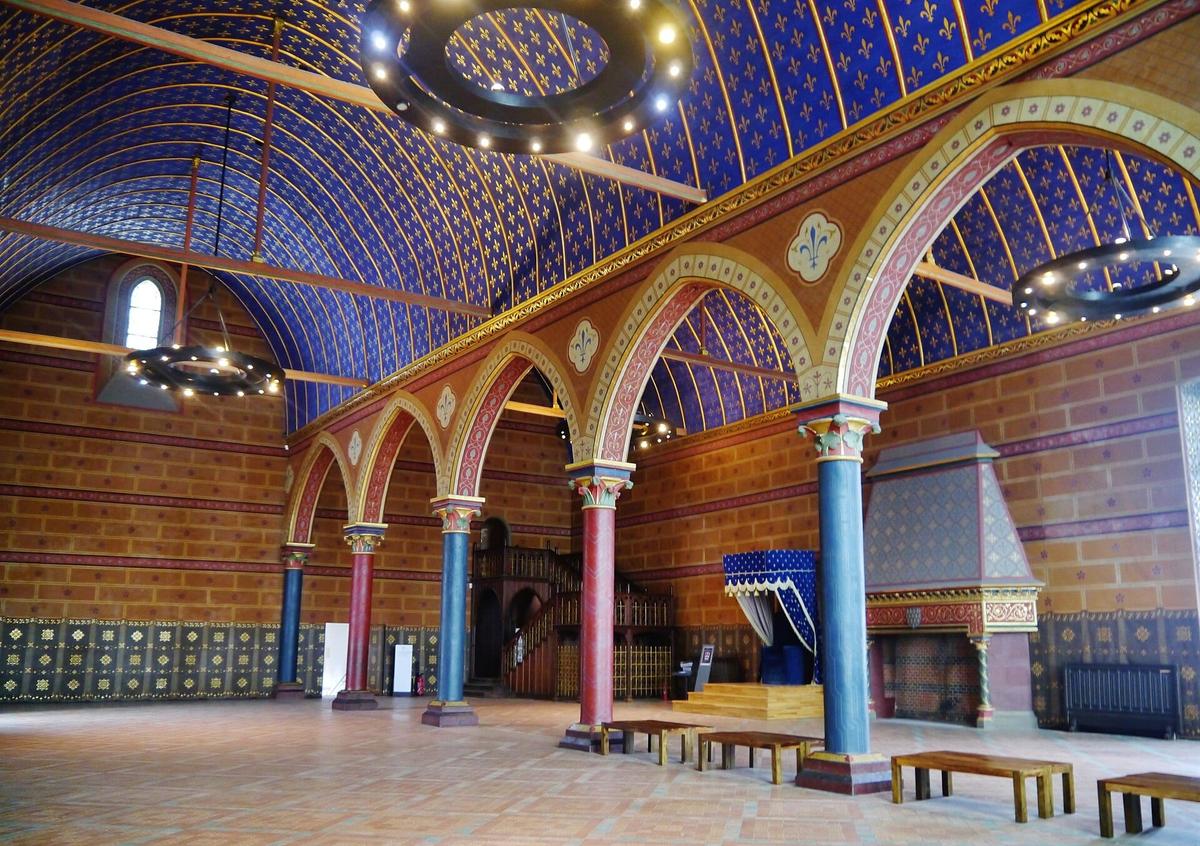
The château was heavily restored in the 19th century by Félix Duban, and the decoration of the apartments dates from that time. But the rooms where the drama took place are still there, and the château presents them following the story.
- The king's bedchamber (2nd floor, Francis I wing). According to tradition, this is where Guise was killed. The decoration recalls Henry III, with a large state bed.
- The Council Chamber (2nd floor). The Council was meeting here on the morning of 23 December. 19th-century paintings tell the story in chronological order, in a very theatrical style. One of the first films on the subject, made in 1908, is also shown here.
- The queen's bedchamber (1st floor). Catherine de' Medici died here on 5 January 1589. The walls bear her monogram, two interlaced Cs with the H of Henry II.
- Catherine de' Medici's cabinet. Its 237 carved panels hide four secret cupboards. Legend says they held poisons; they were more likely used for papers and jewels.
- The Hall of the Estates. The oldest part of the château (1214). This is where the Estates General of 1588 met.
The Delaroche painting. The most famous picture, The Assassination of the Duke of Guise by Paul Delaroche (1834), shows the duke's body at the foot of the bed, with Henry III peering out from behind a curtain. The original is in the Musée Condé at the Château de Chantilly. The Château de Blois displays a version by Delaroche and his workshop. See also: Château de Chantilly
Our tip: start your visit in the Francis I wing and go straight up to the second floor, then come back down to the queen's bedchamber. That way you follow the order of events. Allow 1.5 to 2 hours.
Tickets and the sound and light show
| Ticket | Adult | Ages 6 to 17 |
|---|---|---|
| Château | €16 | €8 |
| Sound and light show | €13 | €8 |
| Château + sound and light show | €24 |
Prices from the château's official website. Free under 6. The guided tour costs €5 on top of the admission price.
Winter opening hours: 10:00 – 17:00. The château is closed on 1 January and 25 December. The sound and light show, "Ainsi Blois vous est conté", is held in the evening in the courtyard from April to the end of September and during the French autumn half-term holidays (Toussaint). It tells the history of the château, the murder included, on the façades. You do not need to book a time slot for the château; for the sound and light show, book ahead on summer evenings.
Partner links: if you book through these links, we earn a commission at no extra cost to you. Partner links · Learn more
Our tip: in winter, you can visit in peace, away from the summer crowds, and the château is a 10-minute walk from the station. See also: Royal Château of Blois, Things to do in Blois
Other places linked to the Guises and the last Valois
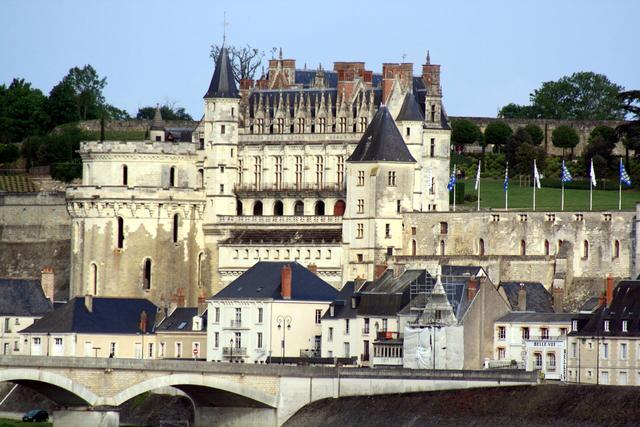
- The Château d'Amboise, 40 km away, for the conspiracy of 1560, the Guises' first show of force in the valley. See also: Royal Château of Amboise
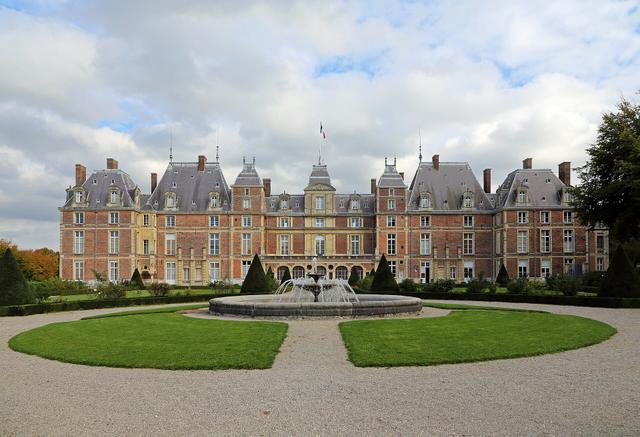
- The Château d'Eu, in Normandy, begun in 1578 by Henry of Guise and his wife Catherine of Cleves. A gallery there recalls the Guises, and the duke's funerary monument is in Eu, in the chapel of the former Jesuit college. See also: Château d'Eu
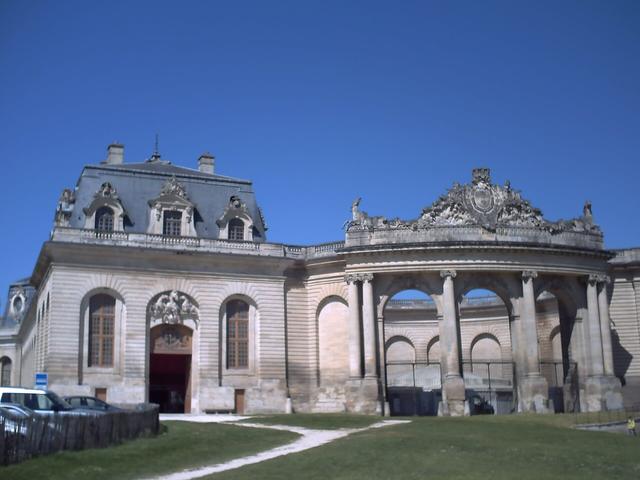
- The Château de Chantilly, to see the Delaroche original in the Musée Condé. See also: Château de Chantilly
For the story of the kings who came before, at Blois and elsewhere: See also: Francis I and the Loire châteaux, Loire Valley castles in 2 days, Loire Valley castles
Guided tours and where to stay in Blois
The château's guided tour tells the story of the murder in the rooms where it happened. Day trips also link Blois, Chambord and Amboise from Tours or Paris.
To see the sound and light show and stay on the next day, sleep in Blois: the château, the old town and the Loire embankments are all within walking distance. See also: Where to stay in Blois
FAQ
Where was the Duke of Guise murdered?
At the Château de Blois, on the second floor of the Francis I wing, in King Henry III's bedchamber, as he was on his way to the old cabinet. It was 23 December 1588.
Who killed the Duke of Guise?
Eight members of the Forty-Five, Henry III's personal guard, on the king's orders. The Sieur de Loignac struck the final blow.
Why was Henry of Guise called Le Balafré?
Because of a scar on his face from a wound received at the Battle of Dormans, in 1575.
How did Henry III die?
From a knife wound to the stomach, inflicted by the friar Jacques Clément at Saint-Cloud on 1 August 1589. He died the next day, 2 August.
Where is the Delaroche painting of the murder of the Duke of Guise?
The 1834 original is in the Musée Condé at the Château de Chantilly. The Château de Blois displays a version by Delaroche and his workshop.
Did Catherine de' Medici die at Blois?
Yes, in her bedchamber on the first floor of the Francis I wing, on 5 January 1589, two weeks after the murder.
Tickets to book online
Partner links: if you book through these links, we earn a commission at no extra cost to you. Partner links · Learn more
Monuments in this article


Related guides
Related historical figures