Louis XII, the King of Blois
- Born
- 27 June 1462
- Died
- 1 January 1515
- Reign
- 1498 – 1515
- Family
- Valois-Orléans
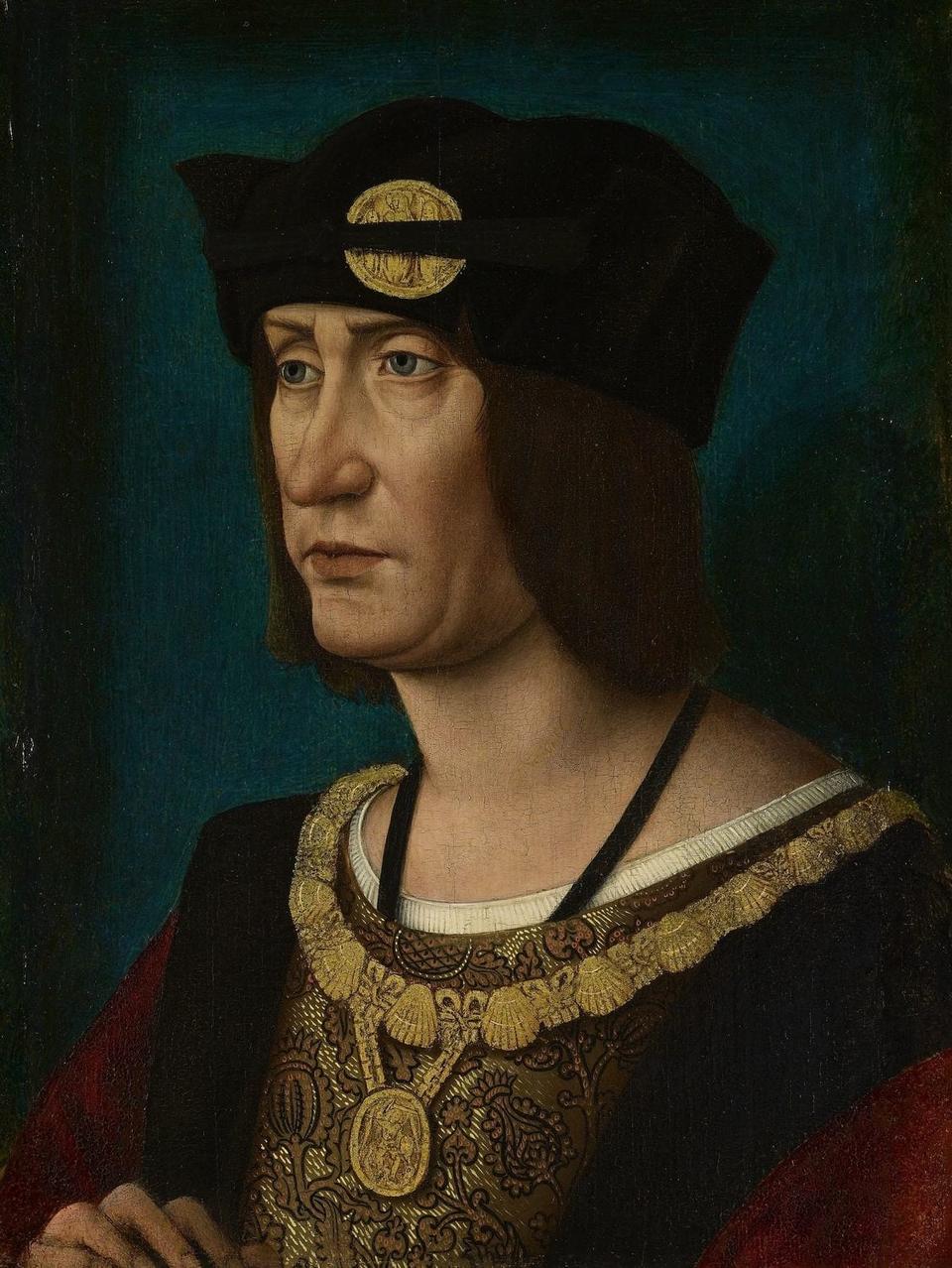
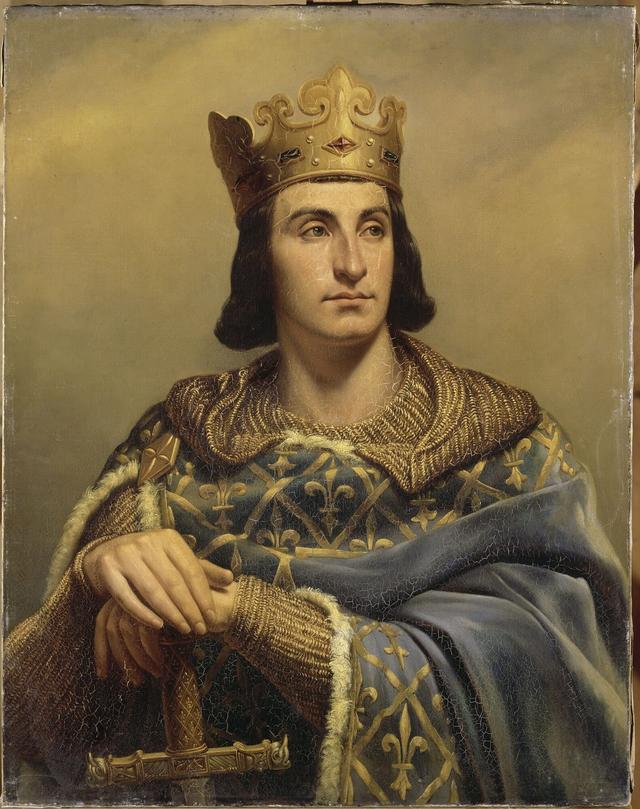
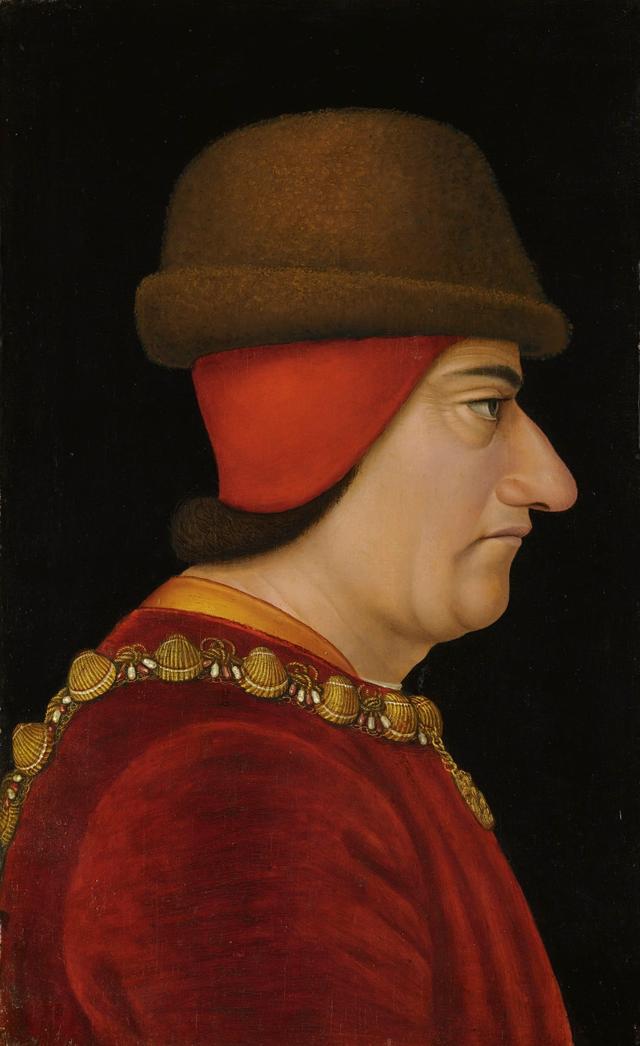
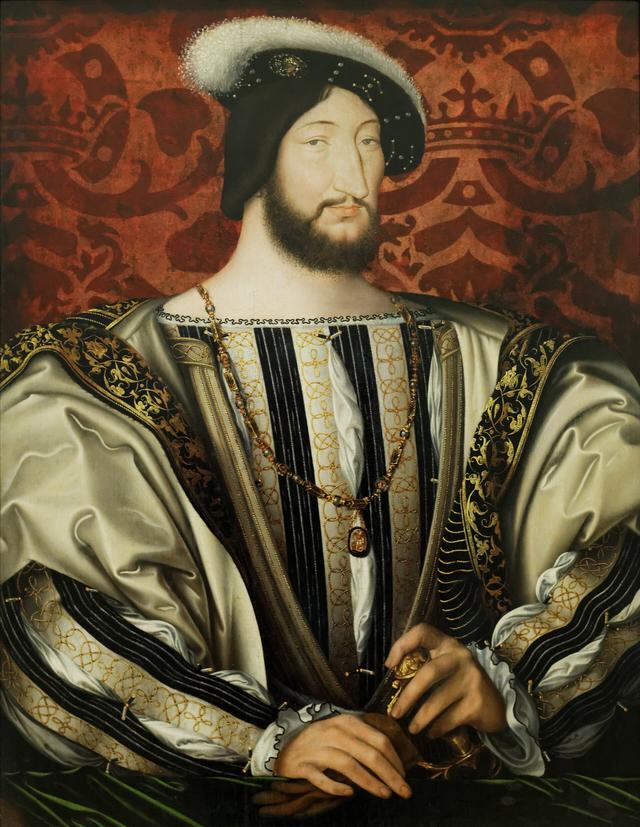
Nobody expected him on the throne. The son of a captive poet, a distant cousin of the king, a former rebel thrown into prison, Louis of Orléans became Louis XII at thirty-six. He made Blois, his birthplace, the capital of the kingdom, and the Estates General named him “Father of the People”.
Louis XII in dates
| Date | Event |
|---|---|
| 27 June 1462 | Born at the Château de Blois, son of the poet Charles of Orléans and Marie of Cleves |
| 1476 | Forced by Louis XI to marry his disabled daughter Jeanne |
| 1485-1488 | Leads the great lords' revolt against the regent Anne of Beaujeu; captured, he spends three years in prison |
| 7 April 1498 | Becomes king on the death of his cousin Charles VIII |
| 1498 | Has his marriage annulled and starts the new wing of the Château de Blois |
| 8 January 1499 | Marries Anne of Brittany, widow of Charles VIII |
| 1500 | Conquers the Duchy of Milan and takes Ludovico Sforza prisoner, sent to Loches |
| 1506 | The Estates General at Tours give him the title “Father of the People” |
| 1514 | Anne of Brittany dies; he marries Mary Tudor, sister of Henry VIII |
| 1 January 1515 | Dies in Paris; his son-in-law Francis I succeeds him |
The poet's son
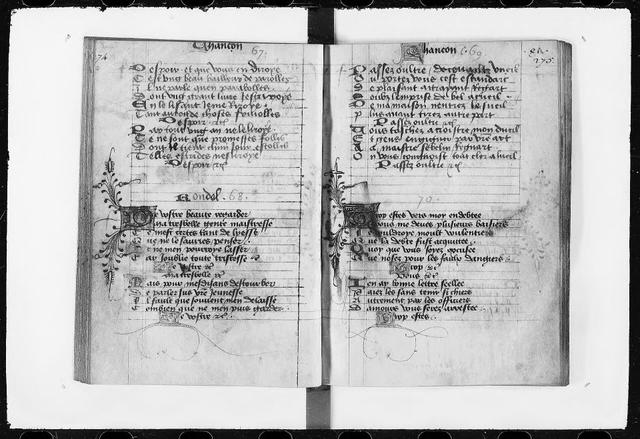
Louis was born at Blois, the château of his family, the House of Orléans. His father, Charles of Orléans, had spent twenty-five years as a prisoner in England after the Battle of Agincourt and brought back hundreds of poems; he was nearly seventy when his son was born.
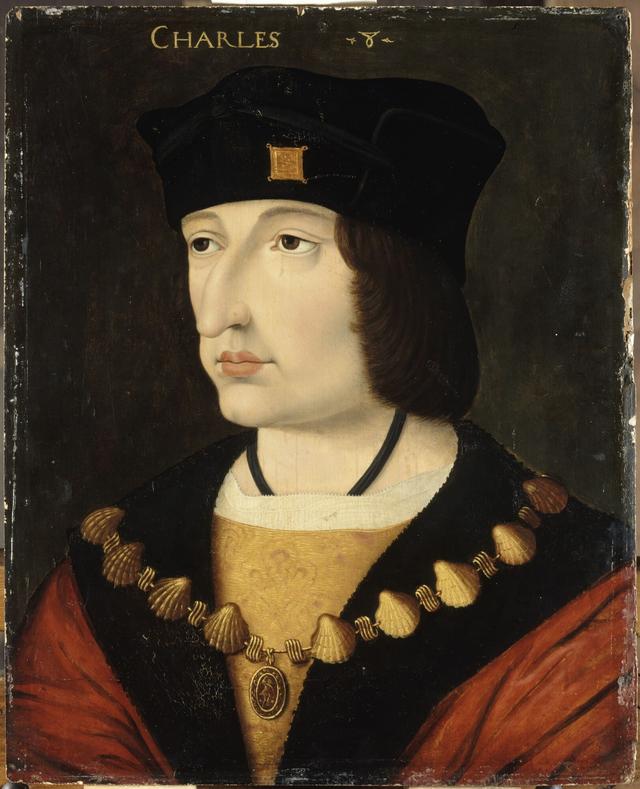
Louis XI, who distrusted the Orléans family, forced the young Louis to marry his daughter Jeanne, who was deformed, hoping the couple would have no children. After Louis XI's death, the young Duke of Orléans rebelled against the regent Anne of Beaujeu. He was defeated in 1488 at Saint-Aubin-du-Cormier and spent three years in prison. Charles VIII eventually freed him and made him a loyal supporter. See also: Charles VIII
A king by surprise
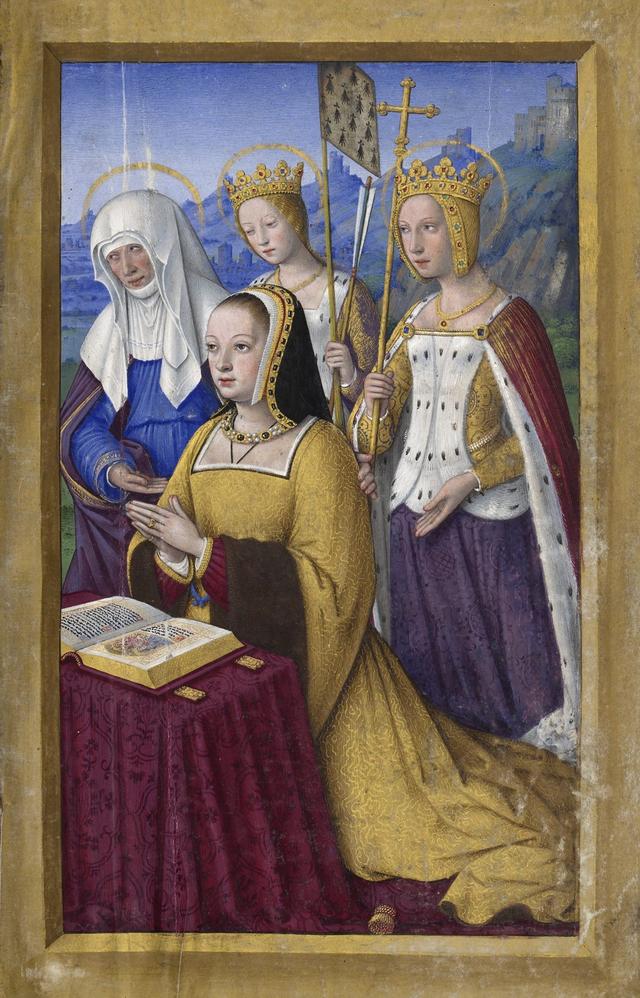
In April 1498, Charles VIII died at Amboise without a son. Louis, his closest relative, became king. He began with two family matters: he obtained from the pope the annulment of his marriage to Jeanne, then married Anne of Brittany, his predecessor's widow, to keep Brittany in the kingdom. See also: Anne of Brittany
The new king lowered taxes, reformed the justice system and was known for being careful with money. In 1506, the Estates General meeting in Tours gave him the title “Father of the People”.
Blois: the Louis XII wing
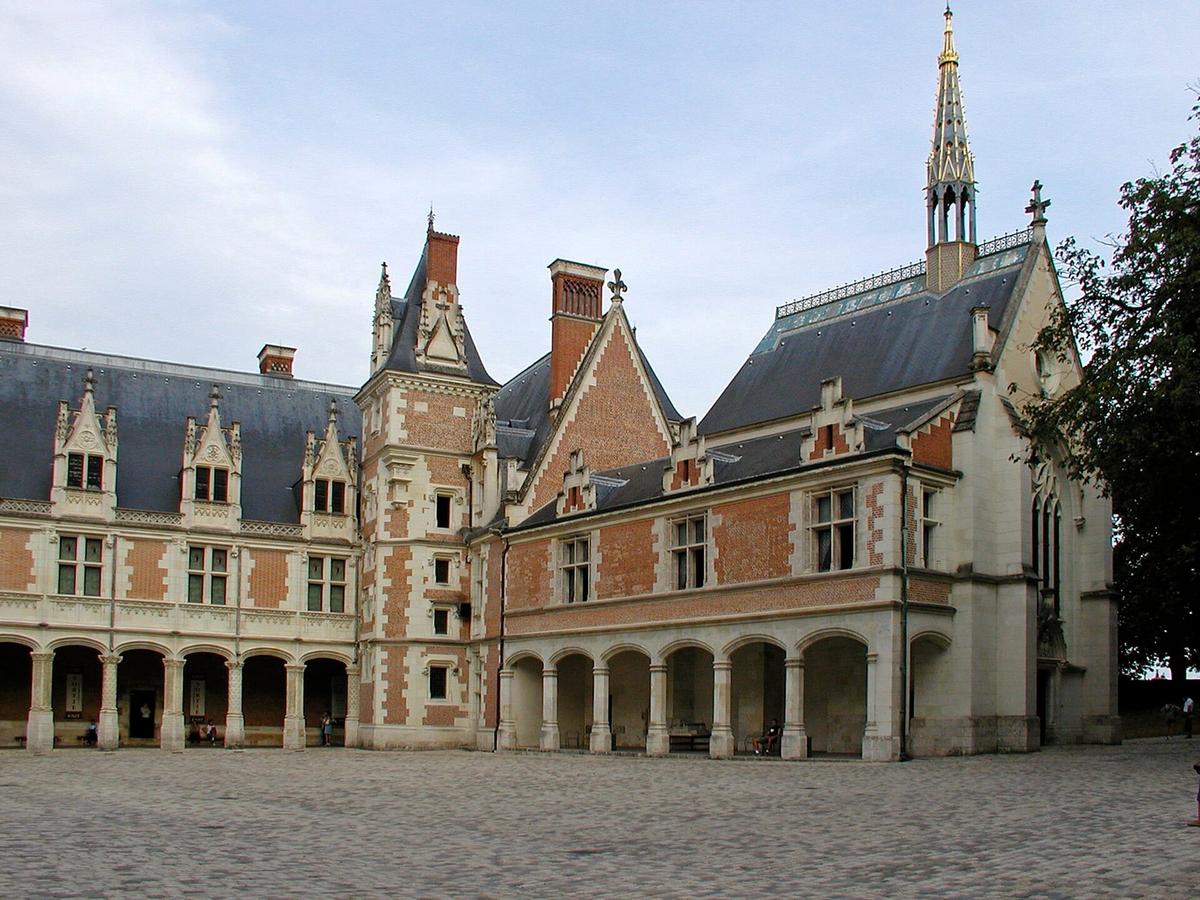
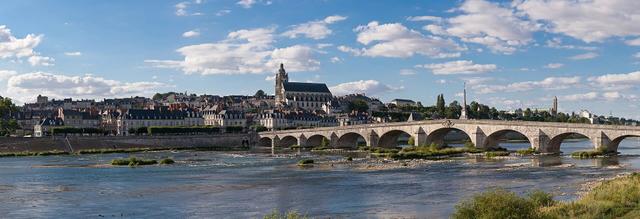
Once king, Louis XII settled neither in Paris nor in Amboise, but at Blois, his home. Between 1498 and 1503, he built the château's entrance wing, in red brick and white stone, with an open gallery onto the courtyard. Above the gate, an equestrian statue of the king (remade in the 19th century) greets visitors, and his emblem, the porcupine, is carved all over, next to Anne of Brittany's ermines.
The château is still Gothic in its shape, but Italian decoration starts to appear on the pilasters. The king also laid out large terraced gardens, now gone. The wing now houses the Blois Museum of Fine Arts. See also: Royal Château of Blois
What to see: the façade of the Louis XII wing and its equestrian statue, the courtyard gallery, the carved porcupines, and the Museum of Fine Arts.
Milan, and the prisoner of Loches
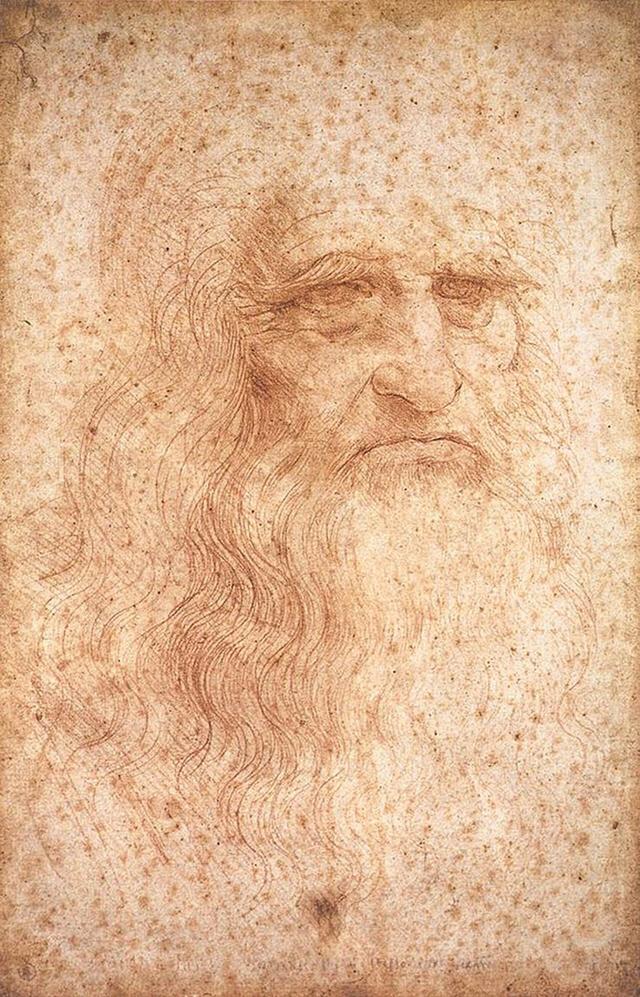
Like Charles VIII before him, Louis XII dreamed of Italy. As the grandson of a Milanese princess, he claimed the Duchy of Milan, conquered it in 1499 and, the following year, took its duke prisoner: Ludovico Sforza, the patron of Leonardo da Vinci. See also: Leonardo da Vinci
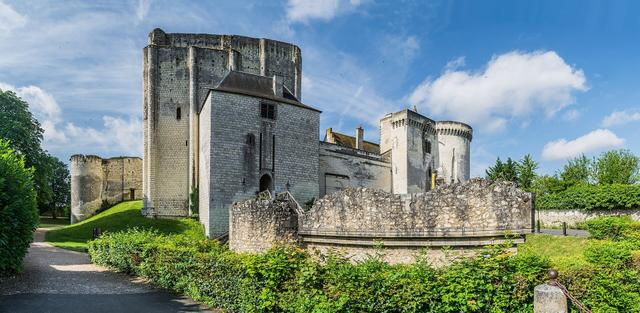
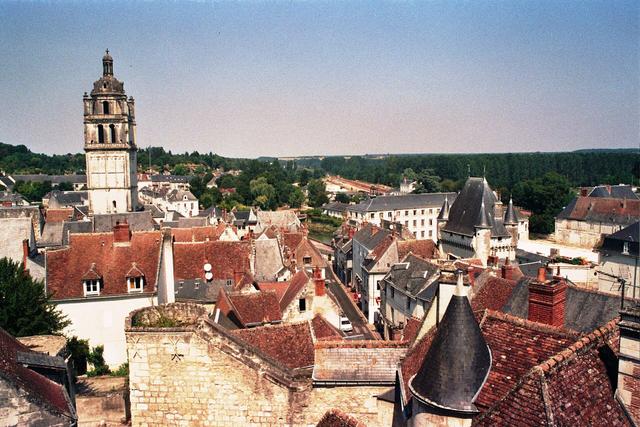
Ludovico was held in France, then at Loches from 1504. He died there in 1508. The walls of his cell still bear the paintings and inscriptions attributed to him. See also: Royal City of Loches
In his footsteps: Blois and the valley
The Château de Blois is a 10-minute walk from the station, and about 1 hr 30 from Paris by train, from Austerlitz station. Allow half a day, then Chambord or Cheverny in the afternoon, 15 km away. Loches is further south, in Touraine, and pairs well with Chenonceau. See also: Where to stay in Blois
Partner links: if you book through these links, we earn a commission at no extra cost to you. Partner links · Learn more
FAQ
Where was Louis XII born?
At the Château de Blois, on 27 June 1462.
Why is Louis XII called the “Father of the People”?
The title was given to him in 1506 by the Estates General at Tours, for his careful tax policy and his reforms of the justice system.
What is Louis XII's emblem?
The porcupine, inherited from his grandfather Louis of Orléans. You can see it carved on the Louis XII wing of the Château de Blois.
Who were Louis XII's wives?
Jeanne of France, daughter of Louis XI, whose marriage he had annulled; Anne of Brittany, widow of Charles VIII; and finally Mary Tudor, married a few months before his death.
Where is Louis XII buried?
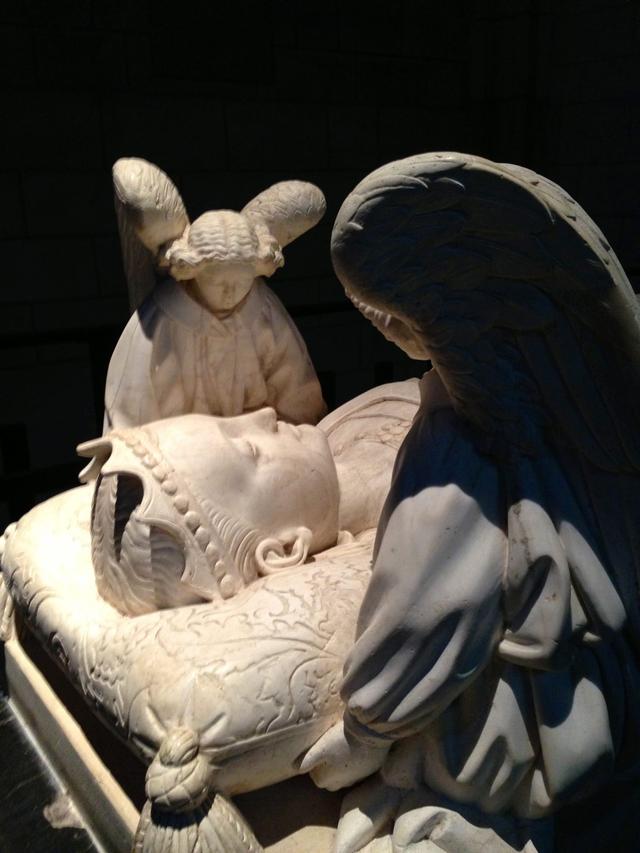
In the Basilica of Saint-Denis, with Anne of Brittany, beneath a large marble tomb.
Sources: fr.wikipedia.org (Louis XII), chateaudeblois.fr
Tickets to book online
Partner links: if you book through these links, we earn a commission at no extra cost to you. Partner links · Learn more
Places to visit


Related guides
Related historical figures