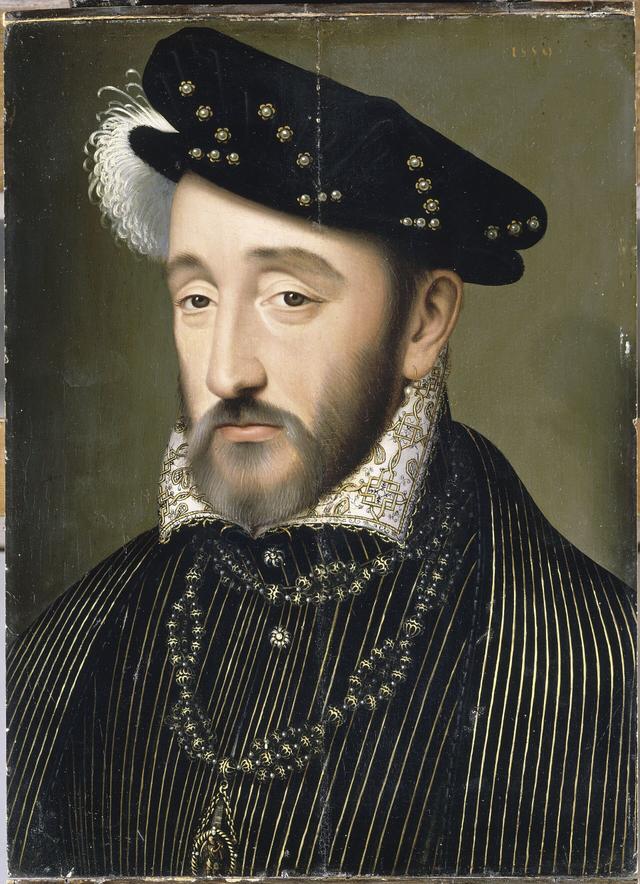
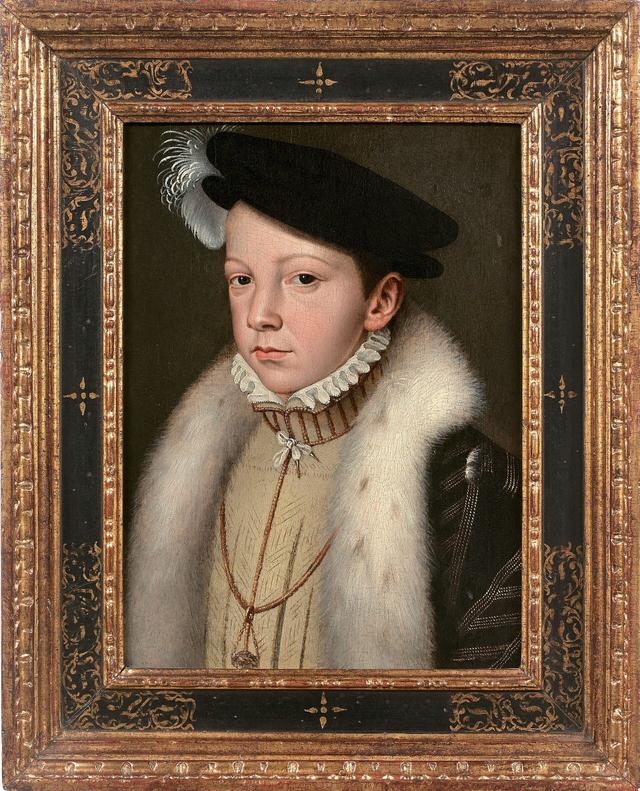
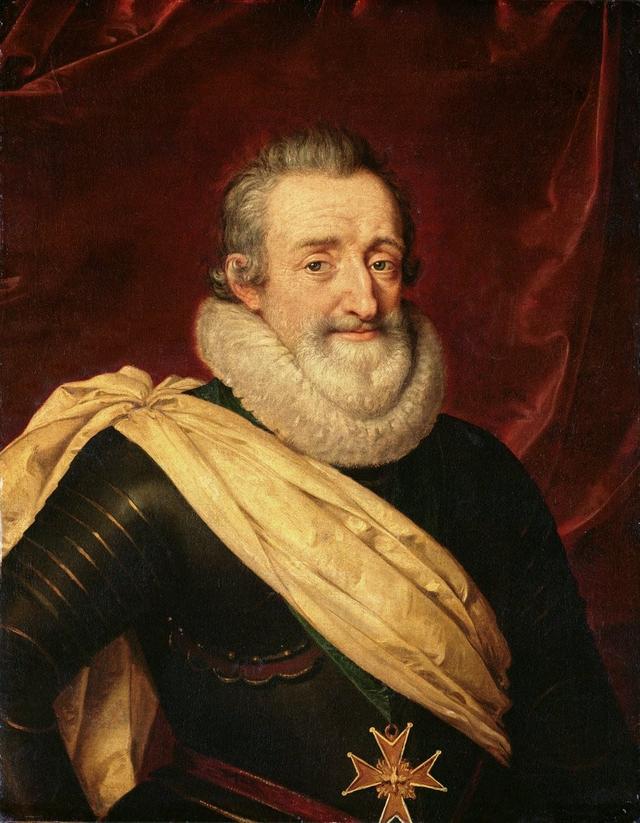
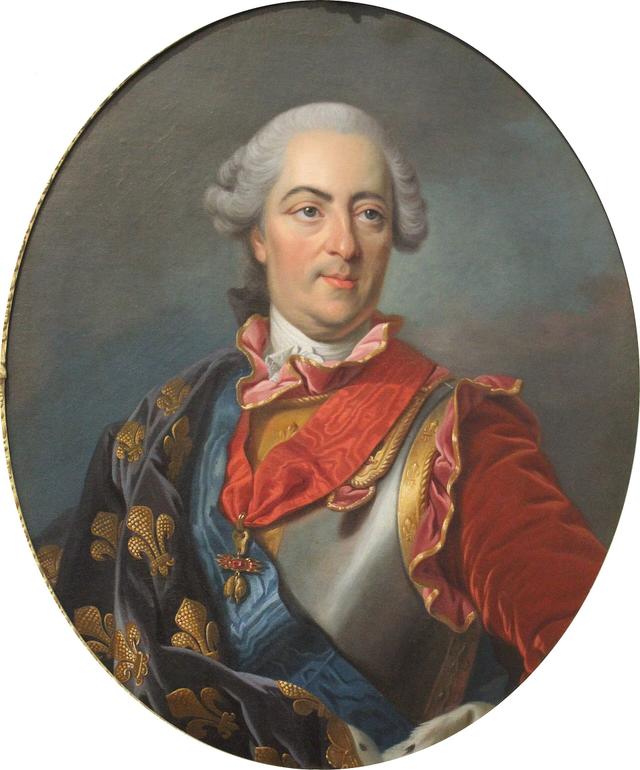
Francis I, the builder king of the Renaissance
- Born
- 12 September 1494
- Died
- 31 March 1547
- Reign
- 1515 – 1547
- Family
- Valois-Angoulême
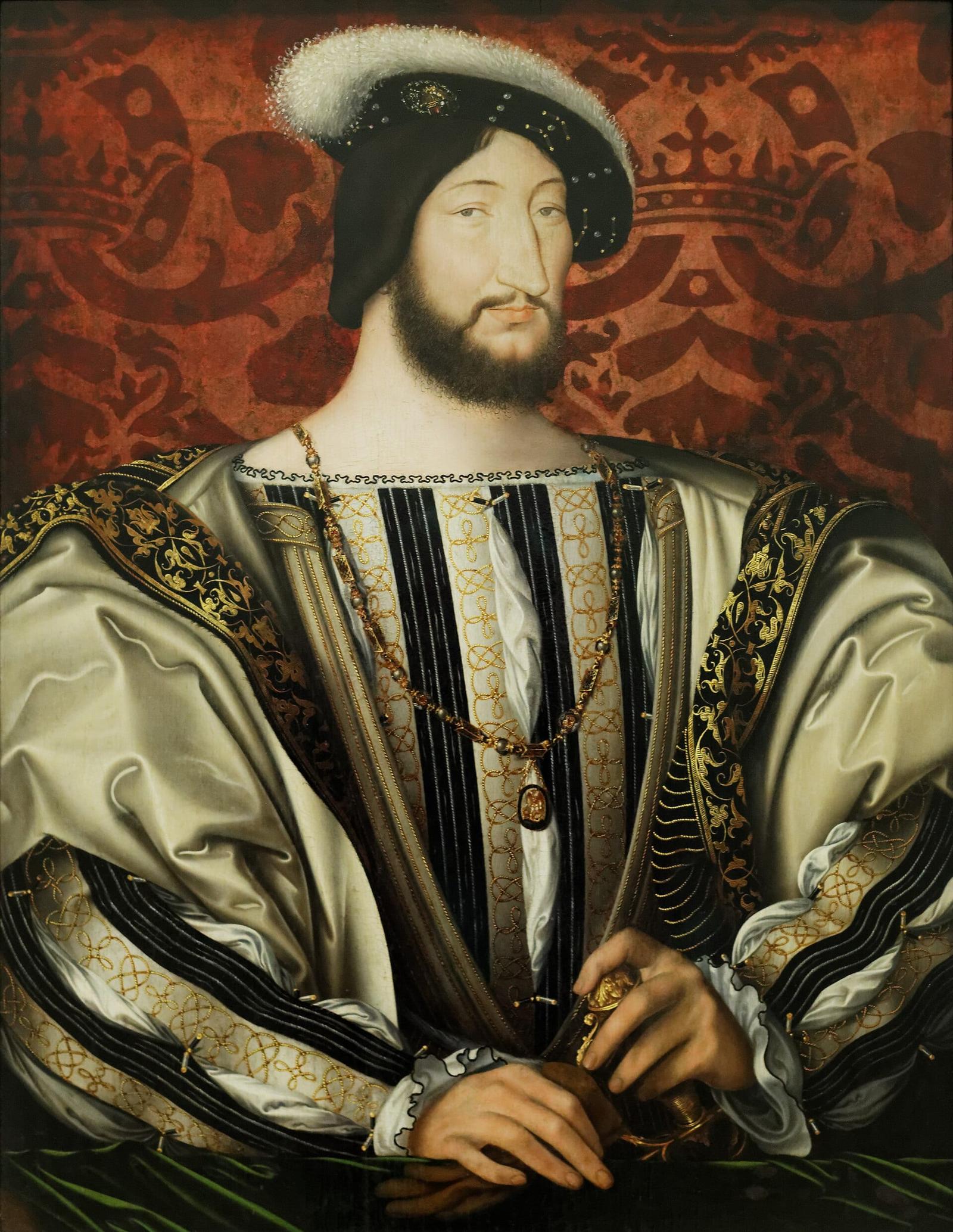
He became king almost by chance, won at Marignano aged twenty-one, lost Pavia and his freedom at thirty, brought Leonardo da Vinci to France and started Chambord. Here is who Francis I was, and the Loire châteaux where you can still walk in his footsteps.
Francis I in dates
| Date | Event |
|---|---|
| 12 September 1494 | Born in Cognac, son of Charles of Orléans, Count of Angoulême, and Louise of Savoy |
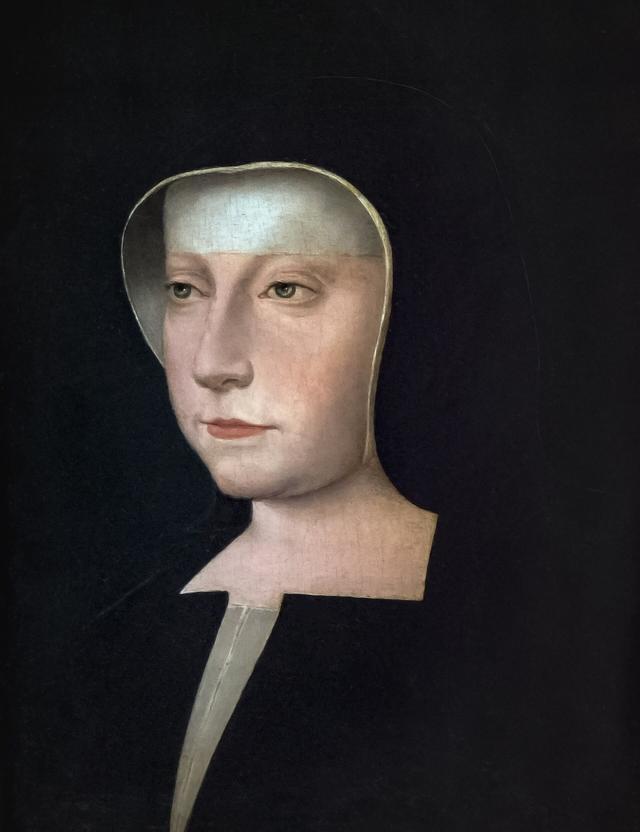
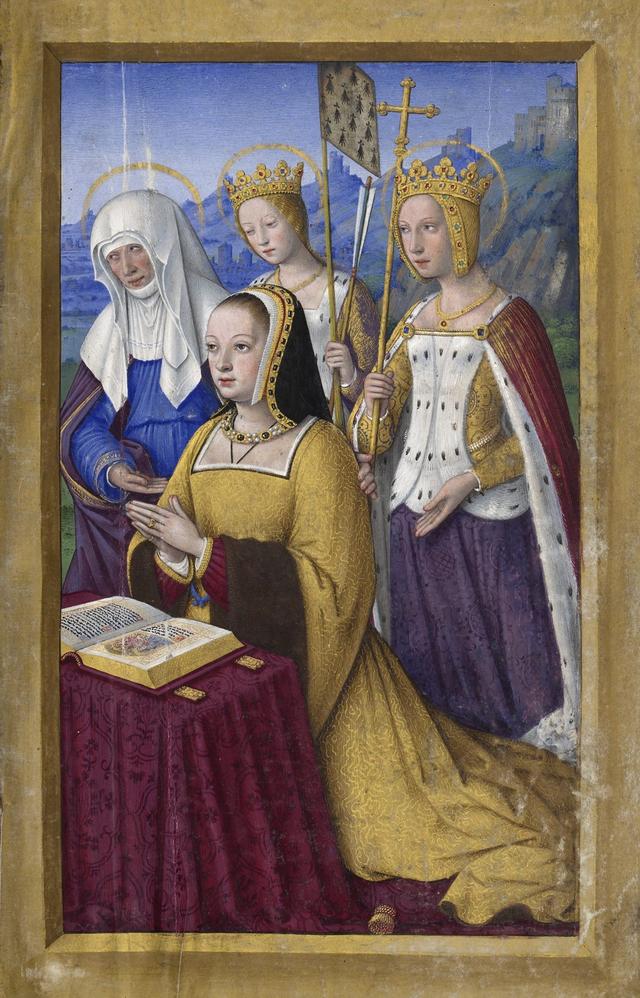
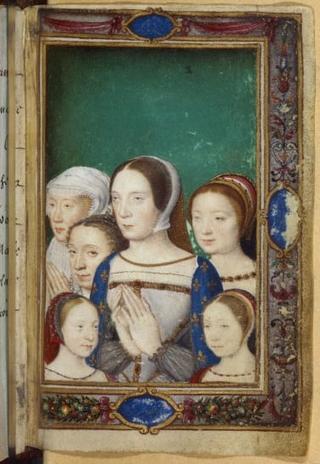
| 1514 | Marries Claude of France, daughter of Louis XII and Anne of Brittany |
| 1 January 1515 | Becomes king on the death of Louis XII; crowned at Reims on 25 January |
| 13-14 September 1515 | Victory at Marignano, in Italy |
| 1516 | Leonardo da Vinci settles at Clos Lucé, near Amboise |
| 1519 | Work begins at Chambord; Leonardo dies; Charles V is elected emperor instead of him |
| 24 February 1525 | Defeat at Pavia: the king is taken prisoner and carried off to Madrid |
| 1526 | Treaty of Madrid; freed in exchange for his two eldest sons |
| 1539 | Ordinance of Villers-Cotterêts (French replaces Latin in official documents); Charles V received at Chambord |
| 31 March 1547 | Dies at the Château de Rambouillet; buried at Saint-Denis |
A king who should not have reigned
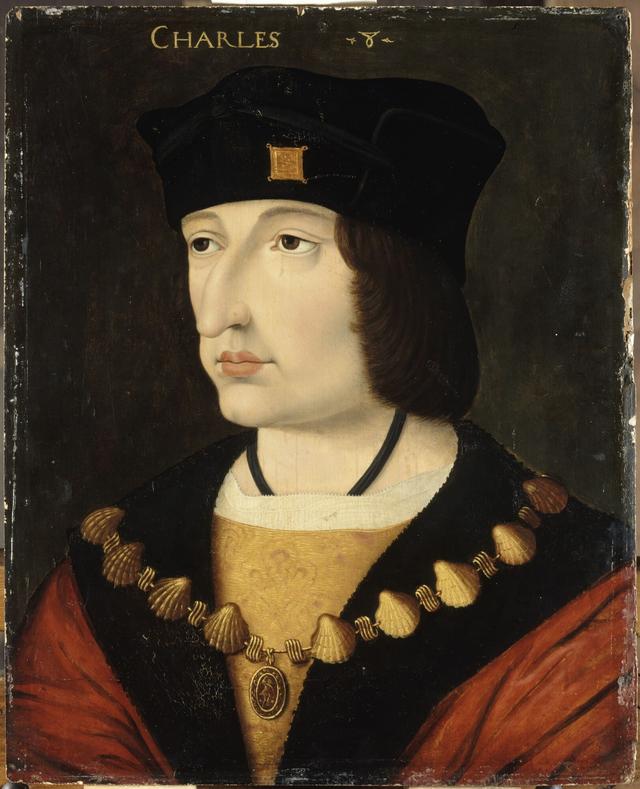
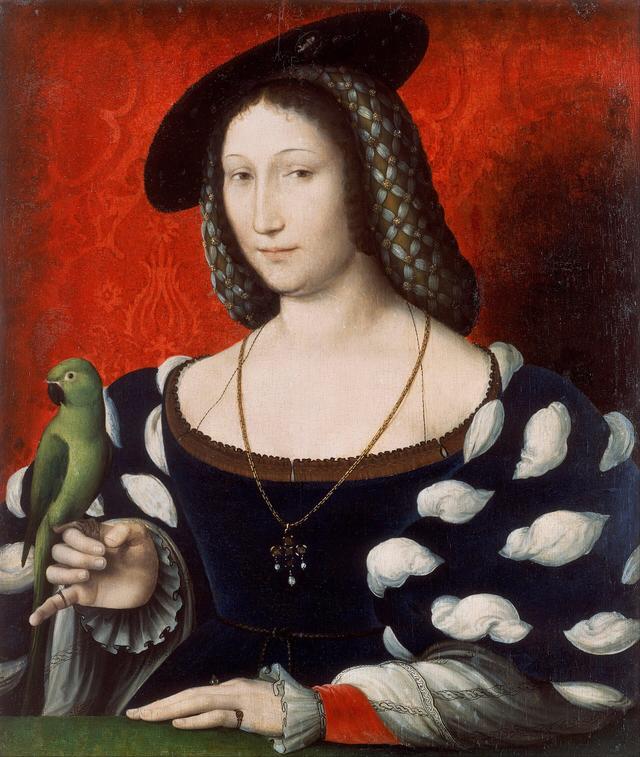
Francis of Angoulême was born the king's cousin, not a king's son. Louis XII had only daughters, and Salic law barred them from the throne, so this young cousin became the heir. His mother, Louise of Savoy, raised him with that in mind, between Cognac, Amboise and Blois, alongside his sister Marguerite, the future Queen of Navarre and a writer.
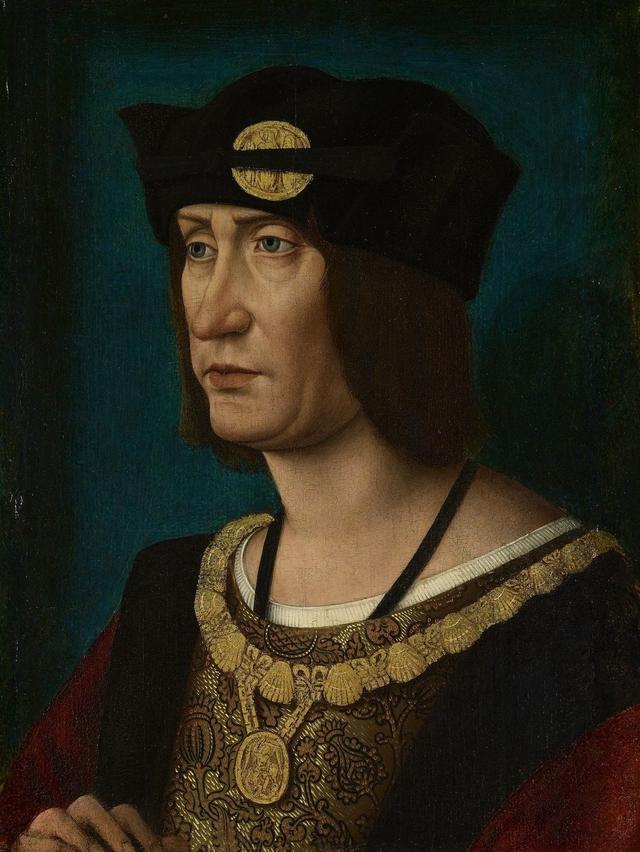
To secure the succession, Louis XII married him to his daughter Claude in 1514. A few months later, on 1 January 1515, the old king died. Francis was twenty. In September he crossed the Alps and won at Marignano: the reign opened with a triumph that every French schoolchild still remembers.
Amboise: the château of his youth
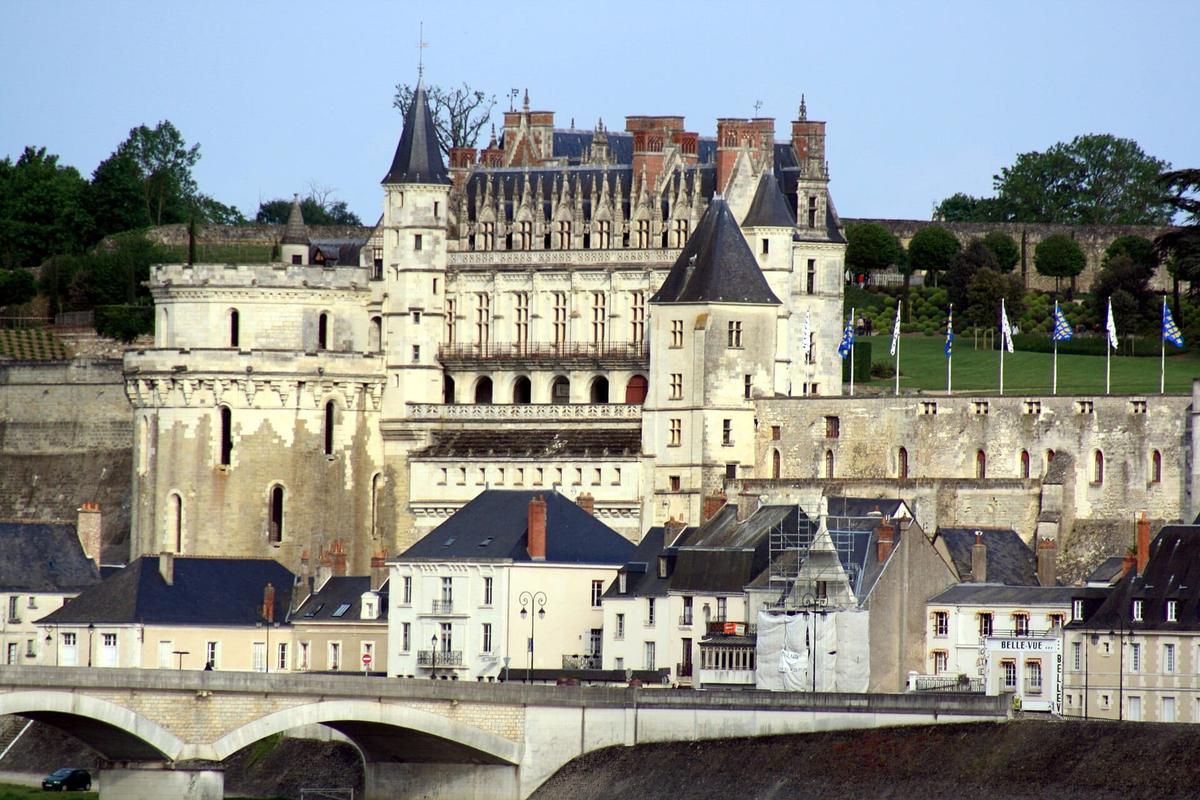
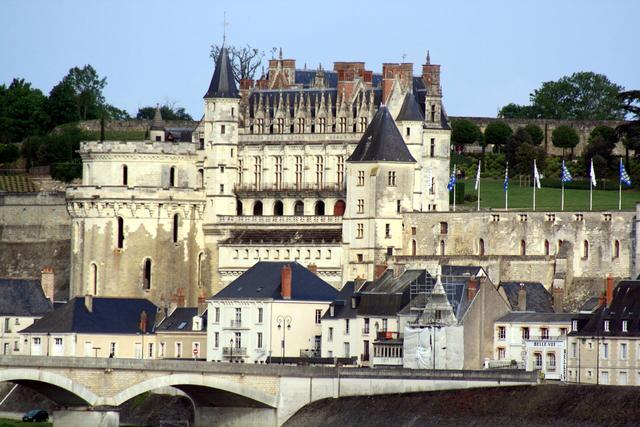
The young Francis spent part of his childhood at Amboise, which Charles VIII had enlarged. As king, he held feasts, balls and hunts there, and had his eldest son baptised there. The château you visit today is only part of the one he knew: many of the buildings were pulled down in the early 19th century.
People come today for the terraces above the Loire, the royal apartments and the Chapel of Saint-Hubert, where Leonardo da Vinci lies. See also: Royal Château of Amboise
Clos Lucé: the king and Leonardo da Vinci
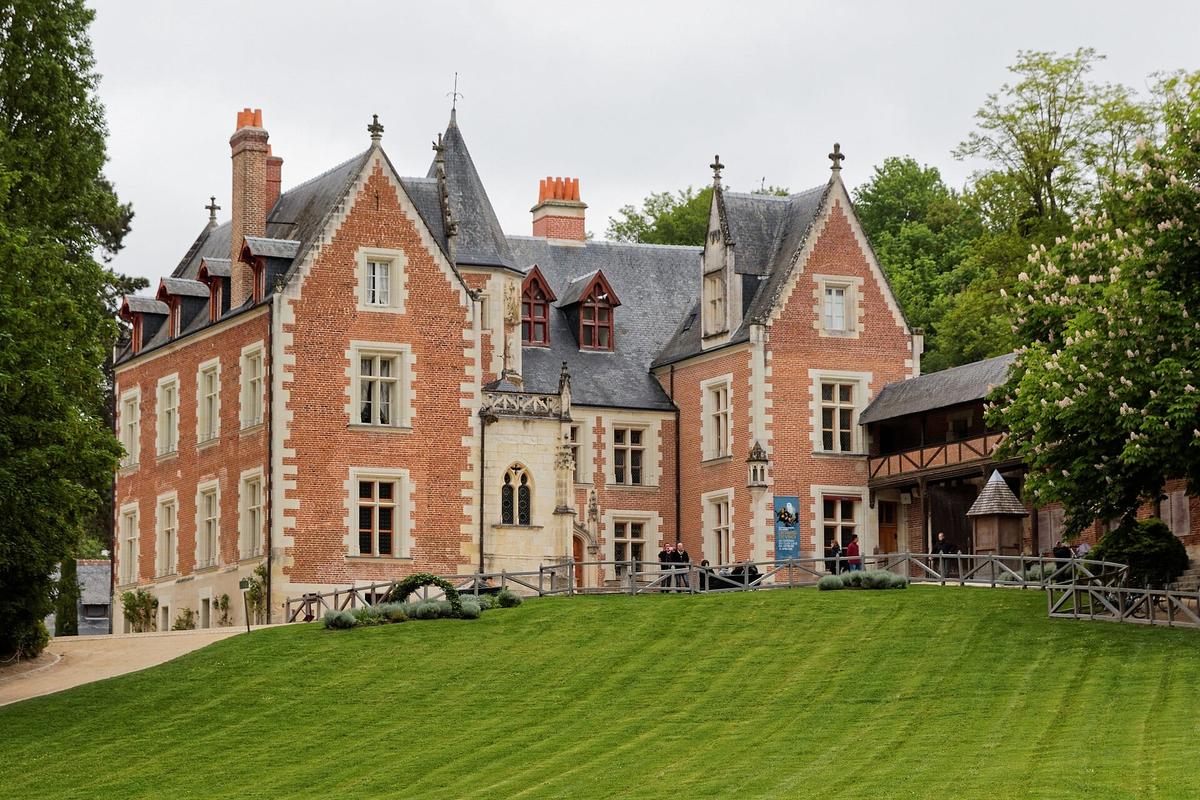
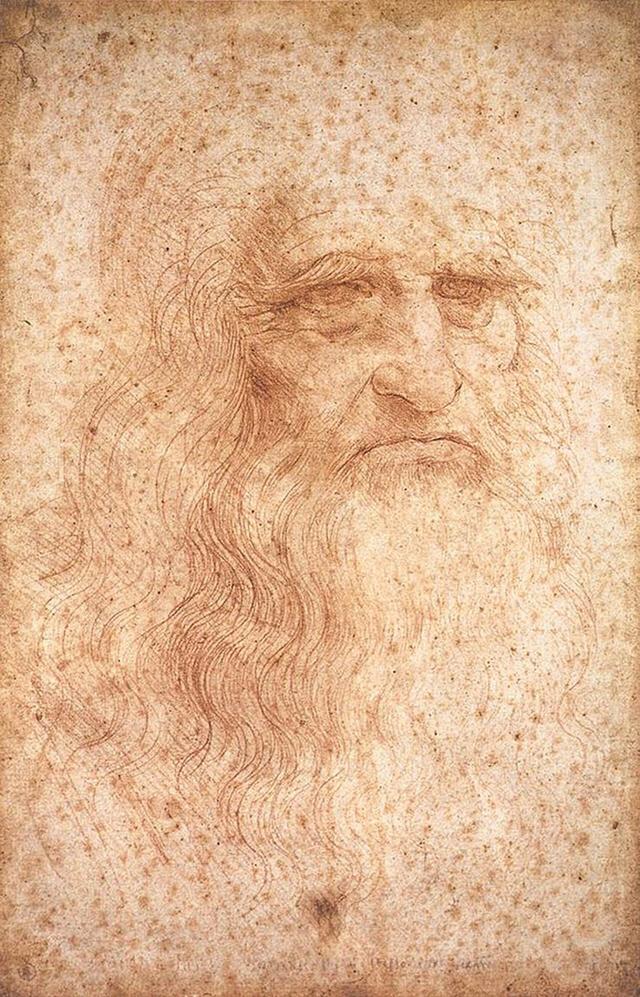
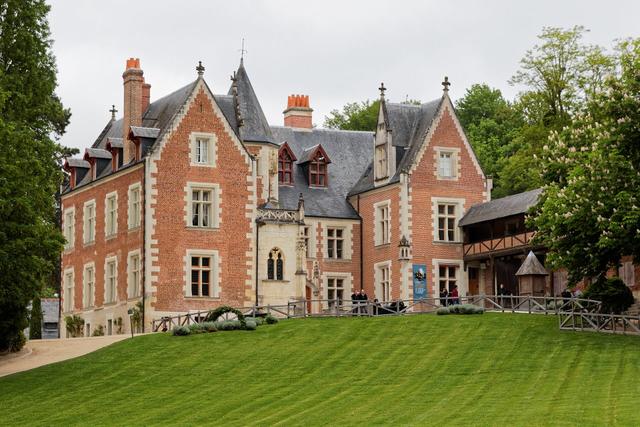
In 1516, Francis I invited Leonardo da Vinci to France. The artist was over sixty. The king lodged him at the manor of Cloux, today's Clos Lucé, a few hundred metres from the château, and paid him a pension. Leonardo arrived with a few paintings, including the Mona Lisa, and staged festivities and sets for the court.
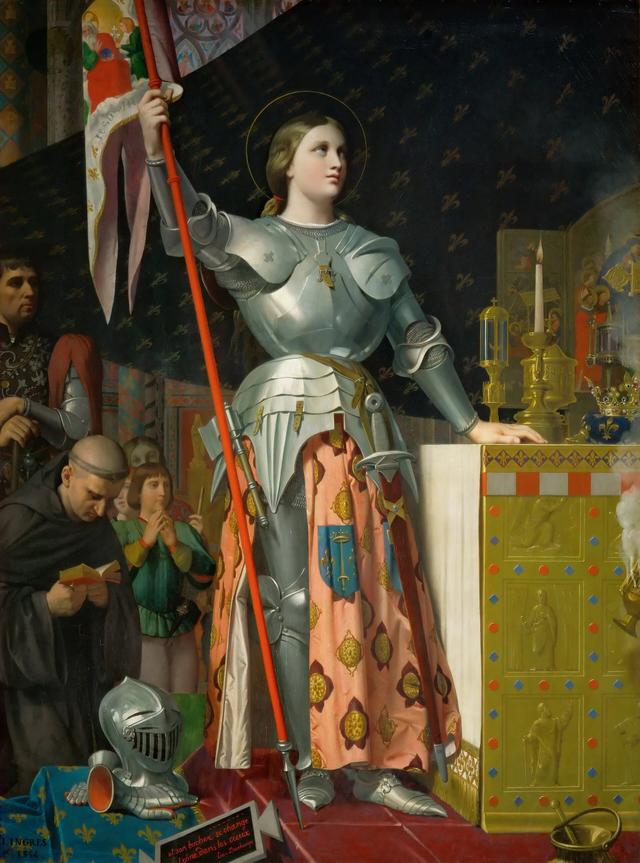
The king called him "my father". Leonardo died at Clos Lucé on 2 May 1519. Ingres's painting of him dying in the king's arms is a legend: a royal act dated the next day places the court at Saint-Germain-en-Laye. See also: Château du Clos Lucé, Leonardo da Vinci
Blois: the Francis I wing and its staircase
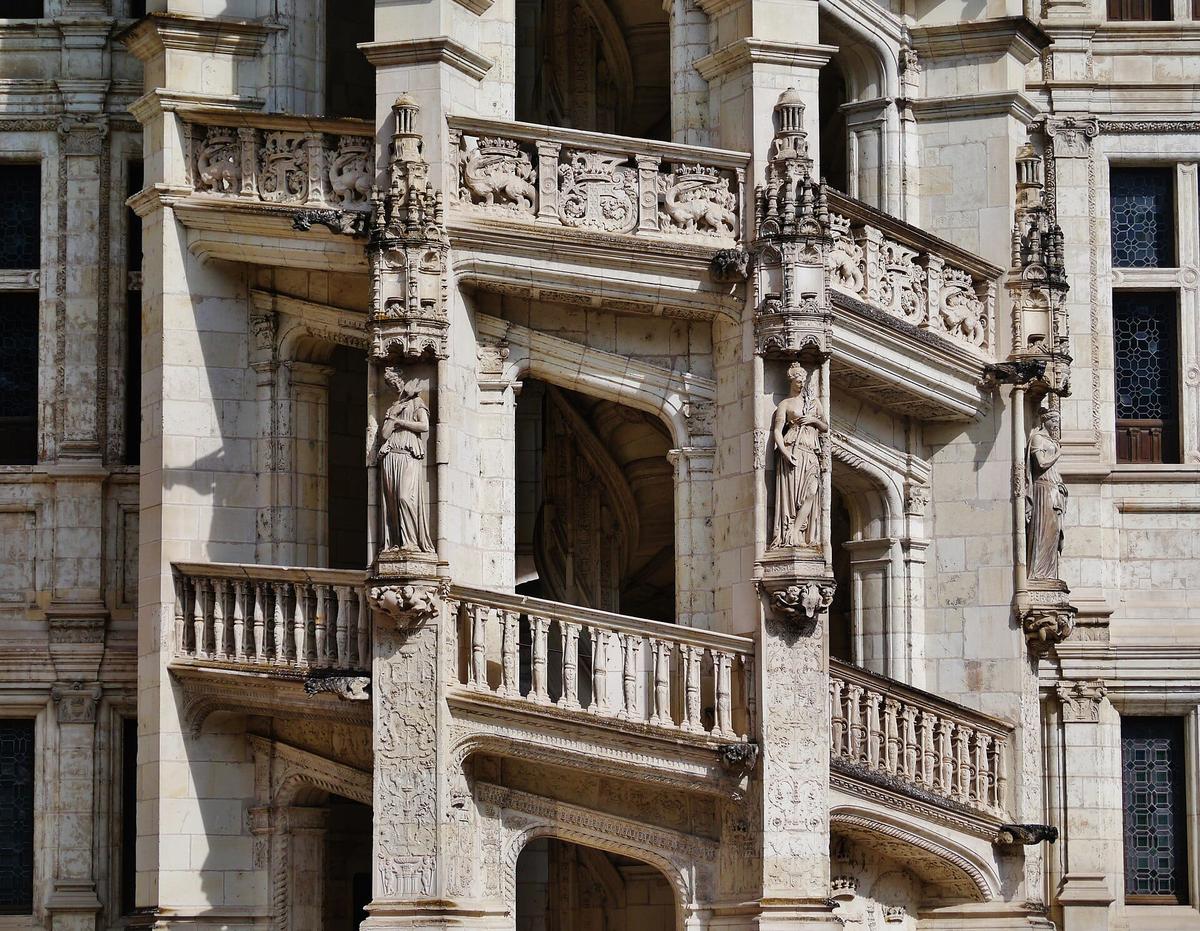
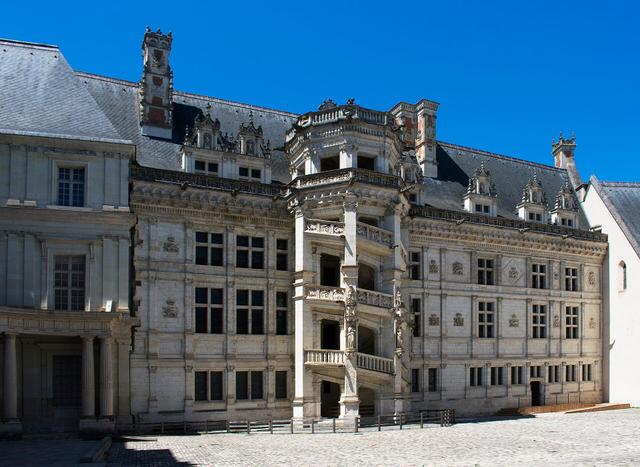
Blois was Queen Claude's residence. From 1515, the king had a new wing built there, with a spiral staircase open to the courtyard and covered in salamanders and crowned "F"s. It is one of the great statements of the Renaissance in France. On the town side, the Façade des Loges lines up its balconies like an Italian palace.
After Claude's death in 1524, Francis I left Blois behind for Fontainebleau and the Paris region. See also: Royal Château of Blois
Chambord: the château as a statement
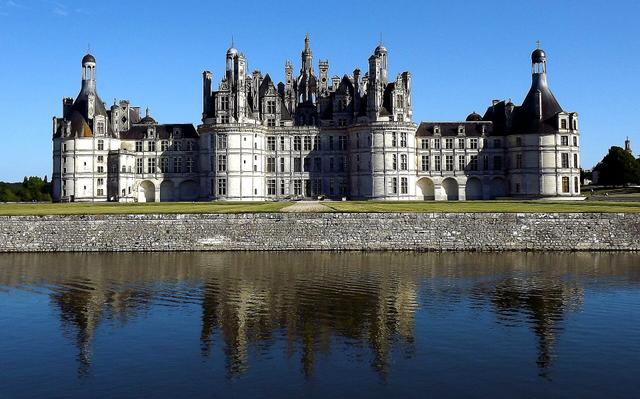
In 1519, in the middle of a hunting forest, the king started work at Chambord on the largest château of the French Renaissance: 426 rooms, 282 fireplaces and a double-helix staircase, two spirals that turn one above the other without ever meeting. The architect is unknown; the idea for the staircase is often linked to Leonardo's notebooks, with no written proof.
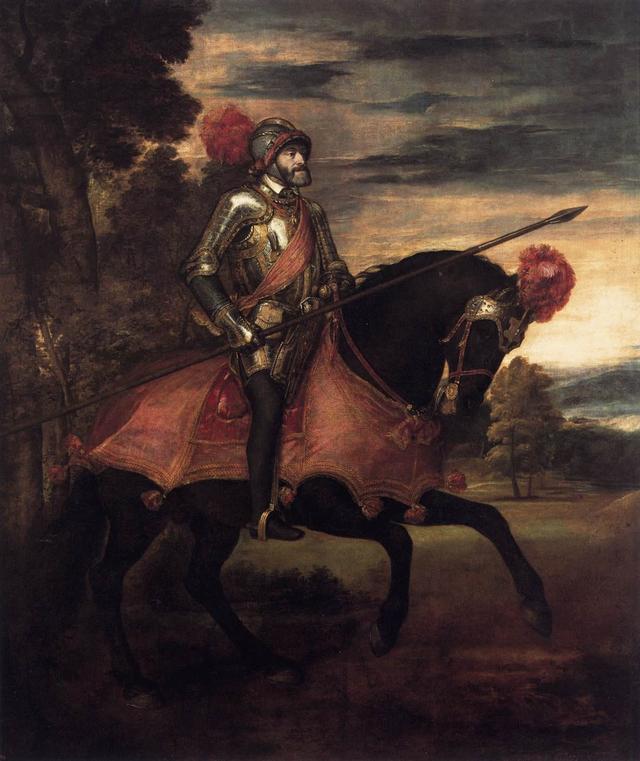
Francis I spent only a few weeks there in all. Chambord was a showcase: in December 1539 he received Charles V there, his lifelong enemy, to dazzle him. See also: Château de Chambord
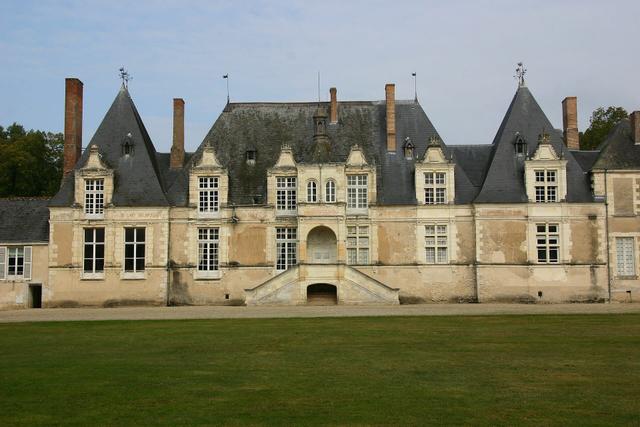
Nearby, the Château de Villesavin was built from 1527 by Jean Le Breton, who ran the Chambord building works. See also: Château de Villesavin
Chenonceau: a château that came into the family
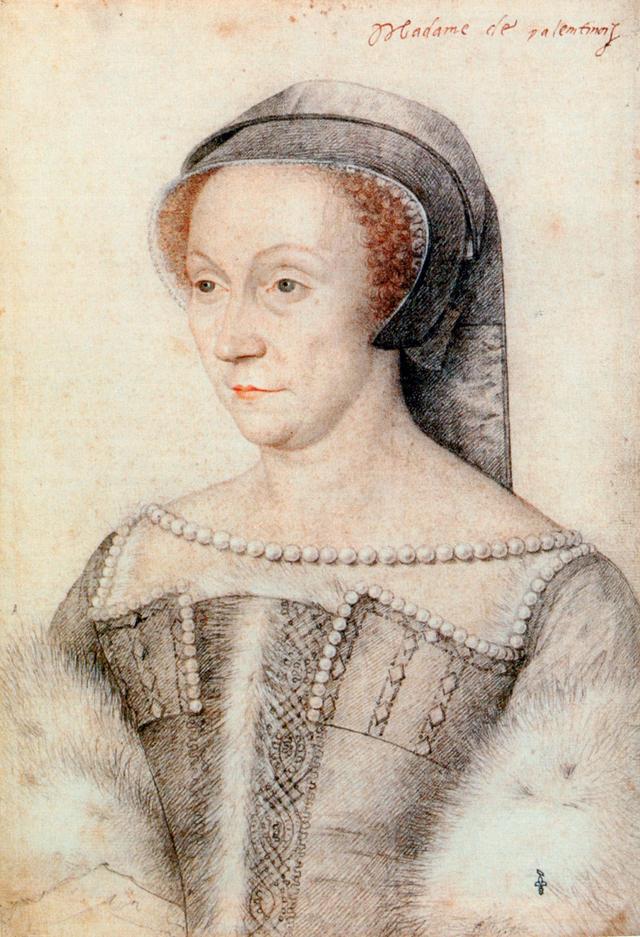
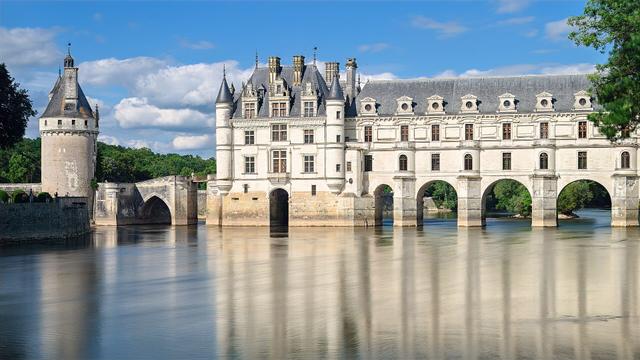
Chenonceau was not built by Francis I. It was built over the Cher by Thomas Bohier, a royal financier. After his death his accounts were audited, and his heirs had to hand the estate over to the Crown in 1535. The king came to hunt there. His son Henry II would give it to Diane de Poitiers. See also: Château de Chenonceau, Diane de Poitiers
The salamander, and the rest of the reign
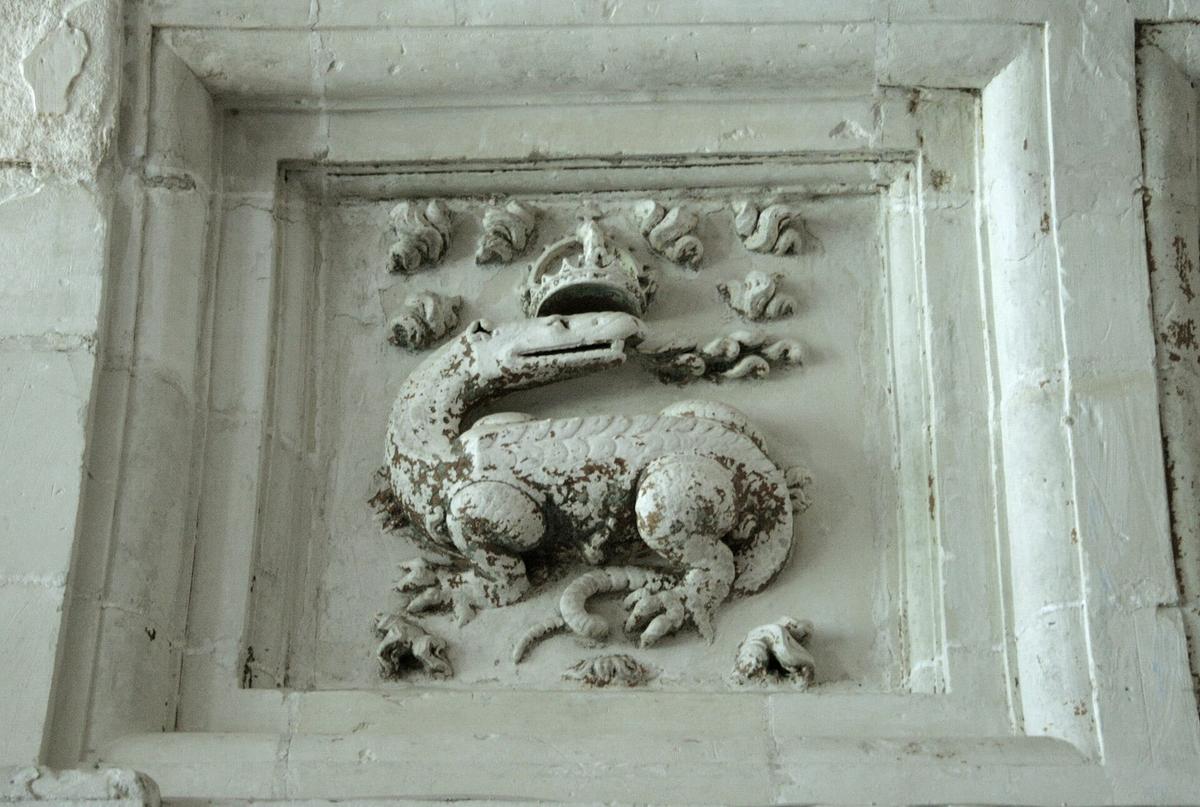
The salamander, which was believed to live in fire, was the king's emblem, with the motto "Nutrisco et extinguo": I feed the good fire, I put out the bad. There are hundreds of them at Chambord and Blois.
The reign was about more than châteaux. In 1530 Francis I founded the royal lecturers, forerunner of the Collège de France; in 1539 he made French compulsory in legal documents; and he sent Jacques Cartier to Canada. He also spent much of his life at war with Charles V, and did not hesitate to ally with the Ottoman sultan Suleiman.
In his footsteps: route and visits
Amboise and Clos Lucé are within walking distance of each other. Blois is about forty minutes away, and Chambord is 15 km from Blois. Allow two days for all four, with a night in Blois or Amboise. Our guide covers each château in detail. See also: Francis I and the Loire châteaux, Loire Valley castles in 2 days
Partner links: if you book through these links, we earn a commission at no extra cost to you. Partner links · Learn more
FAQ
Where was Francis I born?
At the Château de Cognac, in the Charente, on 12 September 1494.
Where is Francis I buried?
In the Basilica of Saint-Denis, just north of Paris, with Queen Claude, beneath a large Renaissance tomb.
Which châteaux did Francis I build?
In the Loire Valley, Chambord and the wing named after him at the Château de Blois. Near Paris, he had Fontainebleau almost entirely rebuilt.
What was the link between Francis I and Leonardo da Vinci?
The king brought Leonardo to France in 1516 and housed him at Clos Lucé, in Amboise, where the artist died in 1519.
Why the salamander?
It was the king's personal emblem: people at the time believed the animal could live in fire without burning.
Sources: fr.wikipedia.org (François Ier (roi de France)), chambord.org, chateaudeblois.fr
Tickets to book online
Partner links: if you book through these links, we earn a commission at no extra cost to you. Partner links · Learn more
Places to visit


Related guides
Related historical figures