Stanislaus, the king without a kingdom who gave Nancy its square
- Born
- 20 October 1677
- Died
- 23 February 1766
- Active years
- 1737 – 1766
- Family
- Artists, saints and favourites
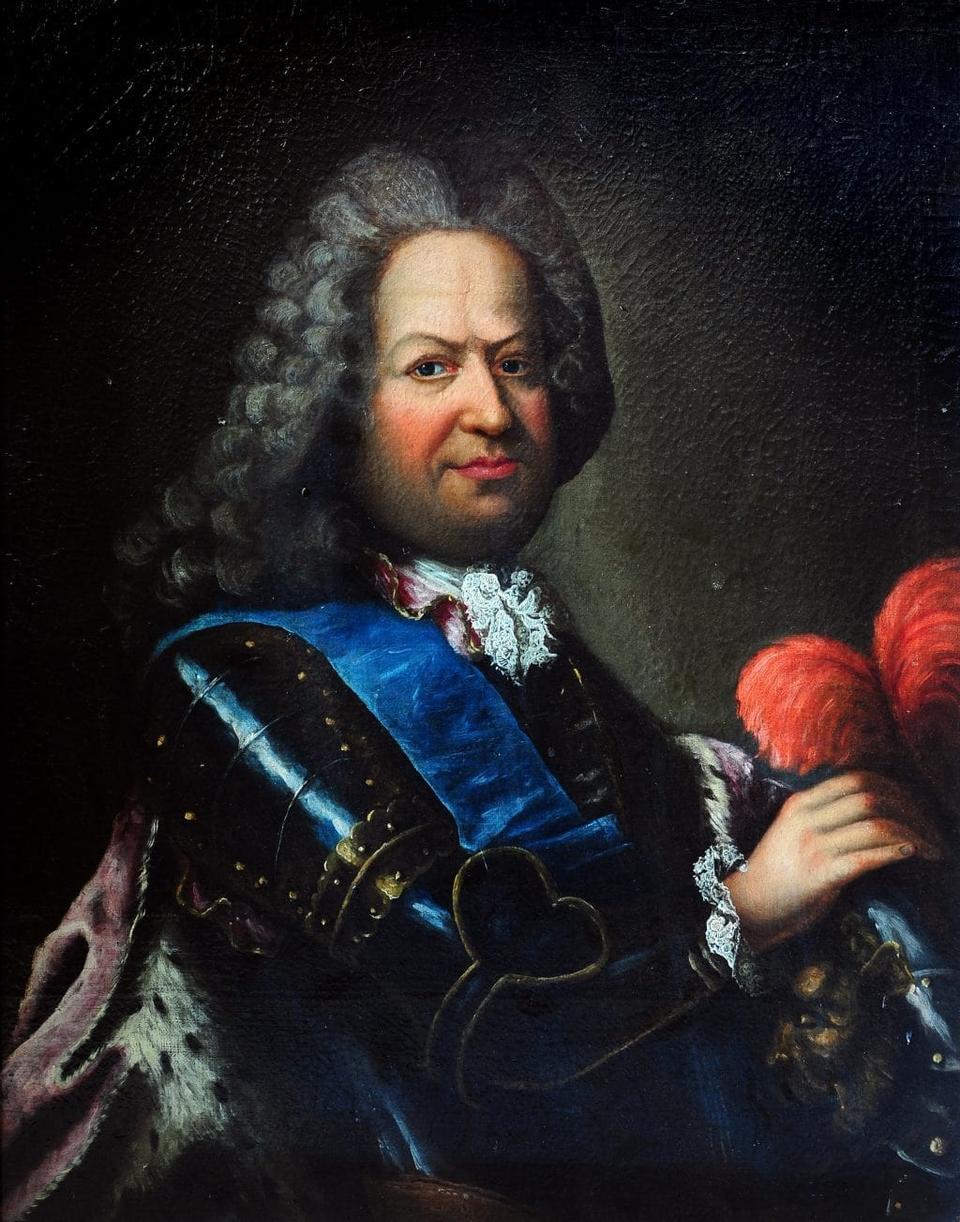
He was twice elected king of Poland and twice driven out. His daughter married Louis XV, and the king of France lent him Chambord, then gave him Lorraine for life. In Lunéville and Nancy, Stanislaus Leszczyński kept a brilliant court for nearly thirty years, visited by Voltaire and Émilie du Châtelet. The square that bears his name is one of the most beautiful in Europe.
Stanislaus in dates
| Date | Event |
|---|---|
| 20 October 1677 | Born in Lwów, Poland (now Lviv, in Ukraine) |
| 1704 | Elected king of Poland with the backing of Charles XII of Sweden |
| 1709 | Loses his throne after the Swedish defeat at Poltava |
| 5 September 1725 | His daughter Marie marries Louis XV at Fontainebleau |
| 1725-1733 | Lives at the Château de Chambord |
| 1733 | Re-elected king of Poland; besieged in Danzig, he has to flee in 1734 |
| 9 July 1737 | Becomes Duke of Lorraine and Bar, for life |
| 1751-1755 | Building of the Place Royale in Nancy, now Place Stanislas |
| 5 February 1766 | Badly burned in front of a fireplace in Lunéville |
| 23 February 1766 | Dies in Lunéville; Lorraine becomes French |
Twice king, twice driven out
Stanislaus Leszczyński was born in 1677 into a great family of the Polish nobility. In 1704, in the middle of the Great Northern War, King Charles XII of Sweden, who was occupying Poland, had him elected king in place of Augustus of Saxony. The Swedish defeat at Poltava in 1709 ended his reign. He then drifted between Sweden and Charles XII's lands before settling in Wissembourg, in Alsace, on a small pension from the king of France.
Louis XV's father-in-law at Chambord
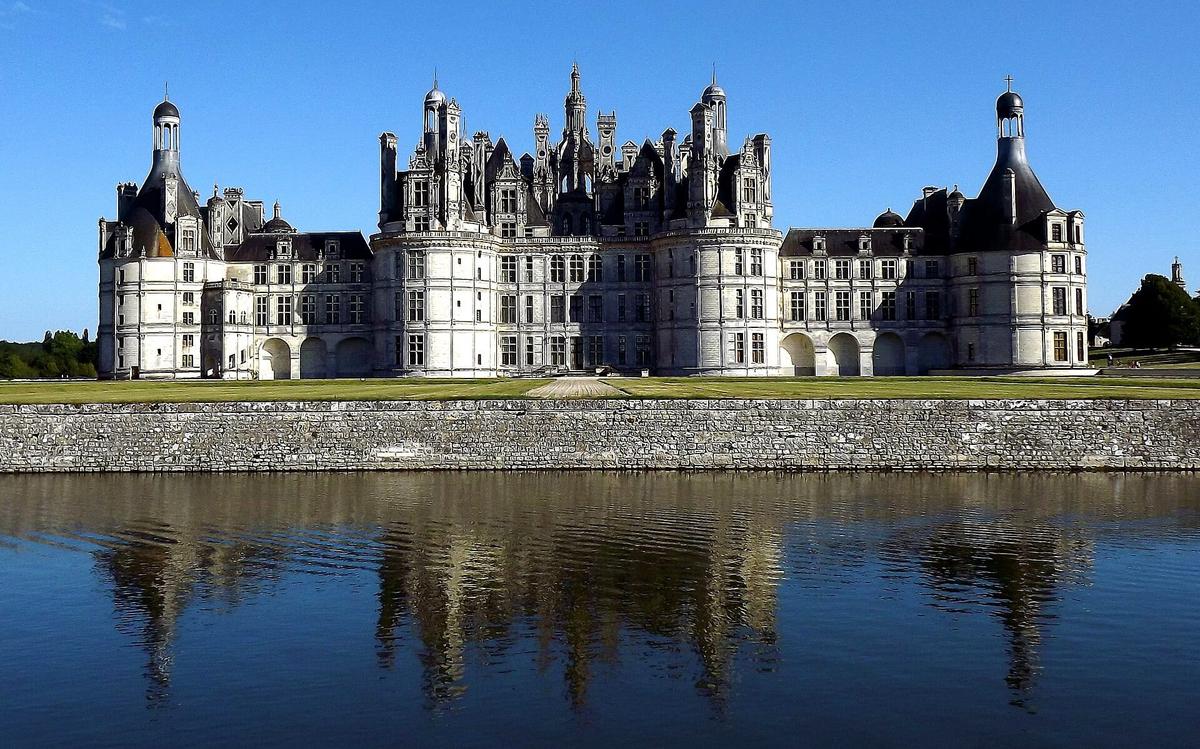
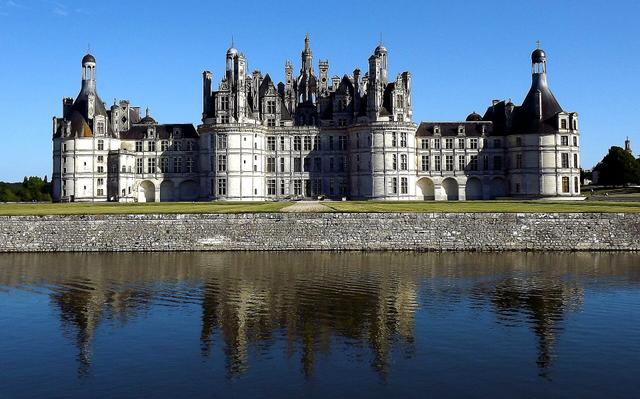
In 1725, against all expectations, his daughter Marie was chosen to marry Louis XV, who was seven years younger than her. The wedding took place on 5 September 1725 at Fontainebleau. The king housed his father-in-law at Chambord, where Stanislaus lived from 1725 to 1733. He had part of the moats filled in, as they were blamed for making the air unhealthy. See also: Louis XV, Château de Chambord
What to see: at Chambord, the double-helix staircase and the royal apartments, furnished for the court's stays in the 18th century.
In 1733, when Augustus II died, Stanislaus was re-elected king of Poland. Russia and Austria imposed Augustus's son instead. Besieged in Danzig, Stanislaus escaped disguised as a peasant in 1734. The War of the Polish Succession ended in a compromise: he gave up the throne and received in exchange Lorraine and Bar, for the rest of his life. On his death, these duchies would pass to France.
The court of Lunéville
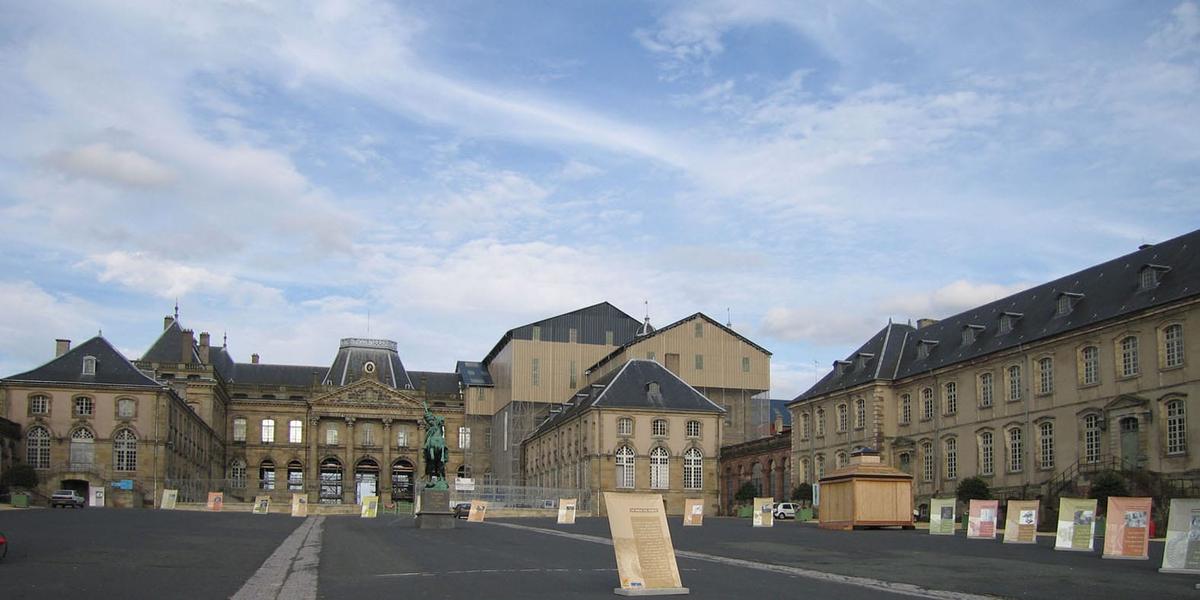
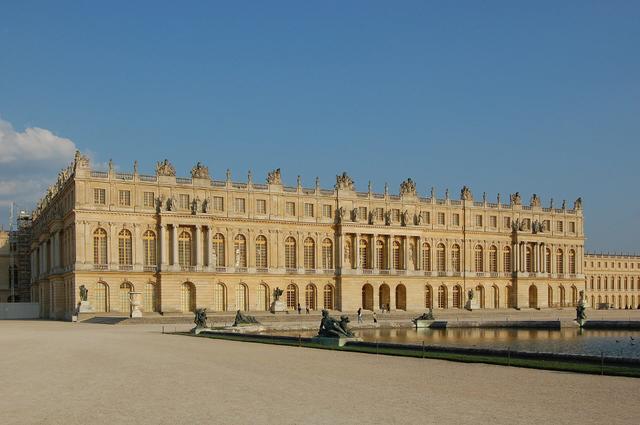
Stanislaus took possession of Lorraine in 1737 and moved into the Château de Lunéville, built from 1703 for the dukes of Lorraine and nicknamed the "Versailles of Lorraine". He led a refined court life there: gardens dotted with follies, pavilions, automatons, a theatre. Voltaire and Émilie du Châtelet stayed there; she died there in 1749. In 1750 he also founded in Nancy the Royal Society of Sciences and Letters, now the Académie de Stanislas. See also: Château de Lunéville, Voltaire
What to see: in Lunéville, the main courtyard, the chapel and the Bosquets gardens; the château was badly damaged by a fire in 2003 and is gradually being restored.
The Place Royale in Nancy
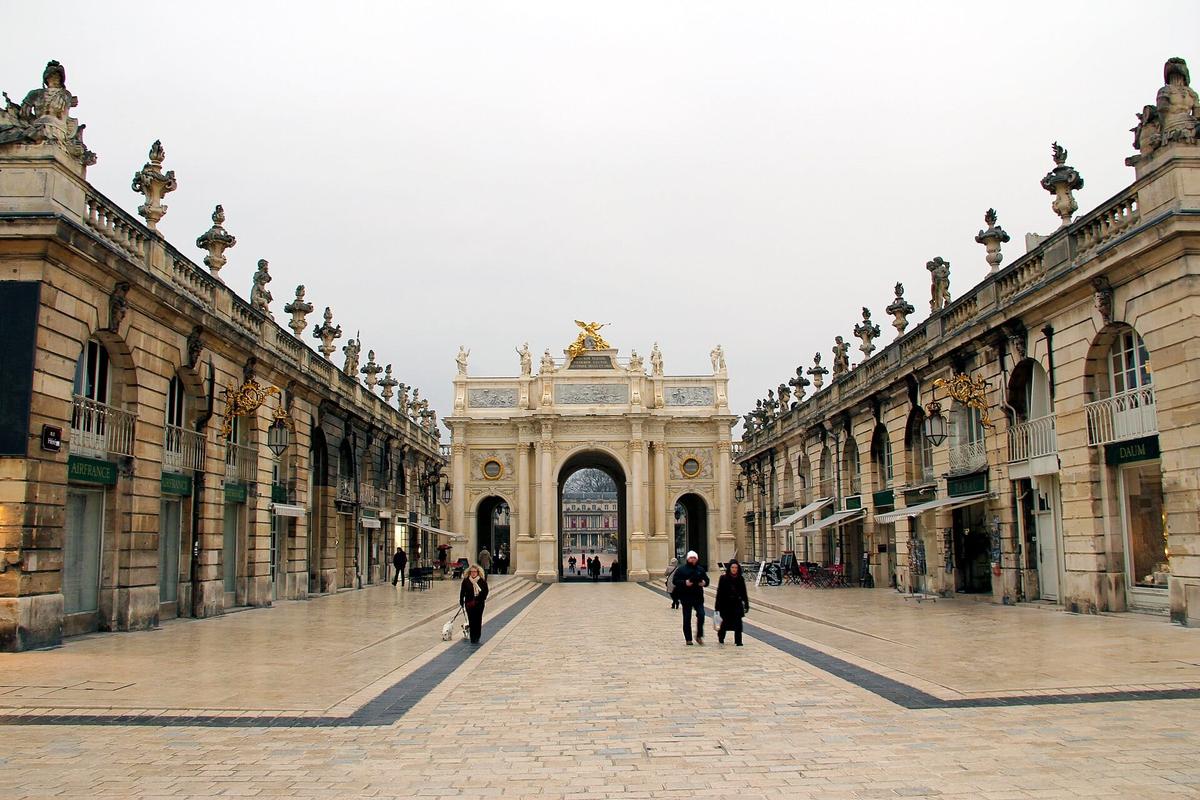
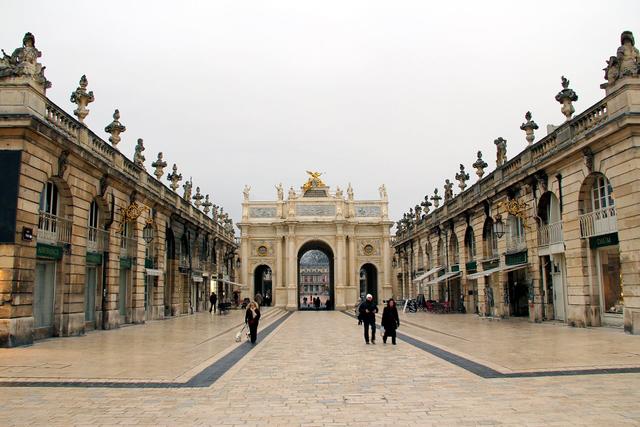
To link the old town and the new town of Nancy, and to honour his son-in-law Louis XV, Stanislaus had his architect Emmanuel Héré lay out a royal square. Work began in 1751; the square was inaugurated in 1755. The gilded gates and lanterns are the work of the ironsmith Jean Lamour. The statue of Louis XV that stood in the centre was pulled down during the Revolution; a statue of Stanislaus replaced it in 1831. The square was added to the UNESCO World Heritage List in 1983, together with Place de la Carrière and Place d'Alliance. See also: Place Stanislas
What to see: Jean Lamour's gates at the corners of the square, the Neptune and Amphitrite fountains, then the Arc Héré leading to Place de la Carrière.
An accidental death
On 5 February 1766, in Lunéville, the 88-year-old king stood too close to the fireplace and his dressing gown caught fire. He died of his burns on 23 February. Lorraine and Bar were then joined to the kingdom of France. Stanislaus was buried in Nancy, in the church of Notre-Dame-de-Bon-Secours, next to his wife Catherine Opalińska.
In his footsteps: Nancy, Lunéville and Chambord
Lunéville is half an hour from Nancy by train or car, so you can easily see Place Stanislas and the château on the same day. In Nancy, the square is about a ten-minute walk from the station. Chambord, in the Loir-et-Cher, is about twenty minutes from Blois.
Partner links: if you book through these links, we earn a commission at no extra cost to you. Partner links · Learn more
Guided tours and day trips on GetYourGuide
FAQ
Who was Stanislaus Leszczyński?
A Polish nobleman twice elected king of Poland, in 1704 and 1733, and twice driven out. As Louis XV's father-in-law, he was given Lorraine for life in 1737 and ruled it until his death in 1766.
Did Stanislaus live at Chambord?
Yes, from 1725 to 1733. Louis XV, who had just married his daughter Marie, lent him the château.
Who built Place Stanislas?
The architect Emmanuel Héré, for Stanislaus, from 1751 to 1755. The gilded gates are by the ironsmith Jean Lamour.
How did Stanislaus die?
His dressing gown caught fire in front of a fireplace at the Château de Lunéville on 5 February 1766. He died of his burns on 23 February.
Why did Lorraine become French in 1766?
The treaty that had given Lorraine to Stanislaus stated that it would pass to France on his death.
Sources: fr.wikipedia.org (Stanislas Leszczynski)
Tickets to book online
Partner links: if you book through these links, we earn a commission at no extra cost to you. Partner links · Learn more
Places to visit
Related guides