Leonardo da Vinci, his last years on the Loire
- Born
- 15 April 1452
- Died
- 2 May 1519
- Active years
- 1516 – 1519
- Family
- Artists, saints and favourites
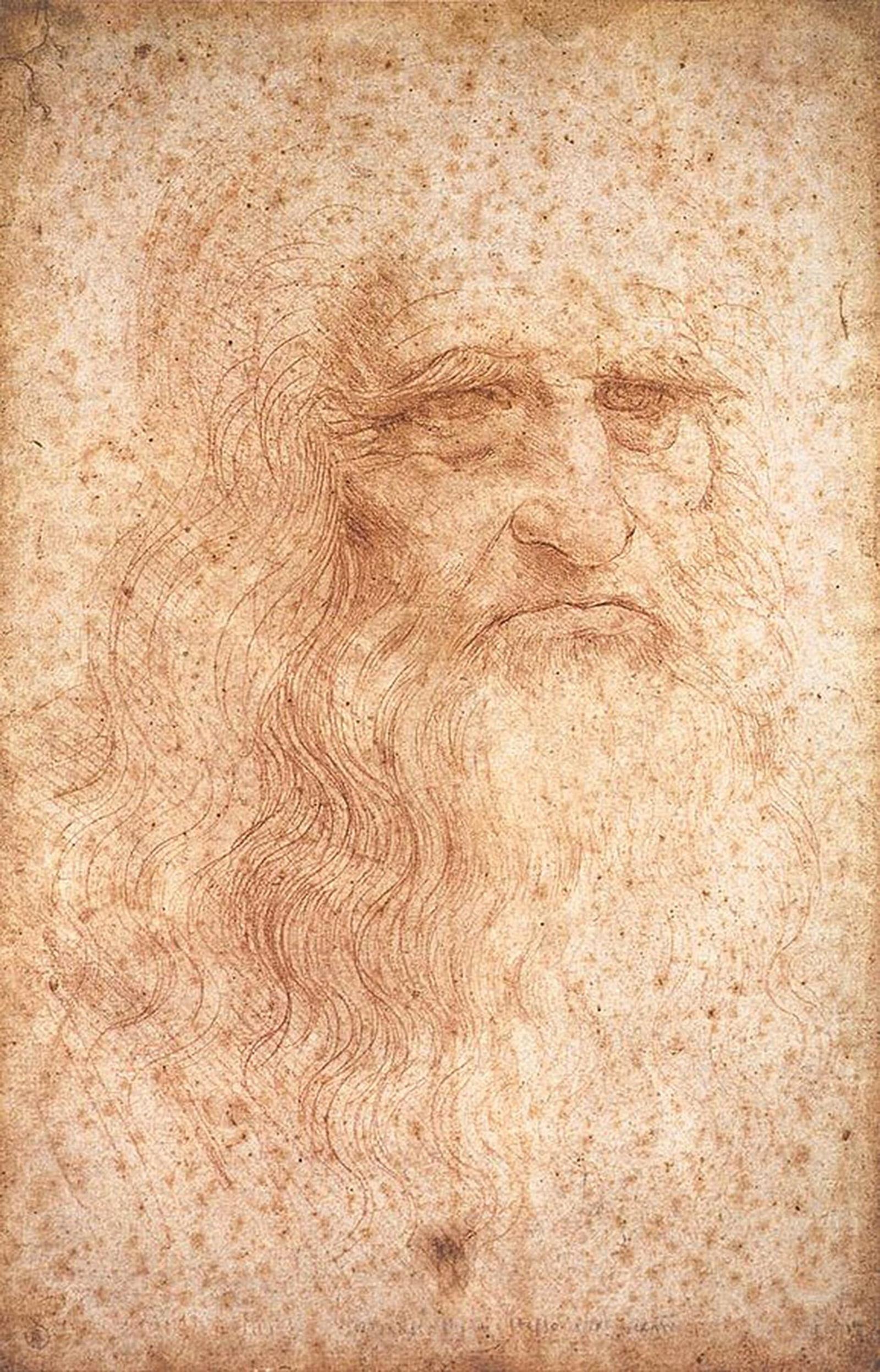
Leonardo da Vinci spent almost his whole life in Italy, but it was in Amboise that he lived his last three years, died and was buried. The manor where he worked, his tomb and the château that may bear his mark can all be visited in a single day.
Leonardo da Vinci in dates
| Date | Event |
|---|---|
| 15 April 1452 | Born in Vinci, near Florence, illegitimate son of the notary Ser Piero |
| c. 1469 | Apprentice in Verrocchio's workshop in Florence |
| c. 1482-1499 | In the service of Ludovico Sforza in Milan: the Last Supper, the great bronze horse that was never cast |
| c. 1503 | Begins the Mona Lisa, in Florence |
| 1515 | A mechanical lion of his making welcomes Francis I to Lyon |
| 1516 | Settles at the manor of Cloux, today's Clos Lucé, in Amboise |
| 23 April 1519 | Writes his will |
| 2 May 1519 | Dies at Clos Lucé, aged 67 |
| 1874 | His presumed remains are placed in the Chapel of Saint-Hubert at the Château d'Amboise |
Why Leonardo came to France
In 1516, Leonardo was over sixty. His Italian patrons had died or let him down: Ludovico Sforza, for whom he had worked seventeen years in Milan, had been driven out by the French and died in 1508, a prisoner in the Château de Loches. In Rome, the pope preferred Raphael and Michelangelo.
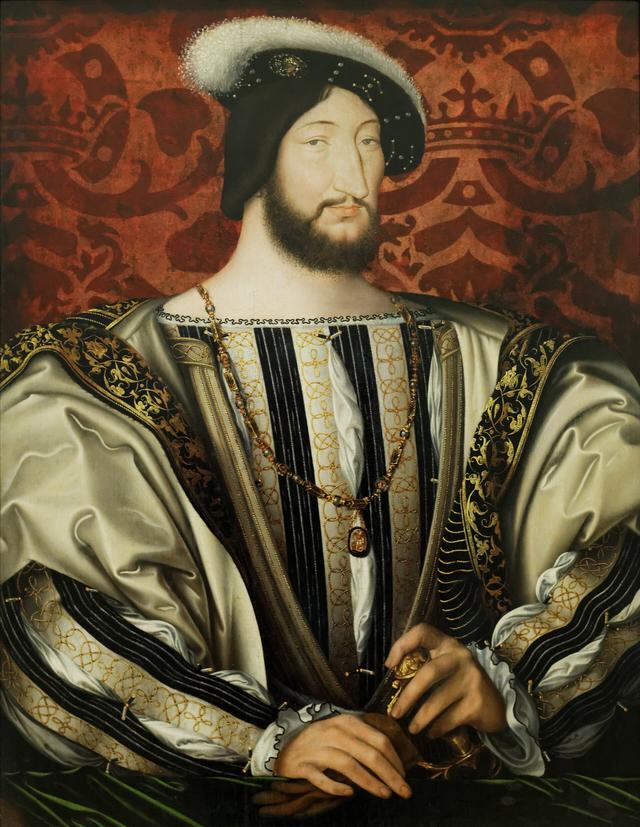
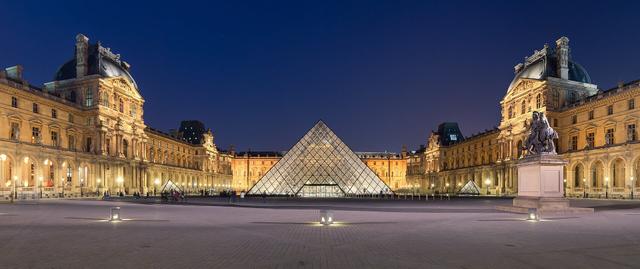
The young Francis I, on the other hand, admired Italy and its artists. He invited him. Leonardo crossed the Alps with his pupils Francesco Melzi and Salaì, and in his baggage were a few paintings he never parted with: the Mona Lisa, the Saint Anne and the Saint John the Baptist. All three are now in the Louvre, and that is why.
Clos Lucé: the house and the workshop
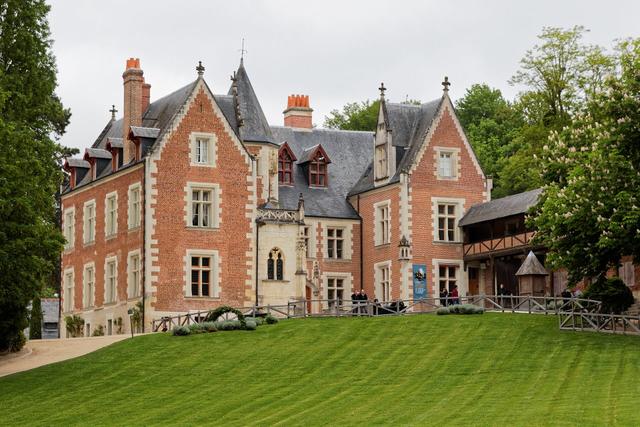
The king lodged him at the manor of Cloux, a pink-brick house 500 metres from the château, and paid him a pension. Leonardo held the title of first painter, engineer and architect to the king. He painted little, as his right hand was partly paralysed, according to a visitor in 1517. He drew, staged festivities for the court, studied canals and designed a royal palace for Romorantin that was never built.
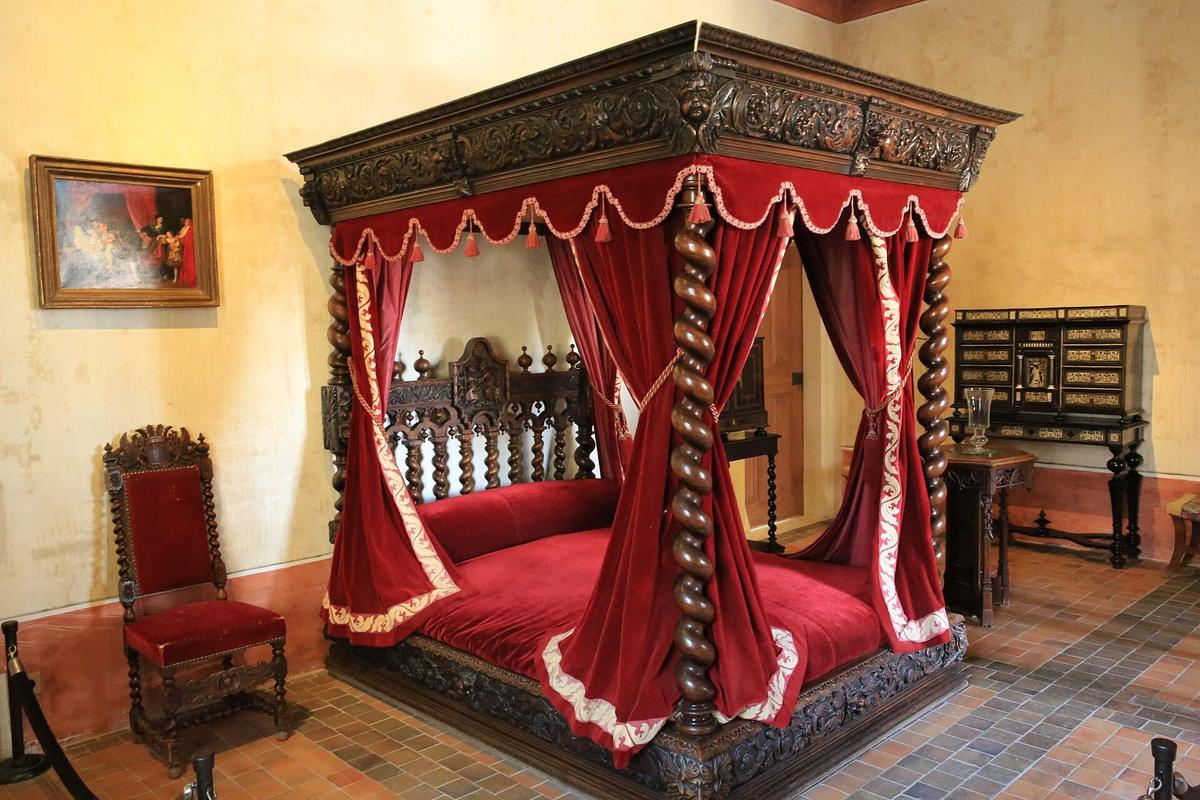
You can visit his bedroom, where he died, his workshops and the kitchen. The 7-hectare park displays some twenty of his machines, rebuilt at full size, which you can touch and operate: it is the part children like best. See also: Château du Clos Lucé
What to see: Leonardo's bedroom, the models of his inventions, the Leonardo da Vinci Park and its full-size machines.
His death, and the legend of the king
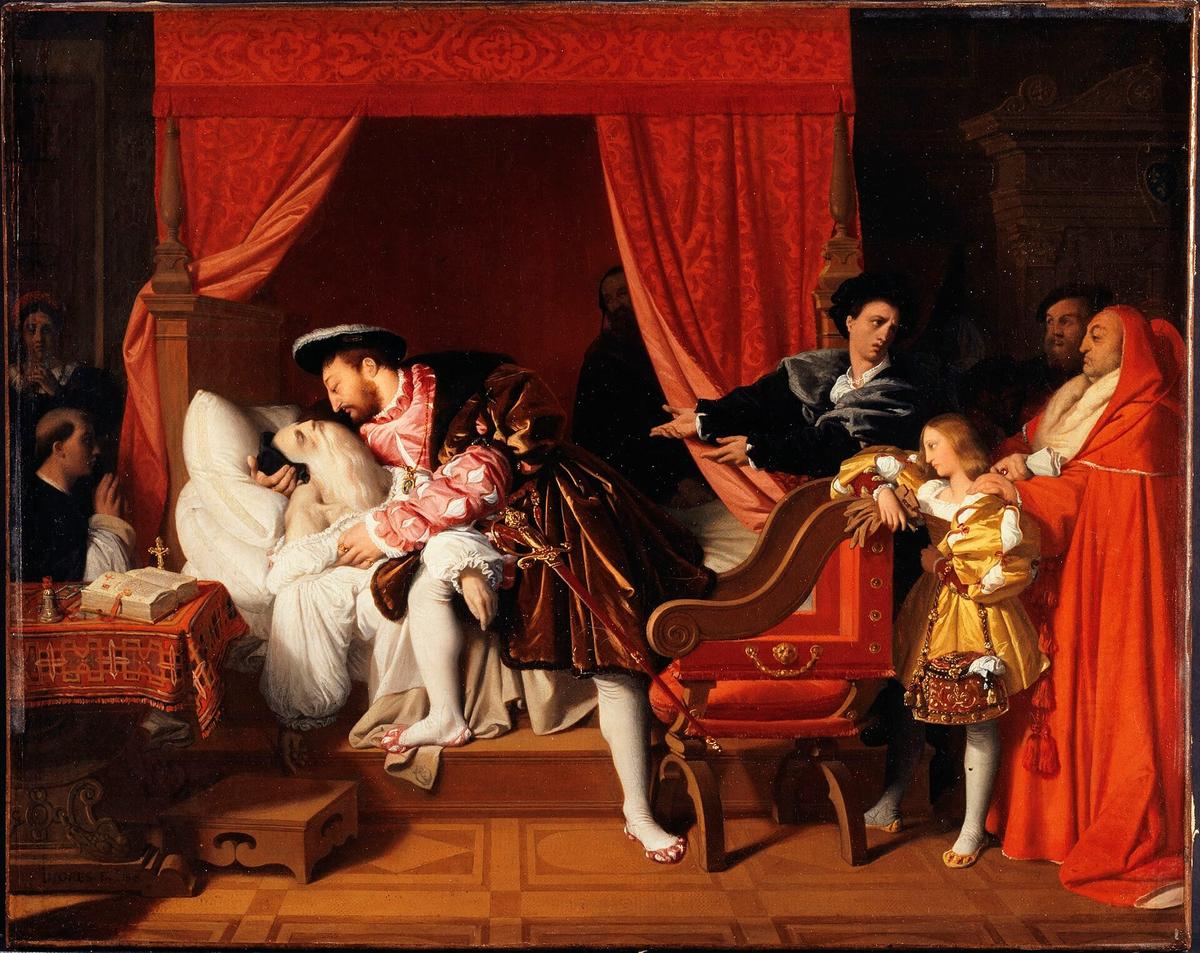
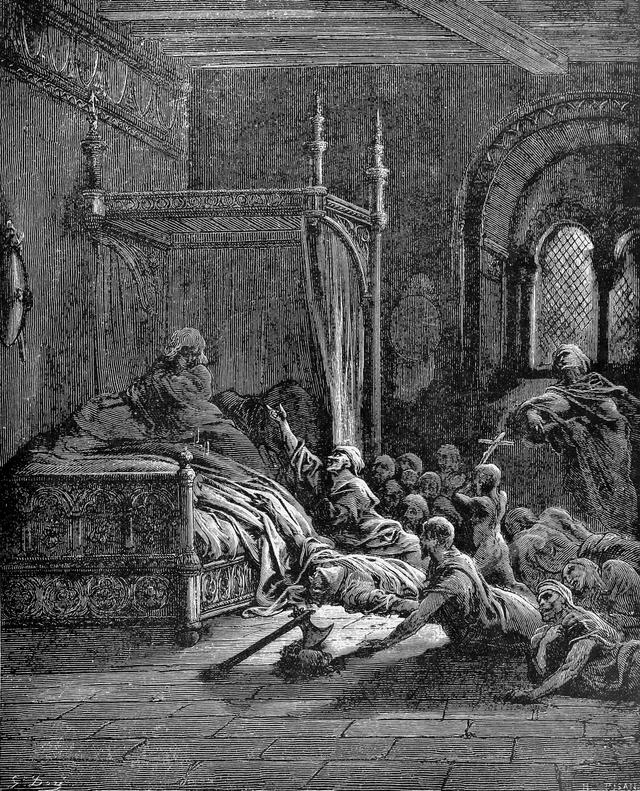
Leonardo died at Clos Lucé on 2 May 1519. Melzi inherited his notebooks and drawings. Ingres's painting of 1818 shows him dying in the arms of Francis I: this is a legend, told by Vasari, which historians consider unlikely. The king and the court were at Saint-Germain-en-Laye at the time. See also: Francis I
Amboise: the tomb in the Chapel of Saint-Hubert
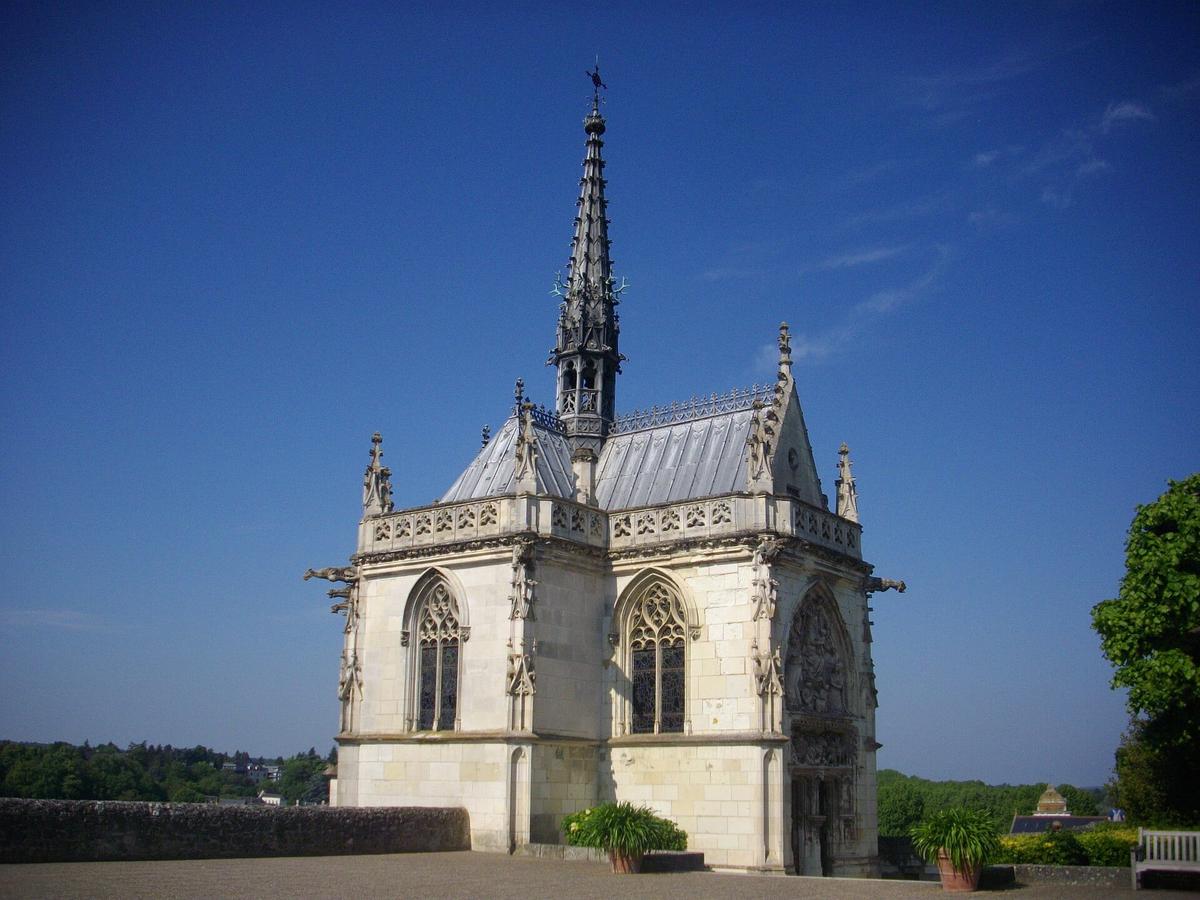
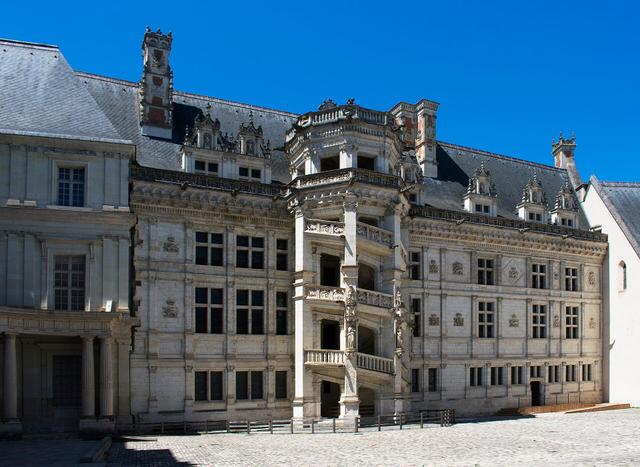
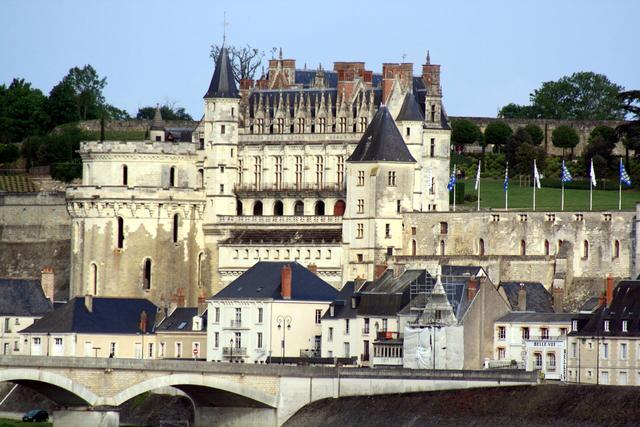
Leonardo was buried in the collegiate church of Saint-Florentin, the church of the Château d'Amboise. It was destroyed in the early 19th century, along with much of the château. In 1863, the writer Arsène Houssaye excavated the site and uncovered bones that he attributed to Leonardo. In 1874 they were placed in the small Chapel of Saint-Hubert, perched on the ramparts, beneath a slab bearing his name. The attribution remains uncertain, but this is where people come to pay their respects. See also: Royal Château of Amboise
What to see: the slab in the Chapel of Saint-Hubert, the carved lintel showing the hunt of Saint Hubert above the door, and the view over the Loire from the terraces.
Chambord: the missing signature
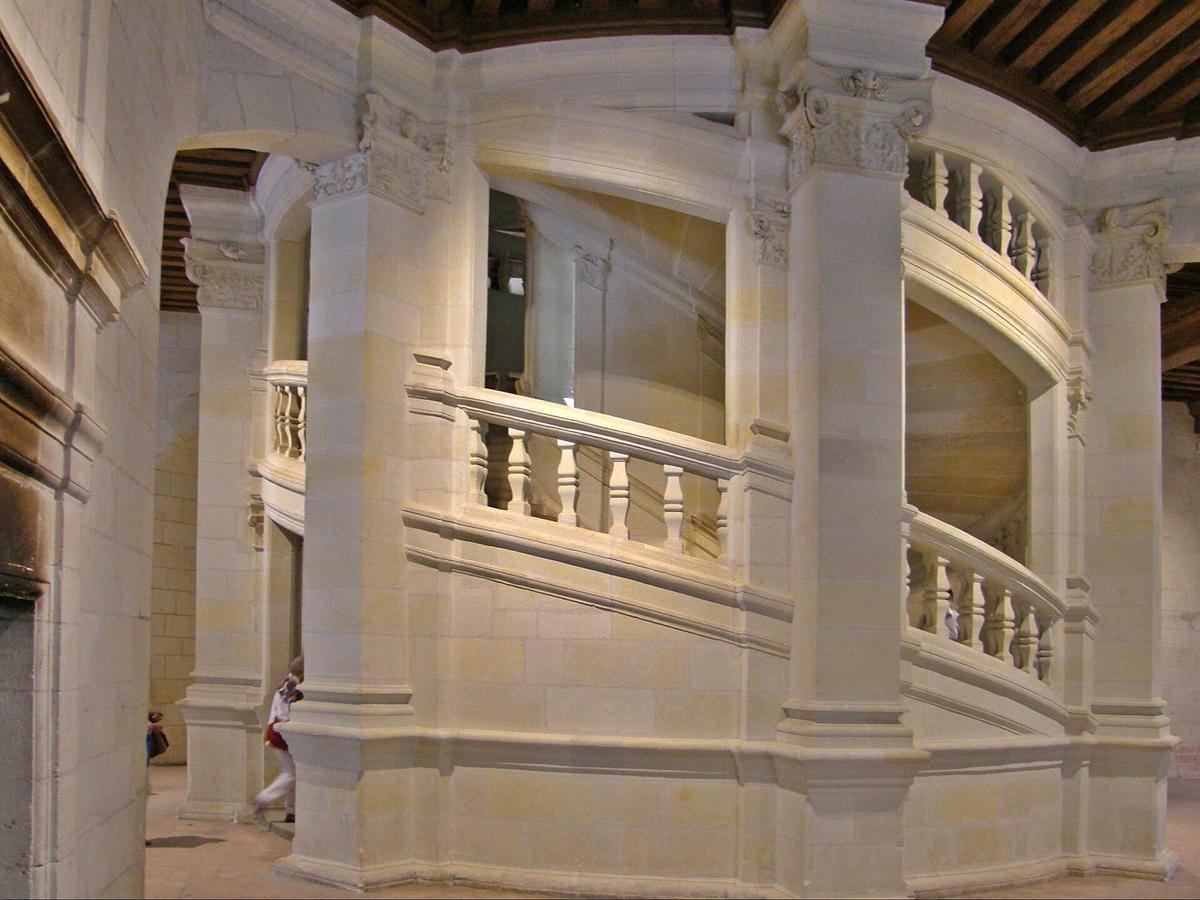
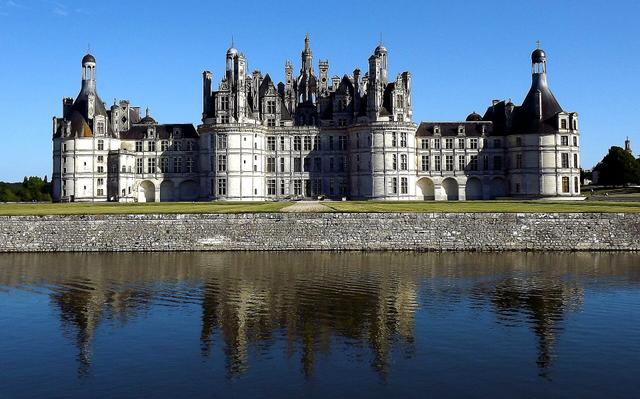
Work on Chambord began in 1519, the year Leonardo died. No plan or contract names him as architect. But the double-helix staircase, two spirals that turn one above the other without meeting, looks a lot like sketches in his notebooks, and the centred plan of the keep recalls his studies. Most historians accept an influence, without being able to go further. See also: Château de Chambord
Loches: his former master's prison
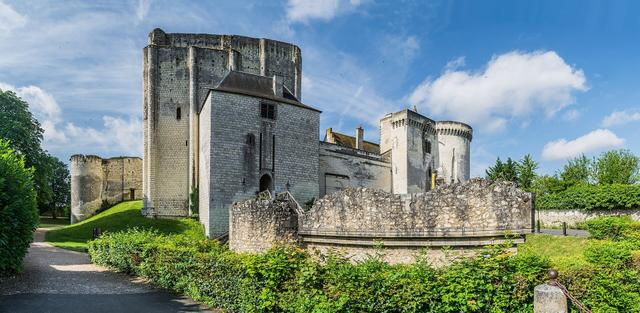
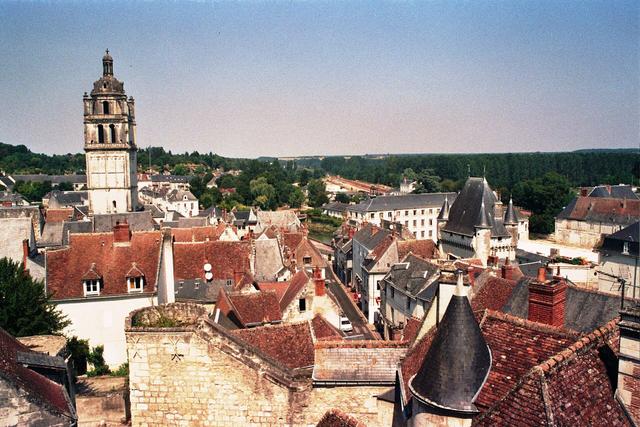
There is no trace of Leonardo at Loches. But it was here, in the fortress dungeons, that Ludovico Sforza, the man who had commissioned the Last Supper from him, spent his last years in captivity. You can still visit the cell where he was held, covered with paintings and inscriptions attributed to him. See also: Royal City of Loches
In his footsteps: a day in Amboise
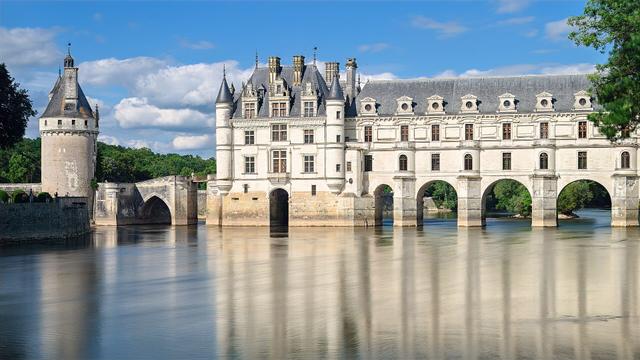
The Château d'Amboise and Clos Lucé are linked by a street, five minutes' walk apart. Start with the château and the tomb in the morning, have lunch in town, then spend the afternoon at Clos Lucé and its park. Chambord is an hour's drive away; Chenonceau, 13 km away, rounds off the day well. See also: Château de Chenonceau
Partner links: if you book through these links, we earn a commission at no extra cost to you. Partner links · Learn more
FAQ
Where is Leonardo da Vinci buried?
In the Chapel of Saint-Hubert at the Château d'Amboise, in Indre-et-Loire. His presumed remains were placed there in 1874.
Where did Leonardo da Vinci die?
At Clos Lucé, in Amboise, on 2 May 1519, in the bedroom you can visit today.
How long did Leonardo da Vinci live in France?
About three years, from 1516 until his death in 1519.
Why is the Mona Lisa in France?
Leonardo brought it with him to Amboise. After his death, the painting entered the collections of Francis I, then of the Crown, and it has been in the Louvre since the Revolution.
Did Leonardo da Vinci design Chambord?
Nothing proves it. The double-helix staircase recalls his drawings, but no document credits him with the plans.
Sources: fr.wikipedia.org (Léonard de Vinci), vinci-closluce.com, chateau-amboise.com
Tickets to book online
Partner links: if you book through these links, we earn a commission at no extra cost to you. Partner links · Learn more
Places to visit


Related guides
Related historical figures