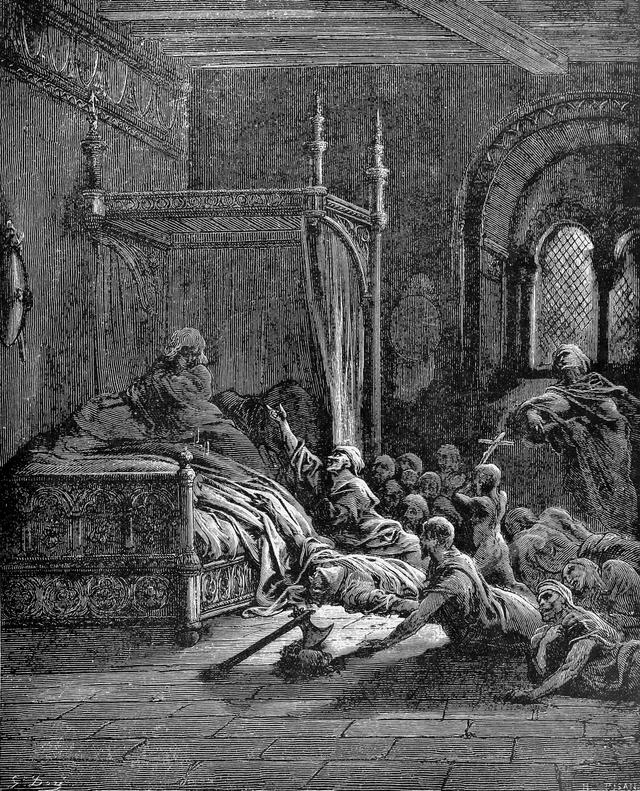
Henry II Plantagenet, the King of England from Anjou
- Born
- 5 March 1133
- Died
- 6 July 1189
- Reign
- 1154 – 1189
- Family
- Plantagenets
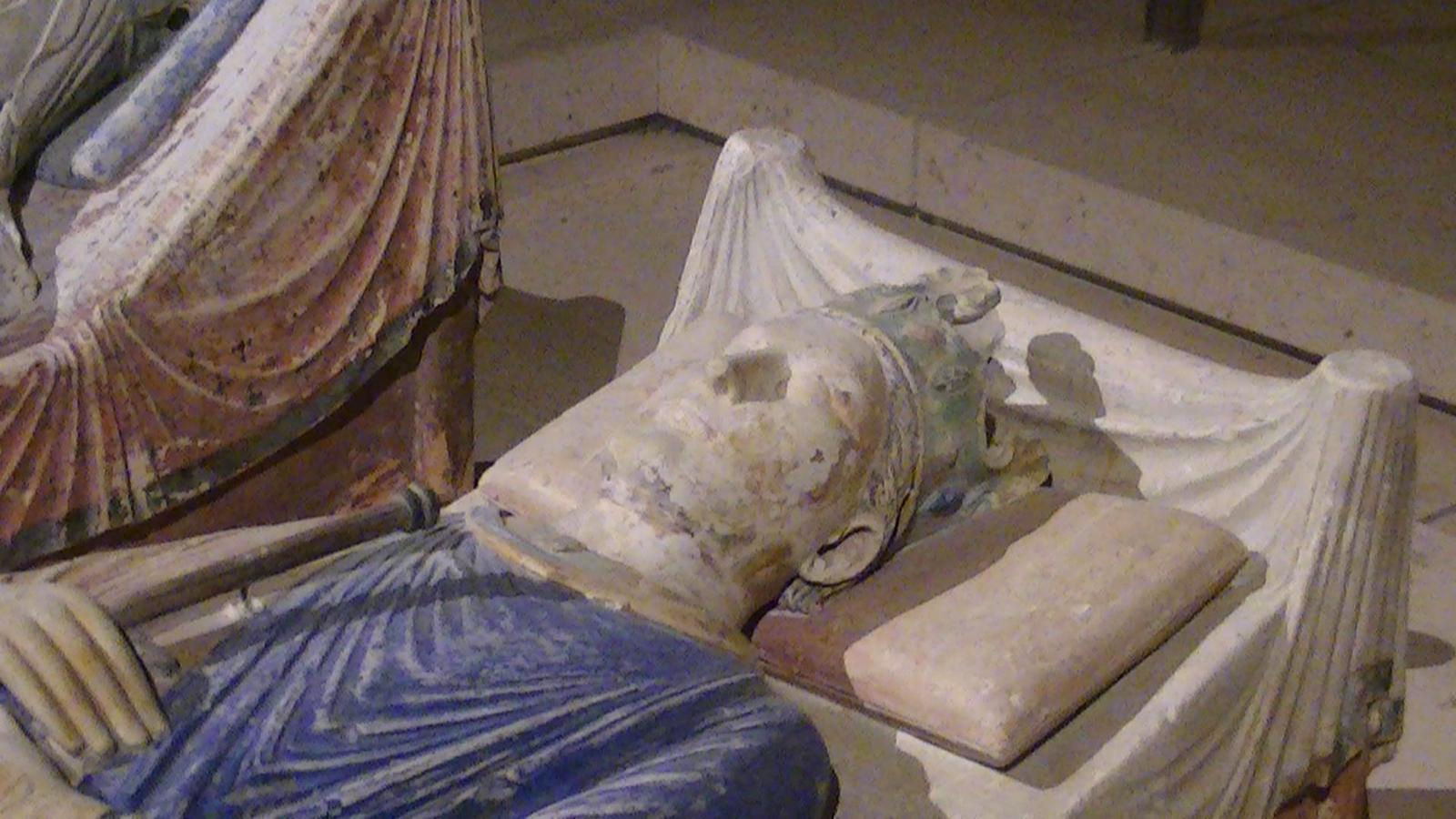
He was from Anjou, spoke French and spent most of his reign on the Continent. Henry II Plantagenet ruled from Scotland to the Pyrenees, fell out with his wife Eleanor and with all his sons, and died defeated at Chinon. He lies at Fontevraud, in the heart of his native Anjou.
Henry II Plantagenet in dates
| Date | Event |
|---|---|
| 5 March 1133 | Born in Le Mans, son of Geoffrey Plantagenet, Count of Anjou, and of Matilda, granddaughter of William the Conqueror |
| 1150 | Duke of Normandy |
| 1151 | Count of Anjou, Maine and Touraine on his father's death |
| 18 May 1152 | Marries Eleanor of Aquitaine in Poitiers, eight weeks after the annulment of her marriage to Louis VII |
| 19 December 1154 | Crowned King of England at Westminster |
| 29 December 1170 | Thomas Becket, Archbishop of Canterbury, is murdered by the king's knights |
| 1173-1174 | Great revolt of his sons, backed by Eleanor and the King of France; Henry wins |
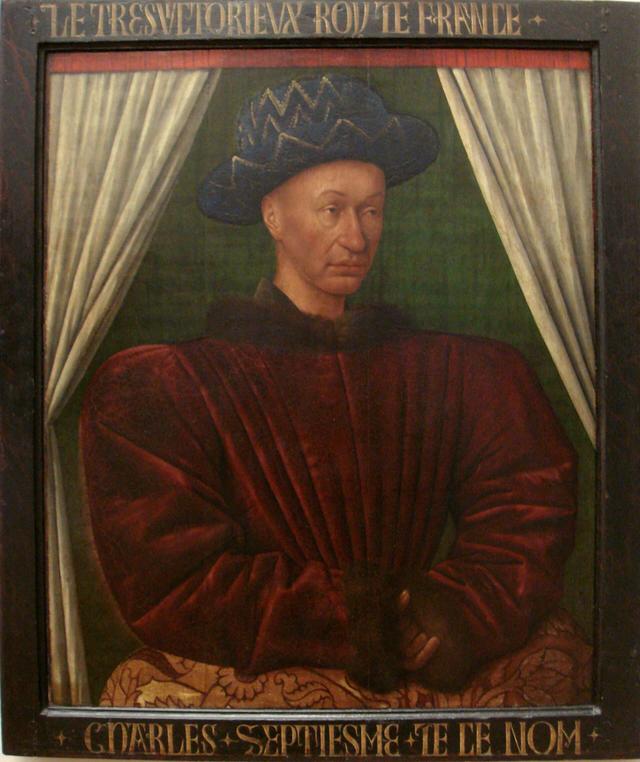
| 1189 | New war against his son Richard, allied with Philip Augustus; Henry has to give way |
| 6 July 1189 | Dies at Chinon; buried at Fontevraud Abbey |
A man from Anjou on the throne of England
Through his mother, Henry descended from William the Conqueror, and through his father from the counts of Anjou. The name Plantagenet comes from his father, Geoffrey, who wore a sprig of broom in his hat. Henry first inherited Normandy, Anjou, Maine and Touraine. His marriage to Eleanor brought him Aquitaine. Then, in 1154, England, through his mother. See also: Eleanor of Aquitaine, William the Conqueror
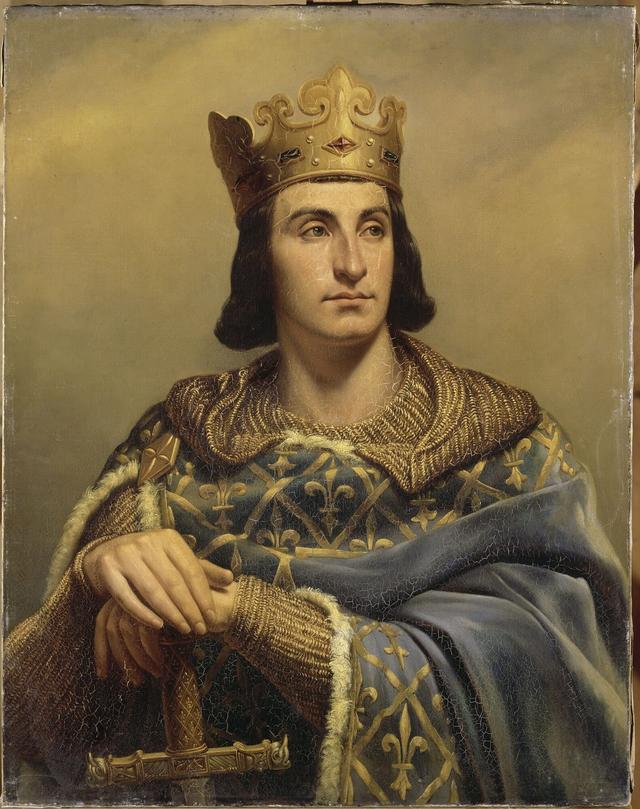
At twenty-one, he ruled lands larger than those of the King of France, whose vassal he still was for his French territories. This was the starting point of three centuries of conflict between the two crowns, up to the Hundred Years' War.
A tireless king
The chroniclers always describe him on the move: red-haired, stocky, badly dressed, unable to sit still at mass, hunting and travelling constantly from one end of his lands to the other. He reformed English justice and had crimes tried by travelling royal judges, the origin of the common law.
His quarrel with Thomas Becket, his former chancellor who became Archbishop of Canterbury, ended in tragedy. In December 1170, four knights, believing they were acting on an outburst of the king's anger, killed Becket in his cathedral. Henry had to do public penance at his tomb.
Chinon: the favourite fortress
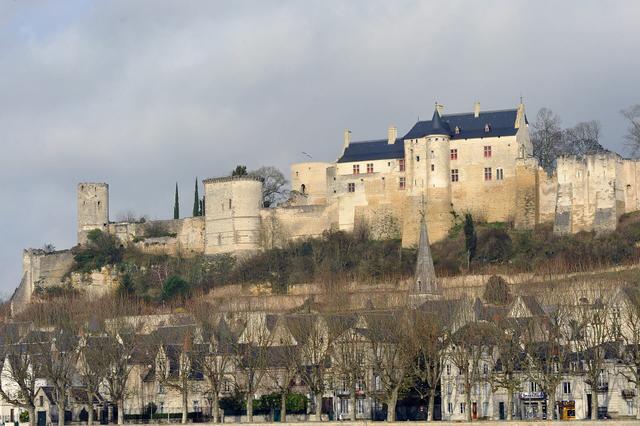
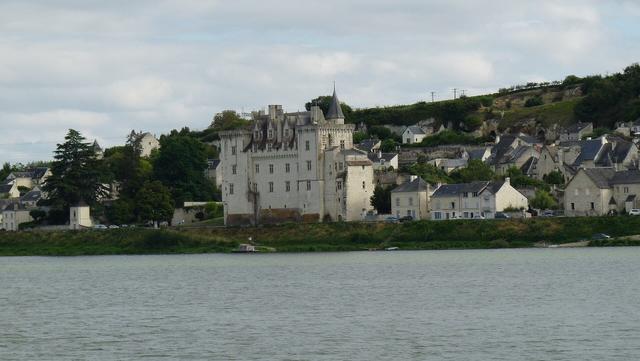
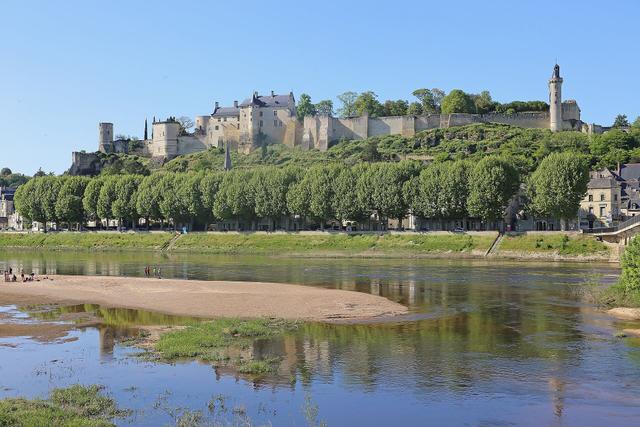
Henry made Chinon his main residence on the Continent, at the crossroads of Anjou, Touraine and Poitou. He kept his treasury there, enlarged the fortress and had a palace built in Fort Saint-Georges, on the east side of the site.
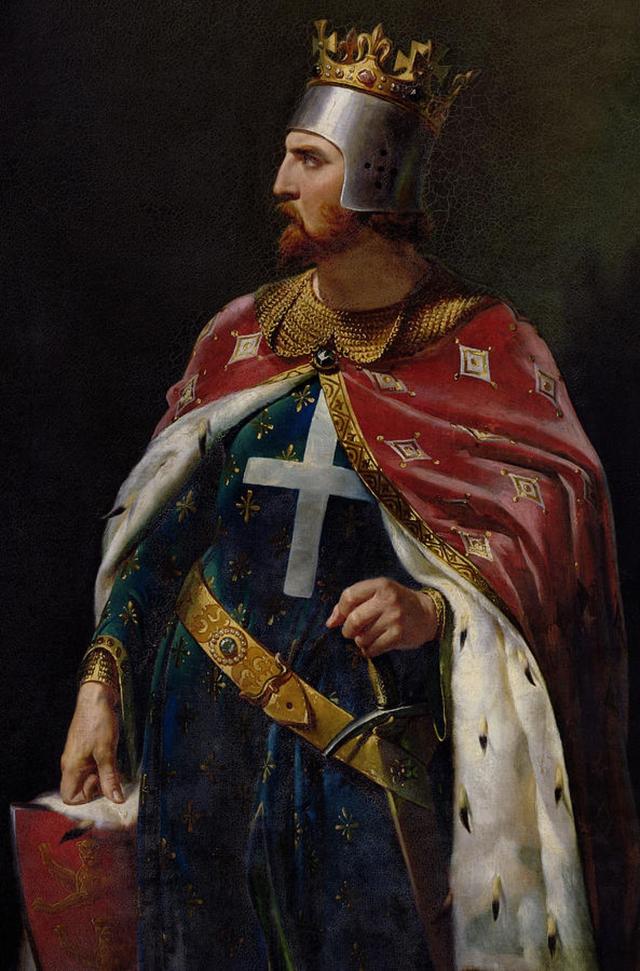
It was also there that it all ended. In July 1189, defeated by his son Richard and Philip Augustus, and ill, he learned that his favourite son, John, had joined his enemies. He died a few days later, on 6 July, aged fifty-six. See also: Royal Fortress of Chinon, Richard the Lionheart
What to see: Fort Saint-Georges, the ramparts above the Vienne, and the royal lodge with the visitor tablet.
Loches: the fortress of the counts of Anjou
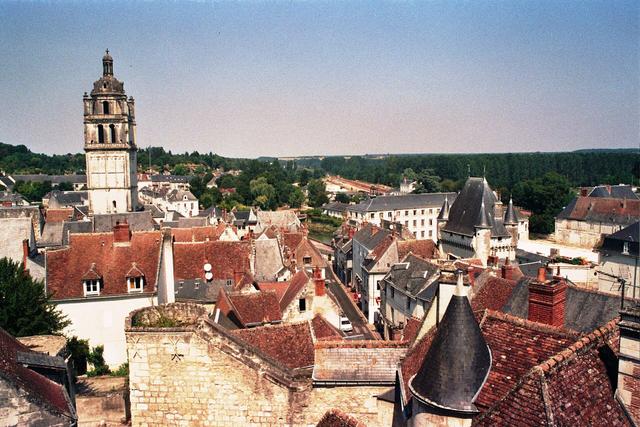
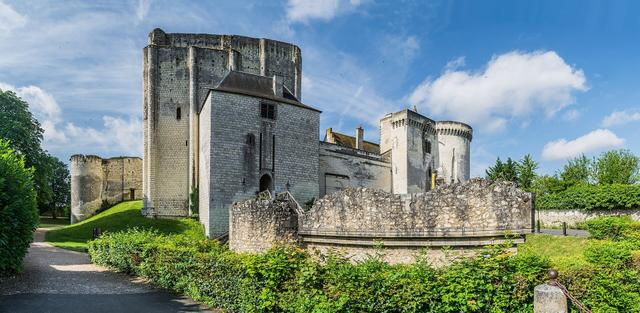
The keep at Loches, 36 metres high, was built between 1013 and 1035 by Fulk Nerra, Count of Anjou and Henry's ancestor. It is one of the oldest and best preserved in France. Under the Plantagenets, Loches was one of the strongholds guarding Touraine against the King of France; Philip Augustus only took it in 1205, after a year-long siege. See also: Royal City of Loches
Fontevraud: the effigy
Henry II had not planned to be buried at Fontevraud. But in July, the body could not travel far, and the abbey, protected by his family, was close by. Richard came to pray before his father's body. The chroniclers say that blood began to flow from the dead man's nose when he arrived.
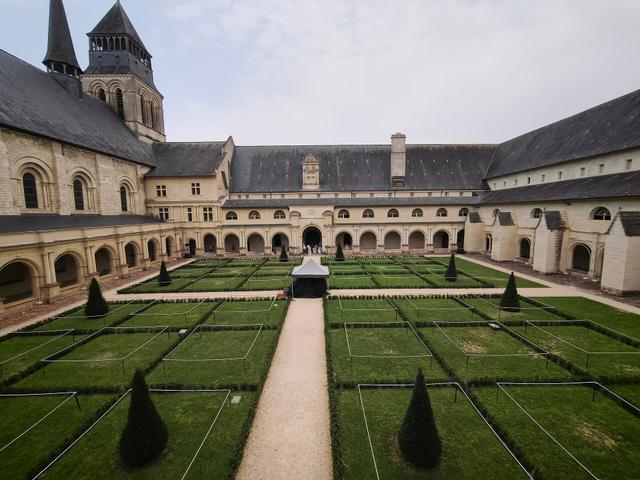
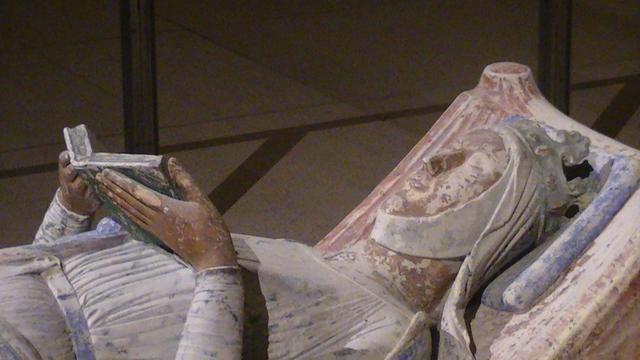
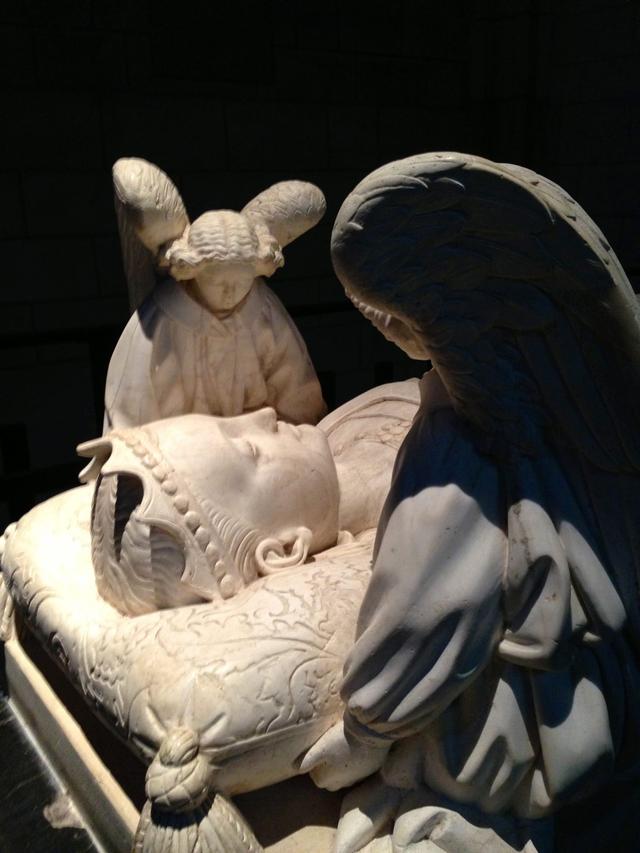
The abbey then became the family's burial place: Richard was buried there in 1199, Eleanor in 1204. Henry's effigy, crowned and holding a sceptre, is the oldest of the four kept in the nave of the abbey church. See also: Fontevraud Abbey
What to see: the Plantagenet effigies, the cloister, the Romanesque kitchen and the modern art museum.
In his footsteps: Chinon, Fontevraud, Loches
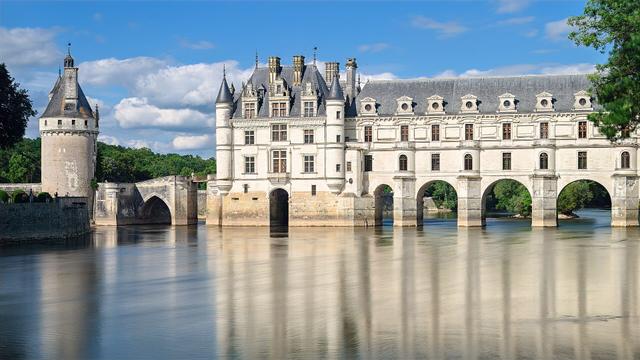
Chinon and Fontevraud are about twenty minutes apart by road and can be visited on the same day. Loches is an hour east of Chinon and goes well with Chenonceau. See also: Château de Chenonceau
Partner links: if you book through these links, we earn a commission at no extra cost to you. Partner links · Learn more
FAQ
Where did Henry II of England die?
At the fortress of Chinon, in Touraine, on 6 July 1189.
Where is Henry II of England buried?
At Fontevraud Abbey, in Anjou, where his effigy lies near those of Eleanor of Aquitaine and Richard the Lionheart.
Why is a King of England buried in France?
Henry II was from Anjou: Count of Anjou, Maine and Touraine, Duke of Normandy and of Aquitaine. He spent most of his reign on the Continent, and he died at Chinon, a few kilometres from Fontevraud.
Where does the name Plantagenet come from?
From the sprig of broom, planta genista in Latin, that his father Geoffrey of Anjou used to wear in his hat.
Who were Henry II Plantagenet's children?
With Eleanor, he had eight children, including Henry the Young King, Richard the Lionheart, Geoffrey of Brittany and John.
Sources: fr.wikipedia.org (Henri II (roi d'Angleterre)), forteressechinon.fr, fontevraud.fr
Tickets to book online
Partner links: if you book through these links, we earn a commission at no extra cost to you. Partner links · Learn more
Places to visit
Related guides