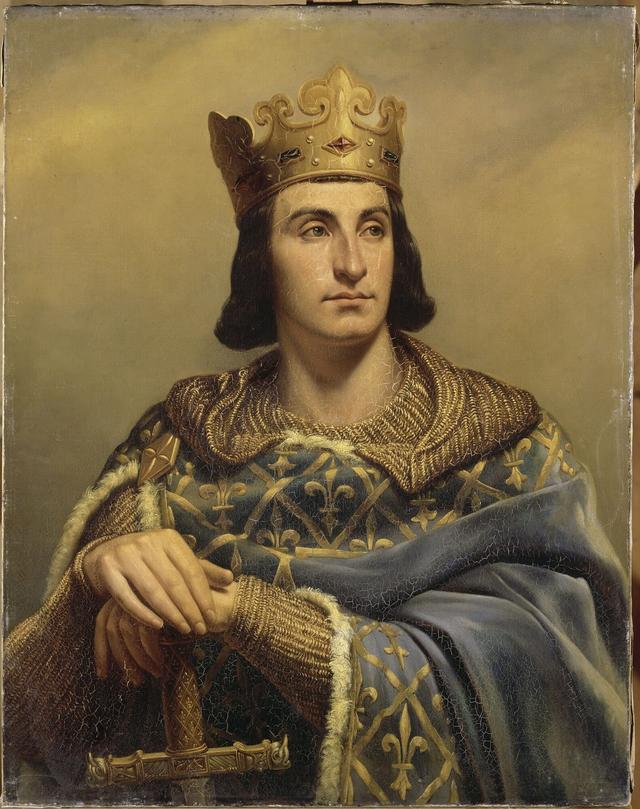
Charles VII, from King of Bourges to the Victorious
- Born
- 22 February 1403
- Died
- 22 July 1461
- Reign
- 1422 – 1461
- Family
- Valois
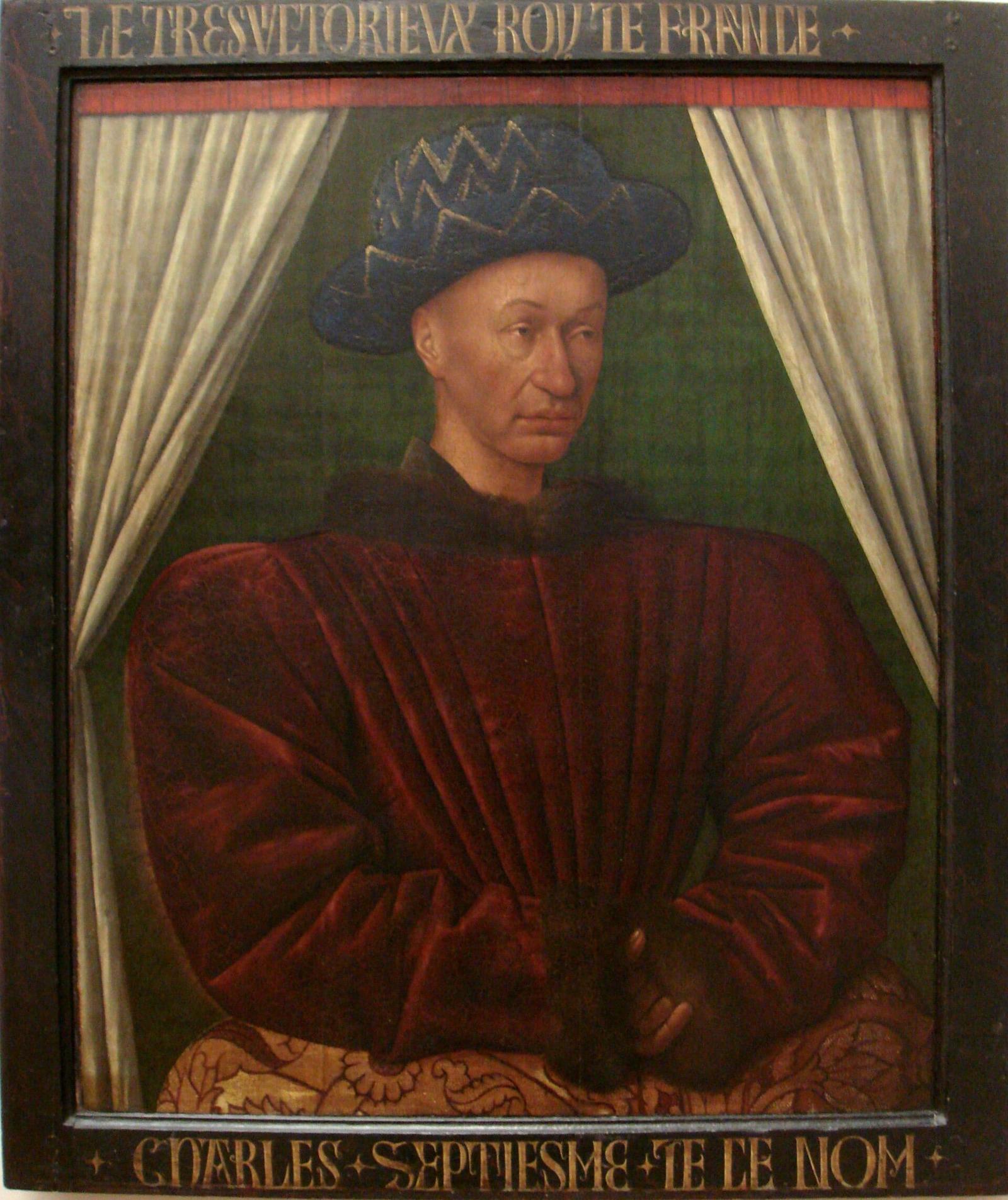
When his father died in 1422, half the kingdom obeyed the King of England and he was scornfully called the “King of Bourges”. Thirty years later, the English held only Calais. In between came Joan of Arc, but also a standing army, regular taxes and a king who had learned to govern from the châteaux of the Loire.
Charles VII in dates
| Date | Event |
|---|---|
| 22 February 1403 | Born in Paris, eleventh child of Charles VI and Isabeau of Bavaria |
| 1418 | Now dauphin, he flees Paris, taken by the Burgundians |
| 1420 | The Treaty of Troyes disinherits him in favour of the King of England |
| 1422 | Proclaims himself king on his father's death; marries Marie of Anjou |
| 1429 | Receives Joan of Arc at Chinon; crowned at Reims on 17 July |
| 1436 | Retakes Paris |
| 1444 | Beginning of his affair with Agnès Sorel |
| 10 November 1449 | Enters Rouen, retaken from the English |
| 1453 | Victory at Castillon: end of the Hundred Years' War |
| 7 July 1456 | Joan of Arc is rehabilitated in Rouen |
| 22 July 1461 | Dies at Mehun-sur-Yèvre, in Berry; his son Louis XI succeeds him |
A dauphin without a kingdom
Charles should never have reigned: all his elder brothers died before him. As dauphin, he escaped the Burgundians when they took Paris in 1418 and fell back south of the Loire. The following year, his supporters murdered the Duke of Burgundy on the bridge at Montereau. In retaliation, his father, Charles VI, signed the Treaty of Troyes in 1420: the crown would go to the King of England, Henry V.
When Charles VI died in 1422, the dauphin proclaimed himself king, but he had not been crowned and held only the centre and south. His court moved between Bourges and Poitiers, Chinon and Loches. In 1428, the English laid siege to Orléans, the last obstacle before the Loire.
Chinon: the meeting
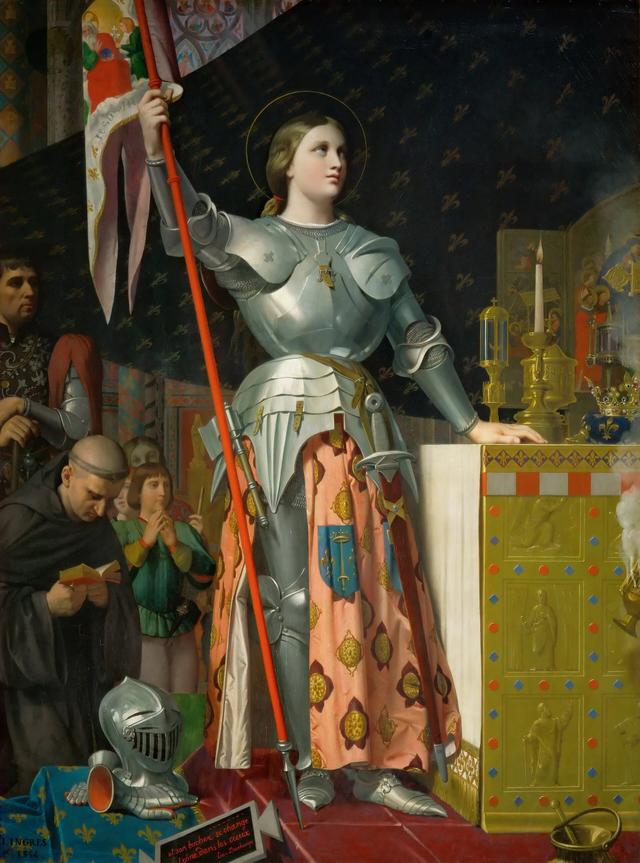
Early in 1429, a young woman from Lorraine arrived at Chinon and asked to see the king. Joan of Arc recognised him, tradition says, among his courtiers, and told him she would lift the siege of Orléans. Charles had her examined by theologians at Poitiers, then gave her an army. See also: Joan of Arc
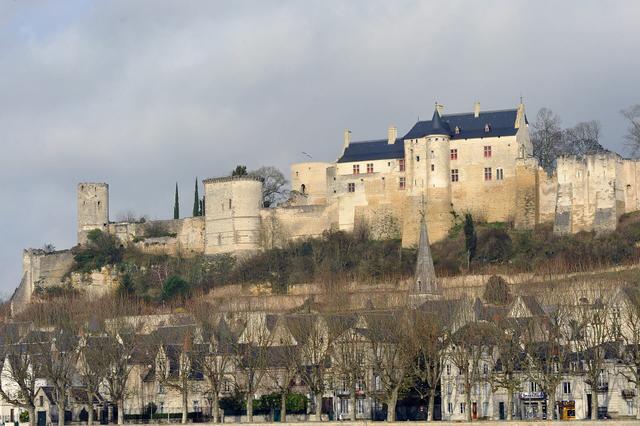
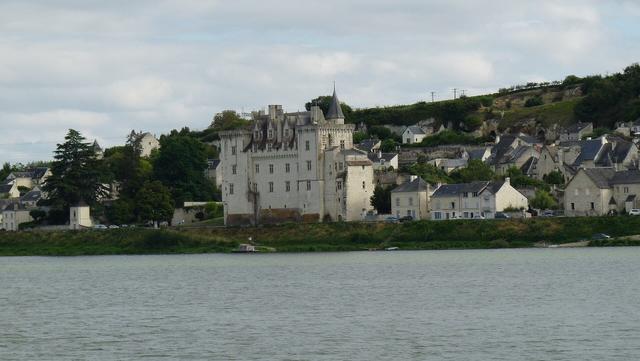
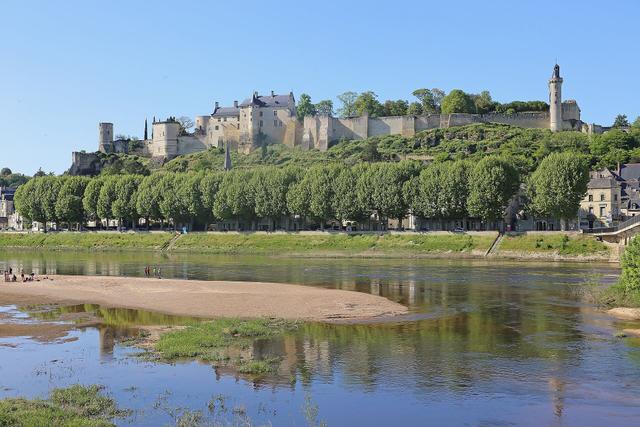
The royal fortress was already one of the king's favourite residences at the time. The walls of the royal lodge, the Clock Tower and the ramparts remain; you visit with a tablet that recreates the rooms. See also: Royal Fortress of Chinon
What to see: the royal lodge where Joan met the king, the Coudray Tower, and the view over the Vienne.
Loches and Sully: the road to Reims
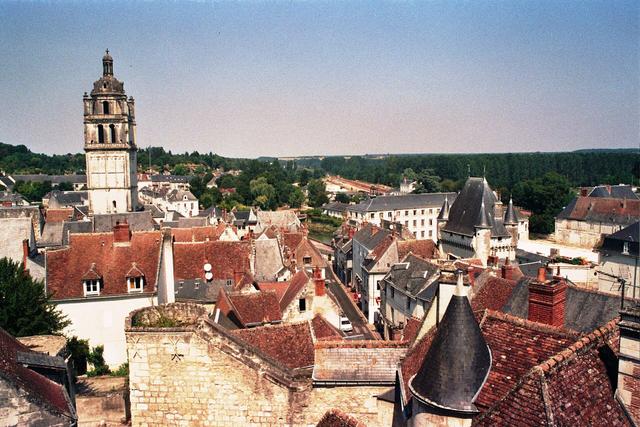
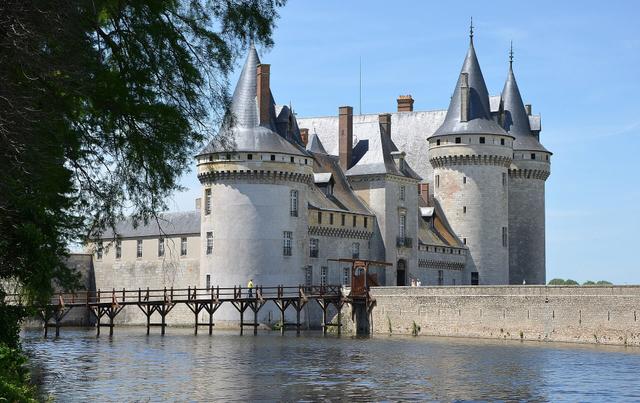
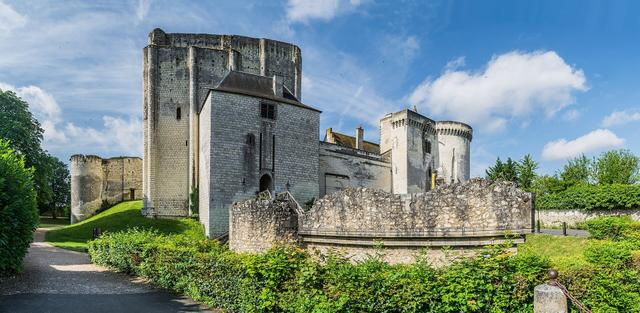
After Orléans was freed on 8 May 1429, Joan joined the king at the royal lodge in Loches and urged him to set off for Reims. The king hesitated: his adviser Georges de La Trémoille, who hosted him at the Château de Sully-sur-Loire, preferred to negotiate with Burgundy. Charles VII finally set off and was crowned at Reims on 17 July. See also: Royal City of Loches, Château de Sully-sur-Loire
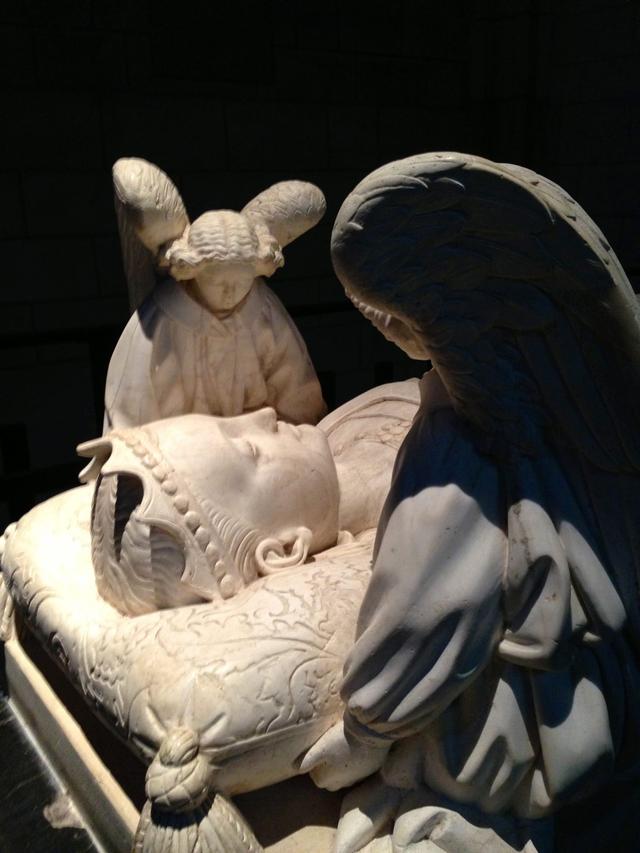
Loches then remained a royal residence. The king installed his favourite, Agnès Sorel, there; her effigy is now in the church of Saint-Ours. See also: Agnès Sorel
What to see: at Loches, the room in the royal lodge linked to Joan of Arc, and the keep; at Sully, the late 14th-century keep and its timber roof frame.
The reconquest: Rouen and Jumièges
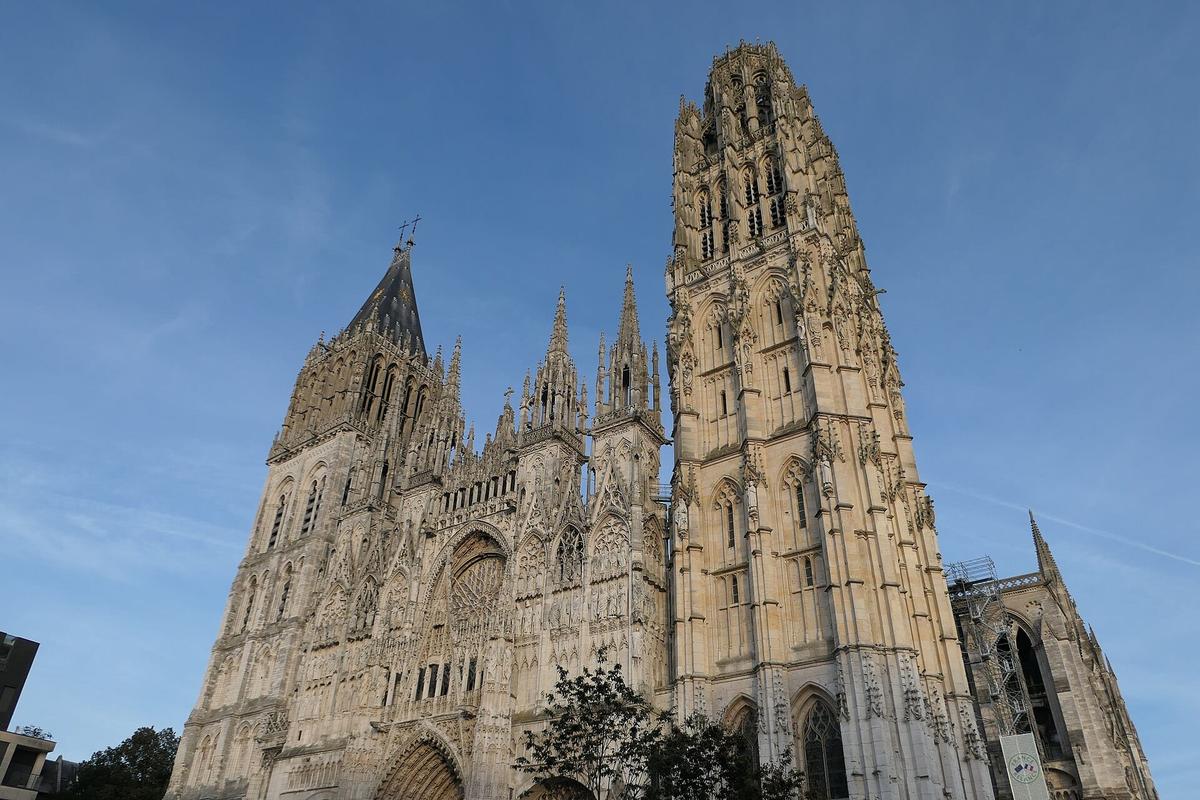
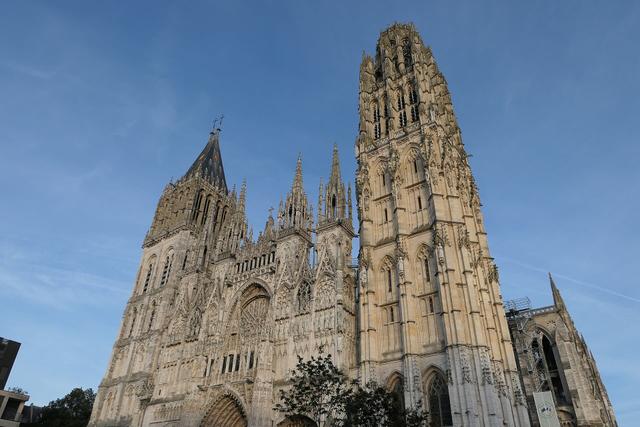
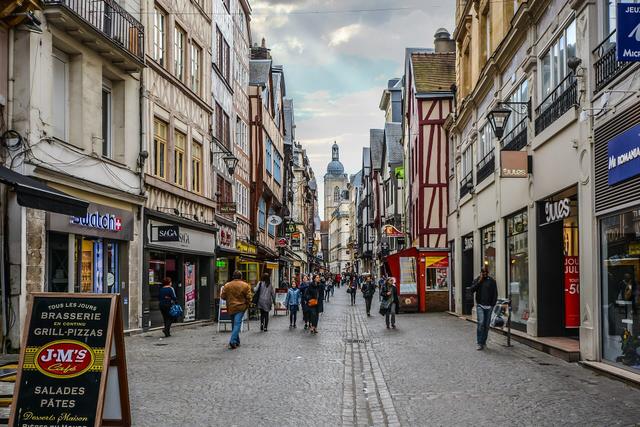
The coronation did not settle everything at once. Charles VII made peace with Burgundy in 1435, retook Paris in 1436 and created a standing army, the companies of ordinance, paid for by a regular tax, the taille. In 1449 he launched the reconquest of Normandy and entered Rouen on 10 November. It was in this city that Joan of Arc had been burned eighteen years earlier; the king opened the inquiry that led to her rehabilitation, proclaimed in Rouen in 1456. See also: Rouen Cathedral
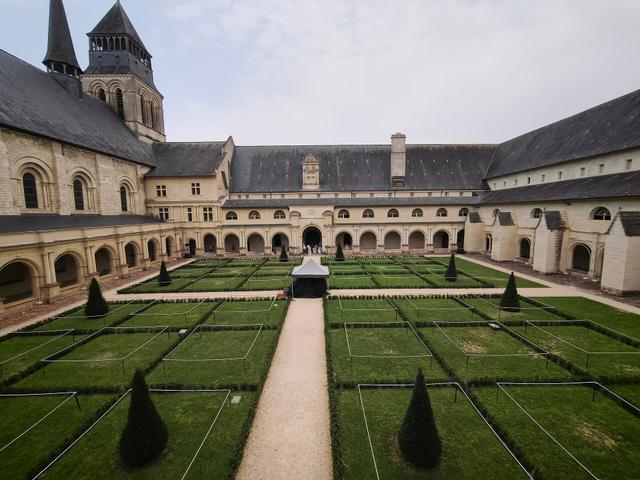
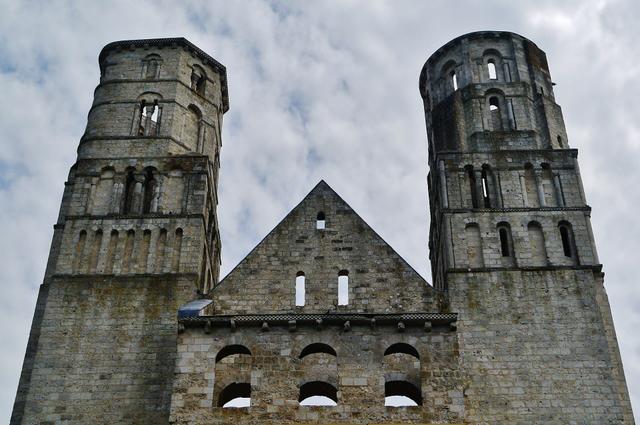
During the winter of 1449-1450, the king stayed at Jumièges Abbey. Agnès Sorel joined him there and died nearby in February. A vaulted passage in the abbey bears the name of Charles VII. See also: Jumièges Abbey
What to see: in Rouen, the cathedral and the Historial Jeanne d'Arc in the former archbishops' palace; at Jumièges, the Charles VII passage and the slab marking Agnès Sorel's heart.
The Victorious and his son
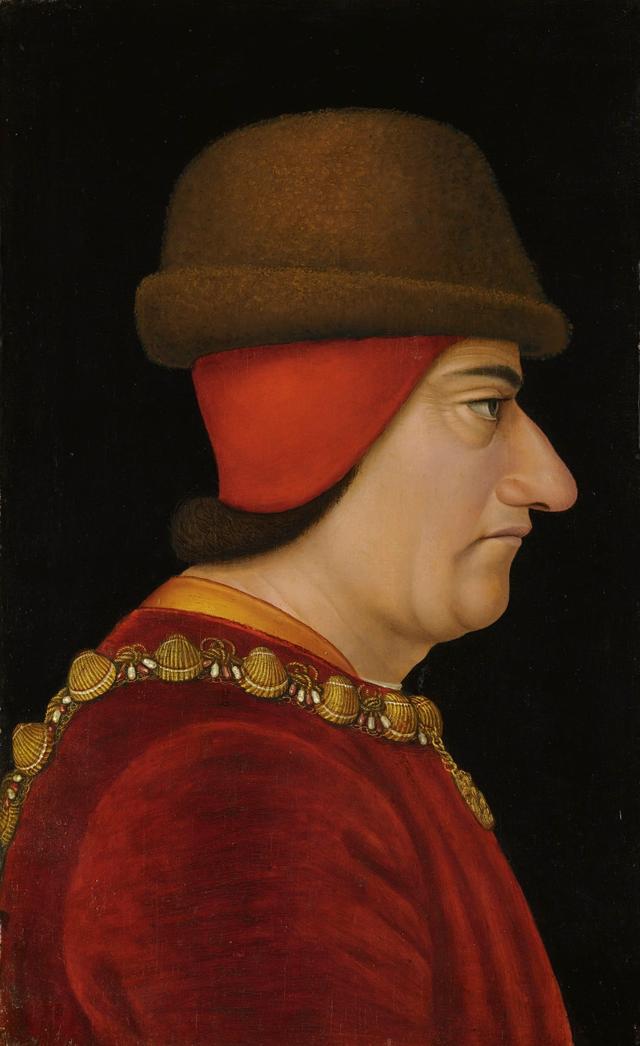
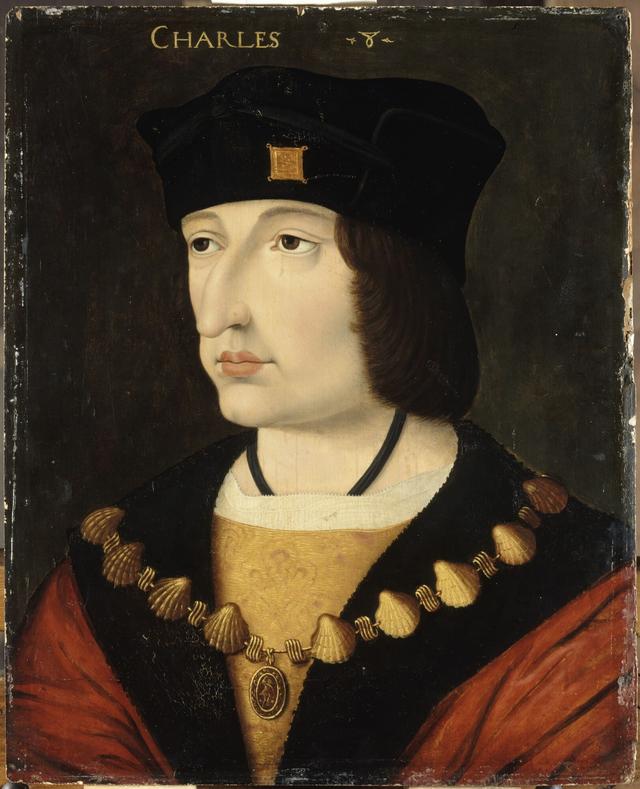
The victory at Formigny in 1450 completed the reconquest of Normandy; the one at Castillon in 1453 drove the English out of Guyenne. From then on he was called “the Victorious”, and the portrait Jean Fouquet painted of him, now in the Louvre, bears the inscription “le très victorieux roy de France” (the most victorious King of France).
His last years were spoiled by his son. The dauphin Louis, the future Louis XI, had already taken part in a revolt in 1440; in 1456 he fled to the Duke of Burgundy. Charles VII died in 1461 at Mehun-sur-Yèvre, in Berry, and lies in the Basilica of Saint-Denis.
In his footsteps: from Touraine to Normandy
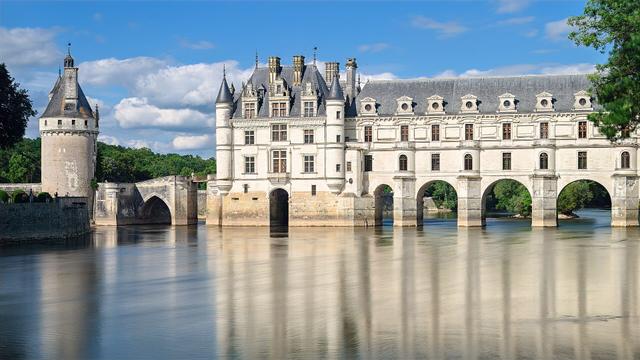
Chinon and Loches are in Touraine, an hour apart, and can be combined with Fontevraud or Chenonceau. See also: Fontevraud Abbey Sully-sur-Loire is 45 minutes from Orléans. Rouen and Jumièges can be visited on the same day, half an hour apart.
Partner links: if you book through these links, we earn a commission at no extra cost to you. Partner links · Learn more
FAQ
Why was Charles VII called the “King of Bourges”?
Because at the start of his reign, disinherited by the Treaty of Troyes, he held only the centre and south of the kingdom, and Bourges was one of its main towns.
Where did Charles VII meet Joan of Arc?
At the royal fortress of Chinon, in 1429. She met him again at Loches, after Orléans was freed.
Where was Charles VII crowned?
In Reims Cathedral, on 17 July 1429, with Joan of Arc at his side.
Why is Charles VII known as “the Victorious”?
For driving the English out of Normandy and Guyenne and ending the Hundred Years' War in 1453.
Where is Charles VII buried?
In the Basilica of Saint-Denis, north of Paris, like most kings of France.
Sources: fr.wikipedia.org (Charles VII), forteressechinon.fr
Tickets to book online
Partner links: if you book through these links, we earn a commission at no extra cost to you. Partner links · Learn more
Places to visit
Related guides