The Vikings in Normandy: from Rollo to William the Conqueror, the places to visit
Normandy was born of a deal with a Viking leader, Rollo, in 911. A hundred and fifty years later, his descendant William conquered England. Specific places survive from this story: Rollo's tomb in Rouen, the ruins of Jumièges, William's birthplace castle at Falaise and the two abbeys in Caen. Here is the story in order, with what to see at each stage.
The key facts
- The raids: from 841, Viking fleets sailed up the Seine, burnt Rouen and plundered the abbeys, Jumièges among them.
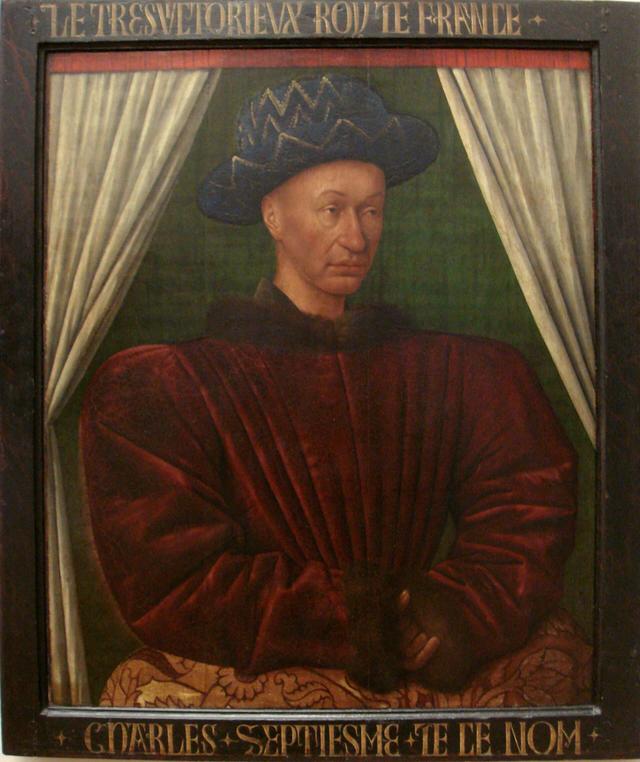
- The birth of Normandy: in 911, at Saint-Clair-sur-Epte, King Charles the Simple granted Rollo the area around Rouen. Rollo was baptised and defended the Seine against other Vikings.
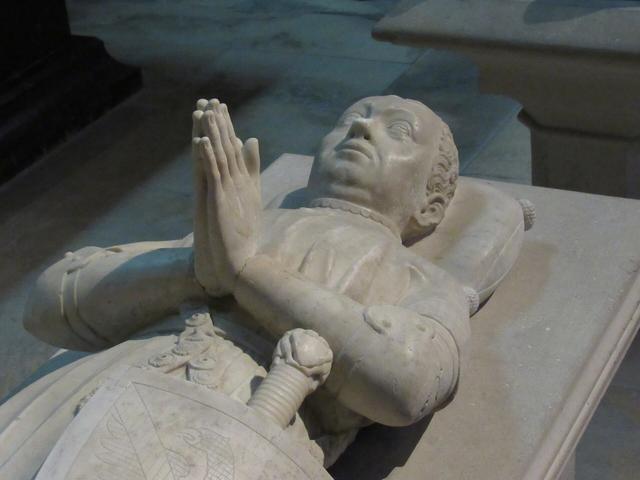
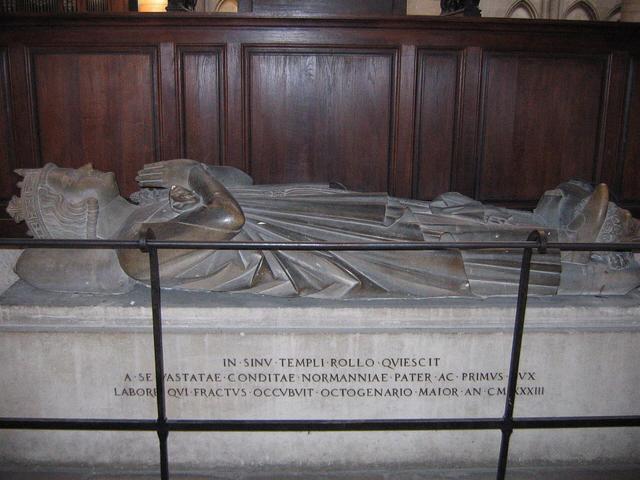
- Where Rollo is buried: in Rouen Cathedral, with his son William Longsword.
- William the Conqueror: born in Falaise around 1027, King of England after the Battle of Hastings on 14 October 1066. He lies in the Abbaye aux Hommes in Caen, and his wife Matilda in the Abbaye aux Dames.
- The Bayeux Tapestry: it is in London, at the British Museum, until 11 July 2027. The Bayeux museum is closed for works.
- To see it all: allow two days, one around Rouen (Rouen, Jumièges, Fécamp) and one around Caen (Caen, Falaise, Bayeux).
Key dates
| Year | Event | Where to see it |
|---|---|---|
| 841 | First major raid on the Seine, Rouen burnt | Jumièges, Rouen |
| 911 | Treaty of Saint-Clair-sur-Epte | Rouen |
| c. 930 | William Longsword brings the monks back | Jumièges |
| c. 932 | Death of Rollo | Rouen (tomb) |
| 1001 | Richard II founds Fécamp Abbey | Fécamp |
| c. 1027 | Birth of William | Falaise |
| c. 1060 | Founding of the two abbeys and the castle | Caen |
| 1066 | Hastings, coronation at Westminster | Bayeux (Tapestry) |
| 1067 | Dedication of the abbey church, in the king's presence | Jumièges |
| 1077 | Consecration of the cathedral | Bayeux |
| 1083 | Death of Matilda | Caen, Abbaye aux Dames |
| 1087 | Death of William | Caen, Abbaye aux Hommes |
Viking raids on the Seine: Jumièges in 841
In the 9th century, the Seine was a motorway for Viking ships. In May 841, a fleet sailed up the river, set fire to Rouen and held the riverside monasteries to ransom. Abbeys were ideal targets: rich, poorly defended and right by the water.
Jumièges, founded around 654, suffered raids from 841-851. The monks fled with their relics. The same happened at Saint-Wandrille, a few kilometres upstream, and at Fécamp, where the first convent of nuns was destroyed. For decades, the Vikings spent the winter on islands in the Seine instead of going home.
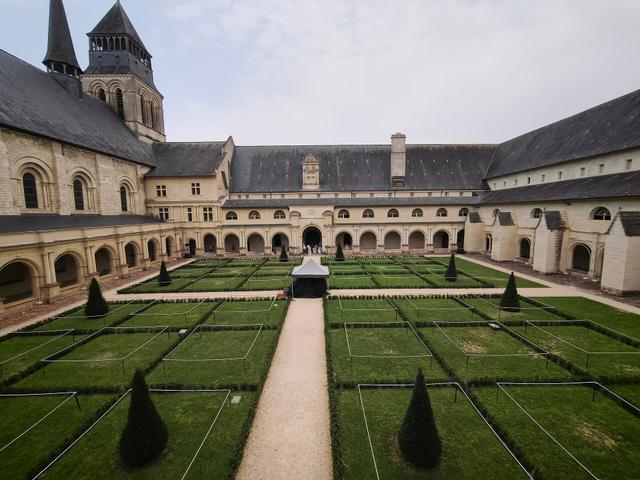
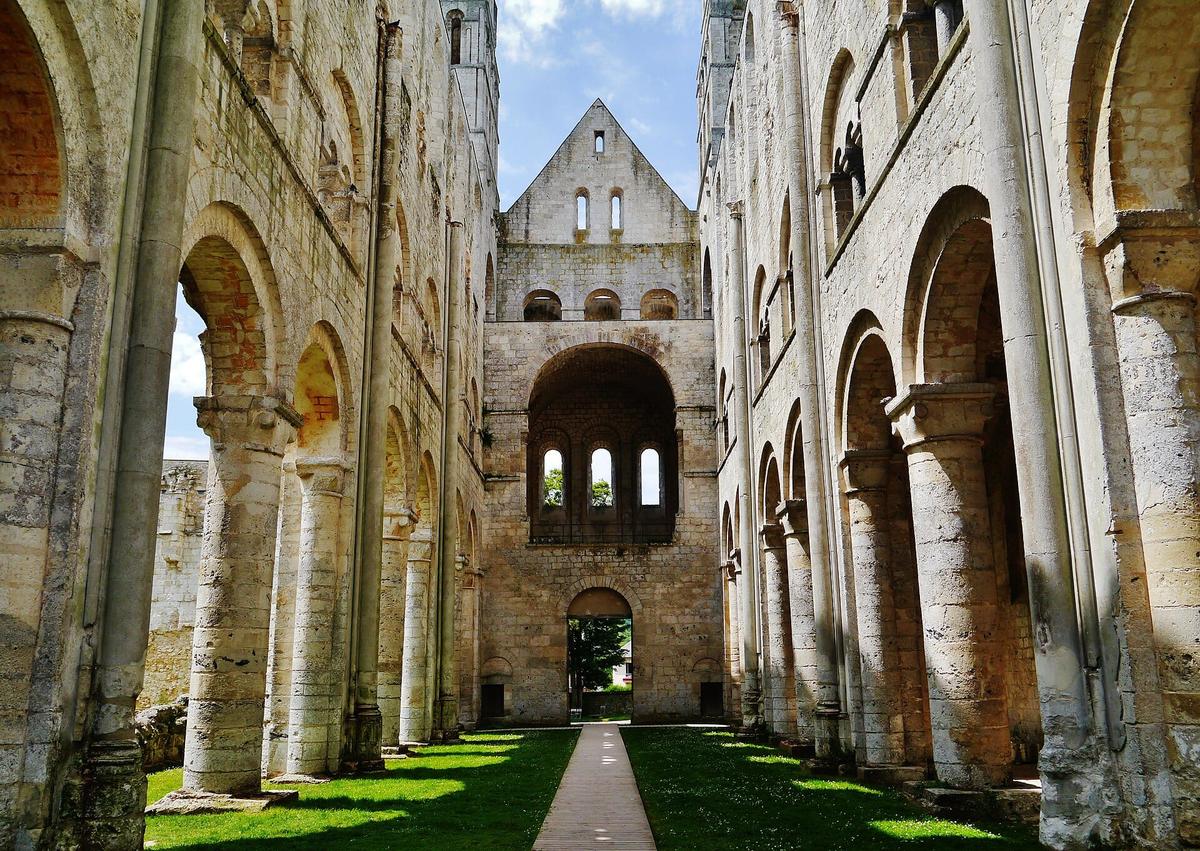
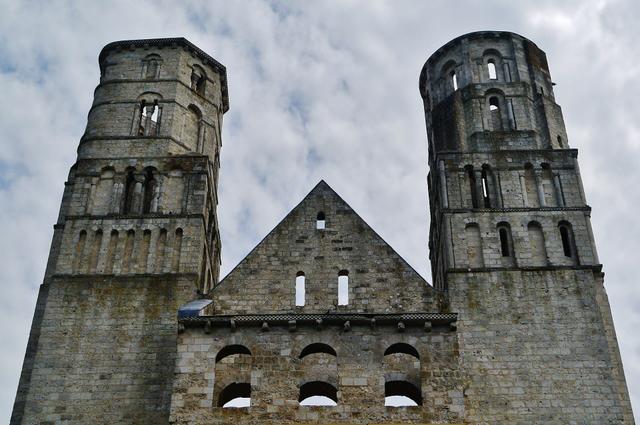
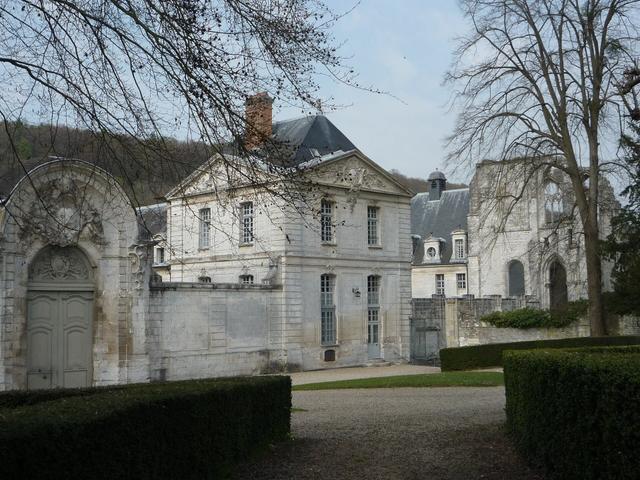
What you see today: at Jumièges, these are not the buildings plundered in 841 but the abbey church rebuilt in the 11th century, after the monks returned. Its two 46-metre towers and its roofless nave are among the finest ruins in France. Admission €7.50, free for under-18s. See also: Jumièges Abbey, Saint-Wandrille Abbey
Good to know right now: the abbey is rebuilding its gatehouse (reception, ticket office, shop) until April 2027. It is closed from 9 to 13 November 2026.
Rollo and the Treaty of Saint-Clair-sur-Epte (911)
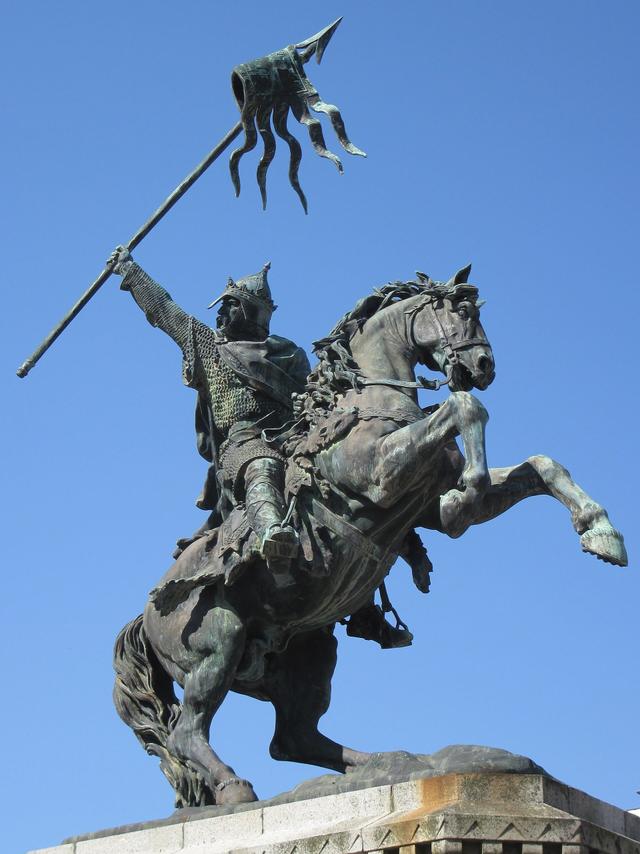
Rollo was a Viking leader whose origins are uncertain: Danish or Norwegian, the sources disagree. The Norse sagas call him Göngu-Hrólfr, "Hrólf the Walker", because he was said to be too big for a horse to carry.
In 911, after a defeat outside Chartres, he negotiated with the king of the Franks, Charles the Simple. At Saint-Clair-sur-Epte, on the river that still separates Normandy from the Île-de-France, the king granted him Rouen and the land as far as the sea. In return, Rollo agreed to be baptised and promised to close the Seine to other Viking fleets. The gamble paid off: the raider became the guardian of the river.
No original text of the treaty survives. What we know comes mostly from Dudo of Saint-Quentin, a canon who wrote the history of the dukes a century later, at their request. He also tells how one of Rollo's men, ordered to kiss the king's foot, lifted it so high that Charles fell over backwards. The story is probably made up, but it says a lot about how the Normans wanted to be seen.
Rollo, baptised under the name Robert, made Rouen his capital. His companions married local women, and within two generations the Norse language had almost disappeared, except in place names: villages ending in "-bec" (stream), "-tot" (farm) or "-fleur" (creek), such as Honfleur or Yvetot. To find out more about him: See also: Rollo
Who is buried in Rouen Cathedral? Rollo's tomb
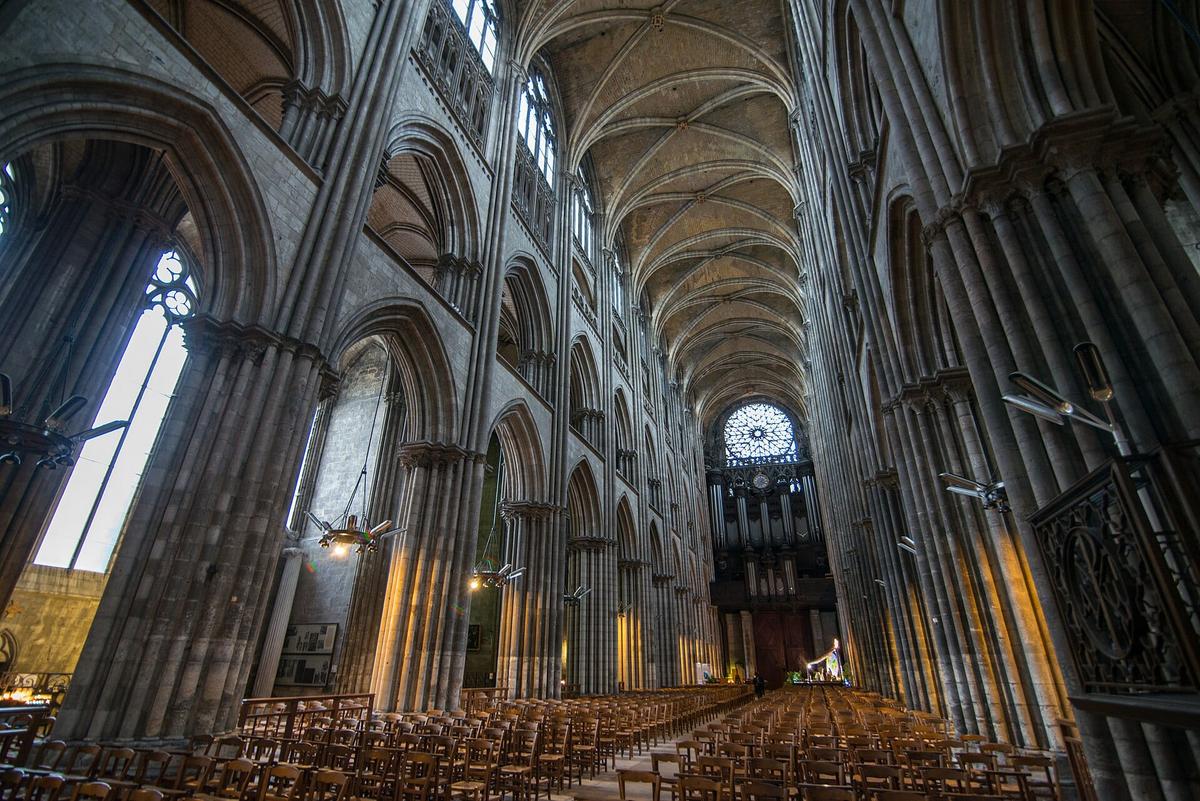
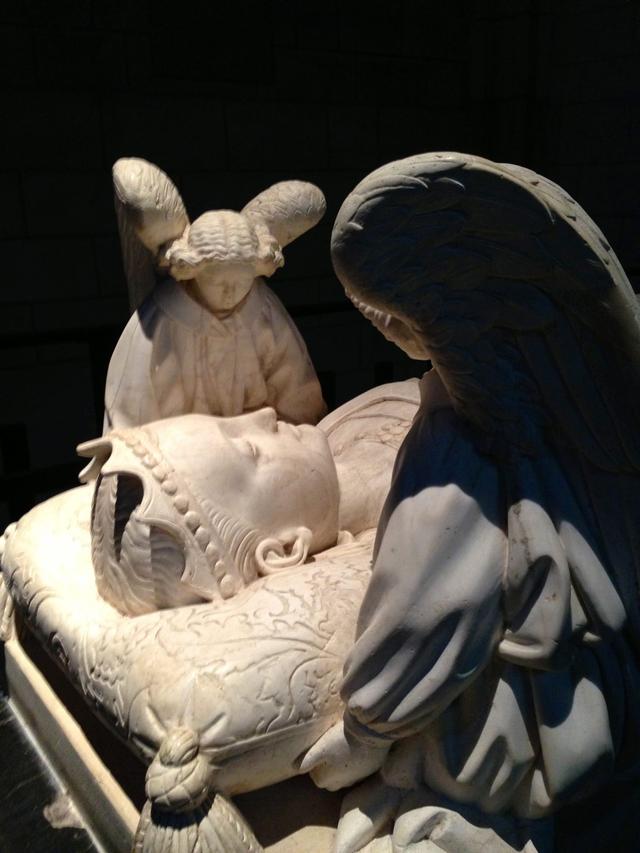
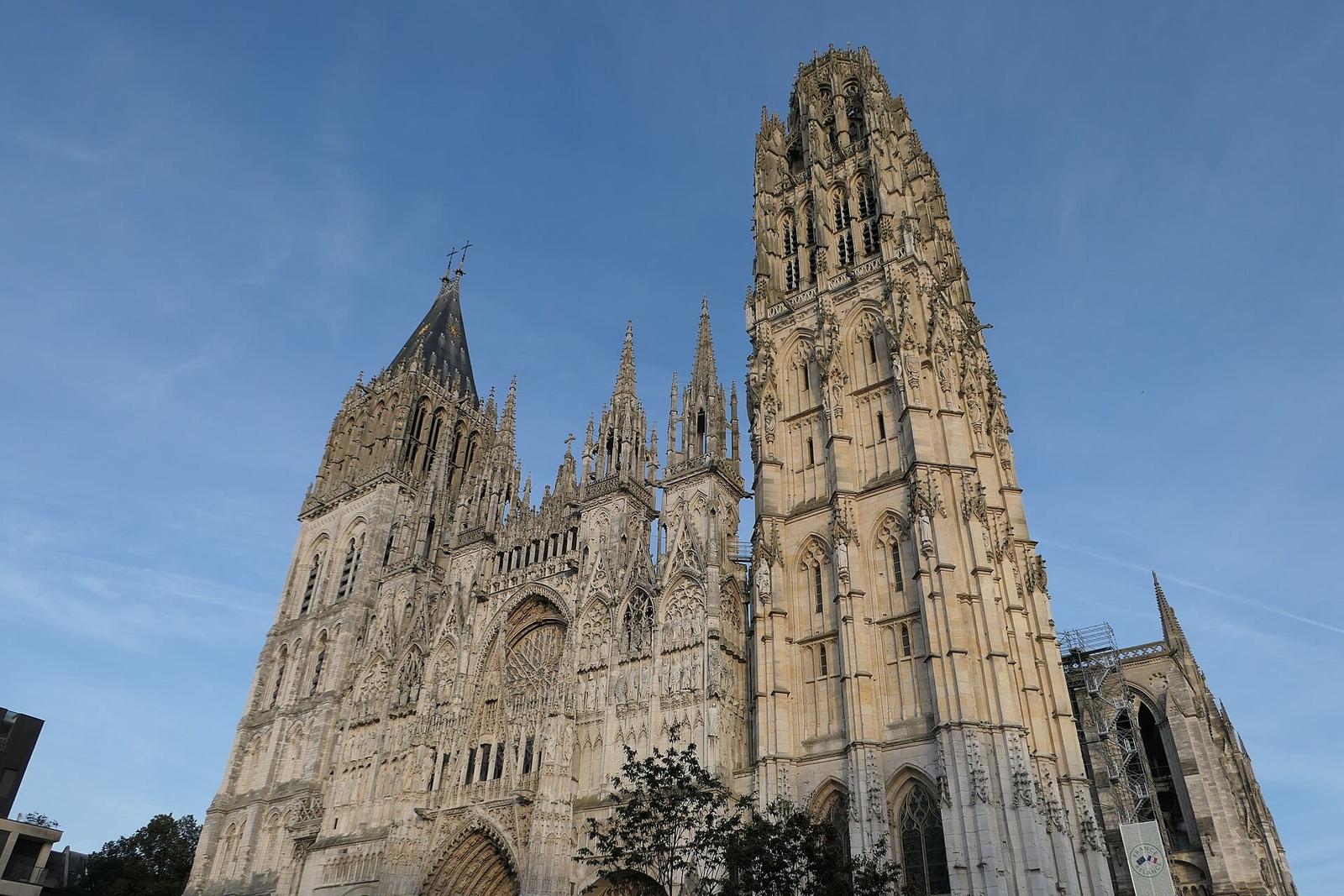
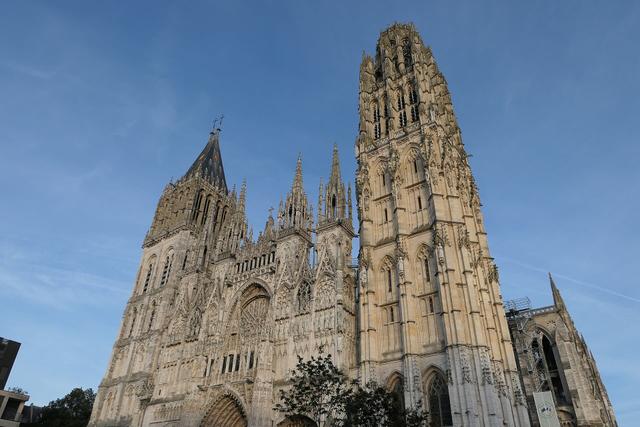
Rollo died around 932. He was buried in Rouen, as was his son William Longsword, murdered in 942. Their effigies now lie in Notre-Dame Cathedral, which did not look like this in their day: the Gothic building was begun in the late 12th century, and the oldest part, Archbishop Maurille's crypt, dates from 1063. The tombs were therefore remade and moved.
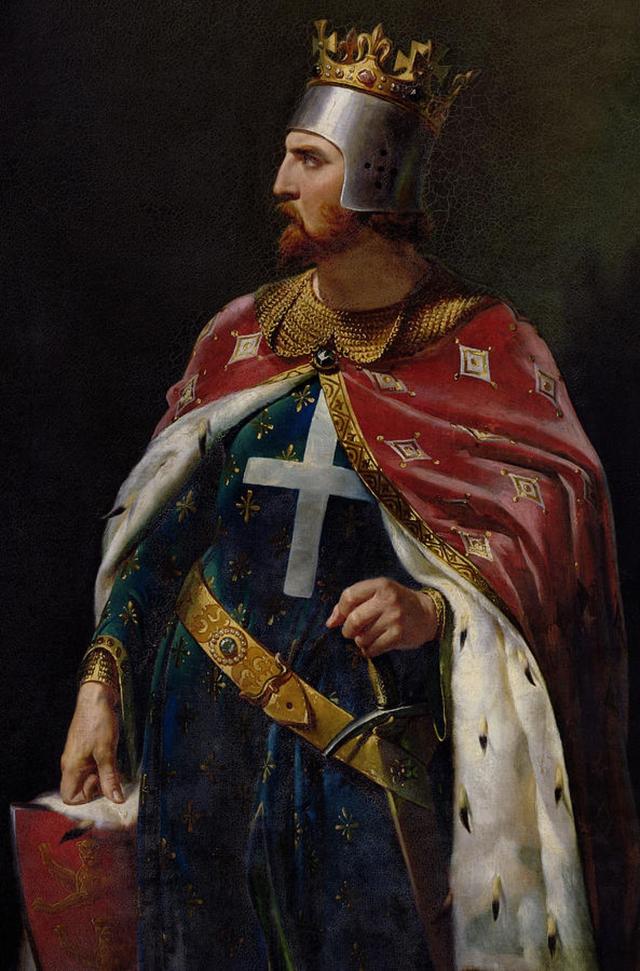
The same cathedral holds the heart of Richard the Lionheart, who died in 1199, and his elder brother Henry the Young King: by then the Dukes of Normandy were also Kings of England.
Practical information: admission is free. A guided tour takes place on Saturdays and Sundays at 2.30 pm, with no need to book. The spire is under restoration until 2028: the scaffolding can be seen from afar, but the cathedral stays open. See also: Rouen Cathedral, Things to do in Rouen
The Dukes of Normandy: Fécamp, the first sanctuary
Rollo's successors first held the title of Count of Rouen, then that of Duke. Richard I, Rollo's grandson, born in Fécamp, built a collegiate church there in 990. His son Richard II handed it over to monks in 1001, under Abbot William of Volpiano. Fécamp became the dynasty's great sanctuary, before Rouen and Caen.
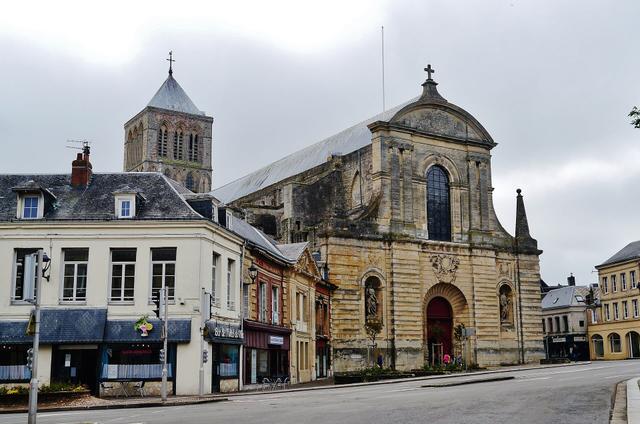
The present abbey church, 127 metres long, is mostly Gothic. The tomb of Richard I and Richard II is in the south transept.
A true story: in 2016, researchers opened the two dukes' lead coffers for DNA analysis. Carbon dating showed that neither skeleton could be theirs. The abbey church is free to enter every day. See also: Holy Trinity Abbey Church, Fécamp
William the Conqueror: from Falaise to Caen
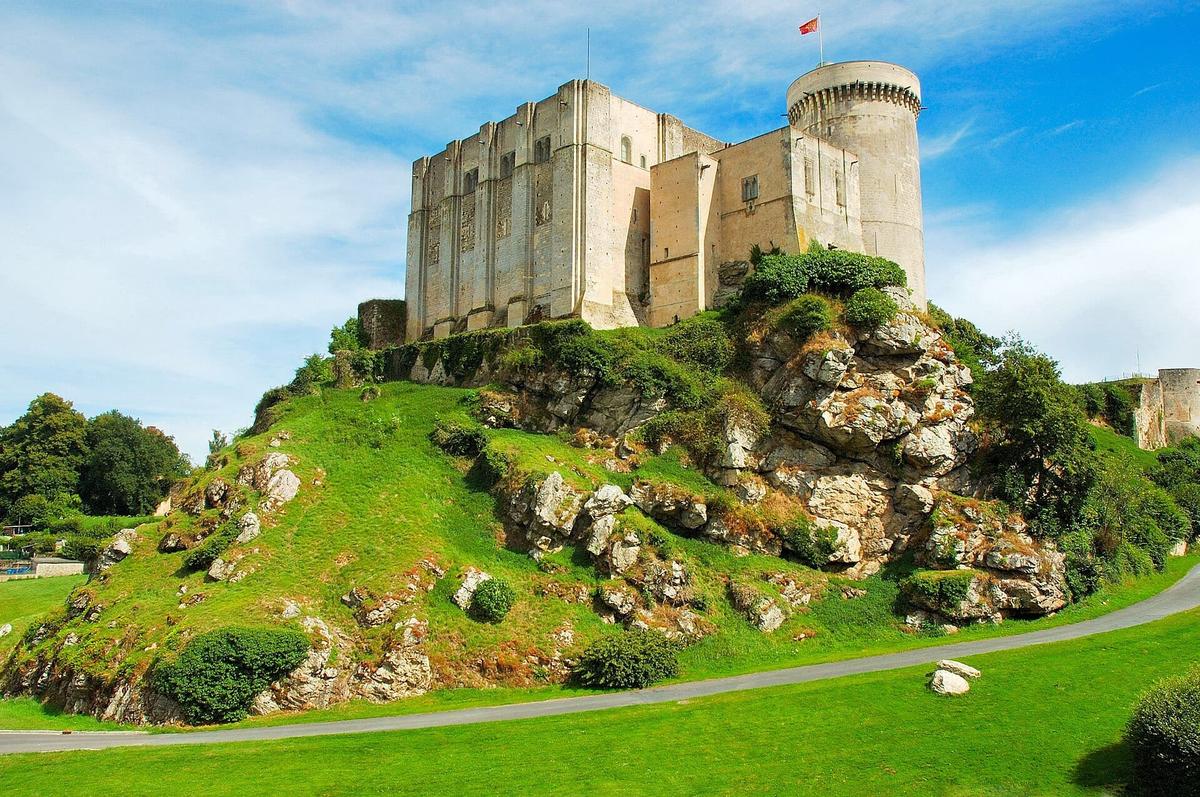
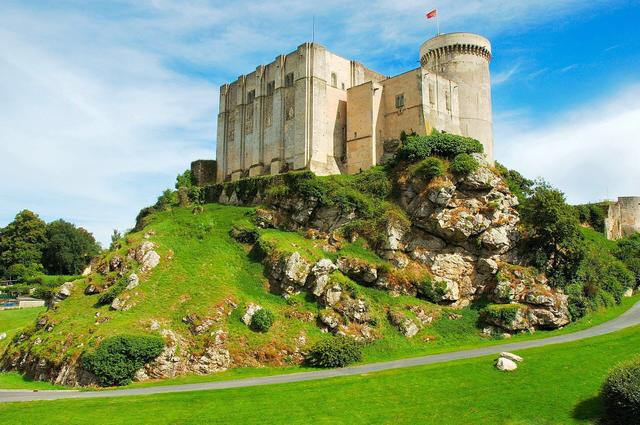
William was born around 1027 at Falaise Castle. He was the son of Duke Robert the Magnificent and Herleva (Arlette), a local girl. According to tradition, Robert caught sight of her from a castle window as she was washing linen in the river. Born out of wedlock, the child was long known as "the Bastard".
Robert died in 1035 on his way back from a pilgrimage to Jerusalem. William was about eight. His childhood was a string of plots and murders among those around him; he only took control in 1047, at the Battle of Val-ès-Dunes near Caen, with help from the King of France.
Falaise today: the keeps you see are later (1123 for the great keep), but the rock is the one the dukes knew. Admission costs €9.50, and a tablet recreates the 12th-century rooms. The castle is closed from 4 January 2027 to 20 February 2027. In 2027, the thousandth anniversary of William's birth will draw bigger crowds than usual. See also: Falaise Castle (William the Conqueror's Castle), William the Conqueror
William and Matilda: a forbidden marriage, two abbeys in Caen
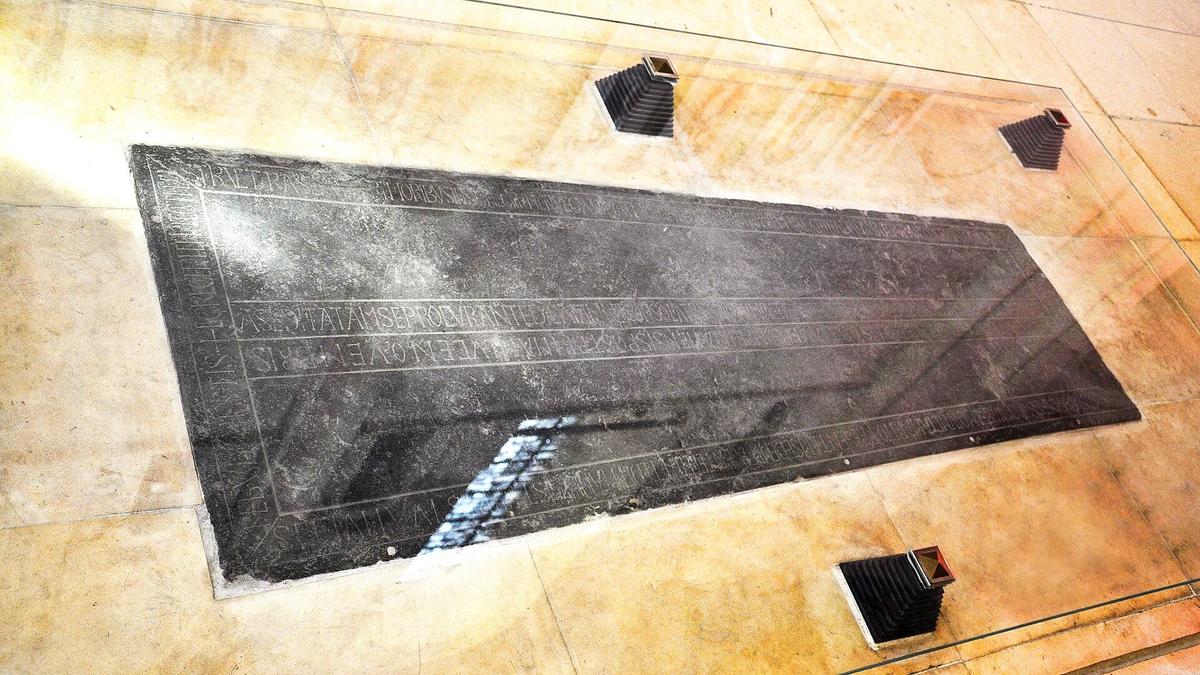
Around 1050, William married Matilda, daughter of the Count of Flanders. A legend told by later chroniclers has it that she first refused to marry a bastard, and that William dragged her by her plaits. The Pope, for his part, condemned the marriage because the couple were related. According to tradition, the two abbeys in Caen were the price of forgiveness: William founded the Abbaye aux Hommes (Men's Abbey) and Matilda the Abbaye aux Dames (Ladies' Abbey), at opposite ends of the town, with the castle in between.
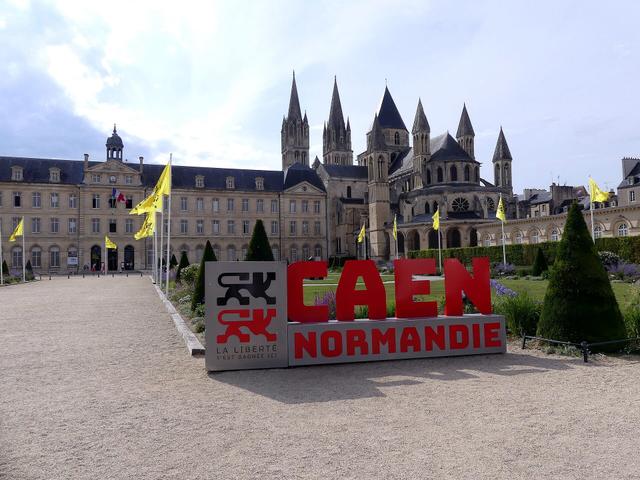
The Abbaye aux Hommes: the church of Saint-Étienne was built from 1065 to 1083. William's tomb is in the choir, a plain slab of white marble. It holds almost nothing: in 1562, during the Wars of Religion, Protestants scattered the bones, and only a thighbone was saved. Admission €6, one-hour guided tour €9. See also: Abbaye aux Hommes (Men's Abbey)
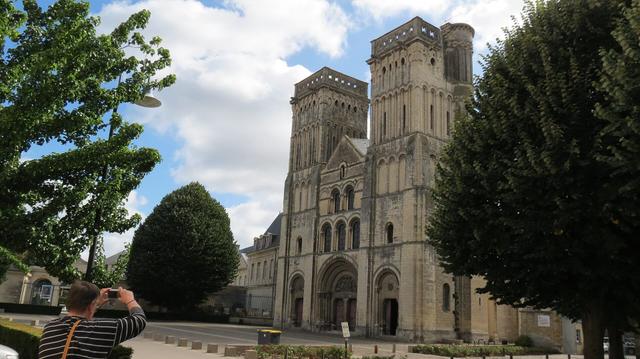
The Abbaye aux Dames: the church of La Trinité was consecrated in 1066, the year of Hastings. Matilda, regent of Normandy while William ruled England, was buried there in 1083, under a black marble slab in the choir. The church is free; the guided tour (€5) runs every day at 2.30 pm and 4 pm and opens up the Romanesque crypt. See also: Abbaye aux Dames (Women's Abbey), Matilda of Flanders
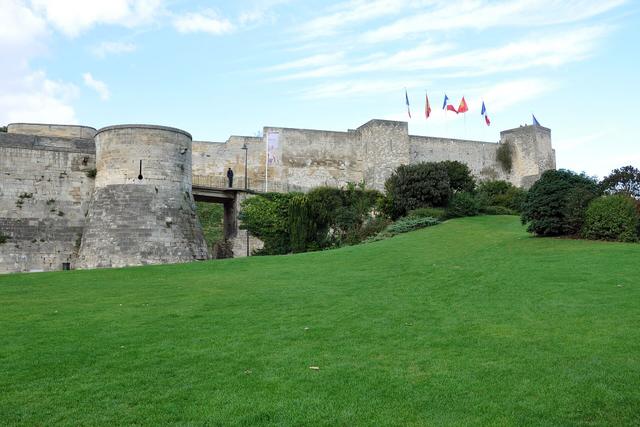
Caen Castle: William founded it around 1060. You can walk the ramparts freely; inside are the Exchequer Hall and the Musée de Normandie. See also: Caen Castle (Château de Caen), Things to do in Caen
Our tip: for a "William and Matilda" day, do the Abbaye aux Dames at 2.30 pm, walk to the castle next, and finish at the Abbaye aux Hommes. In the morning, Falaise is a 40-minute drive away.
1066: the conquest of England
In January 1066, King Edward the Confessor of England died without children. William claimed that Edward had promised him the throne, and that Harold, the English earl who had himself crowned, had sworn an oath of loyalty to him. He gathered a fleet at the mouth of the Dives, waited all summer for a favourable wind, then crossed from Saint-Valery-sur-Somme at the end of September.
On 14 October 1066, near Hastings, Harold was killed and his army defeated. William was crowned at Westminster Abbey on Christmas Day 1066. He returned to Normandy in 1067 and attended the dedication of the abbey church at Jumièges, in 1067.
He died in Rouen on 9 September 1087, after being wounded on a campaign in the Vexin. His funeral in Caen went badly: the chronicler Orderic Vitalis tells how the body, too large for the sarcophagus, burst when they tried to force it in.
Where is the Bayeux Tapestry now?
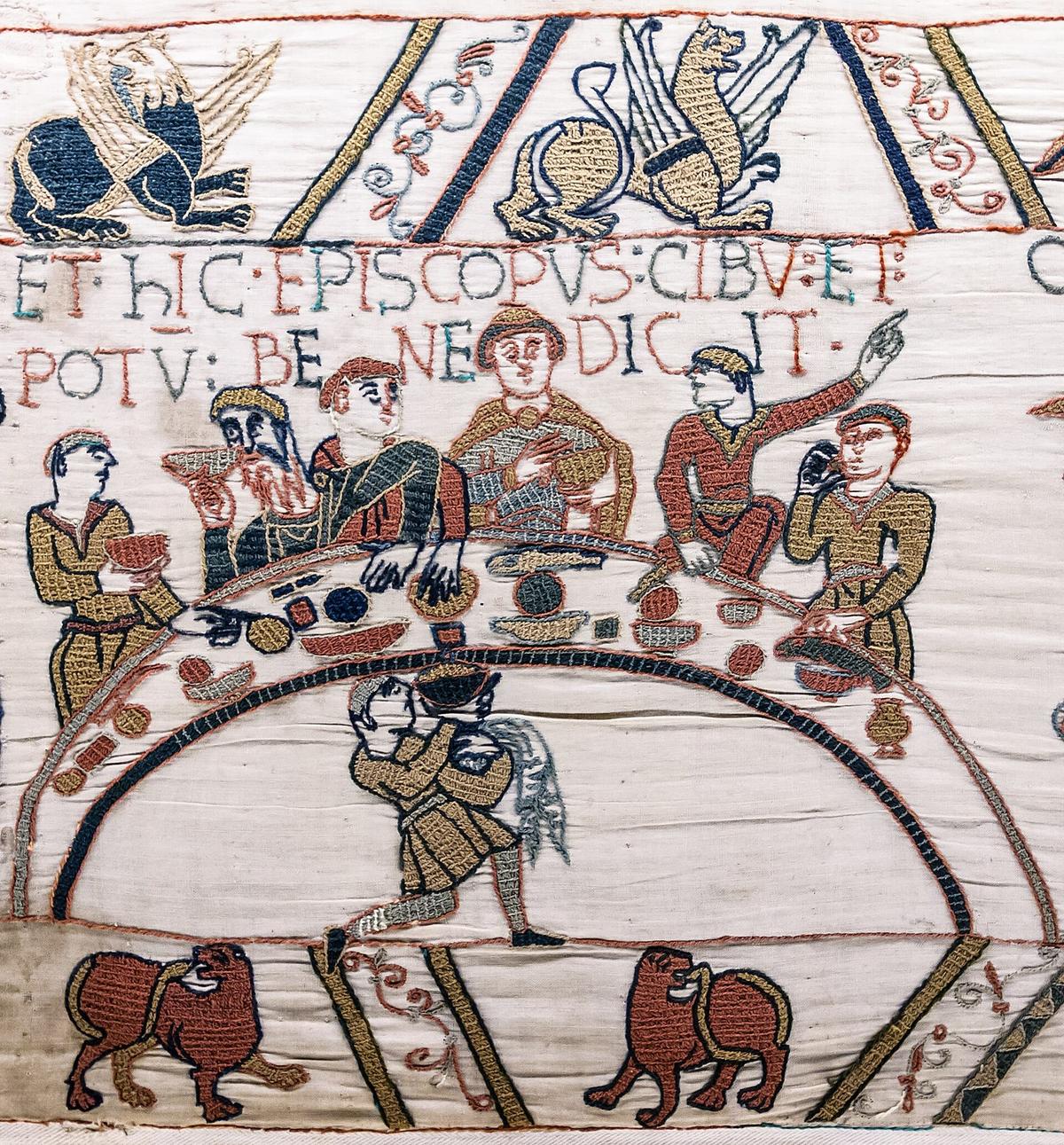
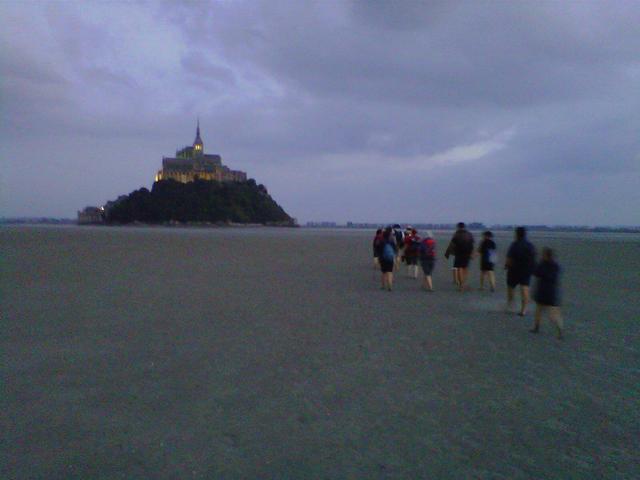
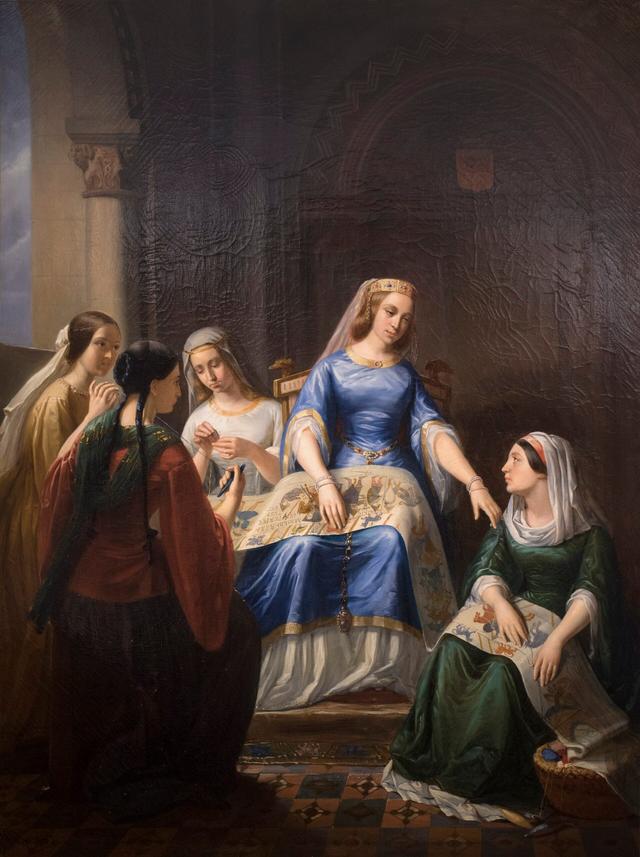
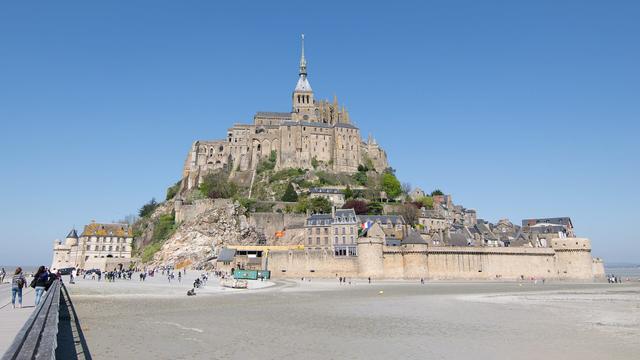
The Tapestry tells the story of the conquest, from Harold's oath to the Battle of Hastings, over 68.38 metres in length and 50 cm in height. It is in fact wool embroidery on linen. It was probably commissioned by Odo, Bishop of Bayeux and William's half-brother, for the cathedral consecrated in 1077. One scene shows Harold pulling soldiers out of quicksand below Mont-Saint-Michel, during a campaign in Brittany alongside William. See also: Mont-Saint-Michel
It is not in Bayeux at the moment. The Tapestry museum closed on 31 August 2025 for about two years of works. Meanwhile, the Tapestry is on show at the British Museum in London, from 10 September 2026 to 11 July 2027. Tickets are released in batches and go quickly. Its return to Bayeux is planned for the opening of the new museum in October 2027, with no exact date so far.
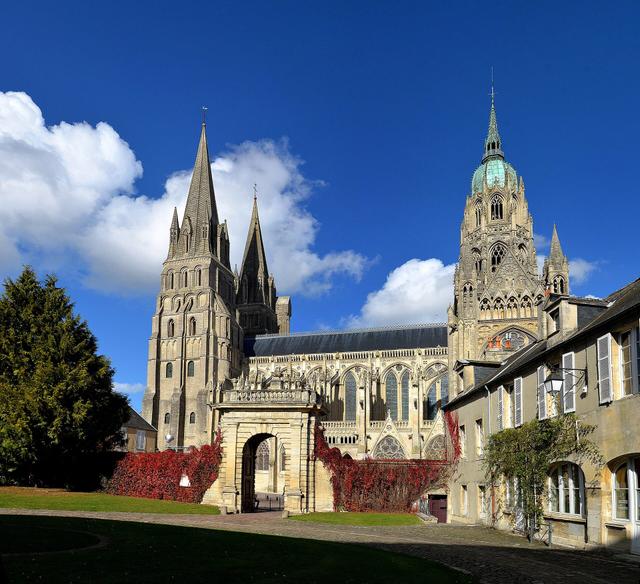
In Bayeux in the meantime: the cathedral, which is free, is the one the Tapestry was made for. The exhibition "De lin et de laine" (Of linen and wool), at the MAHB and the Musée Mémorial until 19 September 2027, tells how it survived the centuries. See also: Bayeux Cathedral, Things to do in Bayeux
Places to visit today
| Place | What you see | Admission |
|---|---|---|
| Rouen Cathedral | Tombs of Rollo and William Longsword | free |
| Jumièges Abbey | Ruins of the abbey church dedicated in 1067 | €7.50 |
| Fécamp abbey church | Tomb of Dukes Richard I and Richard II | free |
| Falaise Castle | William's birthplace rock, keeps | €9.50 |
| Abbaye aux Hommes, Caen | William's tomb | €6 |
| Abbaye aux Dames, Caen | Matilda's tomb, crypt | free (guided tour €5) |
| Bayeux Cathedral | Odo's cathedral, consecrated in 1077 | free |
Full adult prices, taken from the official websites.
How to plan your visit: by car, spend one day on the Seine side (Rouen in the morning, Jumièges and Saint-Wandrille in the afternoon, Fécamp on the coast as an option) and one day on the Calvados side (Falaise in the morning, Caen in the afternoon, Bayeux in the evening or the next day). Without a car, Rouen, Caen and Bayeux have railway stations; Jumièges is reached by coach (line 530), and Falaise by coach from Caen. See also: Normandy in 3 days, Normandy without a car, Normandy
Guided tours and where to stay
For the history of the dukes, a guided tour of Rouen or an excursion to the Seine abbeys adds what the information panels leave out.
Partner links: if you book through these links, we earn a commission at no extra cost to you. Partner links · Learn more
For the Seine side, stay in Rouen: the city has the widest choice, and the cathedral is a few minutes' walk from most hotels in the centre.
For the Calvados side, Caen is the best base: Falaise, Bayeux and the abbeys are all less than an hour away.
FAQ
Where is Rollo buried?
In Notre-Dame Cathedral in Rouen, with his son William Longsword. The present effigies were made long after his death, around 932.
What did the Treaty of Saint-Clair-sur-Epte say?
In 911, King Charles the Simple granted Rollo the area around Rouen as far as the sea. In return, Rollo was baptised and defended the Seine. No original text survives.
Where was William the Conqueror born?
At Falaise Castle, in Calvados, around 1027.
Where are William the Conqueror and Matilda buried?
In Caen: William in the Abbaye aux Hommes, in the church of Saint-Étienne, and Matilda in the Abbaye aux Dames, in the church of La Trinité.
Can you see the Bayeux Tapestry at the moment?
Not in Bayeux. It is on show at the British Museum in London until 11 July 2027, and is then due to return to the new museum in Bayeux, planned for October 2027.
Are there any Viking remains in Normandy?
Very few, because the Vikings built in wood. The traces are mainly in place names ("-bec", "-tot", "-fleur") and in the abbeys rebuilt by the dukes, such as Jumièges and Fécamp.
Tickets to book online
Partner links: if you book through these links, we earn a commission at no extra cost to you. Partner links · Learn more
Monuments in this article
Related guides