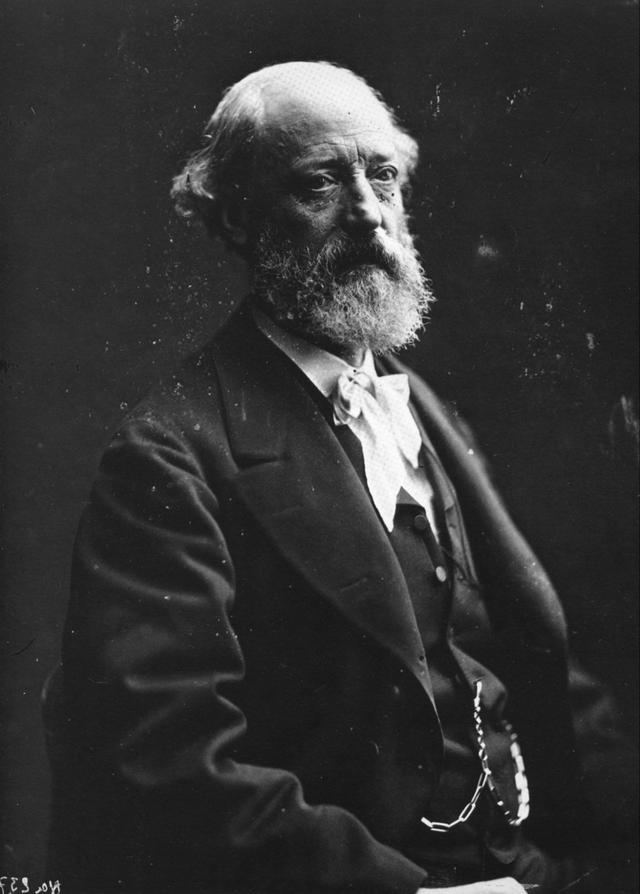
Du Guesclin, the minor Breton nobleman buried among kings
- Born
- c. 1320
- Died
- 13 July 1380
- Active years
- 1364 – 1380
- Family
- Artists, saints and favourites
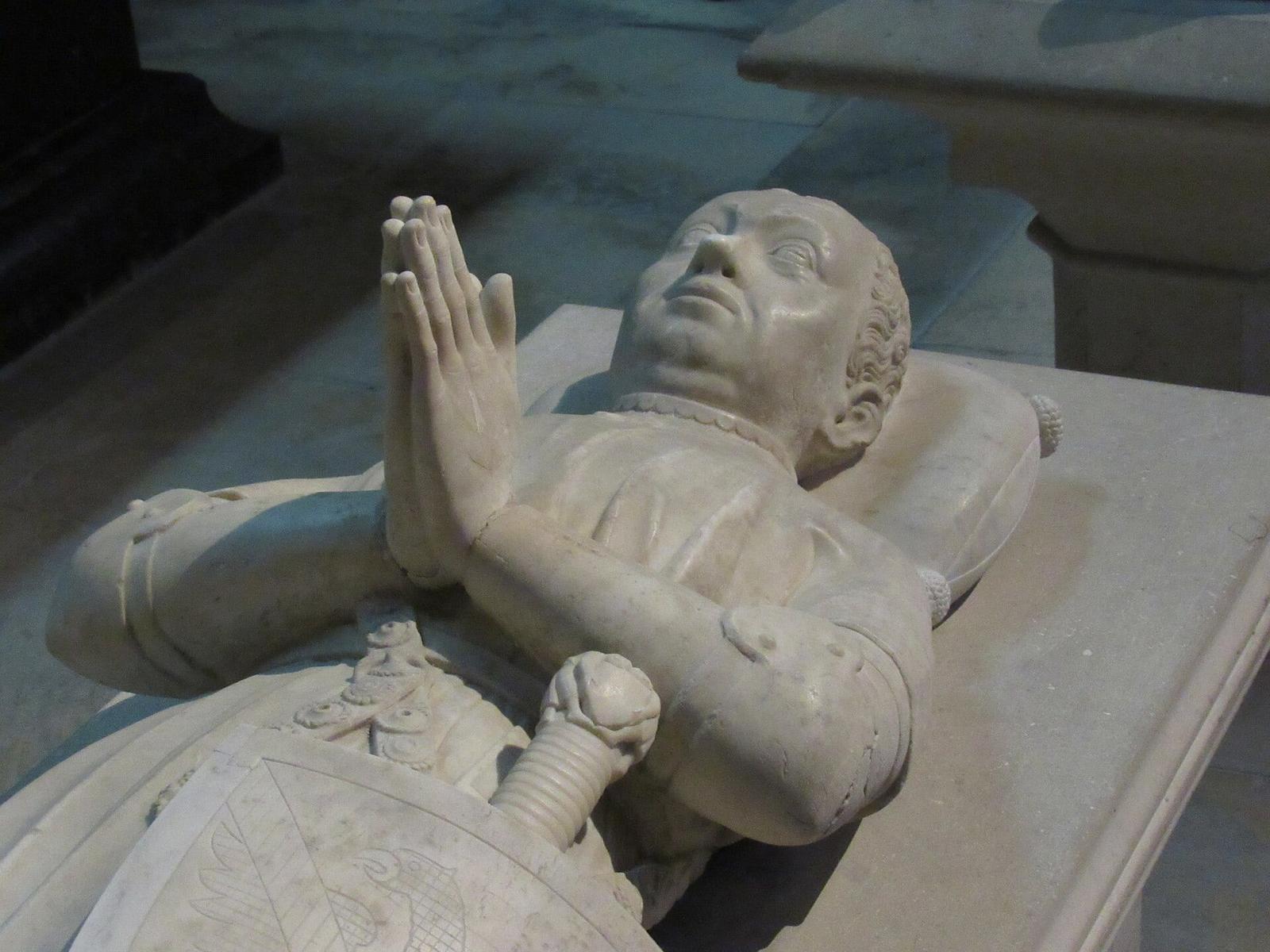
The eldest son of a minor lord from near Dinan, Bertrand du Guesclin had neither wealth nor good looks, if his biographer is to be believed. He became the commander of Charles V's armies, was taken prisoner twice and ransomed for a fortune, and won back much of the land lost to the English. When he died, the king had him buried at Saint-Denis, next to his own tomb.
Du Guesclin in dates
| Date | Event |
|---|---|
| c. 1320 | Born at the château of La Motte-Broons, near Dinan |
| 1363 | Marries Tiphaine Raguenel |
| 16 May 1364 | Victory at Cocherel, in Normandy |
| 29 September 1364 | Taken prisoner at the battle of Auray; ransomed by Charles V |
| 1366 | Leads the Great Companies into Castile |
| 1367 | Taken prisoner again, at Nájera; ransomed again |
| 2 October 1370 | Made Constable of France |
| 1379 | Besieges Fort La Latte, in Brittany |
| 13 July 1380 | Dies outside Châteauneuf-de-Randon, in the Gévaudan |
The mastiff of Brocéliande
Bertrand du Guesclin was born around 1320 at the château of La Motte-Broons, about thirty kilometres from Dinan. People of his time described him as stocky, ugly and quick to fight. He made his name during the War of the Breton Succession, on the side of Charles of Blois, leading small bands that relied on tricks and ambushes more than on the knightly charge.
In the service of Charles V
On 16 May 1364, at Cocherel in Normandy, he defeated the Anglo-Navarrese army of Jean de Grailly. A few months later, at Auray, his side was crushed and he was taken prisoner; King Charles V paid his ransom. He then led the Great Companies, the bands of mercenaries who were ravaging France, to fight in Castile for Henry of Trastámara. Taken prisoner a second time at Nájera in 1367, he was ransomed once more.
On 2 October 1370, Charles V made him Constable of France, the commander of the king's armies. Du Guesclin avoided pitched battles, harried the English and took their strongholds one by one in Poitou, Saintonge and Normandy.
Mont-Saint-Michel and Tiphaine's house
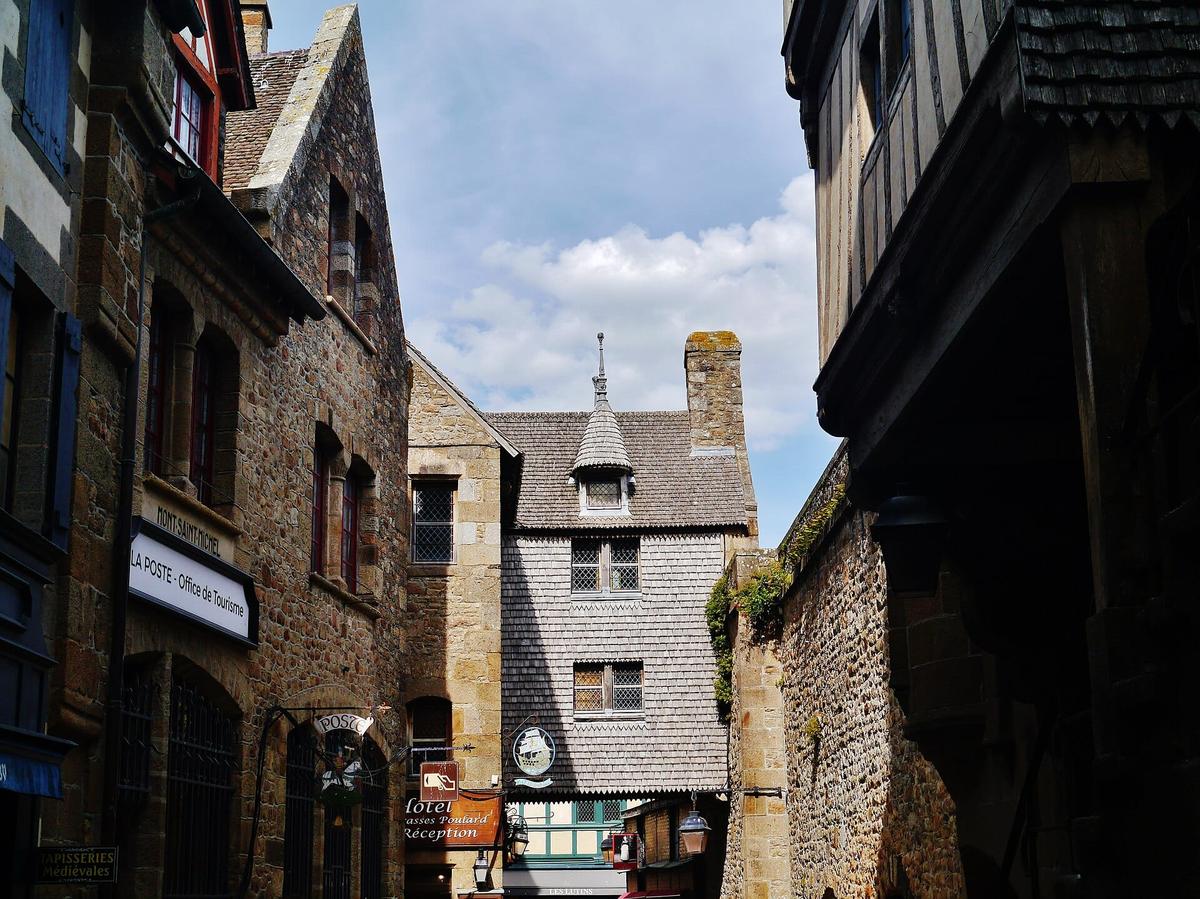
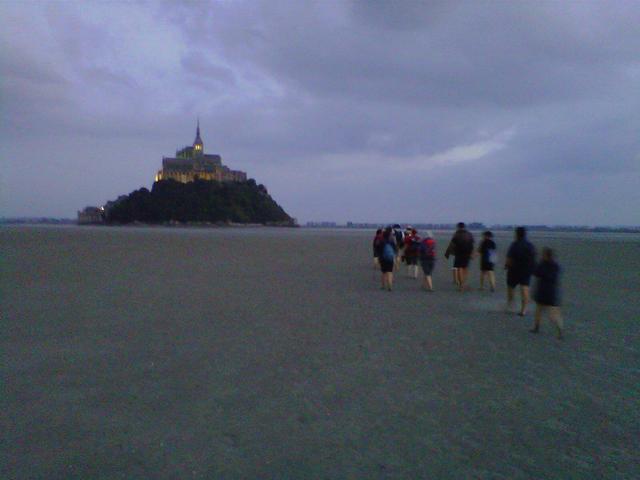
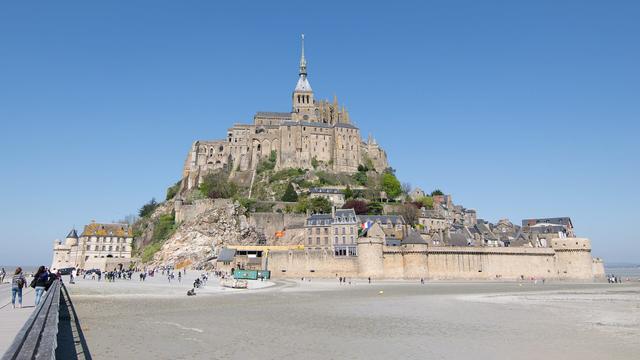
As captain of Pontorson, Du Guesclin settled his wife, Tiphaine Raguenel, at Mont-Saint-Michel, where she was safe while he was on campaign. She lived in a house that still bears her name, the Logis Tiphaine. Tiphaine was known for her learning, particularly in astrology. See also: Mont-Saint-Michel
What to see: at Mont-Saint-Michel, the Logis Tiphaine, a small museum on the Grande Rue, then the abbey at the top.
Fort La Latte, 1379
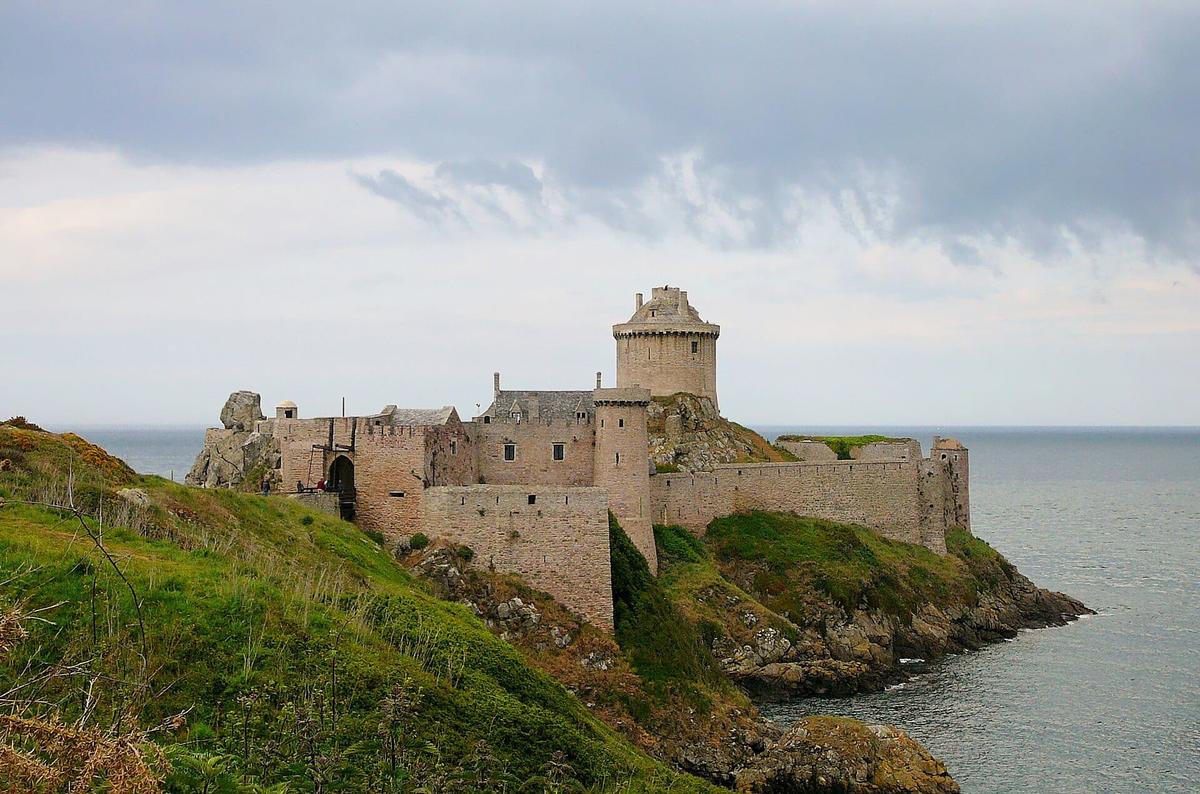
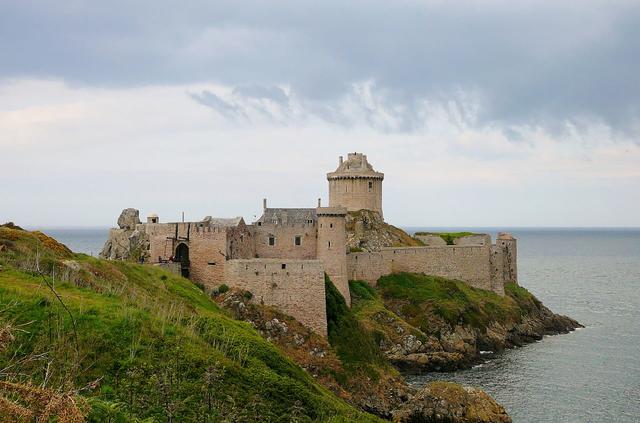
In 1379 Charles V set out to annex Brittany. The Bretons called back their duke, John IV, who was in exile in England. Du Guesclin, a Breton serving the king of France, found himself in an awkward position. That year he besieged Fort La Latte, the Goyon family's castle on its rocky spur above the sea, near Cap Fréhel. See also: Fort La Latte
What to see: at Fort La Latte, the two drawbridges, the 14th-century keep, the cannonball oven and the view over Cap Fréhel and the Emerald Coast.
Saint-Denis, among the kings
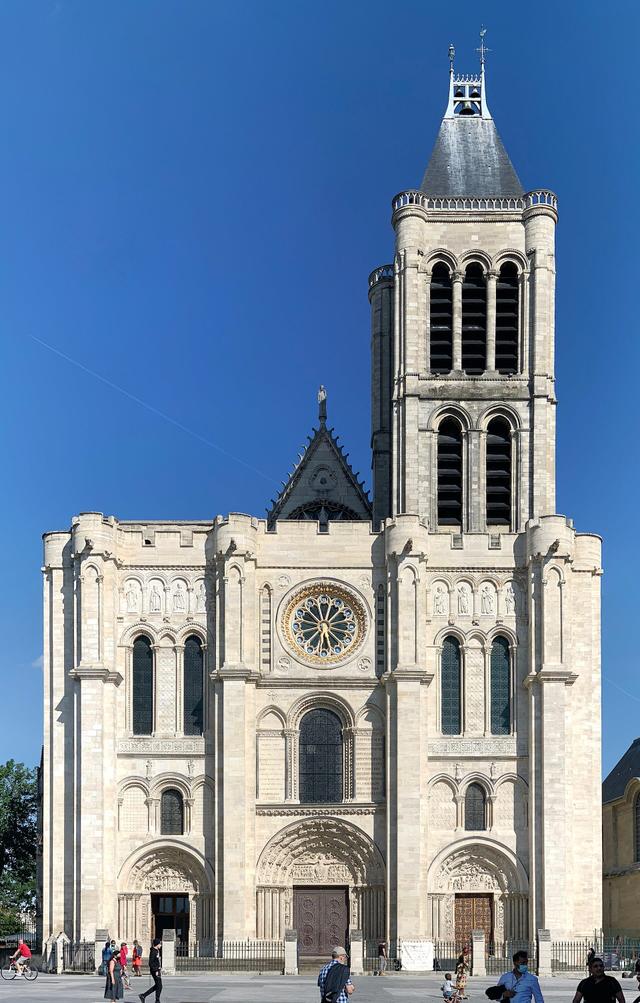
On 13 July 1380, Du Guesclin died of illness during the siege of Châteauneuf-de-Randon, in the Gévaudan. Charles V had him buried in the Basilica of Saint-Denis, the burial place of the kings of France, at the foot of his own tomb. The king died two months later. The constable's heart is kept in Dinan, in the Basilica of Saint-Sauveur. See also: Basilica of Saint-Denis
What to see: at Saint-Denis, Du Guesclin's recumbent effigy; he is one of the few people not of royal blood buried in the basilica.
In his footsteps: Brittany and Saint-Denis
Fort La Latte is on the north coast of Brittany, between Saint-Malo and Saint-Brieuc, a few kilometres from Cap Fréhel. Dinan, where his heart lies, is half an hour from Saint-Malo. Mont-Saint-Michel is less than an hour from Saint-Malo. In Paris, the Basilica of Saint-Denis is on metro line 13. See also: Saint-Malo Ramparts
Partner links: if you book through these links, we earn a commission at no extra cost to you. Partner links · Learn more
Guided tours and day trips on GetYourGuide
Places to stay near Saint-Malo
FAQ
Who was Bertrand du Guesclin?
A Breton knight, born around 1320, who became Constable of France in 1370, in other words commander of King Charles V's armies during the Hundred Years' War.
Where is Du Guesclin buried?
His body lies in the Basilica of Saint-Denis, near the kings of France. His heart is in Dinan, in the Basilica of Saint-Sauveur.
What is the Logis Tiphaine?
The house at Mont-Saint-Michel where Tiphaine Raguenel, Du Guesclin's wife, lived. It is now a small museum.
Did Du Guesclin attack Fort La Latte?
Yes, he besieged the castle in 1379, when Charles V was trying to annex Brittany.
How many times was Du Guesclin taken prisoner?
Twice, at Auray in 1364 and at Nájera in 1367. King Charles V paid his ransoms.
Sources: fr.wikipedia.org (Bertrand Du Guesclin)
Tickets to book online
Partner links: if you book through these links, we earn a commission at no extra cost to you. Partner links · Learn more
Places to visit
Related guides