Saint Louis, the king of the Sainte-Chapelle
- Born
- 25 April 1214
- Died
- 25 August 1270
- Reign
- 1226 – 1270
- Family
- Direct Capetians
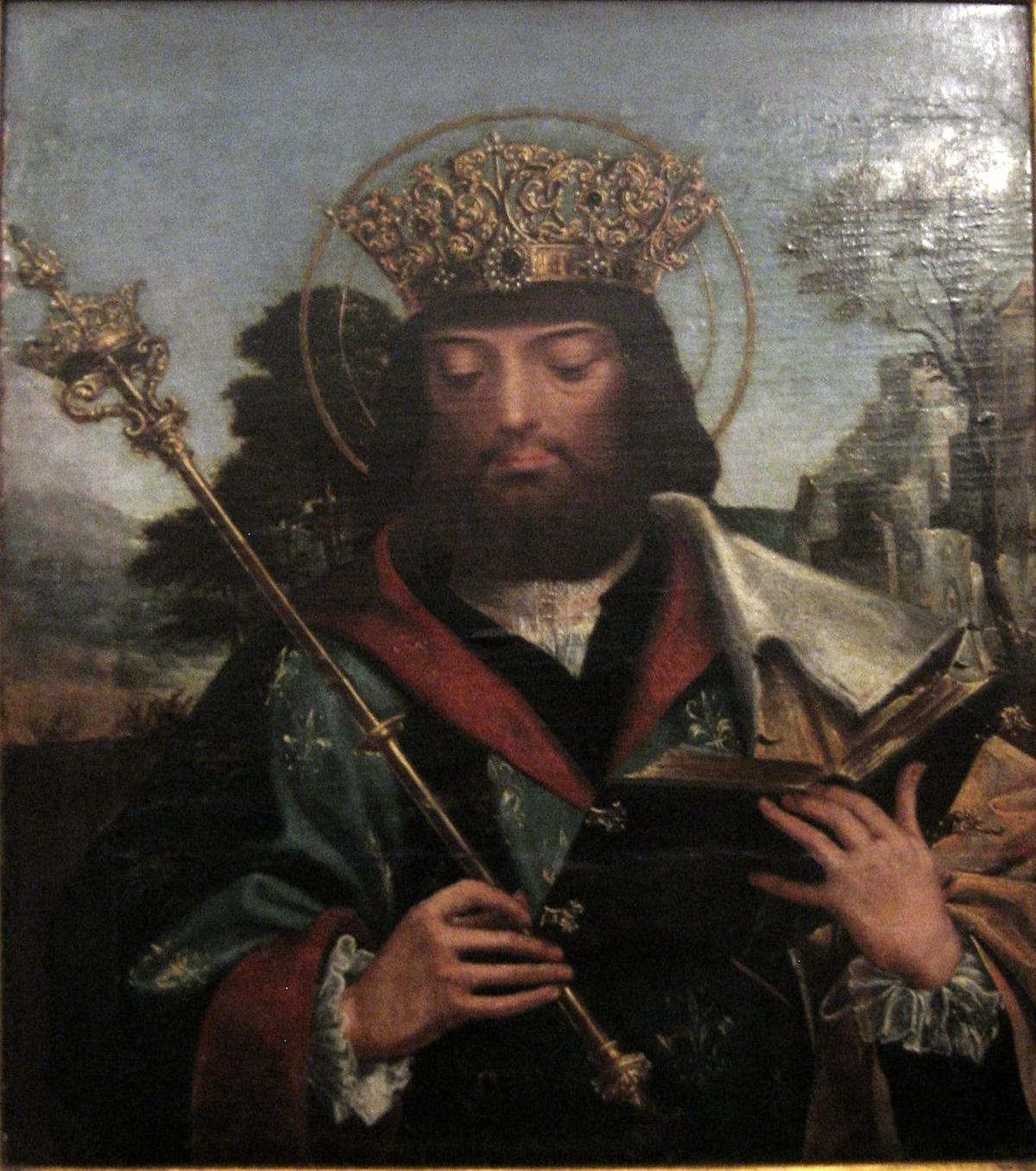
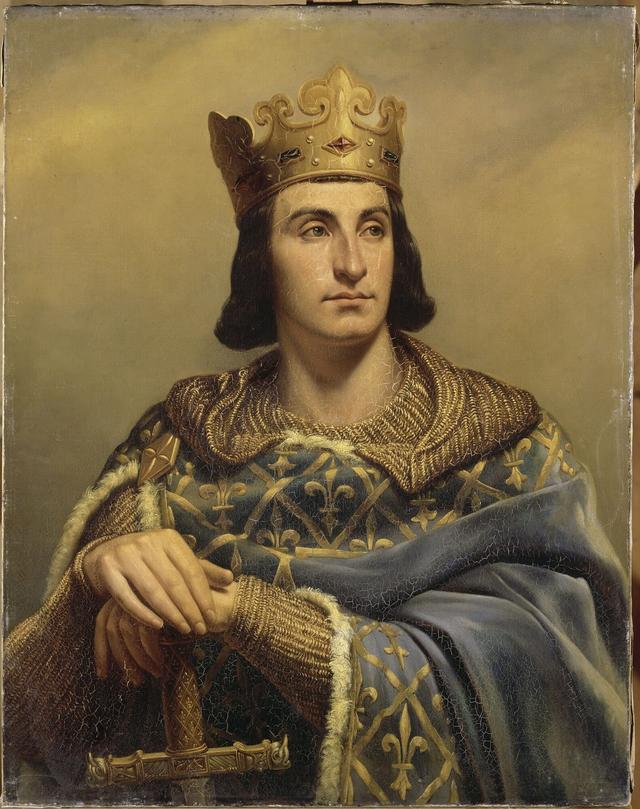
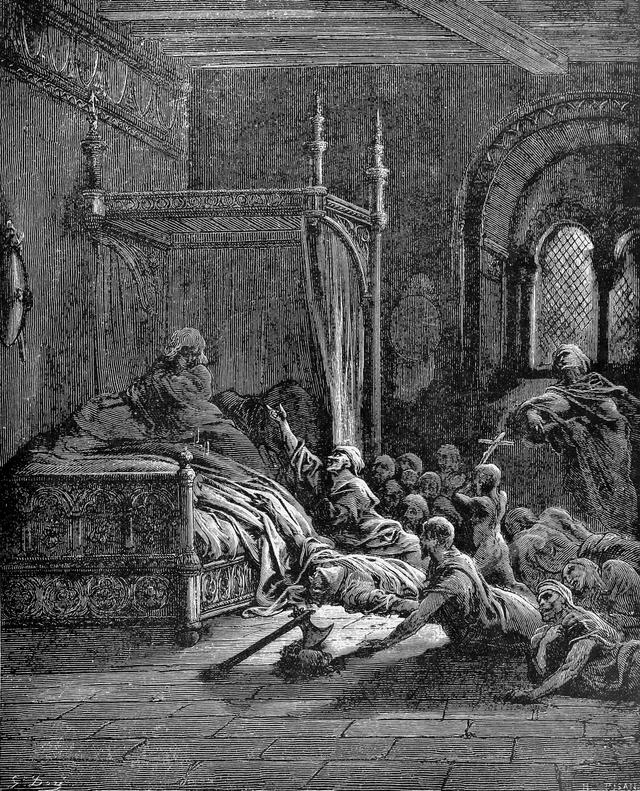
He dispensed justice under an oak tree, washed the feet of the poor, paid a fortune for a crown of thorns and built a chapel of glass to hold it. He also went on crusade twice, was taken prisoner in Egypt and died of disease outside Tunis. Twenty-seven years later, the Church made Louis IX a saint, the only king of France ever canonised.
Saint Louis in dates
| Date | Event |
|---|---|
| 25 April 1214 | Born at Poissy, son of Louis VIII and Blanche of Castile |
| 1226 | Becomes king at twelve; his mother, Blanche of Castile, governs |
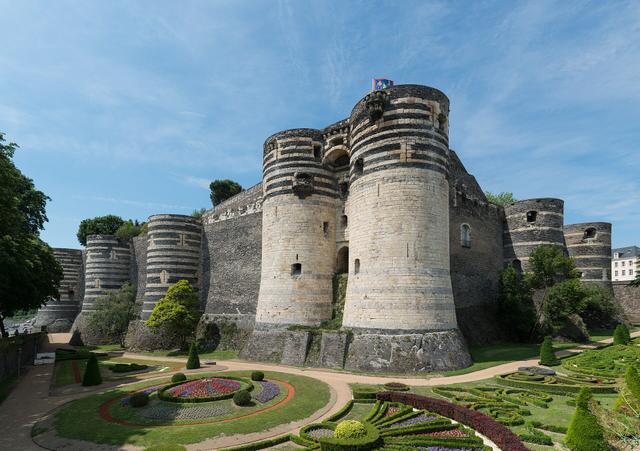
| c. 1230-1242 | Blanche of Castile has the Château d'Angers built |
| 1234 | Marries Margaret of Provence |
| 1239 | Buys the Crown of Thorns from the Latin Emperor of Constantinople |
| 1248 | Consecration of the Sainte-Chapelle; leaves on the Seventh Crusade |
| 1250 | Taken prisoner in Egypt, released for a ransom |
| 1254 | Returns to France |
| 1260s | Has effigies of his predecessors carved at Saint-Denis |
| 25 August 1270 | Dies outside Tunis, during the Eighth Crusade |
| 1297 | Canonised by Pope Boniface VIII |
Son of Blanche of Castile
Louis was twelve when his father, Louis VIII, died in 1226. His mother, Blanche of Castile, a granddaughter of Eleanor of Aquitaine, governed with a firm hand and brought the rebel barons to heel. To hold Anjou against Brittany, around 1230 she had the great fortress of Angers built, with its 17 towers of schist and limestone. See also: Château d'Angers, Eleanor of Aquitaine
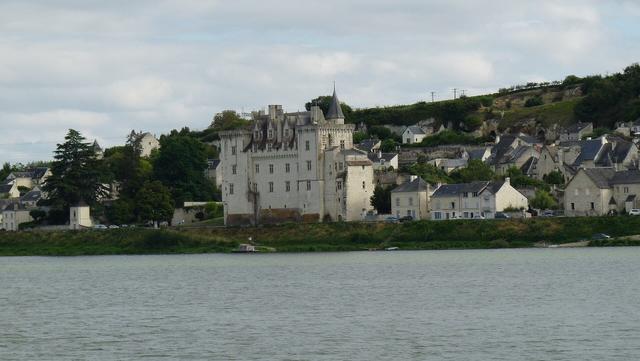
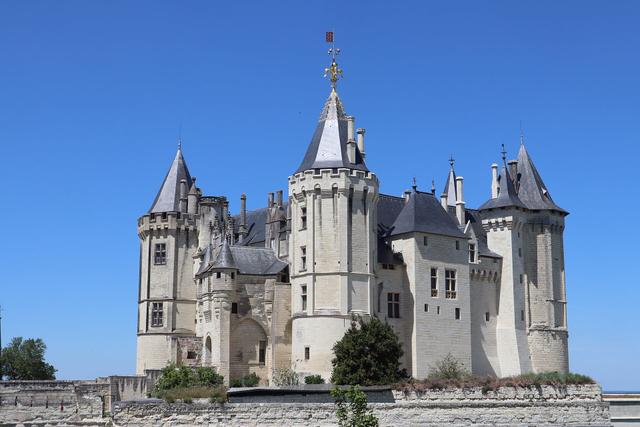
Saumur, conquered by his grandfather Philip Augustus, also became a royal fortress. See also: Château de Saumur, Philip Augustus
What to see: at Angers, the curtain wall with its seventeen towers and the wall walk, then the Apocalypse Tapestry.
The Sainte-Chapelle, a reliquary of glass
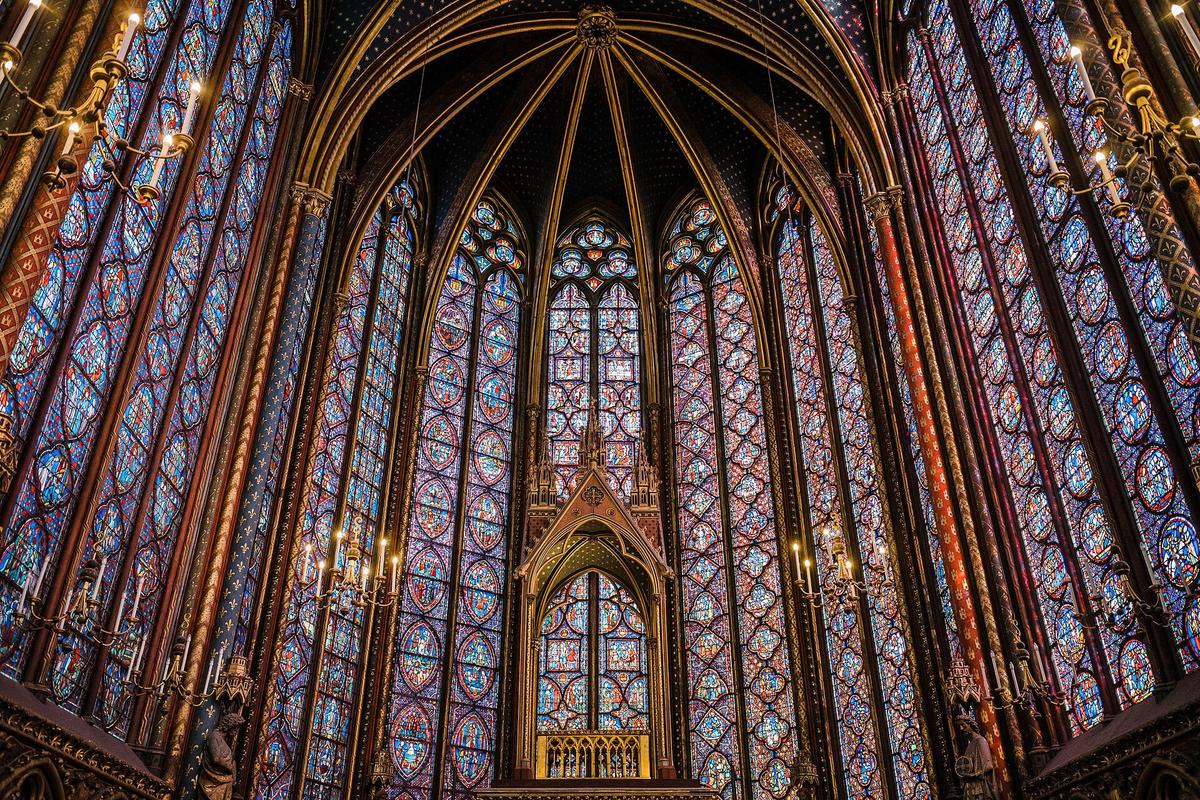
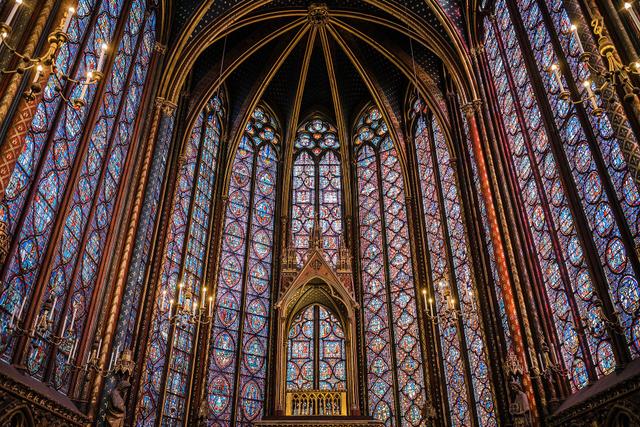
Louis IX was a deeply pious king. In 1239, he bought the Crown of Thorns of Christ from the Latin Emperor of Constantinople, for 135,000 livres tournois. To house it, he had a two-level chapel built in his palace on the Île de la Cité. In the upper chapel, fifteen stained-glass windows take the place of almost all the walls. It was consecrated in 1248, just as the king was leaving on crusade. See also: Sainte-Chapelle
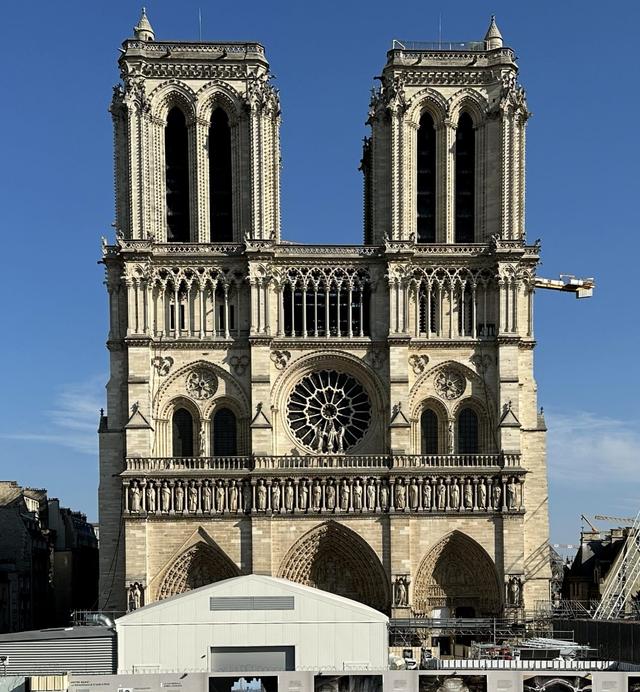
The Crown of Thorns is no longer there: it is kept in the treasury of Notre-Dame de Paris.
What to see: the upper chapel on a sunny day, the windows showing the king carrying the crown, and the lower chapel with its vaults scattered with fleurs-de-lis and the castles of Castile.
Saint-Denis: the kings in stone
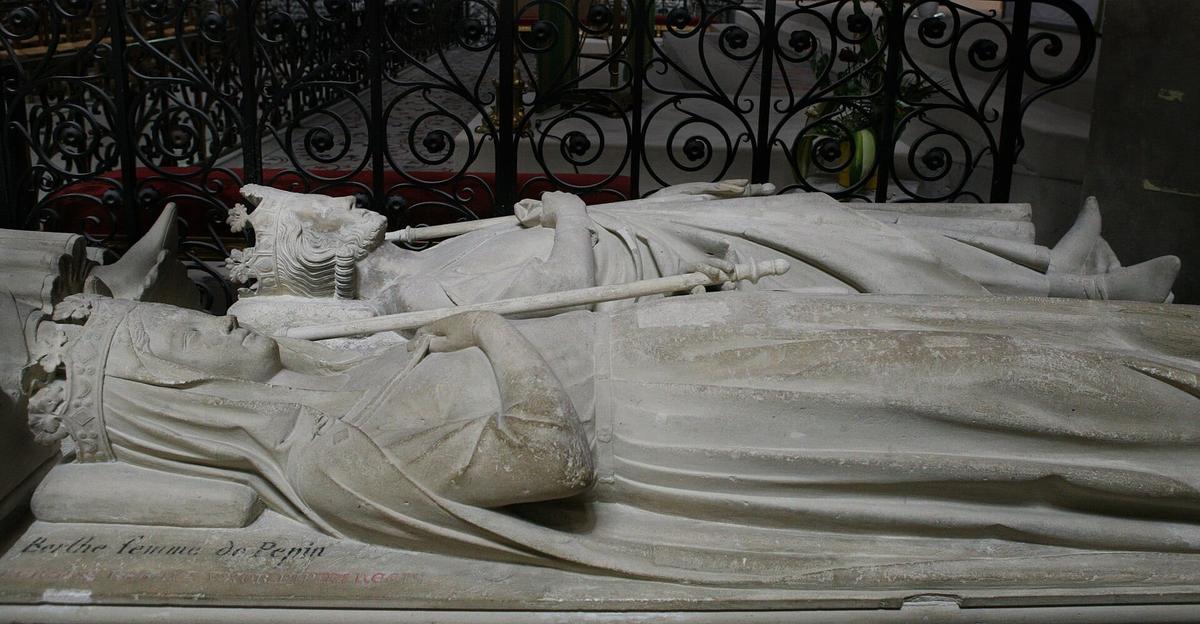
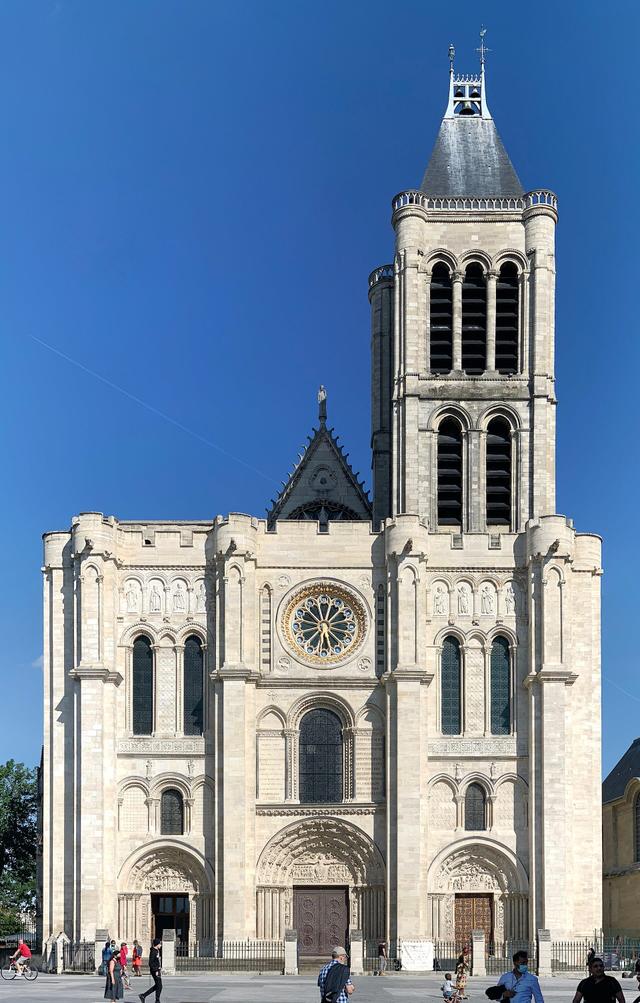
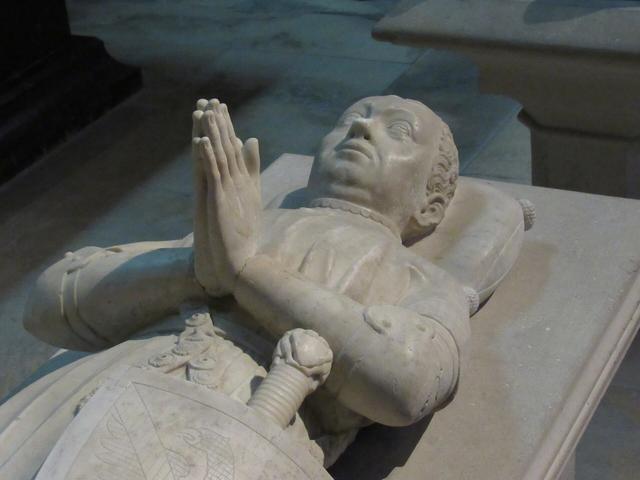
At the Basilica of Saint-Denis, where kings had been buried for centuries, Saint Louis had the royal necropolis reorganised. In the 1260s, he commissioned tomb effigies for his distant predecessors, Merovingian, Carolingian and Capetian, to whom the sculptors gave imagined faces. His own tomb has disappeared. See also: Basilica of Saint-Denis
What to see: the 13th-century effigies commissioned by Saint Louis, including that of Pepin the Short, Abbot Suger's Gothic choir, and the crypt. See also: Abbot Suger
Two crusades
In 1248, Louis IX sailed for Egypt. He took Damietta, but his army was defeated at Mansourah and he was taken prisoner in 1250. Released for a ransom, he stayed four years in the Holy Land. Back in France, tradition says, he dispensed justice himself, seated under an oak tree in the Bois de Vincennes.
In 1270, he set off again, this time for Tunis. The army was struck by an epidemic; the king died outside the city on 25 August. He was canonised in 1297. His name lives on in hundreds of churches and towns, all the way to St. Louis in the United States.
In his footsteps: Paris and Anjou
The Sainte-Chapelle is on the Île de la Cité, Cité metro station; book a time slot, as the queue is long. The Basilica of Saint-Denis is at the end of metro line 13, 100 metres from Basilique de Saint-Denis station. Angers and Saumur can be visited together, 20 minutes apart by train.
Partner links: if you book through these links, we earn a commission at no extra cost to you. Partner links · Learn more
FAQ
Why is Louis IX called Saint Louis?
Because the Church canonised him in 1297, twenty-seven years after his death. He is the only king of France recognised as a saint.
Why did Saint Louis build the Sainte-Chapelle?
To house the Crown of Thorns of Christ and other relics of the Passion, which he had bought from the Latin Emperor of Constantinople.
Where did Saint Louis die?
Outside Tunis, on 25 August 1270, during the Eighth Crusade, struck down by an epidemic.
Where is Saint Louis buried?
His body was brought back to the Basilica of Saint-Denis, but his tomb has disappeared. Some of his remains were scattered as relics.
Who governed during Saint Louis's childhood?
His mother, Blanche of Castile, regent from 1226 until he came of age. She governed again during the Seventh Crusade.
Sources: fr.wikipedia.org (Louis IX), sainte-chapelle.fr
Tickets to book online
Partner links: if you book through these links, we earn a commission at no extra cost to you. Partner links · Learn more
Places to visit
Related guides