Fulk Nerra, the count of a hundred keeps
- Born
- c. 970
- Died
- 21 June 1040
- Reign
- 987 – 1040
- Family
- House of Anjou
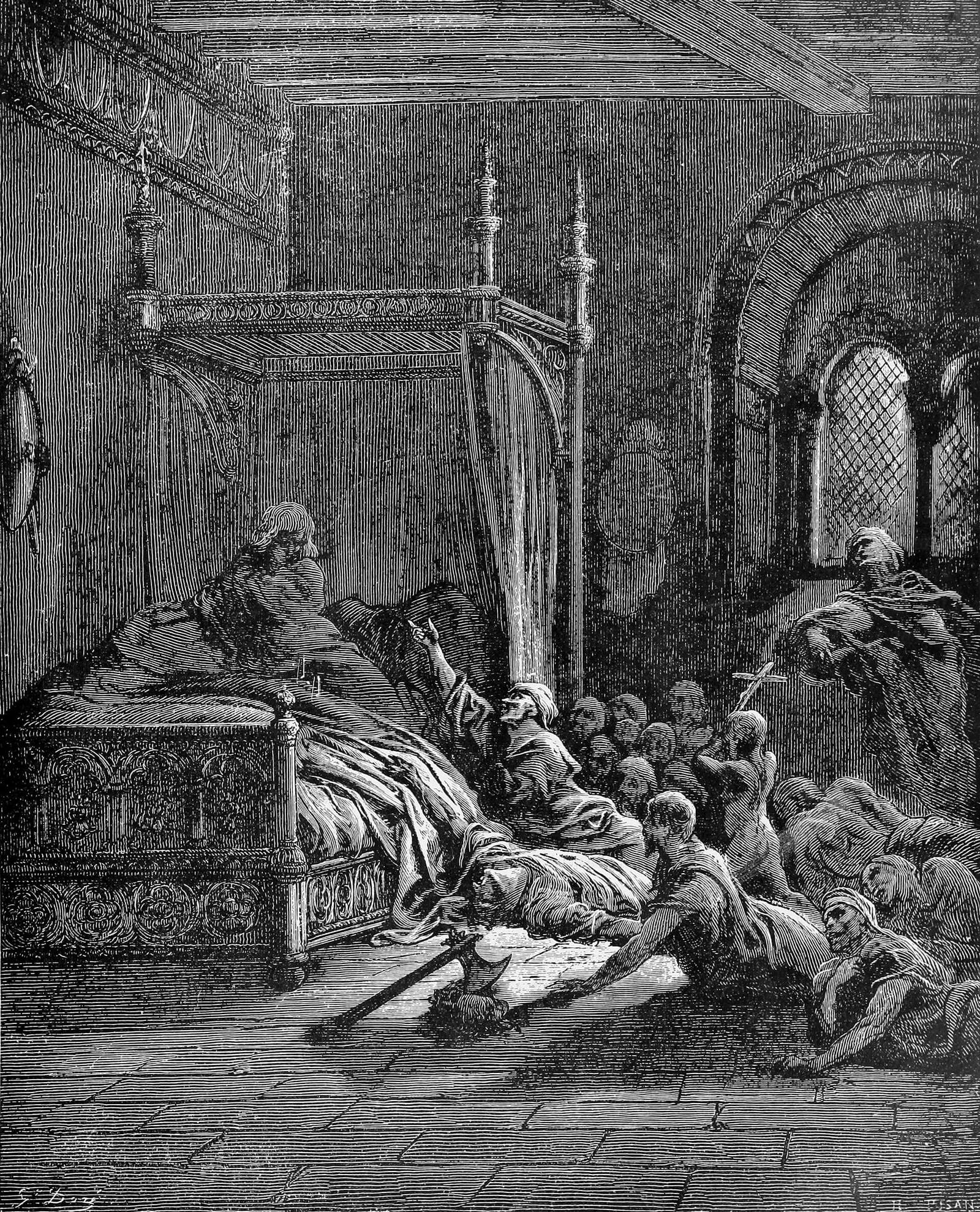
More than a hundred castles, keeps and abbeys are credited to him. Count of Anjou for over fifty years, Fulk the Black spent his life making war on the Count of Blois, repenting of his violence on pilgrimages to Jerusalem, and covering Touraine with stone towers. A thousand years later, several are still standing, starting with the one at Loches.
Fulk Nerra in dates
| Date | Event |
|---|---|
| c. 970 | Born, son of Geoffrey Greymantle, Count of Anjou |
| 987 | Becomes Count of Anjou |
| 992 | Defeats and kills Conan I, Duke of Brittany, at Conquereuil |
| c. 994 | Builds one of the first stone keeps at Langeais |
| 1003 | First pilgrimage to Jerusalem; he will go back three more times |
| c. 1005 | Raises the fortress of Montrésor |
| 1007 | Founds the abbey of Beaulieu-lès-Loches |
| c. 1013-1035 | Construction of the keep at Loches |
| 1016 | Defeats Odo II, Count of Blois, at Pontlevoy |
| 1026 | Takes Saumur from the Count of Blois |
| 1040 | Dies at Metz on his way back from Jerusalem; buried at Beaulieu-lès-Loches |
The Black
Fulk became Count of Anjou at about seventeen. He was nicknamed Nerra, “the Black”, probably because of his complexion or his hair. The chronicles describe a violent man: he is said to have had his first wife, Elisabeth of Vendôme, burned for adultery, although another version has her dying in the fire of Angers.
His lifelong enemy was the house of Blois, which held Tours, Chinon and Saumur. To hem it in, he built a chain of fortresses along the Loire, the Indre and the Cher, each a day's ride from the next. To atone for his crimes, he went four times on pilgrimage to Jerusalem and founded abbeys.
Langeais, the keep of the year 1000
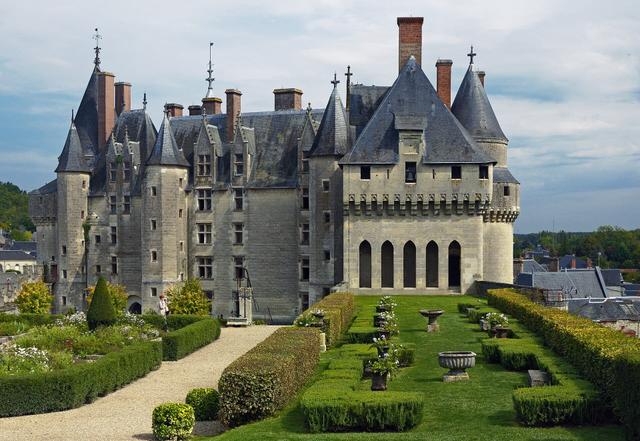
Around 994, at Langeais, on a spur above the Loire, Fulk had a stone tower built, at a time when almost all castles were still made of wood. Sections of its walls survive in the park of the 15th-century château. It is one of the oldest keeps in France. See also: Château de Langeais
What to see: the ruins of Fulk Nerra's keep in the park, then Louis XI's château and the staging of the 1491 wedding.
Loches, the masterpiece
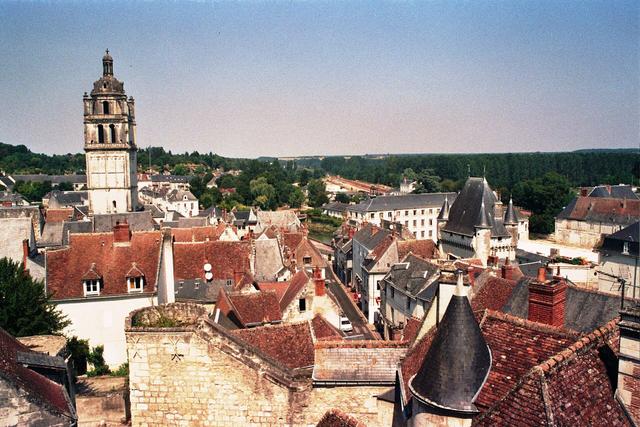
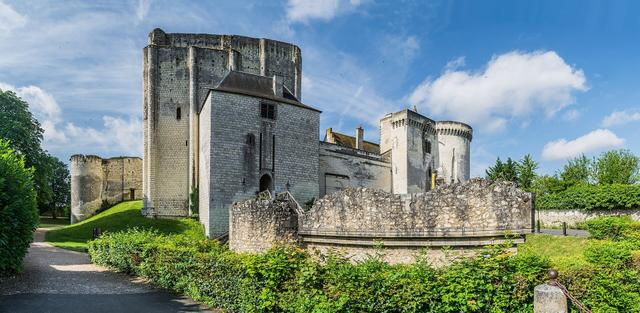
The keep at Loches is the best preserved of his buildings. The timbers of its frame were felled between 1013 and 1035, and the tower still rises 36 metres. You can climb to the top by stairs and walkways. See also: Royal City of Loches
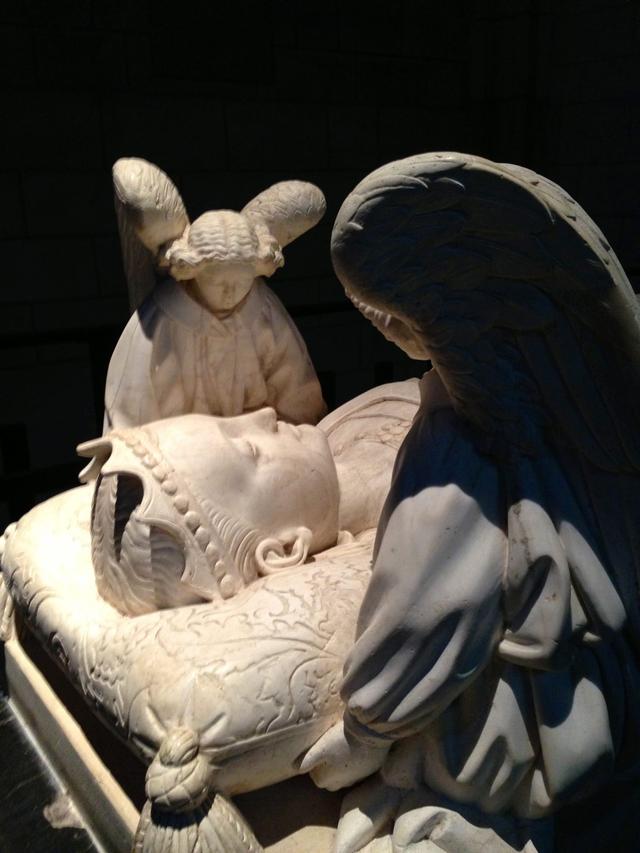
In 1007, Fulk also founded the abbey of Beaulieu-lès-Loches, just opposite, on the other side of the Indre. He is buried there.
What to see: the keep and its view over the town, the dungeons of the Martelet, then the abbey church of Beaulieu-lès-Loches, a fifteen-minute walk away.
Montrésor, Montrichard, Montreuil-Bellay: the count's web
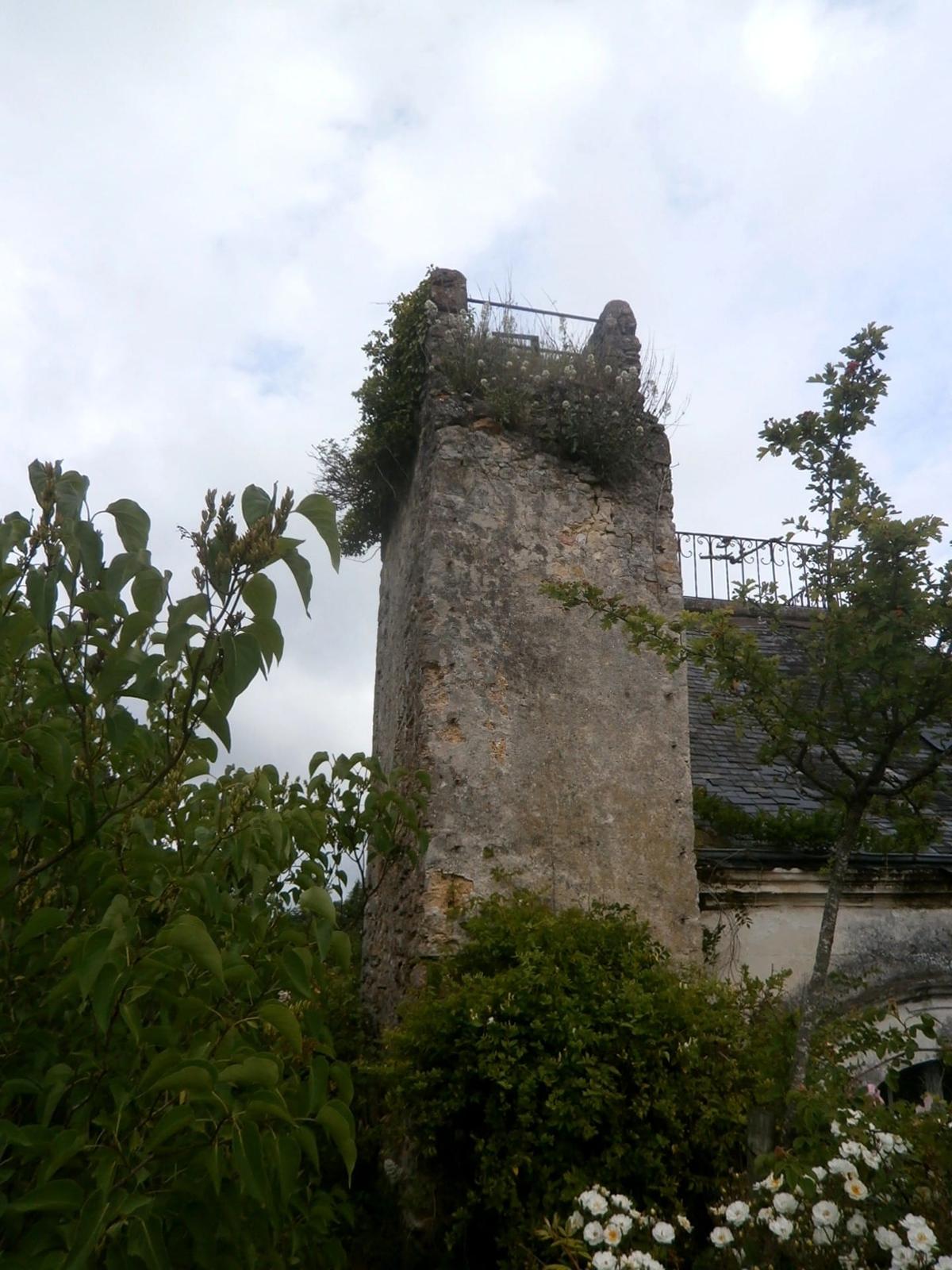
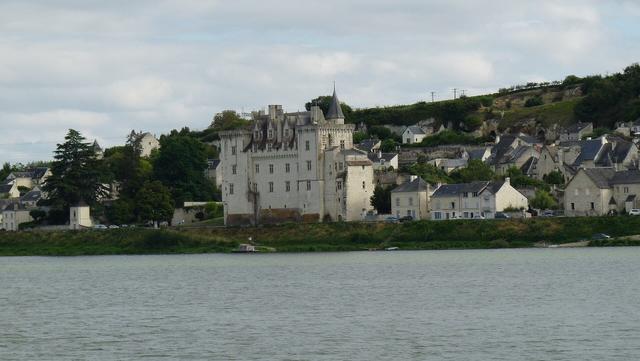
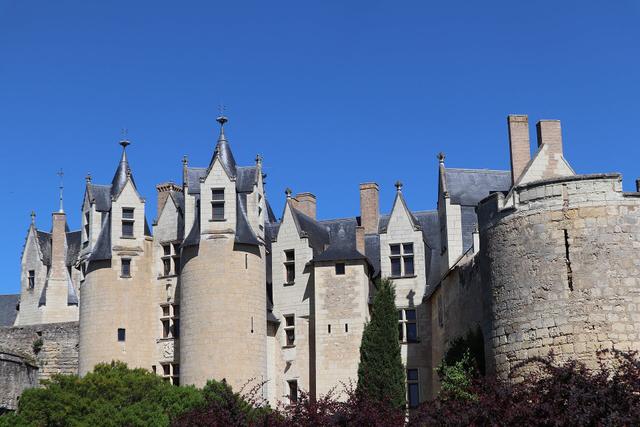
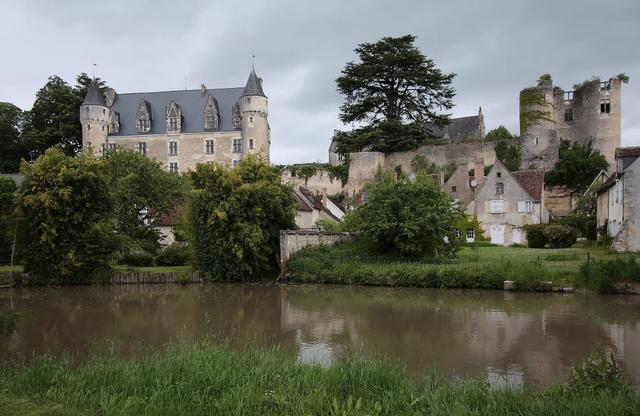
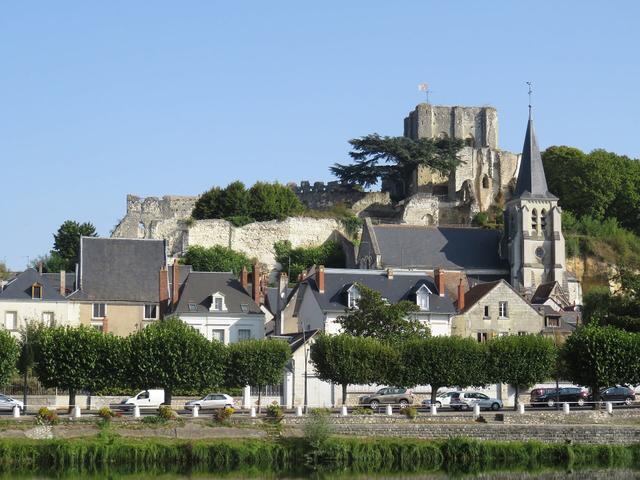
Around 1005, he chose a promontory above the Indrois at Montrésor; his captain, Roger, nicknamed “the Little Devil”, built the fortress there, whose curtain wall still stands. See also: Château de Montrésor At Montrichard, on the Cher, he raised a first wooden tower facing the Count of Blois. See also: Montrichard Keep In 1025, he entrusted Montreuil-Bellay to one of his vassals, Berlay, who gave the place its name. See also: Château de Montreuil-Bellay
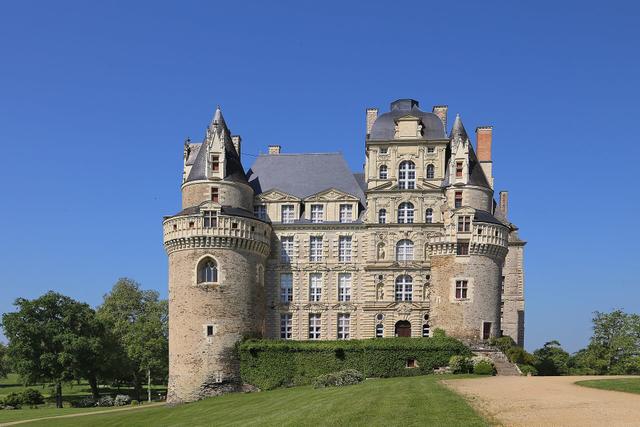
Brissac, in Anjou, was fortified in his time, long before it became the tallest château in France. See also: Château de Brissac
What to see: the walls of Montrésor and its village on the Indrois, the keep at Montrichard, the ramparts of Montreuil-Bellay.
Saumur and victory over Blois
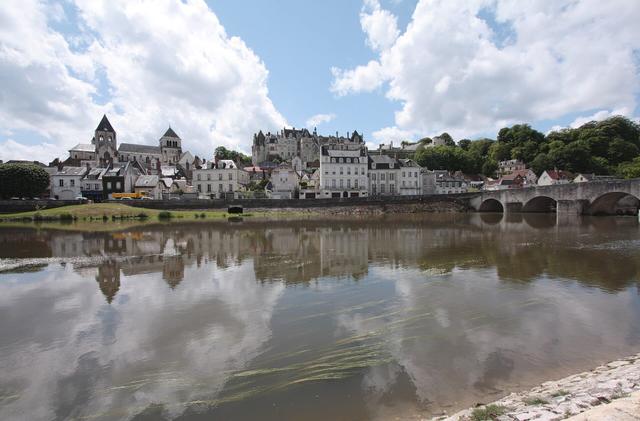
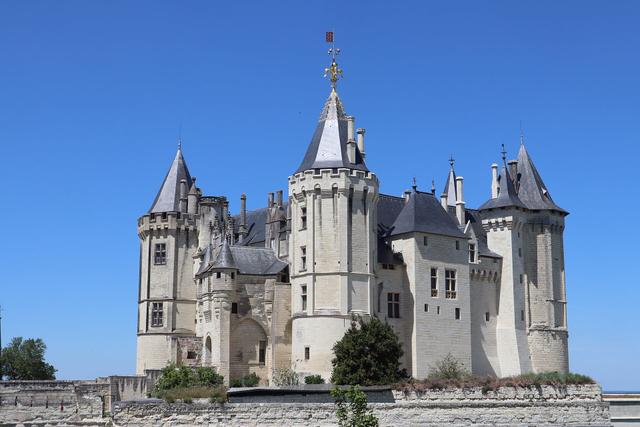
In 1016, Fulk defeated the Count of Blois, Odo II, at Pontlevoy. Ten years later, in 1026, he took Saumur. His descendants finished the job: his son Geoffrey Martel seized Tours and Chinon in 1044. A century later, his descendant Henry II Plantagenet united Anjou, Normandy and England. See also: Château de Saumur, Henry II of England
In his footsteps: the keeps of Touraine
Loches and Montrésor are twenty minutes apart and can be combined with Chenonceau. Montrichard is on the Cher, between Chenonceau and Blois. Langeais is 25 minutes from Tours. Montreuil-Bellay, Brissac and Saumur are easy to visit from Angers or Saumur.
Partner links: if you book through these links, we earn a commission at no extra cost to you. Partner links · Learn more
Guided tours and day trips on GetYourGuide
FAQ
Why is Fulk III of Anjou called “Nerra”?
The nickname means “the Black”. It probably comes from his dark complexion, or from his hair.
Which castles did Fulk Nerra build?
More than a hundred castles, keeps and abbeys are credited to him. The best preserved are the keep at Loches and the ruins of the one at Langeais; Montrésor and Montrichard also owe their origins to him.
Was the keep at Loches built by Fulk Nerra?
Yes. Its timbers were felled between 1013 and 1035, which makes it one of the oldest stone keeps still standing in Europe.
How many times did Fulk Nerra go to Jerusalem?
Four times, according to the chronicles, to atone for his violence. He died at Metz on the way back from the last journey, in 1040.
Where is Fulk Nerra buried?
At the abbey of Beaulieu-lès-Loches, which he had founded, near Loches. However, according to a 2007 study, the remains found there in the 19th century are not his.
Sources: fr.wikipedia.org (Foulques III d'Anjou), citeroyaleloches.fr
Tickets to book online
Partner links: if you book through these links, we earn a commission at no extra cost to you. Partner links · Learn more
Places to visit
Related guides