Anne of France, the “least foolish woman in France”
- Born
- 1461
- Died
- 14 November 1522
- Reign
- 1483 – 1491
- Family
- Valois
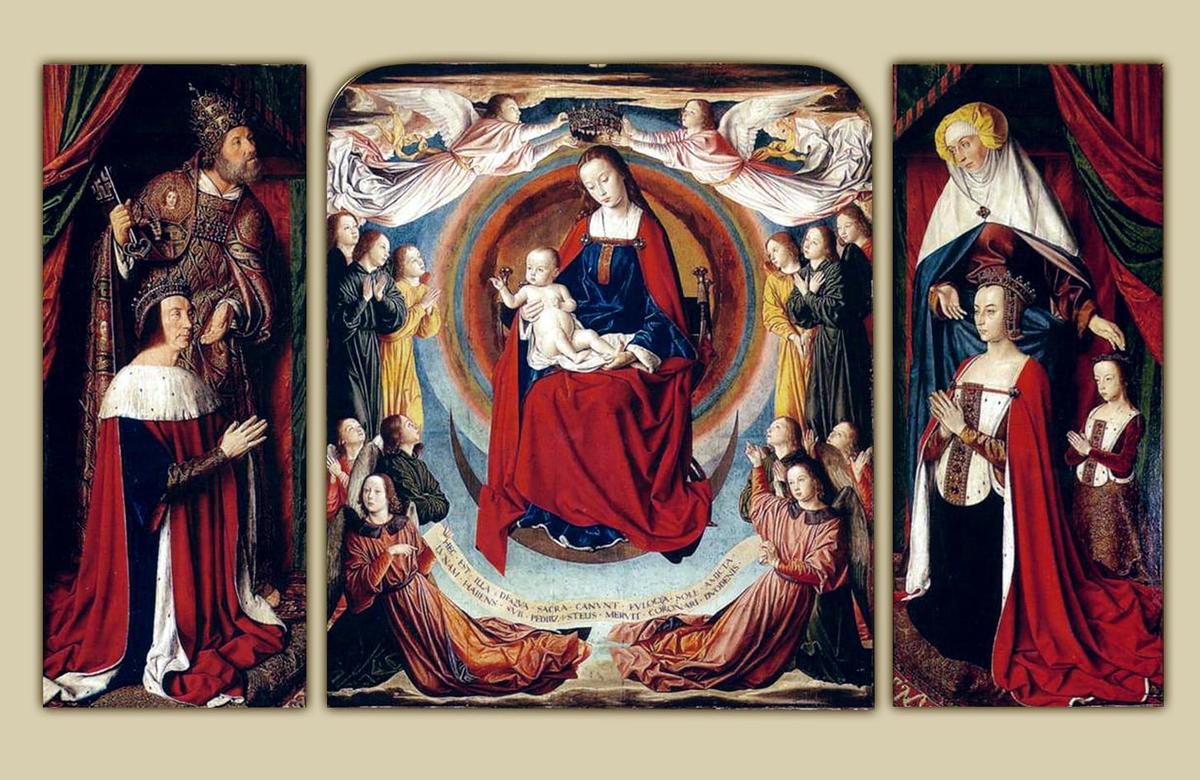
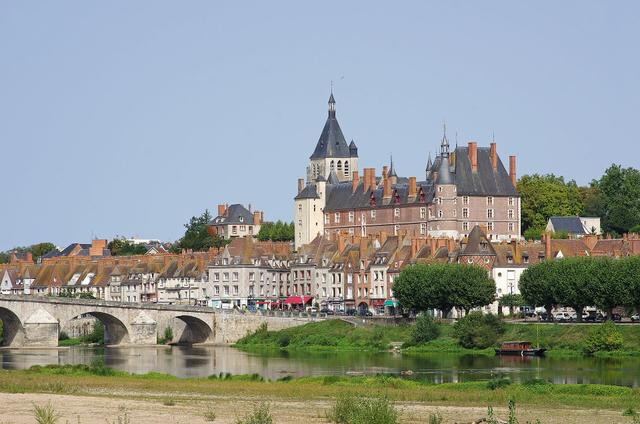
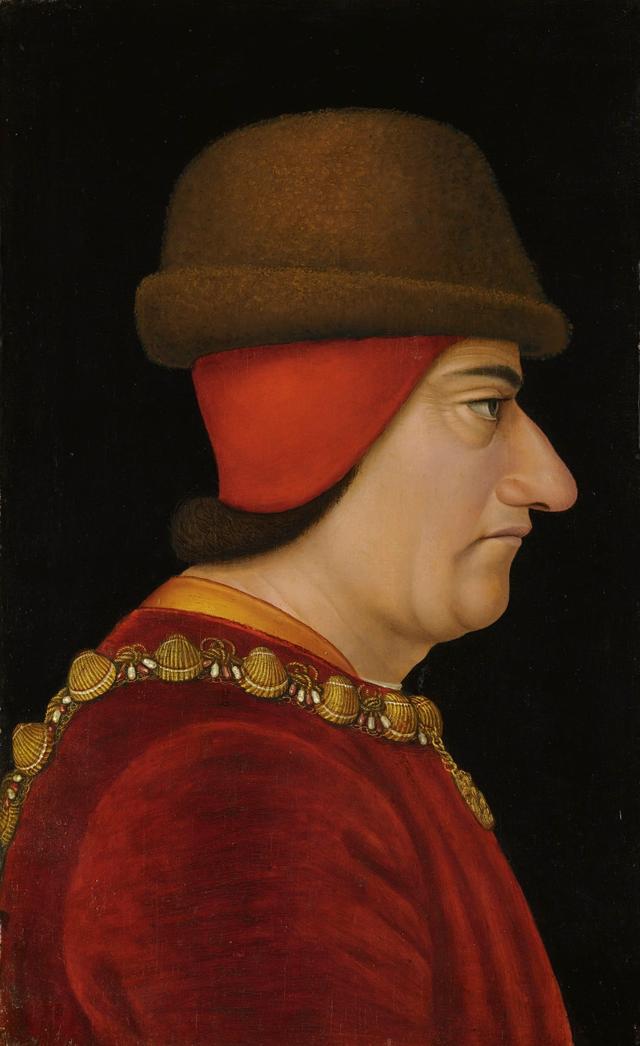
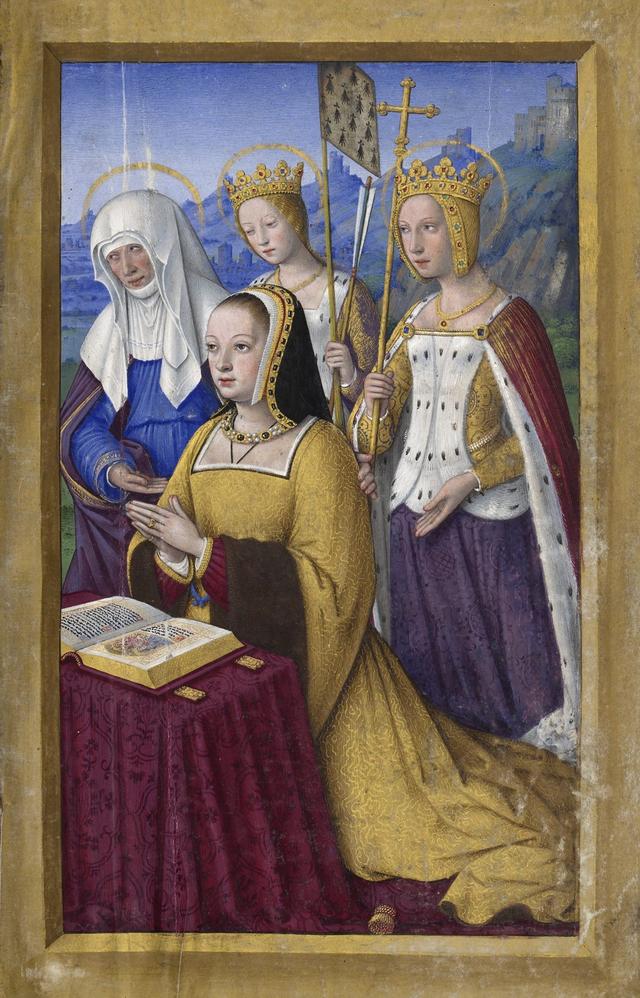
Louis XI called her “the least foolish woman in France” (« la moins folle femme de France »), which, coming from him, was a compliment. At twenty-two, his elder daughter governed the kingdom in the name of her young brother, Charles VIII, crushed the princes' revolt and married the king to the heiress of Brittany. On the Loire, at Gien, she left a château of red and black brick.
Anne of France in dates
| Date | Event |
|---|---|
| 1461 | Born, probably at Genappe, where her father Louis XI was living in exile |
| 1474 | Marries Pierre de Beaujeu, younger brother of the Duke of Bourbon, at Montrichard |
| December 1481 | Her father gives her the county of Gien |
| 1482 | Starts building the Château de Gien |
| 1483 | On Louis XI's death, governs for her thirteen-year-old brother Charles VIII |
| 1485-1488 | The Mad War: the princes rise up against her |
| 1488 | Victory at Saint-Aubin-du-Cormier; Louis of Orléans is taken prisoner |
| 1491 | Charles VIII marries Anne of Brittany at Langeais, then rules alone; Anne withdraws to Moulins |
| 14 November 1522 | Dies at the Château de Chantelle, in the Bourbonnais |
Louis XI's favourite daughter
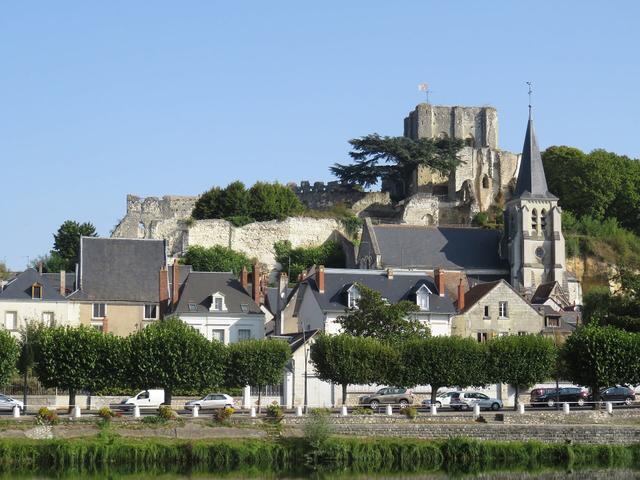
Anne was born in 1461, probably at Genappe, near Brussels, where her father, then the Dauphin, had taken refuge with the Duke of Burgundy. Louis XI distrusted everyone except her. In 1474, he married her to Pierre de Beaujeu, a younger son of the house of Bourbon who was entirely devoted to him. The ceremony took place at Montrichard, on the Cher, where the king had built lodgings at the foot of the keep; he would also marry his second daughter, Joan, to the future Louis XII there. See also: Louis XI, Montrichard Keep
Gien, the countess's château
In December 1481, Louis XI gave Anne the county of Gien. As early as 1482, in place of the old fortress, she had a château built above the Loire in red and black brick laid in diamond patterns. A keen falconer, she wanted a hunting base between the Sologne and the Forest of Orléans. Work went on until 1493. See also: Château de Gien
Today the château houses the Museum of Hunting and Nature, which suits it well.
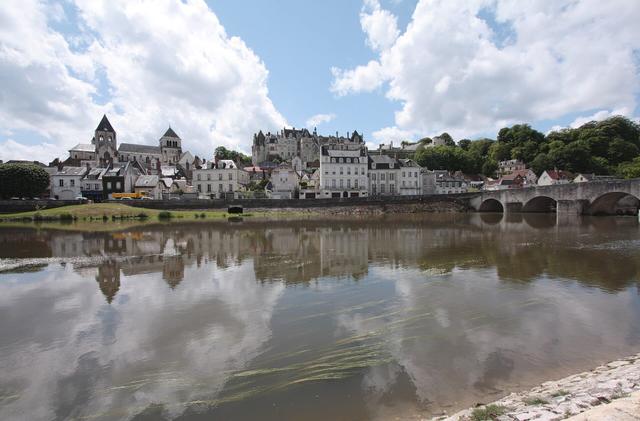
What to see: the brick façades and their patterns, the roof timbers, the hunting museum's collections, the view over the bridge at Gien.
The regent
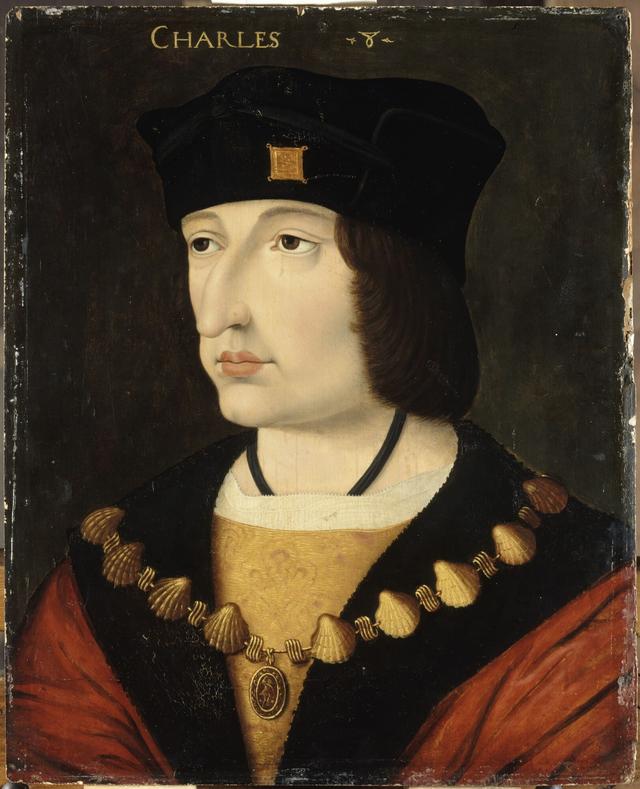
Louis XI died in 1483. Charles VIII was thirteen, the legal age of majority, but he did not rule. Anne and her husband held power without the title. The princes, led by Louis of Orléans, rebelled: this was the Mad War (la Guerre folle). Anne won in 1488 at Saint-Aubin-du-Cormier, where Louis of Orléans was taken prisoner. See also: Louis XII
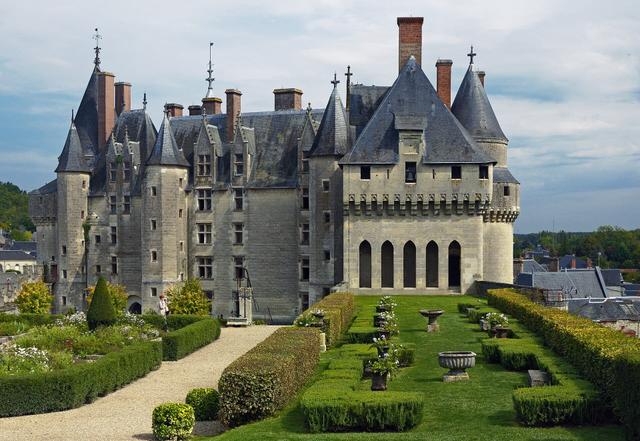
That left Brittany. Duchess Anne had been married by proxy to Maximilian of Austria; the regent had the union annulled and married Anne of Brittany to Charles VIII, at Langeais, in 1491. From then on, Brittany was bound to France. See also: Château de Langeais, Anne of Brittany, Charles VIII
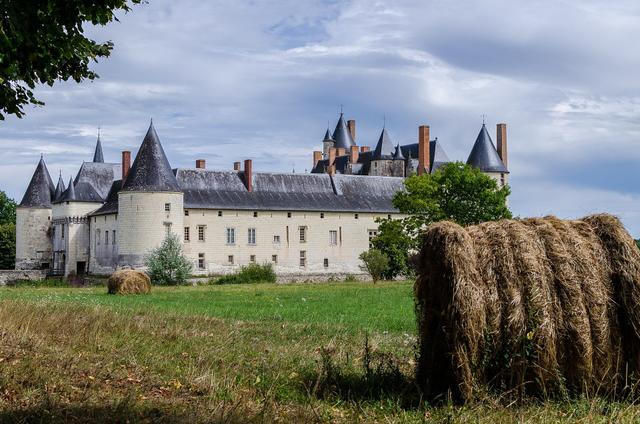
The young king and his sister also stayed at Plessis-Bourré, the château of Jean Bourré, once Louis XI's trusted man. See also: Château du Plessis-Bourré
What to see: at Langeais, the room where the 1491 wedding is recreated; at Plessis-Bourré, the moats and the painted ceiling of the guard room.
Madame la Grande
Charles VIII freed himself from his sister in 1491. Anne withdrew to Moulins, where her husband had become Duke of Bourbon, and held one of the most brilliant courts in the kingdom there; she was called “Madame la Grande”. She brought up the daughters of great families, among them Louise of Savoy, the future mother of Francis I. As a widow, she wrote her Lessons (Enseignements) for her daughter Suzanne, a guide to how a princess should behave. See also: Francis I
In her footsteps: Gien and Touraine
Gien has a railway station, with Intercités trains to Paris-Bercy. The Château de La Bussière is ten minutes away, and Sully-sur-Loire a little downstream. See also: Château de La Bussière Montrichard is on the Cher, next to Chenonceau; Langeais is near Tours.
Partner links: if you book through these links, we earn a commission at no extra cost to you. Partner links · Learn more
Guided tours and day trips on GetYourGuide
FAQ
Who was Anne of Beaujeu?
Anne of France, elder daughter of Louis XI and wife of Pierre de Beaujeu. She governed the kingdom for her brother Charles VIII from 1483 to 1491.
Who built the Château de Gien?
Anne of Beaujeu and her husband, Pierre de Beaujeu, from 1482, after Louis XI gave her the county of Gien.
What was the Mad War?
The revolt of the princes, led by Louis of Orléans, against Anne of Beaujeu's regency, from 1485 to 1488. It ended with the royal victory at Saint-Aubin-du-Cormier.
Why is Anne of France called “Madame la Grande”?
For her authority and the standing of her court at Moulins after the regency.
Where is Anne of France buried?
At the priory of Souvigny, in the Allier, the burial place of the Dukes of Bourbon, beside her husband and her daughter.
Sources: fr.wikipedia.org (Anne de France), chateaumuseegien.fr