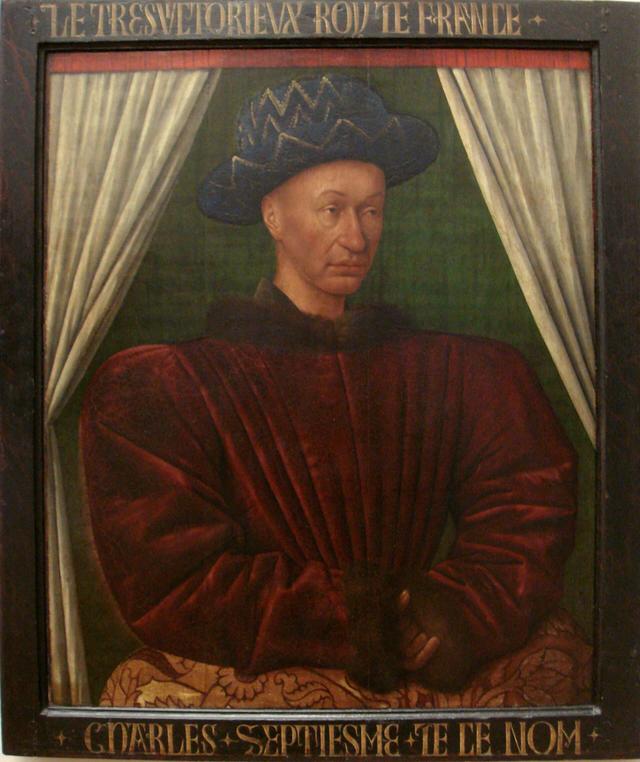
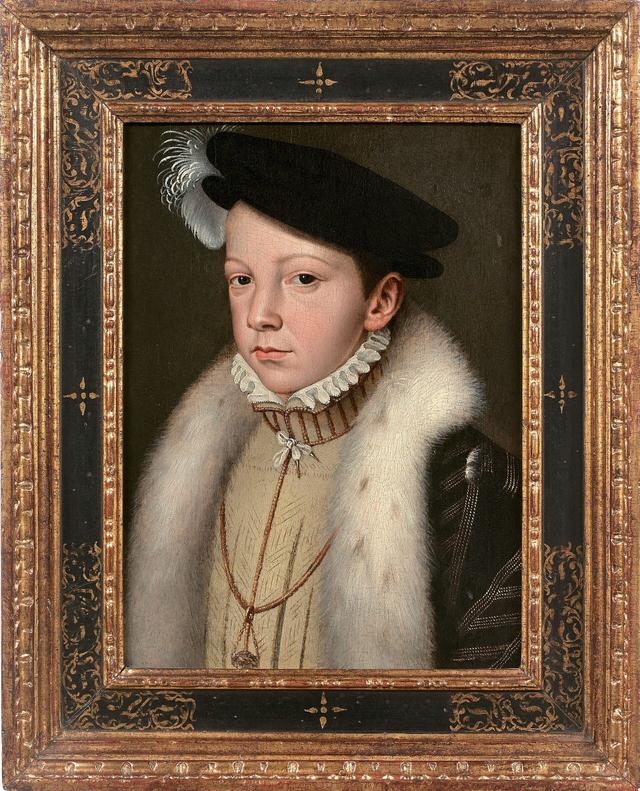
Charles VIII, the King of Amboise
- Born
- 30 June 1470
- Died
- 7 April 1498
- Reign
- 1483 – 1498
- Family
- Valois
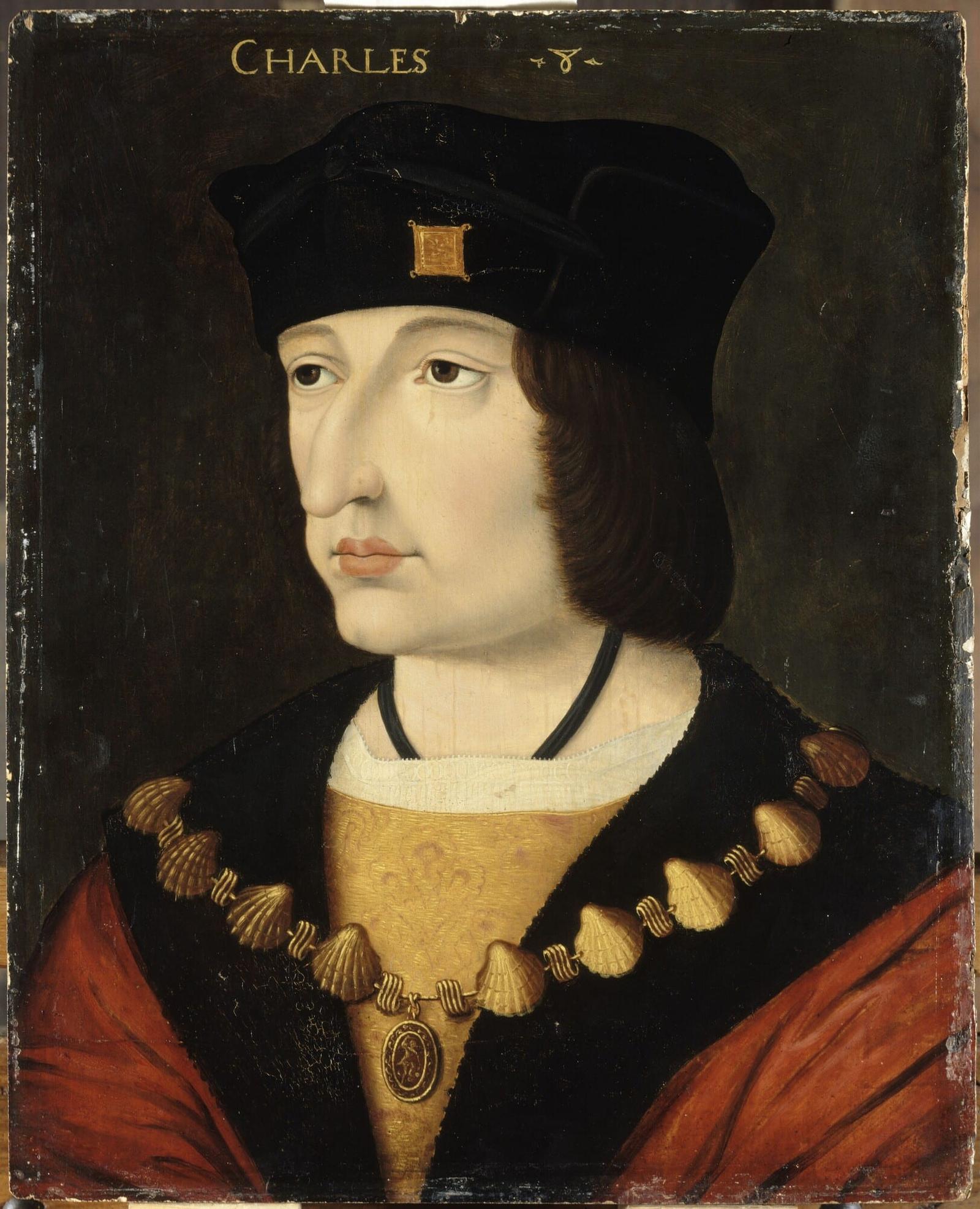
Born at Amboise, died at Amboise after hitting his head on a lintel, aged twenty-seven: Charles VIII had a short reign and one obsession, the conquest of Naples. He brought back gardeners, sculptors and a taste for Italy, which made Amboise the first Renaissance château in France.
Charles VIII in dates
| Date | Event |
|---|---|
| 30 June 1470 | Born at the Château d'Amboise, son of Louis XI and Charlotte of Savoy |
| 30 August 1483 | Becomes king at thirteen; his sister Anne of Beaujeu governs in his name |
| 1488 | The royal army defeats the Bretons at Saint-Aubin-du-Cormier |
| 6 December 1491 | Marries Anne of Brittany at the Château de Langeais |
| 1494-1495 | Italian expedition: enters Naples in February 1495, fights his way home at the Battle of Fornovo |
| 1495 | Returns to Amboise with Italian artists and craftsmen |
| 7 April 1498 | Dies at Amboise after striking his head on a lintel; with no son, the crown passes to his cousin Louis XII |
A child king under guardianship
Charles grew up at Amboise, away from the court: his father, the suspicious Louis XI, kept him shut away there with his mother. When Louis XI died in 1483, the new king was thirteen. It was his elder sister, Anne of Beaujeu, who governed, with her husband Pierre de Bourbon. She stood up to the rebellious great lords, and she won: in 1488, the royal army crushed the Bretons and their allies at Saint-Aubin-du-Cormier.
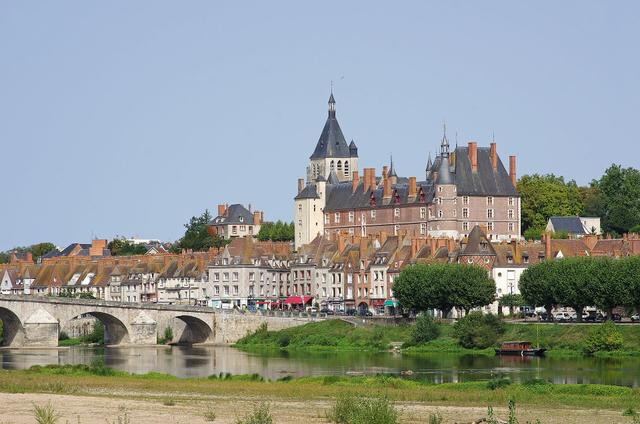
During these years, Anne had a château of red and black brick built at Gien, between 1482 and 1493, one of the first on the Loire to give up the look of a fortress. Today it houses the Museum of Hunting and Nature. See also: Château de Gien
Langeais: a marriage for Brittany
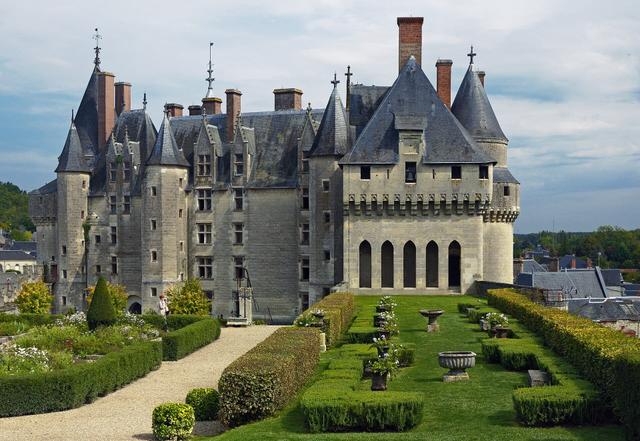
To bring Brittany into the kingdom, Charles VIII had to marry its duchess, Anne, who was already married by proxy to Maximilian of Austria. The wedding took place at dawn on 6 December 1491, at the Château de Langeais, almost in secret. Today the great hall recreates the scene with wax figures. See also: Château de Langeais, Anne of Brittany
Italy, and what he brought back
In 1494, Charles VIII claimed his family's rights to the Kingdom of Naples. He crossed Italy with almost no fighting and entered Naples in February 1495. But a coalition formed against him, and he had to fight his way home at Fornovo. The conquered kingdom was lost within a few months.
The most lasting prize was not political. The king came back amazed by Italian gardens and palaces, and he brought about twenty artists and craftsmen with him: the gardener Pacello da Mercogliano, joiners, goldsmiths, the architect Fra Giocondo. They worked at Amboise.
Amboise: birth, building work and death
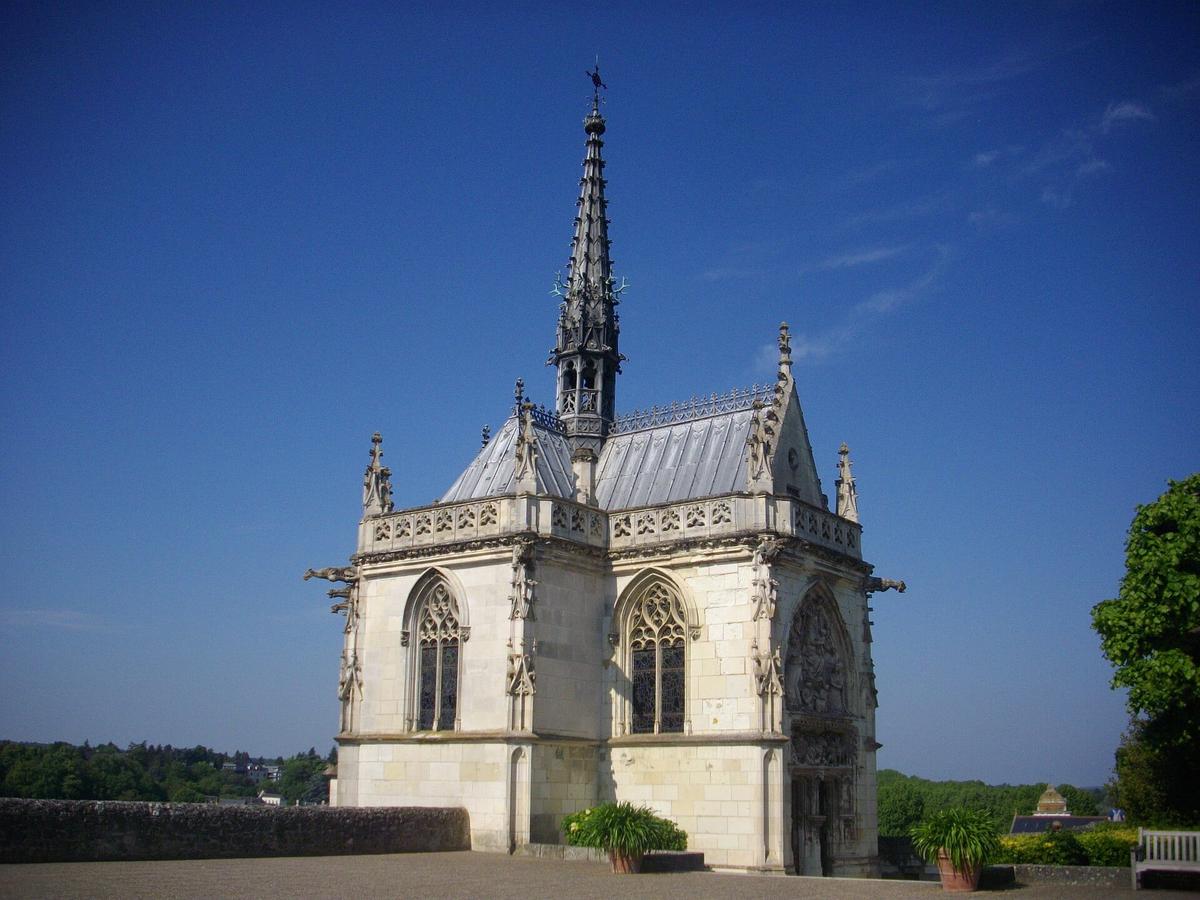
Charles VIII turned his childhood home into a great royal residence. He built the main wing overlooking the Loire, the two large horseman's towers, the Minimes Tower and the Heurtault Tower, which you could ride up on horseback by a ramp, and the Chapel of Saint-Hubert, built between 1491 and 1496. The gardens on the terrace are among the first Italian-style gardens in France.
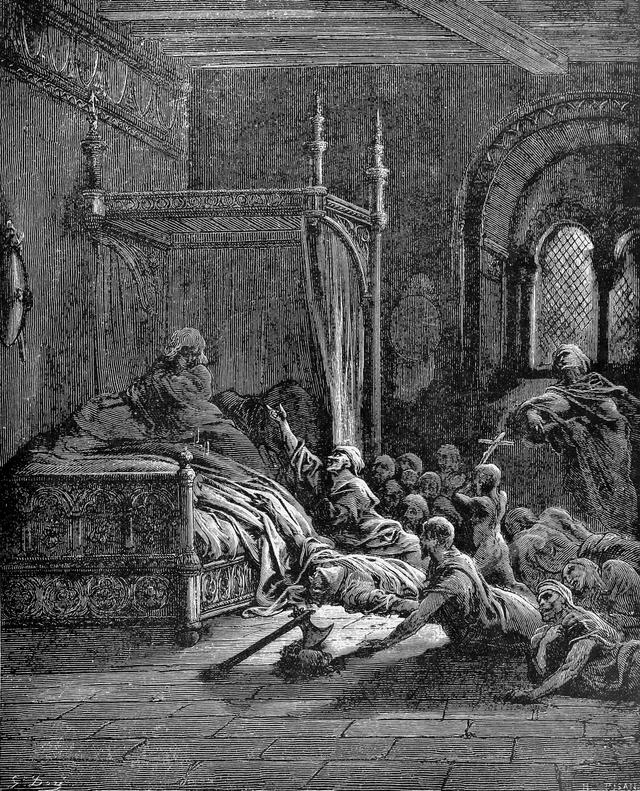
On 7 April 1498, on his way to watch a game of real tennis in the moat, he struck his forehead on the lintel of a low door. He seemed to recover and watched the game, then collapsed in the afternoon and died that evening, lying on a straw mattress in a gallery. He was twenty-seven. See also: Royal Château of Amboise
What to see: the Charles VIII wing, the Minimes Tower and its ramp for horses, the Chapel of Saint-Hubert, and the terrace over the Loire.
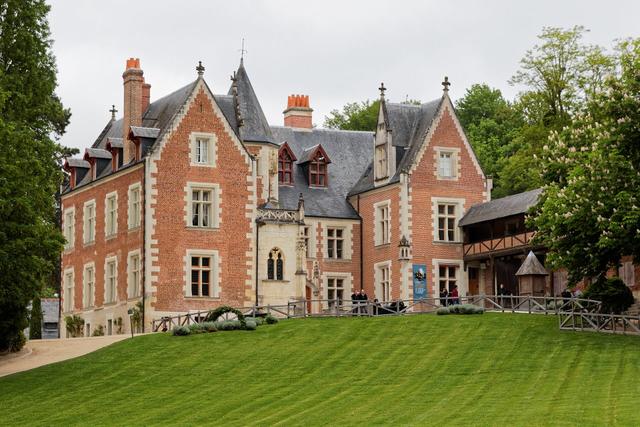
Close by, in 1490, he bought the manor of Le Cloux, today's Clos Lucé, where he had an oratory built for Anne of Brittany. Leonardo da Vinci would live there twenty-five years later. See also: Château du Clos Lucé
Loches: the kings' lodge
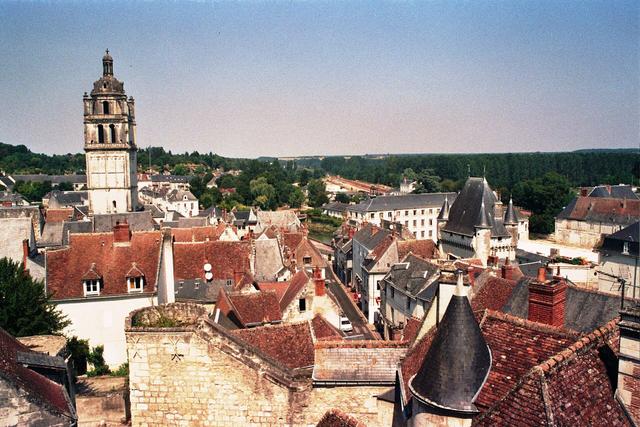
The royal lodge at Loches, enlarged under Charles VIII, was one of the court's residences during his reign. Anne of Brittany had her oratory there, carved with ermines. You can see a copy of the king's bust, whose original is in Florence, at the Bargello Museum. See also: Royal City of Loches
In his footsteps: Amboise and Touraine
Amboise and Clos Lucé can be visited on foot on the same day. Langeais is 25 minutes from Tours by train, and Loches less than an hour from Amboise. Gien is further away, upstream, on the road to Paris. See also: Where to stay in Amboise
Partner links: if you book through these links, we earn a commission at no extra cost to you. Partner links · Learn more
FAQ
Where was Charles VIII born?
At the Château d'Amboise, on 30 June 1470.
How did Charles VIII die?
He struck his forehead on the lintel of a low door at the Château d'Amboise on 7 April 1498, and died that same evening.
Where is Charles VIII buried?
In the Basilica of Saint-Denis, north of Paris.
Who was Charles VIII's wife?
Anne of Brittany, whom he married in 1491 at the Château de Langeais. After his death, she married his successor, Louis XII.
Why did Charles VIII go to Italy?
To claim his rights to the Kingdom of Naples, inherited from the House of Anjou. He conquered it in 1495, then lost it almost at once.
Sources: fr.wikipedia.org (Charles VIII), chateau-amboise.com, institutdefrance.fr
Tickets to book online
Partner links: if you book through these links, we earn a commission at no extra cost to you. Partner links · Learn more
Places to visit


Related guides
Related historical figures