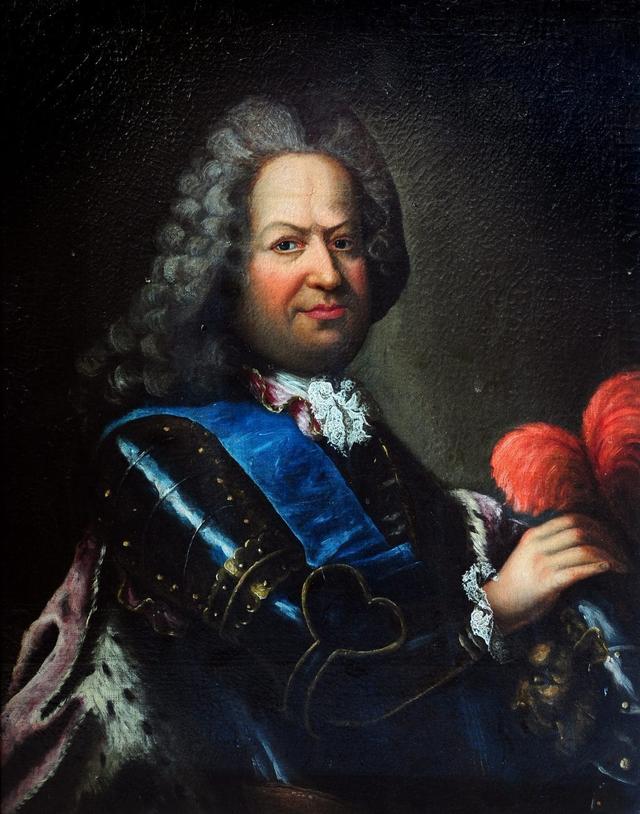
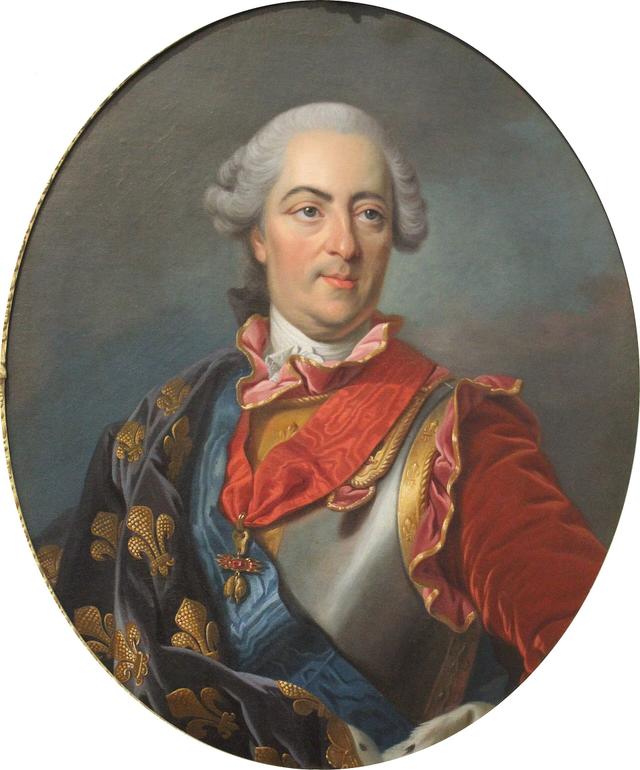
Francis I and the Loire Valley châteaux
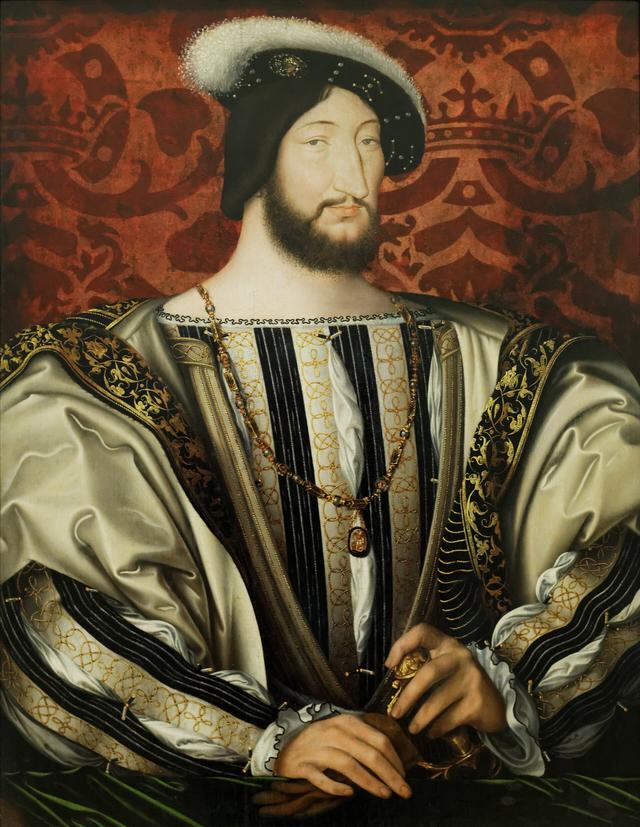
Without Francis I, the Loire Valley would have neither the Blois staircase, nor Chambord, nor Leonardo da Vinci's tomb at Amboise. The king grew up here, brought the Italian artist here and launched the biggest building project of his reign here. Here is his story, château by château, with what you can still see today.
Key dates
| Year | Event | Where |
|---|---|---|
| 1494 | Birth of Francis of Angoulême | Cognac |
| 1500s | Childhood and education | Amboise |
| 1514 | Marriage to Claude of France, daughter of Louis XII | Saint-Germain-en-Laye |
| 1515 | Coronation, victory at Marignano, Francis I wing begun | Reims, Italy, Blois |
| 1516 | Leonardo da Vinci settles at Clos Lucé | Amboise |
| 1519 | Chambord building work begins; Leonardo dies | Chambord, Amboise |
| 1525 | Defeat at Pavia, the king is taken prisoner | Italy, then Madrid |
| 1535 | Chenonceau passes to the Crown | Chenonceau |
| 1539 | Charles V received at Chambord | Chambord |
| 1547 | Death of the king | Rambouillet |
Amboise: the château of his childhood
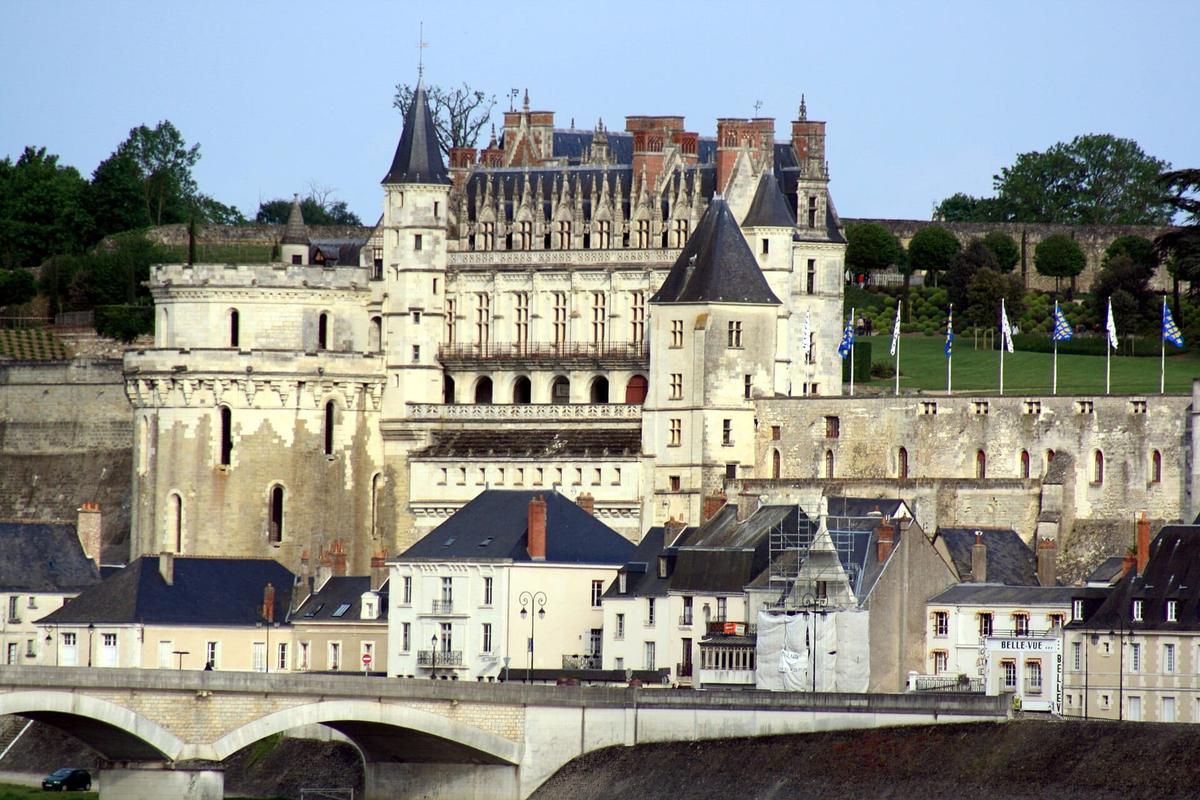
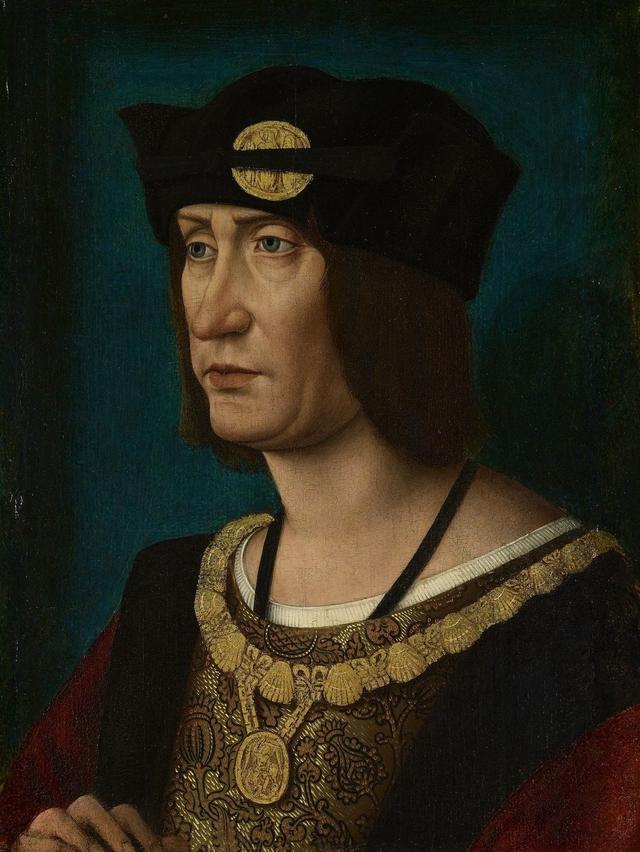
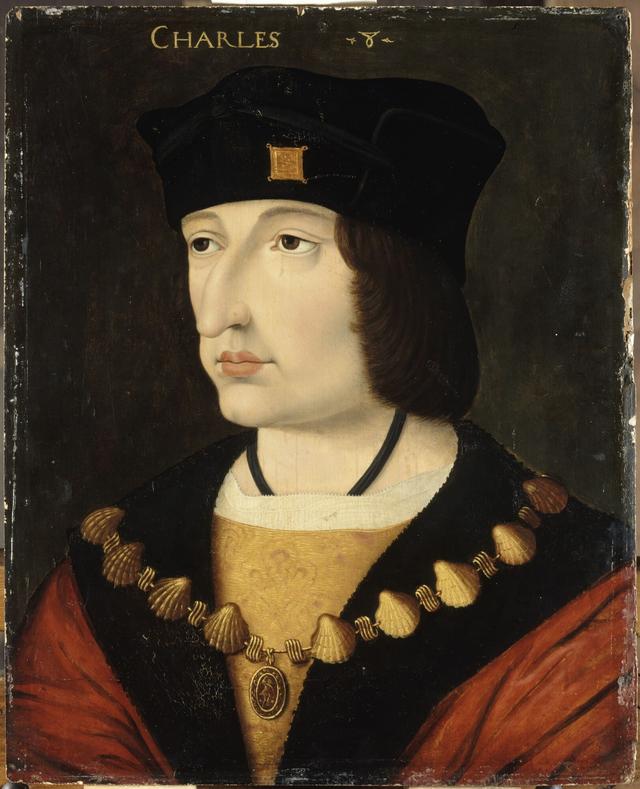
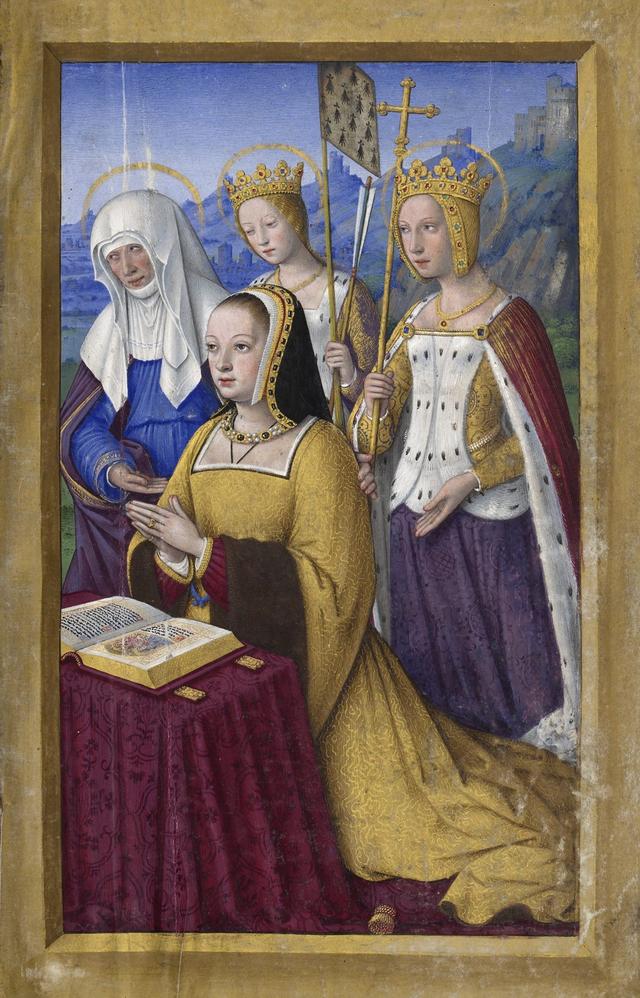
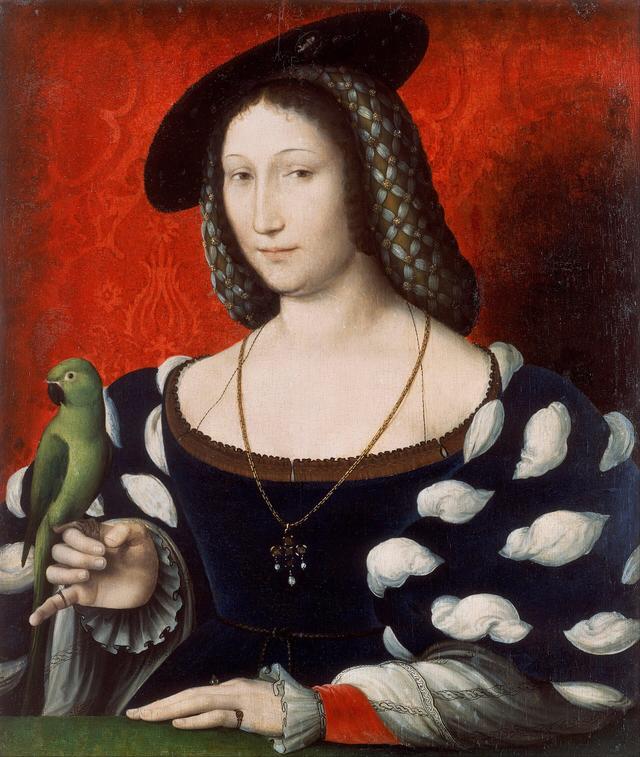
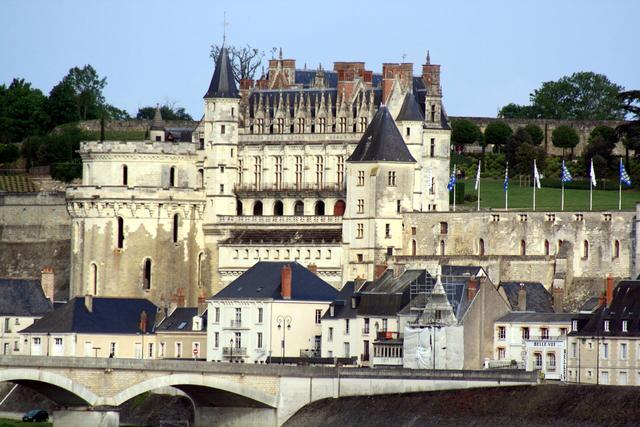
Francis was not born to rule: he was the cousin of King Louis XII, who had no son. His mother, Louise of Savoy, raised him at Amboise with his sister Marguerite. The château, enlarged by Charles VIII at the end of the 15th century, was then a lively royal residence.
Once king in 1515, Francis I kept Amboise for court festivities. It was here, as a neighbour, that Leonardo da Vinci lived out his last years, and the artist now lies in the château's Saint-Hubert chapel. See also: Royal Château of Amboise
What to see: the Saint-Hubert chapel and Leonardo's tomb, the terraces over the Loire, and the Minimes tower with its spiral ramp for horses.
Clos Lucé: the king and Leonardo
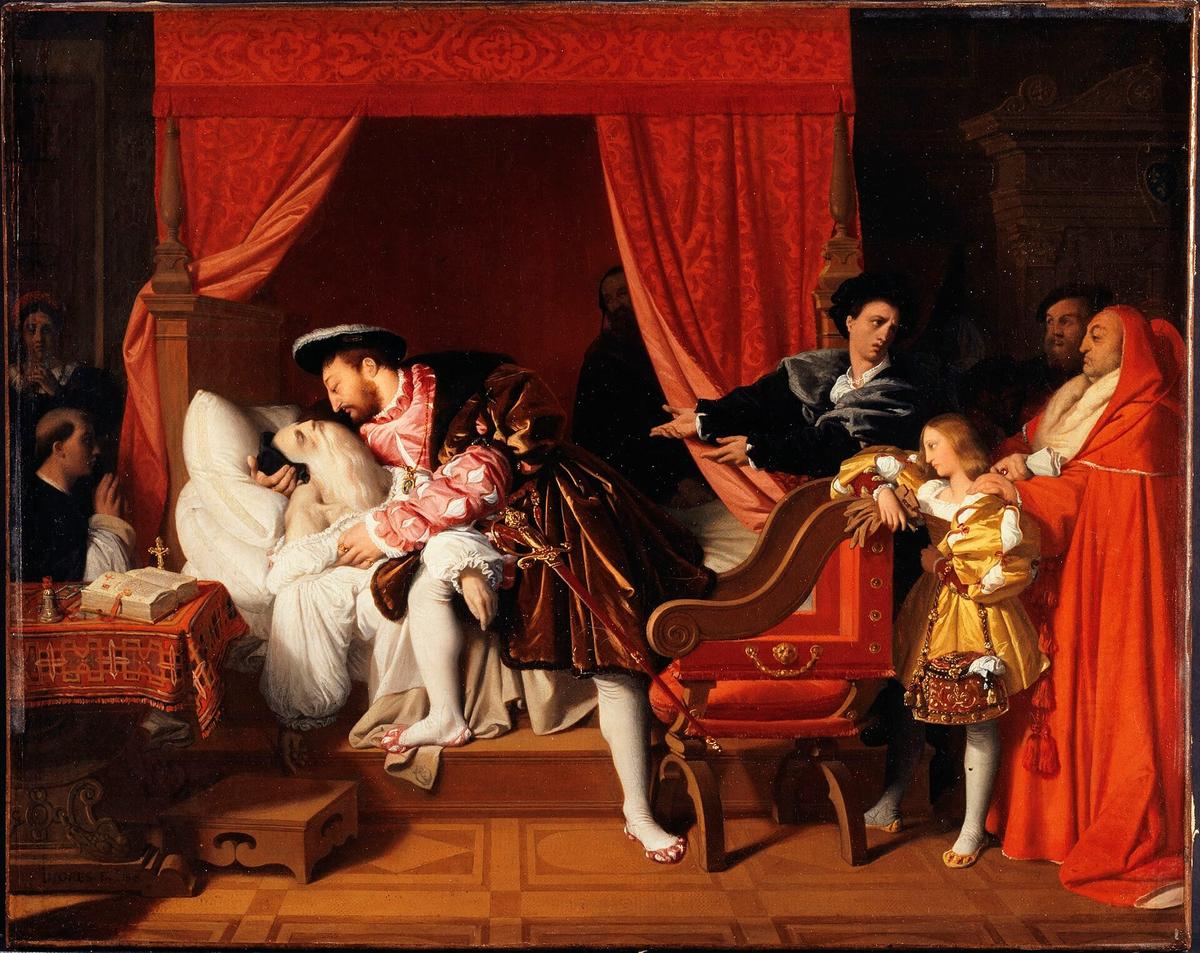
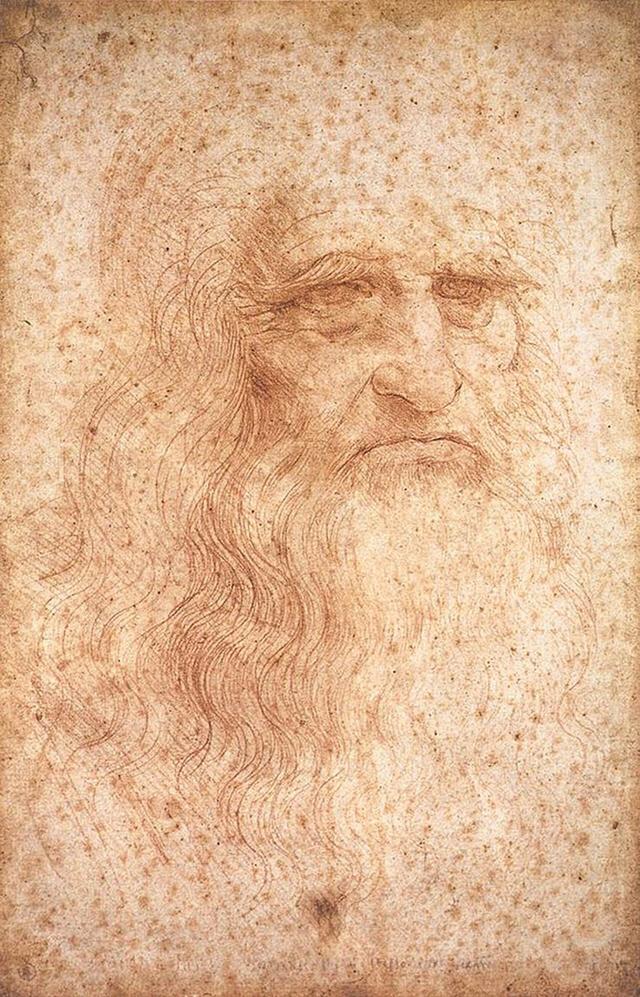
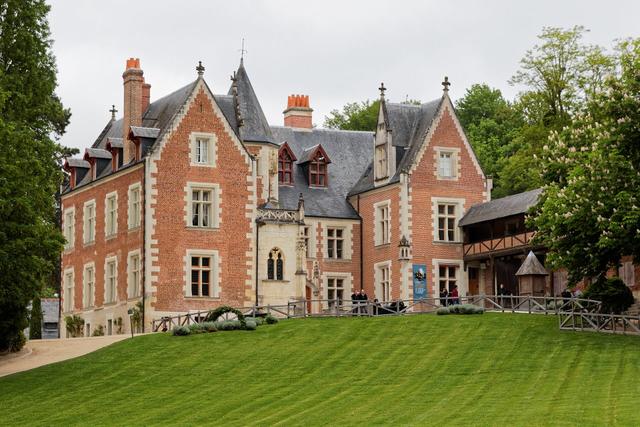
In 1516, Francis I invited Leonardo da Vinci to France and gave him Clos Lucé, a brick manor house 500 m from the château. The artist was over sixty; he arrived with a few notebooks and paintings, including the Mona Lisa. The king paid him a pension and came to visit.
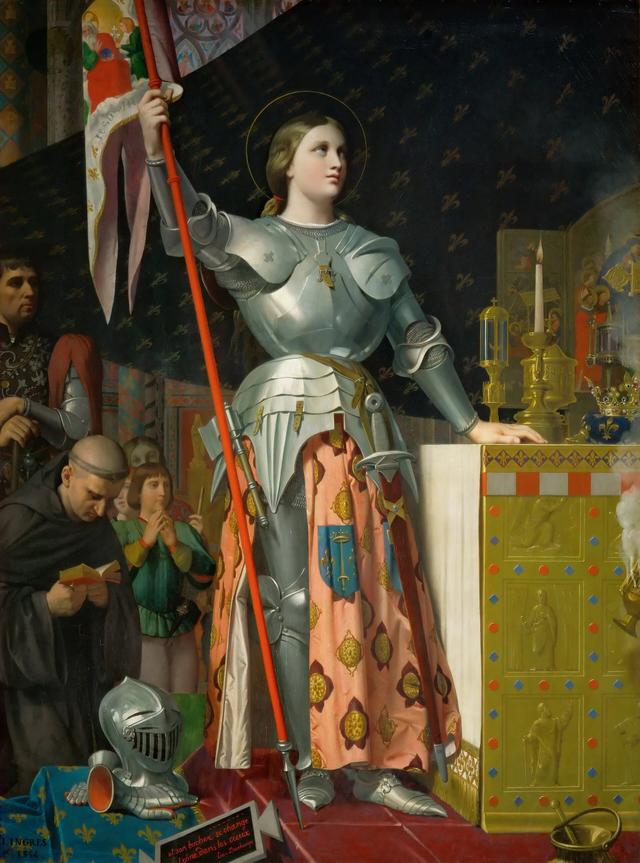
Leonardo died at Clos Lucé in 1519. Legend, painted by Ingres in the 19th century, has him dying in the king's arms; historians doubt it, as the court was elsewhere at the time. See also: Château du Clos Lucé
What to see: Leonardo's bedroom, his workshops, and the park where his machines have been rebuilt.
Blois: the Francis I wing and its staircase
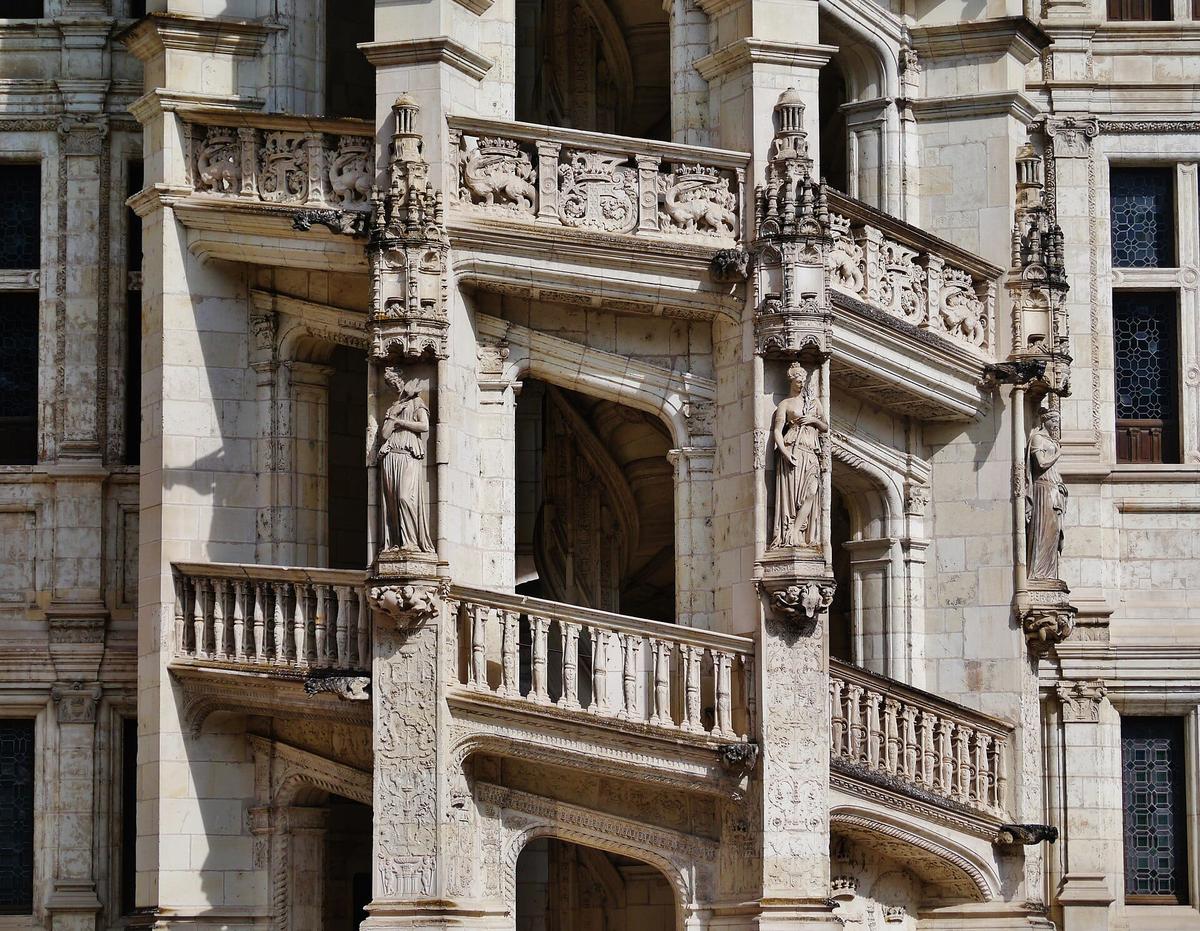
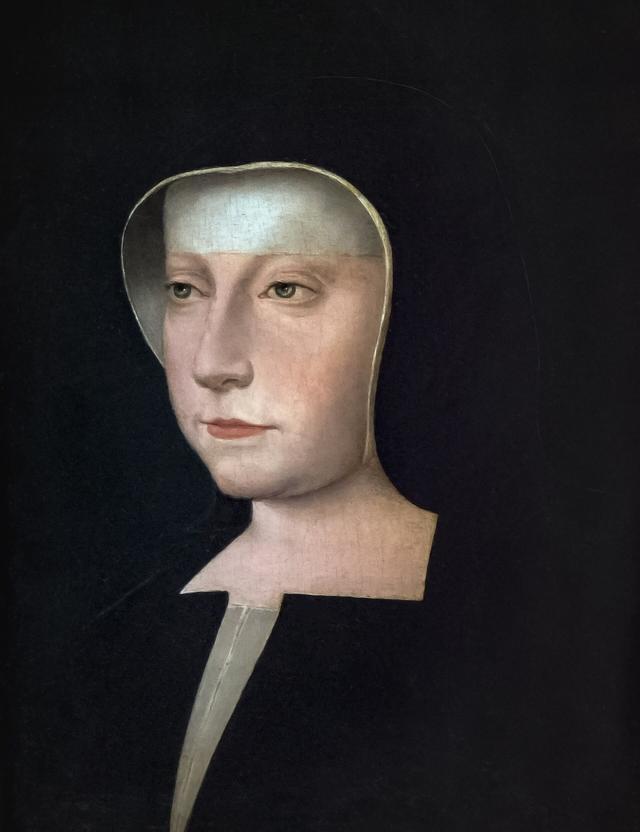
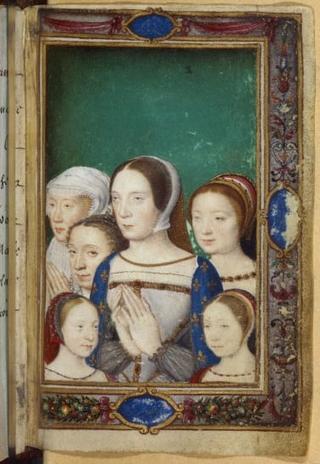
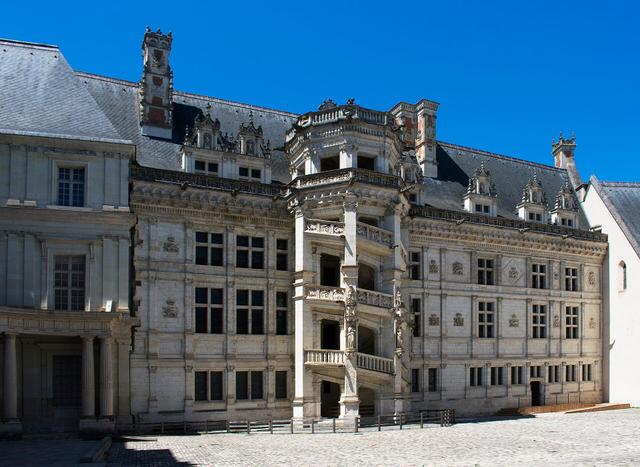
Blois was the château of Queen Claude of France, daughter of Louis XII. As soon as he came to the throne, Francis I had a new wing built there, between 1515 and 1524. Its spiral staircase, open to the courtyard and covered in salamanders, is one of the masterpieces of the early French Renaissance.
After Claude's death in 1524, the king gradually abandoned Blois for Fontainebleau and the Paris region. See also: Royal Château of Blois
What to see: the Francis I wing staircase, the Loggia façade on the town side, the salamanders and the crowned "F" monograms.
Chambord: the king's dream
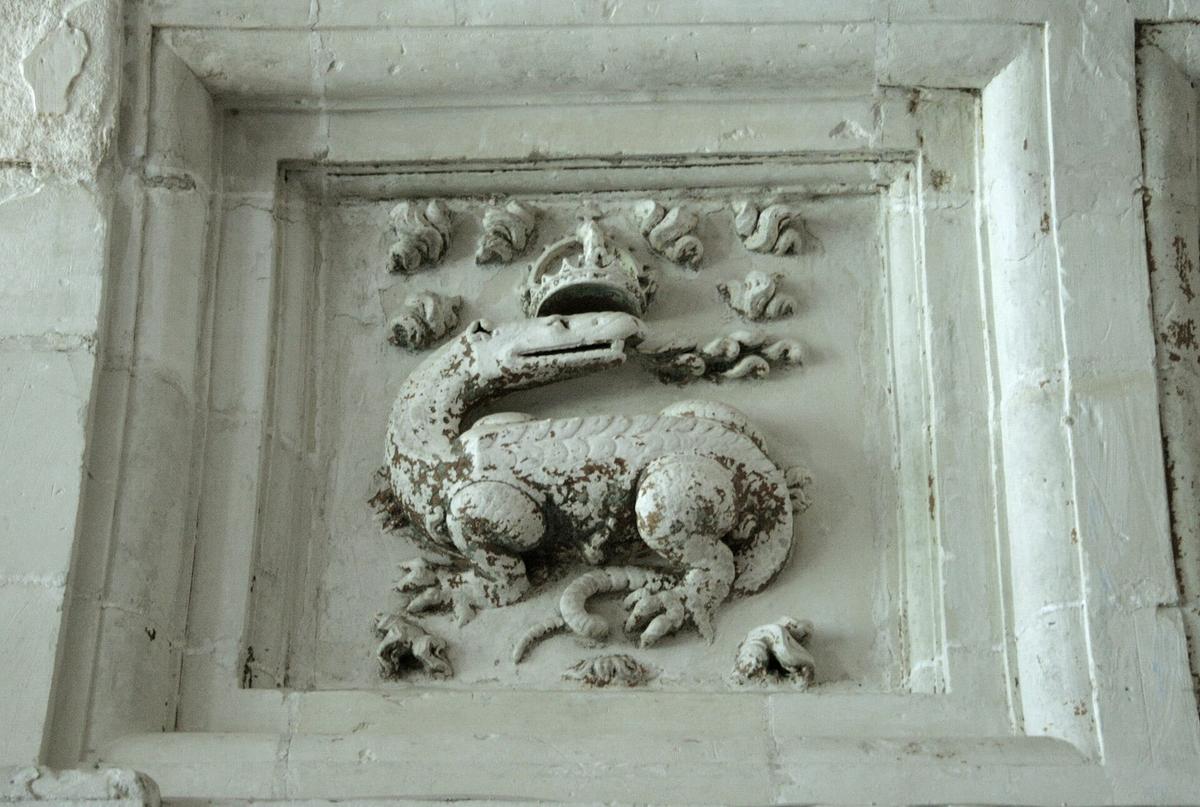
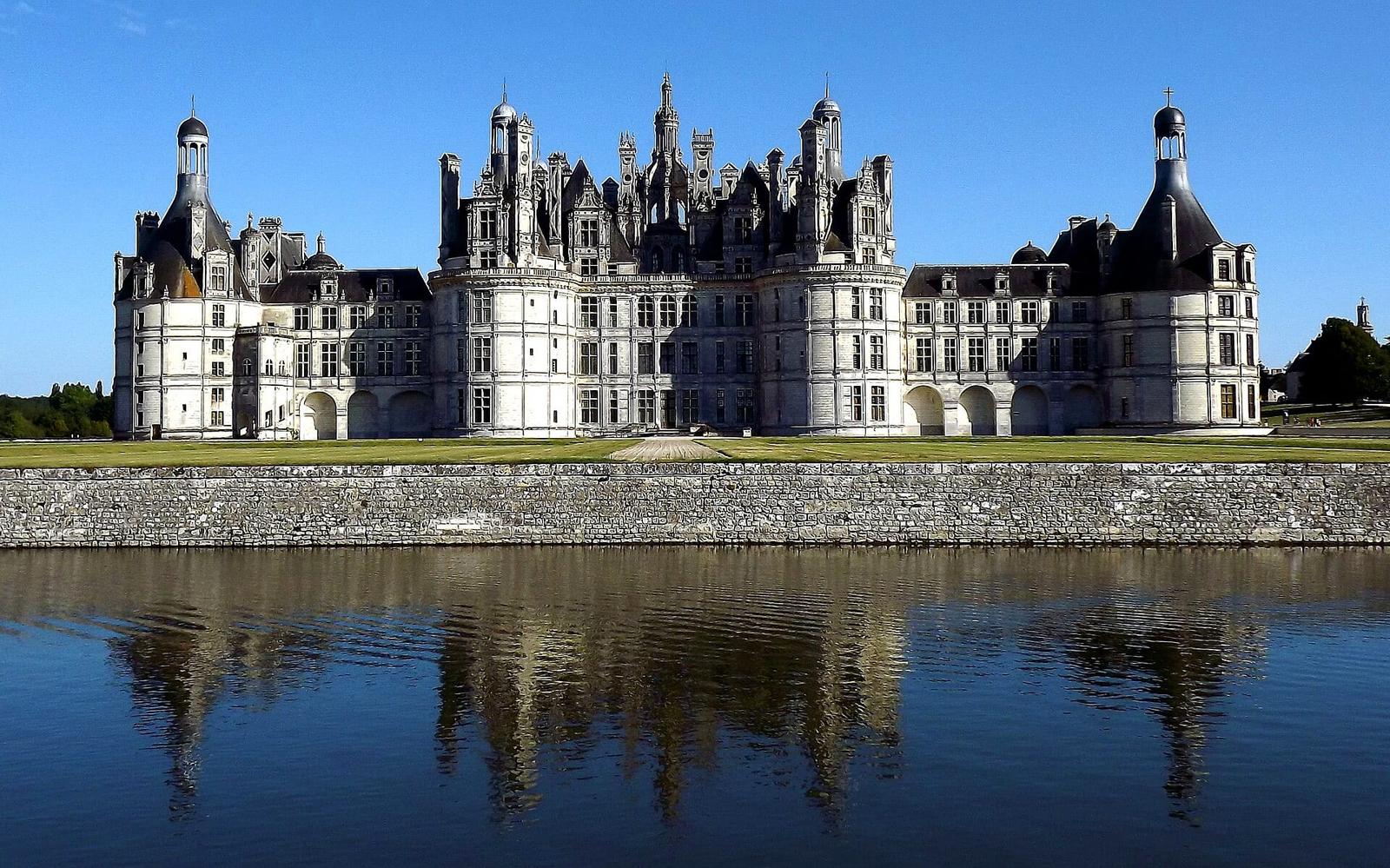
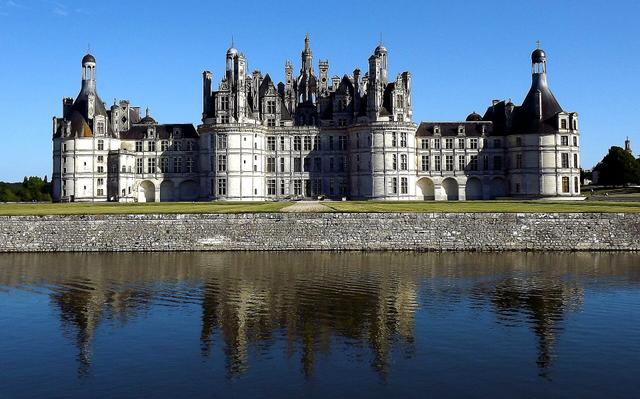
In 1519, in the middle of a forest full of game, Francis I began the largest château of the French Renaissance at Chambord: 426 rooms, 282 fireplaces and the double-spiral staircase, whose design is often linked to Leonardo's drawings. The architect remains unknown.
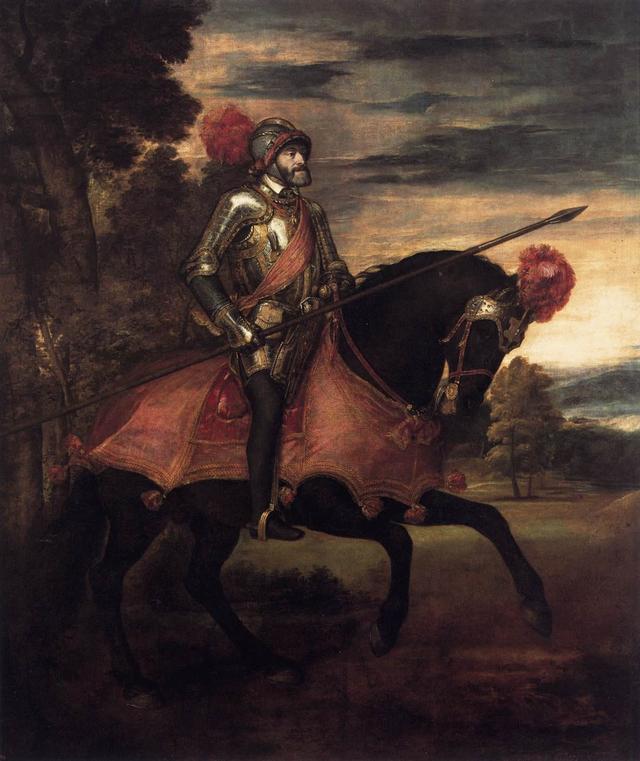
The king spent only a few weeks there in all. Chambord was not a home but a showcase: in 1539, Francis I received his rival Charles V there to impress him. The salamander, his emblem, appears hundreds of times. See also: Château de Chambord, Chambord or Chenonceau
What to see: the double-spiral staircase, the roof terraces and lantern, the coffered ceilings decorated with salamanders.
Chenonceau: taken by the Crown
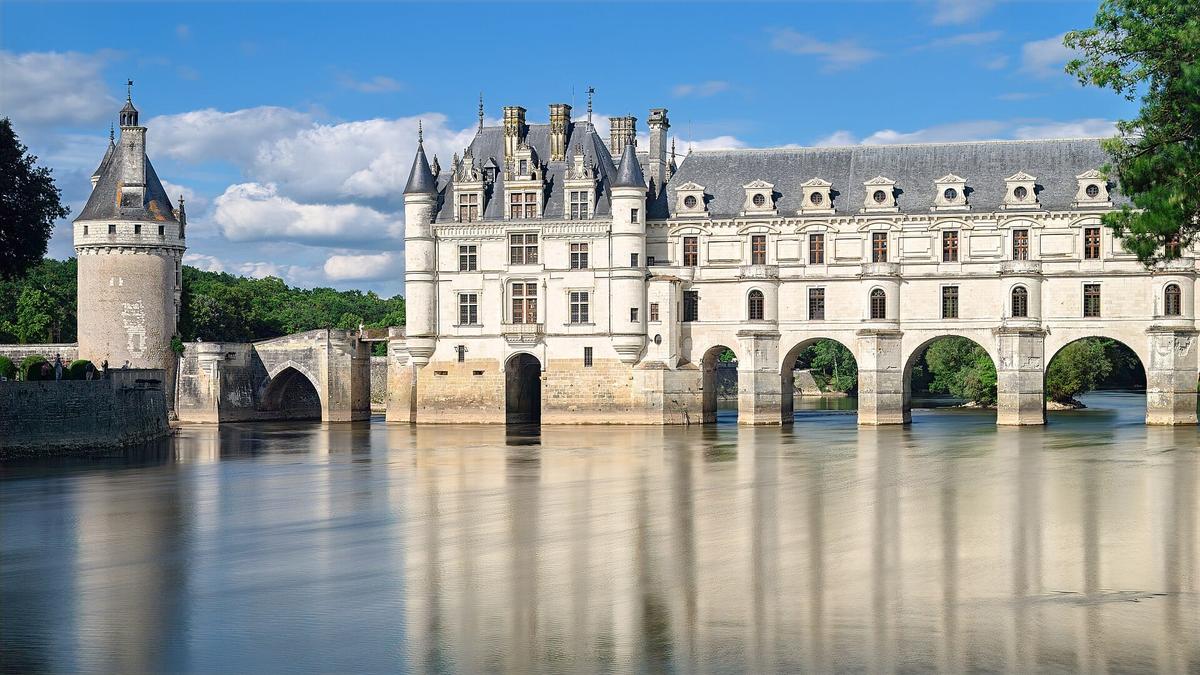
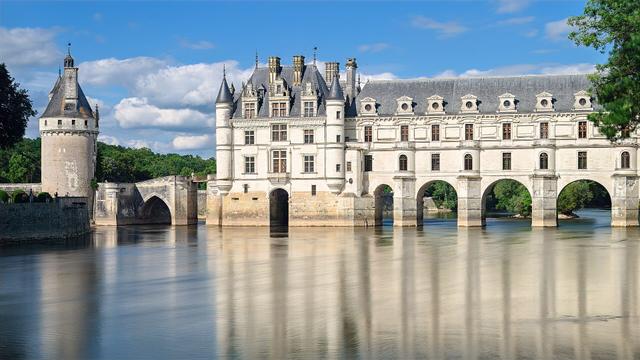
Chenonceau was not built by Francis I. It was built from 1513 by Thomas Bohier, a royal financier. After his death, the Crown claimed money it was owed and, in 1535, the château passed to the king, who came to hunt there.
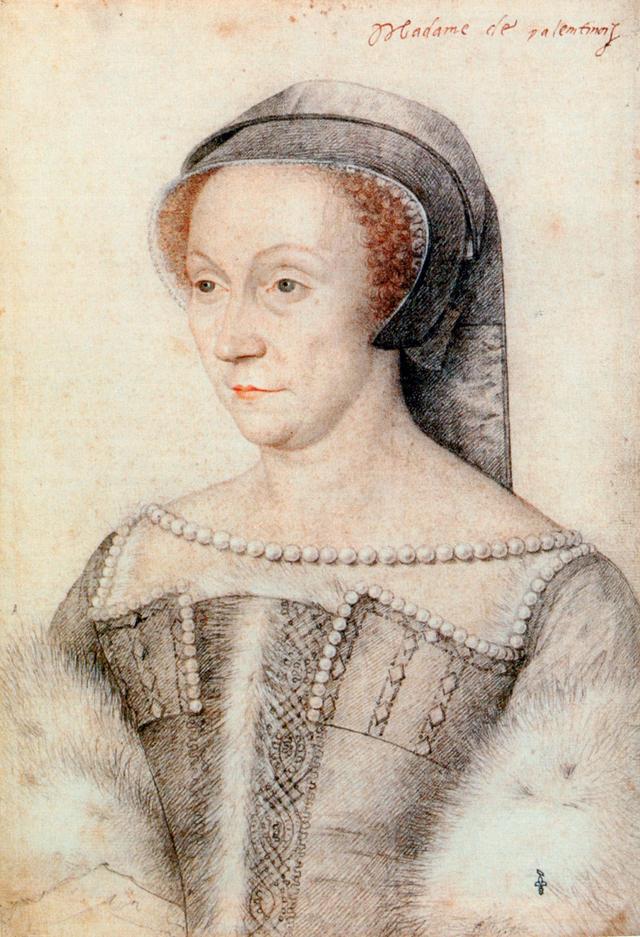
It was his son, Henry II, who gave it to Diane de Poitiers in 1547. From then on, Chenonceau's history became that of the women who shaped it. See also: Château de Chenonceau
A tour in the footsteps of Francis I
In two days, you can follow his whole reign:
- Amboise and Clos Lucé, his childhood and Leonardo, within walking distance of each other.
- Blois, the Francis I wing.
- Chambord, the great project, 15 km from Blois.
- Chenonceau as a bonus, for the next chapter with Henry II and Diane de Poitiers.
That is exactly the route of our two-day itinerary. See also: Loire Valley castles in 2 days, Loire Valley castles pass
Guided tours and day trips
For the history, guided tours are often better than an audio guide: at Chambord, the in-depth tour lasts 180 minutes. Guided day trips also link Chambord, Blois and Amboise.
Partner links: if you book through these links, we earn a commission at no extra cost to you. Partner links · Learn more
FAQ
Which Loire châteaux did Francis I build?
Chambord, entirely, and the Francis I wing of the Château de Blois. He also enlarged and lived at Amboise.
Where is Leonardo da Vinci buried?
In the Saint-Hubert chapel of the Château d'Amboise.
Did Leonardo da Vinci design Chambord?
No document proves it. The double-spiral staircase recalls his drawings, and he died the year building work began.
Did Francis I live at Chambord?
Very little: a few weeks in all. Chambord was a showcase of power more than a home.
Why the salamander?
It was Francis I's personal emblem, with the motto "Nutrisco et extinguo" ("I nourish the good fire and put out the bad").
Tickets to book online
Partner links: if you book through these links, we earn a commission at no extra cost to you. Partner links · Learn more
Monuments in this article


Related guides
Related historical figures