Chambord or Chenonceau: which one should you choose?
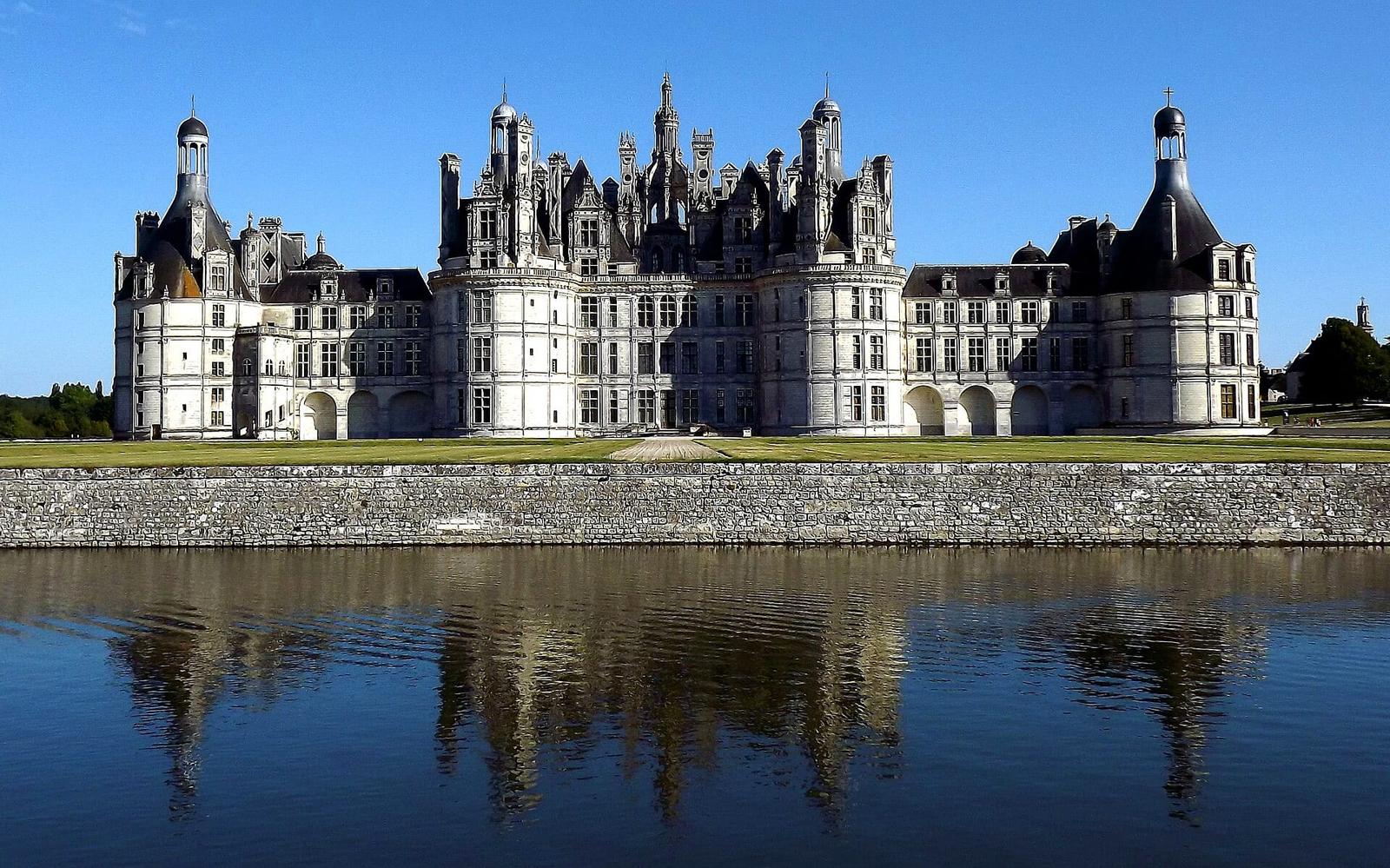
If you only have time for one Loire château, the question nearly always comes up: Chambord or Chenonceau? They are an hour's drive apart and have almost nothing in common. Chambord is an architectural statement set in the middle of a forest; Chenonceau is a furnished, flower-filled house that spans a river. Here is how to choose according to your budget, your time, your children and how you are travelling.
The short answer
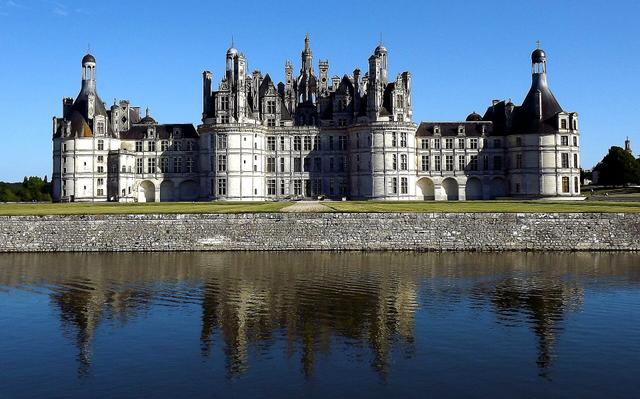
- For architecture, open space and children: Chambord. The double-helix staircase, the rooftop terraces bristling with chimneys and a 5440-hectare estate where you can cycle and take a boat out.
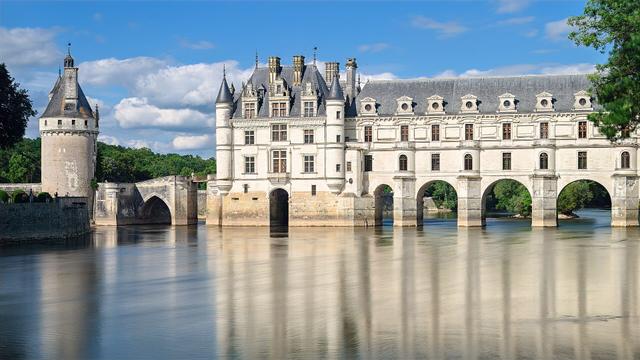
- For interiors, flowers and photos: Chenonceau. Furnished rooms, fresh flower arrangements every day and a 60-metre gallery built across the River Cher.
- Without a car: Chenonceau, whose railway station is 400 metres from the ticket office.
- Both in one day: possible by car, with Chenonceau in the morning and Chambord in the afternoon.
The two châteaux at a glance
| Chambord | Chenonceau | |
|---|---|---|
| Adult ticket | €31 (non-EU residents), €21 (EU/EEA residents) | €19 for everyone |
| Children | free under 18 | €15 aged 7 to 18, free under 7 |
| Time needed | 2.5 to 3 hours, a full day with the park | 2 to 2.5 hours |
| Interiors | vast, often sparsely furnished | furnished and decorated with flowers |
| Without a car | train to Blois, then Rémi bus | direct train from Tours |
| Owner | French state | private (the Menier family) |
| Visitors | 1,218,055 in 2025 | about 800,000 a year (estimate) |
Official ticket office prices, checked on 29 October 2026 on both châteaux' websites.
What you come to see: architecture versus interiors
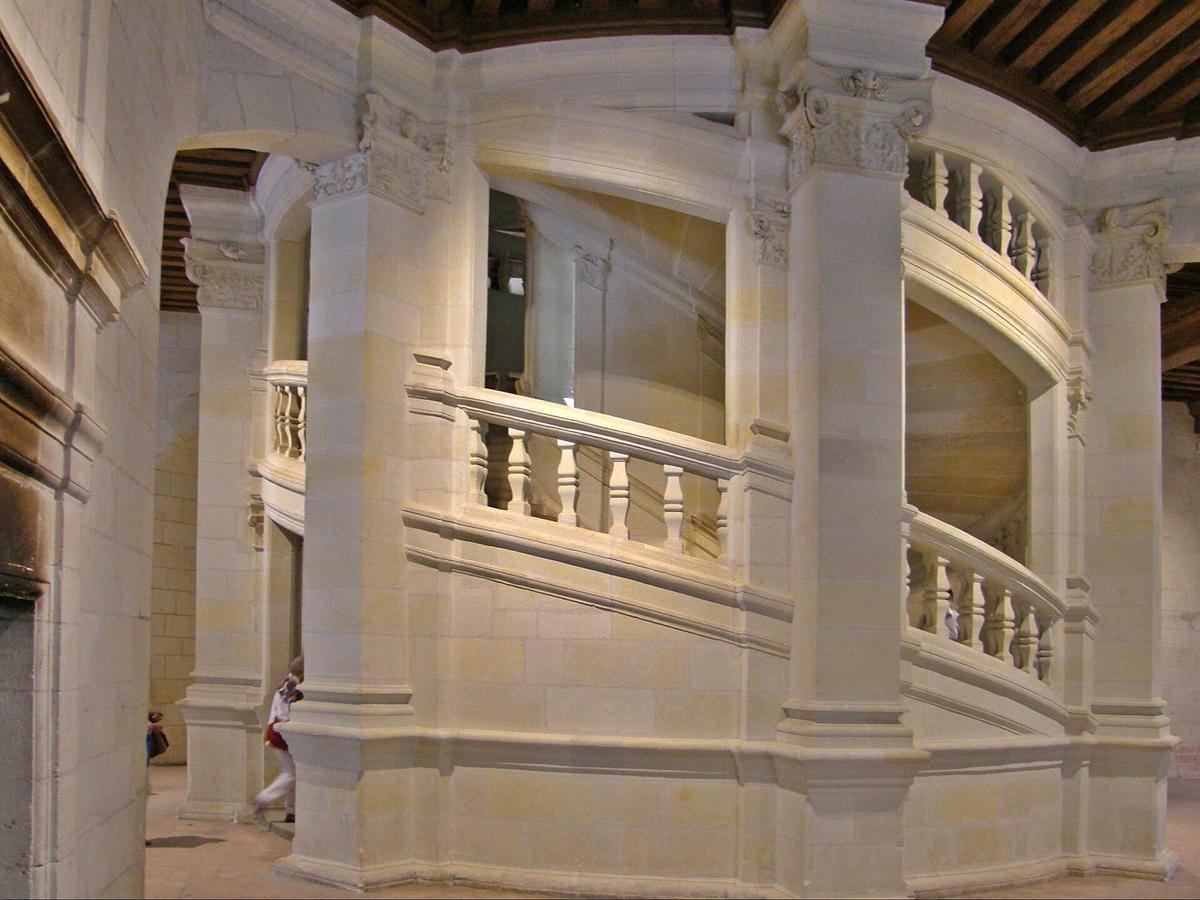
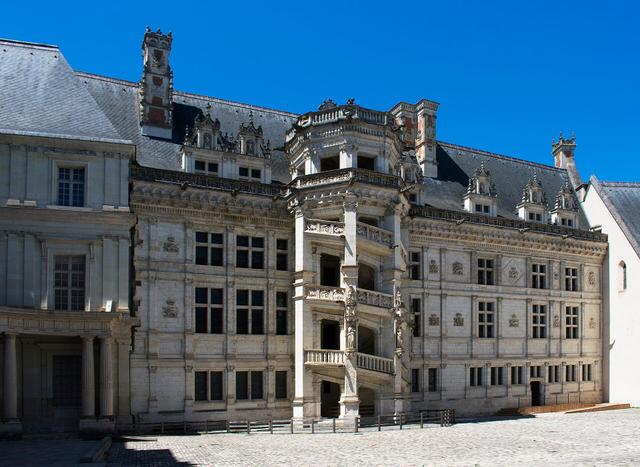
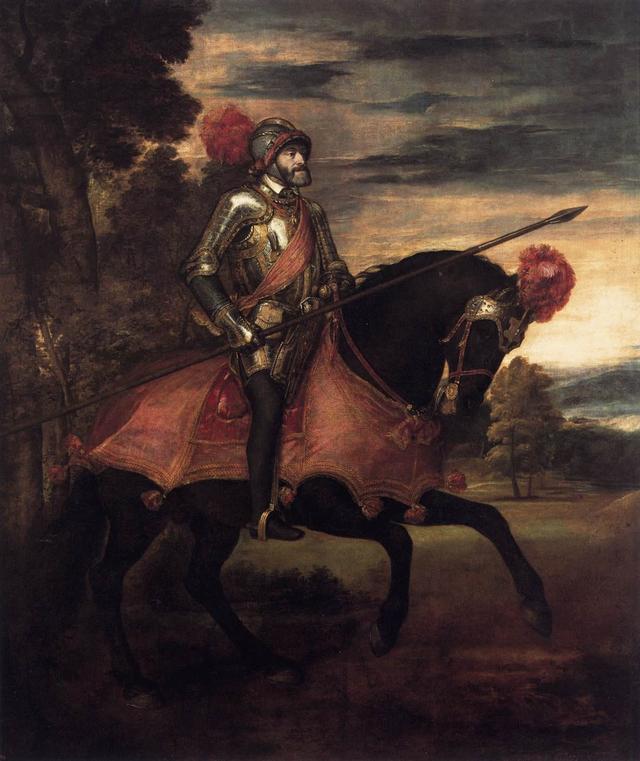
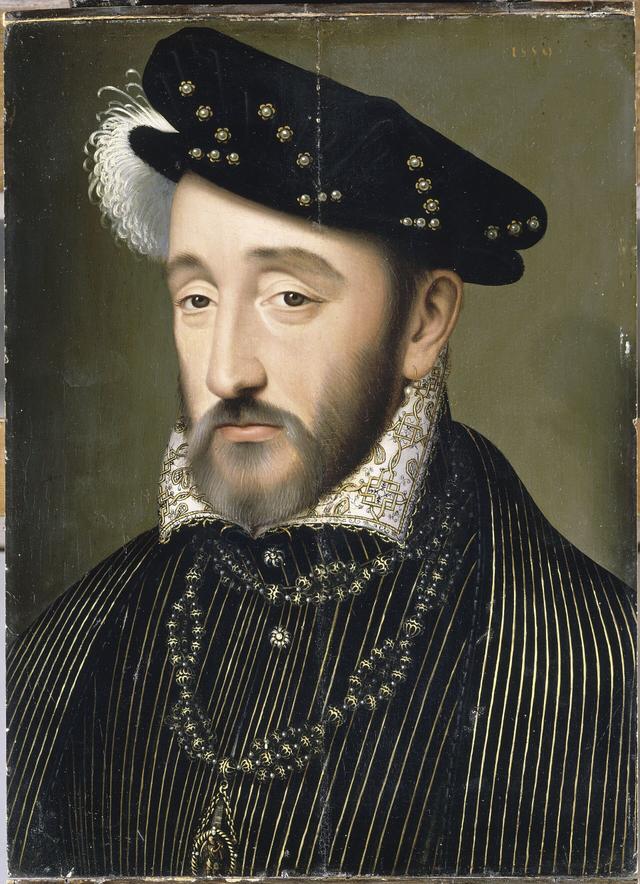
Chambord makes an impression the moment you see it from the drive: a 156-metre façade, 426 rooms, 282 fireplaces and 77 staircases. Francis I began building it in 1519 as a hunting lodge worthy of his power, then spent very little time there. The heart of the visit is the double-helix staircase: two flights winding one above the other without ever meeting, so that two people can go up and down, see each other, and never cross. At the top, the terraces form a small town of lanterns and carved chimneys.
The catch is that many rooms are empty or lightly furnished, because the château was rarely lived in for long. The HistoPad (€6.50), a tablet that recreates the furnished rooms in 3D, fills that gap well.
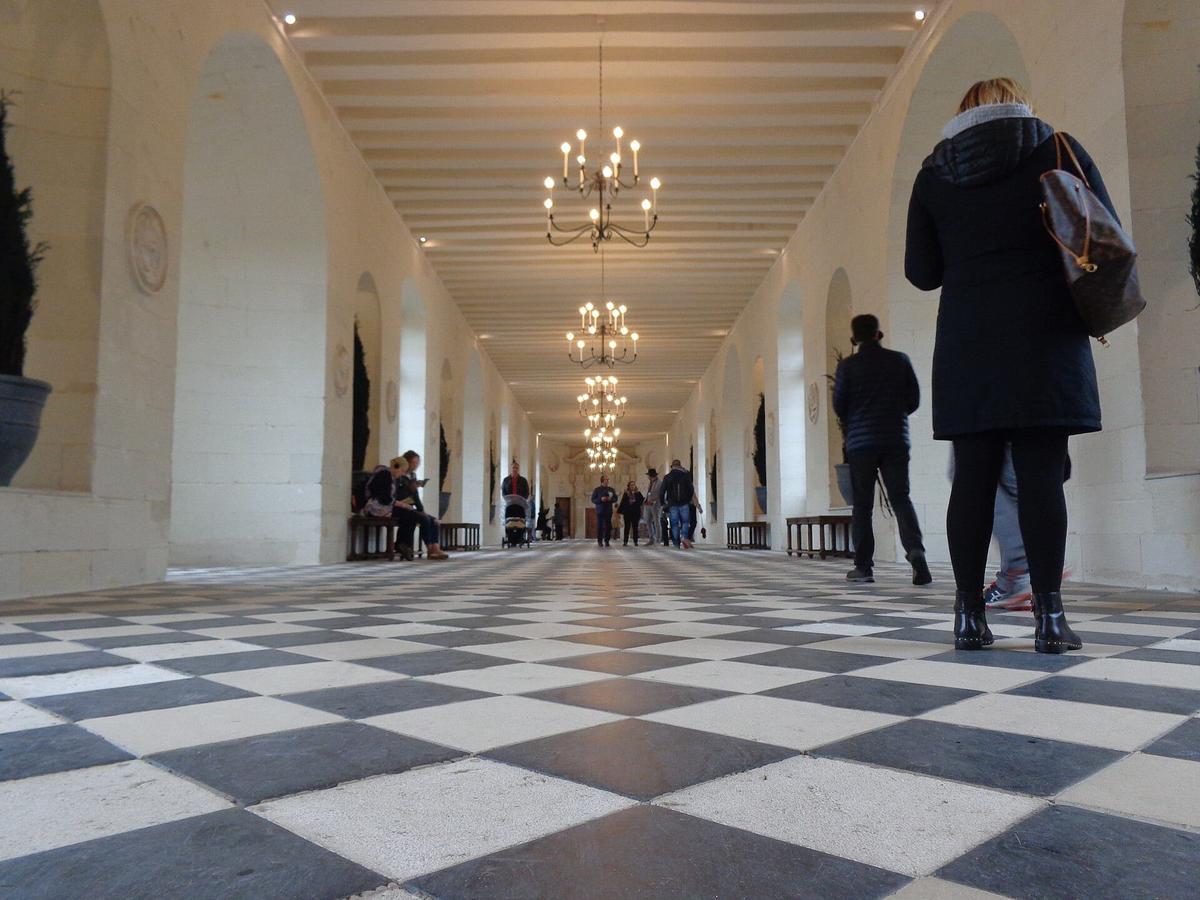
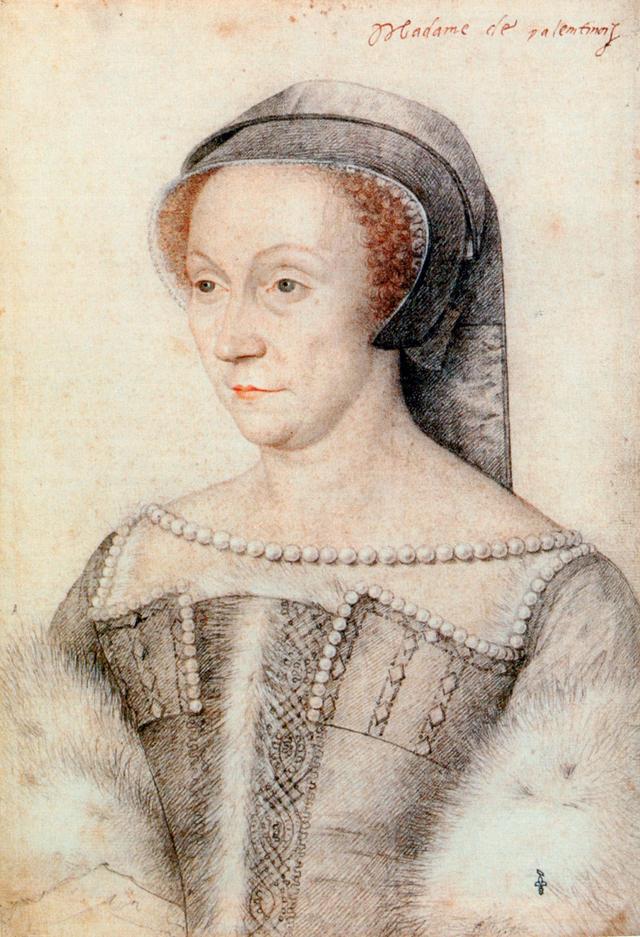
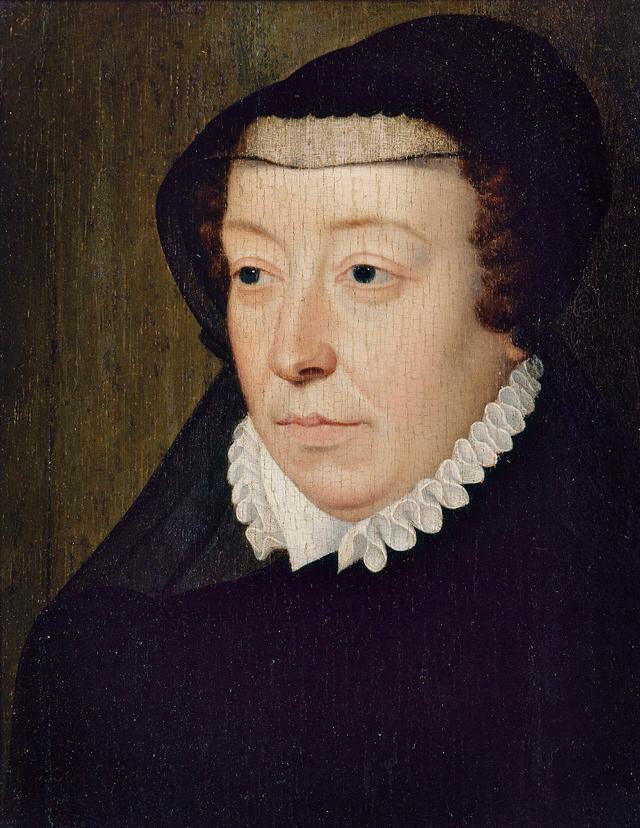
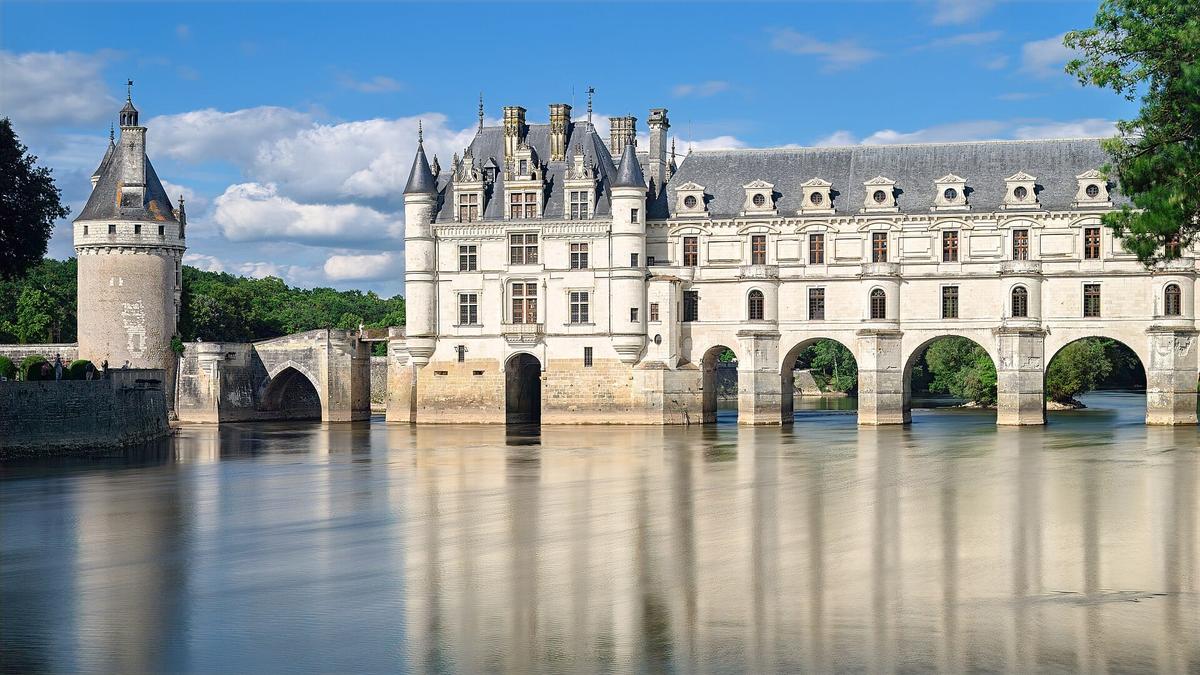
Chenonceau works in a different register. It is smaller, but every room is furnished, hung with tapestries and decorated with flowers grown in the estate's own garden. The highlight is the long gallery over the Cher, with its black-and-white chequered floor and 18 windows looking onto the river. Along the way you follow the women who ran the house: Diane de Poitiers, Catherine de' Medici, Louise of Lorraine, Louise Dupin. Hence its nickname, the "Ladies' Château".
In short: at Chambord you look at the building; at Chenonceau you look at what is inside it.
How much time to allow
Chenonceau takes 2 to 2.5 hours, gardens included. The plane-tree avenue leading to the château, the maze and the farm add some walking but not much time.
Chambord needs 2.5 to 3 hours for the château, the terraces and the formal gardens. What really changes things is the estate: bike hire, rowing boats and electric boats on the Cosson, forest trails, deer spotting. Many families stay the whole day.
If you only have half a day, either works. If you have a full day and no wish to drive far, Chambord fills it better on its own.
Ticket prices: who pays what
This is where the two châteaux differ most, and the answer depends on where you live and how old your children are.
At Chambord, a state-owned monument, an adult resident outside the European Economic Area pays €31, while an EU/EEA resident pays €21 with proof of residence. Under-18s get in free, as do EU/EEA residents aged 18 to 25.
At Chenonceau, a private château, the price is the same for everyone: €19 per adult, €15 for children aged 7 to 18, free under 7. The audio guide costs an extra €5.
In practice:
- Visitors from the US, the UK, Canada, Australia or Asia: Chenonceau costs €19, against €31 at Chambord.
- Families with children aged 7 and over: Chambord works out cheaper, since children are free.
- Couples living in Europe, without children: Chenonceau is slightly cheaper.
At Chambord, add parking (€8 for the day). At Chenonceau, parking is included. See also: Loire Valley castles pass
With children
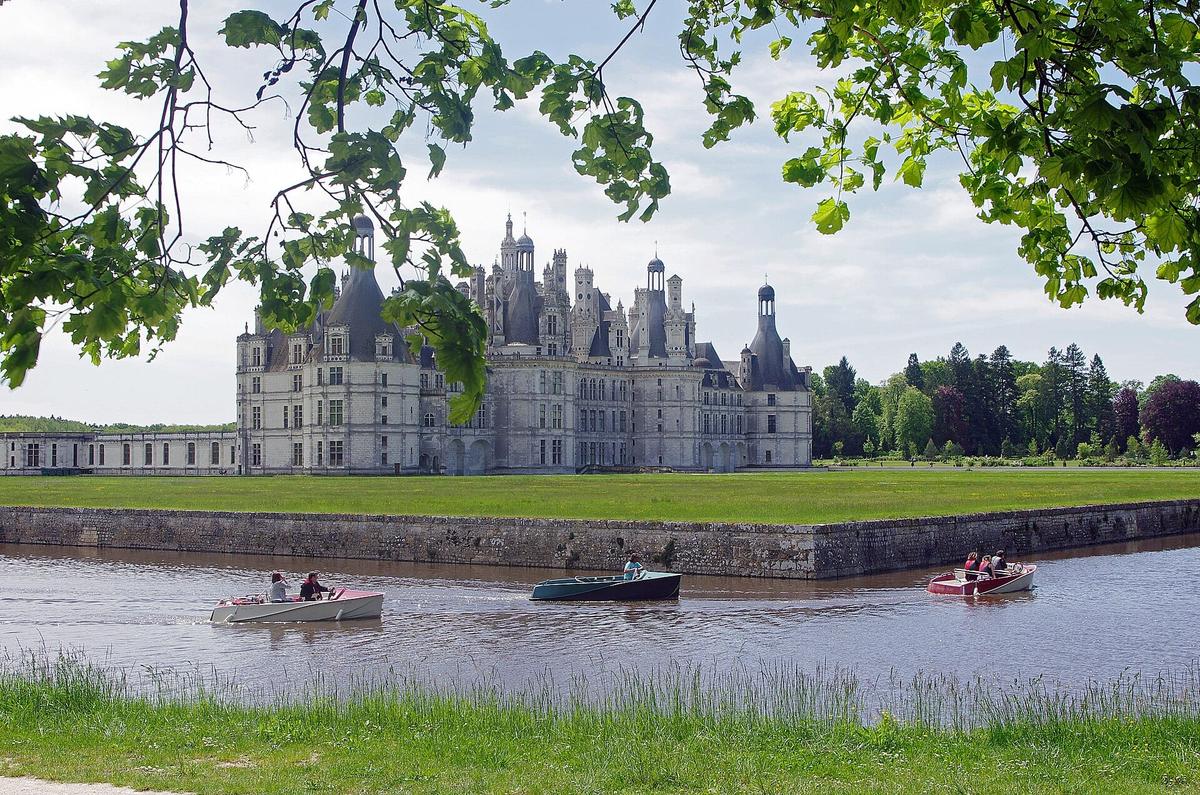
Chambord nearly always wins with children. The double staircase is fun (one goes up, the other comes down, and they wave at each other), the terraces look like a fairy-tale set, and the park gives them room to run: bikes, boats and a horse show in season. The HistoPad turns the visit into a treasure hunt. And entry is free for them.
Chenonceau appeals more to children who like stories about queens and beautiful things. The yew maze, the kitchen built into the bridge piers and the farm with its animals all go down well, but the furnished bedrooms can feel long to younger ones. Pushchairs can be borrowed at the entrance.
With children under 10, choose Chambord. With teenagers who enjoy history, both work. See also: Loire Valley castles with kids
Getting there without a car
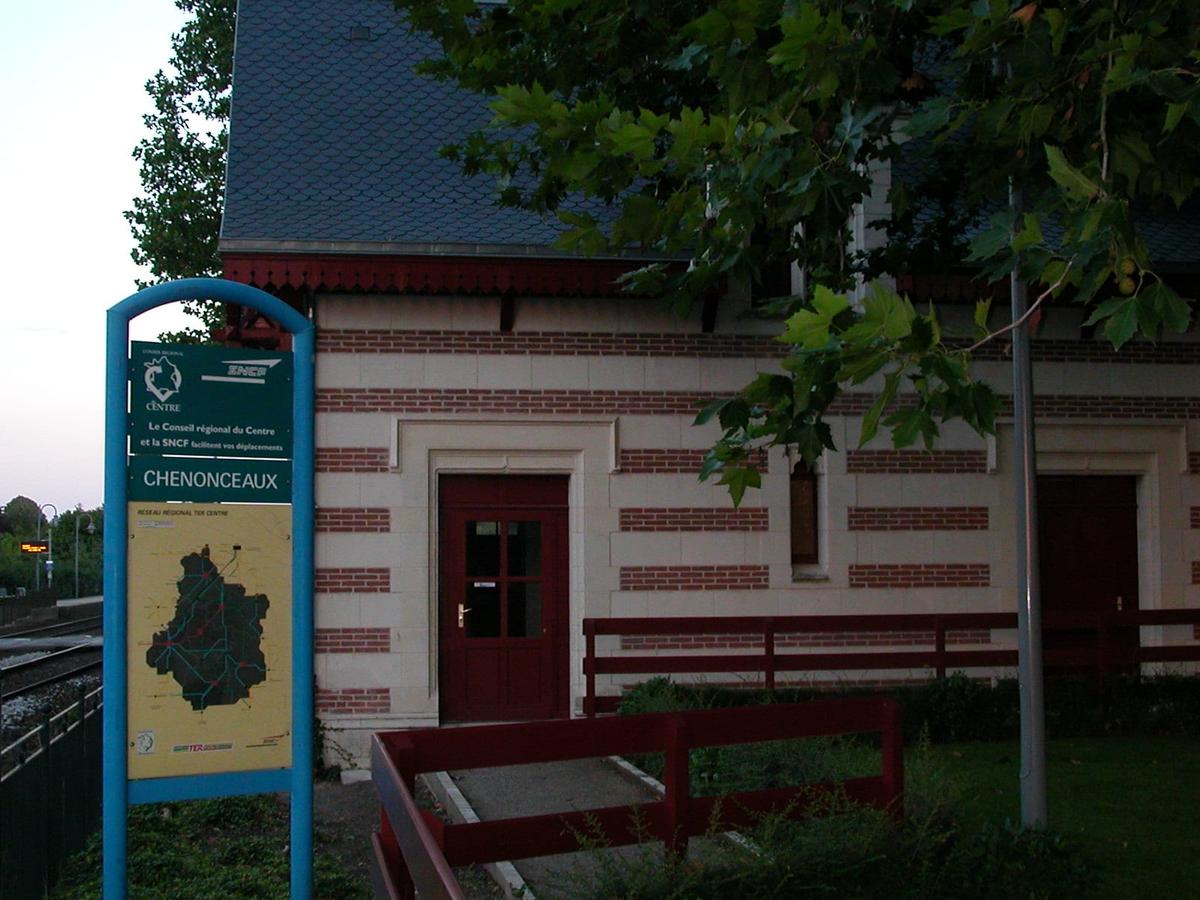
Chenonceau is one of the few Loire châteaux you can reach directly by train. From Paris-Montparnasse, take a TGV to Saint-Pierre-des-Corps (about an hour), then a regional TER train to Chenonceaux station (25 minutes from Tours). The ticket office is a 400-metre walk away. One thing to watch: trains are sparse in the middle of the day, so check your return train before you set off.
Chambord has no station. Take the train to Blois, then Rémi bus line 2 (€3.40 one way), which links the station to the château; buses are infrequent, so check the time of the last one back. Cyclists on the Loire à Vélo route get there easily: the trail crosses the estate for 6 km.
Without a car and with a single day, Chenonceau is the easier choice. See also: Loire Valley castles without a car
Crowds, seasons and the best time to go
Both châteaux are busiest between 10.30 am and 3 pm, when the coach tours from Paris are there. At Chenonceau the gallery is a narrow space where crowds are quickly felt; at Chambord the rooms are so large that people spread out, except on the central staircase.
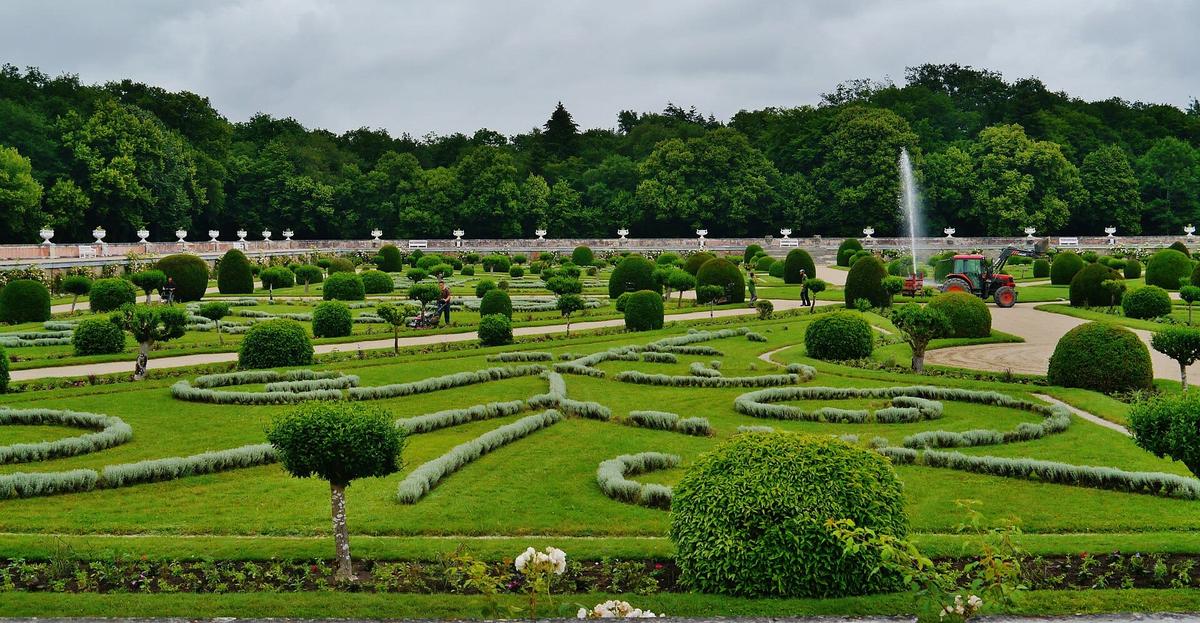
The trick is the same everywhere: arrive at opening time (9 am in season) or in the last two hours. For photos, late afternoon is best at both: Chambord's north façade from the Cosson, Chenonceau from Diane's garden with its reflection in the Cher.
As for seasons, Chenonceau is at its best in May and June, when the gardens are in flower, and in December for its Christmas decorations. Chambord is superb in September and October, with the forest turning and the deer rut. Chenonceau is open every day of the year; Chambord closes on 1 January, 25 December and some Mondays from January to March.
Can you visit Chambord and Chenonceau on the same day?
Yes, by car. The two are 65 km apart, about 60 minutes' drive. The most sensible order:
- Chenonceau at opening time, before the coaches arrive, for 2 hours.
- Lunch on site or on the way to Chambord.
- Chambord in the afternoon, as the groups leave, until closing time.
It makes for a full day, with little time left for Chambord's park. With two days, it is better to stay in Amboise or Blois and add a third château. See also: Loire Valley castles in 2 days
If you are starting from Tours, Saint-Pierre-des-Corps or Blois, renting a car for the day makes the trip easy. Book early in summer, especially if you need an automatic.
Partner links: if you book through these links, we earn a commission at no extra cost to you. Partner links · Learn more
Day tours that combine both
Without a car, an organised tour is the simplest way to see both châteaux. From Paris, coaches leave in the morning and return in the evening: allow about 13 hours, four of them on the road, sometimes with a third château included. From Tours or Amboise, small-group minibus tours cover the same circuit in a shorter day, with more time on site.
Before booking, check whether entry tickets are included (they often are, lunch rarely) and what time the tour reaches each château.
So which one should you choose?
- Travelling with young children: Chambord.
- You love interiors, flowers and stories of queens: Chenonceau.
- No car: Chenonceau, or a day tour that covers both.
- You live outside Europe and are watching your budget: Chenonceau.
- You want a whole day outdoors: Chambord.
- You want the most famous photo in the Loire Valley: Chenonceau and its reflection in the Cher.
And if you still cannot decide, do both. See also: Château de Chambord, Château de Chenonceau
FAQ
Which is more beautiful, Chambord or Chenonceau?
It depends on what you are after. Chambord is the more spectacular from outside and the more original in its architecture; Chenonceau has the finer interiors and the more romantic setting, on the water.
Which is cheaper?
For visitors living outside Europe, Chenonceau (€19) is much cheaper than Chambord (€31). For EU residents, Chenonceau is slightly cheaper for adults, but Chambord wins for families because under-18s go free.
How far is Chambord from Chenonceau?
65 km, about 60 minutes by car. There is no direct public transport between them.
Can you do both in a day trip from Paris?
Yes, on an organised tour (about 13 hours there and back) or by car if you leave early. By train it is too tight.
Which is more visited?
Chambord, with 1,218,055 visitors in 2025. Chenonceau receives about 800,000 visitors a year according to the latest published estimates, which makes it one of France's most visited privately owned châteaux.
Do you need to book?
At Chenonceau, booking online is compulsory on French public holidays. At Chambord, it is recommended in summer and on long weekends. The rest of the year you can buy tickets on site at both.
Tickets to book online
Partner links: if you book through these links, we earn a commission at no extra cost to you. Partner links · Learn more
Monuments in this article
Related guides