Jeanne d'Albret, the Protestant Queen of Navarre
- Born
- 16 November 1528
- Died
- 9 June 1572
- Active years
- 1555 – 1572
- Family
- Artists, saints and favourites
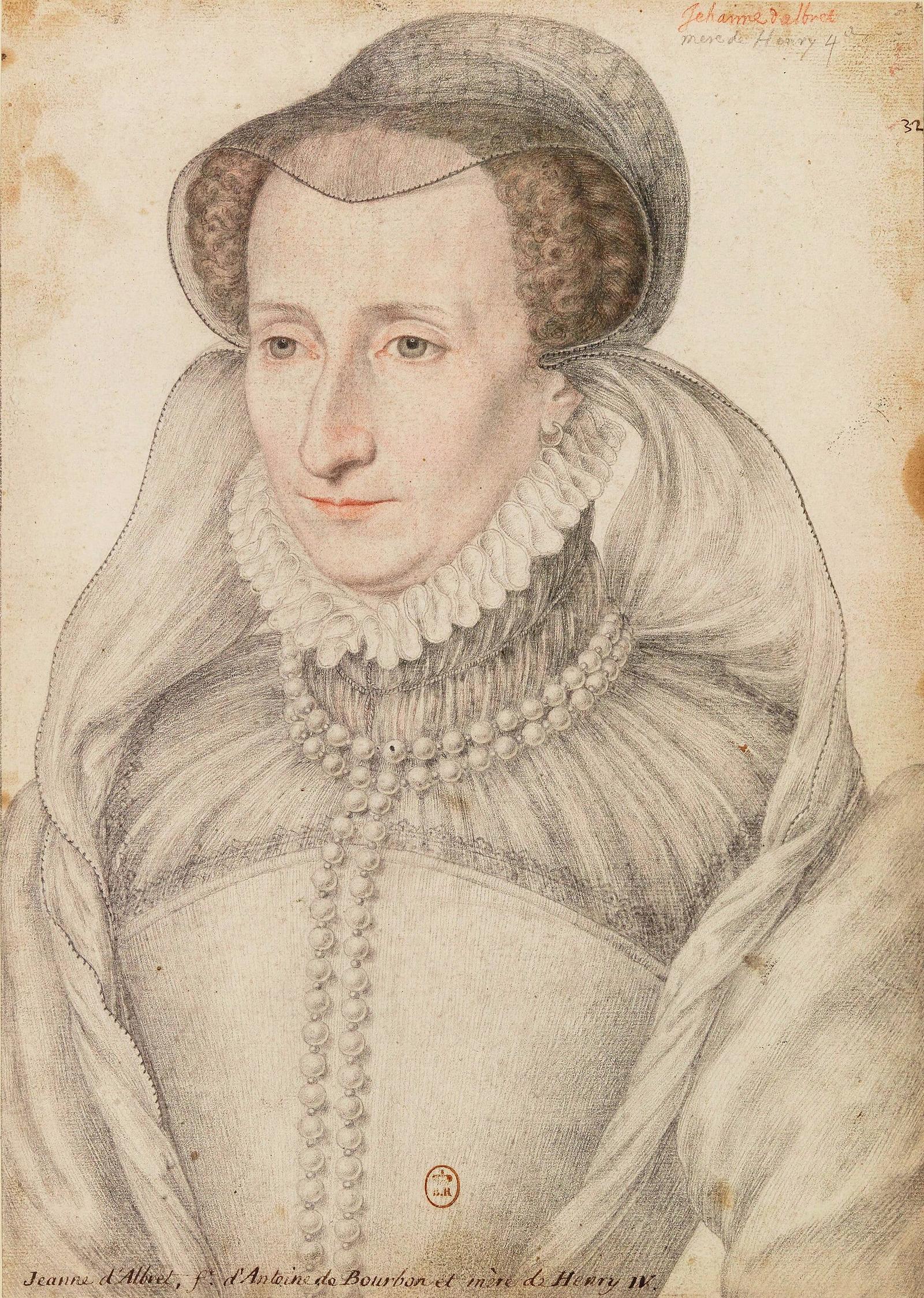
Daughter of Marguerite of Navarre and mother of Henry IV, Jeanne d'Albret was forced into marriage at twelve, then chose the Reformation and stood up to the kings of France. She made La Rochelle the Protestant capital and negotiated her son's marriage to the sister of Charles IX herself. She died two months before the St Bartholomew's Day massacre.
Jeanne d'Albret in dates
| Date | Event |
|---|---|
| 16 November 1528 | Born at the Château de Saint-Germain-en-Laye, daughter of Henry d'Albret and Marguerite of Navarre |
| 13 June 1541 | Forced to marry William of Cleves at Châtellerault; the marriage is later annulled |
| 20 October 1548 | Marries Antoine de Bourbon at Moulins |
| 13 December 1553 | Birth of her son Henry, the future Henry IV, at the Château de Pau |
| 25 May 1555 | Her father dies: she becomes Queen of Navarre |
| Christmas 1560 | Publicly declares herself a Calvinist |
| 1568 | Arrives in La Rochelle with her son, during the third War of Religion |
| February 1572 | Meets Catherine de' Medici at Chenonceau |
| 11 April 1572 | The marriage contract of Henry and Marguerite de Valois is signed at Blois |
| 9 June 1572 | Dies in Paris; buried at Vendôme |
A childhood far from her parents
Jeanne was born at Saint-Germain-en-Laye in 1528. Her uncle, Francis I, wanted to keep her close: she was heiress to Navarre, a small kingdom at the foot of the Pyrenees that Spain had its eye on. He had her brought up at the Château du Plessis-lès-Tours, near Tours, far from her mother Marguerite and her father Henry d'Albret. See also: Marguerite of Navarre, Francis I
In 1541 the king married her to Duke William of Cleves, his ally against Charles V. Jeanne was twelve and refused. She signed written protests. On the day of the ceremony, at Châtellerault, she could not or would not walk to the altar: the Constable Anne de Montmorency had to carry her. When the Duke of Cleves changed sides, the pope annulled the marriage, which had never been consummated. Cleves is a name English readers may know: William was the brother of Anne of Cleves, Henry VIII's fourth wife. See also: Charles V
Pau: the birth of Henry IV
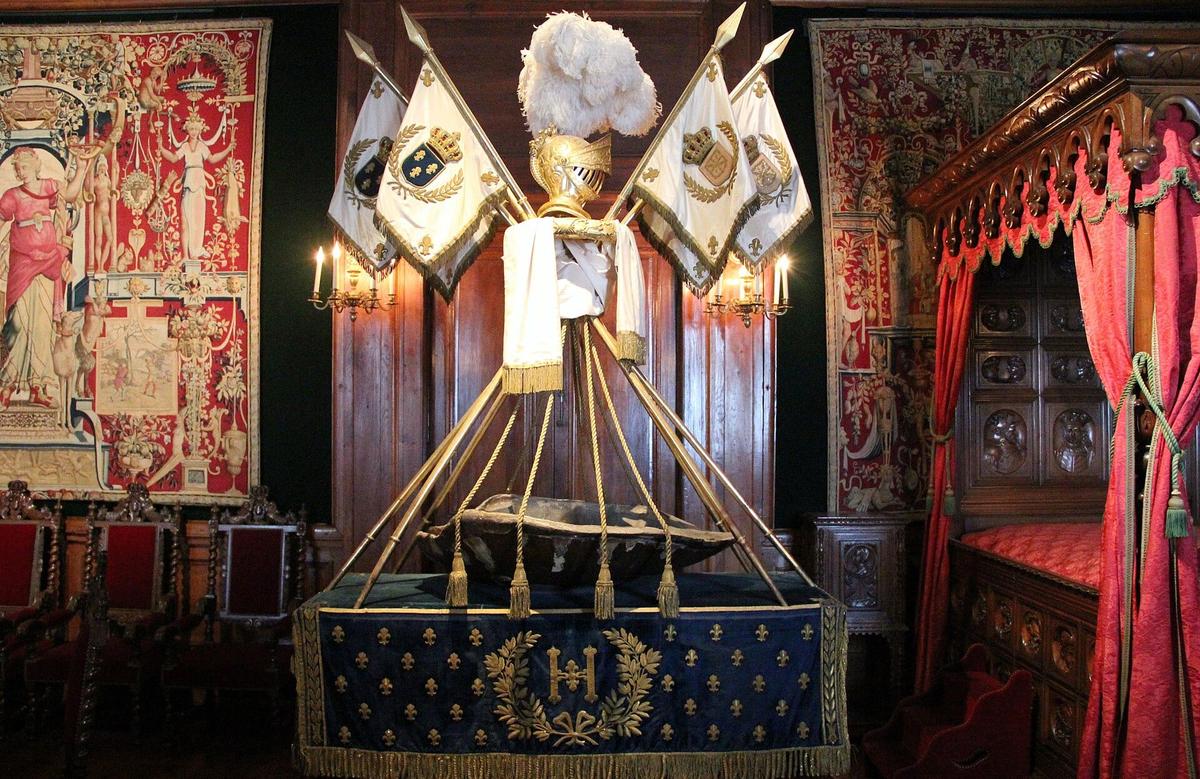
In 1548 Jeanne married Antoine de Bourbon, this time gladly. On 13 December 1553, at the Château de Pau, she gave birth to a son, Henry. Her father had asked her to sing a song in the Béarn dialect during the birth, so that the child would be "neither a crybaby nor a sulker". She sang. The grandfather at once rubbed the baby's lips with a clove of garlic and gave him a taste of Jurançon wine. See also: Henry IV
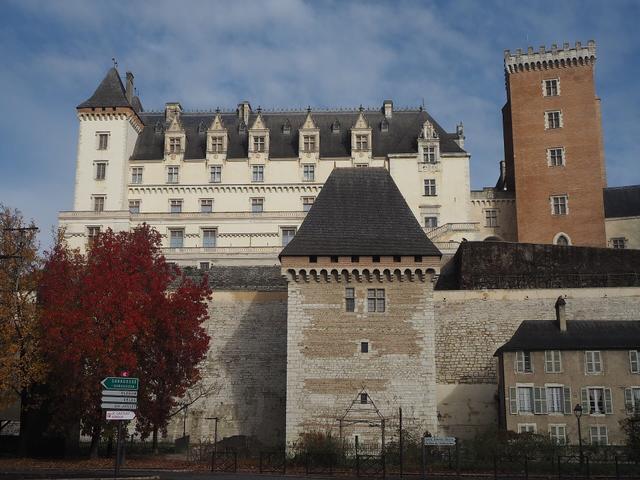
Queen of Navarre from 1555, Jeanne improved Pau with Antoine: the château gardens were entirely redone in their reign. Today the château shows the room where Henry IV is said to have been born, with the sea turtle shell said to have been his cradle, and a room known as Jeanne d'Albret's bedroom. See also: Château de Pau
What to see: Henry IV's bedroom and his turtle shell, Jeanne d'Albret's bedroom, the tapestries.
Queen of the Reformation
At Christmas 1560 Jeanne publicly declared herself a Calvinist. Antoine hesitated, then went back to Catholicism; he died in 1562, wounded at the siege of Rouen. As a widow, Jeanne imposed the Reformation in the Béarn. She had the New Testament translated into Basque: Joanes Leizarraga's translation appeared in 1571, one of the first books printed in that language.
La Rochelle: the Protestant capital
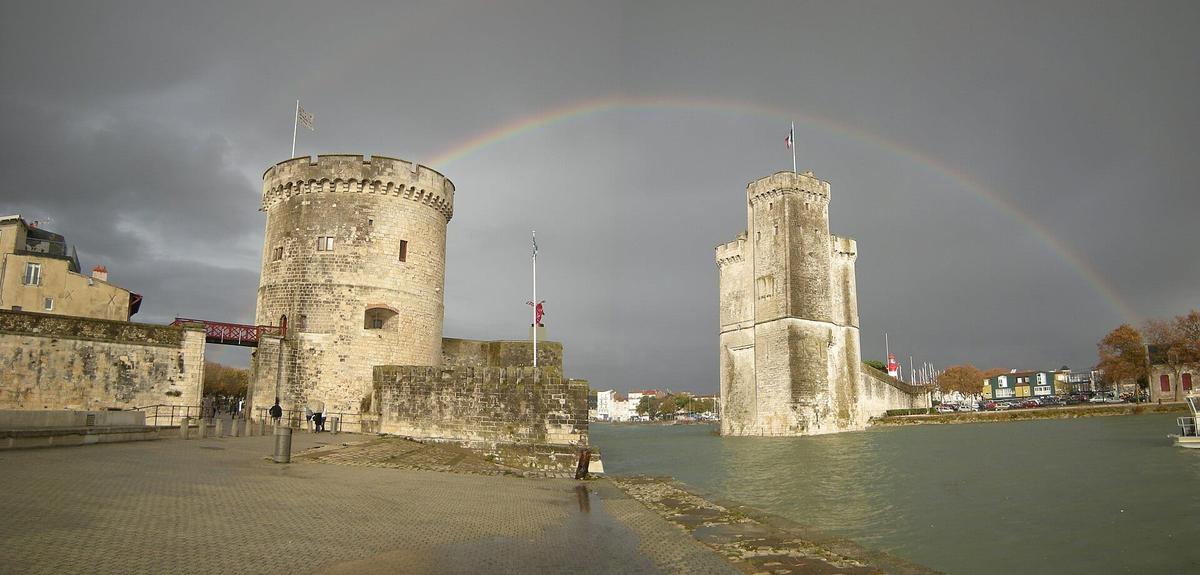
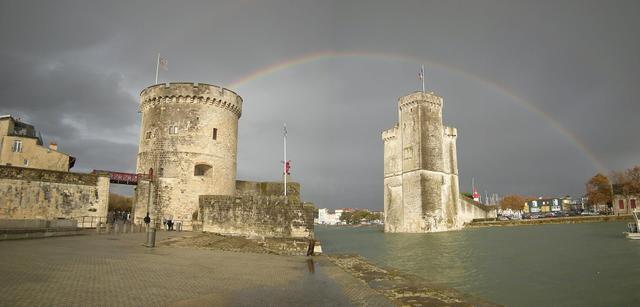
In 1568 the third War of Religion began. Jeanne left the Béarn with her fourteen-year-old son and went to La Rochelle, the great Protestant port on the Atlantic. For nearly three years she lived there, ran the party's finances, wrote in defence of her cause and introduced Henry to the Huguenot leaders, among them Admiral de Coligny. In April 1571 she attended the national synod held in the town. See also: Towers of La Rochelle
What to see: the Saint-Nicolas and Chain towers at the entrance to the Old Port, which Jeanne saw every day, and the Lantern Tower.
Chenonceau and Blois: her son's marriage
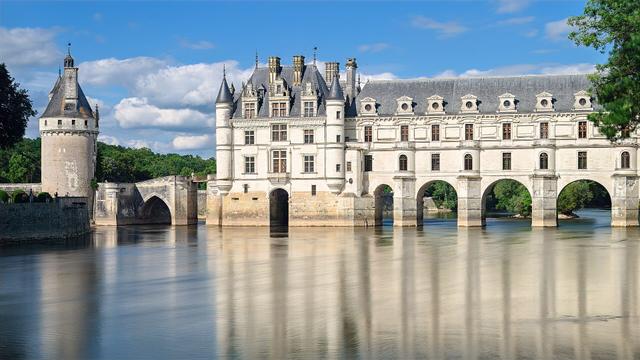
To make peace, Catherine de' Medici proposed marrying Henry to her daughter Marguerite de Valois, sister of King Charles IX. Jeanne was wary, but agreed to negotiate. In February 1572 she met Catherine at the Château de Chenonceau. See also: Château de Chenonceau, Catherine de' Medici, Charles IX
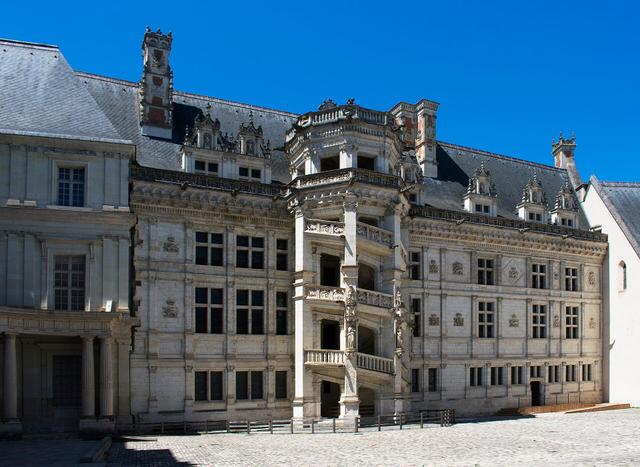
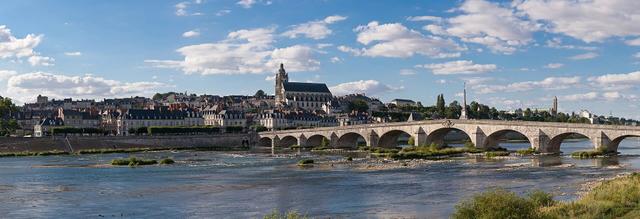
The talks went on at Blois, where the court settled. Jeanne wrote anxious letters to her son about court life: she described the loose morals she saw there and urged him to stand firm in his faith. The marriage contract was signed at Blois on 11 April 1572. See also: Royal Château of Blois
What to see: at Chenonceau, the gallery over the Cher and Catherine de' Medici's bedroom; at Blois, the queen mother's apartments in the Francis I wing.
Death in Paris
Jeanne went to Paris to prepare the wedding. She fell ill in early June and died on 9 June 1572, aged forty-three. A rumour spread at once that Catherine had poisoned her with perfumed gloves; the doctors concluded it was a lung disease. Henry married Marguerite on 18 August. Six days later the St Bartholomew's Day massacre began.
Jeanne wanted to be buried at Lescar, near her parents. In the end she was laid to rest at Vendôme, in the collegiate church of Saint-Georges, beside Antoine de Bourbon. The church was destroyed during the Revolution.
In her footsteps: from Pau to the Loire
Pau and La Rochelle are two separate trips, each worth a full day. Chenonceau and Blois can be combined from Tours or Amboise, an hour's drive apart. To follow Jeanne in 1572, start with Chenonceau in the morning, then Blois in the afternoon. See also: Things to do in Blois
Partner links: if you book through these links, we earn a commission at no extra cost to you. Partner links · Learn more
Guided tours and day trips on GetYourGuide
FAQ
Where is Jeanne d'Albret buried?
At Vendôme, in the château's collegiate church of Saint-Georges, beside Antoine de Bourbon. The church was destroyed during the Revolution.
Where was Jeanne d'Albret born?
At the Château de Saint-Germain-en-Laye, on 16 November 1528.
Who did Jeanne d'Albret marry?
William of Cleves in 1541, a forced marriage that was annulled, then Antoine de Bourbon in 1548.
Was Jeanne d'Albret poisoned?
A rumour accused Catherine de' Medici of giving her poisoned gloves, but the doctors of the time concluded it was a lung disease.
Why is Jeanne d'Albret famous?
The mother of Henry IV, she was the Protestant Queen of Navarre and one of the leaders of the Huguenot party during the Wars of Religion.
Sources: fr.wikipedia.org (Jeanne d'Albret (reine de Navarre)), chateau-pau.fr, museeprotestant.org, chenonceau.com
Tickets to book online
Partner links: if you book through these links, we earn a commission at no extra cost to you. Partner links · Learn more
Places to visit


Related guides
Related historical figures