Château de Pau: planning your visit
Château de Pau at a glance
- Full price
- €10
- Free
- under 18s
- Time needed
- about 1 h
- Visitors per year
- about 100,000
- Where
- Pau
Official ticket-office prices, checked on 29 October 2026. Full opening hours, reduced prices and access
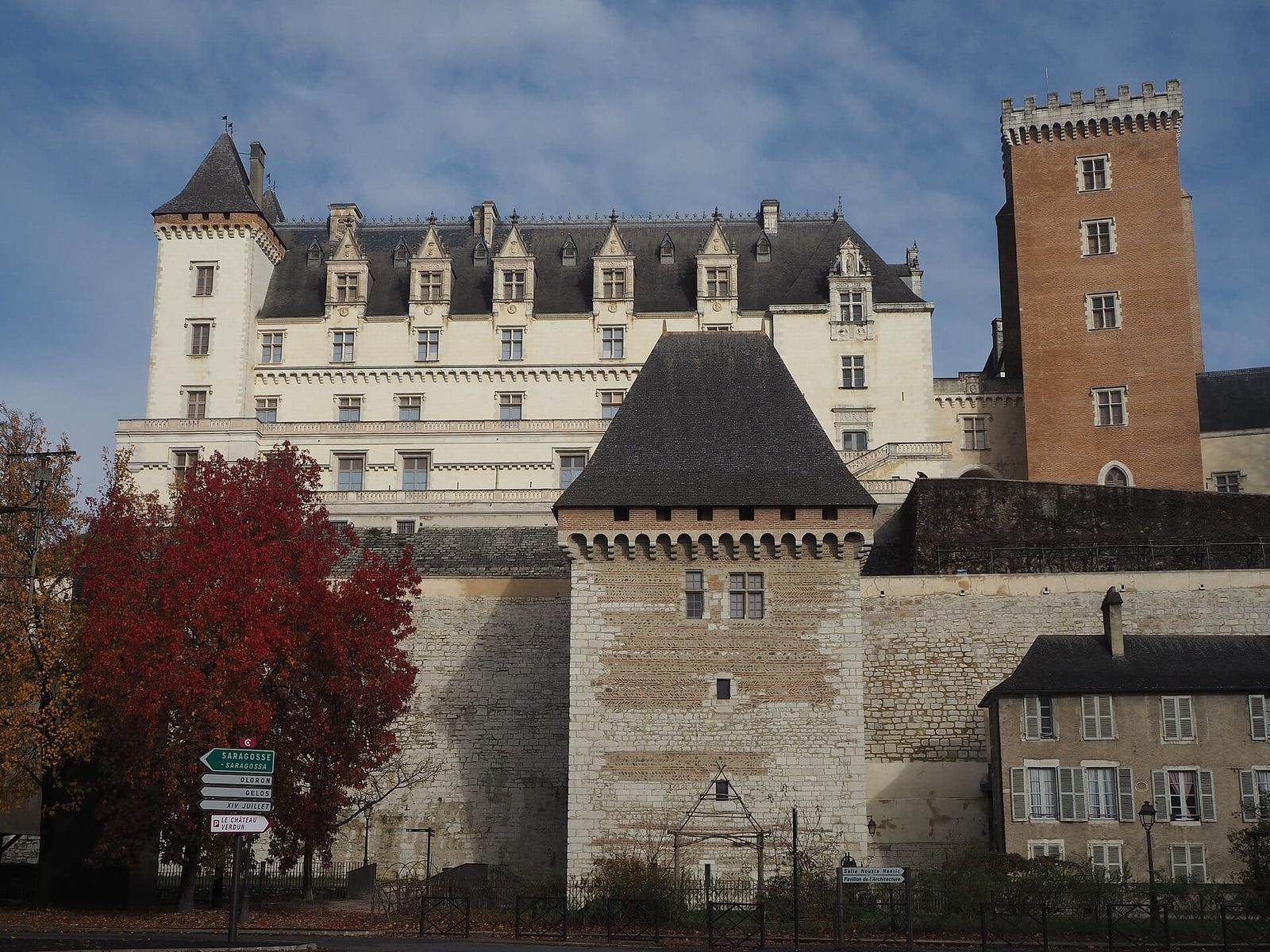
Henri IV was born at the Château de Pau in 1553, and the cradle said to be his, a sea turtle shell, is still there. A national museum since 1927, the castle can only be visited with a guide, in about an hour. Here is what you need to know about tickets, free entry, the lunchtime closure and how to plan your visit.
Pau Castle at a glance
- Where: at the western end of Pau's historic centre, at the end of the Boulevard des Pyrénées, above the Gave de Pau river.
- Price: €10 full price, €8 reduced, free for under-18s and on the first Sunday of every month.
- Visit: guided tour only, no booking needed for individual visitors, about 60 minutes.
- Opening hours: 9:30 – 11:45 and 14:00 – 17:00, every day except 1 January, 1 May and 25 December.
- Gardens: park and gardens open to all, free, all year round.
- Best for: French history lovers, visitors passing through Pau, families with school-age children.
Understanding the Château de Pau
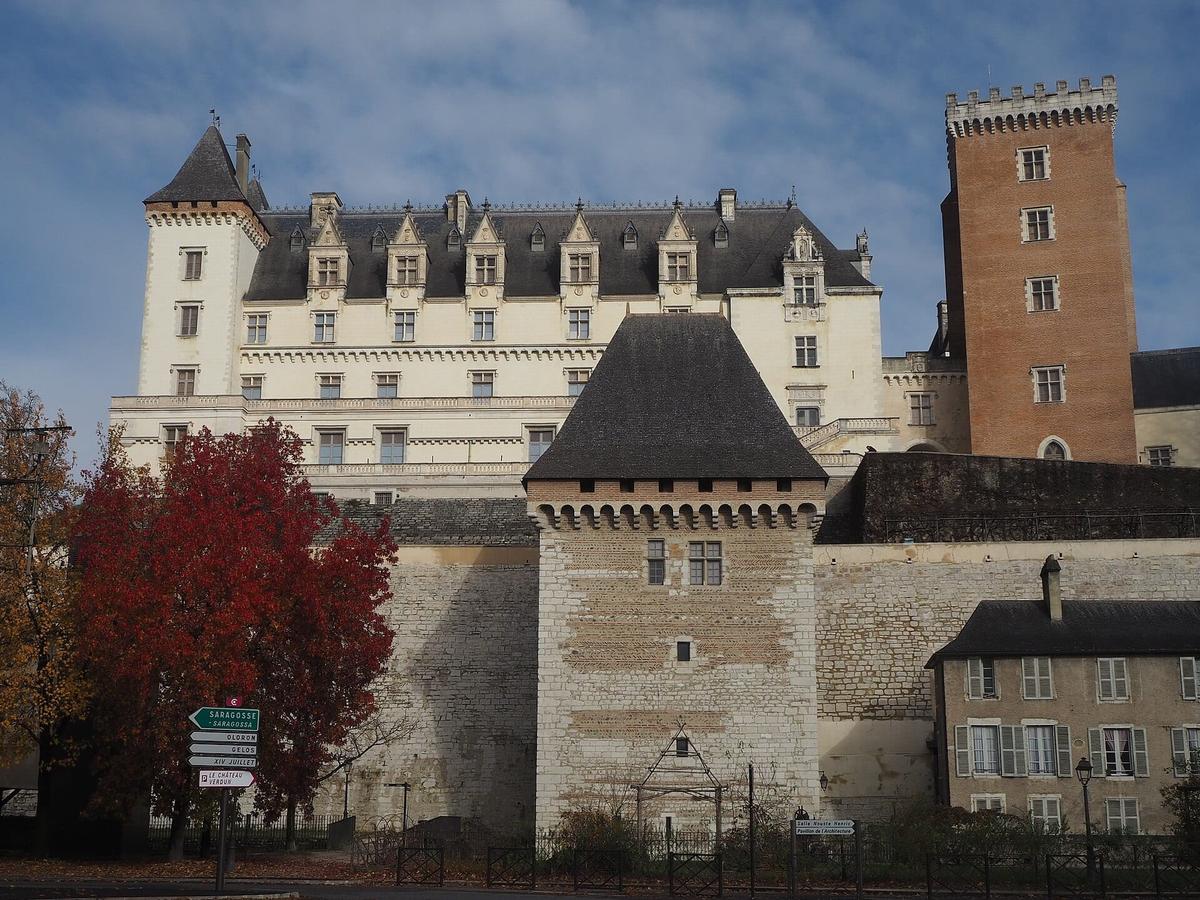
The castle stands on a rocky spur above the Gave de Pau. Its story begins in the Middle Ages, with a fortress of the viscounts of Béarn. Gaston Fébus, Count of Foix and Viscount of Béarn, had it strengthened at the end of the 14th century. The brick keep dates from this time. It is 33 metres high, and Fébus had his motto carved on it: "Febus me fe" (Fébus made me).
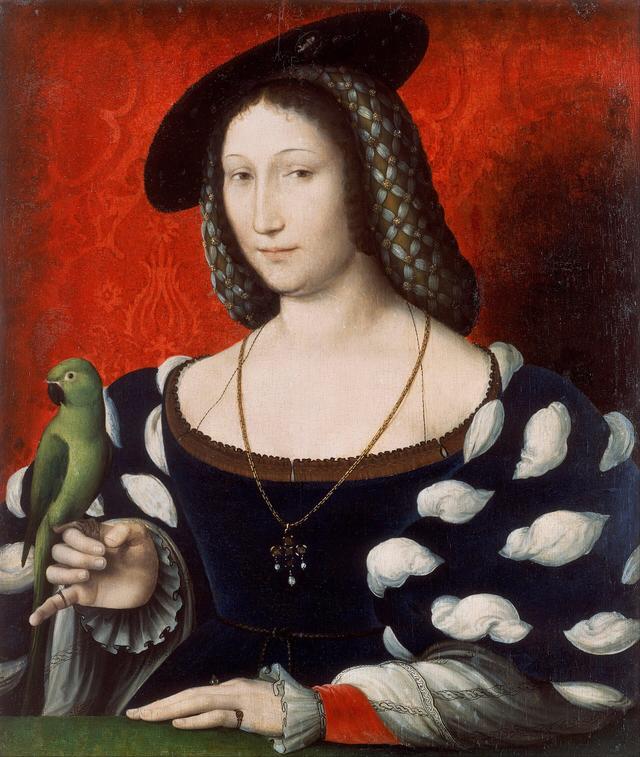
In 1464, Gaston IV of Foix-Béarn made the castle the main residence of the viscounts of Béarn. Between 1529 and 1535, Henri d'Albret, King of Navarre, and his wife Marguerite d'Angoulême, sister of King François I, turned it into a Renaissance residence. Marguerite, author of the Heptameron, held a literary court here.
Their grandson, Henri de Bourbon, was born here on 13 December 1553. He became King of Navarre, then King of France as Henri IV in 1589. The whole visit revolves around him.
In the 19th century, King Louis-Philippe launched a major restoration from 1838, continued by Napoleon III from 1853. Most of the decoration and furniture you see today dates from this period. The castle became a national museum in 1927.
Château de Pau ticket prices
2026 prices published by the museum:
- Full price: €10.
- Reduced price: €8, in particular for 18 to 25-year-olds who are not EU nationals, large-family card holders and visitors who also pay for a lecture tour or workshop the same day.
- Groups: €8.50 per person, by reservation.
- Temporary exhibition: often free. When there is a charge, the combined castle and exhibition ticket costs €12 (€10 reduced), and the exhibition alone €4.50.
Entry is free for:
- under-18s;
- 18 to 25-year-olds who are EU nationals or have lived in the EU for more than three months;
- everyone, on the first Sunday of every month;
- jobseekers and people on French minimum benefits (RSA, ASS, minimum old-age pension);
- disabled visitors (disability rate of at least 80%);
- working teachers, journalists, tour guides and ICOM members.
Valid proof is required at the ticket desk for all reduced and free rates. The castle accepts bank cards, cash and holiday vouchers.
Good to know for visitors from outside the EU: the free entry for 18 to 25-year-olds only applies to EU nationals and EU residents. Young visitors from the UK, the US or elsewhere pay the reduced price.
Our tip: a family with teenagers only pays for the parents' tickets. For a couple under 26 living in the European Union, the visit costs nothing.
Do you need to book the visit?
No, not for an individual visit. The castle can only be visited on a guided tour, but tours leave regularly. Just go to the reception desk and buy your ticket on site. The museum does not take phone bookings from individual visitors, and there is no online booking in July and August.
Groups must book through the reservations service. Tours are also offered in English and Spanish.
Trap to avoid: the lunch break. The castle closes between the end of the morning session and the start of the afternoon one. If you arrive around noon, you will wait more than two hours. Aim for early morning or early afternoon.
Partner links: if you book through these links, we earn a commission at no extra cost to you. Partner links · Learn more
Guided tours and day trips on GetYourGuide
Opening hours and best time to visit
2026 hours published by the Pyrénées-Atlantiques tourist office: the castle is open every day, in the morning from 9:30 – 11:45 and in the afternoon from 14:00 – 17:00. The tourist office gives 5 pm as the last afternoon entry.
The castle is closed on 1 January, 1 May and 25 December. During heatwaves, the museum warns that it may occasionally close in the afternoon.
The estate, that is the grounds, the gardens and the Basse-Plante park, is open from 8:00 – 18:30. The gates start closing a quarter of an hour before.
Our tip: the first Sunday of the month is free for everyone, so it is busier. If you are paying anyway, a weekday morning outside French school holidays is the quietest time.
How long does it take to visit the Château de Pau?
The guided tour lasts about 60 minutes. Add half an hour to an hour for the gardens, the courtyard and a walk around the outside of the castle. Half a day is plenty, which leaves time to stroll through the old town and along the Boulevard des Pyrénées.
What to see inside Pau Castle
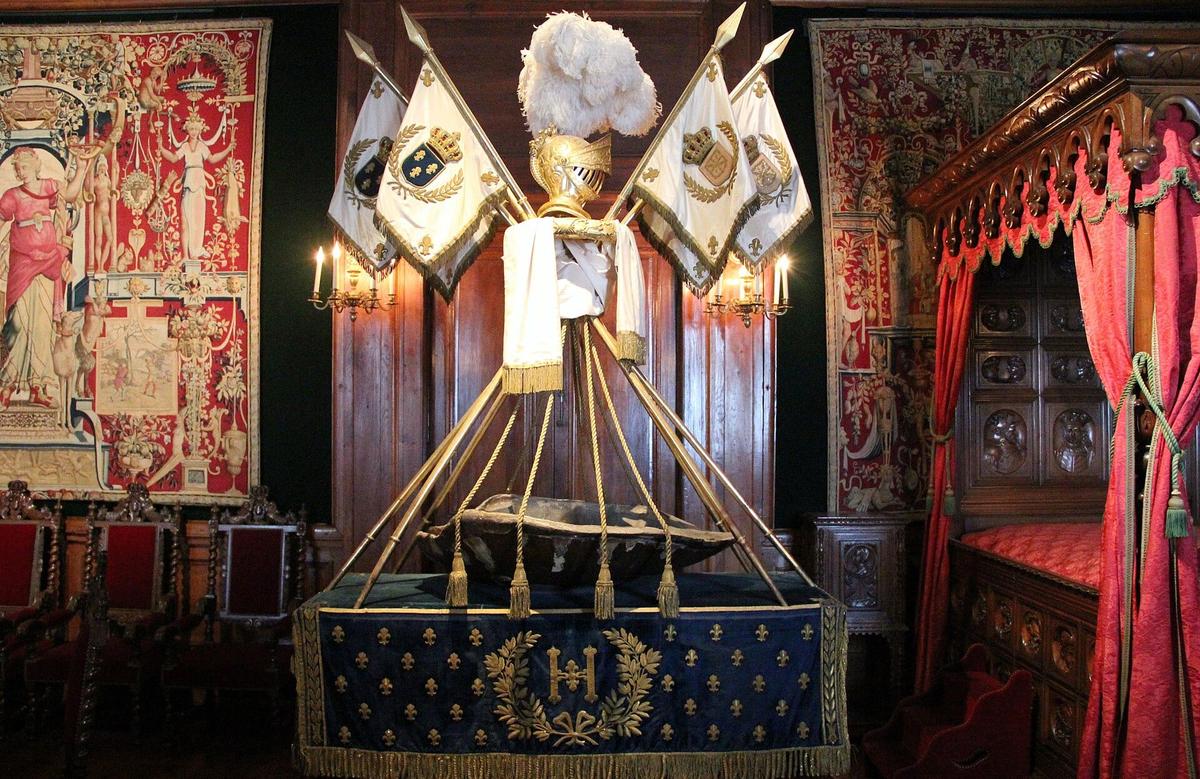
Henri IV's bedroom and the turtle shell. The tour ends in the room where the king is said to have been born. Here you see the sea turtle shell that is said to have served as his cradle. During the Terror, in 1793, a cradle was burnt in public in Pau: it was a copy, as the real shell had been hidden away.
The Hall of the Hundred Covers. This is the great hall on the ground floor. It takes its name from a 18-metre banqueting table that could seat about a hundred guests. The Estates of Béarn met here only once, in 1620, when Louis XIII came. A marble statue of Henri IV, made around 1610, stands in the hall.
The tapestries. The castle holds a large collection of tapestries, including several Gobelins sets hung in the drawing rooms and the great hall. The 19th-century apartments. Louis-Philippe and then Napoleon III furnished the castle in a Renaissance spirit. The furniture, fireplaces and decoration of this period shape the castle as visitors see it today.
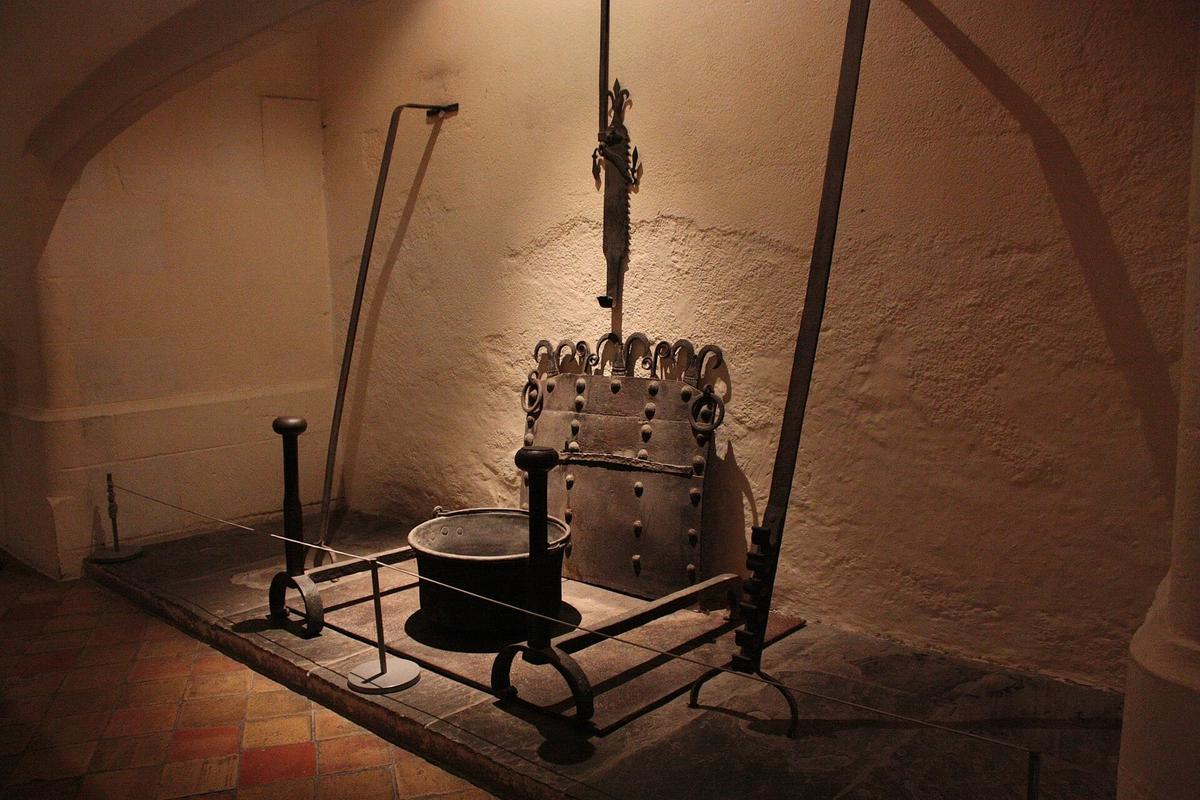
The kitchens. On the lower level, they are a reminder that the castle was also a household with its own staff.
The Fébus keep. Built entirely of brick, it is 33 metres high, with walls nearly three metres thick. It served as a prison for several centuries.
The castle gardens and grounds
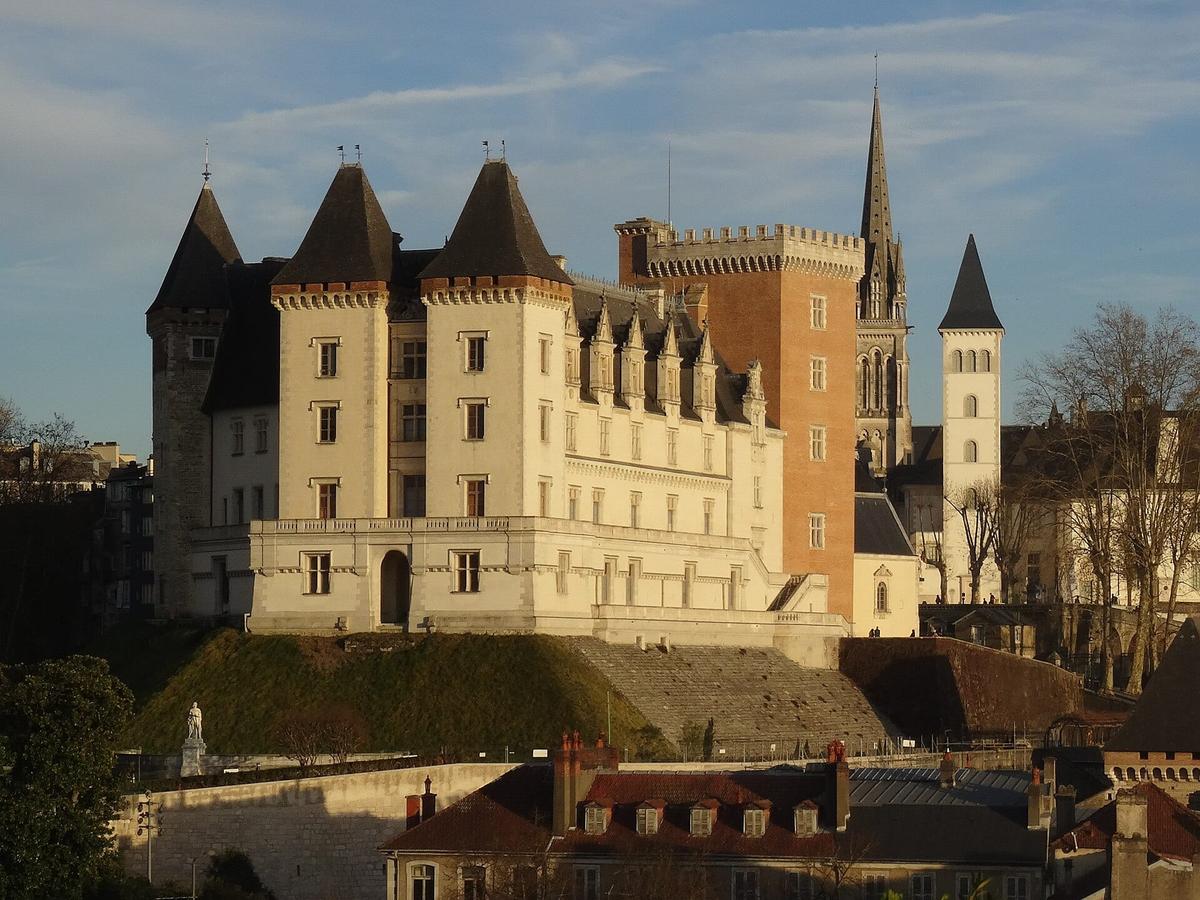
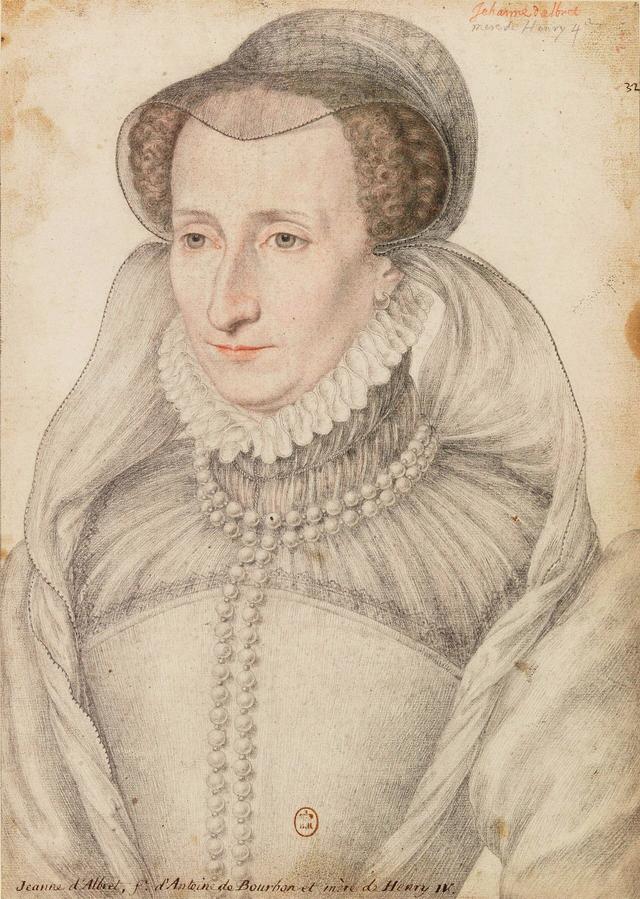
The national estate stretches over 22 hectares to the west, above the river. The park and gardens are open to all, free, all year round. The royal gardens were completely redesigned in the 16th century under Jeanne d'Albret and Antoine de Bourbon, then suffered badly in the 18th century before being restored.
At the foot of the castle, the lower courtyard has a small garden to the south and a walk lined with plane trees to the north. Further on, the Basse-Plante park is a good place for a break in the shade.
How to get to the Château de Pau
On foot from the station. Pau's SNCF train station lies below the upper town. The funicular links the station with the Boulevard des Pyrénées and is free. At the top, allow about ten minutes' walk west along the boulevard to the castle.
Along the Boulevard des Pyrénées. This promenade links the castle with the Palais Beaumont. On a clear day, it gives a view of the whole Pyrenees range. It is the nicest way to reach the castle from the centre.
By car. Pau is served by the A64 (Bayonne-Toulouse) and the A65 (from Bordeaux). Parking is difficult around the castle: aim for a car park in the town centre and walk the rest. The tourist office recommends following signs for "Gare/Château".
Renting a car. The castle is easy to visit without a car. A car becomes useful to go on to the Bétharram caves, Lourdes or the Pyrenean valleys. The simplest option is to pick one up in Pau, at the airport or in town.
Visiting the Château de Pau with children
Entry is free for under-18s, which makes the visit cheap for families. Children under 12 must be accompanied by an adult.
The guided tour lasts an hour, in furnished rooms where nothing can be touched. For a child under 7, that is long. From 8 or 10 years old, the stories of the turtle shell, the Jurançon wine and the garlic (see below) go down well. The castle also runs activities for young visitors during the school holidays: check the events page on the official website before you come.
After the visit, the free gardens are a good place to run around.
Good to know: folding pushchairs, backpacks and small bags must be left at the cloakroom. Suitcases, even cabin size, and large bags are not allowed. Bring a baby carrier rather than a pushchair.
Facts and anecdotes
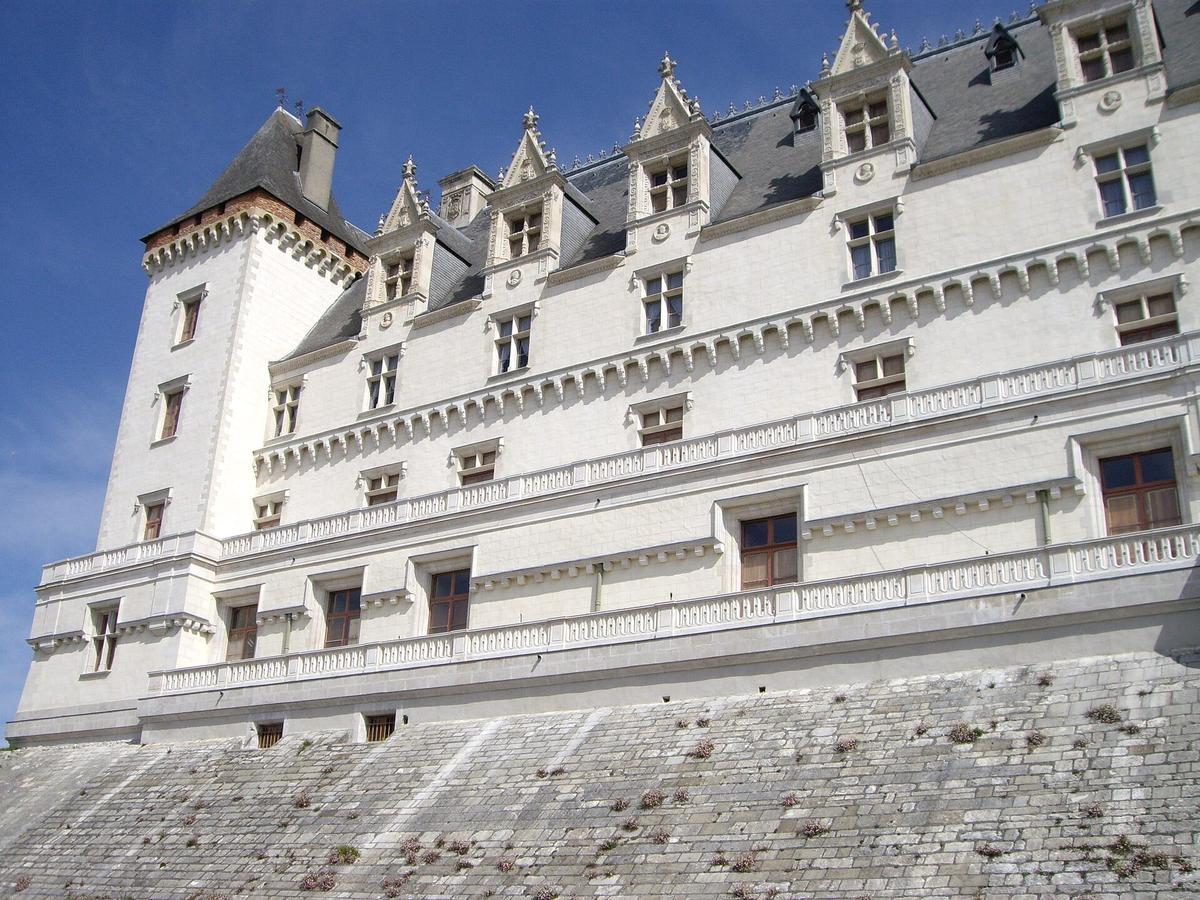
- About 100,000 visitors a year come to the national museum.
- Garlic and Jurançon wine. When Henri was born, his grandfather Henri d'Albret rubbed his lips with a clove of garlic and gave him a taste of Jurançon wine. Tradition has it that he said: "You will be a true Béarnais!"
- The name Pau. Legend says that the people of the Ossau valley marked out the site of the first castle with three stakes. "Pau" means "stake" in the Béarn dialect.
- An emir held prisoner. In 1848, Abd el-Kader was held at the castle with his entourage, before being moved to Amboise.
- A mint. The Mint Tower housed a coin workshop from about 1554 until 1778.
- Ninety-five paintings sent to Paris. In 1620, Louis XIII, who came to restore Catholic worship in Béarn, had 95 paintings from the castle sent to Paris.
What to visit near the Château de Pau
| Also worth seeing | Distance | Travel time |
|---|---|---|
| Bétharram Caves | 27 km | 35 min by car |
| Sanctuary of Our Lady of Lourdes | 45 km | 45 min by car |
Approximate road distances and travel times.
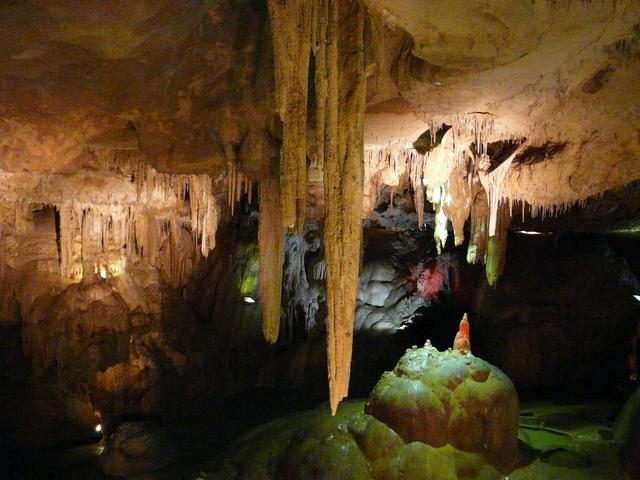
The Bétharram caves. Half an hour's drive towards Lourdes, the visit is partly by boat and by little train underground. It is the ideal outing to round off a morning at the castle with children. See also: Bétharram Caves
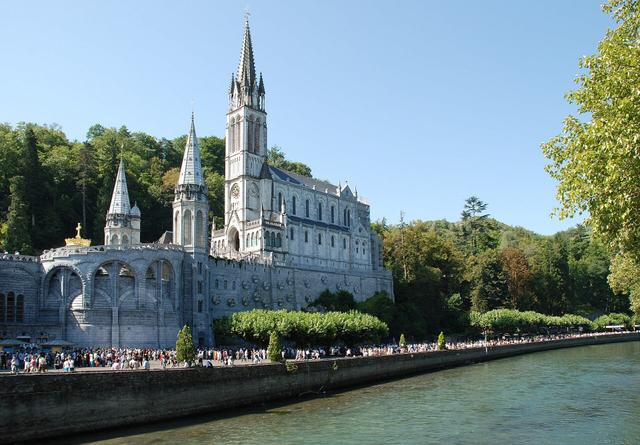
Lourdes. The sanctuaries are less than an hour from Pau. You can do the castle in the morning and Lourdes in the afternoon. See also: Sanctuary of Our Lady of Lourdes
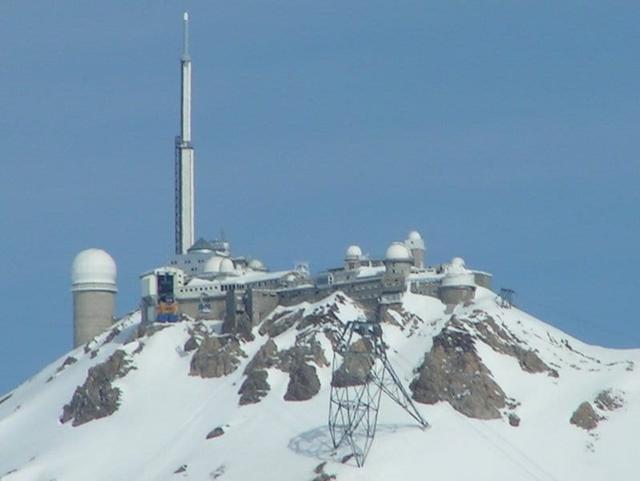
Pic du Midi de Bigorre. Further away, in the Hautes-Pyrénées, it needs a full day. From Pau, leave early and check the weather at the summit before setting off. See also: Pic du Midi de Bigorre
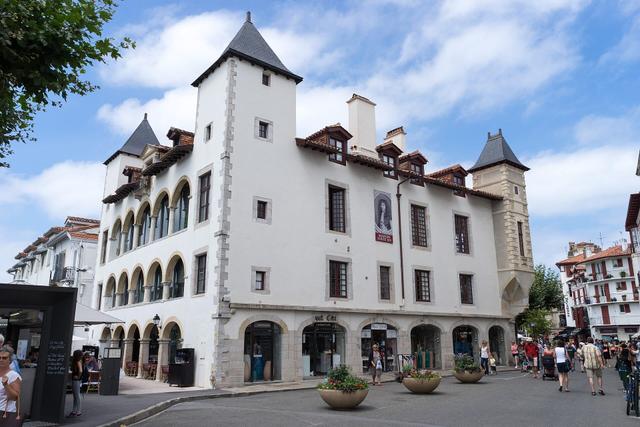
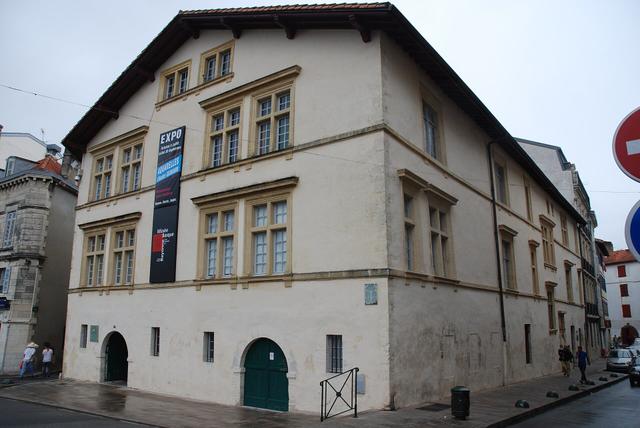
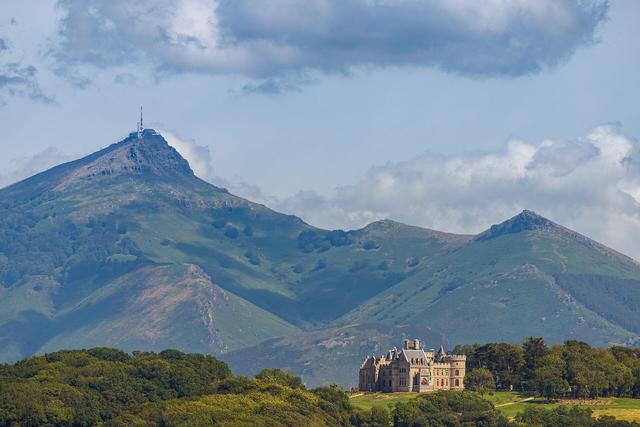
The Basque Country. Bayonne and its Basque Museum, or the Château d'Abbadia in Hendaye, are about an hour and a half's drive away. See also: Basque Museum and History of Bayonne, Château d'Abbadia, Basque Country and Pyrenees
Where to eat and stay in Pau
Eating. The castle quarter, around Rue du Château and Place Reine-Marguerite, has restaurants and cafés just a few steps away. The Boulevard des Pyrénées has terraces with mountain views. For a picnic, the gardens and the Basse-Plante park are a good choice.
Staying. The historic centre, between the castle and Place Clemenceau, lets you do everything on foot. Near the station, the funicular saves you the climb. With a car, Pau is a good base for trips to Lourdes, Bétharram and the Ossau and Aspe valleys.
FAQ
How much does it cost to visit the Château de Pau?
€10 full price and €8 reduced. Entry is free for under-18s, 18 to 25-year-olds from the EU, and for everyone on the first Sunday of the month.
Can you visit Pau Castle on your own?
No. The castle can only be visited on a guided tour of about an hour. There is no need to book: buy your ticket on site and join the next tour.
Is the Château de Pau closed at lunchtime?
Yes. It is open from 9:30 – 11:45 and then from 14:00 – 17:00. Avoid arriving just before noon.
Do you have to pay to visit the castle gardens?
No. The park and gardens are open to all, free, all year round, from 8:00 – 18:30.
Where is Henri IV's cradle?
In the room where he is said to have been born, at the end of the tour. It is a sea turtle shell.
Can I bring a suitcase?
No. Suitcases, even cabin size, and large bags are not allowed; backpacks and folding pushchairs go to the cloakroom.
Practical information
Official ticket-office prices 2026
| Full price | €10 |
|---|---|
| Reduced rate | €8 |
| Free | under 18s, EU/EEA residents aged 18 to 25, jobseekers, recipients of French welfare benefits, disabled visitors, French teachers (Pass Éducation), and journalists |
Address
Château de Pau, rue du Château, 64000 Pau, France
Directions · Phone+33 5 59 82 38 00
On site and nearby
- On site: Left luggage or cloakroom
- Nearest shops and pharmacy: Pau, less than 1 km away Straight-line distance, based on OpenStreetMap.
- Emergencies: 112 (all emergencies, free from any phone), 15 (SAMU, medical emergency)
Around the site, on Google Maps
With children
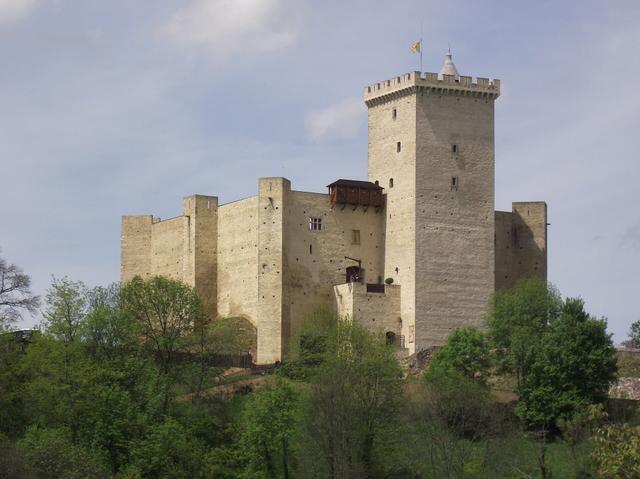
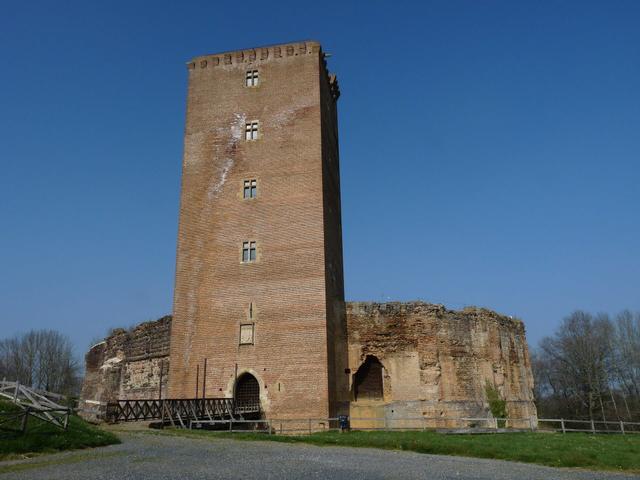
Family days out nearby: Bétharram Caves (26 km), Château de Morlanne (27 km), Château de Montaner (30 km)
Swimming pools and play areas nearby, on Google Maps
Facts checked on 29 October 2026. Sources: chateau-pau.fr, tourisme64.com, chateau-pau.fr, en.wikipedia.org, fr.wikipedia.org, chateau-pau.fr
Map
In the same region
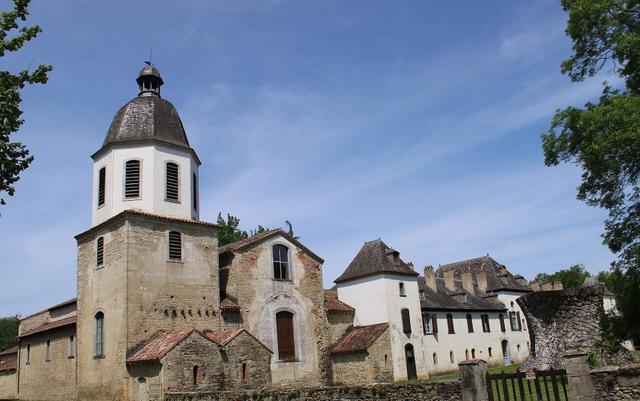
- Château de Morlannefrom €7Free under 7
- Gouffre d'Esparrosfrom €12.50Free under 4