Saint-Bertrand-de-Comminges: visiting the cathedral and the village
Saint-Bertrand-de-Comminges Cathedral at a glance
- High season
- 10:00 – 19:00
- Low season
- 10:00 – 17:00
- Full price
- €7.50
- Free
- under 12
- Time needed
- about 45 min
- Where
- Saint-Bertrand-de-Comminges
Official ticket-office prices, checked on 11 November 2026. Full opening hours, reduced prices and access

On a lone hill at the foot of the Pyrenees, the Cathedral of Sainte-Marie towers over a village of a handful of houses and, below it, the ruins of a Roman town. Carved choir stalls, a Renaissance organ, a cloister open to the mountains and a crocodile hanging on the wall: here are the prices, opening hours, time needed and what not to miss nearby.
Saint-Bertrand-de-Comminges at a glance
- Where: in the Haute-Garonne, in the Comminges area, about ten kilometres from Montréjeau and around 1 hour 30 minutes from Toulouse on the A64.
- Price: €7.50 per adult for the cathedral and cloister, €4 from age 12, free under 12.
- Open: daily, all year, from 10 am on weekdays and from 14:00 on Sundays. Closed on 25 December, 1 January and on the patron saint's feast day.
- Time needed: about 45 min for the cathedral with the audio guide, half a day with the village, the Roman ruins and the Valcabrère basilica.
- Best for: lovers of Romanesque art and history, walkers on the Way of St James, anyone curious about archaeology.
- Good to know: a major restoration project runs until 2029. Pets are not allowed in the cathedral.
Why visit Saint-Bertrand-de-Comminges
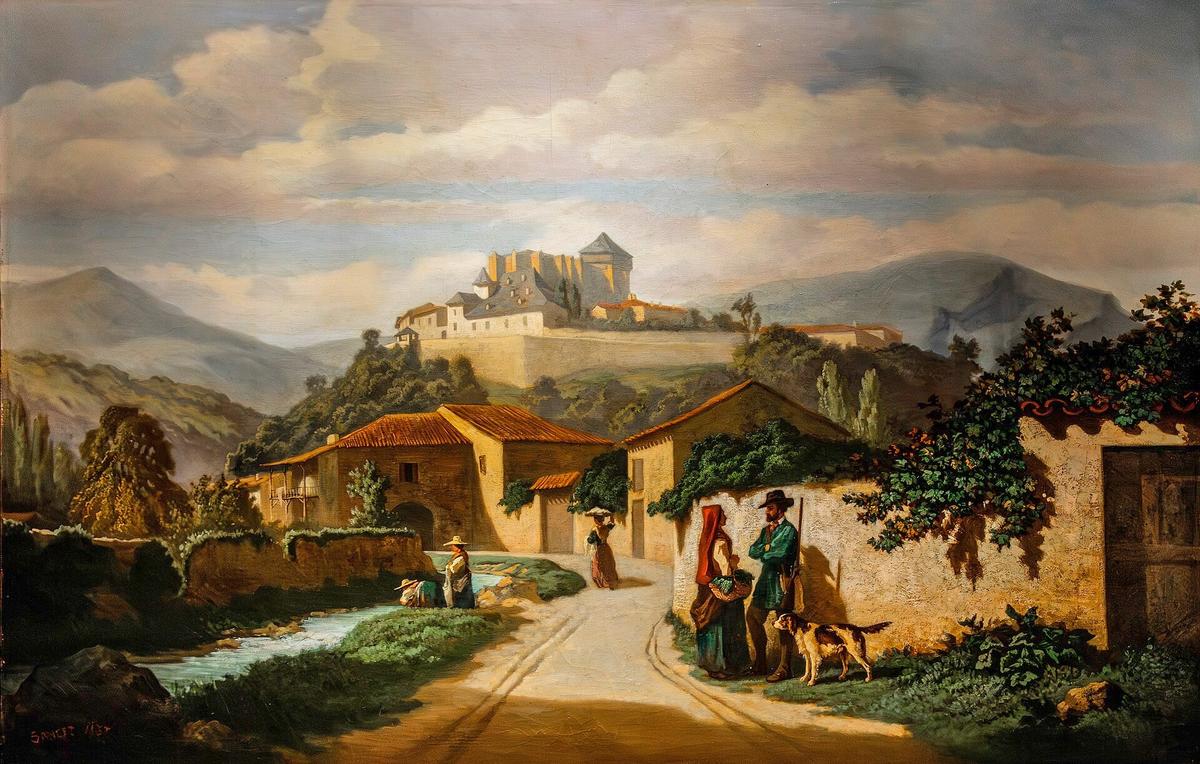
Few places in France pack so many periods into such a small space. The hilltop village, at 515 m, now has 243 inhabitants. Yet it was the seat of a bishop for more than a thousand years, and it sits at the heart of a Roman town, Lugdunum Convenarum, which spread across the plain.
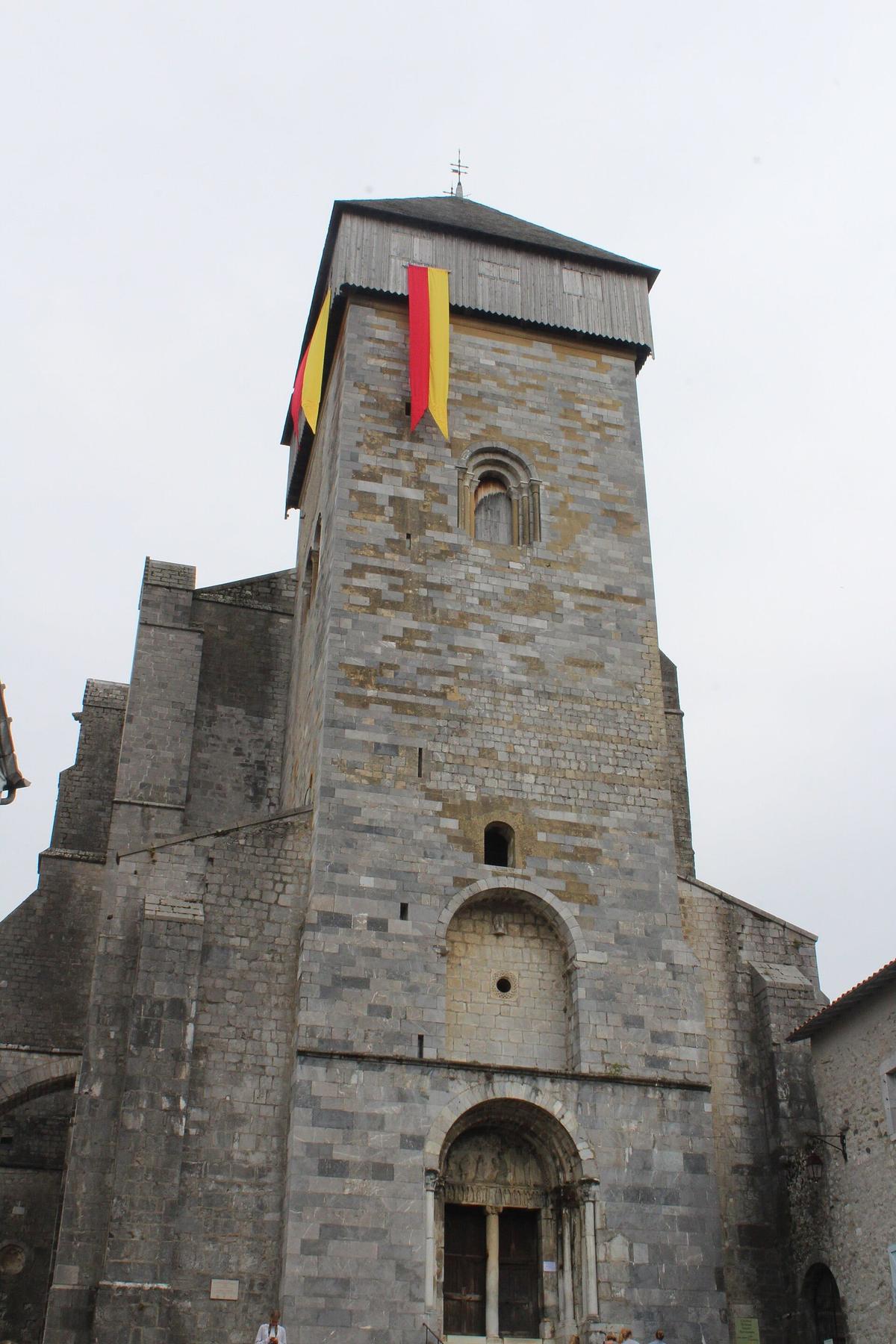

The Cathedral of Sainte-Marie, also called Notre-Dame Cathedral, is really three churches in one: a 12th-century Romanesque part, a large 14th-century Gothic nave and a choir fitted out in the Renaissance. It has been a UNESCO World Heritage Site since 1998, as part of the Routes of Santiago de Compostela in France, and a listed historic monument since 1840. The village is one of the Plus Beaux Villages de France (most beautiful villages of France) and a Grand Site Occitanie.
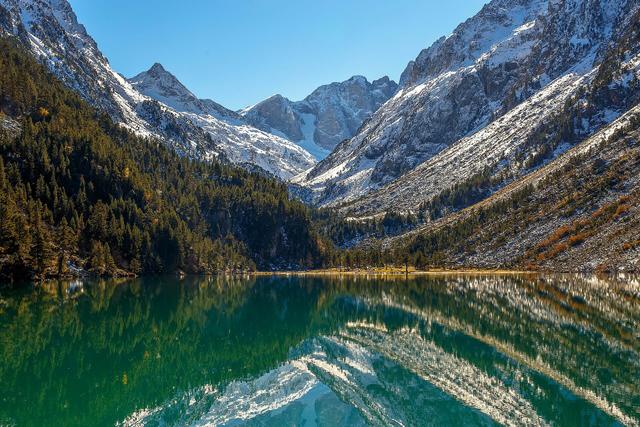
The site's real asset is its setting. The hill rises alone in the Garonne valley, facing the first peaks. On a clear day, the view from the cloister and the ramparts is worth the trip on its own.
A little history
The Roman town. Saint Jerome wrote in 406 that Pompey founded a colony here, Lugdunum Convenarum, the "town of the Convenae". Archaeologists have found no proof of this founding, but they have uncovered a real town, with a forum, baths and a theatre. According to a passage by the historian Josephus, Herod Antipas, the ruler who had John the Baptist executed, was exiled to Lugdunum by Caligula in AD 39, together with Herodias. The text is ambiguous and historians remain cautious, but the story has long been told locally.

Destruction. In 585, the troops of the Burgundian king Guntram besieged the upper town, where the pretender Gundoald had taken refuge, and destroyed it. The site stayed almost empty for five centuries.
Saint Bertrand. In 1083, Bertrand de l'Isle became Bishop of Comminges. He rebuilt the upper town and had a Romanesque cathedral built. After he was made a saint, the town took his name.
The Gascon pope. In the early 14th century, Bertrand de Got, Bishop of Comminges before he became Pope Clement V, launched the Gothic enlargement. The nave he paid for is 16 m wide and 28 m high under the vault. Its size is a surprise in such a small village.
The Renaissance. In 1535, Bishop Jean de Mauléon unveiled the choir woodwork on Christmas night. The bishopric was abolished during the French Revolution and the cathedral became a simple parish church, which partly protected it from 19th-century alterations.
How much does the cathedral cost?
2026 prices published by the official Saint-Bertrand-de-Comminges and Valcabrère website:
- Adult: €7.50.
- Over 12: €4.
- Reduced rate: €4 for students, jobseekers, visitors with reduced mobility, teachers and pilgrims.
- Under 12: free.
- Groups: €5.50 per adult from 10 people, €3 for school groups.
The cloister is included in the paid visit, as are the choir and its stalls. There is no separate rate for visitors from outside the EU.
The audio guide. Individual visits use an audio guide, on paper or by QR code. The Occitanie tourist board lists a price of €5 for an adult and €2.50 for a child. Ask at the front desk what is included in your ticket, and whether an English version is available.
The discovery tour. For €12 per person, a small-group tour (5 to 12 people) takes you up to the organ and the terraces. It is the only way to see the instrument up close.
Valcabrère. The Basilica of Saint-Just has its own ticket: €3 per adult, €2 reduced, free for under-12s. You buy it at the entrance to the basilica.
Do you need to book?
No. For individual visits, tickets are sold at the Olivétains reception, on the square in front of the cathedral. This former convent serves as tourist office, ticket office and bookshop, and it is open all year. There is an online ticket office, but it is only useful for groups and tours with limited places.
Groups must book their guided tour with a professional guide. In July and August, the Olivétains also offer a panoramic tour of the village on Fridays at 3.30 pm, for €4 (free for under-12s), booked by phone.
Saint-Bertrand does not sell tickets on the big booking platforms. For an organised trip, tour operators leave from Toulouse or Lourdes.
Opening hours 2026 and best time to visit
Cathedral opening hours published by the official website:
- January to March: 10:00 – 17:00.
- April: 10:00 – 17:00 until 20 April 2026, then 10:00 – 18:00.
- May: 10:00 – 18:00.
- June to August: 10:00 – 19:00.
- September and October: 10:00 – 18:00.
- November and December: 10:00 – 17:00.
Watch out on Sundays. On Sundays, Ascension Day, 15 August and 1 November, the cathedral only opens from 14:00, because of services. It is closed on Christmas Day, 1 January and the patron saint's feast day.
Last entry is 45 minutes before closing. In winter, arriving after 4 pm does not leave enough time for the visit.
Our tip: come on a weekday morning between May and October. The morning light falls on the cloister and the mountains opposite, and you will have the place to yourself. In July and August, afternoons are busier, especially on concert days during the Comminges festival, when the organ and vocal ensembles are heard in the cathedral.
How long does it take to visit?
The cathedral and cloister with the audio guide take about 45 min. That is a minimum: people often linger in the choir, studying the carvings on the stalls.
For the whole site, allow:
- 2 hours for the cathedral, the cloister and a stroll around the upper town, as far as the gates in the ramparts.
- Half a day if you add the ruins of the lower town and the Valcabrère basilica.
- A full day if you follow the site's four walking trails and visit the archaeological museum.
What to see in the Cathedral of Sainte-Marie
The choir and its 66 stalls. This is the highlight of the visit. The wooden stalls, in two rows, line the whole choir. Their carvings show figures from the Old and New Testaments, but also scenes of vice and temptation, some of them very crude. The carver is unknown; art historians suggest the workshop of the Toulouse sculptor Nicolas Bachelier. Take time to look at the armrests and the misericords, the small ledges under the seats.
The Renaissance organ. Its wooden case, resting on five columns, is fixed at an angle against the north wall. One of the columns contains a pulpit. The instrument was rebuilt in 1835, 1901 and 1975 and is still used for concerts.
The tomb of Saint Bertrand. In the early 15th century, Bishop Pierre de Foix had a chapel-shaped monument built in the middle of the choir to hold the saint's reliquary. Its paintings on stone date from the 17th century.
The tomb of Hugues de Châtillon. In the Lady Chapel stands the Burgundian-style marble tomb of Bishop Hugues de Châtillon, who led the diocese in the 14th century.
The crocodile. Hanging on the wall near the entrance, a stuffed crocodile puzzles every visitor. Local tradition links it to a monster tamed by Saint Bertrand; the most common explanation is a votive offering brought back from far away by a pilgrim or crusader. English writer M. R. James made it famous in his ghost story "Canon Alberic's Scrap-Book", set in the cathedral. If you enjoy the genre, read it before you go.
The cloister
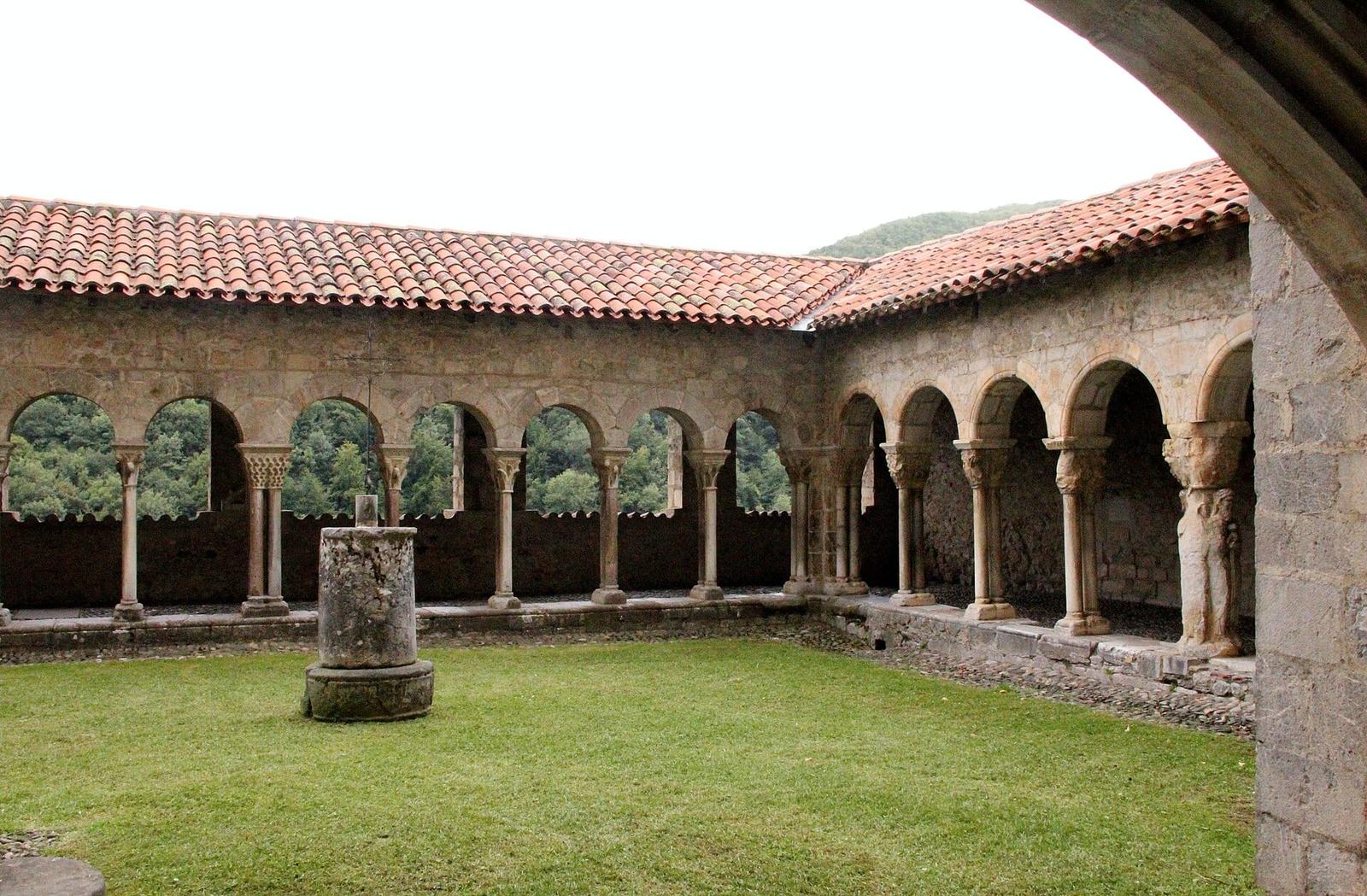
The cloister is the most photographed part of the site. Three of its walks are Romanesque, from the 12th century. The fourth, on the north side, is Gothic: it is known as the gallery of tombs, as it holds the graves of seven canons.
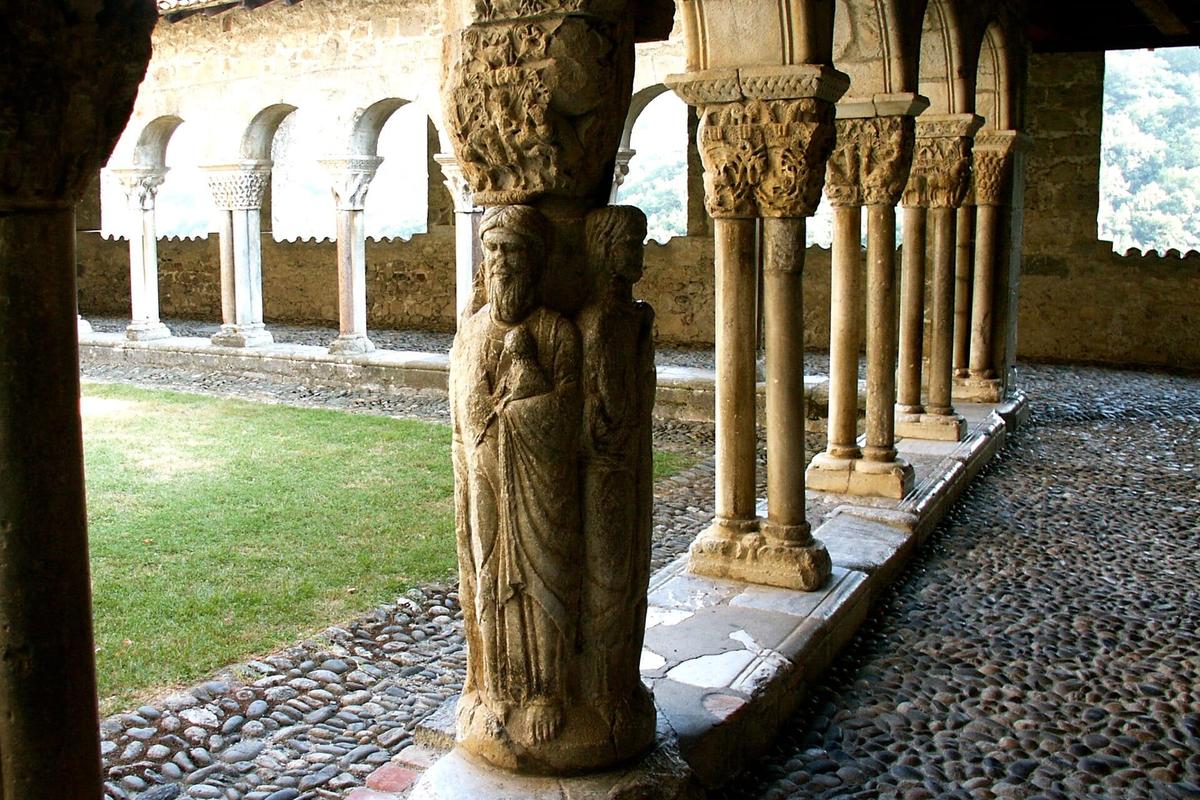

Look for the Pillar of the Evangelists. Its four carved faces show Matthew, Mark, Luke and John. It is the most elaborate capital in the cloister.
The south walk opens onto empty space. It gives an open view over the valley and the Comminges mountains. If you only take one photo, take it here.
The Roman town of Lugdunum Convenarum
At the foot of the hill, the plain holds the remains of the Roman town: baths, forum, a theatre set into the slope, and an early Christian basilica. The easiest way to explore them is to buy the leaflet of the site's 4 walking trails at the cathedral reception, for €0.50. The trails take from 30 minutes to 2 hours.
The departmental archaeological museum displays objects found during the excavations. Its exhibition room is open from early May to late September, Tuesday to Saturday, 10:00 – 13:00 and 14:00 – 18:00, and in the afternoon, 14:00 – 17:00, during the French school holidays. Entry is free.
The Basilica of Saint-Just in Valcabrère
About 2 km away, among fields and a small cemetery, the Basilica of Saint-Just is the natural complement to the visit. This Romanesque church was built largely with stones from the Roman town: look at the walls and you will spot fragments of Roman inscriptions and sculptures reused in the masonry.
It opens from April to September, 10:00 – 18:00, and until 7 pm in July and August. Out of season, no hours are published: call before you go. You can walk there from the lower town along a path through the countryside.
Visiting with children
The cathedral is not a playground, but a few things work well with children: the crocodile, the animals and little figures on the stalls, and the climb to the upper town through the gates in the ramparts. Entry is free for under-12s.
In July and August, a little tourist train links the bottom of the village with the upper town, for €2 return, free for under-12s. It runs Monday to Saturday, 11:00 – 18:45, and on Sundays, 14:30 – 18:45. It saves the walk uphill with a pushchair.
Accessibility
The upper town sits on a mound with steep, partly cobbled streets, and the historic centre is pedestrianised. The reduced rate applies to visitors with reduced mobility. The official website does not give details of wheelchair access to the cloister and the different parts of the cathedral: call the Olivétains before your visit. Pets are not allowed.
Restoration works: what changes until 2029
The Haute-Garonne department has launched a large restoration programme due to last until 2029. It covers the tympanum of the doorway, the roof timbers, the fortified bell tower, the garden wall and the steps up to the Olivétains terraces. Depending on the month, scaffolding may hide a façade or close off an access route. The cathedral stays open during the works.
How to get there
By car. This is the most practical option. From Toulouse or Tarbes, take the A64, then follow signs for Bagnères-de-Luchon for 6 km, and turn right towards Saint-Bertrand-de-Comminges. Allow about 1 hour 30 minutes from Toulouse, where the nearest major airport is.
Parking. A large free car park at the bottom of the village is open all year. There is also a small free car park in the upper town, except in summer. Then walk up to the cathedral along a sloping street.
By train and bus. The nearest station is Montréjeau, about ten kilometres away, on the Toulouse-Tarbes line. In July and August, a seasonal shuttle bus (Lipy line 5) serves the village. The rest of the year, a regional bus stops at the school, five minutes' walk from the lower town, but services are rare: check times before you set off.
Renting a car. Without a car, it is hard to combine Saint-Bertrand, Valcabrère and the sights of the Pyrenees. Toulouse is the easiest starting point.
Partner links: if you book through these links, we earn a commission at no extra cost to you. Partner links · Learn more
What to combine it with on the same day
| Also worth seeing | Distance | Travel time |
|---|---|---|
| Gouffre d'Esparros | 45 km | 50 min by car |
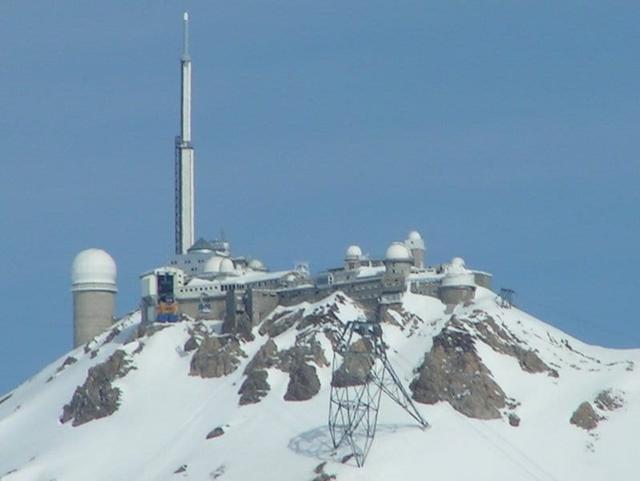
| Pic du Midi de Bigorre | 75 km | 80 min by car |
| Sanctuary of Our Lady of Lourdes | 80 km | 65 min by car |
Approximate road distances and travel times.
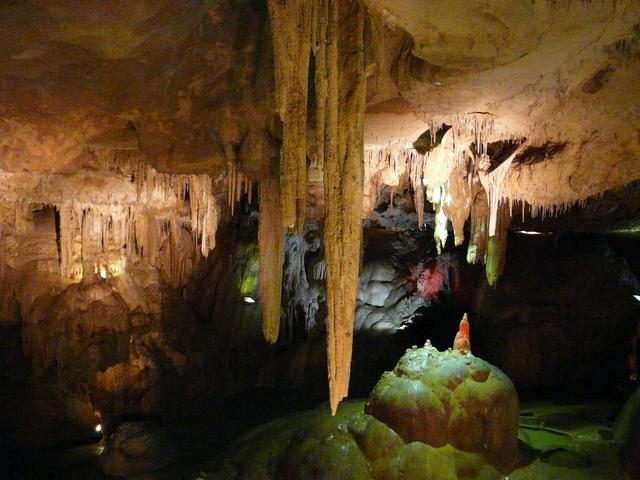
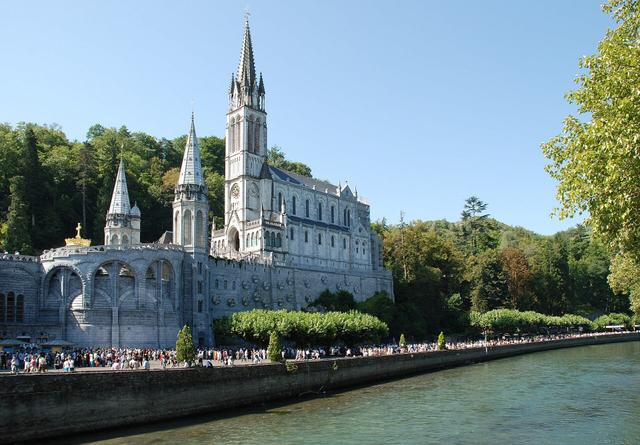
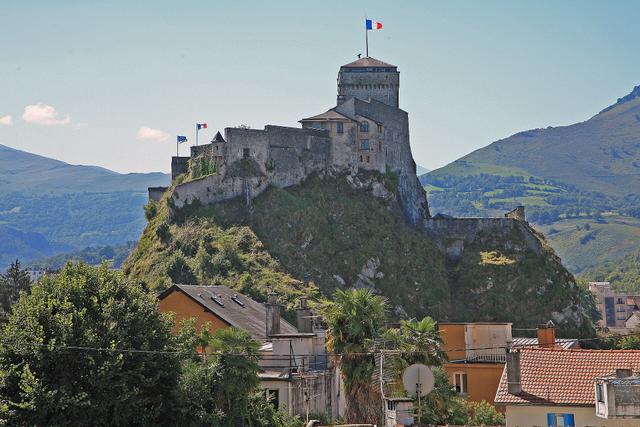
The Gouffre d'Esparros, one of the caves with the richest rock formations in the Pyrenees, is less than an hour's drive to the west. See also: Gouffre d'Esparros In fine weather, the Pic du Midi de Bigorre offers the widest view over the range. See also: Pic du Midi de Bigorre Lourdes, with its sanctuaries and fortified castle, is about an hour away. See also: Sanctuary of Our Lady of Lourdes, Lourdes Castle (Château fort)
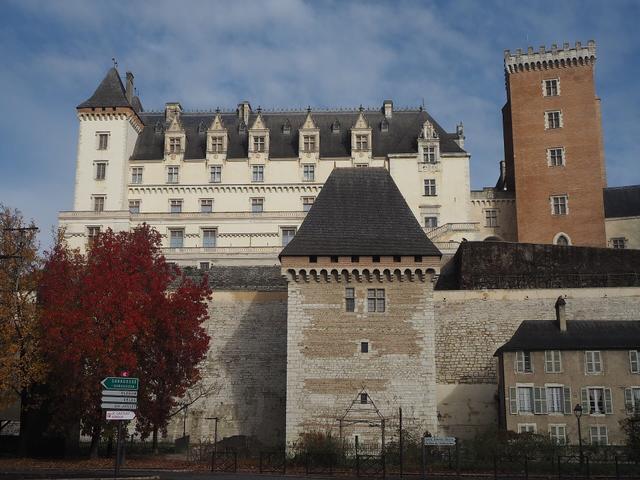
Further on towards the Béarn, the Bétharram caves and the Château de Pau extend a stay in the Pyrenees. See also: Bétharram Caves, Château de Pau, Basque Country and Pyrenees
Where to eat and stay
The upper town has a few restaurants around the cathedral, and the lower town has others. Out of season, not all of them are open: the official website keeps an up-to-date list.
To stay, the village has a hotel and B&Bs, some of them in old houses in the upper town. Montréjeau and Saint-Gaudens have more choice, and Bagnères-de-Luchon, half an hour away, suits you if you also want to enjoy the mountains and the thermal spa.
Places to stay near Saint-Bertrand-de-Comminges
FAQ
How much is a ticket to Saint-Bertrand-de-Comminges Cathedral?
€7.50 per adult, €4 from age 12 and at the reduced rate, free for under-12s. The cloister is included in the ticket.
Is the cathedral open on Sundays?
Yes, but only from 14:00, as on Ascension Day, 15 August and 1 November. It is closed on 25 December and 1 January.
How long does it take to visit Saint-Bertrand-de-Comminges?
About 45 min for the cathedral with the audio guide, two hours with the upper town, half a day with the Roman ruins and Valcabrère.
Why is there a crocodile in the cathedral?
According to local tradition, it stands for a monster tamed by Saint Bertrand. The most common explanation is a votive offering brought back from far away. It inspired a ghost story by English writer M. R. James.
Where do you park in Saint-Bertrand-de-Comminges?
In the large free car park at the bottom of the village, then walk up to the cathedral. There is a small free car park in the upper town outside the summer season.
Can you visit the Valcabrère basilica in winter?
The official website only publishes opening hours from April to September. Outside that period, call before you come.
Practical information
Official ticket-office prices 2026
| Full price | €7.50 |
|---|---|
| Reduced rate | €4 |
| Child (aged 12–18) | €4 |
| Audio guide | €5 |
| Free | under 12 |
Address
Parvis de la Cathédrale, 31510 Saint-Bertrand-de-Comminges, France
Directions · Phone+33 5 61 89 04 91
On site and nearby
- Nearest shops and pharmacy: Loures-Barousse, 3 km away Straight-line distance, based on OpenStreetMap.
- Emergencies: 112 (all emergencies, free from any phone), 15 (SAMU, medical emergency)
Around the site, on Google Maps
With children
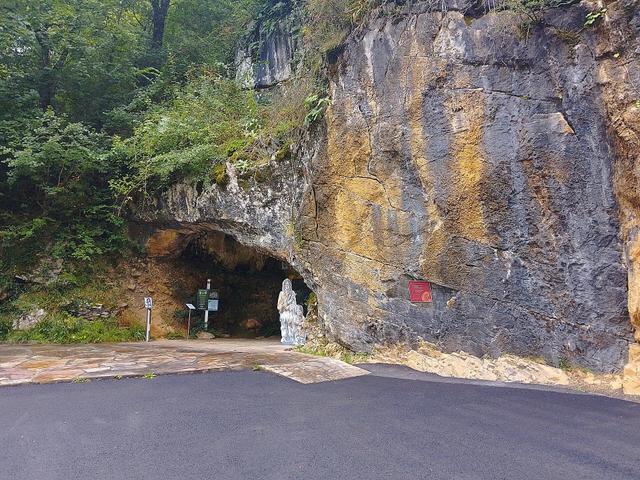
Family days out nearby: Gargas Cave (5 km), Gouffre d'Esparros (20 km), Château de Mauvezin (26 km)
Swimming pools and play areas nearby, on Google Maps
Swimming poolsPlaygroundsLeisure parks
Family activities around Saint-Bertrand-de-Comminges on GetYourGuide
Facts checked on 11 November 2026. Sources: st-bertrand.com, st-bertrand.com, st-bertrand.com, tourisme-occitanie.com, en.wikipedia.org, en.wikipedia.org, techno-science.net, lejournaltoulousain.fr, pyrenees31.com
Map
In the same region
- Château de Morlannefrom €7Free under 7
- Gouffre d'Esparrosfrom €12.50Free under 4