Isturitz and Oxocelhaya Caves: visiting the Basque Country's prehistoric caves
Isturitz and Oxocelhaya Caves at a glance
- Full price
- €13
- Time needed
- about 1 h
- Where
- Saint-Martin-d'Arberoue
Official ticket-office prices, checked on 4 November 2026. Full opening hours, reduced prices and access
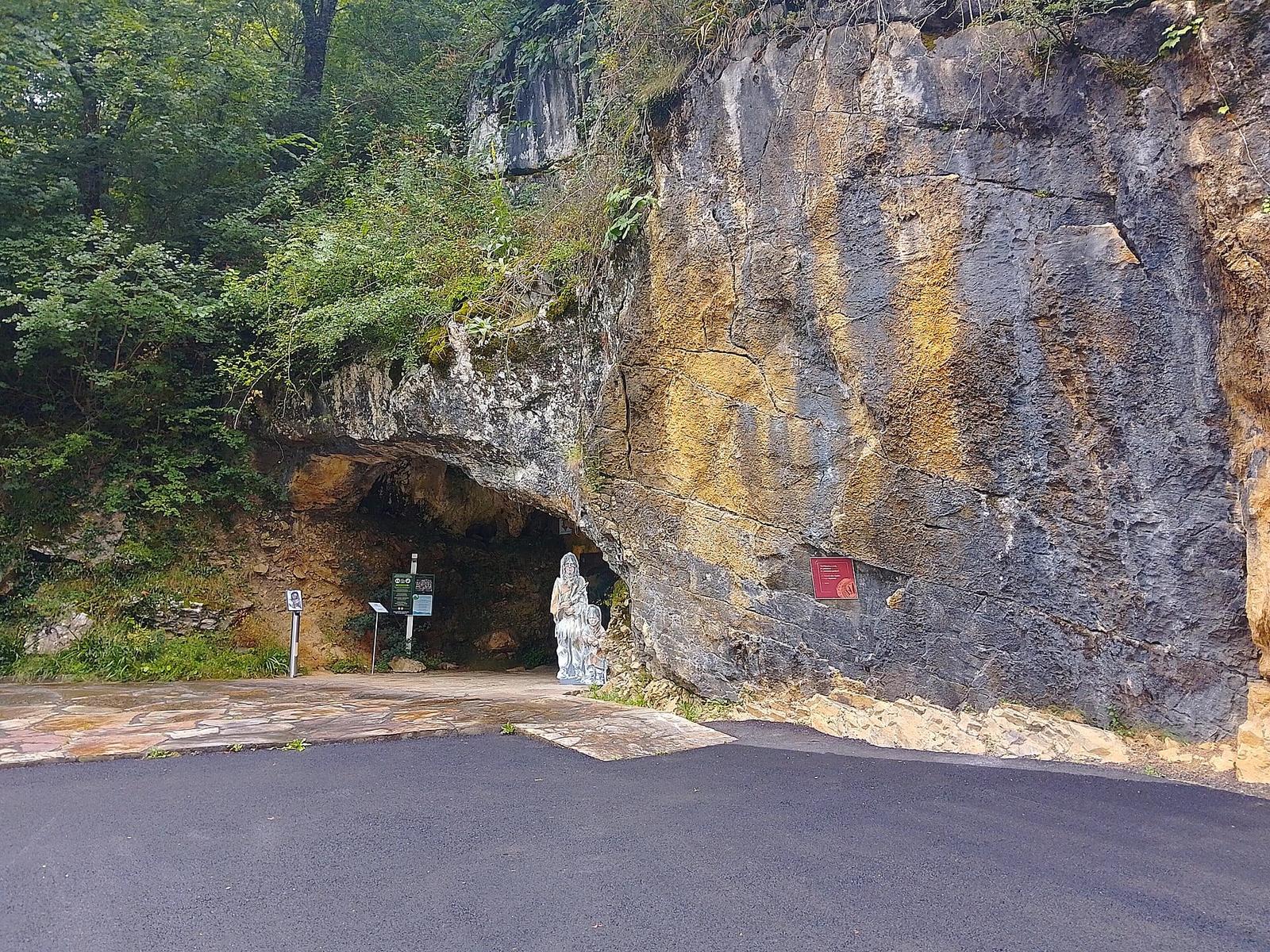

In Saint-Martin-d'Arberoue, in the inland Basque Country, two caves, one above the other, are visited together with a guide. Above is Isturitz, one of Europe's great prehistoric sites, occupied by humans for about 80,000 years. Below is Oxocelhaya, with its rock formations and its engravings of horses and bison. Here are the prices, the tour times, the opening season and our tips for the visit.
Isturitz and Oxocelhaya at a glance
- Where: in Saint-Martin-d'Arberoue, in the Arberoue valley, in Lower Navarre (Pyrénées-Atlantiques), inland.
- Price: €13 per adult, €9 for ages 12 to 17, €6 for ages 4 to 11, €38 for the family ticket.
- Tour: guided only, 60 minutes for both caves, with the museum area.
- 2026 season: from 15 March 2026 to 15 November 2026. The caves then close for the winter.
- Booking: recommended, preferably on the official website, or by phone on +33 5 59 29 64 72.
- Good to know: 90 steps down, not suitable for wheelchairs, no animals, no photos in the caves.
What are the Isturitz and Oxocelhaya caves?
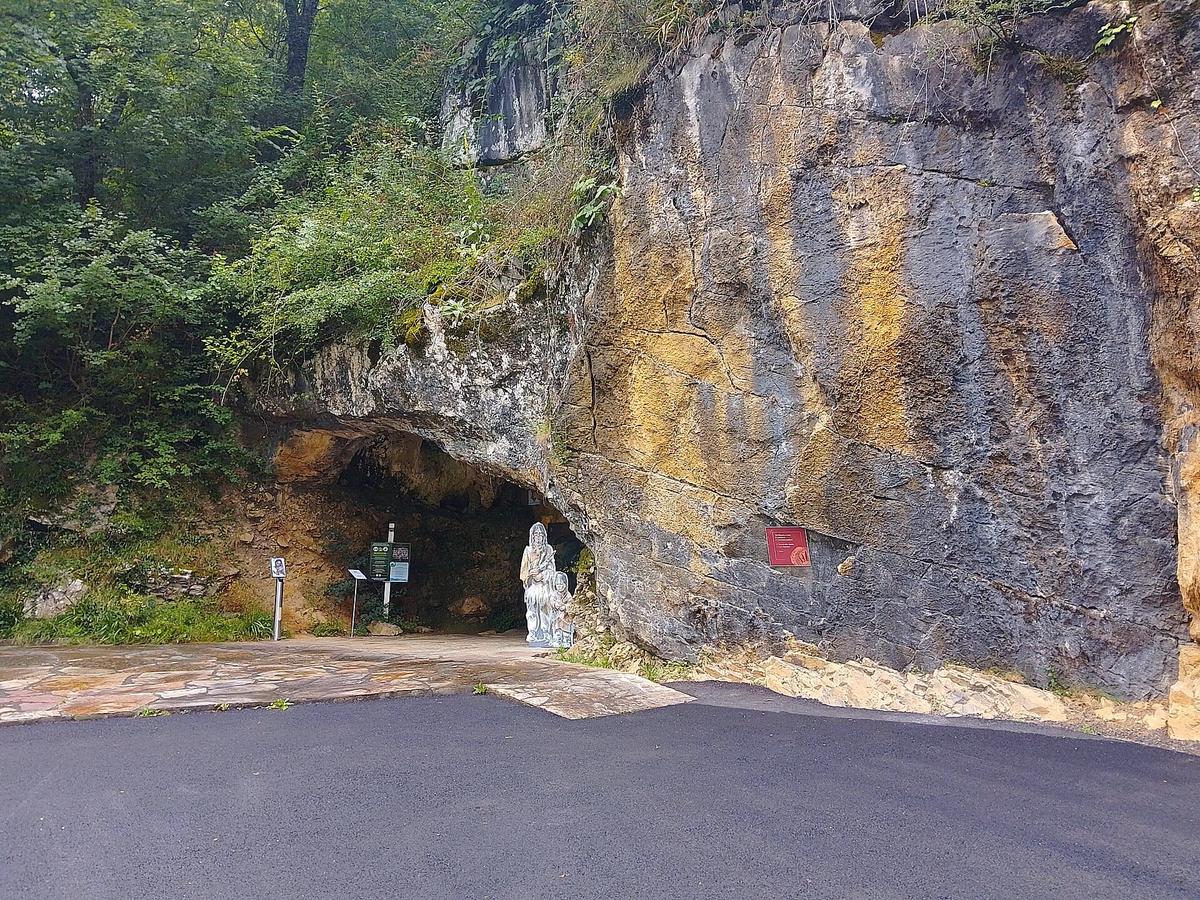
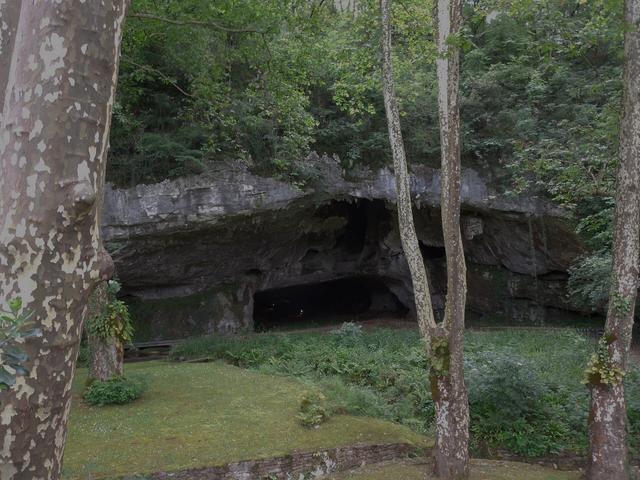
They are two caves hollowed out one above the other in the hill of Gaztelu. Together they form about 600 metres of passages. A third cave, Erberua, is not part of the tour.
Isturitz, the upper cave, is an archaeological site. Excavations have shown human presence over about 80,000 years, which makes it a reference site for European prehistory. Finds include animal figurines, a big cat carved in reindeer antler and many flint tools. The layers run from the Mousterian, the time of the Neanderthals, to the Magdalenian, according to Wikipedia. Isturitz has also yielded a major series of prehistoric flutes, from the Aurignacian to the Magdalenian, among the oldest known in Europe. The great hall still has an engraved pillar.
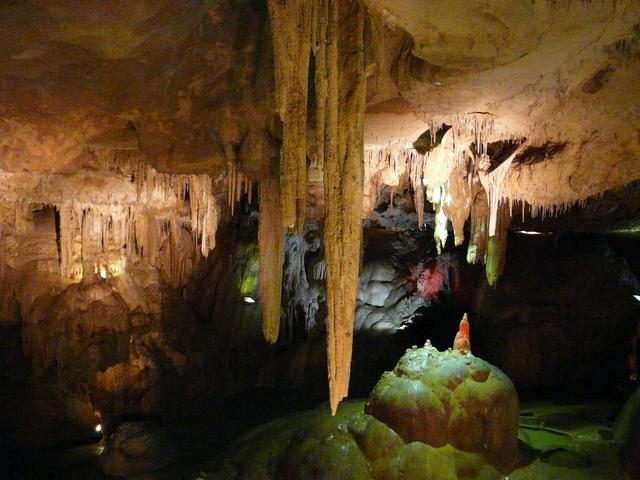
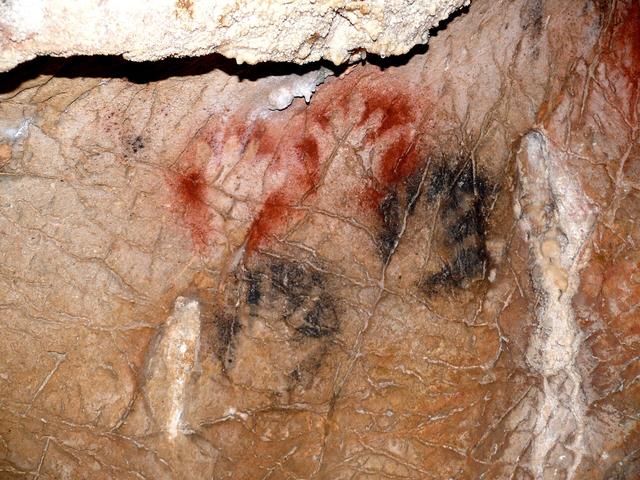
Oxocelhaya, the lower cave, lies about 15 metres lower down. It is known for its rock formations, thousands of years old. Engravings and drawings of horses and bison have also been found there.
The caves have been a listed historic monument since 1 October 1953. The site also carries the "Destination d'Excellence" label.
Isturitz caves ticket prices
2026 prices for the guided tour, published on the official website:
- Adult: €13.
- Teenager aged 12 to 17: €9.
- Child aged 4 to 11: €6.
- Student, jobseeker, holder of a disability card: €10.
- Family ticket, two adults and three paying children aged 4 to 11: €38.
The official website gives no price for children under 4: ask when you book.
Special tours:
- The "Résonances" sound tour: €15, from age 12, 20 people at most, by booking only.
- The private "Premium" tour: €120 for a group of up to 10 people, with a guide just for you. Entry tickets are not included in this price.
You can pay in cash, by bank card or with ANCV holiday vouchers.
Do you need to book?
Booking is recommended, especially in July and August, and it is compulsory for the sound tour and special tours. The official website recommends booking online. You can also call +33 5 59 29 64 72 during opening hours, or write to contact@grottes-isturitz.com.
On the day, arrive 20 to 30 minutes before your tour time. It takes about 10 minutes on foot to get from the car park to reception. A group going down into the cave does not wait for latecomers.
Tours in English. The tourist office lists tours in French, English and Spanish. The information panels and videos are in French. When you book, ask which departures are in English.
For the rest of your stay, guided tours and day trips in the Basque Country can be booked online.
Partner links: if you book through these links, we earn a commission at no extra cost to you. Partner links · Learn more
Opening hours and season
2026 season. The caves are open from 15 March 2026 to 15 November 2026, every day. Outside this period, from mid-November to mid-March, they are closed. Next year's dates are published on the official website.
Tour times vary with the period:
- Mid-March to late May, October and November: afternoon tours, between 14:00 – 17:00. During school holidays and on some bank holidays, there is an extra morning tour at 11:00.
- 1 June to early July, and September: morning and afternoon tours, the first at 10:30, the last at 17:00.
- From 6 July 2026 to 31 August 2026: tours every 20 to 30 minutes, from 10:00 to 18:00, with a break around midday.
- In November: the site has also announced tours at 14:30, 15:45 and 17:00, by booking. Check the day's slots when you book.
Our tip: in summer, take a morning tour. The hill is cooler for the walk up from the car park, and you will have the afternoon for a Basque village or the coast. Outside summer, call before you come to find out the day's slots, especially on weekdays.
If it rains, the tour goes ahead as normal: it takes place underground. It is a good outing for a grey day in the Basque Country.
How long does the visit take?
The guided tour lasts 60 minutes. Add arriving early, the 10-minute walk from the car park and the museum area. Allow about 1.5 hours on site in all.
What you see on the tour
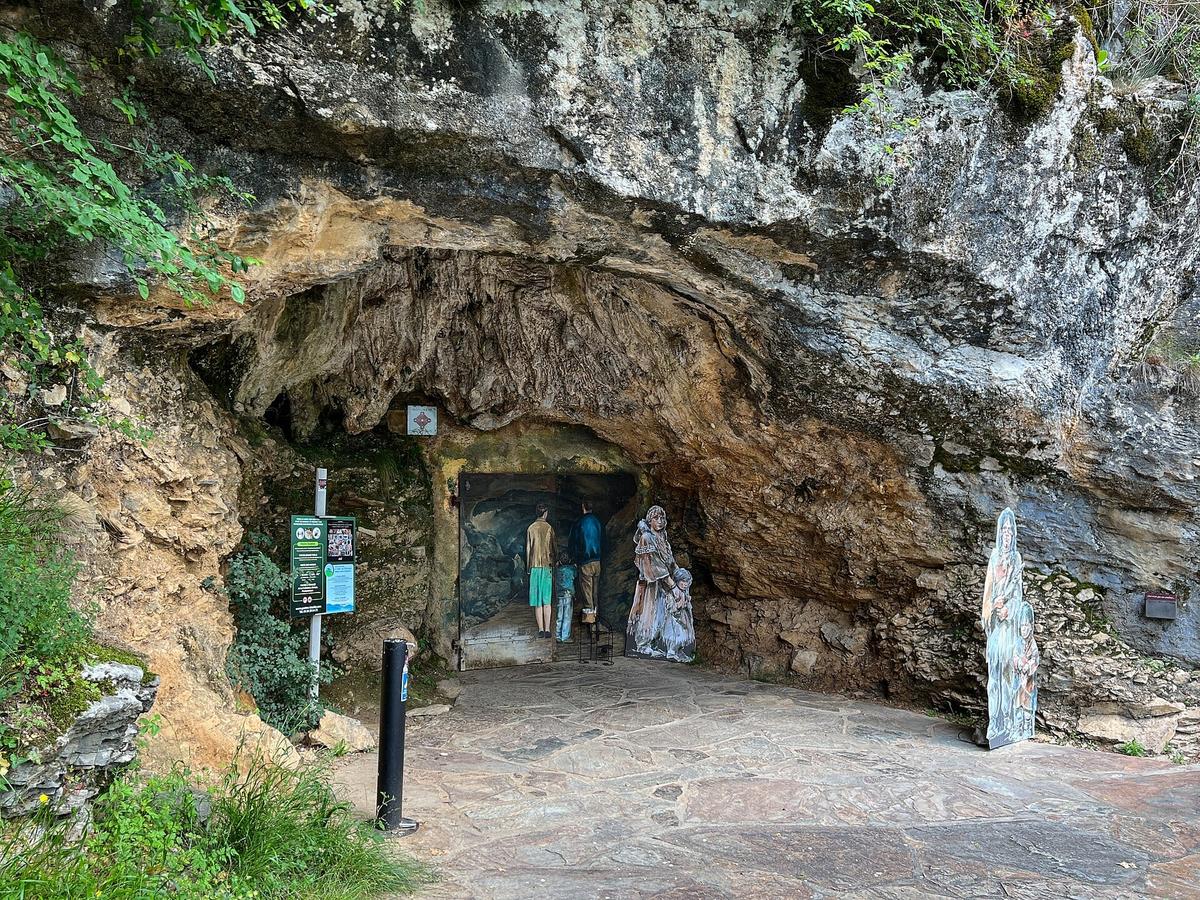

The Isturitz cave. The tour starts in the large upper cave. The guide explains the excavations, the archaeological layers and the life of the prehistoric people who lived here for tens of thousands of years. In the great hall stands the engraved pillar discovered in the early 20th century.
Down to Oxocelhaya. You then go into the lower cave through a passage cut in 1953. There are 90 steps to go down. Wear closed shoes with a good grip: the ground can be damp.
Oxocelhaya's rock formations. The lower cave is known for its stalactites and other formations built up over thousands of years.
Prehistoric art. The caves have engravings and drawings of animals, mainly horses and bison, as well as signs and finger tracings. The guide shows you where to look.
The museum area. It completes the visit with panels and videos, in French.
Rules to know: photos are not allowed in the caves, and the site asks you to speak quietly, as the caves echo a lot. Animals are not admitted.
Themed tours
"Résonances", the sound tour. It plays on the acoustics of the caves. It runs on Sundays, at 18:00 in July and August and at 17:00 for the rest of the season, by booking, from age 12.
Talks and special tours. The site runs tours on geology, palaeontology or prehistoric art, as well as photography tours on certain dates. The programme is published on the official website.
Visiting the caves with children
Children aged 4 to 11 pay €6, and the family ticket covers two adults and three paying children. The one-hour tour goes by quite quickly for children who like prehistoric animals and caves.
The "Cro-Mignons" tour is made for them. It is for children aged 6 to 10 with their parents, in French, with at most two adults per family. It runs Monday to Friday at 17:00 in July and August, and at 16:30 during the other school holidays. The site advises arriving 30 minutes early.
Mind the 90 steps and the walk from the car park: a pushchair is not practical. A baby carrier works better.
Accessibility
The official website says the caves are not suitable for wheelchair users. The visit involves going down 90 steps and walking about 10 minutes from the car park. Animals are not allowed.
How to get to the Isturitz and Oxocelhaya caves
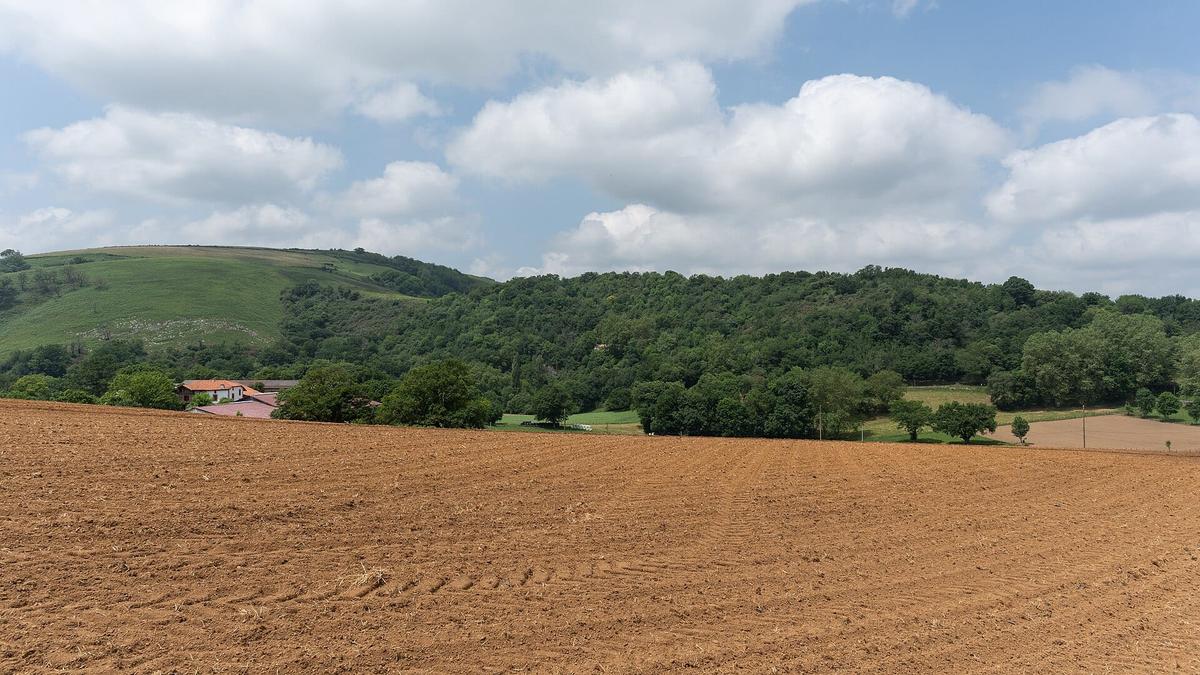

By car. This is the only practical option. The caves are in the countryside of the Arberoue valley, in the commune of Saint-Martin-d'Arberoue. From Bayonne, allow about 45 minutes' drive. The car park is about 10 minutes' walk from reception, and there is a coach park.
Without a car. No station or practical public transport serves the caves. If you are staying on the coast without a car, hiring one for the day lets you combine the caves with the inland villages. From abroad, Biarritz airport is the nearest on the French side.
What to combine in the same day
| Also worth seeing | Distance | Travel time |
|---|---|---|
| Atelier du Piment, Espelette | 35 km | 40 min by car |
| Basque Museum and History of Bayonne | 35 km | 40 min by car |
| La Rhune Train | 50 km | 55 min by car |
Approximate road distances and travel times.
Espelette and the Atelier du Piment. About forty minutes away, the Atelier du Piment farm can be visited for free, before or after the caves. See also: Atelier du Piment, Espelette
The Basque Museum in Bayonne. It published a scientific monograph together with the caves. A good stop to take the visit further. See also: Basque Museum and History of Bayonne
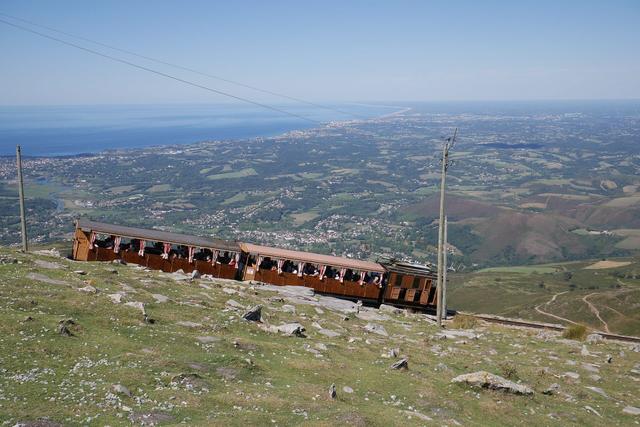
La Rhune. Further west, the rack railway from the Col de Saint-Ignace climbs to the top of the Basque mountain. See also: La Rhune Train
Other caves in the region: the Bétharram caves, between Lourdes and Pau, offer another underground visit. See also: Bétharram Caves, Basque Country and Pyrenees
The caves in key dates
- 1895: while mining phosphate in the Isturitz cave, workers find prehistoric objects. On 10 August 1895, the Société de Borda in Dax recognises the importance of the discovery.
- 1912-1922: excavations by Emmanuel Passemard, with the agreement of the owner, André Darricau. He discovers the engraved pillar in the great hall.
- 1928-1959: excavations by the Count and Countess of Saint-Périer.
- 1929: discovery of the Oxocelhaya cave. André Darricau opens it up for tourism.
- 1953: the passage between the two caves is cut. Listed as a historic monument on 1 October 1953.
- 23 July 1955: Georges Laplace discovers engravings and drawings of horses and bison in Oxocelhaya.
- 15 August 1973: first entry into the third cave, Erberua.
- Since 1995: new signs, an engraved horse, drawn bison and finger tracings have been recorded in both caves.
Facts and figures
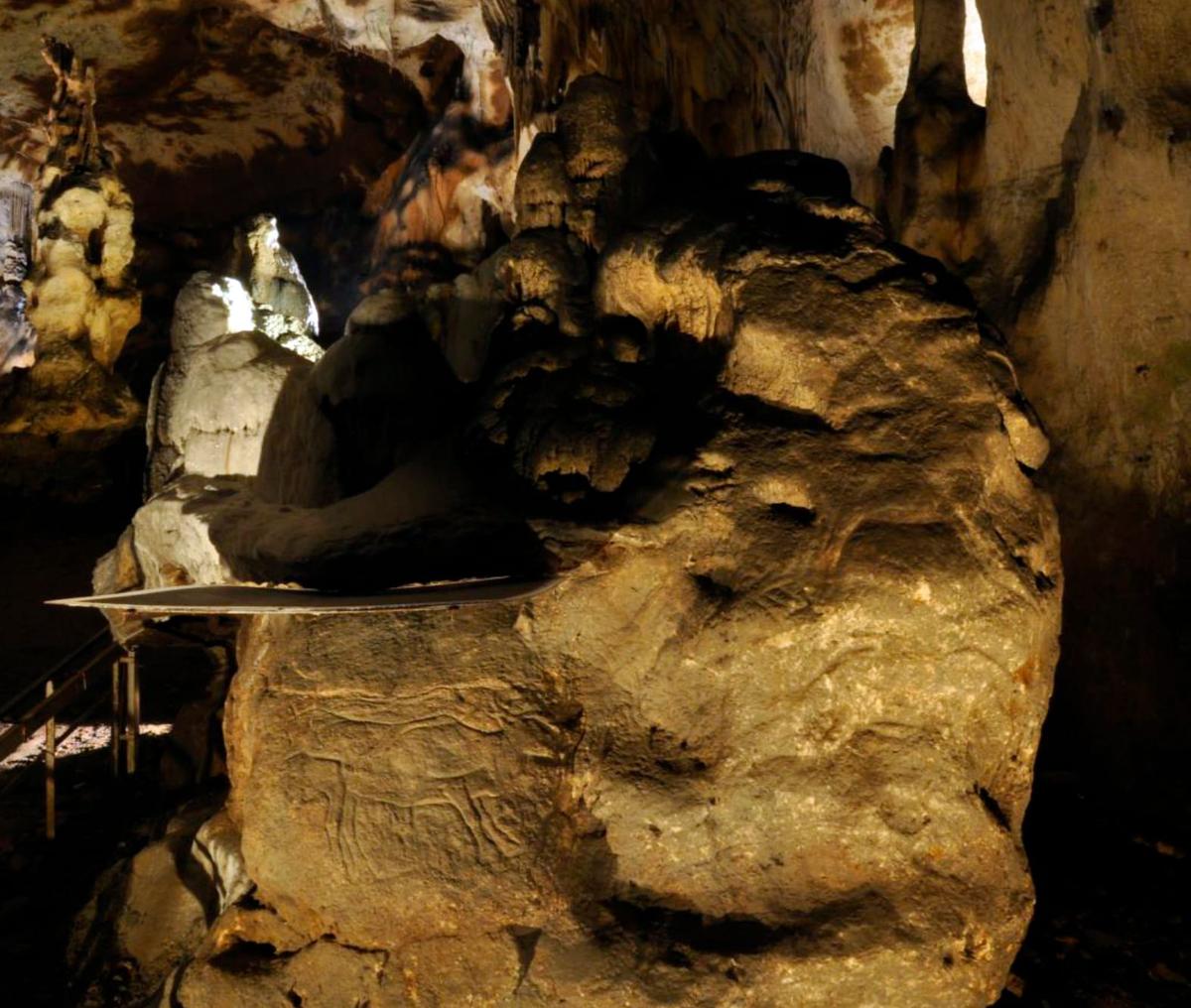

- A discovery thanks to fertiliser. In the late 19th century, the Isturitz cave was mined for phosphate. It was workers who found the first prehistoric objects, including a big cat carved in reindeer antler and animal figurines.
- A passage named after a researcher. The Oxocelhaya gallery where Georges Laplace discovered engravings on 23 July 1955 now bears his name. He remained the site's scientific director until 1990.
- A third cave. On 15 August 1973, C. Barroumès and Jean-Daniel Larribau became the first to enter Erberua, the third cave. Larribau spotted red-coloured surfaces there in 1975, then engravings and paintings in 1977.
- 80,000 years of human presence. That is the length of occupation the excavations have revealed at Isturitz.
- Research goes on. Every year, scientists work in the caves with the regional archaeology service, on cave art, how the caves formed and fossils.
- Visitor numbers. The site does not publish a yearly visitor figure.
Where to eat and stay near the caves
On site. According to the tourist office, the site has a picnic area, a bar-cafeteria and a shop. The site's snack bar opens in summer, from 5 July to 31 August in 2026, from midday.
In the valley, the Arberoue villages and Hasparren have a few restaurants. For more choice, Bayonne is about 45 minutes away.
To stay, the inland Basque Country mostly offers B&Bs and holiday cottages. Bayonne, Biarritz and the coast have the largest choice of hotels.
FAQ
How much does it cost to visit the Isturitz and Oxocelhaya caves?
€13 for an adult, €9 for ages 12 to 17, €6 for ages 4 to 11 and €38 for the family ticket, in 2026.
Are the caves open all year?
No. In 2026, they open from 15 March 2026 to 15 November 2026. They close in winter.
How long does the tour take?
60 minutes with a guide, for both caves. Allow about 1.5 hours on site.
Can I visit without a guide?
No, visits are guided only.
Are the caves wheelchair accessible?
No. The site is not suitable for wheelchairs, and the tour has 90 steps.
Can I bring my dog?
No, animals are not allowed.
Practical information
Official ticket-office prices 2026
| Full price | €13 |
|---|---|
| Reduced rate | €10 |
| Child (aged 4–11) | €6 |
| Family ticket | €38 |
Address
Grottes d'Isturitz et d'Oxocelhaya, 540 Otsozelhaiako bidea, quartier Herebehere, 64640 Saint-Martin-d'Arberoue, France
Directions · Phone+33 5 59 29 64 72
On site and nearby
- On site: Picnics allowed and food and drink
- Nearest shops and pharmacy: Hasparren, 10 km away Straight-line distance, based on OpenStreetMap.
- Emergencies: 112 (all emergencies, free from any phone), 15 (SAMU, medical emergency)
Around the site, on Google Maps
With children
Family days out nearby: Atelier du Piment, Espelette (20 km), Ainhoa (25 km), Château de Laàs (28 km)
Swimming pools and play areas nearby, on Google Maps
Facts checked on 4 November 2026. Sources: grottes-isturitz.com, grottes-isturitz.com, tourisme64.com, grottes-isturitz.com
Map
In the same region
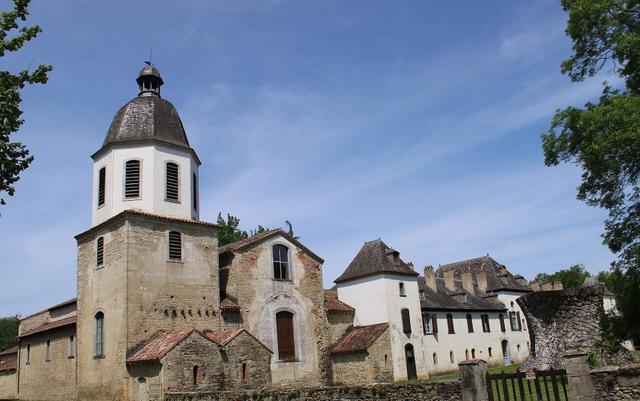
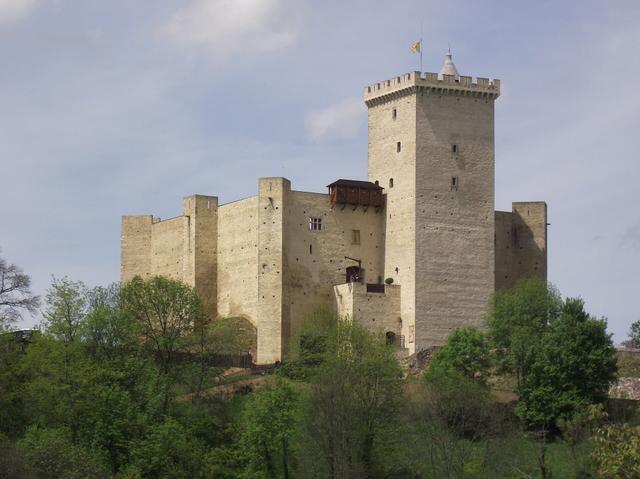
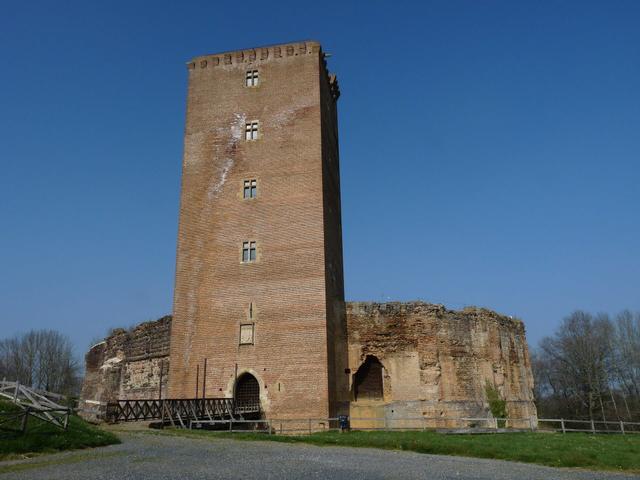
- Château de Morlannefrom €7Free under 7
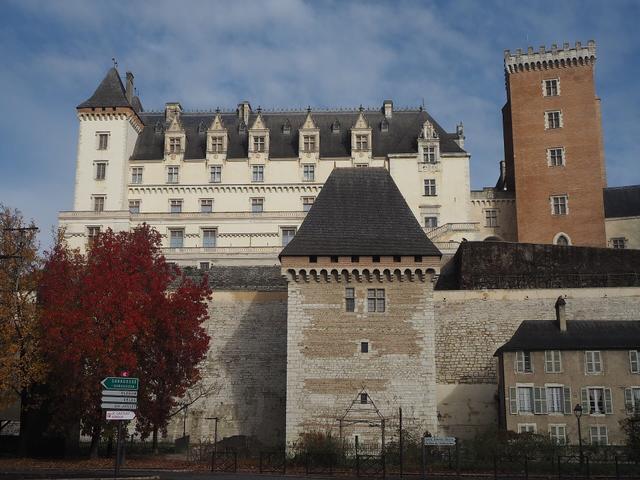
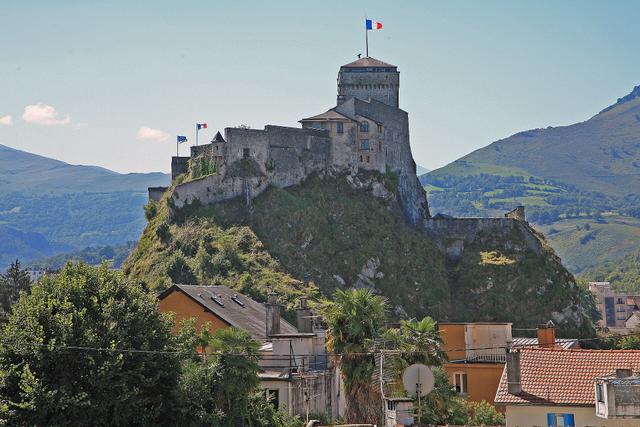
- Gouffre d'Esparrosfrom €12.50Free under 4