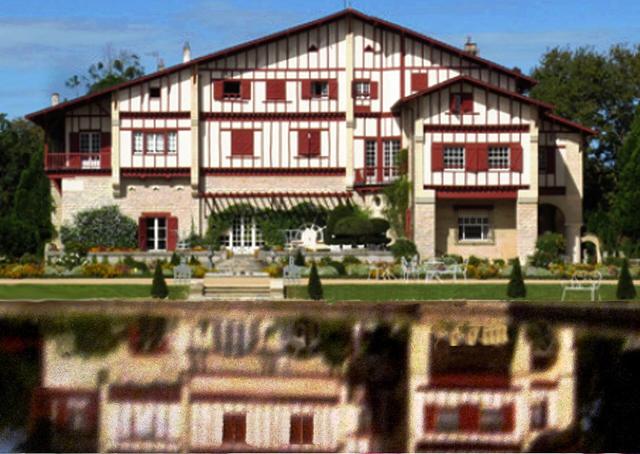
La Rhune Train: planning your trip to the summit
La Rhune Train at a glance
- High season
- 8:50 – 20:10
- Low season
- 9:30 – 18:50
- Full price
- €26
- Free
- children under 4
- Where
- Sare
Official ticket-office prices, checked on 29 October 2026. Full opening hours, reduced prices and access
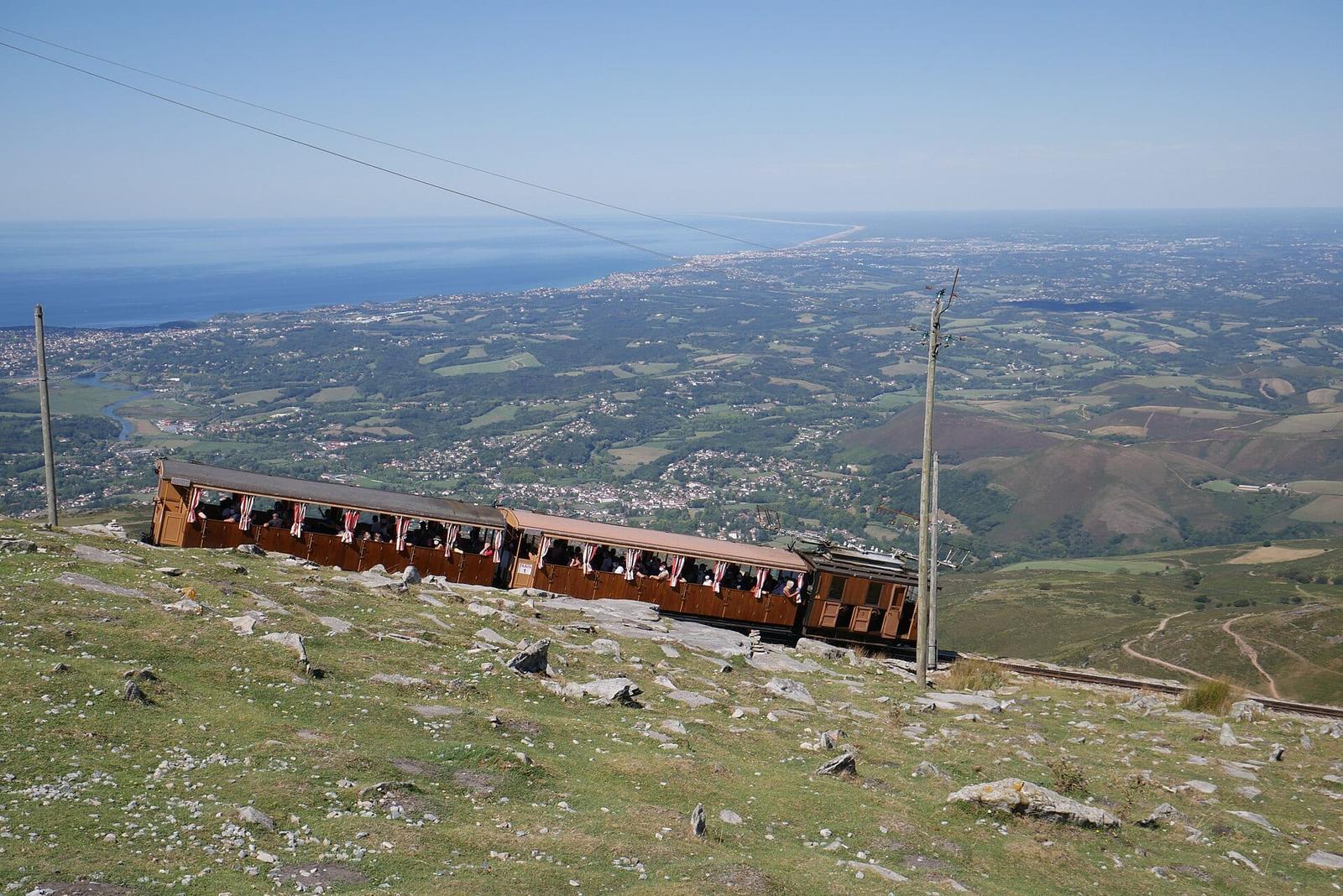

From the Col de Saint-Ignace, near Sare, a 1924 rack railway climbs to the top of La Rhune, 905 metres up on the Spanish border. At the summit, the view stretches from the Basque coast to the Pyrenees, and pottok ponies graze around the ventas. Here is what you need to know about tickets, the season, booking, the weather and the hike if you want to walk up.
La Rhune Train at a glance
- Where: Col de Saint-Ignace station, on the road between Ascain and Sare, at 169 metres.
- Price: €26 return for an adult, €18 for a child aged 4 to 12, free under 4.
- Season: every day from 28 March 2026 to 1 November 2026. No trains in winter.
- Duration: 35 minutes up, the same down; the standard trip takes 150 minutes in all.
- Booking: online, recommended, and two or three days ahead in summer.
- Best for: everyone, children included. Dogs can travel with you, with their own ticket.
What is the La Rhune Train?
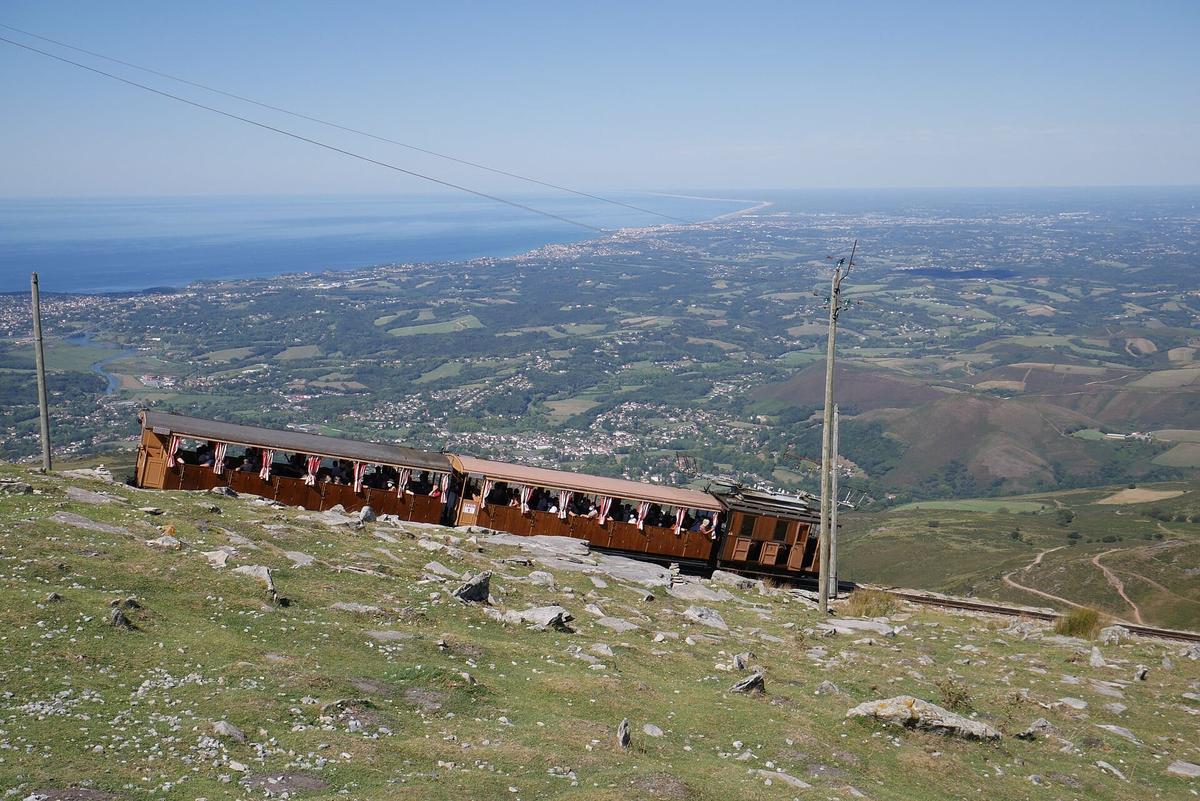
La Rhune (Larrun in Basque) is the mountain that towers over the French Basque coast, above Saint-Jean-de-Luz. Its summit is 905 metres high, on the border between France and Spain. The railway itself stays entirely on the French side, in the Pyrénées-Atlantiques.
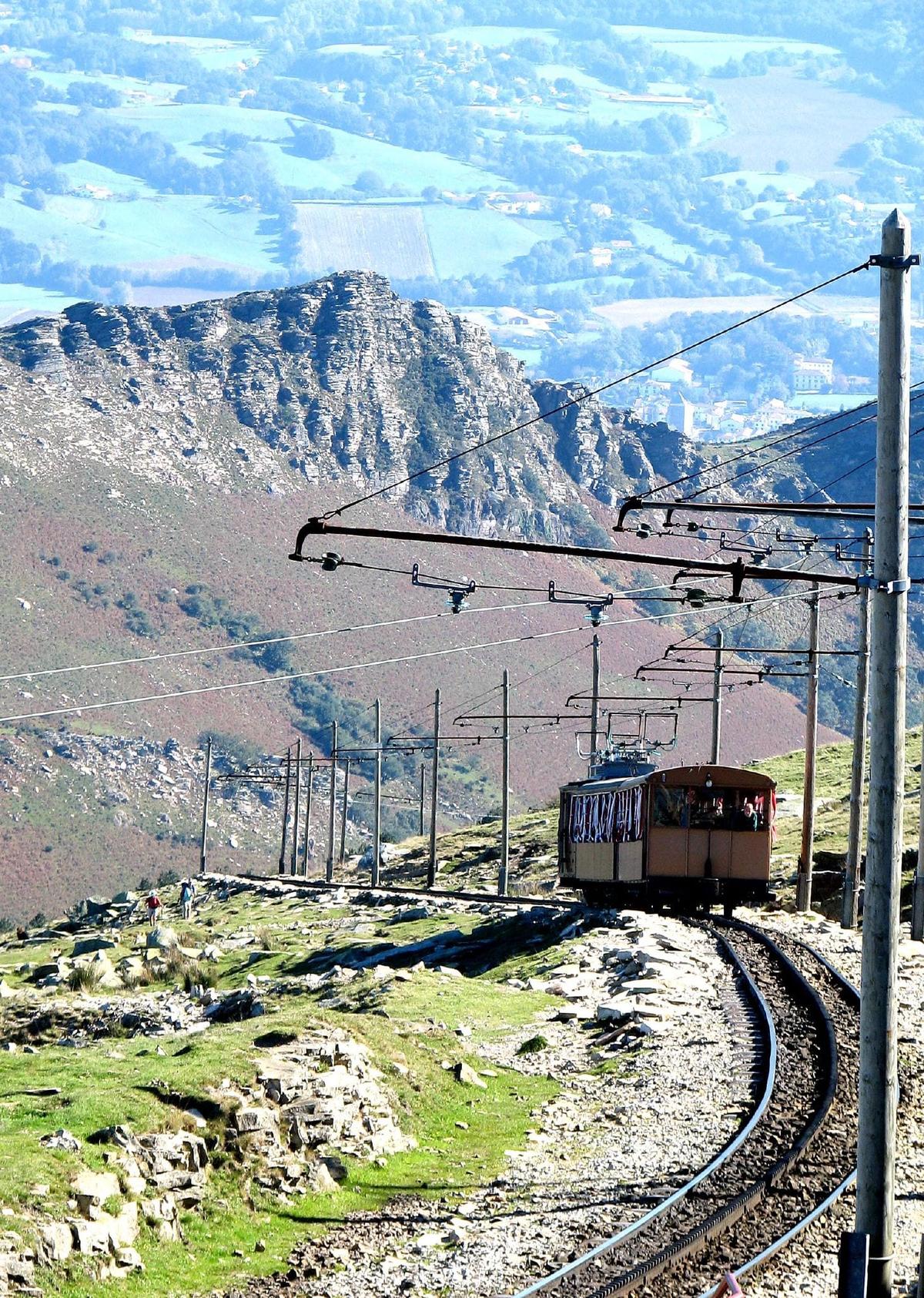
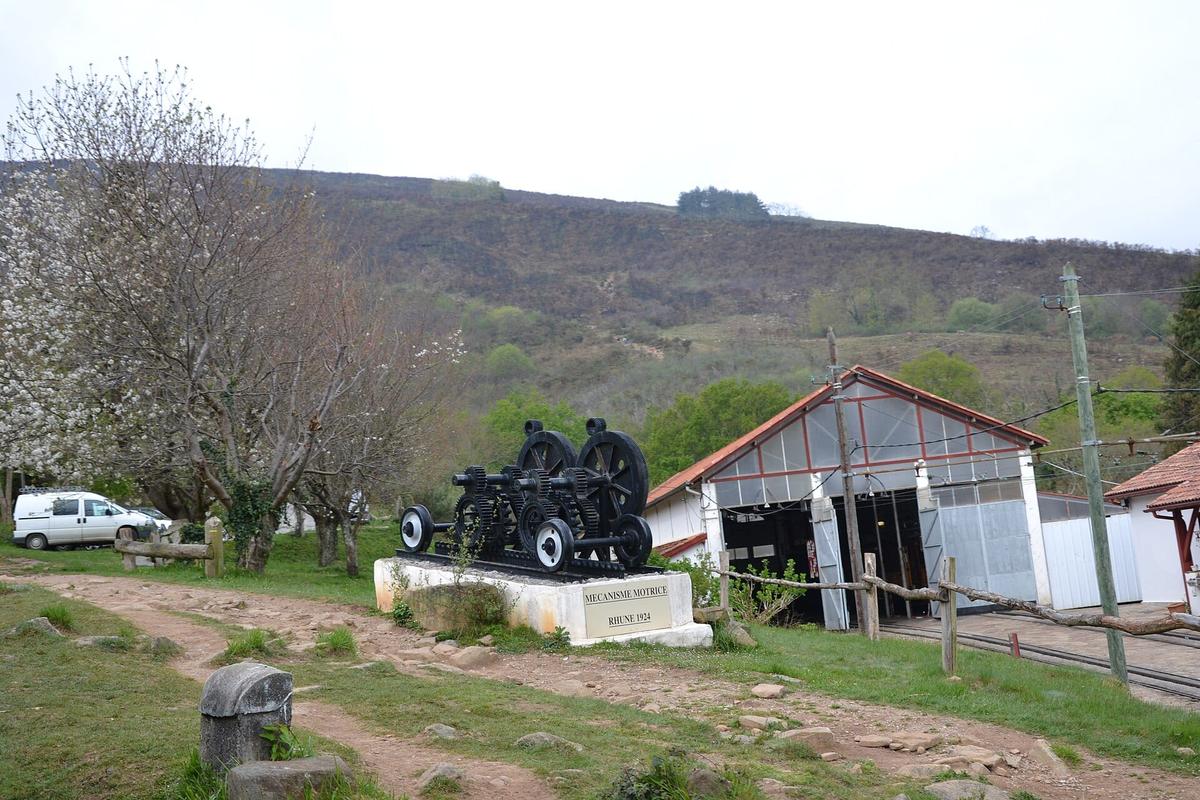
The train leaves from the Col de Saint-Ignace, in the commune of Sare, and climbs 4.2 kilometres of metre-gauge track at 9 km/h. To cope with the slope, a cog wheel under the engine meshes with a rack laid between the rails, using the Strub system.
The idea of a railway to the summit dates from 1908. Work began in 1912, stopped during the First World War, and the line opened on 30 June 1924. The wooden carriages and electric locomotives are the original ones, maintained and rebuilt part by part for a century.
The line is run by the Établissement public des stations d'altitude (EPSA), which belongs to the Pyrénées-Atlantiques département.
How much is the La Rhune Train?
2026 return fares ("Classic Journey" on the booking site):
- Adult (from 12 years): €26.
- Child aged 4 to 12: €18.
- Family ticket, two adults and two children aged 4 to 12: €82.
- Disabled visitors: €18 for an adult, €12 for a child.
- Dog: €6.50 return.
- Child under 4: free, on an adult's lap. You still need to add a zero-euro ticket when booking.
The guided return trip adds a themed commentary, on the train and at the summit: allow €5 extra per adult and €4 per child.
The one-way ticket down costs €23.50 for an adult and €15 for a child. It is sold only at the summit, subject to free seats. There is no one-way ticket up.
Trap to avoid: counting on a ticket down after walking up in midsummer. Afternoon trains are often full of passengers on return tickets, and a seat is not guaranteed. If your legs are not up to the walk down, take the train up and walk down instead.
At the ticket office at the bottom, you can pay by card or cash. At the summit, card only.
Do you need to book the La Rhune Train?
Yes, it is recommended, and almost essential in July and August. Tickets are sold on the official website up to one hour before departure. Each ticket is for a specific train. In high season, the operator recommends booking two or three days ahead.
The station ticket office also sells tickets a few days ahead, plus same-day tickets if any are left. There is no booking by phone or email, except for groups of more than 20. No need to print your ticket: the QR code on your phone is enough.
Tickets are generally not refundable. Rain and cloud do not stop the train: only extreme weather, with an official order from the prefecture, leads to a postponement or refund.
Our tip: check the forecast the day before you book. In cloudy weather you go up into fog and see nothing at the top. In the morning, the sky is often clearer over the coast.
Partner links: if you book through these links, we earn a commission at no extra cost to you. Partner links · Learn more
Guided tours and day trips on GetYourGuide
Timetable and opening season

The train runs every day from 28 March 2026 to 1 November 2026. Departures are roughly every 40 minutes in summer, less often the rest of the season. Some departures only run if there are enough passengers.
- April, May, June and September: departures from the col between 9:30 – 16:10; from the first train up to the last one back down, the line runs 9:30 – 18:50.
- High season, from 6 July 2026 to 30 August 2026: departures between 8:50 – 17:30; from the first train up to the last one back down, the line runs 8:50 – 20:10. An earlier departure is added from 27 July 2026, if there are enough passengers.
- October and early November: five departures a day, between 9:30 – 15:30; from the first train up to the last one back down, the line runs 9:30 – 18:10.
The station ticket office is open 9:00 – 16:10 in low season and 8:30 – 17:30 in high season.
Best time: the first train of the morning. The light over the ocean is beautiful, the ventas are quiet and you avoid the afternoon queues. In summer, the midday departures are the most popular.
How long does the trip take?
The standard trip lasts 150 minutes: 35 minutes up, about 80 minutes at the summit, then 35 minutes down. Your ticket is tied to a return train, so keep an eye on the time at the top.
In low season, some departures give you two and a half hours at the summit, enough for a meal in a venta and a short walk along the ridge.
Add the time to drive to the col, park and go through the ticket office: allow half a day in all.
What to see at the top of La Rhune
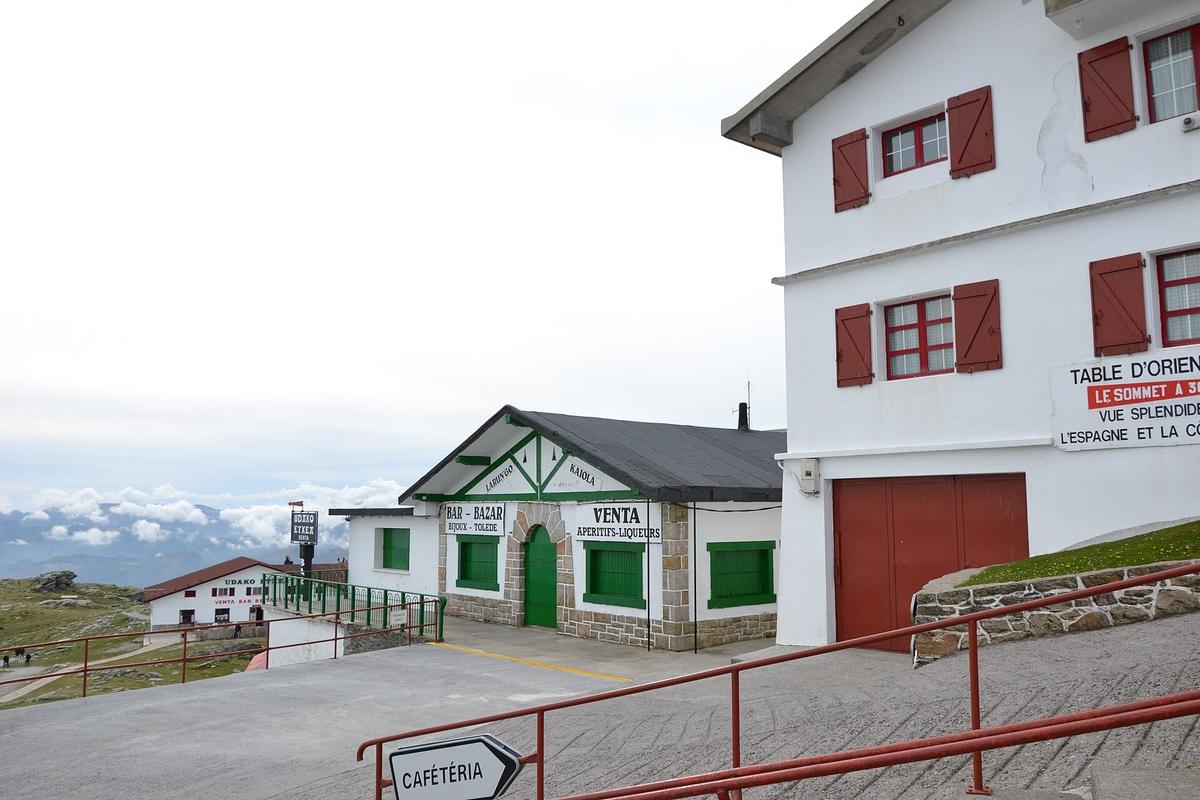

The view. On a clear day you can see the whole Basque coast, from the bay of Saint-Jean-de-Luz to the beaches of the Landes, the mouth of the Bidassoa at Hendaye, and on the other side the Pyrenean peaks and the valleys of Navarre. That is the point of the trip: with no visibility, it loses much of its appeal.
The pottoks. These small Basque ponies roam freely on the mountain, along with the sheep. You often see them near the track and around the summit. The operator asks visitors not to feed or disturb them.
The ventas. At the summit, three ventas, shops run independently of the train, serve tapas, sandwiches and tortillas and sell souvenirs. They sit on the Spanish side of the border line.
The scenery on the way up. The train passes through fern-covered moorland and grassy slopes. Sit on the valley side for the view over Sare and the ocean.
Our tip: take a jacket, even in August. At the summit the wind is often strong and it is colder than at the col.
Walking up: the La Rhune hike
You can walk up, and many hikers do. Allow 120 to 150 minutes to climb 736 metres, and about the same to come down. The path has little shade: start early in summer, with water and closed walking shoes. Stay on the marked trails.
Two options:
- Train up, walk down. The safest: your seat up is booked and you come down at your own pace. But the ticket sold online is a return: you pay for the way back even if you do not use it.
- Walk up, train down. Possible with the ticket down bought at the summit, but with no guaranteed seat, especially in summer.
Do not set off if fog is forecast: the ridge is easy to lose, and the view is what makes the walk worthwhile.
Visiting La Rhune with children
Children love the train: the wooden carriages, the slow pace, the pottoks seen from the window. Under-4s travel free on a lap, and the family ticket is worth it as soon as you have two children aged 4 to 12.
Pushchairs. They must fold and go in the space provided on the train. At the summit, the ramp is steep and the paths are stones and grass: a baby carrier is much more practical.
At the summit, keep children close: the pottoks are calm but they are still free-roaming animals, and the ground is uneven.
Wheelchair access and dogs
In a wheelchair, access is possible with a folding wheelchair, stored on the train's platform. You need to be able to climb two steps of about 20 centimetres, alone or with help. At the summit, the ramp is steep and requires assistance. The reduced fare for disabled visitors is €18.
Dogs are allowed on the train, under the seat or between your legs, with a €6.50 ticket. On the hike, keep them on a lead: sheep and pottoks graze freely.
How to get to the La Rhune Train

By car. Col de Saint-Ignace station is on the D4, between Ascain and Sare, about twenty minutes from Saint-Jean-de-Luz. There are two car parks next to the station, but they fill up quickly in summer.
If the car parks are full, the operator suggests the free Chantaco car park in Saint-Jean-de-Luz and those in Sare and Ascain. Check on site how to get from these car parks to the station.
From Biarritz or Bayonne, allow about forty minutes via the A63 motorway and then the Ascain road. Biarritz airport, with flights from the UK and other European cities, is the closest. A car remains the easiest way to combine La Rhune with Sare, Ainhoa or Espelette in a day.
What to combine in the same day
| Also worth seeing | Distance | Travel time |
|---|---|---|
| Château d'Abbadia | 20 km | 25 min by car |
| Biarritz Aquarium | 27 km | 35 min by car |
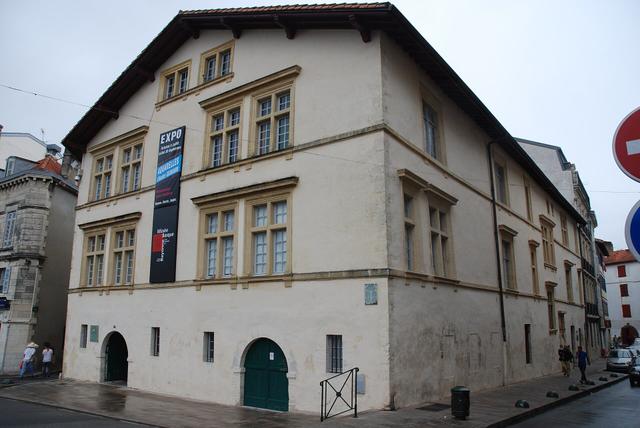
| Basque Museum and History of Bayonne | 30 km | 35 min by car |
Approximate road distances and travel times.
Sare and the Labourd villages. Sare, at the foot of La Rhune, is a pretty village of white and red houses, with its pelota court. Ainhoa and Espelette, further east, are half an hour away by car. They make a good addition to a morning at the summit.
Saint-Jean-de-Luz. The town lies at the foot of the mountain: the harbour, beach and old town fill an afternoon after a morning trip up.
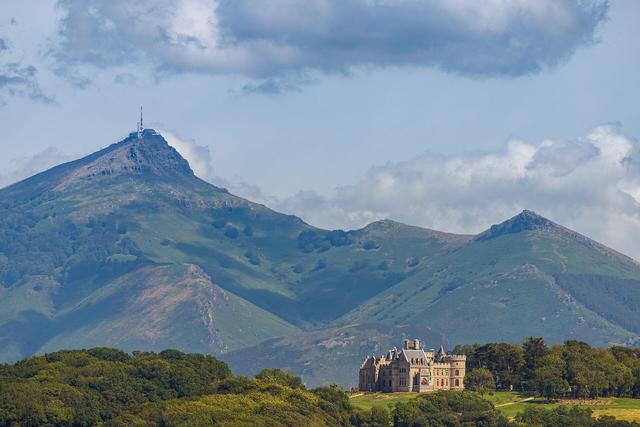
Hendaye and the Château d'Abbadia. Antoine d'Abbadie's castle-observatory stands on the Hendaye cliffs. The scientist had a sighting opening made towards La Rhune. See also: Château d'Abbadia
Biarritz and Bayonne. On a rainy day, the Biarritz Aquarium and the Basque Museum in Bayonne are less than 40 minutes away. See also: Biarritz Aquarium, Basque Museum and History of Bayonne
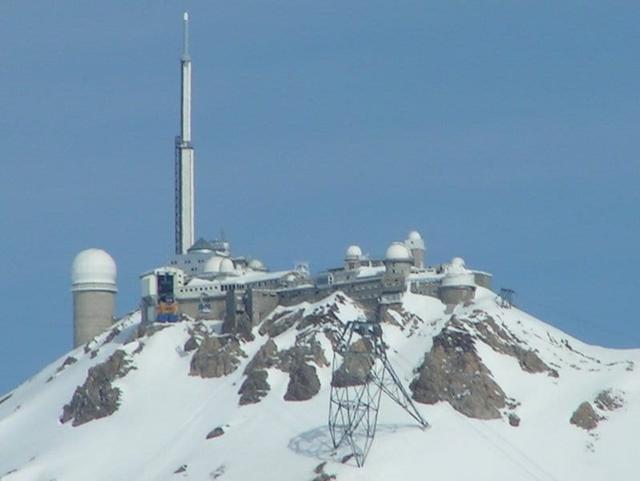
In the Hautes-Pyrénées, the Pic du Midi de Bigorre offers another ride to altitude, this time by cable car. See also: Pic du Midi de Bigorre, Basque Country and Pyrenees
Facts and anecdotes

- An empress at the summit. In 1859, Empress Eugénie, who was staying in Biarritz, climbed La Rhune with part of her court. An obelisk put up in 1860 marks the climb. La Rhune then became a fashionable outing.
- A village saved the train. In 1978, the people of Sare rejected a plan for a road to the summit. Without that refusal, the train would probably have disappeared.
- A rare power supply. The La Rhune train is one of four lines in the world still running on three-phase current: two phases come through the overhead line, the third through the track.
- New track in 2023. The track was completely rebuilt in nine months, for nearly 27 million euros, mostly paid by the département. Just before the work was finished, heavy rain washed away a section of track. The train went back into service on 3 June 2023.
- A strategic summit. During the Second World War, regular service stopped; the train only ran to supply a German radar station set up at the top.
- A small team. Around twenty permanent staff and forty seasonal workers keep the line running.
Where to eat and stay near La Rhune
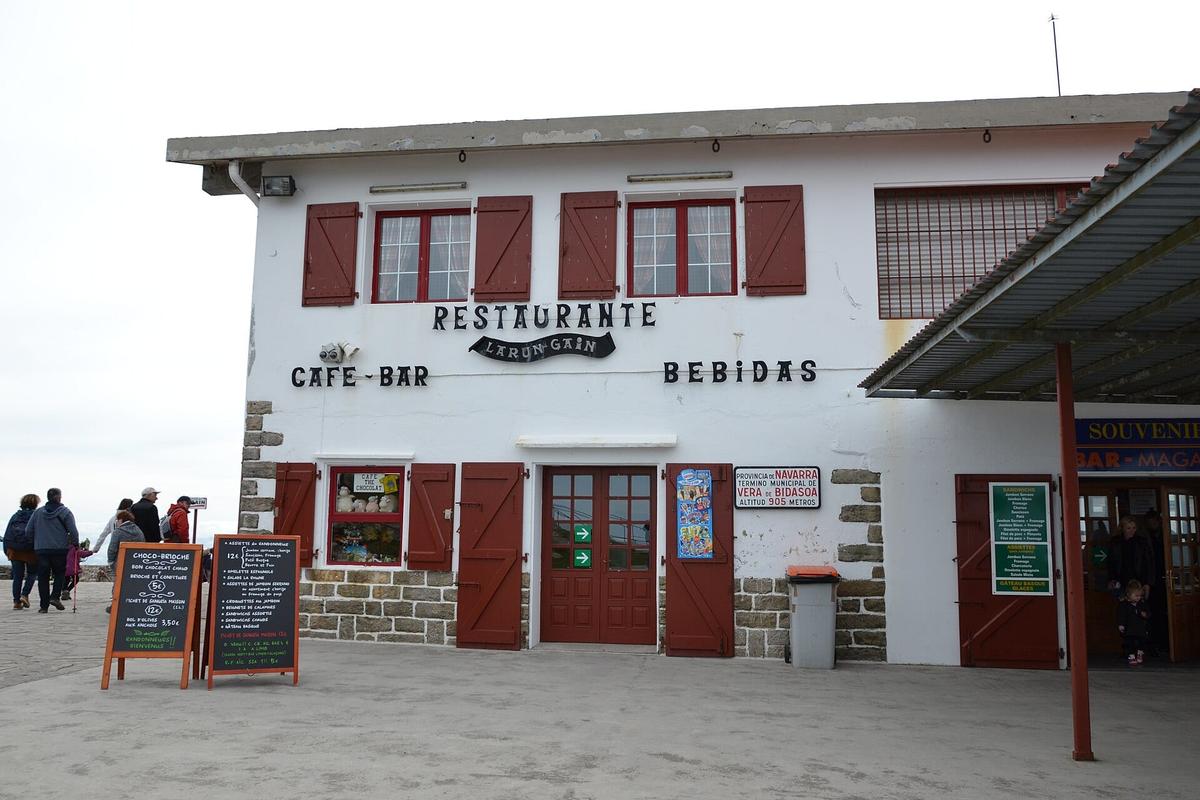
On site. At the summit, the ventas serve food all day. According to the tourist office, the train site also has a bar, a restaurant and toilets. A picnic on the slopes, away from the pottoks, is another good option.
Nearby. Sare, Ascain and Ainhoa have inns and restaurants serving Basque food. Saint-Jean-de-Luz has more choice, especially around the harbour.
To stay, most hotels are in Saint-Jean-de-Luz and Biarritz, half an hour from the station. The villages of Sare and Ascain suit you if you want to catch the first train of the morning.
FAQ
How much is the La Rhune Train?
€26 return for an adult, €18 for a child aged 4 to 12 and €82 for the family ticket. Free for under-4s.
When does the La Rhune Train run?
Every day from 28 March 2026 to 1 November 2026. It does not run in winter.
How long does the ride up take?
35 minutes up, the same down. The full trip takes 150 minutes.
Do I need to book?
It is recommended, especially in July and August: book online two or three days ahead. The ticket office sells any remaining seats.
Are dogs allowed on the train?
Yes, under the seat or between your legs, with a €6.50 ticket.
Can I walk up and take the train down?
Yes, with a ticket down bought at the summit, but a seat is not guaranteed. The other way round, train up and walk down, is safer.
Practical information
Official ticket-office prices 2026
| Full price | €26 |
|---|---|
| Child (aged 4–12) | €18 |
| Family ticket | €82 |
| Visitor with a disability | €18 |
| Free | children under 4 |
Address
Train de la Rhune, gare du col de Saint-Ignace, 3205 Santinazioko errebidea (D4), 64310 Sare, France
Directions
On site and nearby
- On site: Toilets and food and drink
- Nearest shops and pharmacy: Sare, 2 km away Straight-line distance, based on OpenStreetMap.
- Emergencies: 112 (all emergencies, free from any phone), 15 (SAMU, medical emergency)
Around the site, on Google Maps
With children
Family days out nearby: Sare Caves (7 km), Château d'Urtubie (8 km), Ainhoa (9 km)
Swimming pools and play areas nearby, on Google Maps
Facts checked on 29 October 2026. Sources: rhune.com, rhune.com, tourisme64.com, rhune.com, en.wikipedia.org, urban-transport-magazine.com, echodumardi.com
Map
In the same region
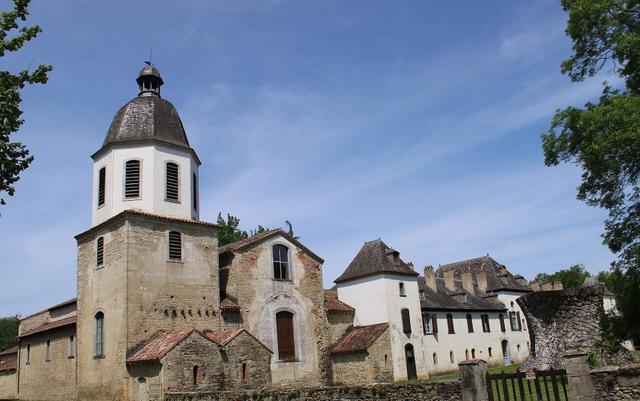
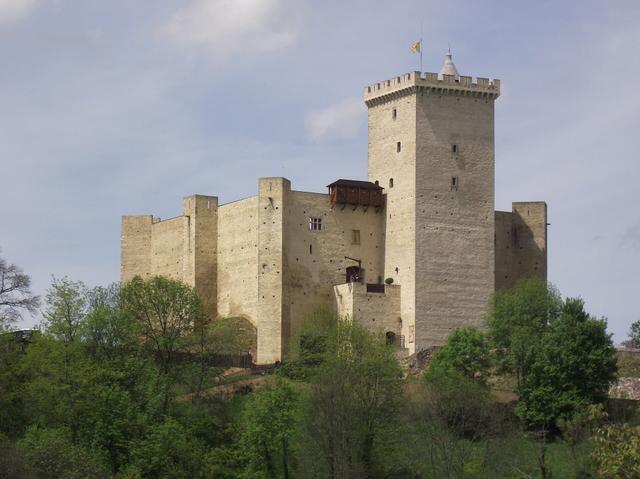
- Château de Morlannefrom €7Free under 7
- Gouffre d'Esparrosfrom €12.50Free under 4