Saint-Jean-Pied-de-Port: visiting the fortified town
Saint-Jean-Pied-de-Port at a glance
- Admission
- Free
- Where
- Saint-Jean-Pied-de-Port
Facts checked on 11 November 2026. Full opening hours, reduced prices and access

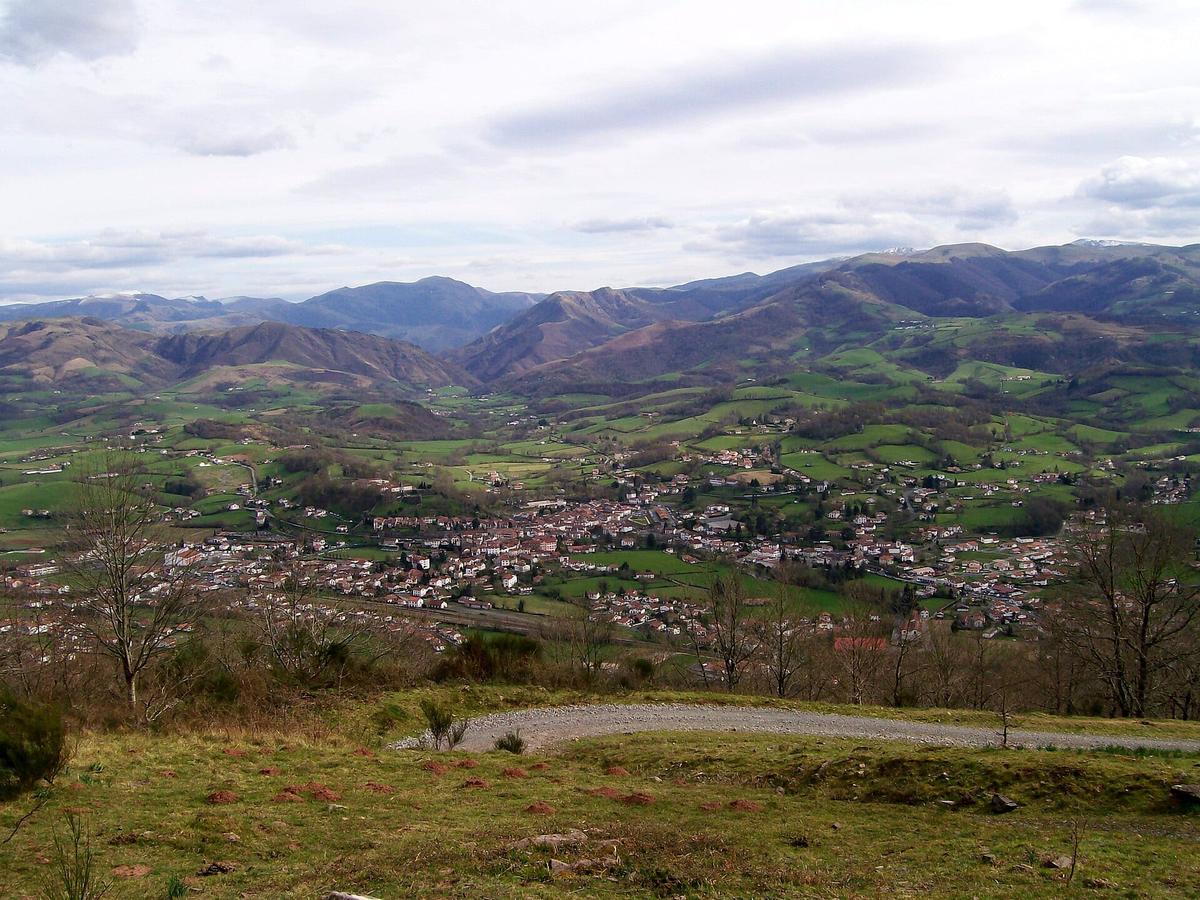
At the foot of the Roncesvalles pass, Saint-Jean-Pied-de-Port is the former capital of Lower Navarre and the main starting point of the Camino de Santiago in France. You enter through the Porte Saint-Jacques, a World Heritage site, walk down rue de la Citadelle to the River Nive and climb to the citadel for the mountain views. The town is free to explore and the Bishops' Prison is free to visit. Here is what to see, the opening hours and our tips.
Saint-Jean-Pied-de-Port at a glance
- Where: in Lower Navarre, in the inland French Basque Country, 53 km from Bayonne by road and a few kilometres from the Spanish border.
- Price: the old town, the ramparts and the citadel are free to explore. The Bishops' Prison is free.
- Bishops' Prison: open Tuesday morning, Wednesday, Friday afternoon and Saturday. Closed on Monday, Thursday and Sunday.
- Time needed: half a day for the town, about thirty minutes for the Bishops' Prison.
- Best for: heritage lovers, pilgrims, hikers and anyone exploring the inland Basque Country.
- Good to know: the upper town is steep and cobbled, and the citadel has to be reached on foot.
Why visit Saint-Jean-Pied-de-Port
Saint-Jean-Pied-de-Port (Donibane Garazi in Basque) lives up to its name: the town stands at the "foot of the pass" (pied de port), the pass leading into Spain. This route across the Pyrenees made its fortune. In the early 13th century, King Sancho VII the Strong of Navarre built a fortified town at the foot of Mendiguren castle, on the hill. It became the capital of Lower Navarre, one of the divisions of the Kingdom of Navarre and the only one north of the Pyrenees.
History turned in 1512, when Ferdinand the Catholic conquered Navarre. Saint-Jean changed hands several times. In 1530, Charles V gave up trying to hold it and had the castle destroyed. The town then stayed with the Navarre of the Albret family, before passing into the Kingdom of France with Henri IV. The Estates of Navarre were only abolished in 1789.
Today the town has 1487 inhabitants (2022), but tens of thousands of walkers pass through every year. It has been one of the Plus Beaux Villages de France (Most Beautiful Villages of France) since 2016.
The start of the Camino de Santiago
Saint-Jean-Pied-de-Port is the best-known starting point of the Camino Francés, the Way of St James across northern Spain to Santiago de Compostela. Three of the main French routes, from Le Puy, Vézelay and Tours, meet just before the town.
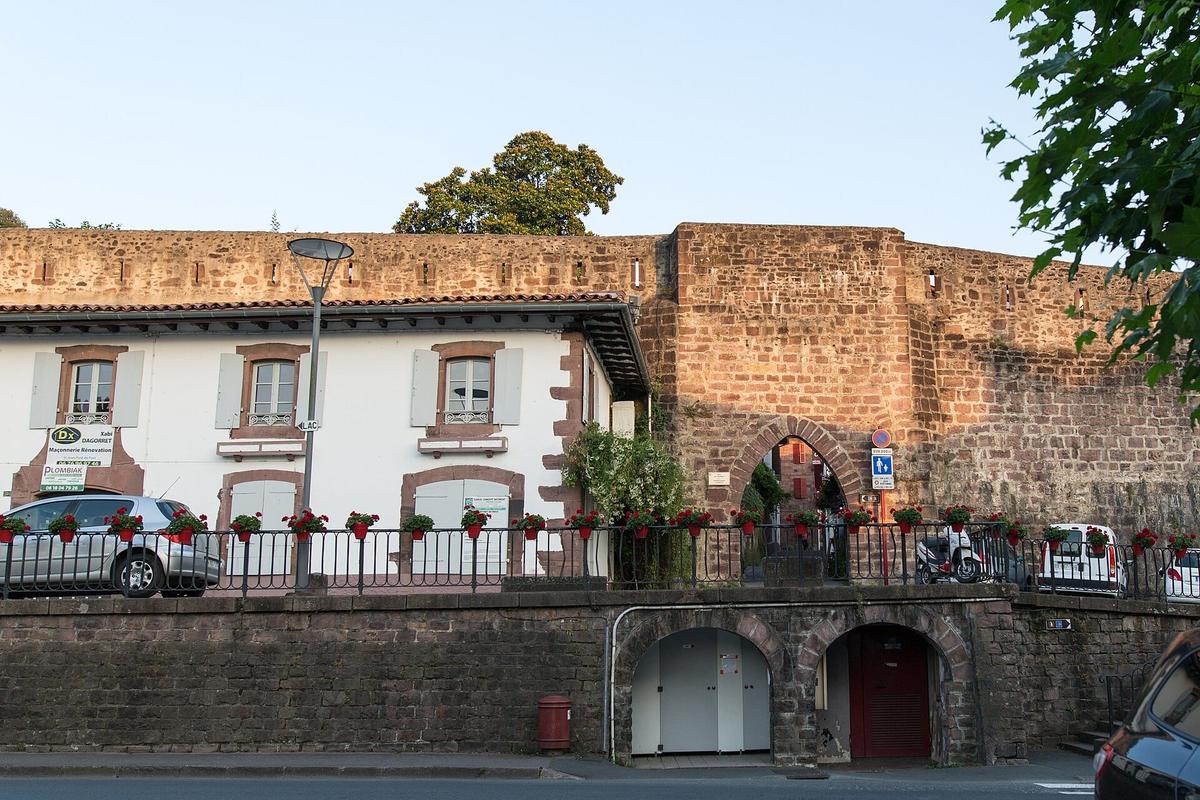

How many pilgrims start in Saint-Jean-Pied-de-Port? In 2025, the pilgrims' office registered 54,979 walkers of 118 nationalities, according to the annual report of the Agence des chemins de Compostelle. The French come first (9689), ahead of Americans (7993), Spanish, Koreans and Italians. The peaks are in May and September.
A curious fact: Americans now make up about 14% of the pilgrims passing through Saint-Jean. The film The Way (2010), starring Martin Sheen, whose story begins right here, made this starting point famous across the Atlantic. Don't be surprised to hear as much English as French on rue de la Citadelle in spring.
The first stage. From Saint-Jean to Roncesvalles (Roncevaux), in Spain, the first stage is 24.2 km with 1351 m of climbing, nearly eight hours' walk according to the Pyrénées-Atlantiques tourist board. It is one of the hardest on the whole Camino. It follows the so-called "Napoleon Route", over the Lepoeder pass.
Watch out in winter. This route over the ridges is closed from 1 November to 31 March for safety reasons. During this period, walkers must take the valley route through the village of Valcarlos. If you are setting off in November, plan for this route.
The pilgrims' office. Run by the Friends of St James association, it is in the upper town. Pilgrims get their credential stamped there and receive advice for crossing the Pyrenees.
Things to do in Saint-Jean-Pied-de-Port
The easiest way is to follow the pilgrims' path: enter from the top, walk down to the river, then climb back up to the citadel.
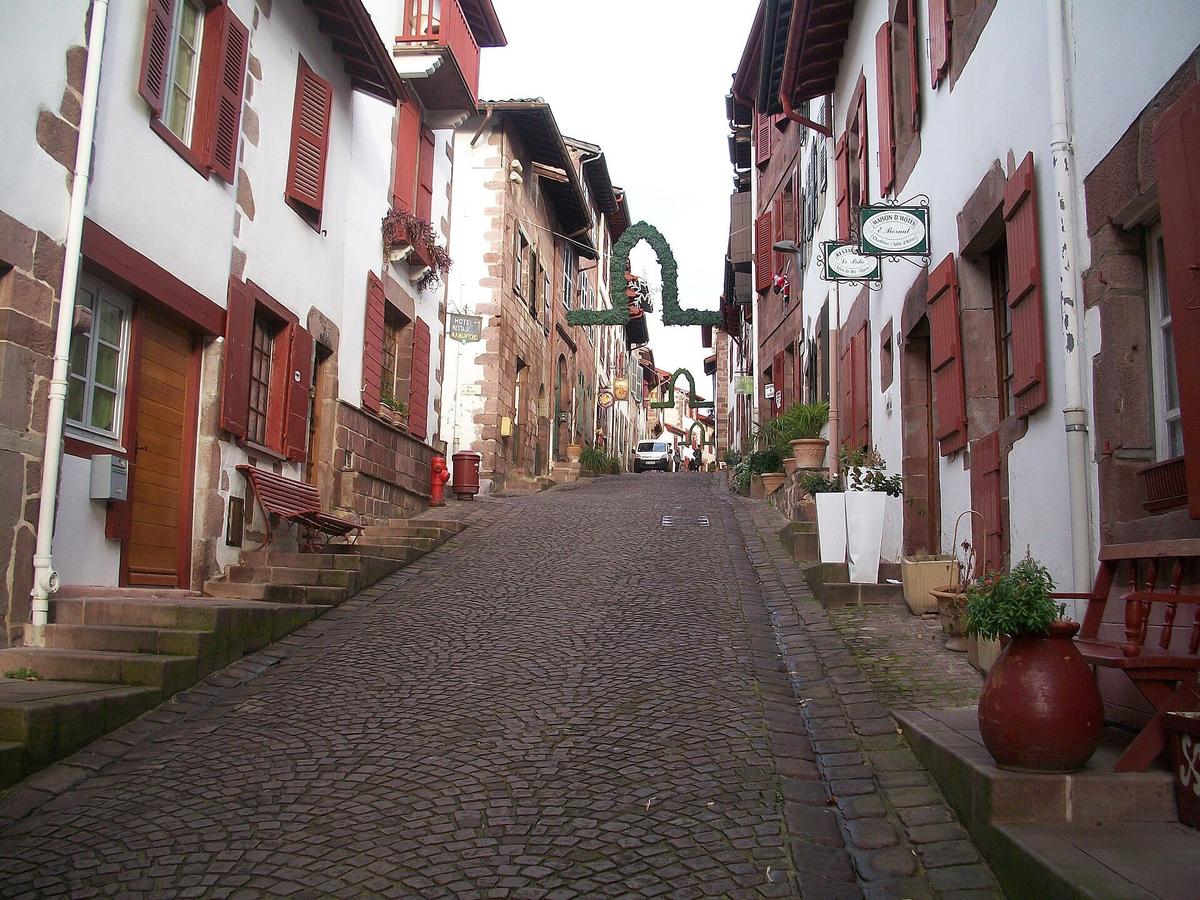

Porte Saint-Jacques. This is the gate through which pilgrims arriving from France enter the upper town. Set in the 15th-century ramparts, it has been on the UNESCO World Heritage List since 1998, as part of the "Routes of Santiago de Compostela in France". There is a fountain right next to it.
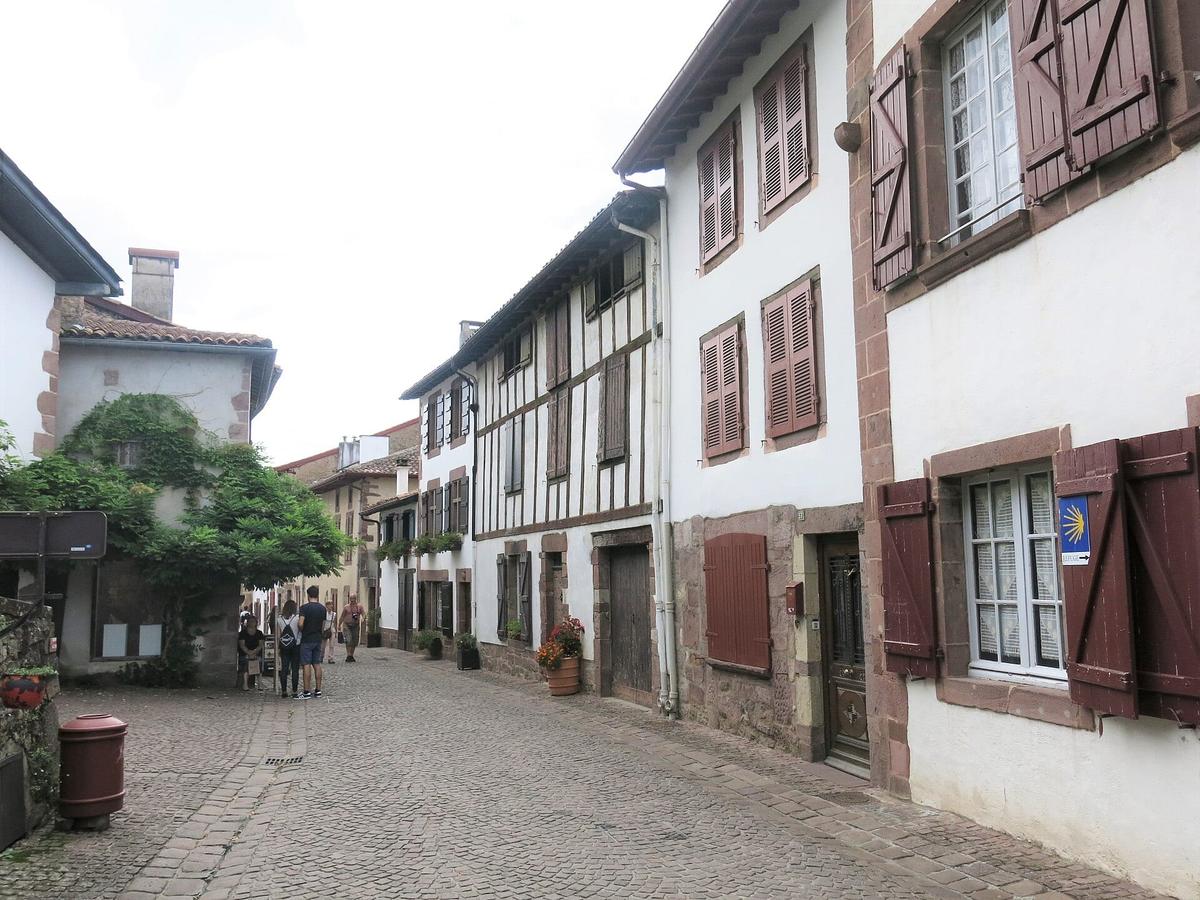
Rue de la Citadelle. It slopes gently down from the Porte Saint-Jacques to the church. Look up at the stone lintels above the doors: many houses bear a carved date, sometimes with the owners' names. The oldest, the Arkanzola house, is dated 1510. Others show 1633, 1654, 1722 or 1741. It is the best place to read the town's history without a guide.
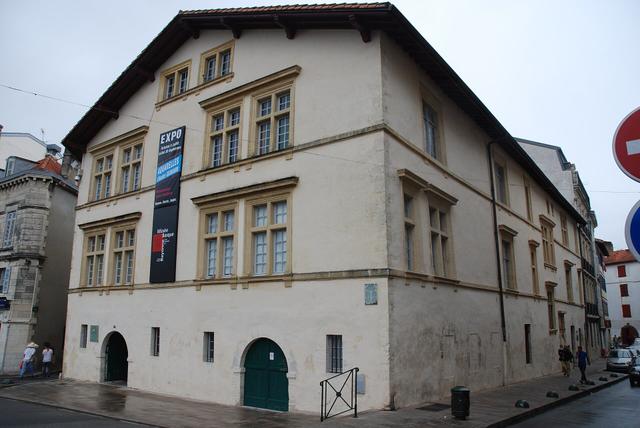
The Bishops' Prison. At the bottom of the street, this fortified house has a vaulted underground room, a guardroom and cells. See below for opening hours and what is inside.
Church of Notre-Dame-du-Bout-du-Pont. This Gothic church, built on Romanesque foundations, backs onto the ramparts. Its porch tower serves as a gate to the Nive: the Porte Notre-Dame. Inside, the organ dates from the mid-19th century.
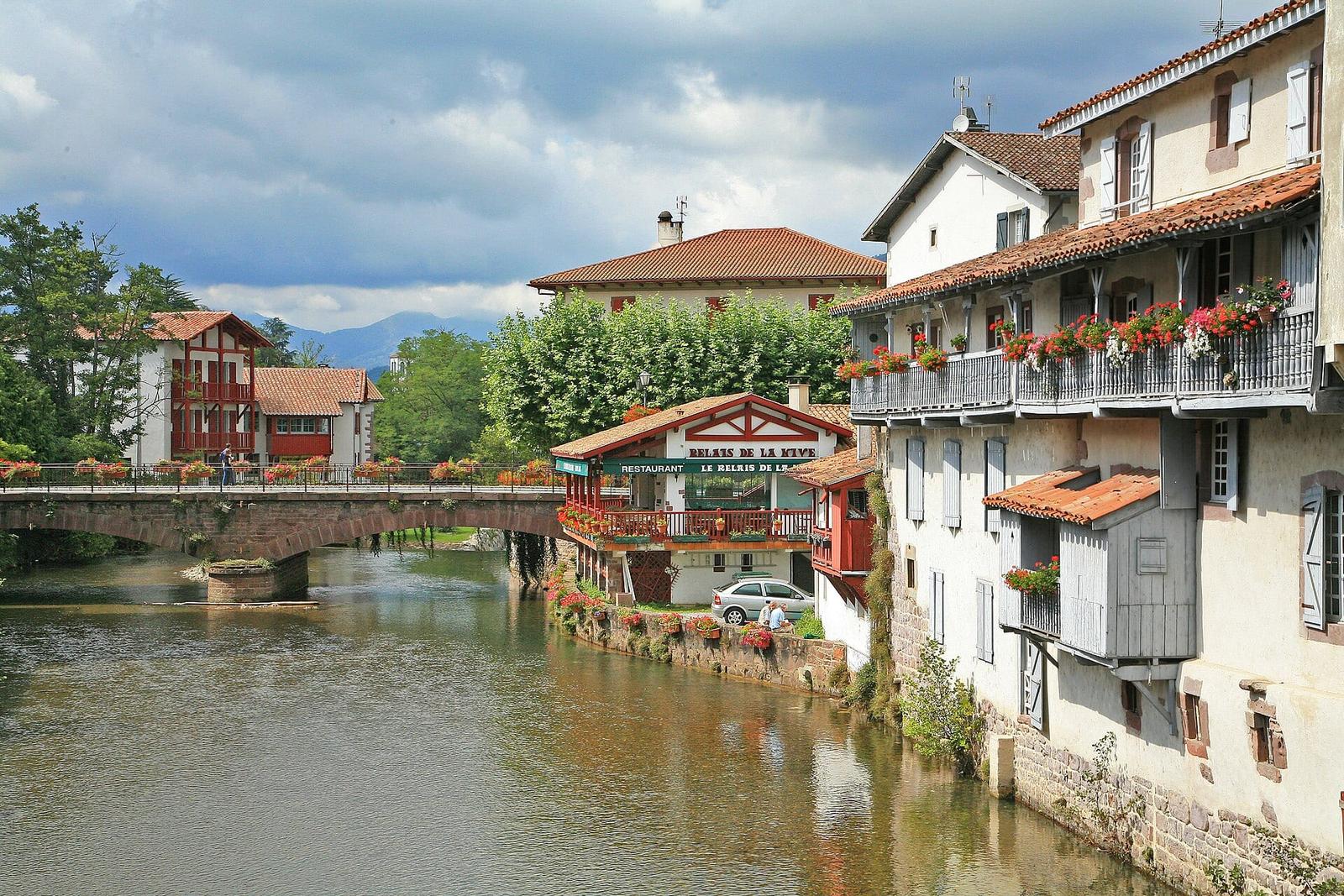
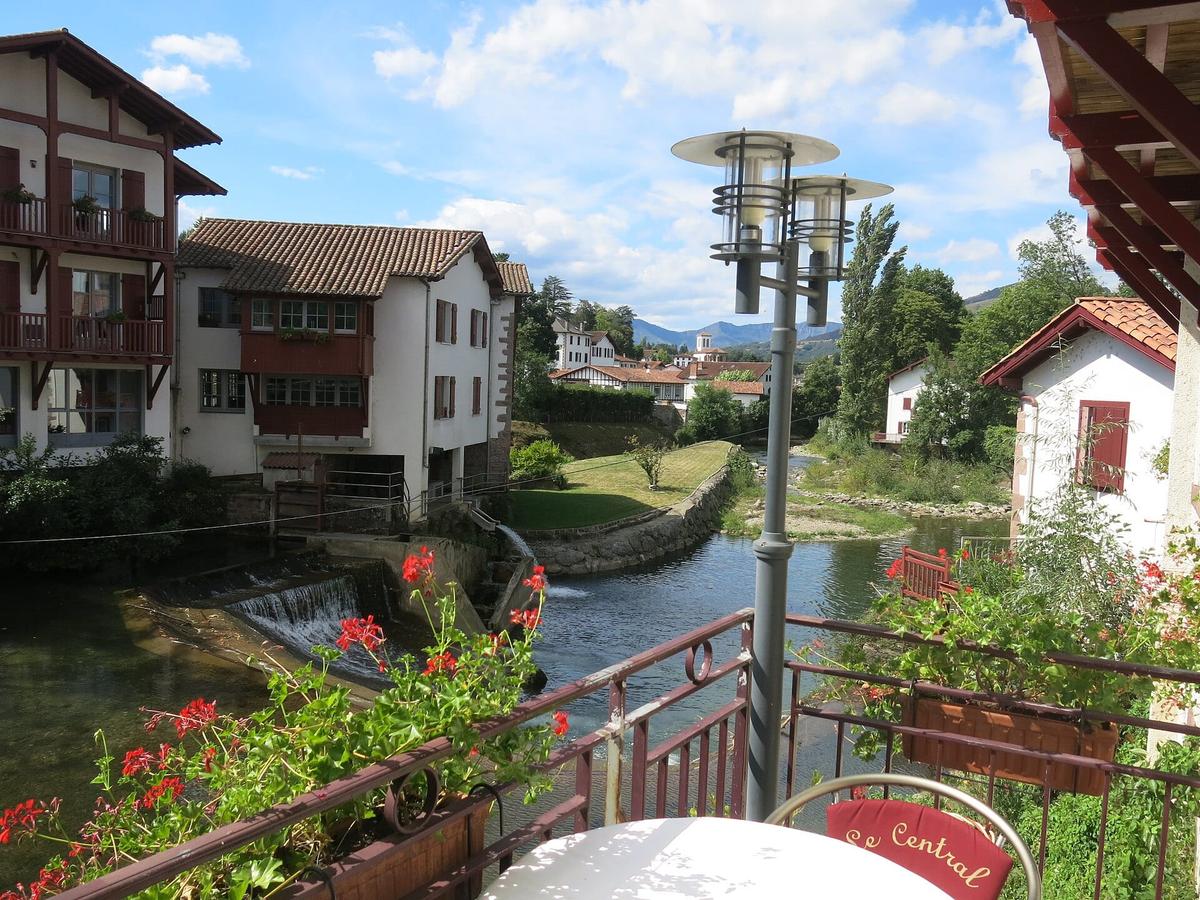
The bridge over the Nive. It is called the "Roman bridge", but it is medieval and was restored in 1634. The view of the houses with wooden balconies overhanging the river is the classic photo of Saint-Jean. Stand on the bridge, or on the bank downstream, in the late afternoon.
Porte de Navarre and rue d'Espagne. Across the Nive, rue d'Espagne runs to the Porte de Navarre and the road to the pass. This is where pilgrims leave for Roncesvalles.
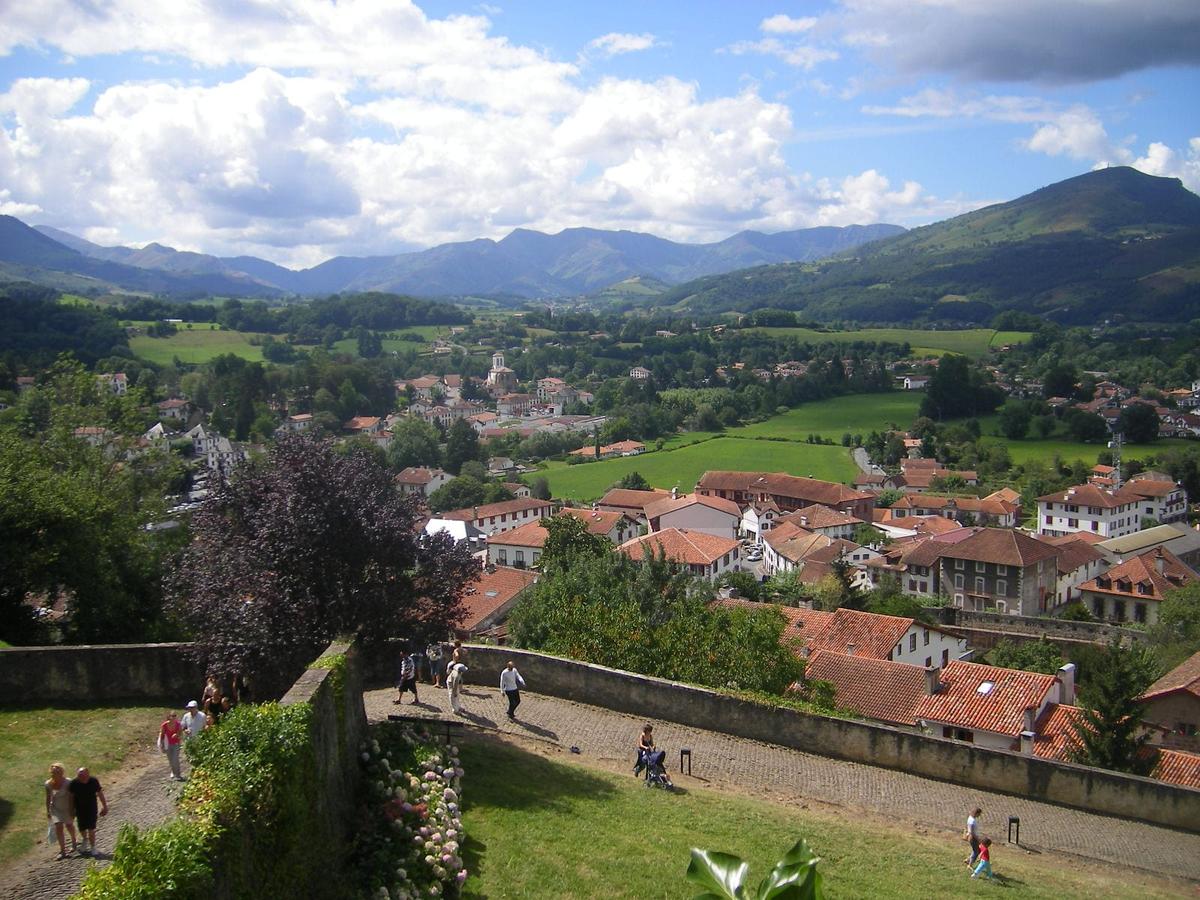
The citadel. It looks down on the town from Mendiguren hill, on the site of the old castle of the kings of Navarre. Building began in 1625, under Louis XIII, to plans by the engineer Pierre de Conty d'Argencourt. It was resumed in the 1640s, then remodelled from 1686 to 1700 by the engineer François Ferry, following Vauban's instructions. You climb up on foot from the upper town along cobbled paths and steps. The view over the Garazi basin and the mountains is worth the effort.
The Bishops' Prison: opening hours and price 2026
The so-called Bishops' Prison is the only indoor visit in the old town. Its name is recent, and a little misleading. It mixes two stories: the presence of bishops in Saint-Jean during the Great Schism, in the late 14th and early 15th centuries, and the use of the building as a prison in the 18th, 19th and 20th centuries. So the bishops never locked anyone up there.

How much is entry? Nothing: the visit is free, according to the Basque Country tourist office.
Opening hours 2026. It is open all year, at these times:
- Tuesday: 9:30 – 12:00.
- Wednesday: 9:30 – 12:00 and 14:00 – 18:00.
- Friday: 14:00 – 18:00.
- Saturday: 9:30 – 12:30 and 15:00 – 18:00.
- Closed: Monday, Thursday and Sunday.
What is there to see? The underground room, the guardroom and the cells. A permanent exhibition presents historical research on the medieval routes of St James, and temporary exhibitions (painting, photography, traditional Basque costume) fill the first floor. The building also houses a Micro-Folie, a digital museum with screens and virtual reality headsets, which runs themed days in summer.
How long? Allow about 30 minutes.
Our tip: Monday is market day, but the prison is closed that day. If Monday is your only option, enjoy the market and leave the prison for another time. It is also closed on Thursday and Sunday: come on a Wednesday or Saturday to have a choice of morning or afternoon.
How long does it take to visit?
You can stroll round the upper town in an hour. With the climb to the citadel, the Bishops' Prison and a break by the Nive, half a day is more comfortable. Add a day if you want to walk the first kilometres of the Camino, towards Honto and Orisson, to see the valley from above.
When to visit and how to avoid the crowds
Monday, market day. This is Saint-Jean's big day: the market draws people from all the surrounding valleys, with sheep's cheese, ham and Basque produce. Come in the morning and park early.
Spring and September. These are the busiest months for pilgrims, with peaks in May and September. Rue de la Citadelle is lively, especially in the late afternoon when walkers arrive. To see the street almost empty, come early in the morning, once the pilgrims have left for Roncesvalles.
Summer. Day visitors add to the walkers. The Micro-Folie in the Bishops' Prison runs themed days.
Winter. The town is much quieter. The heritage sites can be visited all year, and the Bishops' Prison keeps its usual hours.
Guided tours
The Basque Country tourist office runs guided tours of Saint-Jean-Pied-de-Port. Groups can book all year: Monday to Saturday, the flat rate is €120 for up to 20 people, then €6 per extra person. For individual visitors, tours are scheduled during French school holidays: ask at the tourist office, place Charles-de-Gaulle, or book on its online shop.

To see Saint-Jean as part of a wider trip into the inland Basque Country, several day tours leave from the coast:
Partner links: if you book through these links, we earn a commission at no extra cost to you. Partner links · Learn more
Visiting with children
Children enjoy the town's gates, ramparts and the climb to the citadel, which feels like a wall walk. The Bishops' Prison, with its cells and underground room, is short and free: the right visit for them. The Micro-Folie's themed days in summer are also aimed at young visitors.
Rue de la Citadelle is cobbled and steep, and the climb to the citadel involves steps: a baby carrier is more practical than a pushchair.
How to get to Saint-Jean-Pied-de-Port
By car. Saint-Jean-Pied-de-Port is 53 km from Bayonne, via the Nive valley and Cambo-les-Bains. The streets of the upper town are narrow: park outside the ramparts and walk the rest.
By train. A TER regional line runs from Bayonne to Saint-Jean-Pied-de-Port, the end of the line. This is how most pilgrims arriving via Bayonne or Biarritz get here. From Paris, trains run from Montparnasse to Bayonne, where you change for Saint-Jean. The station is a few minutes' walk from the upper town.
Renting a car. To combine Saint-Jean, the Isturitz caves, Espelette and Cambo-les-Bains, a car is essential. Biarritz airport is the nearest.
What to combine with Saint-Jean-Pied-de-Port on the same day
| Also worth seeing | Distance | Travel time |
|---|---|---|
| Isturitz and Oxocelhaya Caves | 30 km | 35 min by car |
| Villa Arnaga | 35 km | 40 min by car |
| Atelier du Piment, Espelette | 40 km | 45 min by car |
Approximate road distances and travel times.
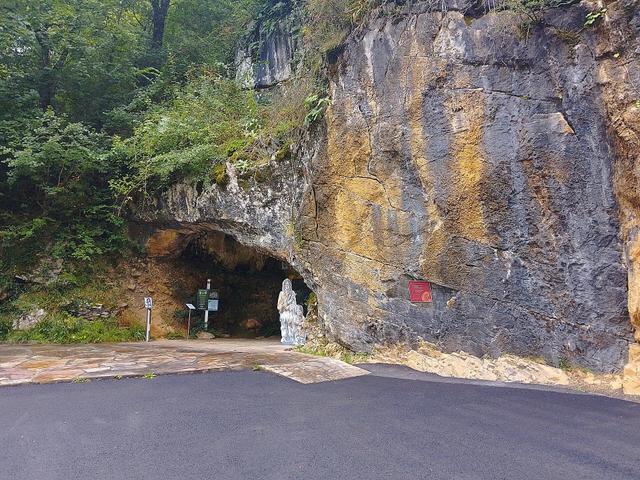
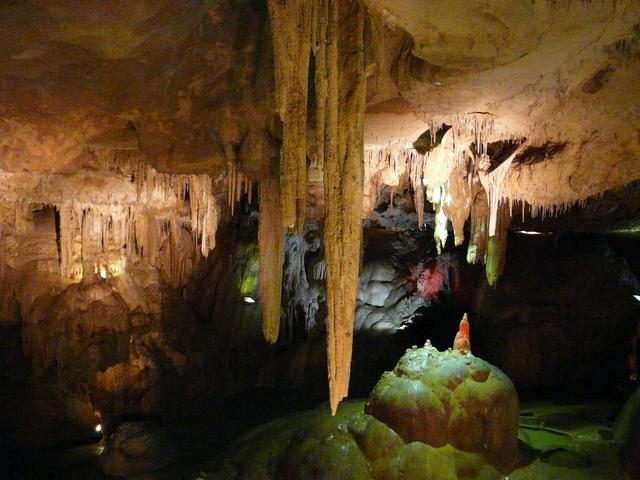
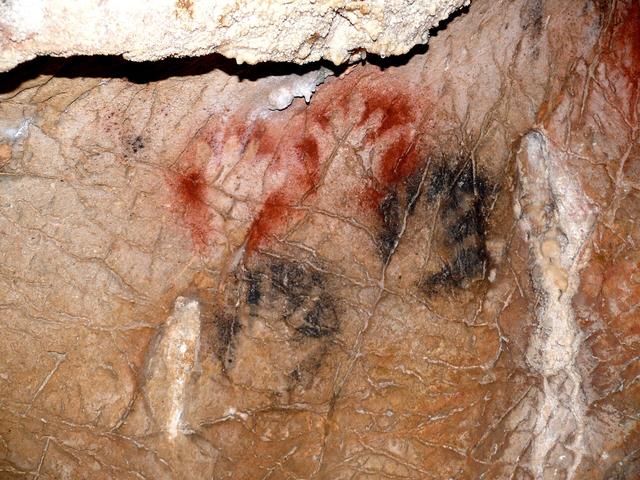
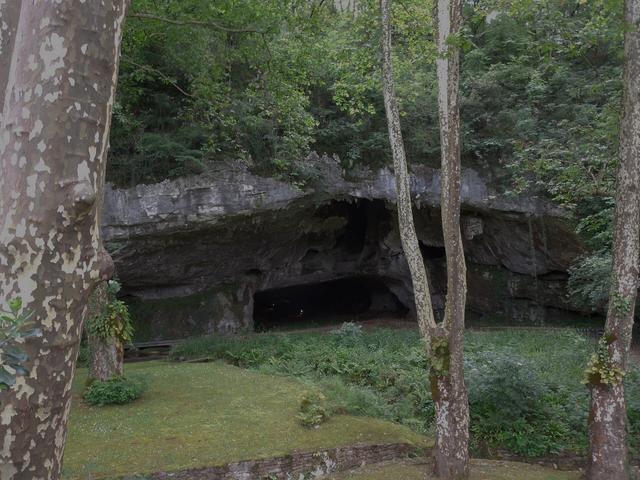
To the north, the caves of Isturitz and Oxocelhaya show very early traces of prehistoric occupation. See also: Isturitz and Oxocelhaya Caves Heading back down to the coast through the Nive valley, Edmond Rostand's Villa Arnaga in Cambo-les-Bains and the village of Espelette make a fine end to the day. See also: Villa Arnaga, Atelier du Piment, Espelette
In Bayonne, the Basque Museum explains the culture of the Lower Navarre you have just crossed. See also: Basque Museum and History of Bayonne, Bayonne Cathedral (Cathédrale Sainte-Marie), La Rhune Train, Sare Caves, Basque Country and Pyrenees
Where to eat and stay
There are plenty of restaurants and bars on rue d'Espagne, rue de la Citadelle and around place du Marché. This is the place to taste Lower Navarre cooking: lamb, trout from the Nive, Ossau-Iraty sheep's cheese and Irouléguy wines, from the vineyards close by.

For accommodation, the town has a very wide choice: hotels, B&Bs and many hostels and gîtes reserved for pilgrims. In spring and September beds go fast: book ahead, especially for the night before setting off on the Camino.
Places to stay near Saint-Jean-Pied-de-Port
FAQ
Do you have to pay to visit Saint-Jean-Pied-de-Port?
No. The old town, the ramparts, the church and the citadel are free to explore, and entry to the Bishops' Prison is free.

What are the Bishops' Prison opening hours?
Tuesday 9:30 – 12:00, Wednesday 9:30 – 12:00 and 14:00 – 18:00, Friday 14:00 – 18:00, Saturday 9:30 – 12:30 and 15:00 – 18:00. It is closed on Monday, Thursday and Sunday.
How many pilgrims start from Saint-Jean-Pied-de-Port each year?
54,979 pilgrims registered at the pilgrims' office in 2025, from 118 countries.
Can you walk the Napoleon Route in winter?
No. The route over the Lepoeder pass is closed from 1 November to 31 March. Pilgrims then go through Valcarlos.
What is market day in Saint-Jean-Pied-de-Port?
Monday. It is the liveliest day of the week, but the Bishops' Prison is closed that day.
How much time should I allow?
An hour for the upper town, half a day with the citadel, the Bishops' Prison and the banks of the Nive.
Practical information
Official ticket-office prices 2026
Free admission
Address
Cité fortifiée, 64220 Saint-Jean-Pied-de-Port, France
Directions · Phone+33 5 59 37 03 57
On site and nearby
- Nearest shops and pharmacy: Saint-Jean-Pied-de-Port, less than 1 km away Straight-line distance, based on OpenStreetMap.
- Emergencies: 112 (all emergencies, free from any phone), 15 (SAMU, medical emergency)
Around the site, on Google Maps
With children
Family days out nearby: Isturitz and Oxocelhaya Caves (20 km), Ainhoa (26 km), Atelier du Piment, Espelette (26 km)
Swimming pools and play areas nearby, on Google Maps
Swimming poolsPlaygroundsLeisure parks
Family activities around Saint-Jean-Pied-de-Port on GetYourGuide
Facts checked on 11 November 2026. Sources: st-jean-pied-de-port.fr, en-pays-basque.fr, tourisme64.com, fr.wikipedia.org, en.wikipedia.org, chemins-compostelle.com, tourisme64.com
Map
In the same region
- Château de Morlannefrom €7Free under 7

- Gouffre d'Esparrosfrom €12.50Free under 4