Ainhoa: visiting the Basque village and its surroundings
Ainhoa at a glance
- Admission
- Free
- Where
- Ainhoa
Facts checked on 11 November 2026. Full opening hours, reduced prices and access
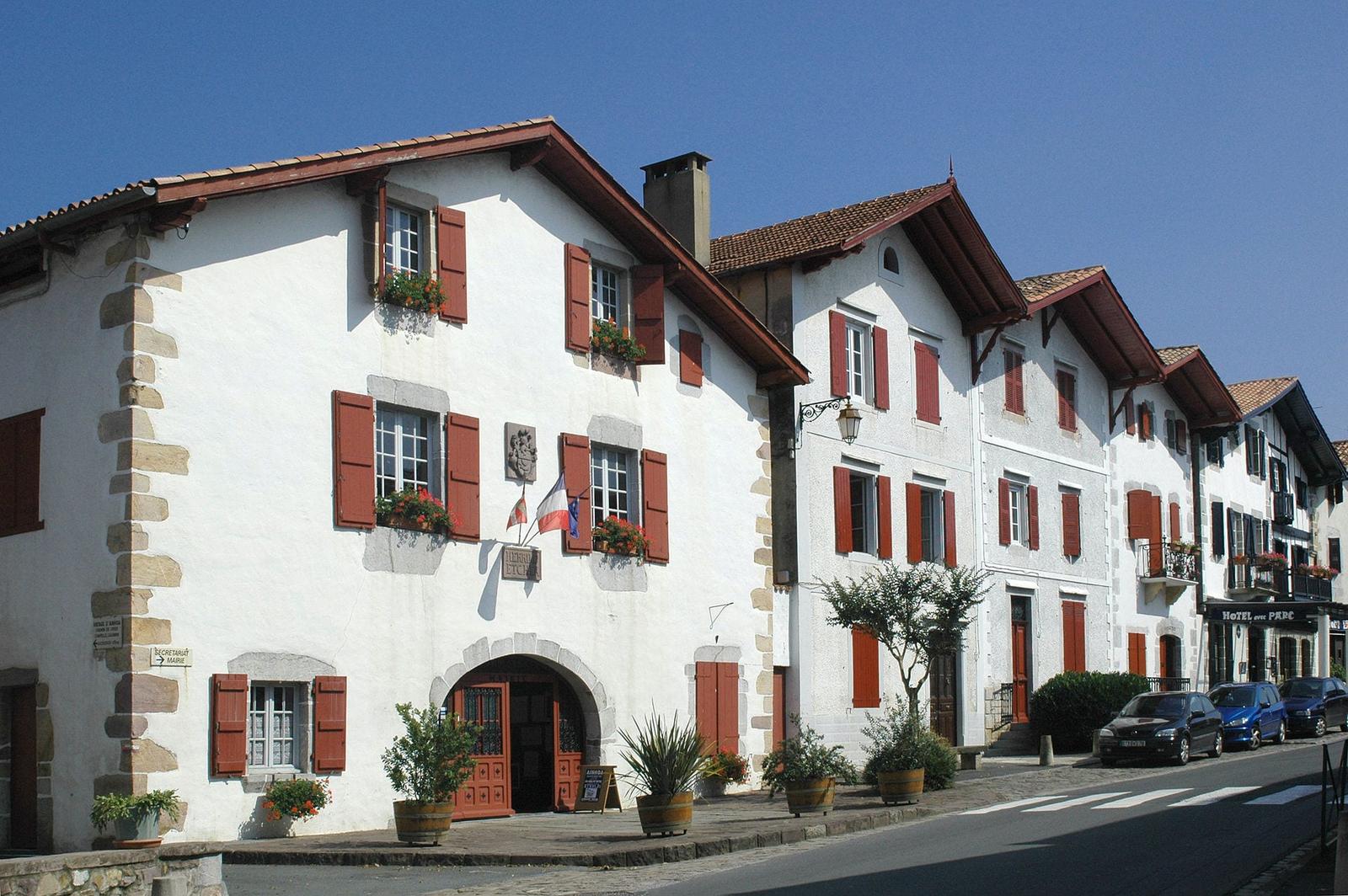

Right on the border with Navarre, Ainhoa fits almost entirely into a single street: a long row of white Labourd houses with red timbers, a church with three tiers of galleries and, above the village, the chapel of Notre-Dame-d'Aranzazu. The village is listed among the Most Beautiful Villages of France and is free to explore. Here is what to see, how long to allow and how to plan your day.
Ainhoa at a glance
- Where: in the Labourd, in the French Basque Country, against the Spanish border, 28 km from Bayonne and 5.6 km from Espelette.
- Price: the village, the church and the walk up to the chapel are free. The tourist office lists the heritage centre (Maison du patrimoine) as free.
- Time needed: an hour for the main street and the church, half a day with the hawthorn chapel.
- Open: all year. The heritage centre, inside the tourist office, is also open all year.
- Best for: fans of Basque villages, walkers and families.
- Good to know: there is no railway station. Come by car, or on a day trip from the coast.
Why visit Ainhoa
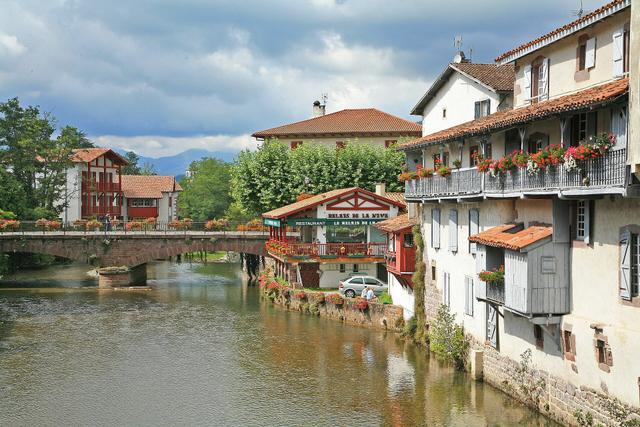
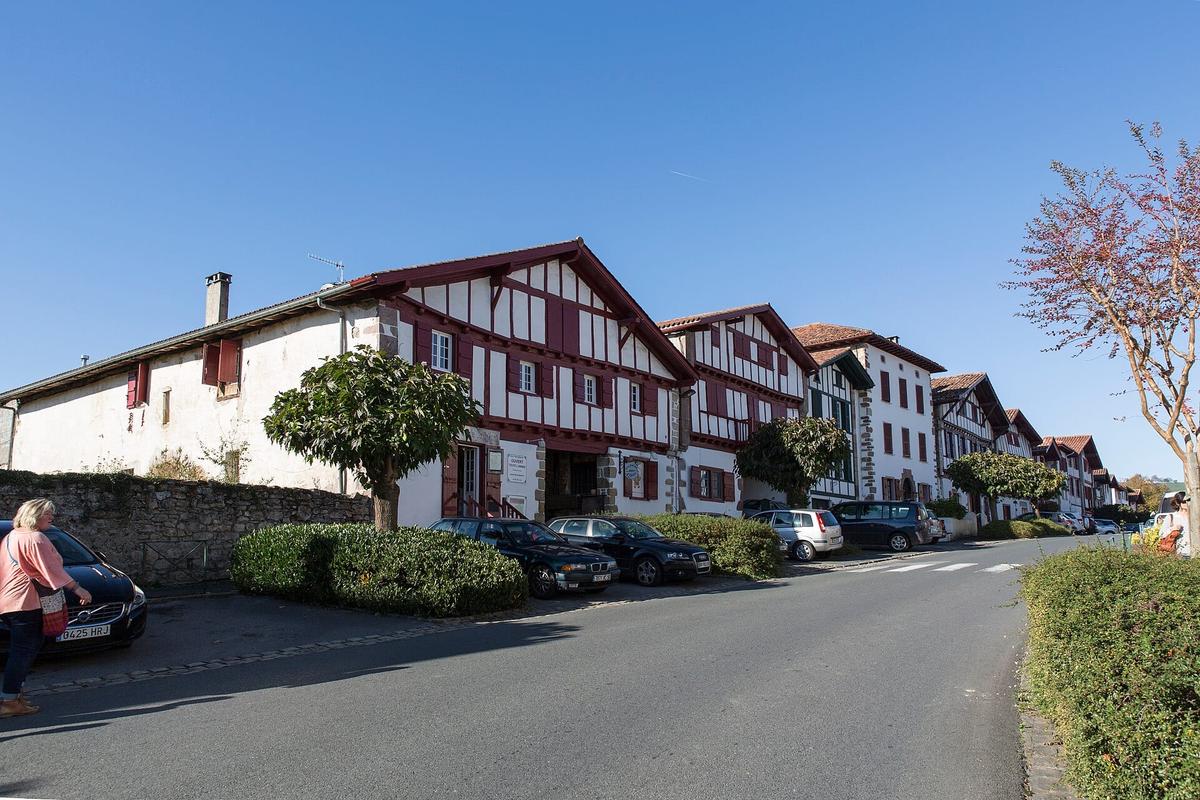
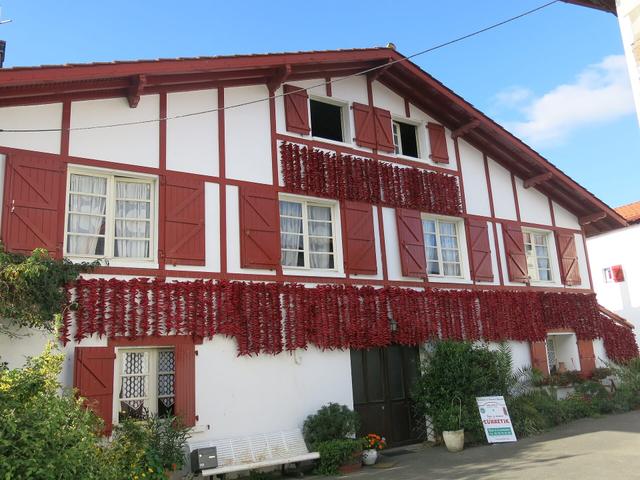
Ainhoa is the picture-perfect Labourd village. The houses line both sides of a wide street, with whitewashed fronts, timber frames painted red (sometimes green) and large, lopsided roofs. The village has 665 inhabitants (2022) and is one of the Most Beautiful Villages of France.
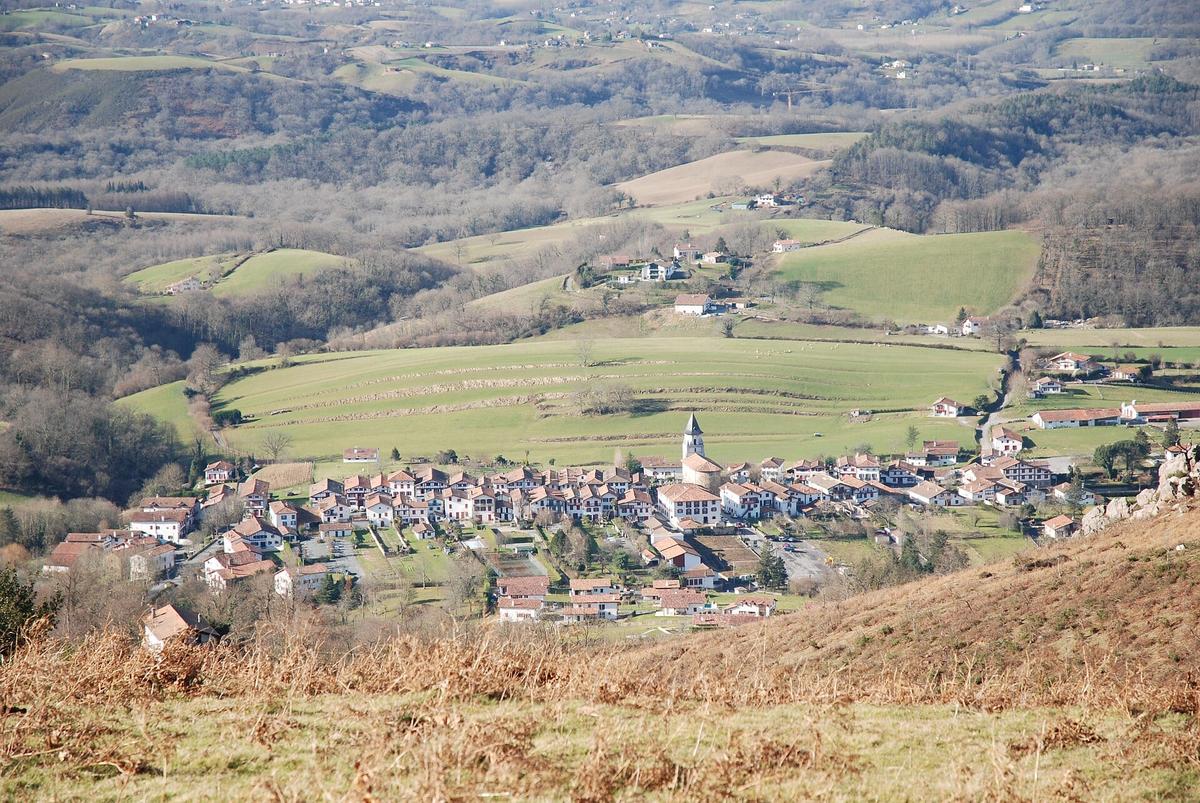

Its layout is no accident. Ainhoa is a "bastide-rue", a village built along a road. It grew up in the Middle Ages on one of the Way of St James routes, the one heading down to the Baztan valley in Navarre. The church and the vicarage belonged to the Premonstratensian monks of Urdax (Urdazubi), just across the border.
Together with Sare and the Navarrese villages of Urdax and Zugarramurdi, Ainhoa forms the Xareta valley, whose name means "wooded valley". The commune covers 1619 hectares, about 500 of them forest, and rises to 649 m. You may come across pottoks, the small Basque horses, and sometimes betizus, the wild cattle of the Basque Country.
A border village: a little history
A toll for pilgrims. On 27 April 1238, King Theobald I of Navarre bought back the toll rights that the Viscount of Baztan had set up at Ainhoa. Pilgrims and merchants passing through paid to cross the pass. It is one of the oldest records of the village.

Between two crowns. Ainhoa long wavered between rulers. In the 14th century, documents from Estella show that the inhabitants paid taxes both to the King of Navarre and to the English seneschal of the Landes. The village sits on the edge of everything: Labourd and Navarre, France and Spain.
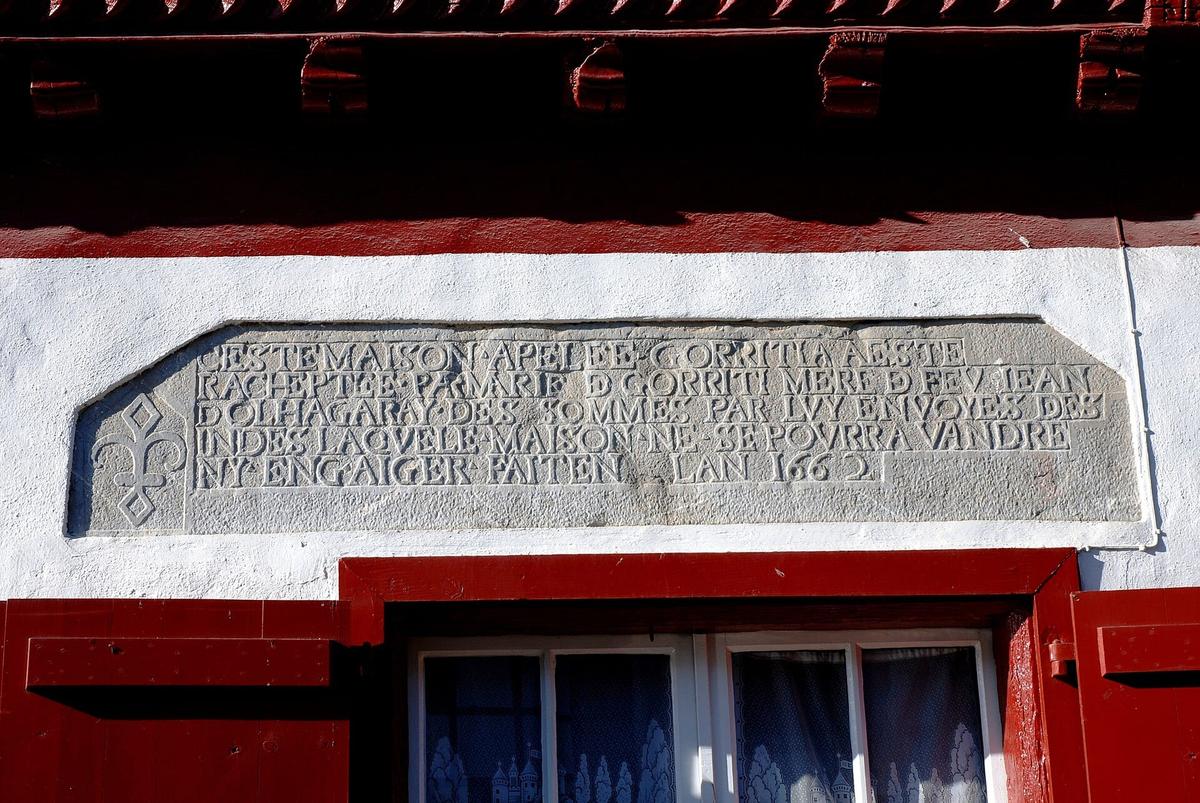
Razed in the 17th century. In 1636, during the Spanish invasion of the Labourd linked to the Thirty Years' War, Ainhoa was destroyed. Only the church and the Machitorénéa house are said to have survived. The village was resettled after the Treaty of the Pyrenees in 1659, and most of the houses in the street date from this rebuilding. That is why so many lintels bear dates from the 1660s.
A story from the Revolution. Ainhoa was then renamed Mendiarte. In March 1794, after young men from Itxassou deserted, the Committee of Public Safety had part of the population of the border villages, branded "infamous communes", arrested and deported. They were interned in inland départements. A decree in the autumn of 1794 ordered their return and the restitution of their property.
A lighter story. The hamlet of Dancharia, at the border crossing, is said to take its name from the Dantxarinea house, "the dancer's house". It reportedly belonged to Joanes de Quirno, a whaler who is said to have danced before King Philip V in Saint-Jean-de-Luz in 1701.
Things to do in Ainhoa
The tour is done on foot: follow the main street from one end to the other, then walk up to the chapel.

The main street. This is the heart of the village and its classic photo. Take time to read the facades: the door lintels, in pink sandstone or wood, carry the date the house was built, often with the names of its first owners, inscriptions in Basque or coats of arms. The years 1661 and 1662 are easy to spot. In the row of red and green houses, only one has blue woodwork: see if you can find it. Behind the facades, passageways give glimpses of gardens and vegetable plots.
The church of Notre-Dame-de-l'Assomption. It towers over the village. Its origins go back to the 13th century, but it was largely remodelled in the 16th and 17th centuries. The porch and the square four-storey bell tower date from the 17th century. Note the firing slits in the walls: in wartime, the villagers took refuge here. It has been a listed historic monument since 1996.
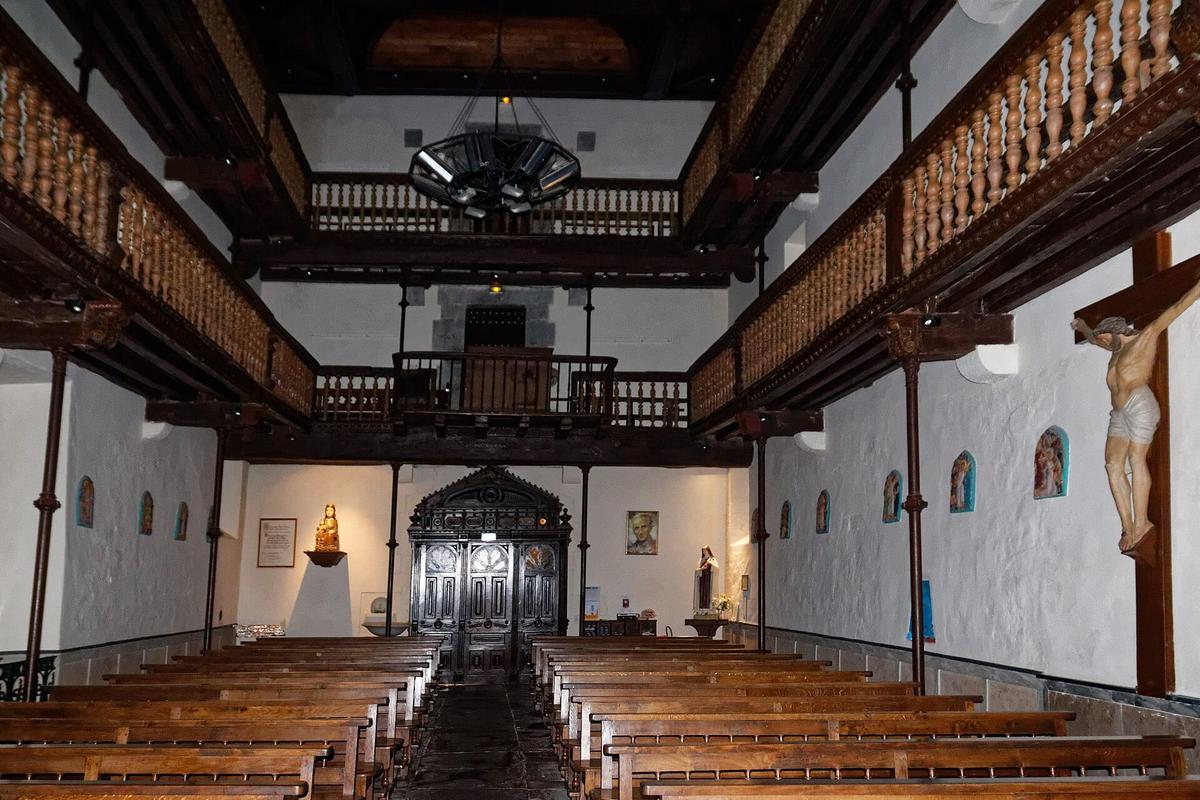
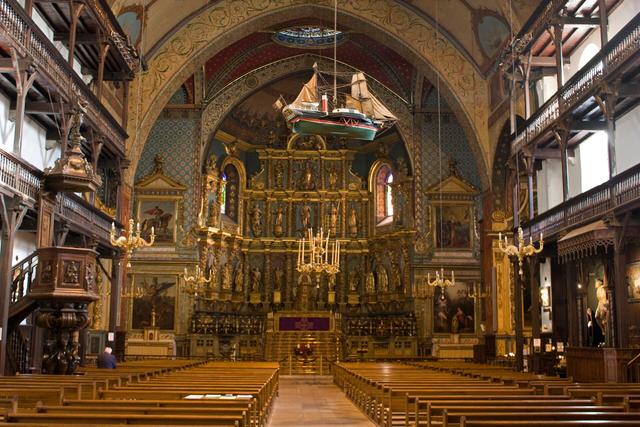
The church galleries. This is the most surprising thing when you step inside. The single nave, about 36 m long, is surrounded by 3 tiers of wooden galleries, put in during the mid-17th century. As in all Basque churches, the men sat up there and the women stayed in the nave. Women were only allowed into the galleries from the 1970s.
The altarpiece. Beneath the chancel vault, painted blue and scattered with gold stars, the gilded wooden altarpiece lines up statues against a blue background, with a Virgin of the Assumption in the centre. The Most Beautiful Villages of France association sees a Spanish influence in it. Drop a €1 coin in the box to switch on the lighting and music: without it, the chancel stays in the dark.
The cemetery. Around the church, it keeps discoidal and tabular gravestones from the 16th and 17th centuries, the round tombstones typical of the Basque Country.
The fronton. Built in 1849 near the church, backing onto the cemetery, this is the open-air pelota court. The village also has a covered court.
The Alhaxurruta fountain. Between the village and Dancharia, this washhouse was visited by Napoleon III and Empress Eugénie on 23 September 1858. According to local tradition, they stopped here for a drink. The water still flows.
The Aranzazu chapel (Our Lady of the Hawthorn)
This is the walk not to miss. The chapel is 1.4 km from the village, on the slopes of Mount Atsulai, at an altitude of 389 m. Aranzazu refers to the hawthorn in Basque: according to tradition, the Virgin appeared to a young shepherd in a hawthorn bush. People have been walking up to her ever since.
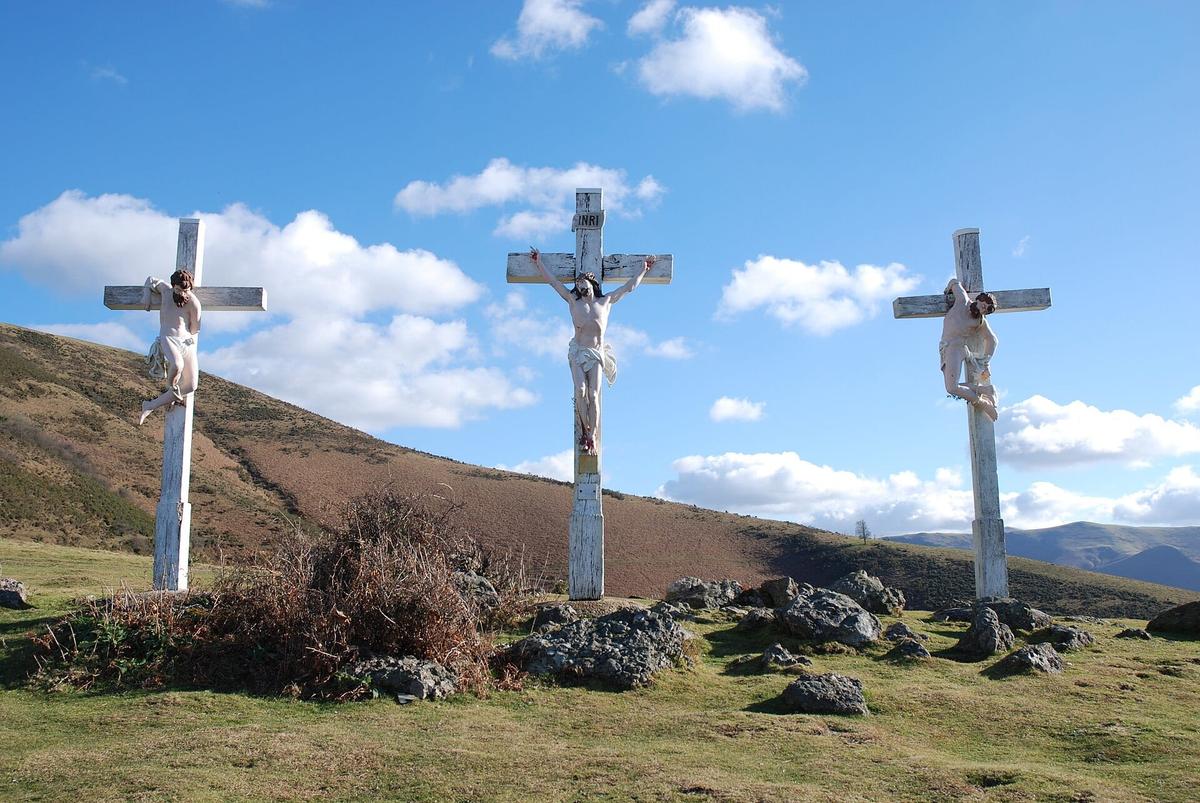

How long is the walk up? Allow between half an hour and three quarters of an hour on foot. The stone path is lined with crosses: these are the Stations of the Cross, put up in 1886. A grotto was added in 1897 and a calvary in 1898.
What is at the top? The little chapel, the calvary, copies of Basque gravestones and, above all, the view over the mountains of the Xareta and, on a clear day, all the way to the ocean. A curious fact: in the 18th century, the hermit who looked after the chapel taught the shepherds to read.
Our tip: go up in the late afternoon, when the light falls on the hills, and wear good shoes, as the path is stony. It gets slippery in the rain.
How much does it cost to visit Ainhoa?
Nothing. The village, the church, the cemetery and the chapel are all free to visit. The heritage centre (Ondarearen etxea), inside the tourist office, is listed as free by the Basque Country tourist office. It shows a 25-minute film on a 160° panoramic screen, in French, English, Basque and Spanish, about the history of the village and the Xareta. It is open all year.
The only costs are the coin for the church lighting and, with children, the family quiz (€3).
Guided tours of Ainhoa
The Basque Country tourist office's 2026 programme of guided tours does not include a regular guided tour of Ainhoa for individual visitors. So you explore the village on your own, with the information panels in the street and the film at the heritage centre.
Groups can book a guided tour through the heritage centre, for up to 30 people. Call the tourist office on +33 5 59 29 93 99.
In summer, a few farms in the commune also open their doors for visits (Basque pig farming, Espelette pepper, plants and tea): dates are published in the tourist office's events listing.
Without a car, Ainhoa is often visited on a day trip linking the inland villages (Espelette, Sare, Ainhoa), from Biarritz, Bayonne or San Sebastián:
Partner links: if you book through these links, we earn a commission at no extra cost to you. Partner links · Learn more
How long does it take to visit Ainhoa?
An hour is enough to walk the main street, go into the church and see the fronton. Add half an hour for the film at the heritage centre and about an hour and a half for the walk to the hawthorn chapel and back. With a meal, the visit easily fills half a day. For a full day, combine it with Espelette and Sare, close by.
When to visit Ainhoa
In summer, the village is very busy in the middle of the day, when the tours and visitors from the coast arrive. Come before 10 am or in the late afternoon: the low light also shows off the facades better.

In spring and autumn, it is at its best. The hills are green, the walk to the chapel is more pleasant than in the heat, and the street is quiet again.
In winter, the village is still open to visitors, but some shops and restaurants cut their opening days. The climate is mild but wet: more than 1,600 mm of rain a year on average.
Visiting Ainhoa with kids
The family quiz, sold for €3 at the tourist office, turns the visit into a treasure hunt for the whole family. The walk up to the chapel is a real little hike, fine for children who are good walkers. Hunting for dates on the lintels and the house with blue woodwork also keeps younger ones busy. The short panoramic film at the heritage centre makes a good break.
The chapel path is not suitable for pushchairs: bring a baby carrier.
How to get to Ainhoa
By car. This is the easiest way. Ainhoa is 28 km from Bayonne, via Ustaritz and Espelette, and a few minutes from the Dancharia border crossing. The road runs through the village along the main street: watch out for traffic while photographing the facades.
Without a car. There is no station in Ainhoa. The nearest stations are on the coast (Bayonne, Saint-Jean-de-Luz) or in the Nive valley (Cambo-les-Bains). For a round trip without a car, an organised tour is often easier.
On foot. Ainhoa is on the GR 10, the long-distance trail across the Pyrenees: allow about 3 hours 20 minutes' walk to Sare.
Renting a car. To see Ainhoa, Espelette, Sare and La Rhune in one day, a car is almost essential. Biarritz airport is the closest.
What to see near Ainhoa on the same day
| Also worth seeing | Distance | Travel time |
|---|---|---|
| Atelier du Piment, Espelette | 6 km | 10 min by car |
| Sare Caves | 12 km | 20 min by car |
| La Rhune Train | 14 km | 20 min by car |
Approximate road distances and travel times.
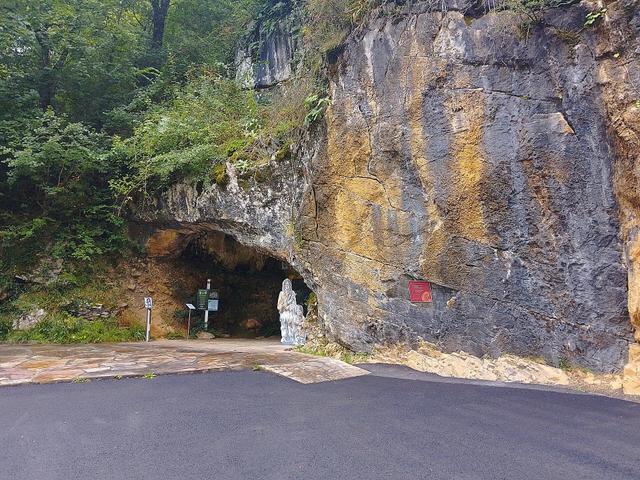
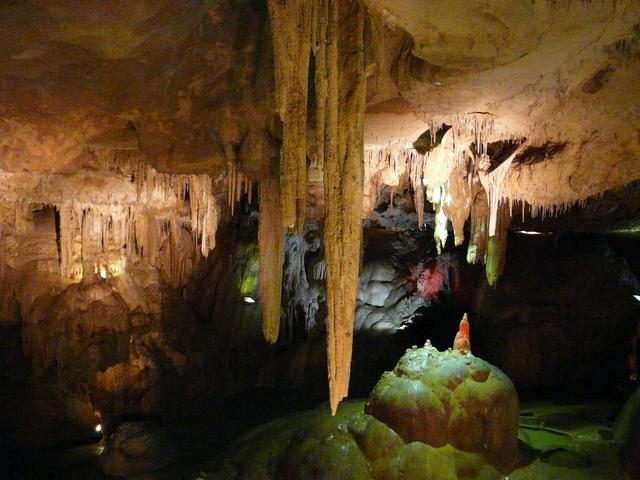
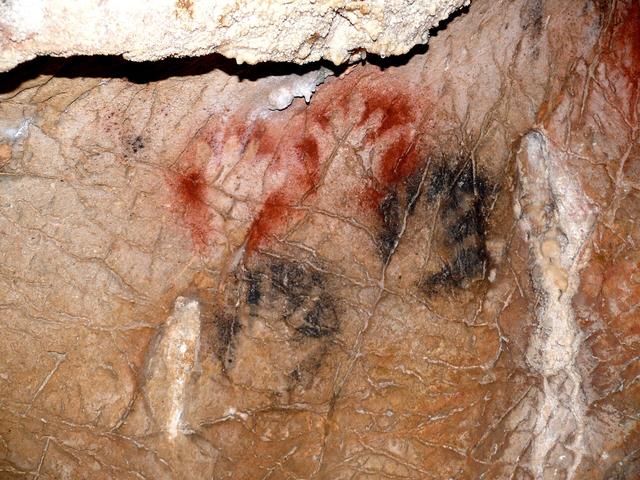
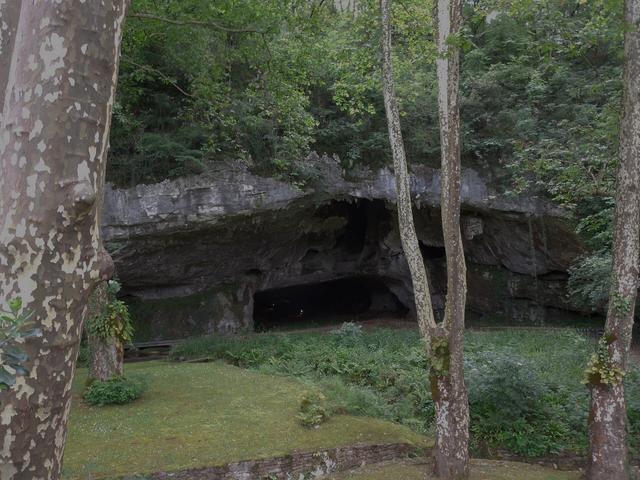
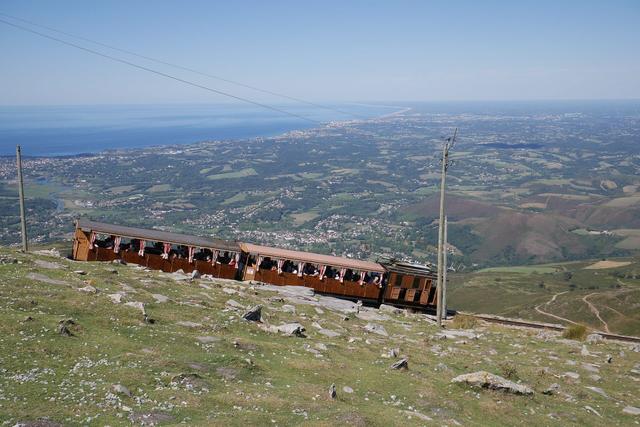
Espelette, the pepper village, is just a few minutes away: the pepper workshop explains how it is grown and dried. See also: Atelier du Piment, Espelette Towards Sare, the Sare caves tell the story of Basque prehistory and legends, and the little La Rhune train climbs to the top of the mountain that overlooks the whole Xareta. See also: Sare Caves, La Rhune Train
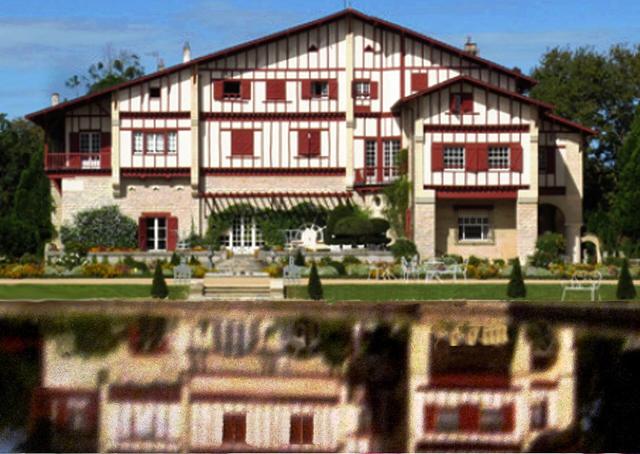
In the Nive valley, Edmond Rostand's Villa Arnaga in Cambo-les-Bains makes a good stop. See also: Villa Arnaga Further east, Saint-Jean-Pied-de-Port is the other great walled village of the inland Basque Country. See also: Saint-Jean-Pied-de-Port On the coast, Saint-Jean-de-Luz has the church where Louis XIV was married and the house where he stayed. See also: Church of Saint-Jean-Baptiste, Saint-Jean-de-Luz, Maison Louis XIV (Louis XIV House), Basque Museum and History of Bayonne, Basque Country and Pyrenees
Where to eat and stay in Ainhoa
The main street is lined with restaurants, hotels and craft shops (gingerbread, leather, espadrilles). Ainhoa lies within the protected areas of Espelette pepper and Ossau-Iraty cheese: try the ewe's milk cheese, dishes with Espelette pepper and Basque pork. At Dancharia, by the border crossing, the ventas mostly attract people coming to shop on the Spanish side.
For a place to stay, the village has a few characterful hotels on the main street and B&Bs in the surrounding farms. The choice is limited: in summer, book early, or stay in Espelette, Sare or on the coast.
FAQ
Do you have to pay to visit Ainhoa?
No. The village, the church of Notre-Dame-de-l'Assomption and the hawthorn chapel are free. The tourist office lists the heritage centre as free.
How long is the walk up to the Aranzazu chapel?
Between half an hour and three quarters of an hour along the Stations of the Cross, for 1.4 km from the village. The chapel stands at 389 m.
Are there guided tours of Ainhoa?
There is no regular tour for individuals in the tourist office's 2026 programme. Groups can book a tour through the heritage centre.
Why does Ainhoa church have galleries?
It is the tradition in Basque churches: men sat in the wooden galleries, women in the nave. Ainhoa's church has 3 tiers of them, put in during the 17th century.
Can you get to Ainhoa by train?
No, the village has no station. You need to come by car or on an organised tour.
Which villages are worth seeing near Ainhoa?
Espelette, 5.6 km away, and Sare, on the other side of the Xareta valley. All three are easy to see in one day.
Practical information
Official ticket-office prices 2026
Free admission
Address
Le Bourg, 64250 Ainhoa, France
Directions · Phone+33 5 59 29 93 99
On site and nearby
- Nearest shops and pharmacy: Espelette, 6 km away Straight-line distance, based on OpenStreetMap.
- Emergencies: 112 (all emergencies, free from any phone), 15 (SAMU, medical emergency)
Around the site, on Google Maps
With children
Family days out nearby: Atelier du Piment, Espelette (6 km), Sare Caves (7 km), La Rhune Train (9 km)
Swimming pools and play areas nearby, on Google Maps
Facts checked on 11 November 2026. Sources: en-pays-basque.fr, labastideclairence.com, francethisway.com, fr.wikipedia.org, en.wikipedia.org, les-plus-beaux-villages-de-france.org, guide-du-paysbasque.com, tourisme64.com
Map
In the same region
- Château de Morlannefrom €7Free under 7
- Gouffre d'Esparrosfrom €12.50Free under 4