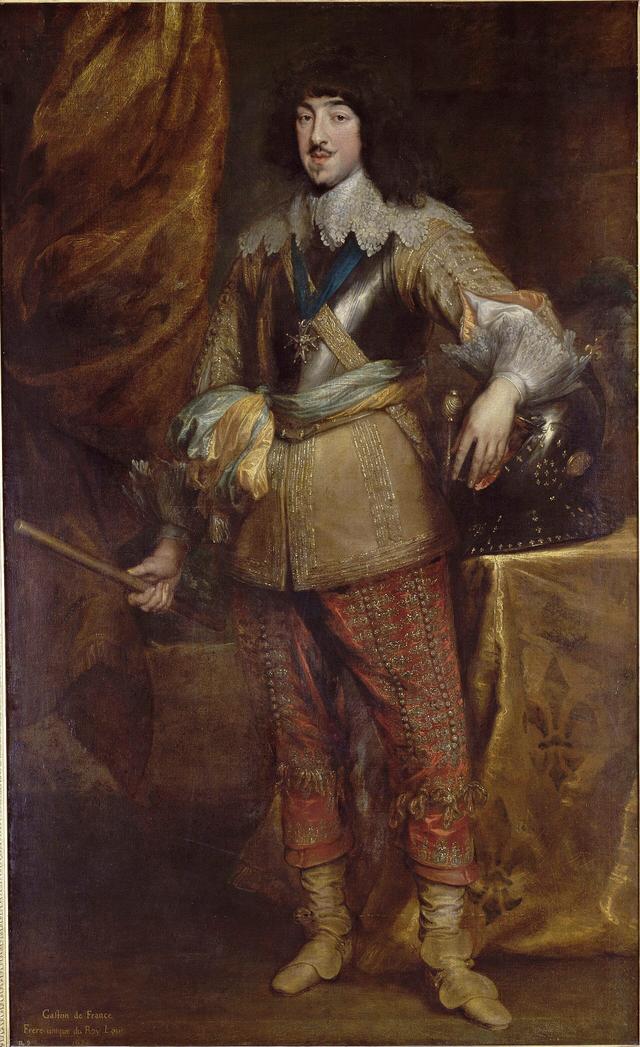
Marguerite of Navarre, the learned sister of Francis I
- Born
- 11 April 1492
- Died
- 21 December 1549
- Reign
- 1527 – 1549
- Family
- Valois-Angoulême
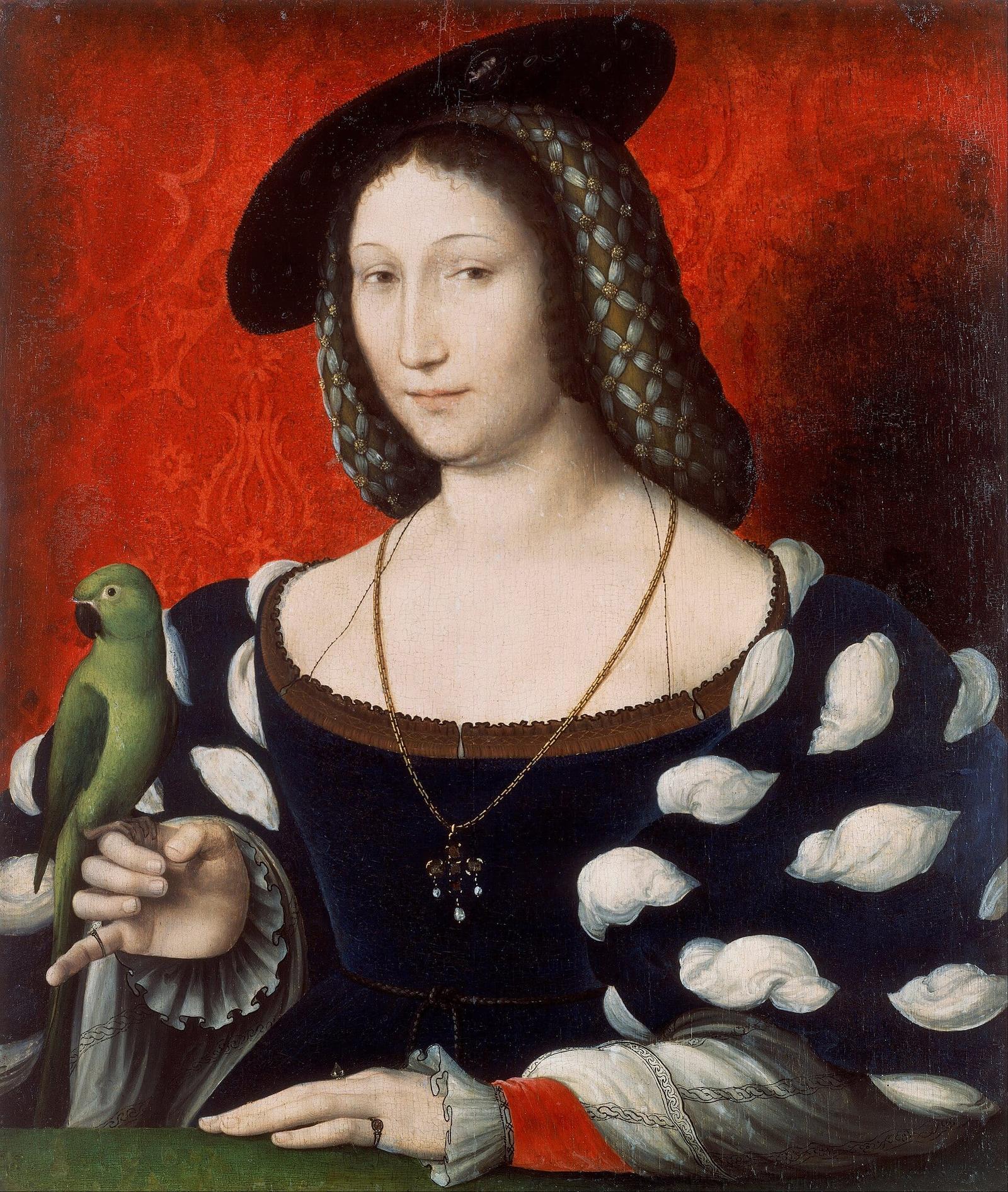
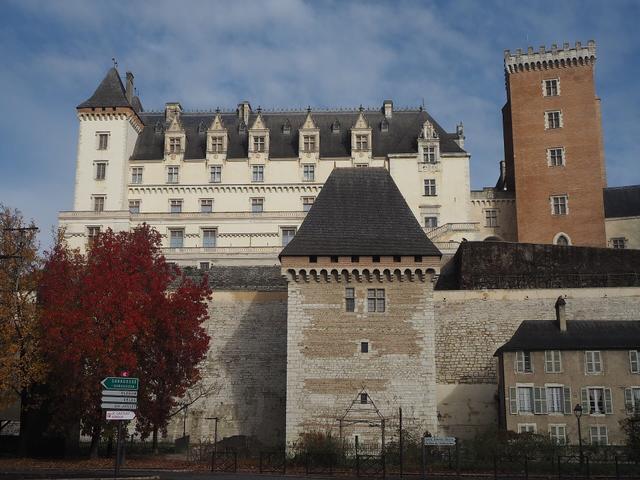
Elder sister and confidante of Francis I, Marguerite of Angoulême was Duchess of Alençon, then Queen of Navarre. She protected poets and reformers, crossed Spain to save her brother and wrote the Heptameron, one of the great books of the Renaissance. Her château was Pau, which she transformed with her second husband.
Marguerite of Navarre in dates
| Date | Event |
|---|---|
| 11 April 1492 | Born at the Château d'Angoulême, daughter of Charles of Angoulême and Louise of Savoy |
| 1499 | Moves to Amboise with her mother and her brother Francis |
| 1509 | Marries Charles IV, Duke of Alençon |
| 1525 | Her husband dies after Pavia; she travels to Madrid to see the captive Francis I |
| 24 January 1527 | Marries Henry d'Albret, King of Navarre, at Saint-Germain-en-Laye |
| 1528 | Birth of her daughter Jeanne d'Albret |
| 1529-1535 | Rebuilding of the Château de Pau |
| 1531 | Publishes the Mirror of the Sinful Soul |
| 21 December 1549 | Dies at the Château d'Odos, in Bigorre; buried at Lescar |
| 1558-1559 | Her stories are published after her death as the Heptameron |
Amboise: childhood with her brother
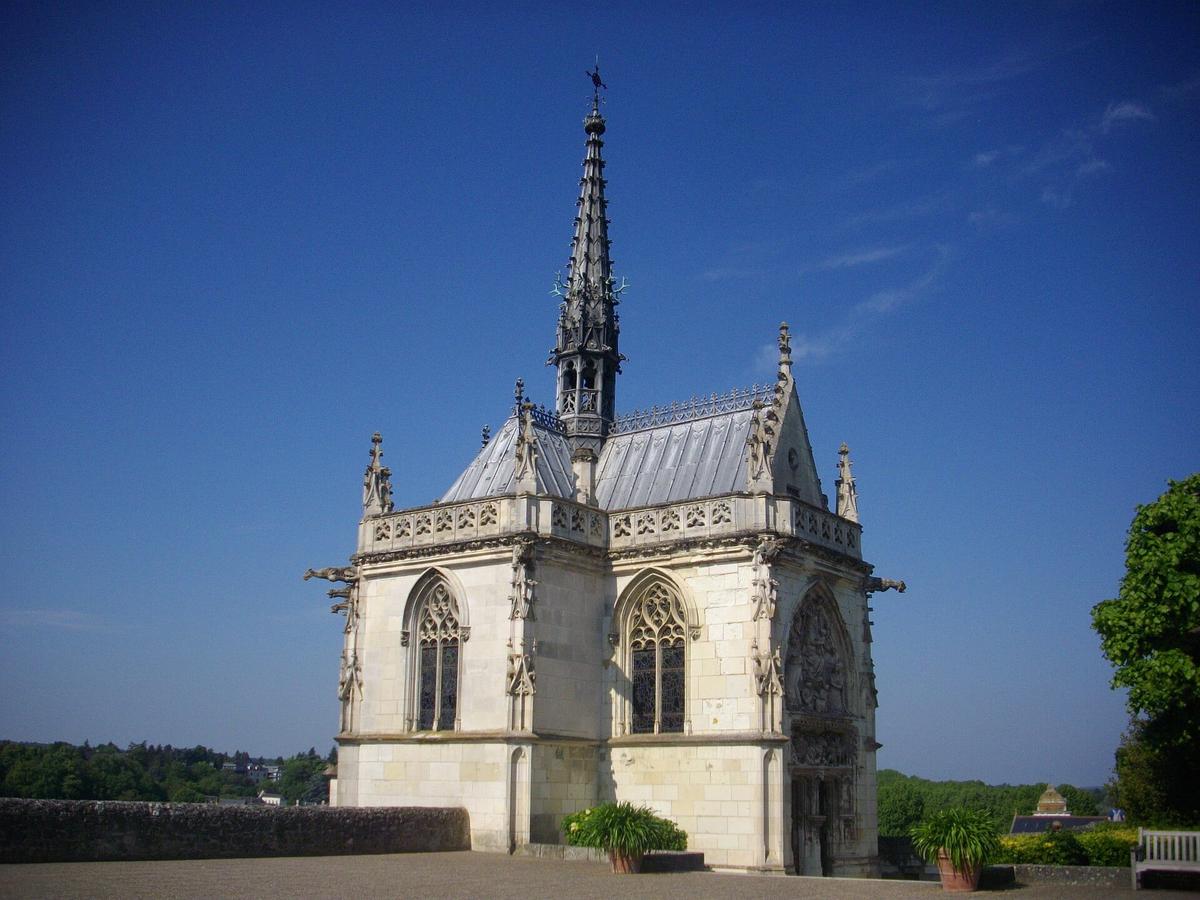
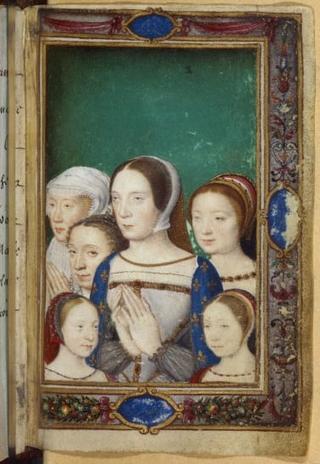
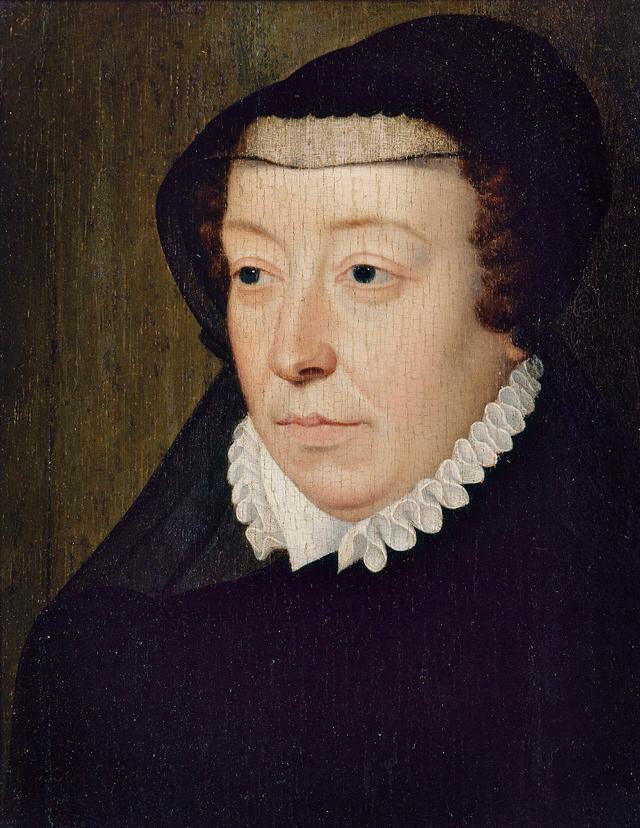
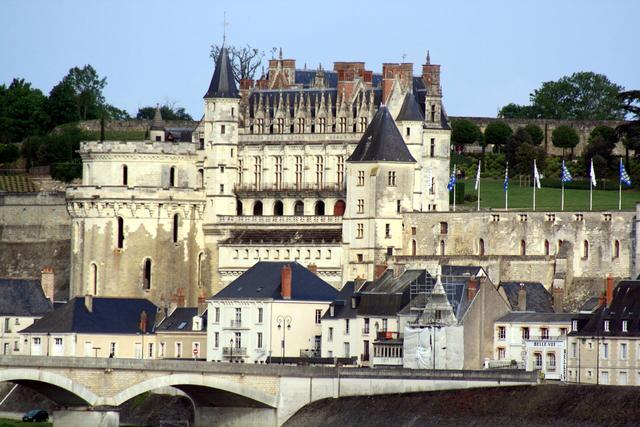
Marguerite was born at Angoulême in 1492. Her father died when she was three. In 1499 Louis XII moved the family to the Château d'Amboise, because young Francis was his likely heir. Marguerite shared her brother's lessons: she learned Latin, Italian and Spanish, and later some Greek and Hebrew. She was better at books than he was, and he knew it. See also: Louise of Savoy, Francis I
The bond between the mother and her two children was so strong that people spoke of their "trinity". All her life Marguerite remained her brother's first adviser. See also: Royal Château of Amboise
What to see: the royal lodgings where she grew up, and the Chapel of Saint-Hubert at the tip of the rampart.
Blois: the king's sister
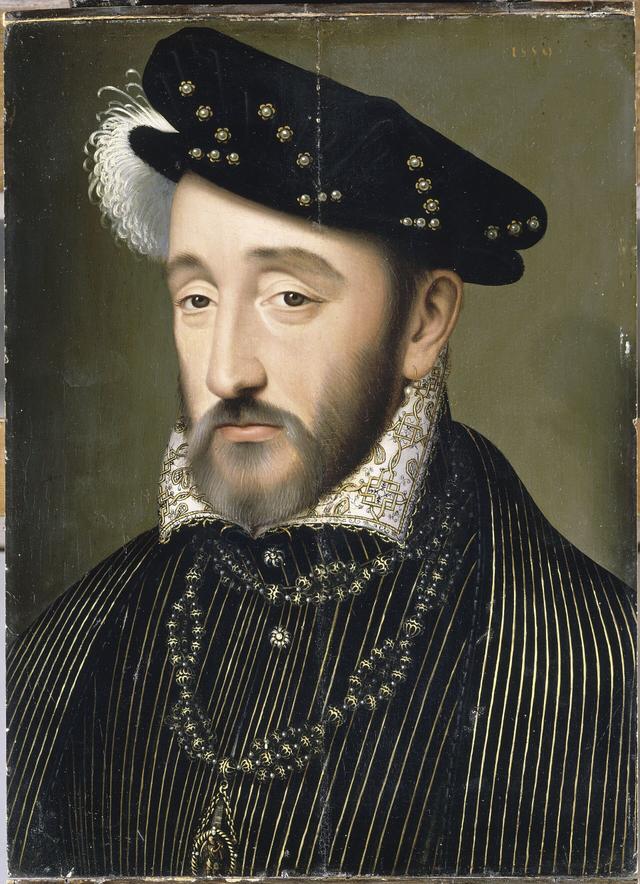
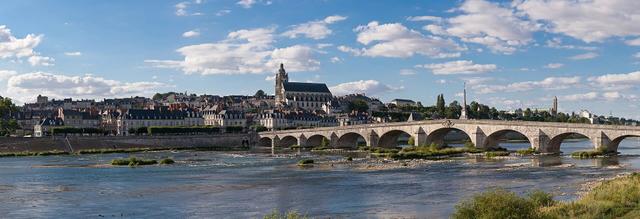
In 1508 the family joined Louis XII's court at Blois. The following year Marguerite married Charles IV, Duke of Alençon, an arranged match without love. On 1 January 1515 her brother became king. Marguerite, Queen Claude and Louise of Savoy then formed the circle of women around him at court. See also: Claude of France
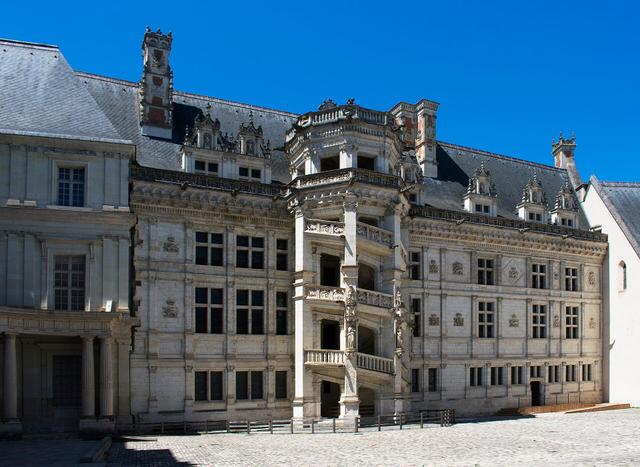
At the château, the new wing built by Francis I was the setting for these first years of the reign. Marguerite welcomed poets there, among them Clément Marot, who entered her service in 1519. See also: Royal Château of Blois
What to see: the staircase of the Francis I wing and, inside, the royal apartments with their 19th-century painted decoration.
1525: the journey to Madrid
On 24 February 1525 Francis I was taken prisoner at Pavia. The Duke of Alençon, who commanded the rearguard, had withdrawn without fighting: he died in April, heavily blamed. A few months later the king fell seriously ill in his prison in Madrid.
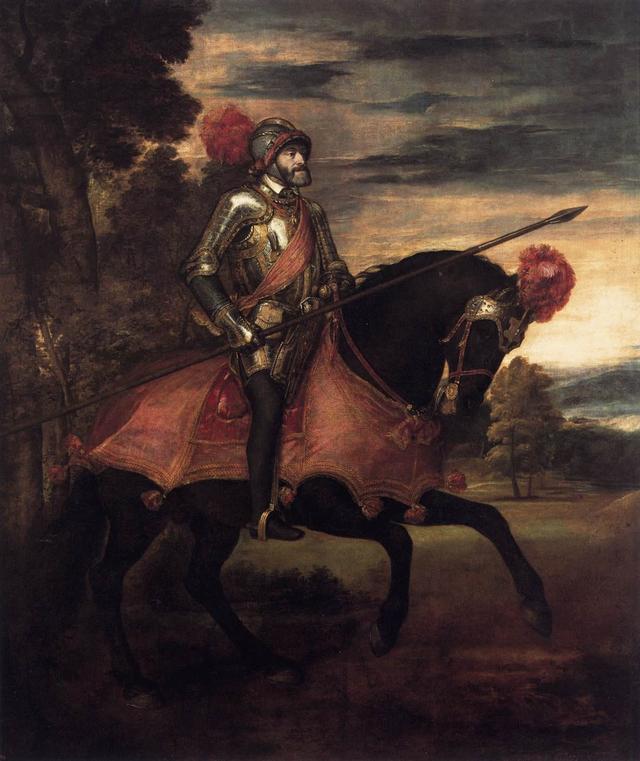
Marguerite obtained a safe-conduct and left for Spain at the end of summer 1525. She nursed her brother, who recovered, then negotiated directly with Charles V. She did not win his release, but she laid the ground for the talks that followed. Her safe-conduct was running out: she had to hurry back across the border before it expired. See also: Charles V
Pau: the Queen of Navarre and her court
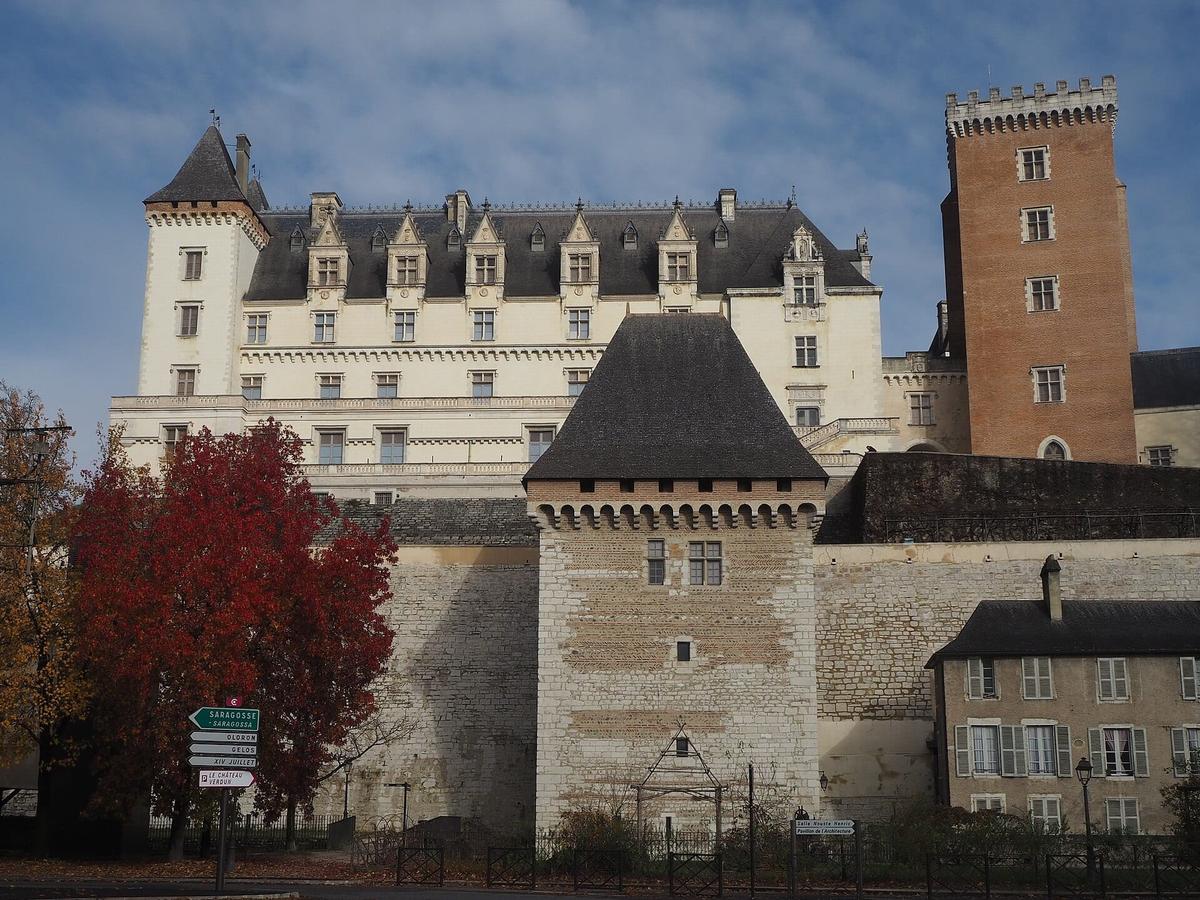
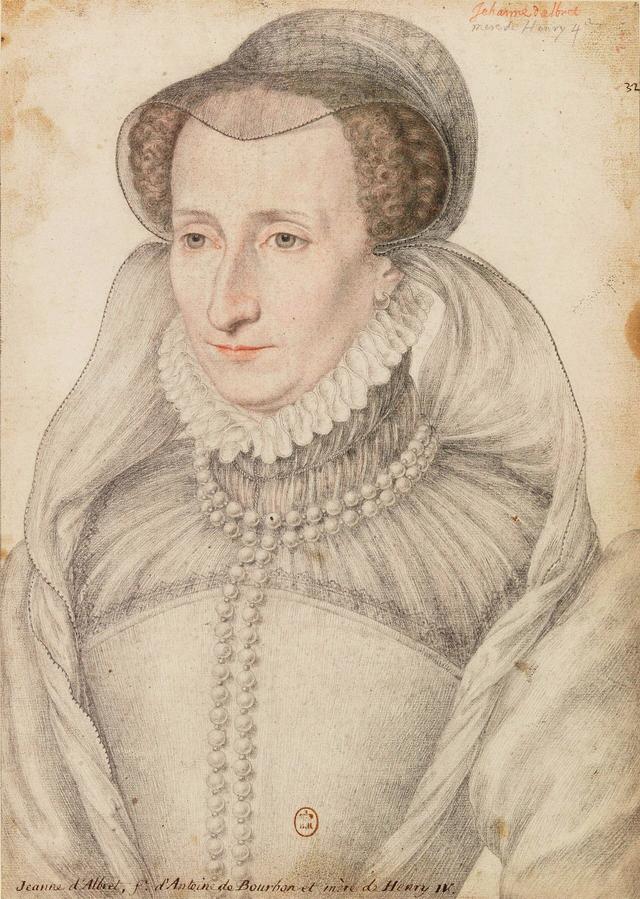
In January 1527 Marguerite married Henry d'Albret, King of Navarre, eleven years her junior. His kingdom in fact came down to the Béarn and the small part of Navarre north of the Pyrenees: Spain had taken the rest in 1512. Their daughter Jeanne was born in 1528. See also: Jeanne d'Albret
Between 1529 and 1535 the couple turned the old fortress of Pau into a Renaissance residence, with large windows, galleries and gardens above the river. There, as at Nérac, Marguerite held a literary court. She took in humanists and reformers hunted in Paris, such as Lefèvre d'Étaples. She herself stayed Catholic, but read the Bible in French and defended a more personal faith. See also: Château de Pau
In 1533 students at the Collège de Navarre in Paris mocked her in a farce where she appeared as a fury. Her poem, the Mirror of the Sinful Soul, had just been attacked by the Sorbonne. The king had the authors of the play arrested and protected his sister.
What to see: the royal apartments and Gobelins tapestries, the main courtyard and, from the park, the view of the Pyrenees.
The Heptameron and the writers
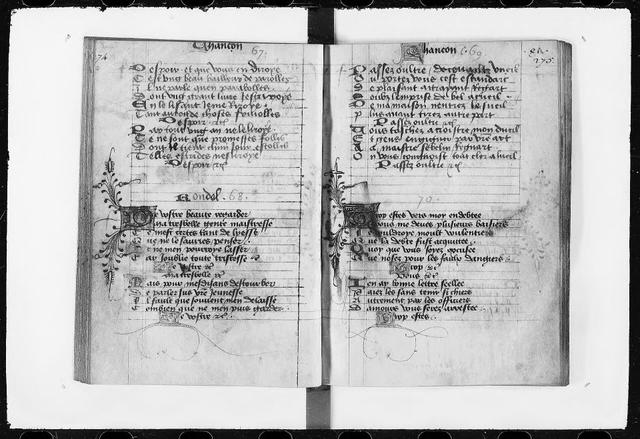
Marguerite wrote all her life: poems, plays, spiritual songs. Her great book is a collection of stories in the manner of Boccaccio's Decameron. Ten travellers, stranded by a flood after a stay at the spa of Cauterets, tell each other stories every day, presented as true, often about love and deceit. She died before finishing it: 72 stories remain, published in 1559 under the title Heptameron, "the seven days".
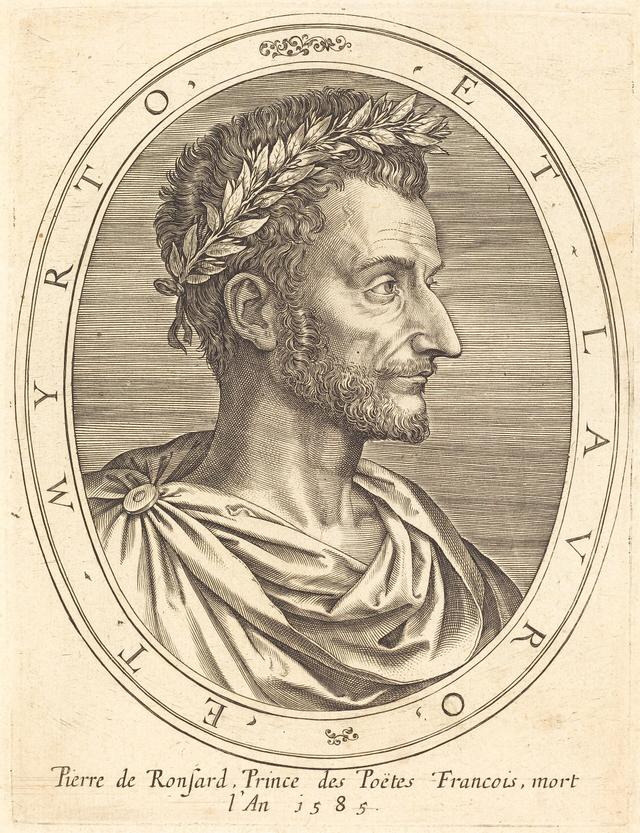
Rabelais dedicated his Third Book to her in 1546, with a poem "To the spirit of the Queen of Navarre". Clément Marot and Bonaventure des Périers worked as her secretaries. See also: François Rabelais
In her footsteps: from Amboise to Pau
Amboise and Blois fit into one day, forty minutes apart by road. Pau is a separate trip: the town is about four hours from Paris by TGV. Once there, allow half a day for the château, then visit Lescar Cathedral, less than ten kilometres away, where Marguerite is buried with Henry d'Albret. See also: Things to do in Amboise, Things to do in Blois
Partner links: if you book through these links, we earn a commission at no extra cost to you. Partner links · Learn more
Guided tours and day trips on GetYourGuide
FAQ
Where is Marguerite of Navarre buried?
In the Cathedral of Notre-Dame at Lescar, near Pau, beside her husband Henry d'Albret.
Where was Marguerite of Navarre born?
At the Château d'Angoulême, on 11 April 1492.
What is the Heptameron?
A collection of 72 stories written by Marguerite of Navarre, published after her death in 1559, modelled on Boccaccio's Decameron.
Who did Marguerite of Navarre marry?
Charles IV, Duke of Alençon, in 1509, then, as a widow, Henry d'Albret, King of Navarre, in 1527.
How is Marguerite of Navarre related to Henry IV?
She was his grandmother: her daughter Jeanne d'Albret was the mother of Henry IV.
Sources: fr.wikipedia.org (Marguerite de Valois-Angoulême), chateau-pau.fr, chateau-amboise.com
Tickets to book online
Partner links: if you book through these links, we earn a commission at no extra cost to you. Partner links · Learn more
Places to visit


Related guides
Related historical figures