Gaston of Orléans, the Prince Exiled to Blois
- Born
- 25 April 1608
- Died
- 2 February 1660
- Reign
- 1626 – 1660
- Family
- Bourbons
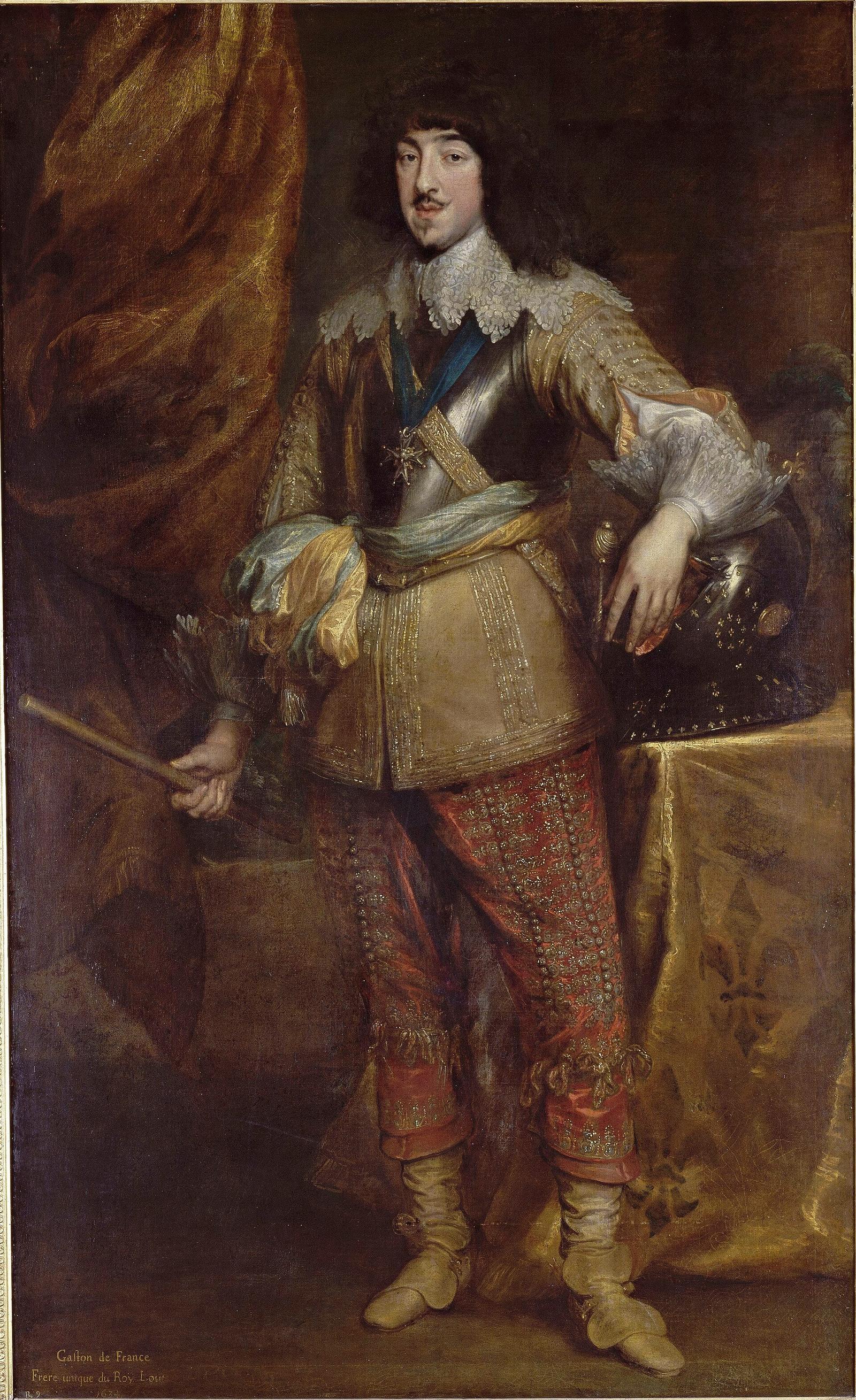

Heir to the throne for twenty years, he plotted against Richelieu, betrayed his friends and ended his life in exile in his county of Blois. Gaston of Orléans left behind one of the finest classical façades in France, never finished, and the memory of a prince with a passion for plants, medals and books.
Gaston of Orléans in dates
| Date | Event |
|---|---|
| 25 April 1608 | Born at Fontainebleau, third son of Henry IV and Marie de' Medici |
| 1626 | Receives the Duchy of Orléans, the County of Blois and Chambord as his appanage; marries Marie de Bourbon-Montpensier |
| 1627 | Birth of his daughter Anne-Marie-Louise, the future “Grande Mademoiselle”; death of his wife |
| 1632 | Secretly marries Marguerite of Lorraine, against Louis XIII's wishes |
| 1635 | Commissions François Mansart to rebuild the Château de Blois |
| 1638 | Birth of the future Louis XIV; work at Blois stops |
| 1648-1652 | Sides with the Fronde against Mazarin |
| 1652 | Exiled to Blois, which he hardly ever leaves again |
| 2 February 1660 | Dies at the Château de Blois |
The king's brother
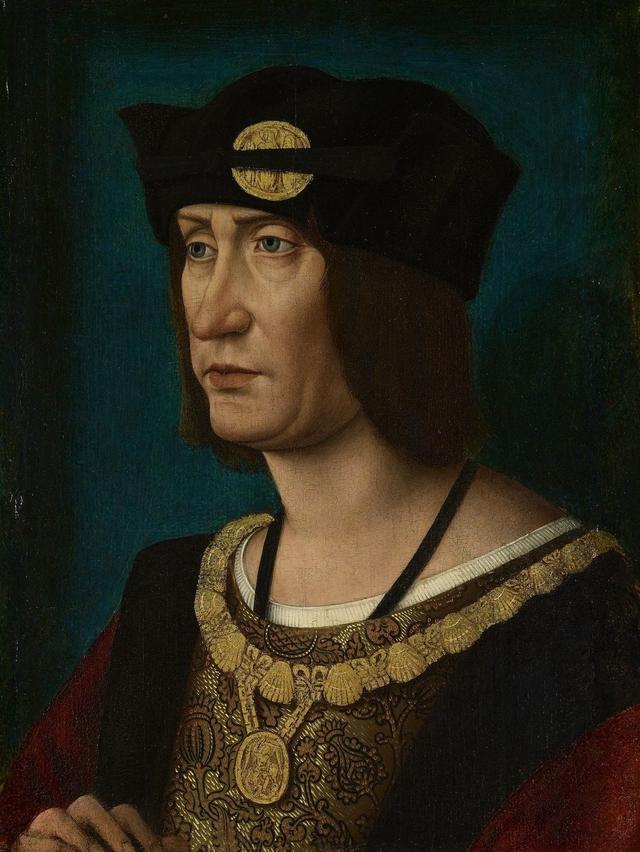
Gaston was born in 1608, eight years after the marriage of Henry IV and Marie de' Medici. His elder brother, Louis XIII, had no child in twenty-three years of marriage. Gaston was therefore heir to the throne, and everyone in the kingdom with a grievance turned to him. See also: Louis XIII
He let himself be drawn into almost every conspiracy against Cardinal Richelieu. Each time, the plot failed, Gaston was pardoned by his brother, and his accomplices were executed: the Count of Chalais in 1626, the Duke of Montmorency in 1632, Cinq-Mars in 1642. His reputation never recovered.
Blois: the Mansart wing
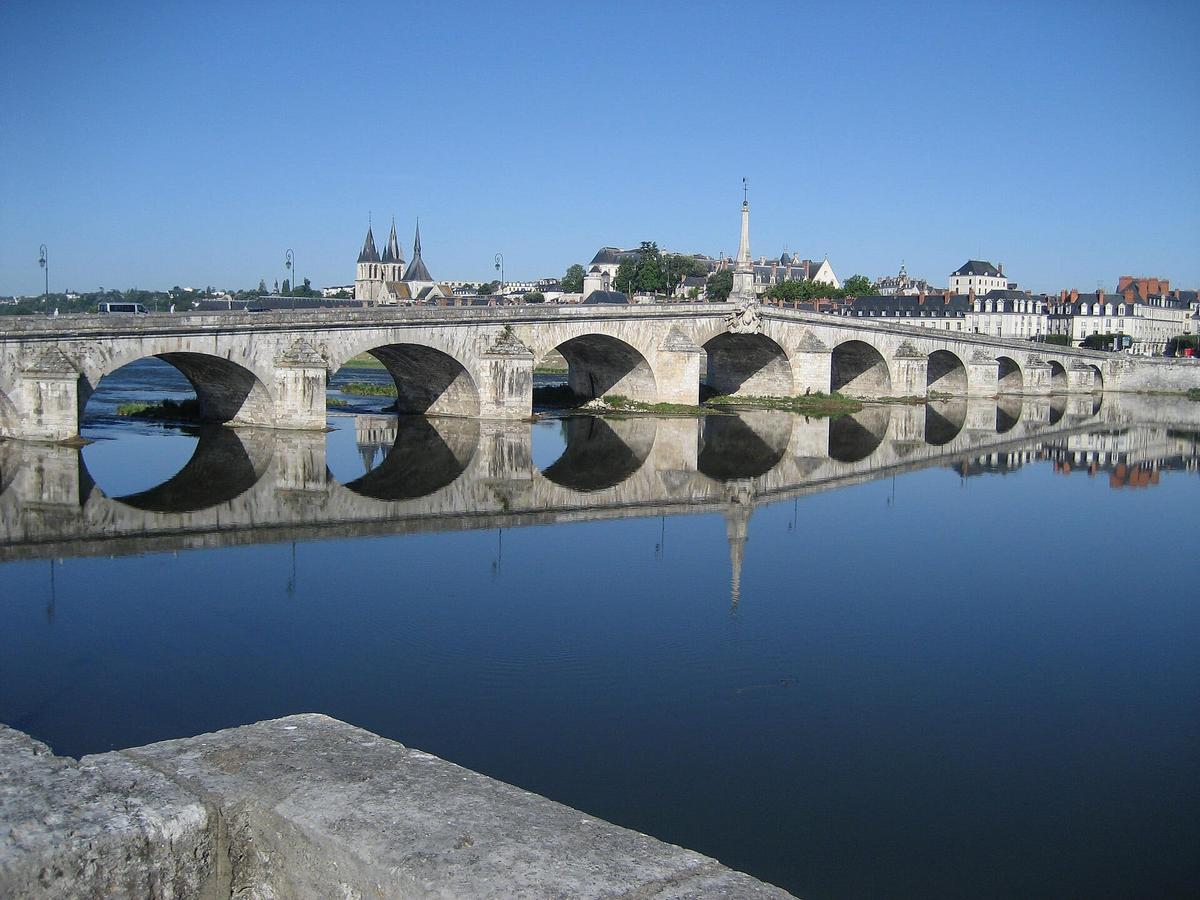

In 1626, the king gave him the County of Blois as his appanage. Gaston decided to pull down Francis I's old château and replace it with a modern palace. He gave the project to the young architect François Mansart. Work began in 1635.
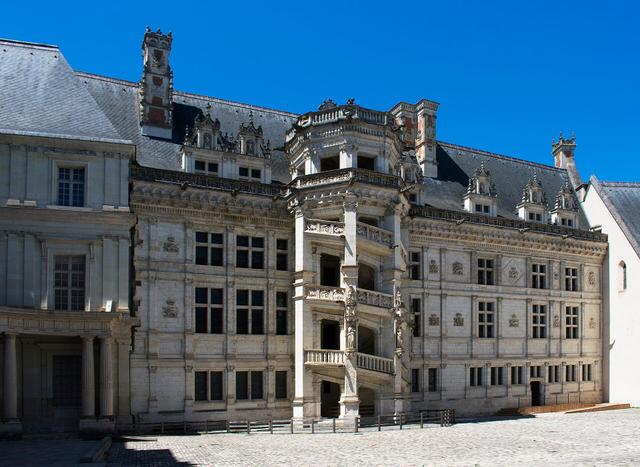
It stopped in 1638. That year, Louis XIII finally had a son, the future Louis XIV: Gaston was no longer the heir, and the money stopped coming. Only the wing closing off the far end of the courtyard was built. With its restrained façade, its columns and its grand staircase under a dome, it is one of the first masterpieces of French classical architecture. Luckily, the Francis I wing was never demolished. See also: Royal Château of Blois, Francis I
What to see: the façade of the Gaston of Orléans wing from the courtyard, its staircase and dome, and the contrast with the Renaissance staircase of the Francis I wing right next door.
Chambord and the Grande Mademoiselle
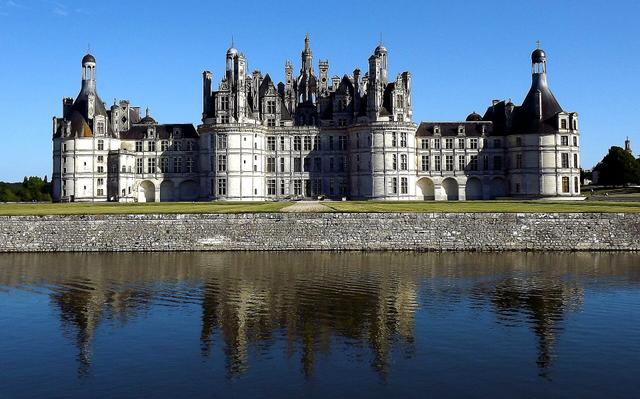
Chambord was part of the appanage. Gaston had repairs carried out, and the château, by then almost abandoned, came back to life a little. His daughter, Anne-Marie-Louise of Orléans, the “Grande Mademoiselle”, tells in her Memoirs how, as a child, she played with her father on the double-helix staircase: he went up one spiral, she the other, and they could see each other without ever meeting. See also: Château de Chambord
The Grande Mademoiselle, one of the richest heiresses in Europe, became famous during the Fronde for having the cannon of the Bastille fired on the royal troops, in 1652.
Exile, and plants
After the Fronde, in which he had again changed sides several times, Gaston was exiled to Blois in 1652. He spent his last eight years there. He proved a learned patron: at the foot of the château he created a botanical garden of rare plants, had his flowers painted on vellum by Nicolas Robert, and built up a collection of medals, ancient coins and books. On his death he left most of it to his nephew Louis XIV. Gaston's vellums are the origin of the collection of the National Museum of Natural History, and his medals went to the King's Cabinet, now at the National Library of France.
He died at Blois on 2 February 1660. After him, the court neglected the château for almost two centuries.
In his footsteps: Blois and Chambord
Blois can be visited in half a day, a 10-minute walk from the station. Chambord is 15 km away: go there late in the day to see the château in the evening light. See also: Where to stay in Blois
Partner links: if you book through these links, we earn a commission at no extra cost to you. Partner links · Learn more
FAQ
Who was Gaston of Orléans?
The younger brother of Louis XIII, son of Henry IV and Marie de' Medici. He was heir to the throne until the birth of Louis XIV, in 1638.
What is the Gaston of Orléans wing of the Château de Blois?
The classical wing built by François Mansart from 1635 onwards, at the far end of the courtyard. The plan was to rebuild the whole château, but work stopped in 1638.
Why was Gaston of Orléans exiled to Blois?
For supporting the Fronde against Mazarin and the young Louis XIV. He stayed there from 1652 until his death in 1660.
Who was the Grande Mademoiselle?
Anne-Marie-Louise of Orléans, Duchess of Montpensier, daughter of Gaston of Orléans and his first wife. Her Memoirs describe the courts of Louis XIII and Louis XIV.
Where did Gaston of Orléans die?
At the Château de Blois, on 2 February 1660.
Sources: fr.wikipedia.org (Gaston d'Orléans), chateaudeblois.fr
Tickets to book online
Partner links: if you book through these links, we earn a commission at no extra cost to you. Partner links · Learn more
Places to visit
Related guides
Related historical figures