Mary, Queen of Scots, the Scottish queen who grew up in France
- Born
- 8 December 1542
- Died
- 8 February 1587
- Active years
- 1542 – 1567
- Family
- Artists, saints and favourites
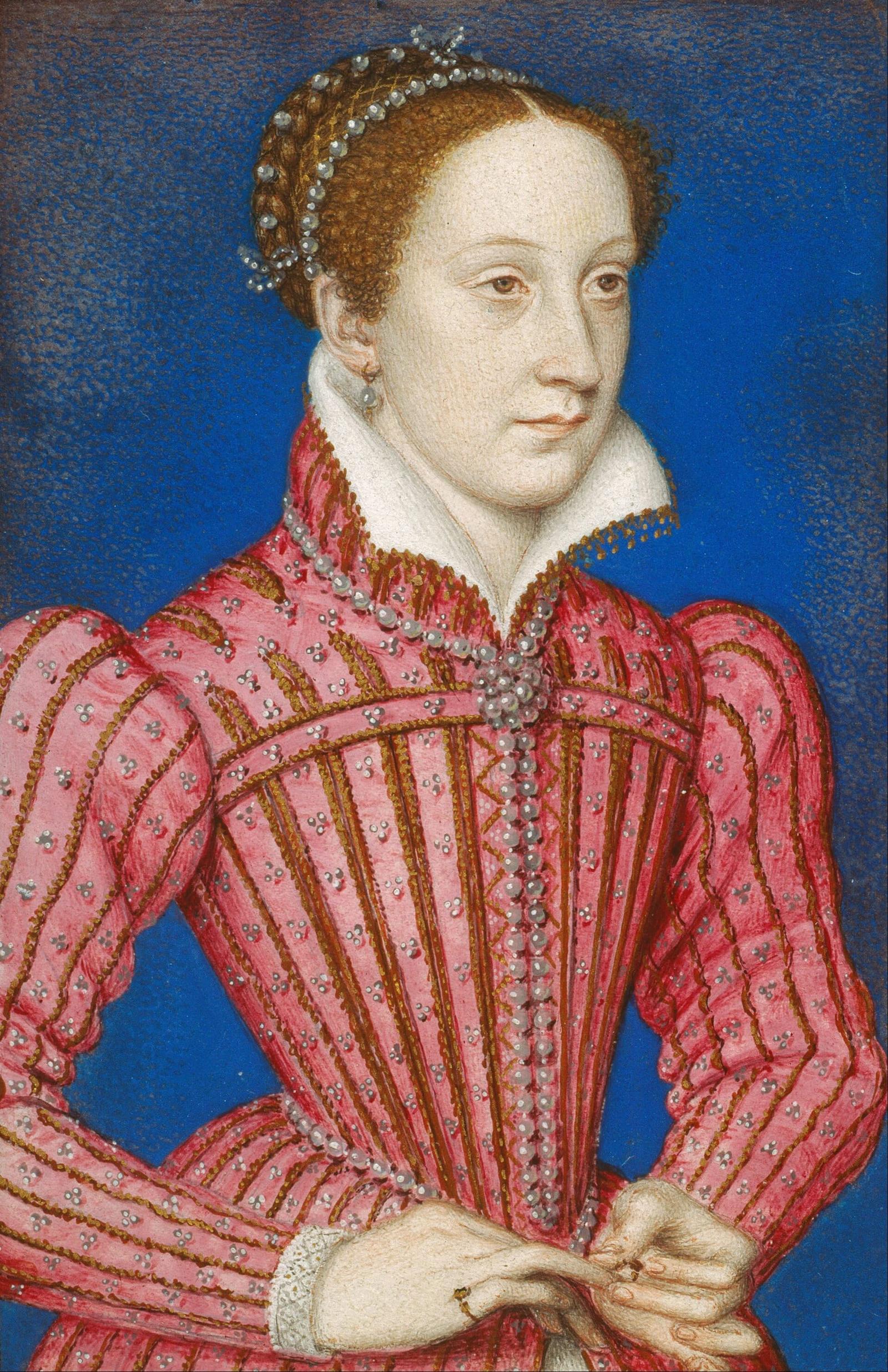
Queen of Scotland at six days old and sent to France at five, Mary Stuart grew up at the court of Henry II with the royal children. She married the dauphin at Notre-Dame in 1558 and became Queen of France the following year. Widowed at eighteen, she went back to Scotland, where two unhappy marriages, an English prison and the scaffold awaited her.
Mary, Queen of Scots in dates
| Date | Event |
|---|---|
| 8 December 1542 | Born at Linlithgow Palace, in Scotland |
| 14 December 1542 | Queen of Scotland when her father, James V, dies |
| August 1548 | Arrives in France, in Brittany |
| 24 April 1558 | Marries the dauphin Francis at Notre-Dame de Paris |
| 10 July 1559 | Queen of France when Francis II comes to the throne |
| March 1560 | The Amboise conspiracy |
| 11 June 1560 | Her mother, Mary of Guise, dies in Edinburgh |
| 5 December 1560 | Francis II dies: she is a widow at eighteen |
| 19 August 1561 | Lands at Leith, in Scotland |
| 24 July 1567 | Abdicates in favour of her son James |
| 16 May 1568 | Flees to England |
| 8 February 1587 | Executed at Fotheringhay Castle |
A five-year-old queen sent to France
Mary was born on 8 December 1542 at Linlithgow Palace. Six days later her father, King James V, died: she was Queen of Scotland before she was a week old. Her mother, Mary of Guise, was French, sister of Francis, Duke of Guise and of the Cardinal of Lorraine.
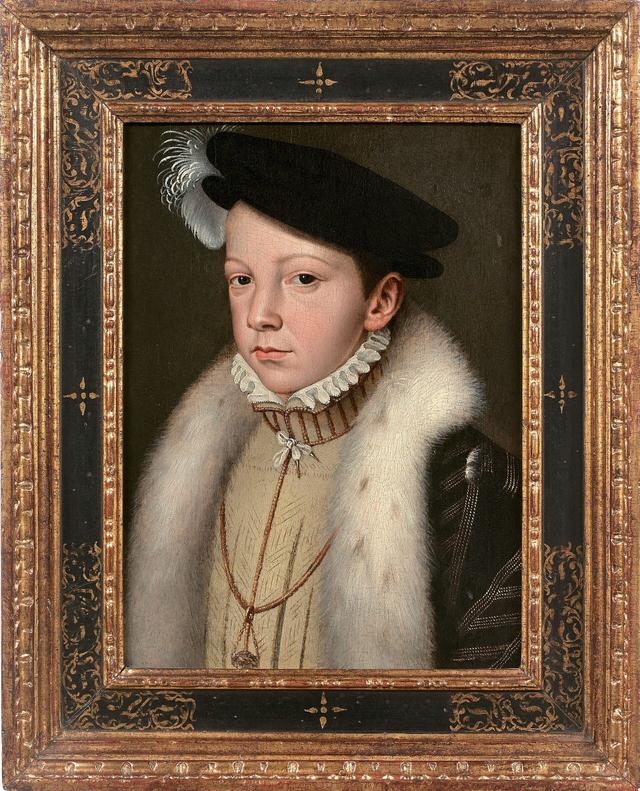
To keep the child out of the hands of the English, who wanted to marry her to Henry VIII's son, Scotland promised her to the dauphin Francis, son of Henry II. She left Dumbarton on 7 August 1548 and landed in Brittany a week later, with four young companions all named Mary: Mary Fleming, Mary Seton, Mary Beaton and Mary Livingston. See also: Henry II of France, Francis II
Childhood at the Loire court
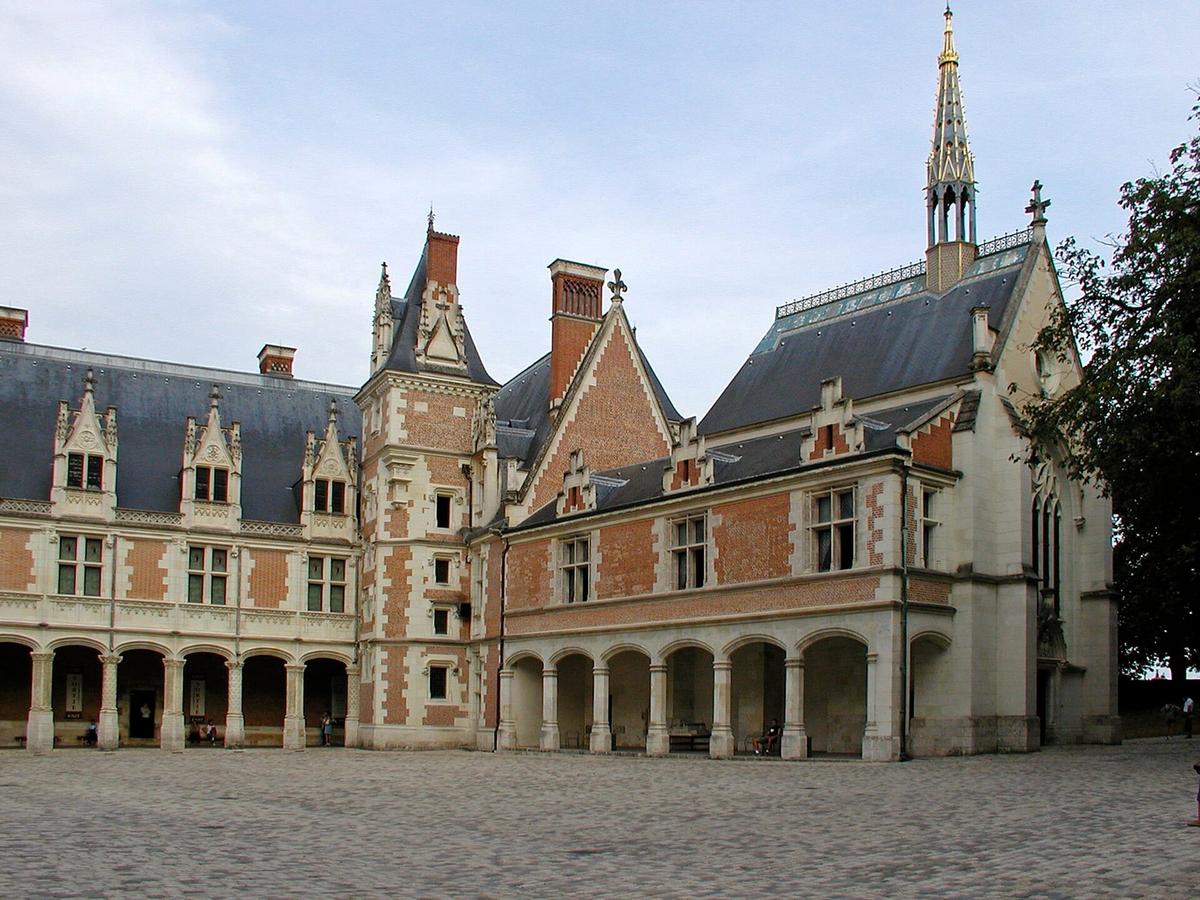
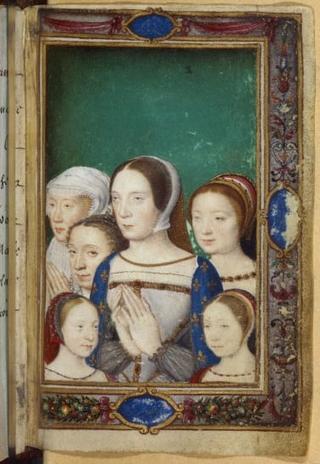
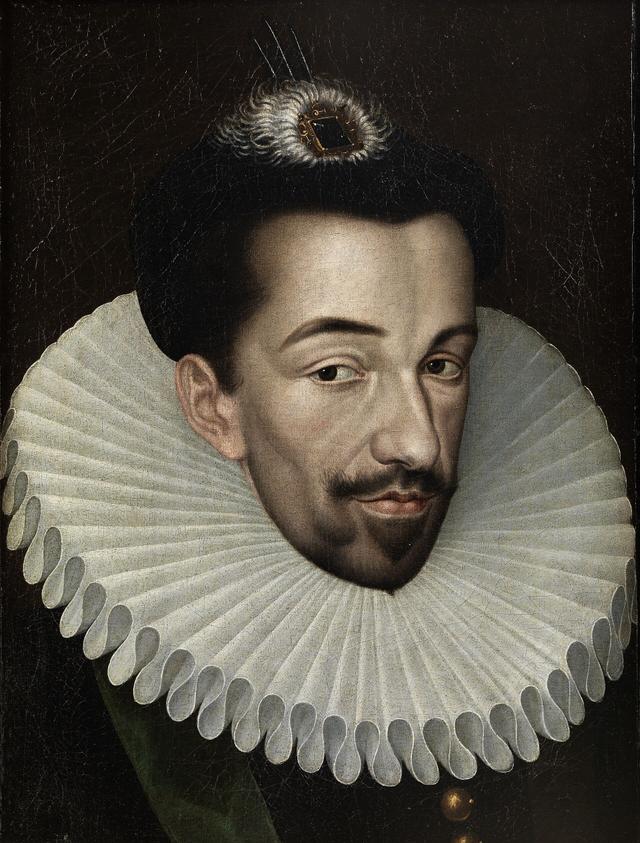
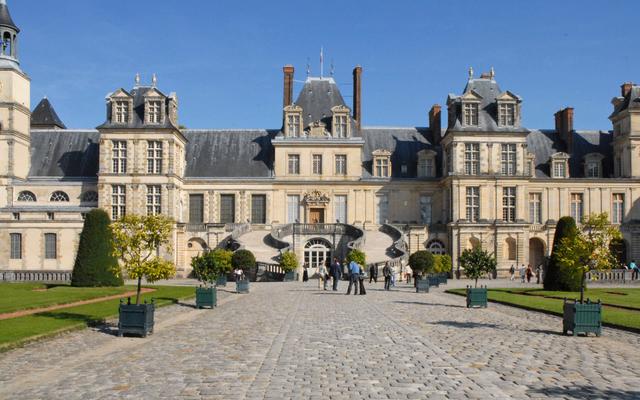
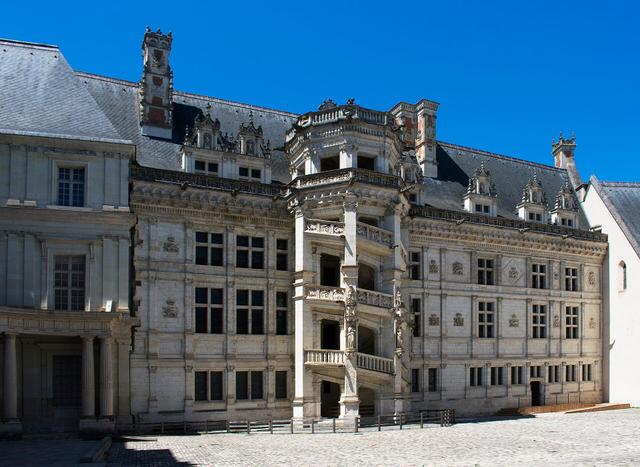
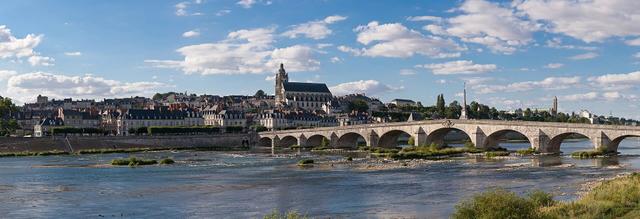
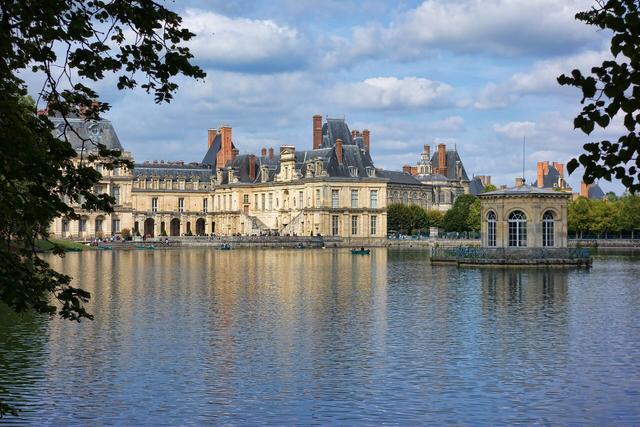
Mary was brought up with the children of Henry II and Catherine de' Medici. The royal nursery followed the court: Saint-Germain-en-Laye, Fontainebleau, Blois, Amboise. She learned French, which became her own language, along with Italian, Latin, dancing, the lute, embroidery and riding. In France she adopted the French spelling of her name: Stuart instead of Stewart. See also: Catherine de' Medici, Royal Château of Blois, Palace of Fontainebleau
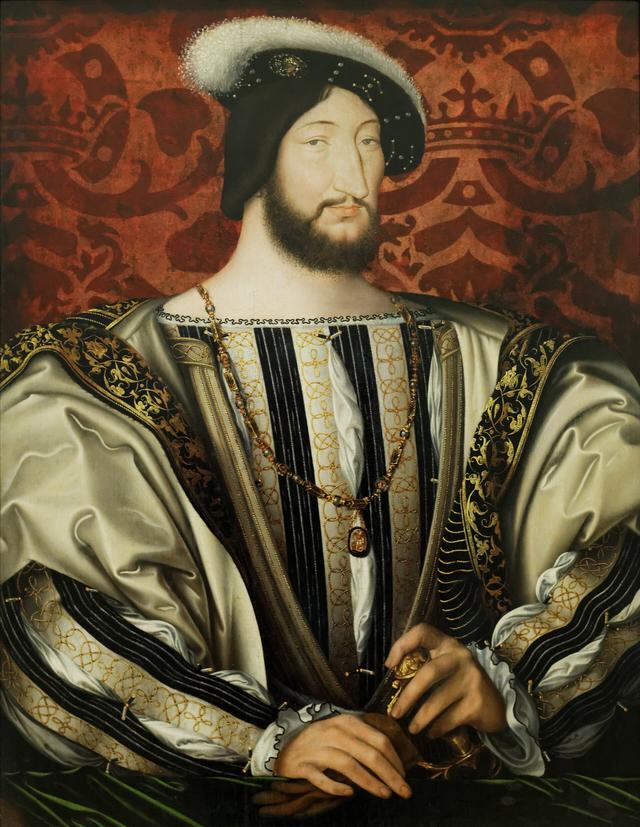
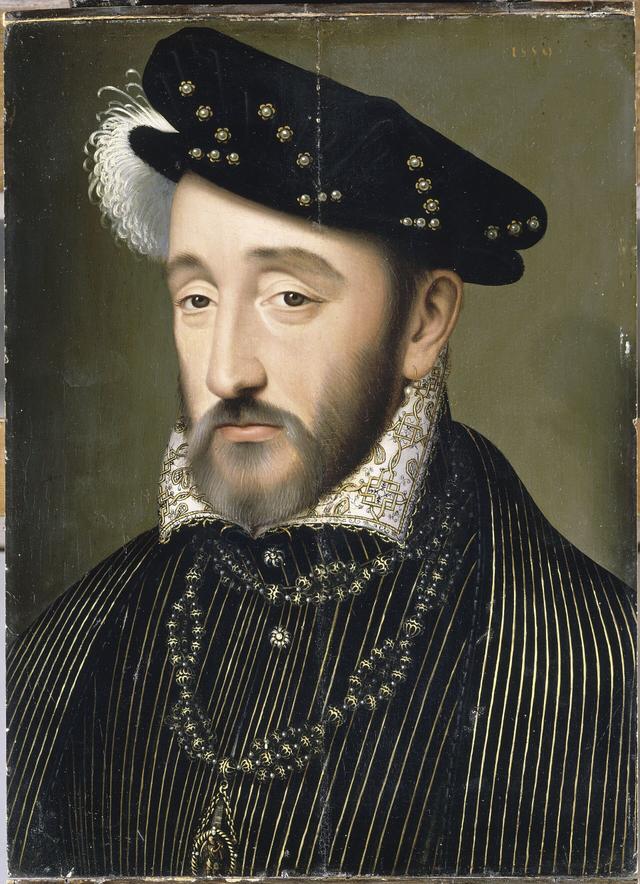
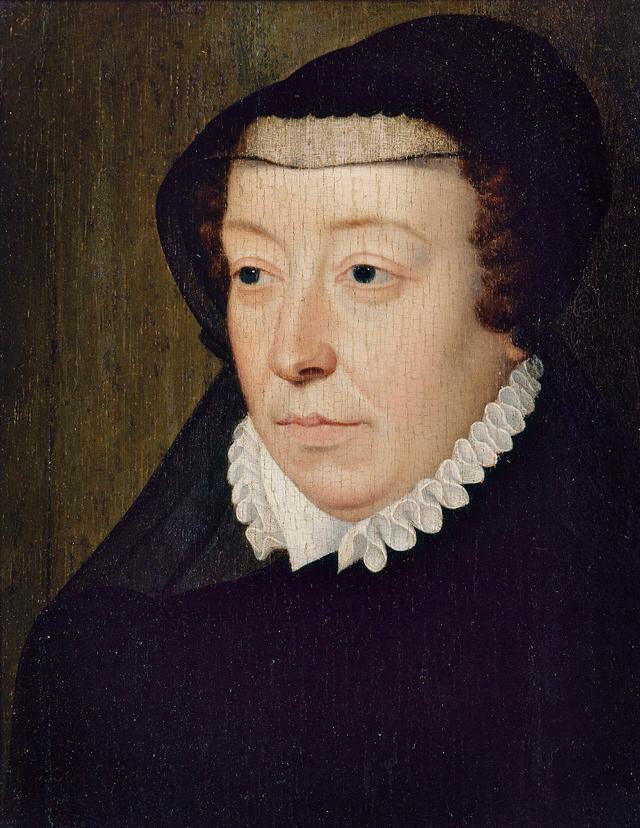
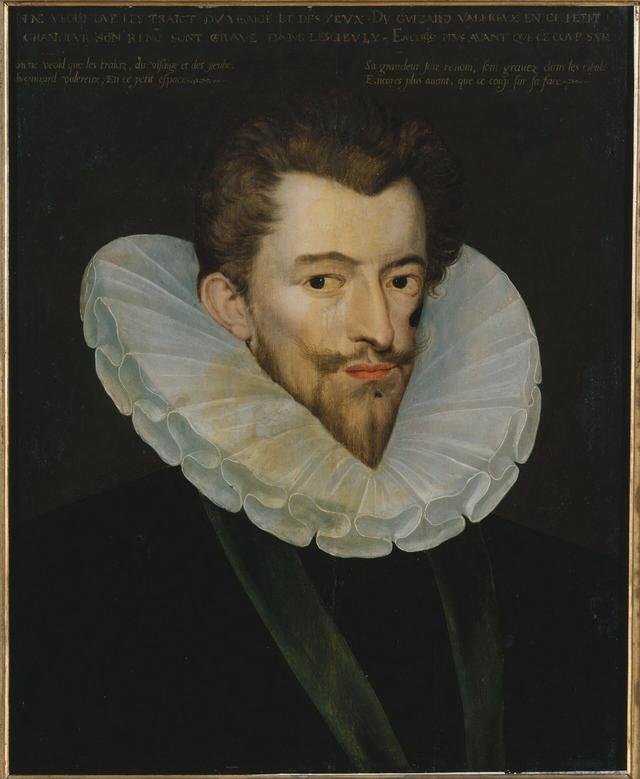
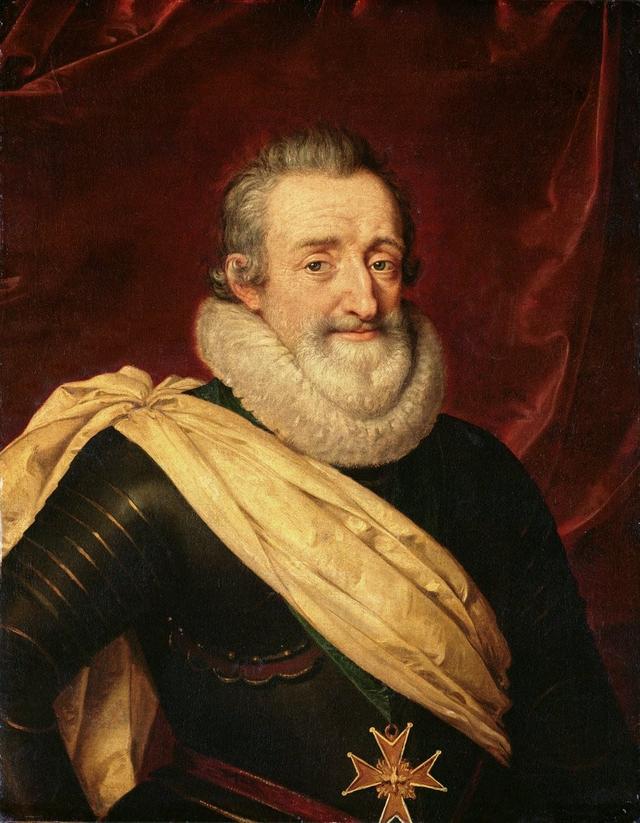
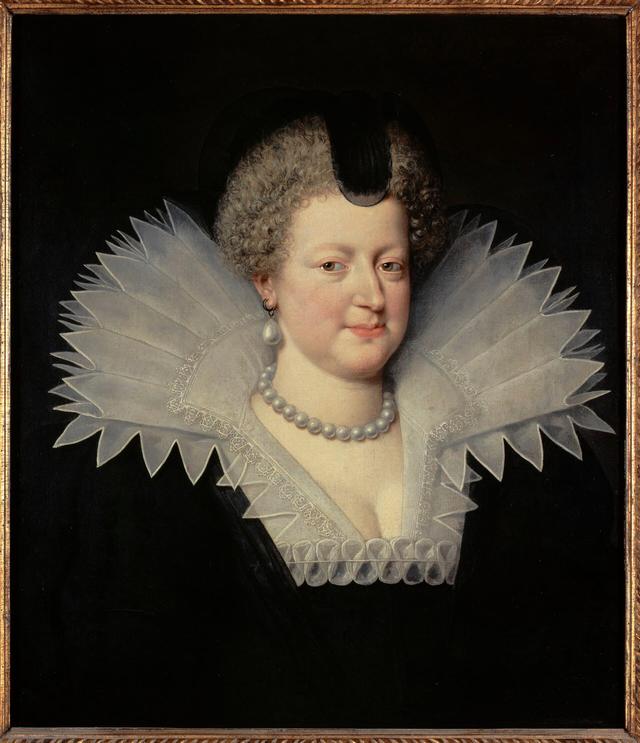
Henry II found her charming and noted that she and his son got on from the very first day. Catherine de' Medici was more reserved towards this daughter-in-law pushed forward by her Guise uncles. See also: Henry, Duke of Guise
What to see: at Blois, the château courtyard with the brick and stone Louis XII wing, and the Francis I wing, where the court lived under Henry II.
The wedding at Notre-Dame
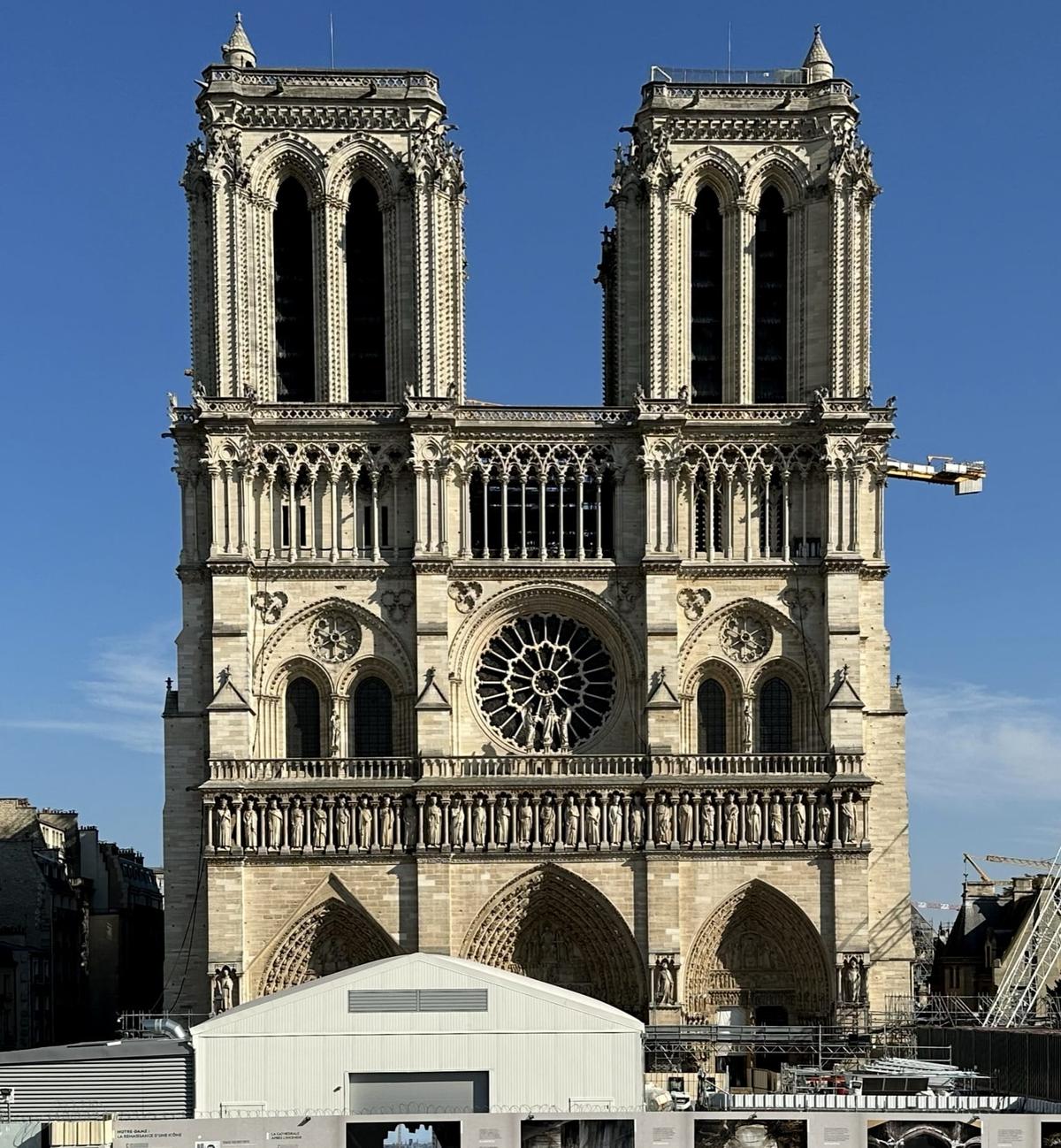
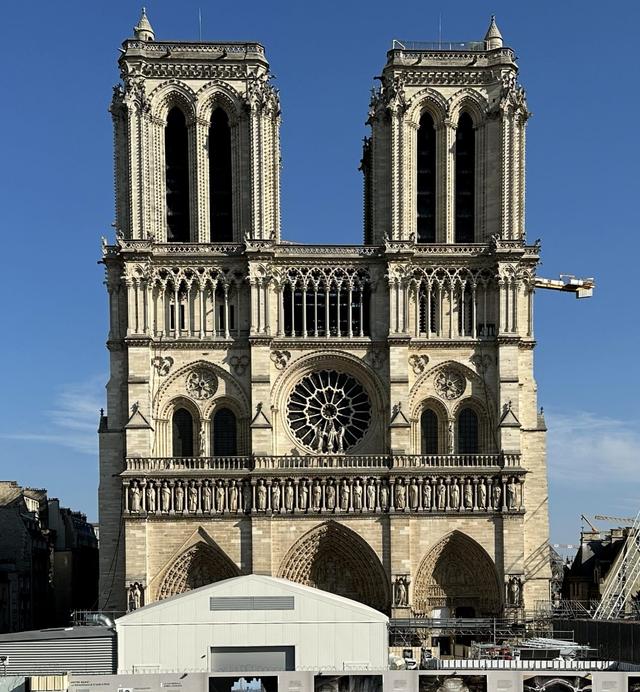
On 24 April 1558 Mary married the dauphin Francis in front of Notre-Dame de Paris. She was fifteen, he was fourteen. A covered stage was built in front of the portal so that the crowd could see the ceremony. Mary wore a white dress, the colour of royal mourning in France, which surprised the court. See also: Notre-Dame Cathedral
A few days earlier she had secretly signed a deed giving Scotland to the King of France if she died without children. When Mary Tudor died in November 1558, Henry II had the arms of England added to those of the young couple: Mary, great-granddaughter of Henry VII, was presenting herself as Elizabeth I's heir. The Queen of England would not forget it.
What to see: the west front and its three portals, in front of which the wedding was held, and the nave restored after the 2019 fire.
Queen of France at Amboise and Chenonceau
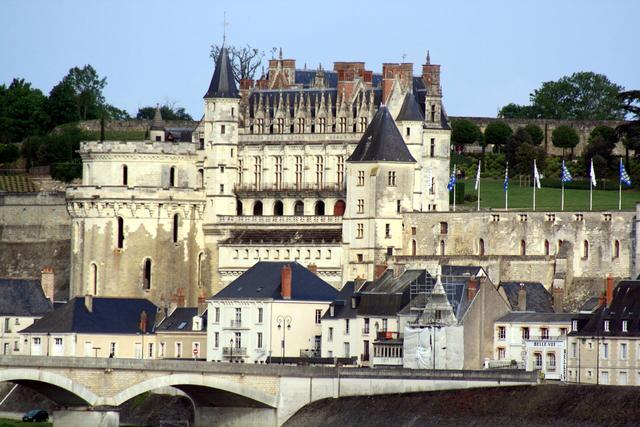
Henry II died on 10 July 1559 and Francis II became king: Mary was Queen of France. Her Guise uncles governed in the young king's name. In March 1560 Protestants tried to seize Francis II at Amboise. The plot failed and the plotters were hanged from the château's balconies; the court watched the executions. See also: Royal Château of Amboise
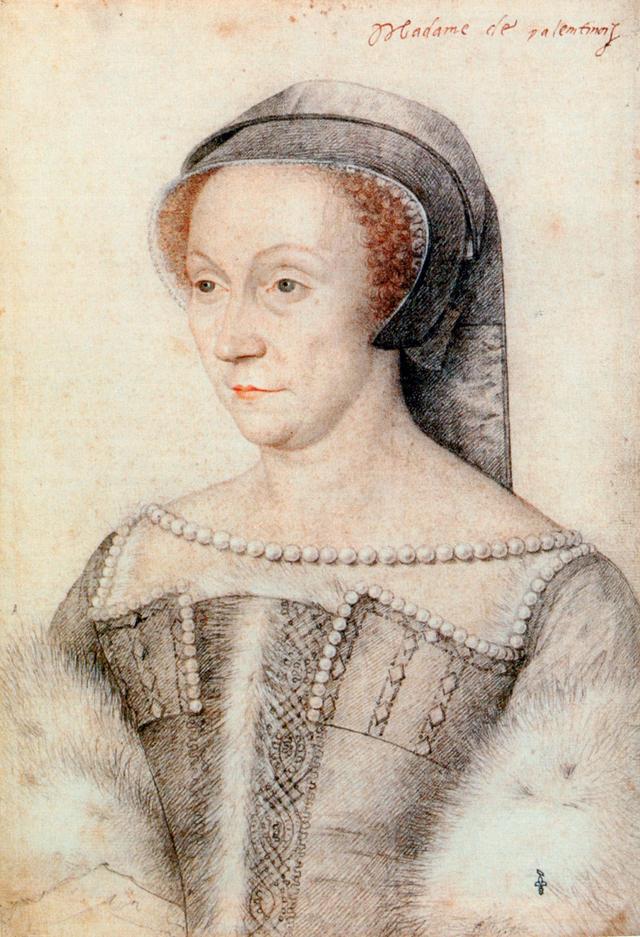
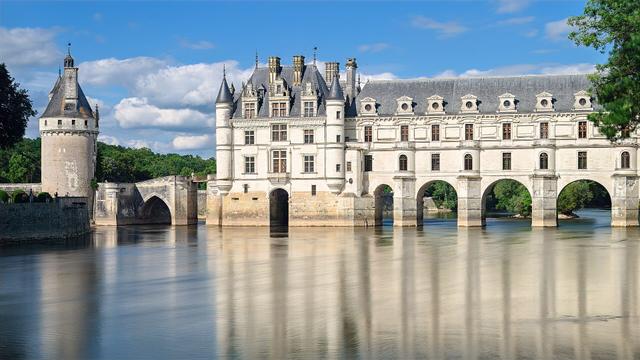
The same year Catherine de' Medici welcomed the royal couple to Chenonceau, which she had just taken back from Diane de Poitiers, with triumphal arches and fireworks. See also: Château de Chenonceau, Diane de Poitiers
What to see: at Amboise, the royal lodgings above the Loire; at Chenonceau, the Five Queens' Bedroom, named after her among others, and the gallery over the Cher.
A widow at eighteen
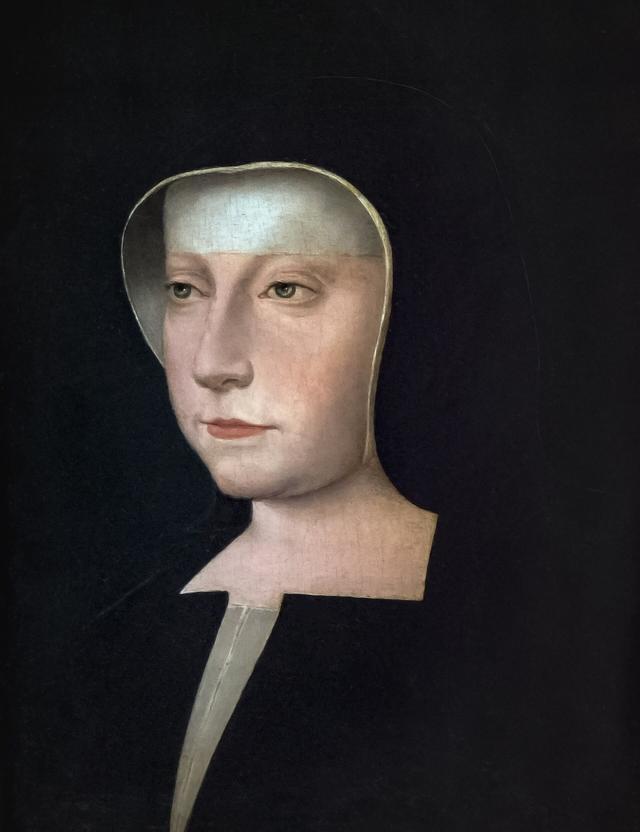
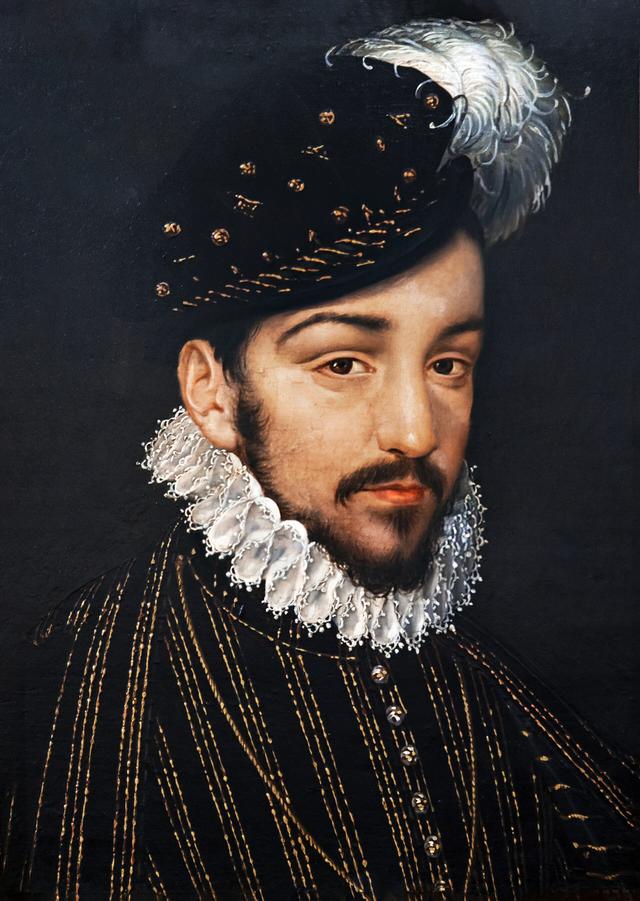
In June 1560 Mary learned of her mother's death in Edinburgh. On 5 December Francis II died in Orléans of an ear infection. Mary wore the white mourning of the queens of France, and François Clouet painted her that way, veiled in white. Childless, she no longer had a role at court, where Catherine de' Medici governed for Charles IX. She decided to go back to Scotland. See also: Charles IX
She sailed from Calais in August 1561 and reached Leith on 19 August. The poem "Farewell, pleasant land of France", often credited to her, was in fact written in the 18th century.
The Scottish years
In Scotland, now Protestant, the Catholic queen had to compromise. In 1565 she married her cousin Henry Darnley, who was murdered in February 1567, then the Earl of Bothwell, suspected of the murder. The lords rebelled, locked her up at Lochleven and forced her to abdicate for her son, the future James VI. She escaped and fled to England in May 1568.
Elizabeth I kept her prisoner for nineteen years. Accused of approving a plot against the queen, Mary was beheaded at Fotheringhay on 8 February 1587. Her embroidered motto read: "In my end is my beginning." Her son James, by then King of England, had her body moved to Westminster Abbey in 1612.
In her footsteps: from Paris to the Loire
In Paris, start with Notre-Dame. Fontainebleau is 40 minutes by train from Gare de Lyon. For the Loire, stay in Amboise or Blois: Blois, Amboise and Chenonceau are less than 45 minutes apart by car, and trains link Blois and Amboise in 20 minutes.
Partner links: if you book through these links, we earn a commission at no extra cost to you. Partner links · Learn more
FAQ
Where is Mary, Queen of Scots buried?
In Westminster Abbey, London. She was first buried in Peterborough Cathedral in 1587; her son James had her body moved in 1612.
Where was Mary, Queen of Scots born?
At Linlithgow Palace, in Scotland, on 8 December 1542.
Why did Mary, Queen of Scots live in France?
She was promised to the dauphin Francis, son of Henry II. She was brought up at the French court from 1548 to 1561, from the age of five to eighteen.
Who did Mary, Queen of Scots marry?
Three men: Francis II, King of France, in 1558; Henry Darnley in 1565; the Earl of Bothwell in 1567.
Why was Mary, Queen of Scots executed?
A prisoner in England since 1568, she was accused of approving a plot to kill Elizabeth I. She was beheaded on 8 February 1587.
Sources: fr.wikipedia.org (Marie Stuart), chateaudeblois.fr, chateau-amboise.com, chenonceau.com
Tickets to book online
Partner links: if you book through these links, we earn a commission at no extra cost to you. Partner links · Learn more
Places to visit


Related guides
Related historical figures