Madame de Pompadour, the commoner who ruled Versailles
- Born
- 29 December 1721
- Died
- 15 April 1764
- Active years
- 1745 – 1764
- Family
- Artists, saints and favourites
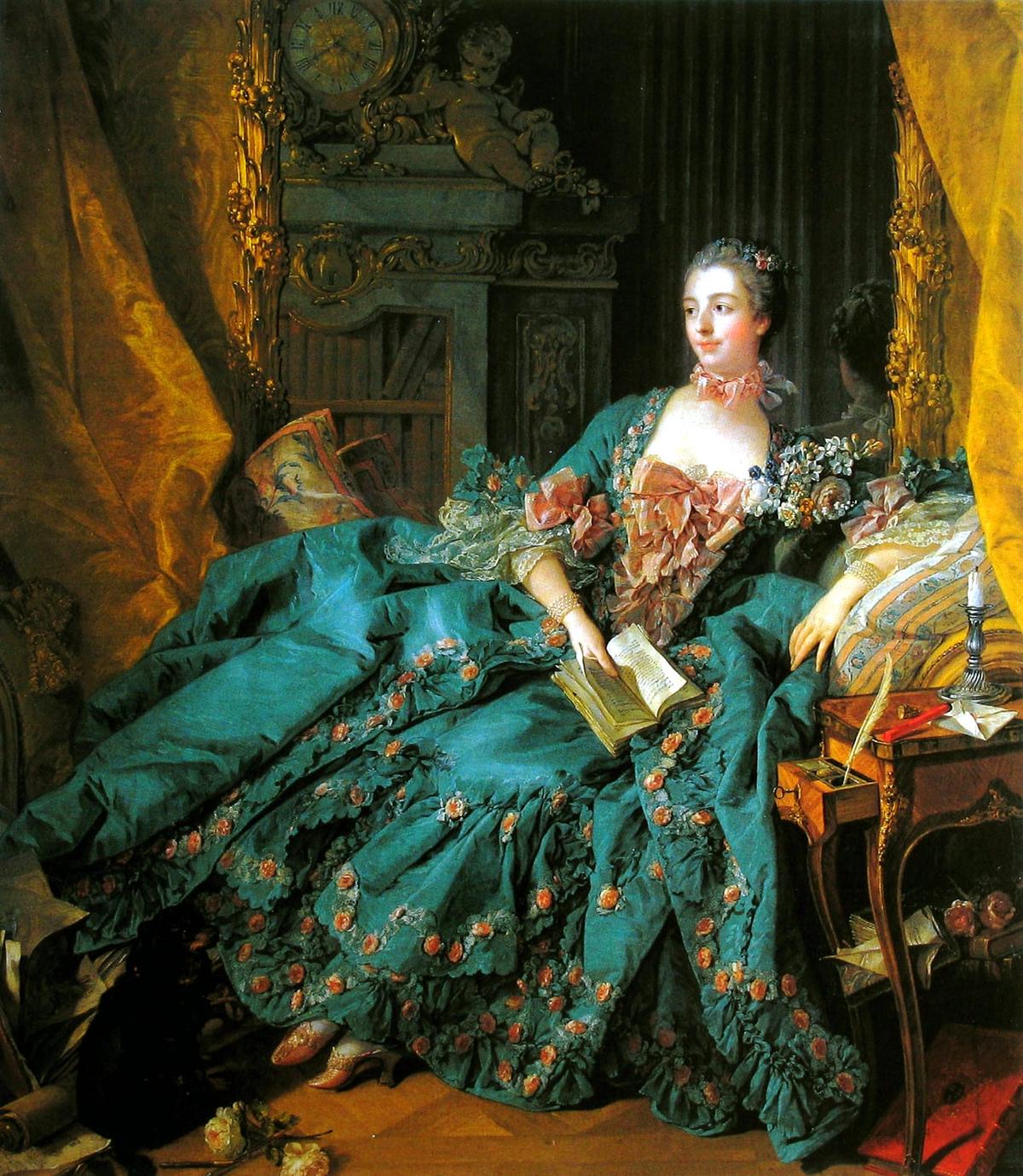
Born Jeanne-Antoinette Poisson, the daughter of a financiers' agent, she should never have set foot at court. In 1745 she became Louis XV's official mistress, and stayed his favourite until her death twenty years later, long after their affair had ended. She protected artists, built and advised the king. Her traces are at Versailles, Fontainebleau and the châteaux where she followed the court.
Madame de Pompadour in dates
| Date | Event |
|---|---|
| 29 December 1721 | Jeanne-Antoinette Poisson is born in Paris |
| 1741 | Marries Charles-Guillaume Le Normant d'Étiolles |
| February 1745 | Meets Louis XV at the Yew Tree Ball at Versailles |
| July 1745 | The king gives her the marquisate of Pompadour |
| 14 September 1745 | Officially presented at court |
| 1749 | Stays at Bizy with the king; Gabriel builds her house at Fontainebleau |
| c. 1750 | The affair ends; she remains the king's friend and adviser |
| 1752 | Made a duchess |
| 1756 | Lady of the queen's household; alliance with Austria |
| 1762 | Work begins on the Petit Trianon |
| 15 April 1764 | Dies at the Château de Versailles, aged 42 |
Reinette, the middle-class girl
Jeanne-Antoinette Poisson was born in Paris in 1721. Her father was the business agent of wealthy financiers. She was nicknamed "Reinette", little queen, after a fortune-teller is said to have told her, when she was nine, that she would reign over a king's heart. She received a careful education: music, singing, acting, drawing.
In 1741 she married Charles-Guillaume Le Normant d'Étiolles, her guardian's nephew. She held a salon in Paris, where she received writers, Voltaire among them, and caught the king's eye during his hunts in the Forest of Sénart. See also: Voltaire
Versailles: from the Yew Tree Ball to the Petit Trianon
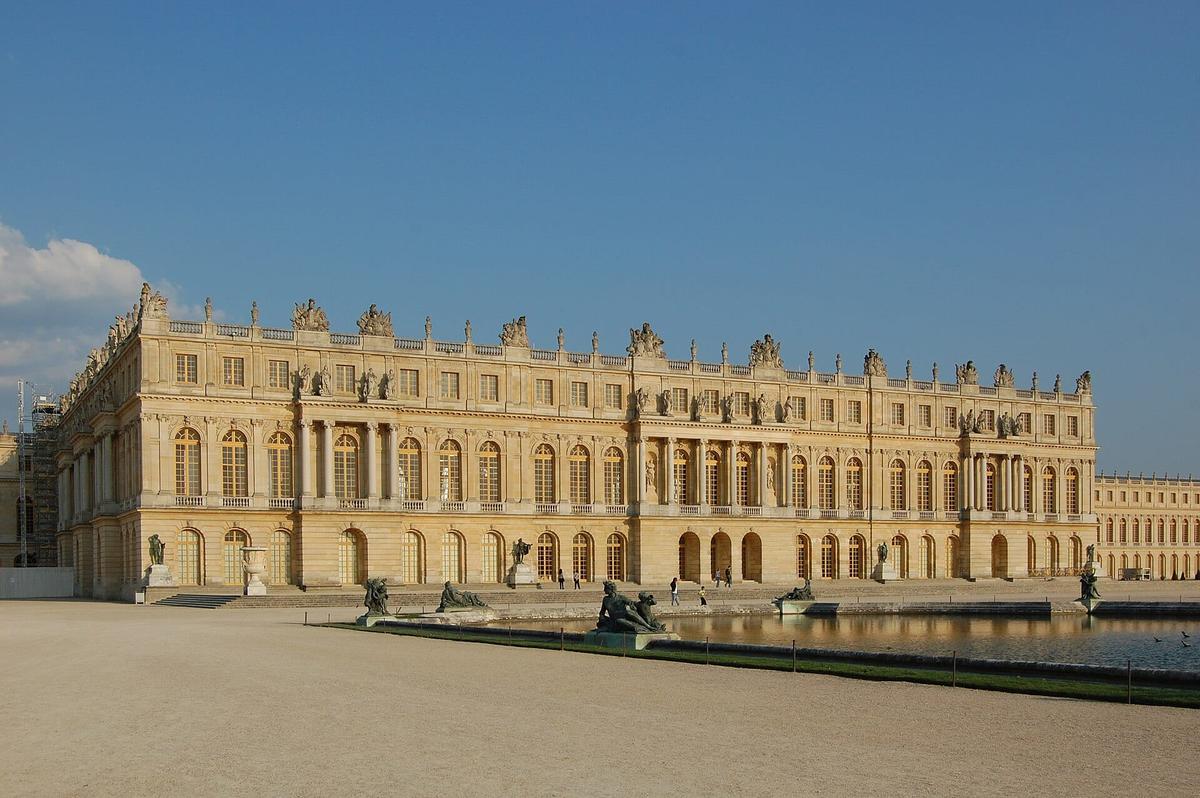
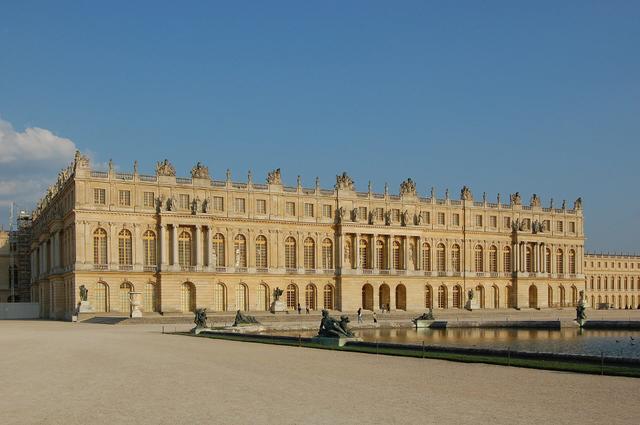
In February 1745 the Château de Versailles held a great masked ball for the dauphin's wedding. Louis XV and a few courtiers came dressed as clipped yew trees. This is where the king and Jeanne-Antoinette were first seen together. In July he bought her the marquisate of Pompadour, in the Limousin. On 14 September 1745 she was presented at court. See also: Louis XV, Palace of Versailles
The king gave her an apartment just above his own, linked by a hidden staircase. From 1751 she lived on the ground floor of the central block of the château. She set up a small theatre there, the Théâtre des Petits Cabinets, where she acted herself in front of the king.
Around 1750 their affair ended, but she kept Louis XV's trust. She placed her friends, received ministers and weighed on policy: in 1756 she backed the alliance with Austria, the old enemy. She also got her brother, the Marquis de Marigny, appointed head of the King's Buildings. With him, she pushed Louis XV to build the Petit Trianon, begun in 1762. She died before it was finished, and it was Marie Antoinette who enjoyed it. See also: Marie Antoinette
What to see: the king's apartments and the Petit Trianon by the architect Gabriel, with its very plain façades, so different from the château.
Patron of the arts
Madame de Pompadour commissioned paintings from François Boucher, who made several portraits of her, and pastels from Maurice Quentin de La Tour. She supported the porcelain manufactory set up at Sèvres in 1756, the founding of the École Militaire in Paris and the authors of the Encyclopédie. She drew and made engravings herself. In London, the Wallace Collection holds one of Boucher's portraits of her.
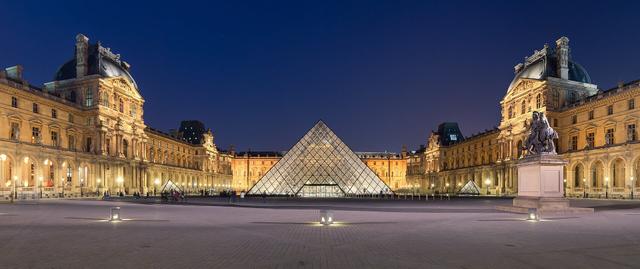
The large pastel portrait that La Tour exhibited in 1755 shows her seated at her table, surrounded by books, among them a volume of the Encyclopédie, with a sheet of music in her hand. It is kept at the Louvre, in the Department of Prints and Drawings. Pastel is sensitive to light, so it is only shown from time to time. See also: Louvre Museum
What to see: at the Louvre, the rooms of 18th-century French painting, with Boucher's pictures; check before your visit whether La Tour's pastel is on display.
Fontainebleau: the favourite's house
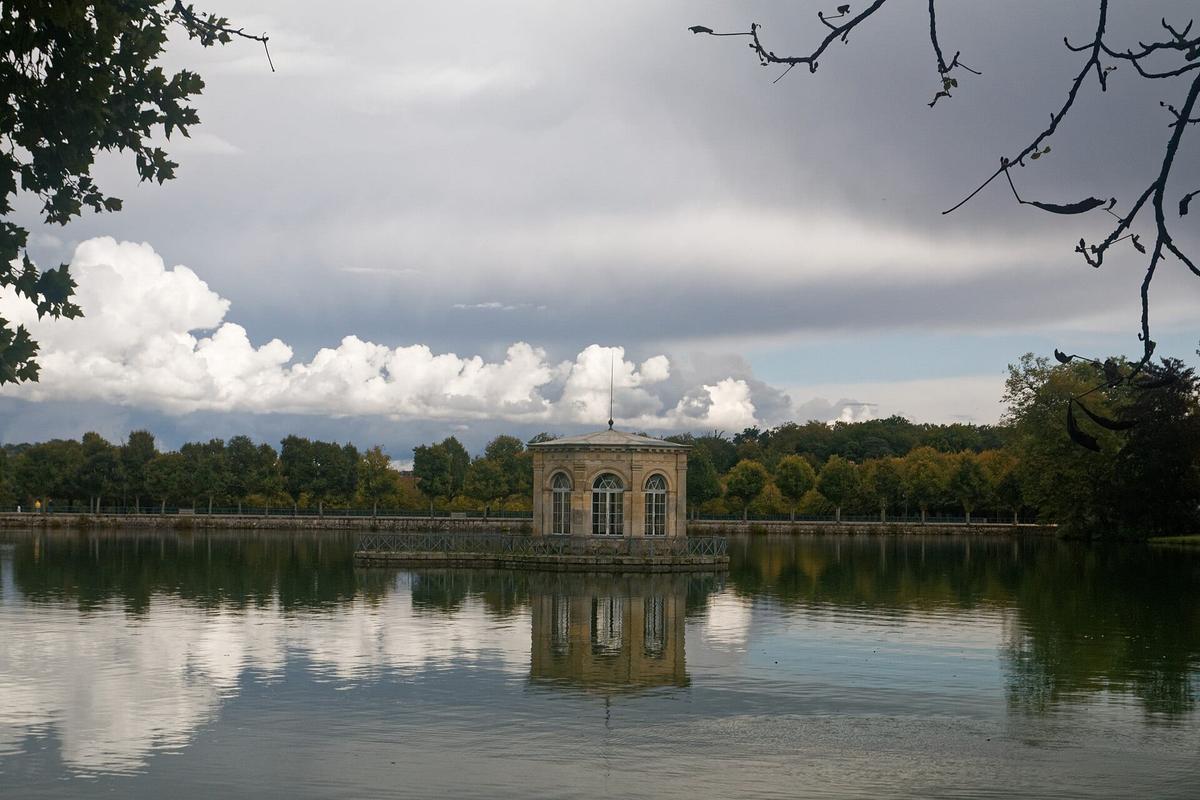
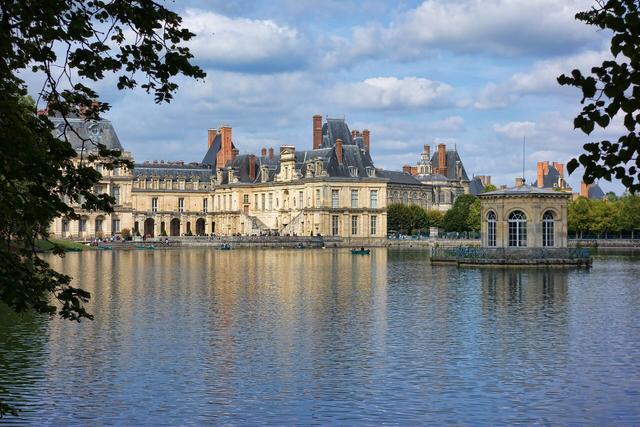
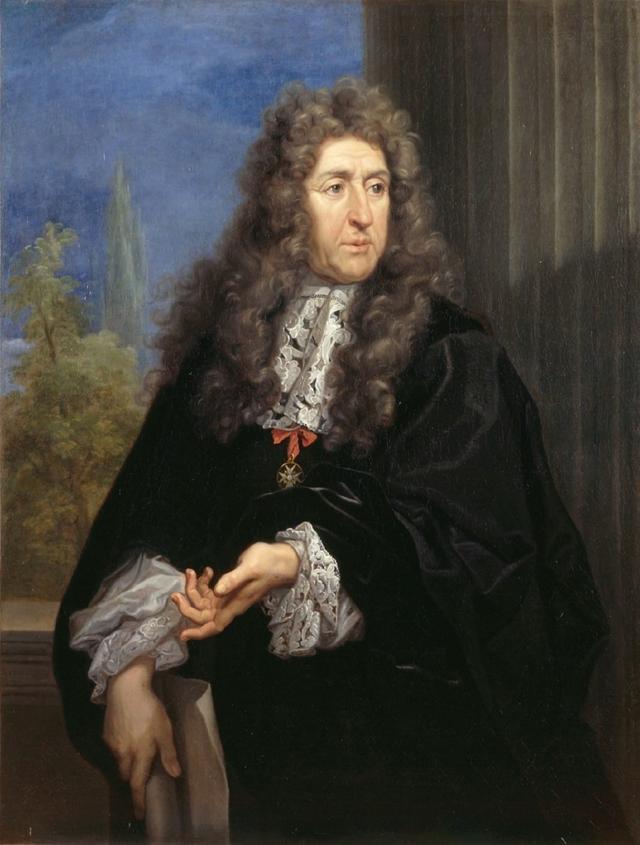
Every autumn the court spent several weeks at Fontainebleau for the hunting. Madame de Pompadour had her apartment in the château. In 1749 she also had a house built in the town, known as the Hôtel de Pompadour or the Ermitage, by the architect Ange-Jacques Gabriel. It was a retreat away from court etiquette, where she could receive the king without the court. See also: Palace of Fontainebleau
What to see: at the château, the royal apartments and the Carp Pond; in town, the façade of the Hôtel de Pompadour, which is private and not open to visitors.
Bizy: a royal visit to Normandy
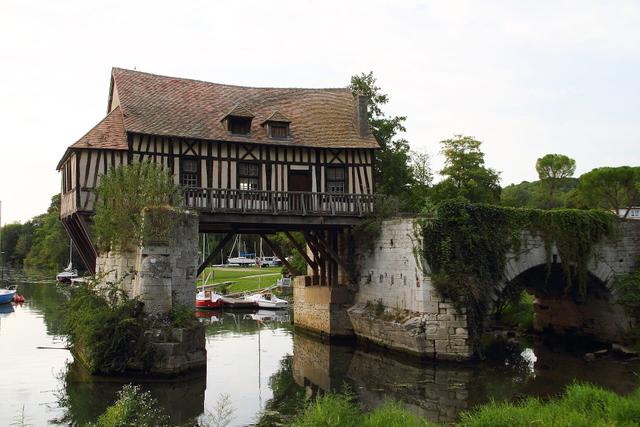
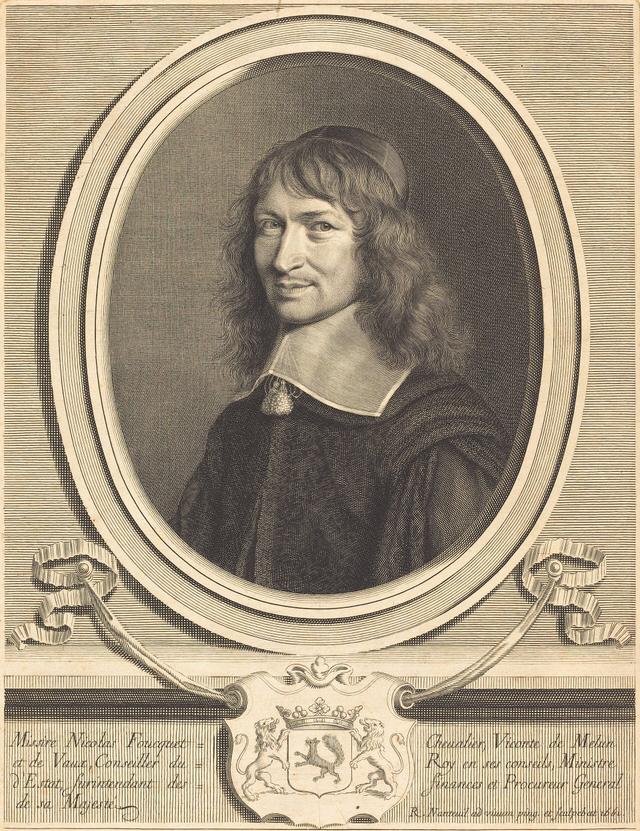
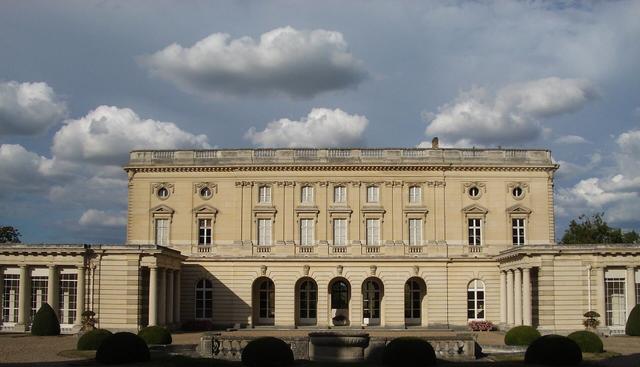
Marshal de Belle-Isle, grandson of the superintendent Fouquet, turned the Bizy estate at Vernon into a grand residence with stables modelled on those of Versailles. In 1749 he received Louis XV and Madame de Pompadour there. Belle-Isle's château disappeared during the Revolution, but the stables and the park with its fountains date from that time. See also: Château de Bizy, Nicolas Fouquet
What to see: the stables built from 1741 to 1743, which held 60 horses, and the fountains in the park.
"Not fine weather for her journey"
Madame de Pompadour was never strong. She died at the Château de Versailles on 15 April 1764, aged 42, probably of tuberculosis. Etiquette did not allow anyone but the king or a prince to remain in the château after death: her body was taken to Paris. According to witnesses, Louis XV watched the procession leave in the rain from a balcony and said: "The marquise will not have fine weather for her journey." She is also credited with a famous phrase, "After us, the flood", with no proof that she ever said it.
In her footsteps: from Versailles to Fontainebleau
Versailles needs a full day if you want to see the Petit Trianon. Fontainebleau is less than an hour by train from Paris, from Gare de Lyon. Bizy is at Vernon, across the river from Giverny: you can combine the château and Monet's house in the same day. See also: Monet's House and Gardens, Things to do in Versailles
Partner links: if you book through these links, we earn a commission at no extra cost to you. Partner links · Learn more
Places to stay near Versailles
FAQ
Where is Madame de Pompadour buried?
In Paris, in the Capuchin convent near today's Place Vendôme, where her daughter and mother already lay. The convent was demolished in the early 19th century and her tomb has disappeared.
Where was Madame de Pompadour born?
In Paris, on 29 December 1721.
Who did Madame de Pompadour marry?
Charles-Guillaume Le Normant d'Étiolles, in 1741. They had a daughter, Alexandrine, who died aged nine in 1754. The couple separated when she became the king's mistress.
Why is Madame de Pompadour famous?
She was Louis XV's favourite for nearly twenty years, protected artists and philosophers and played a political role, especially in the 1756 alliance with Austria.
How did Madame de Pompadour die?
Of illness, probably tuberculosis, on 15 April 1764 at the Château de Versailles. She was 42.
Sources: fr.wikipedia.org (Madame de Pompadour), en.chateauversailles.fr, chateauversailles.fr, chateaudefontainebleau.fr, chateaudebizy.com, louvre.fr
Tickets to book online
Partner links: if you book through these links, we earn a commission at no extra cost to you. Partner links · Learn more
Places to visit
Related guides