Charles Perrault, from the Versailles building site to fairy tales
- Born
- 12 January 1628
- Died
- 16 May 1703
- Active years
- 1663 – 1703
- Family
- Artists, saints and favourites
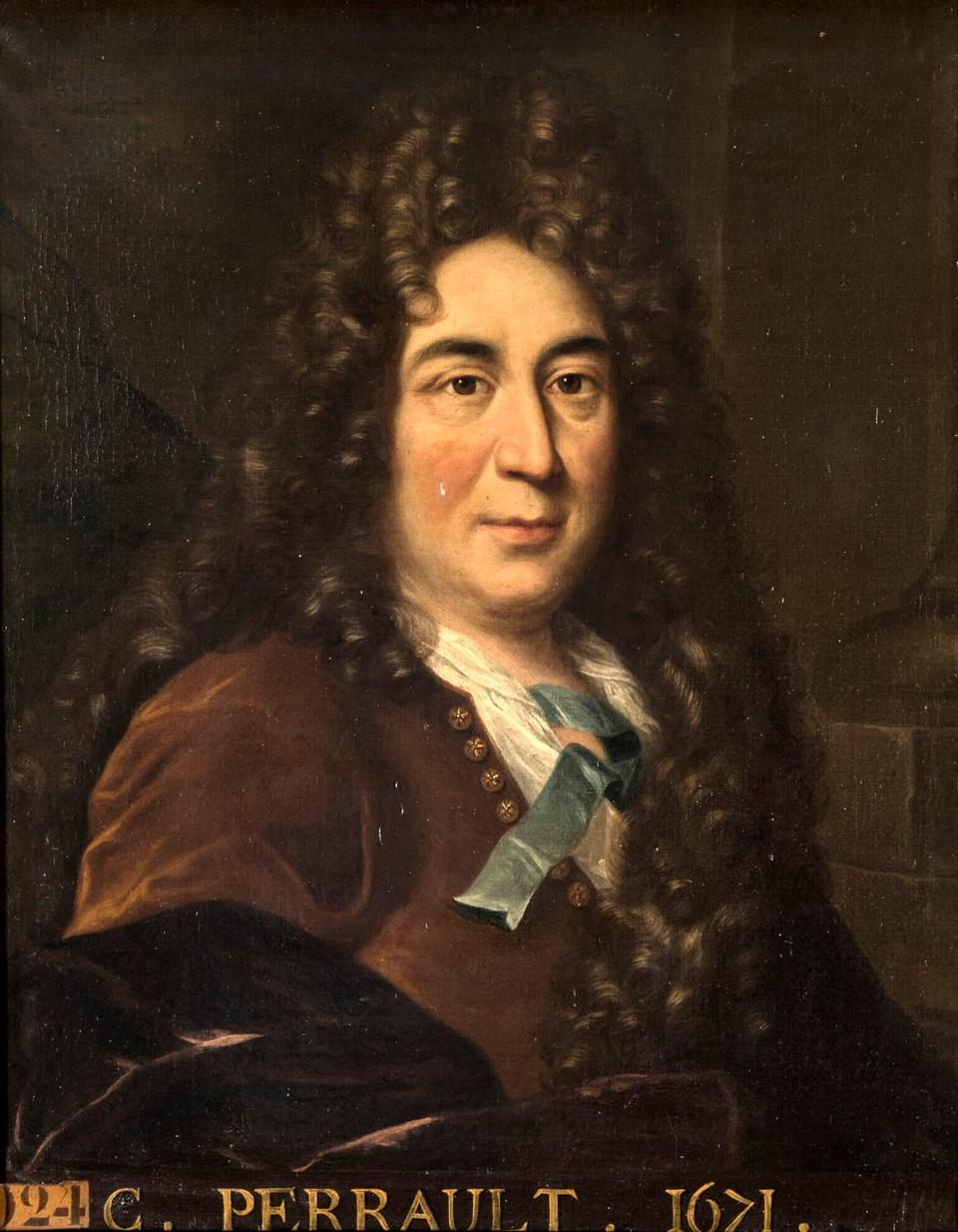
He is known for Cinderella, Little Red Riding Hood and Puss in Boots. Yet for twenty years Charles Perrault was above all a senior official: Colbert's right-hand man for the king's buildings, at the Louvre and at Versailles. He published his tales at sixty-nine, under his son's name. Since then, a château on the Loire has claimed Sleeping Beauty, and the lord of Tiffauges has been saddled with Bluebeard's reputation.
Charles Perrault in dates
| Date | Event |
|---|---|
| 12 January 1628 | Born in Paris, the seventh child of a family of the legal bourgeoisie |
| 1651 | Qualifies as a lawyer |
| 1663 | Secretary of the Petite Académie, created by Colbert to glorify the king |
| 1667 | His brother Claude helps design the colonnade of the Louvre |
| 1668 | Chief clerk of the King's Buildings |
| 1671 | Elected to the Académie française |
| 1672-1677 | Creation of the Labyrinth at Versailles, his idea |
| 1683 | Colbert dies; Perrault loses his post |
| 1687 | The Century of Louis the Great (Le Siècle de Louis le Grand) starts the Quarrel of the Ancients and the Moderns |
| 1697 | Stories or Tales from Times Past |
| 16 May 1703 | Dies in Paris |
Colbert's man
Charles Perrault was the youngest of a gifted family of brothers: one of them, Claude, a physician and architect, would design the colonnade of the Louvre with Le Vau and Le Brun. A lawyer, then a clerk for his brother Pierre, a tax collector, Charles entered Colbert's service in 1663. He became secretary of the Petite Académie, which wrote the inscriptions and mottoes for the king's monuments and medals, then, in 1668, chief clerk of the King's Buildings. He oversaw the works at the Louvre and Versailles. See also: Louvre Museum, Louis XIV
The Labyrinth of Versailles
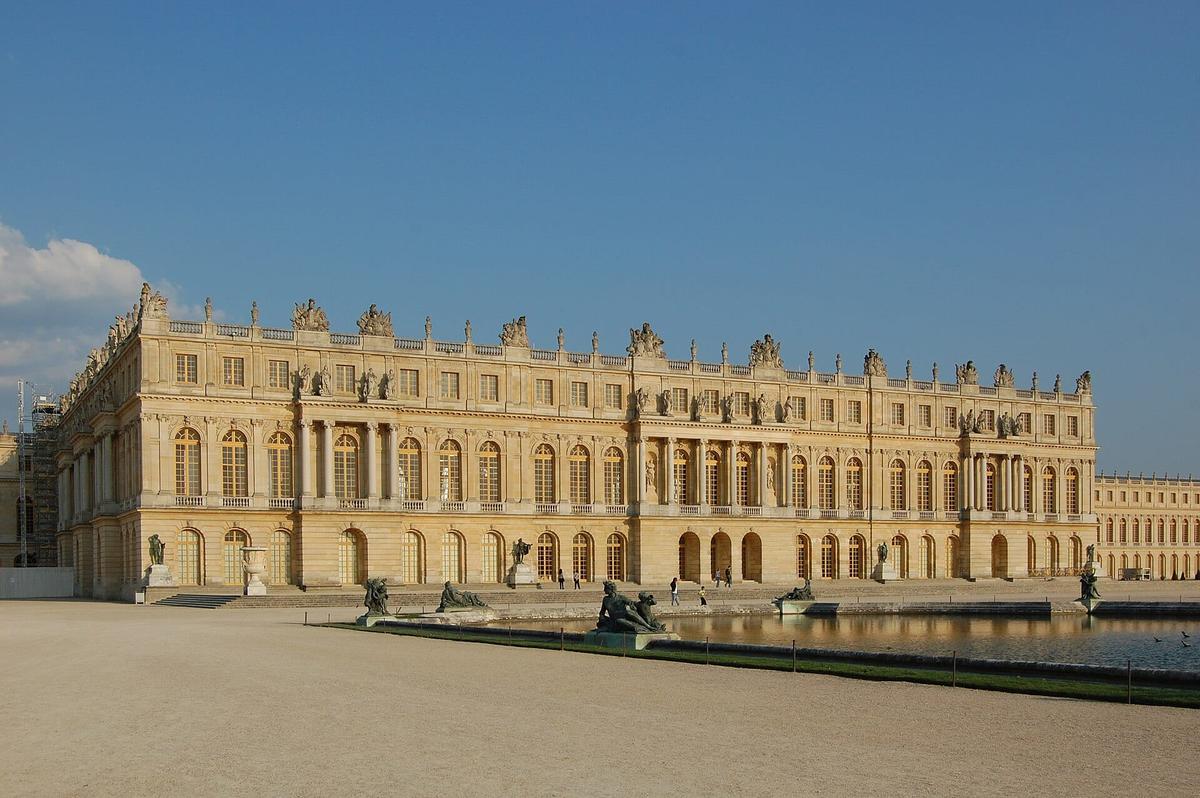
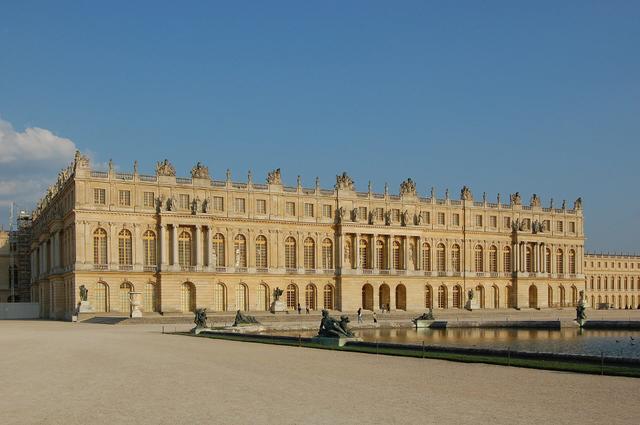
It was Perrault who suggested to the king that a grove in the gardens of Versailles be decorated with fountains based on Aesop's fables. The Labyrinth, laid out from 1672 to 1677, had thirty-nine fountains: at every turn, animals in painted lead, such as the fox and the stork, acted out a fable, with a quatrain by Isaac de Benserade engraved beside it. Perrault wrote its guidebook, published in 1677. The grove was destroyed under Louis XVI and replaced by the Queen's Grove. See also: Palace of Versailles, Jean de La Fontaine
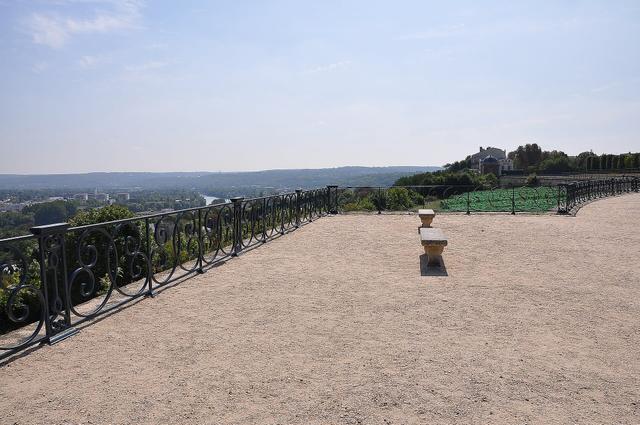
What to see: at Versailles, the Queen's Grove, on the site of the old Labyrinth, and Le Nôtre's other groves. See also: André Le Nôtre
The tales, at sixty-nine
After Colbert's death in 1683, Perrault was pushed aside. He wrote. In 1687, he read The Century of Louis the Great at the Académie, a poem that ranked the authors of his day above those of Antiquity: it started the Quarrel of the Ancients and the Moderns, which set him against Boileau.
In 1697 came the Stories or Tales from Times Past (Histoires ou contes du temps passé), with a subtitle that stuck: Tales of Mother Goose. Eight tales in prose: Sleeping Beauty, Little Red Riding Hood, Bluebeard, The Master Cat, or Puss in Boots, The Fairies, Cinderella, Riquet with the Tuft and Tom Thumb (Le Petit Poucet). The book was signed with the name of his young son, Pierre Darmancour, probably to avoid mockery from the Ancients.
Ussé, the Sleeping Beauty castle
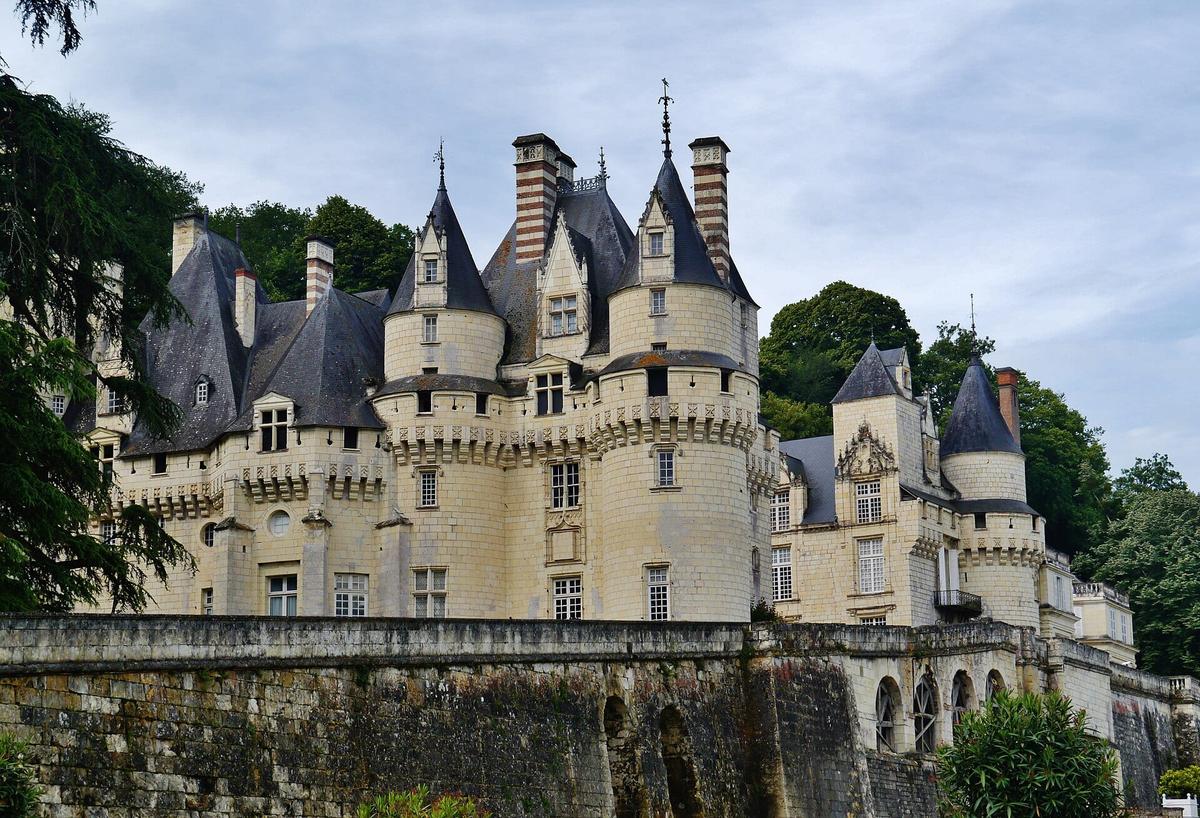
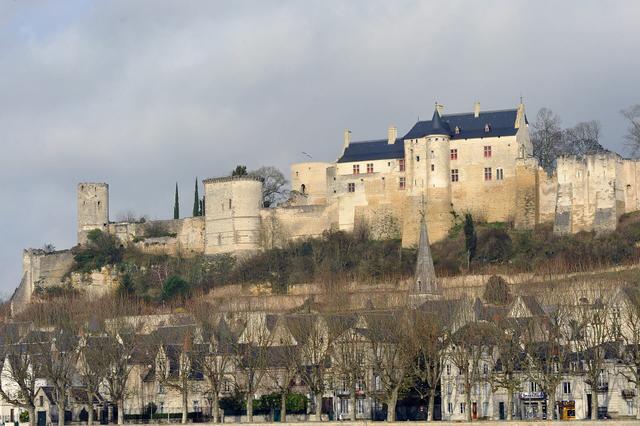
The Château d'Ussé, in Touraine, presents itself as Sleeping Beauty's castle. According to tradition, Perrault saw it rise out of the forest of Chinon and remembered it for his tale. No text by Perrault confirms this, but with its towers, pointed roofs and turrets above the Indre, Ussé looks like the castle you picture. See also: Château d'Ussé
What to see: at the Château d'Ussé, the scenes from the tale set up in the rooms along the wall walk, the keep, the Renaissance chapel and the terraced gardens laid out on Le Nôtre's principles.
Bluebeard and Gilles de Rais
In the 19th century, people got into the habit of confusing Bluebeard with Gilles de Rais, the companion of Joan of Arc sentenced to death in 1440 for the murder of children. Nothing proves that Perrault had him in mind: Bluebeard kills his wives, not children. But the Château de Tiffauges, in the Vendée, is still nicknamed Bluebeard's castle. See also: Gilles de Rais, Château de Tiffauges
In his footsteps: Ussé and Versailles
The Château d'Ussé is 45 minutes from Tours by car; the nearest stations are Langeais and Azay-le-Rideau. It pairs well with Azay-le-Rideau, Langeais or Chinon. Versailles is a ten-minute walk from the RER C station Versailles Château Rive Gauche. See also: Château d'Azay-le-Rideau
Partner links: if you book through these links, we earn a commission at no extra cost to you. Partner links · Learn more
FAQ
Which fairy tales did Charles Perrault write?
The eight prose tales of 1697: Sleeping Beauty, Little Red Riding Hood, Bluebeard, Puss in Boots, The Fairies, Cinderella, Riquet with the Tuft and Tom Thumb, plus three tales in verse, including Donkeyskin.
Is the Château d'Ussé the Sleeping Beauty castle?
That is the tradition, and the château keeps it alive with scenes from the tale in its rooms. Perrault never wrote it.
What was Charles Perrault's job?
A lawyer by training, he worked for twenty years for Colbert on the king's buildings, at the Louvre and at Versailles. He was also a member of the Académie française.
Was Bluebeard based on Gilles de Rais?
That is a theory that appeared in the 19th century, with no proof. The two stories are different: Bluebeard kills his wives, while Gilles de Rais was convicted of murdering children.
What was the Labyrinth of Versailles?
A grove in the gardens, created from 1672 to 1677 on Perrault's idea, with thirty-nine fountains illustrating Aesop's fables. It was destroyed under Louis XVI.
Sources: fr.wikipedia.org (Charles Perrault)
Tickets to book online
Partner links: if you book through these links, we earn a commission at no extra cost to you. Partner links · Learn more
Places to visit

Related guides