La Fontaine, the poet of Vaux who stayed loyal to Fouquet
- Born
- 8 July 1621
- Died
- 13 April 1695
- Active years
- 1659 – 1695
- Family
- Artists, saints and favourites
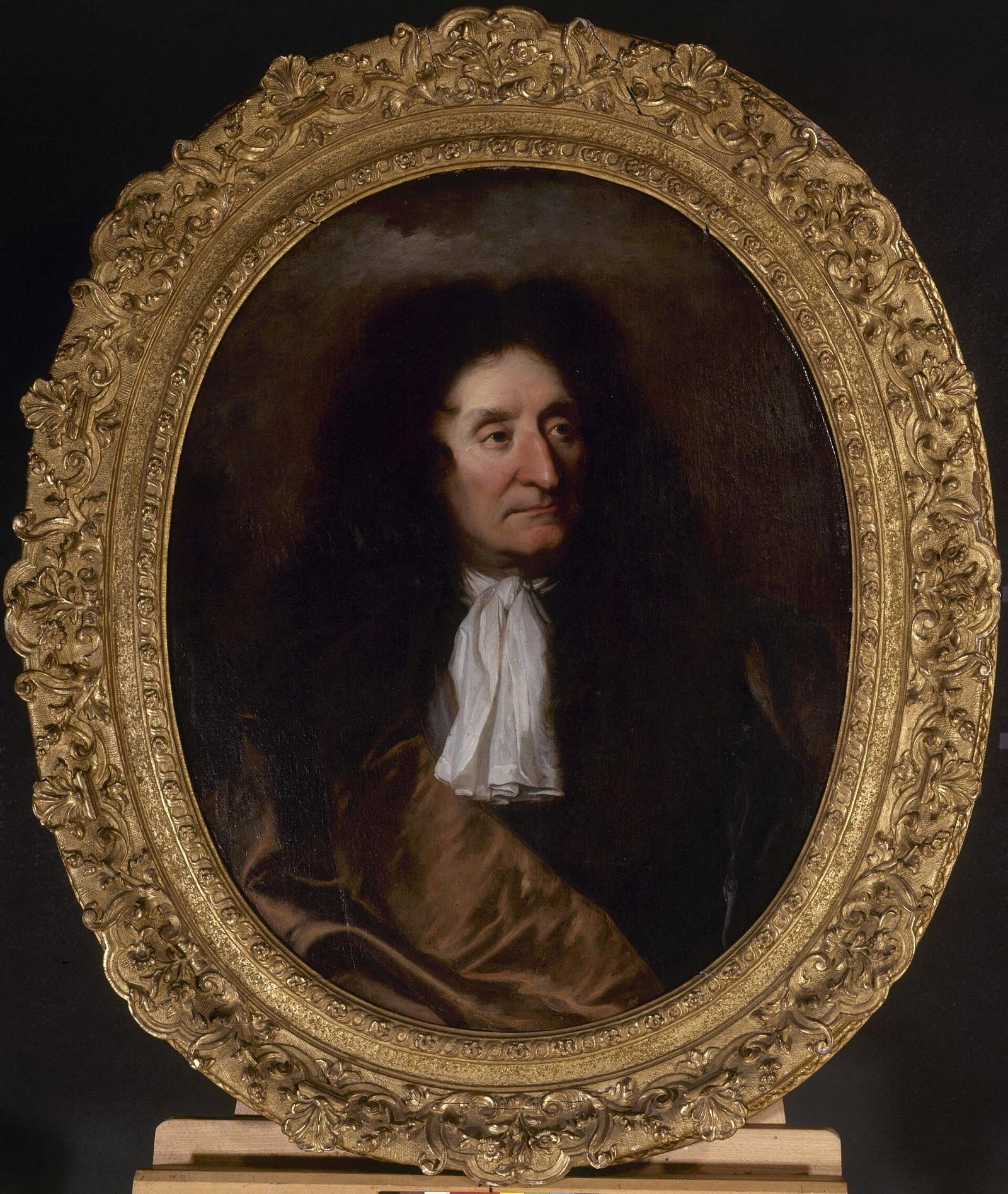
Before he wrote The Crow and the Fox, Jean de La Fontaine was Nicolas Fouquet's poet. He received a pension in return for a few lines of verse each quarter and was writing a long poem in praise of Vaux-le-Vicomte. When Fouquet was arrested in 1661, he was one of the few to defend him in public. Louis XIV never much liked him, but La Fontaine's fables ended up filling the gardens of Versailles.
La Fontaine in dates
| Date | Event |
|---|---|
| 8 July 1621 | Born in Château-Thierry, in Champagne |
| 1647 | Marries Marie Héricart; inherits his father's post as master of waters and forests |
| 1659 | Receives a pension from Fouquet; begins The Dream of Vaux |
| 1661 | Fouquet is arrested; writes the Elegy to the Nymphs of Vaux (Élégie aux nymphes de Vaux) |
| 1663 | Follows his relative Jacques Jannart, a close ally of Fouquet, into exile in Limoges |
| 1668 | First collection of Fables, dedicated to the Grand Dauphin |
| 1669 | The Loves of Psyche and Cupid, which describes Versailles |
| 1678-1679 | Second collection of Fables |
| 1684 | Elected to the Académie française |
| 13 April 1695 | Dies in Paris |
Fouquet's poet
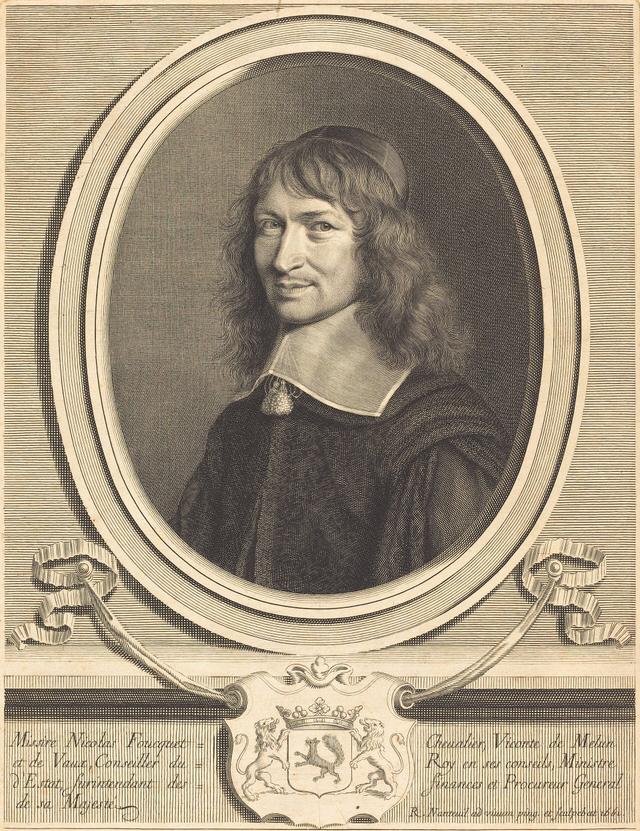
Jean de La Fontaine was the son of an officer of waters and forests in Château-Thierry, and took over his father's post. He had a reputation as a daydreamer, absent-minded, and preferred Paris and his writer friends to his provincial job. Through Jacques Jannart, Fouquet's deputy at the Parlement, he was introduced to the Superintendent of Finances. See also: Nicolas Fouquet
From 1659, Fouquet paid him a pension of a thousand livres a year, in exchange for a poem every quarter. For him La Fontaine began The Dream of Vaux (Le Songe de Vaux), a work in prose and verse in which the arts compete for the honour of embellishing the château. See also: Vaux-le-Vicomte
“Weep, nymphs of Vaux”
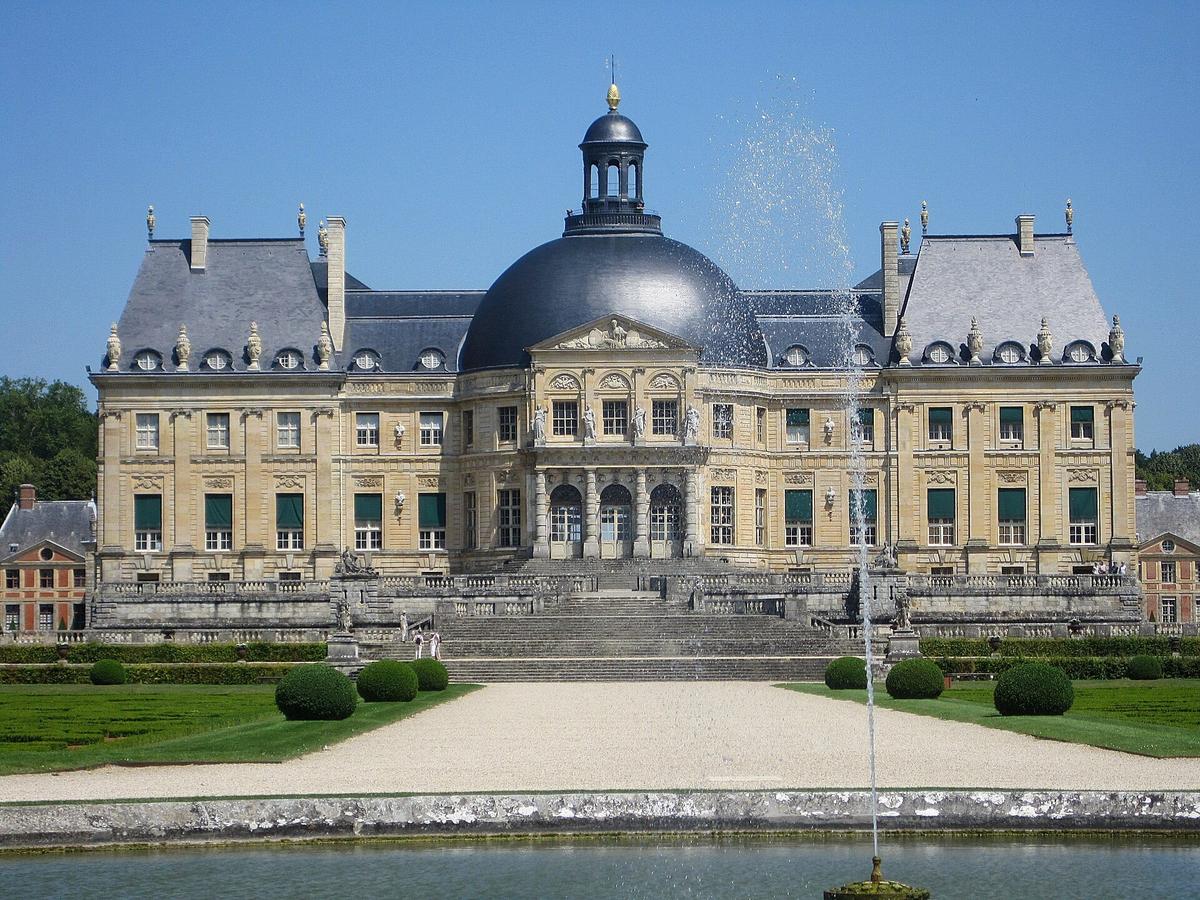
On 17 August 1661, La Fontaine attended the party Fouquet gave for Louis XIV, and described it in a letter to his friend Maucroix. Three weeks later, Fouquet was arrested. While the minister's former protégés kept quiet, La Fontaine published the Elegy to the Nymphs of Vaux, which begs the king for mercy: “Weep, nymphs of Vaux…” (“Pleurez, nymphes de Vaux…”). He never disowned his patron.
What to see: at Vaux-le-Vicomte, the château and gardens La Fontaine described in The Dream of Vaux, and the Grand Salon where Fouquet received his writers.
Versailles, from the Grotto of Thetis to the Labyrinth
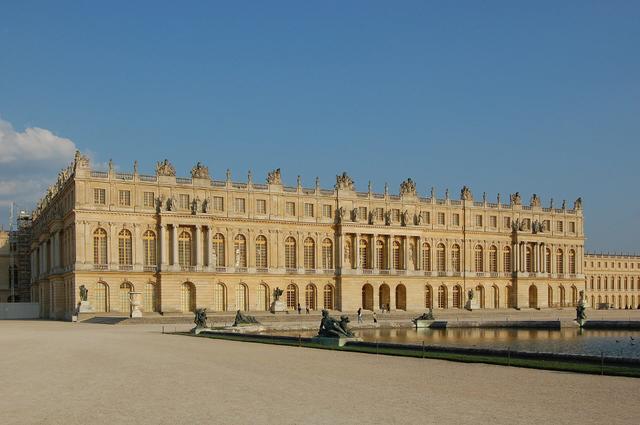
In 1669, La Fontaine published The Loves of Psyche and Cupid. In it, four friends stroll through the early Versailles, and the poet describes in detail things you can no longer see today: the Grotto of Thetis, with its gilded gates, its water organ and the hidden jets that soaked visitors, the Menagerie, the first Orangery. See also: Palace of Versailles
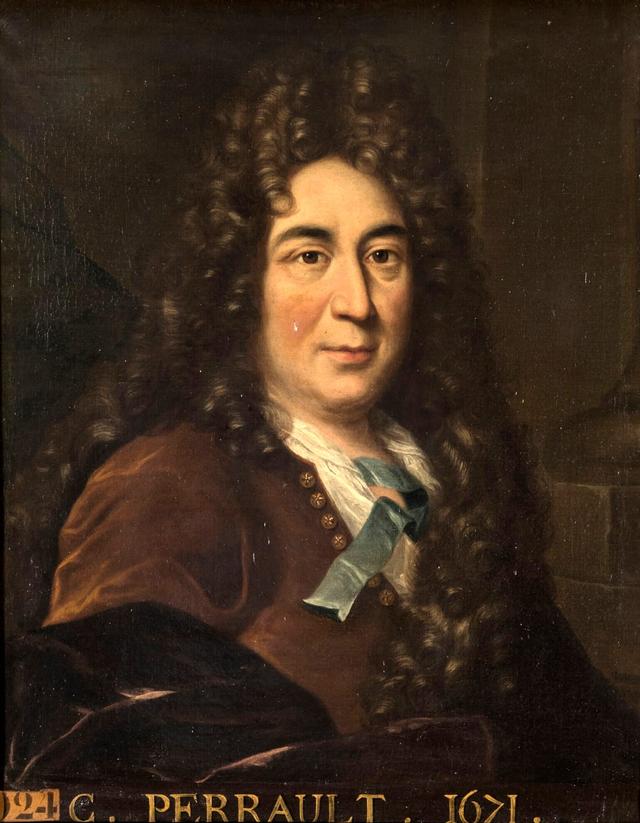
His Fables appeared from 1668. They borrow from Aesop and Phaedrus, then, in the second collection, from the Indian sage Pilpay. A few years later, Le Nôtre and Charles Perrault created the Labyrinth grove at Versailles, decorated with thirty-nine fountains, each showing one of Aesop's fables with animals in painted lead. See also: Charles Perrault, André Le Nôtre
What to see: at Versailles, Le Nôtre's gardens and the Queen's Grove, laid out on the site of the Labyrinth. The palace still holds a few sculptures from the old labyrinth.
The Académie and the last years
La Fontaine lived for about twenty years with Madame de La Sablière, a witty woman who gave him a home in Paris. In 1684, he entered the Académie française, despite the king's reluctance; Louis XIV finally said: “He has promised to behave.” (“Il a promis d'être sage.”) He died in Paris in 1695. His remains were moved to Père Lachaise Cemetery.
In his footsteps: Vaux-le-Vicomte and Versailles
Vaux-le-Vicomte is 50 km from Paris, by train to Melun and then a shuttle. Versailles is a ten-minute walk from the RER C station Versailles Château Rive Gauche. In Château-Thierry, in the Aisne, the house where he was born is now a museum.
Partner links: if you book through these links, we earn a commission at no extra cost to you. Partner links · Learn more
FAQ
Who were La Fontaine's patrons?
First Nicolas Fouquet, who paid him a pension from 1659. After the minister's fall, the Duchess of Bouillon, then Madame de La Sablière, with whom he lived for about twenty years.
What is the link between La Fontaine and Vaux-le-Vicomte?
He was Superintendent Fouquet's poet there, began The Dream of Vaux for him and attended the 1661 party. After Fouquet's arrest, he wrote the Elegy to the Nymphs of Vaux.
Are there fables in the gardens of Versailles?
There used to be: the Labyrinth grove, created in the 1670s, had thirty-nine fountains illustrating Aesop's fables. It was destroyed under Louis XVI.
When were La Fontaine's Fables published?
The first collection in 1668, the second in 1678-1679, and a final book shortly before his death.
Where was La Fontaine born?
In Château-Thierry, in the Aisne, on 8 July 1621. The house where he was born is now a museum.
Sources: fr.wikipedia.org (Jean de La Fontaine)
Tickets to book online
Partner links: if you book through these links, we earn a commission at no extra cost to you. Partner links · Learn more
Places to visit
Related guides