Versailles or Fontainebleau: which one should you choose?
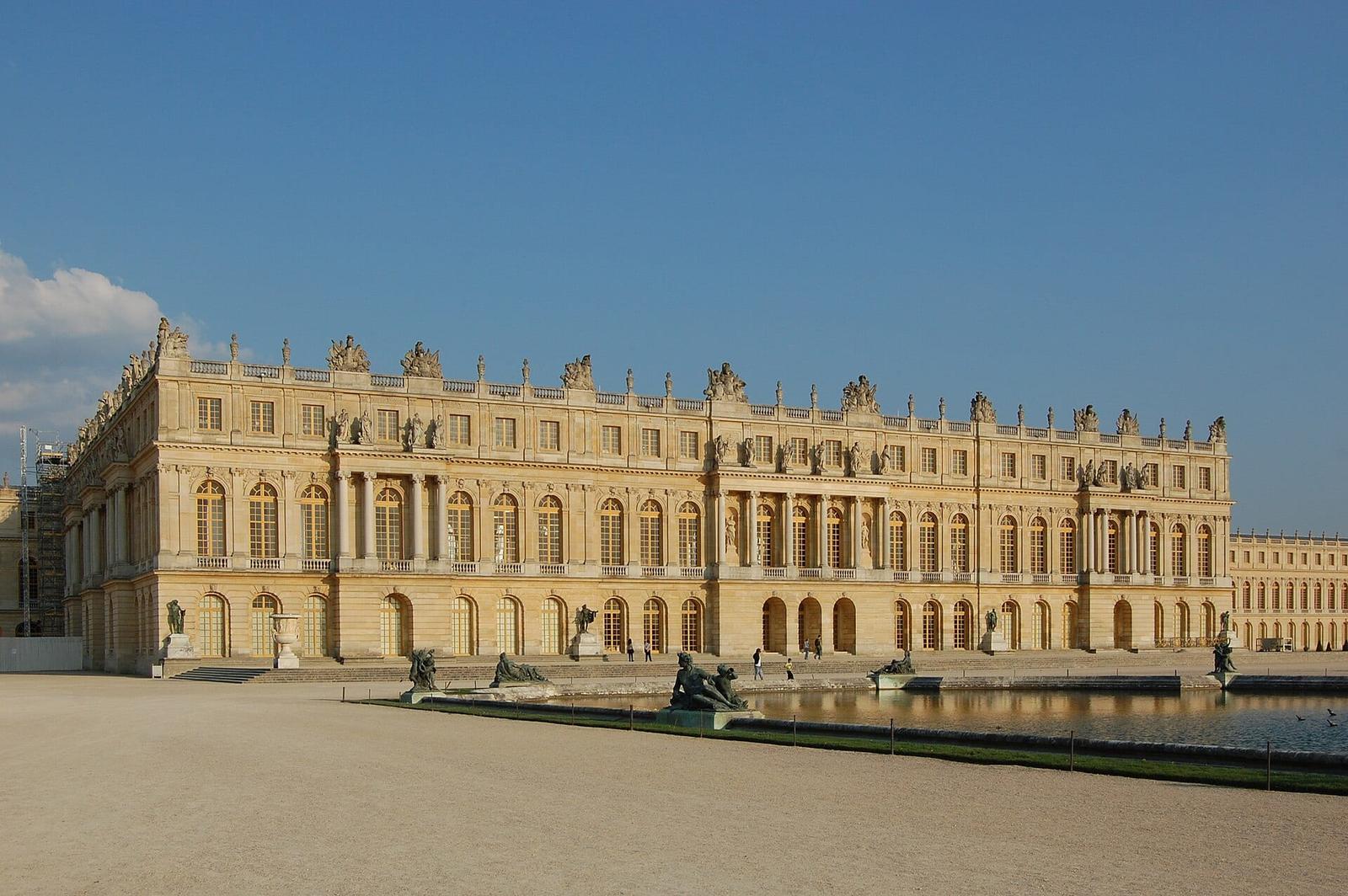
Versailles is Louis XIV's palace, huge and very crowded; Fontainebleau is the palace of eight centuries of kings and of Napoleon, half the price and far calmer. Both are less than an hour from Paris by train. Here is how to choose according to your budget, your time, your children and what you want to see.
The short answer
- For the Hall of Mirrors, Louis XIV and formal French gardens: Versailles. It is the most spectacular, but also the most expensive and the most crowded.
- For a calm, cheaper and more varied visit: Fontainebleau. Francis I's Renaissance, Napoleon's Throne Room, and a forest at the end of the park.
- For Napoleon: Fontainebleau, no question. He abdicated there and said farewell to his Guard.
- Without a car: both are easy by train from Paris with a single Metro-Train-RER ticket.
- Both on the same day: possible by car, but exhausting. Better to pair Fontainebleau with Vaux-le-Vicomte.
Versailles and Fontainebleau at a glance
| Versailles | Fontainebleau | |
|---|---|---|
| Adult ticket | €32 (EU/EEA residents) or €35 (non-EU), April to October; €22 or €25 in winter | €17 for everyone |
| Under 18 | free | free |
| Gardens | free, except on show days (€15) | free all year |
| Time needed | a full day for the estate | half a day, plus the forest |
| Closed on | Monday | Tuesday |
| Train from Paris | RER C, about 40 min | Line R, about 40 min, then a bus |
| Visitors | 8,400,000 in 2025 | 580,000 at the palace in 2024 |
Official prices checked on both palaces' websites. A train ticket costs €2.55 one way (Île-de-France Mobilités 2026 fare, checked on 11 November 2026).
How much do Versailles and Fontainebleau cost?
At Versailles, there is no longer a "palace only" ticket. The only ticket that gets you into the palace is the Passport, which also includes the Trianon estate. From April to October it costs €32 for residents of the European Economic Area and €35 for everyone else, including visitors from the UK, the US, Canada and Australia. From November to March, it drops to €22 and €25. A timed slot is required for the palace, even with a free ticket.
At Fontainebleau, the €17 ticket covers the State Apartments and the Napoleon I Museum. The price is the same whatever your nationality. The audio guide costs €4, and the last-hour ticket drops to €13.
At both palaces, under-18s and EU/EEA residents under 26 get in free. A European family with two children therefore only pays for two adult tickets. Non-EU visitors aged 18 to 25 pay the full price.
Money-saving tips:
- Versailles late in the day: the Passport drops to €25 (EU/EEA residents) from 4 pm in summer, and to €15 from 3 pm in winter.
- First Sunday of the month: free at Versailles from December to March, free at Fontainebleau all year except July and August. Expect crowds.
- The next free Sunday at Versailles is 6 December 2026.
What you come to see: Louis XIV versus eight centuries of kings
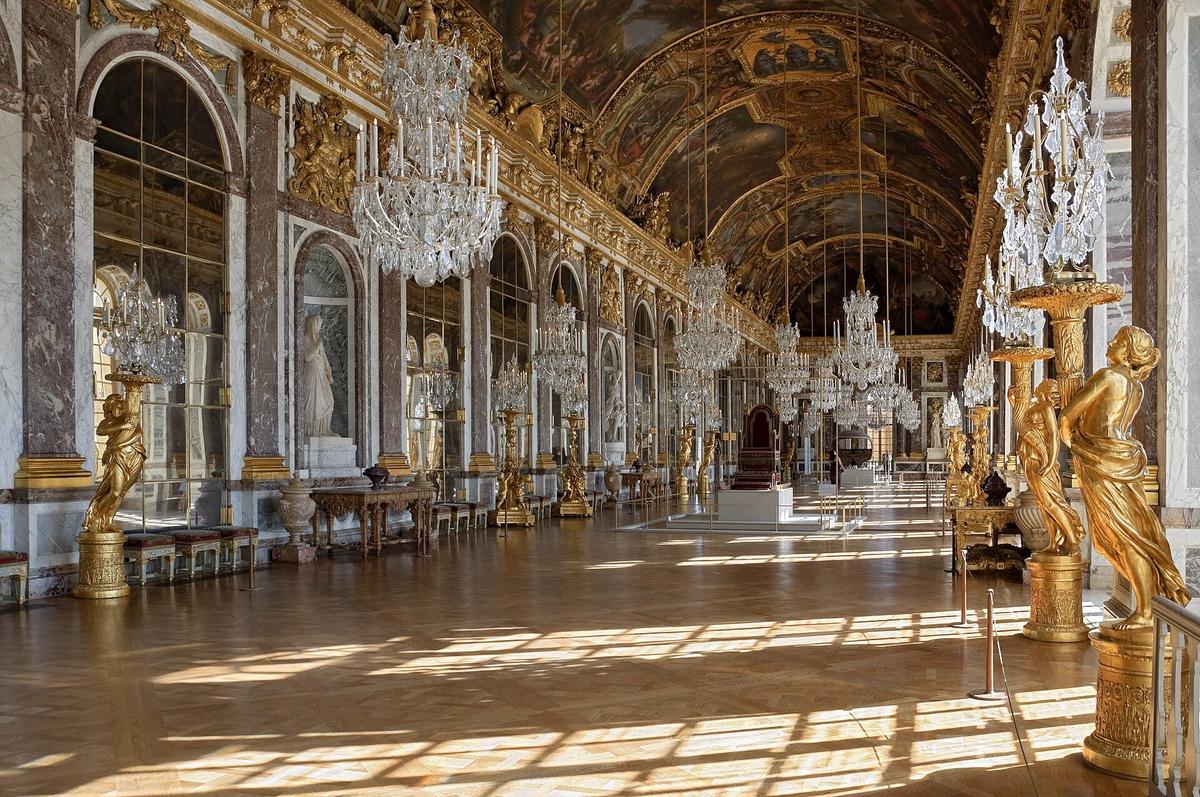
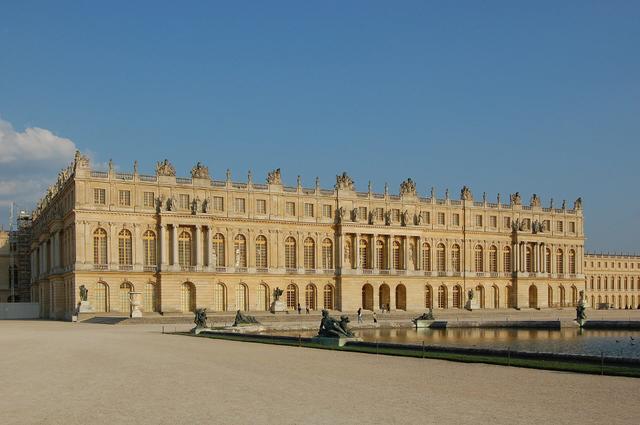
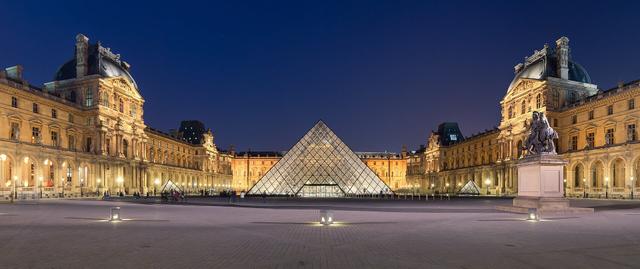
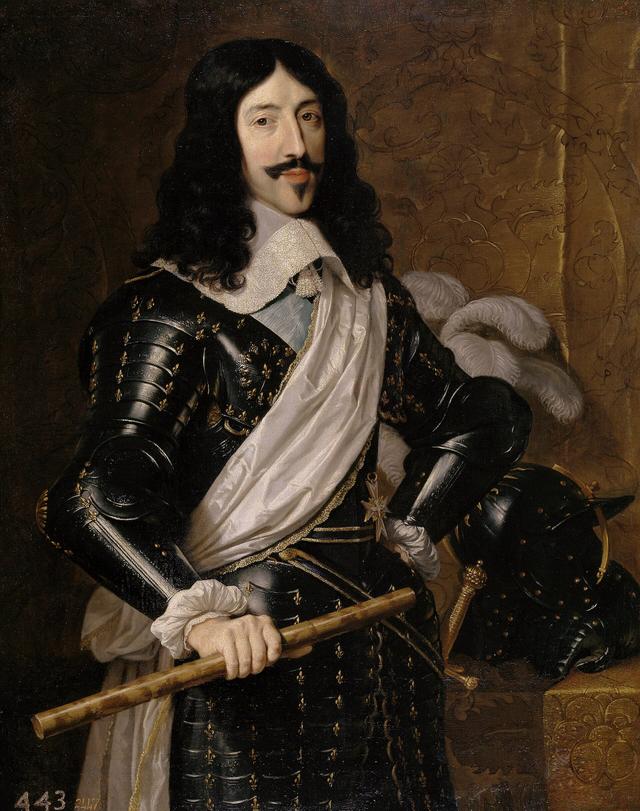
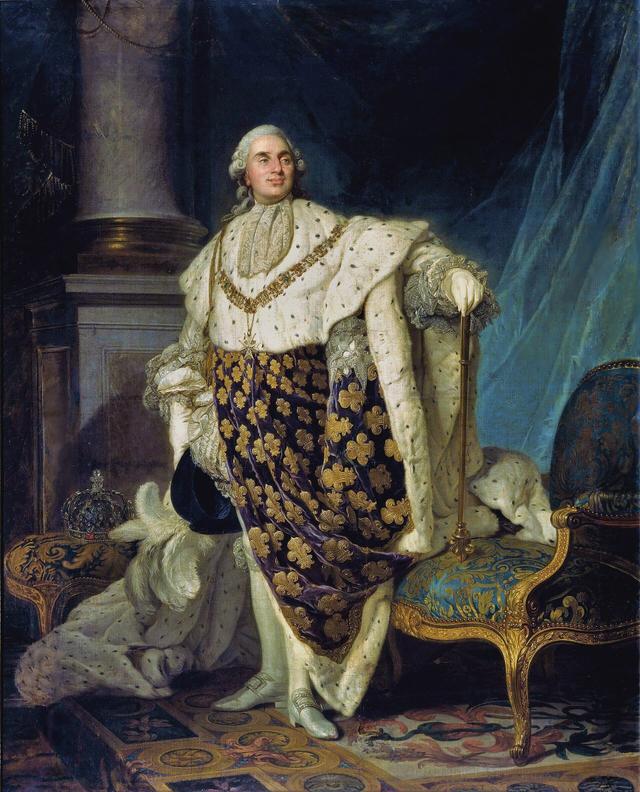
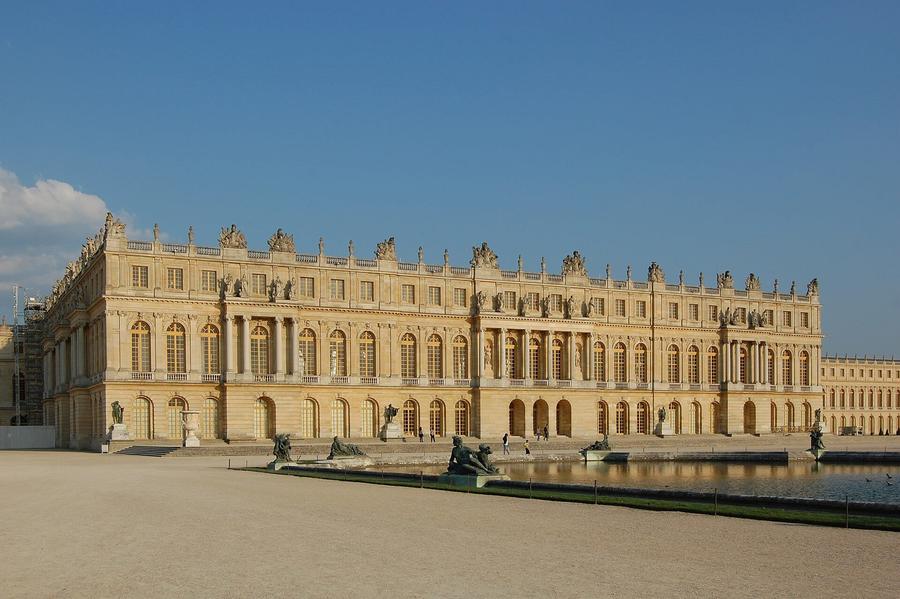
Versailles is the work of a single reign, or nearly. Louis XIII had a hunting lodge built there in 1623. His son Louis XIV turned it into a palace and moved the court and government there in 1682. Everything is designed to show off the king: the bedchamber at the centre of the palace, the axis of the Grand Canal, the Hall of Mirrors, 73 metres long and lined with 357 mirrors. It was in this hall that the German Empire was proclaimed in 1871 and the Treaty of Versailles was signed on 28 June 1919.
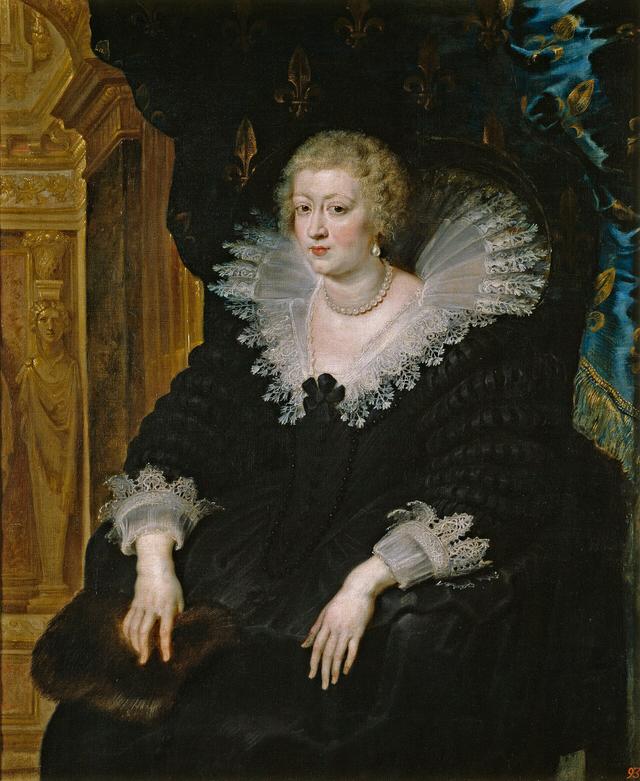
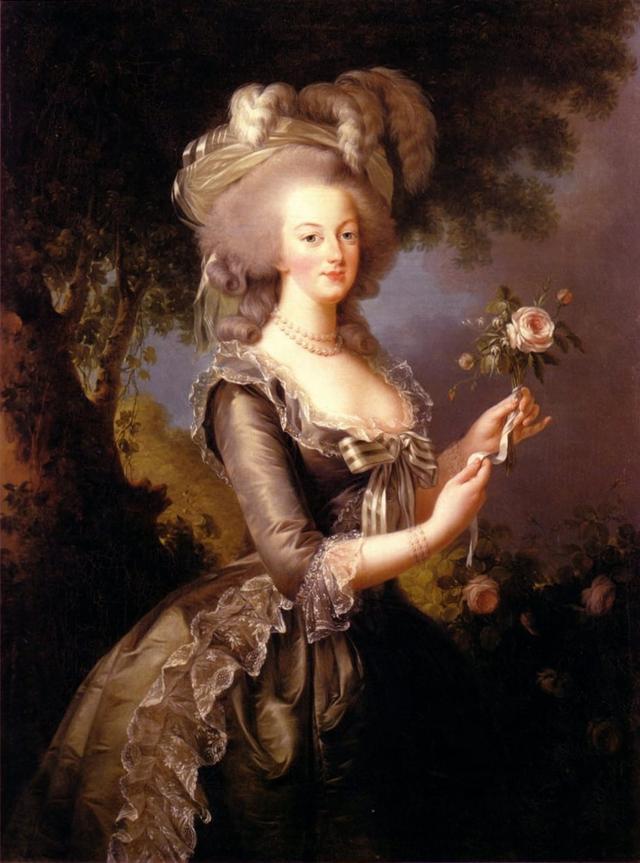
The other face of Versailles is Marie Antoinette. Louis XVI gave her the Petit Trianon in 1774, and between 1783 and 1787 she had a hamlet of thatched cottages built there, to escape the etiquette of the palace. She left Versailles on 6 October 1789, forced back to Paris, and never returned. The Trianon estate is included in the Passport: save it for the afternoon, as it opens at 12 pm.
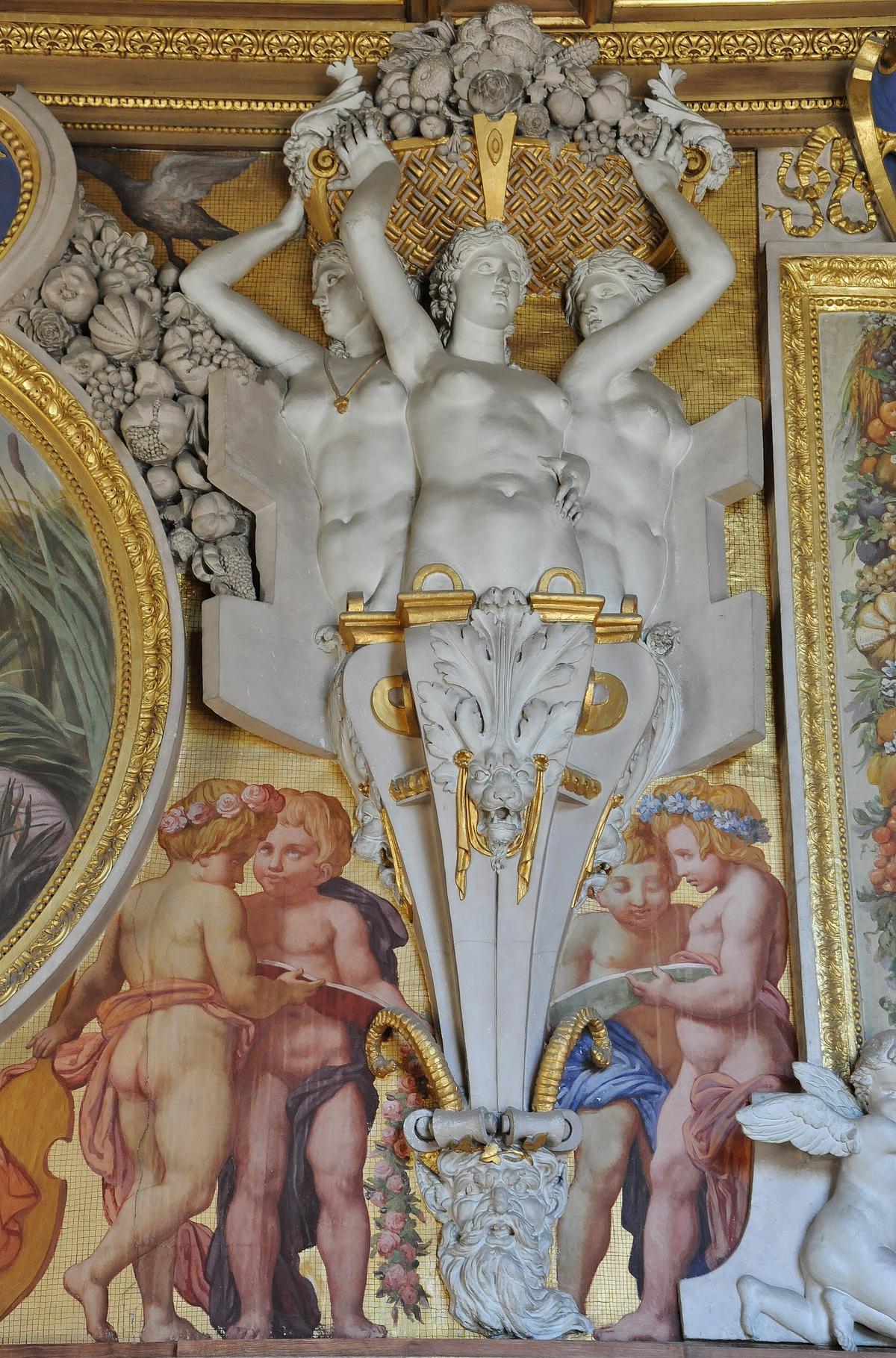
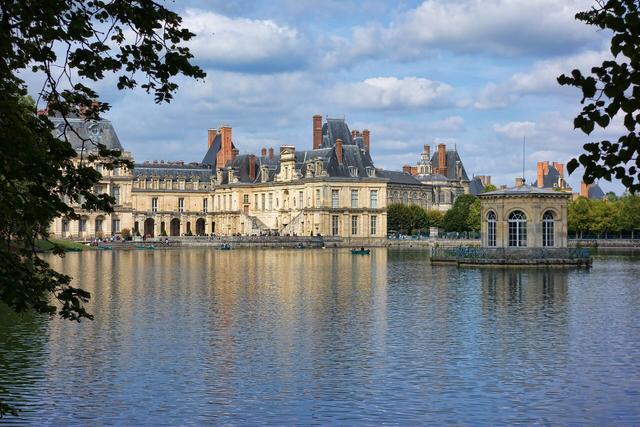
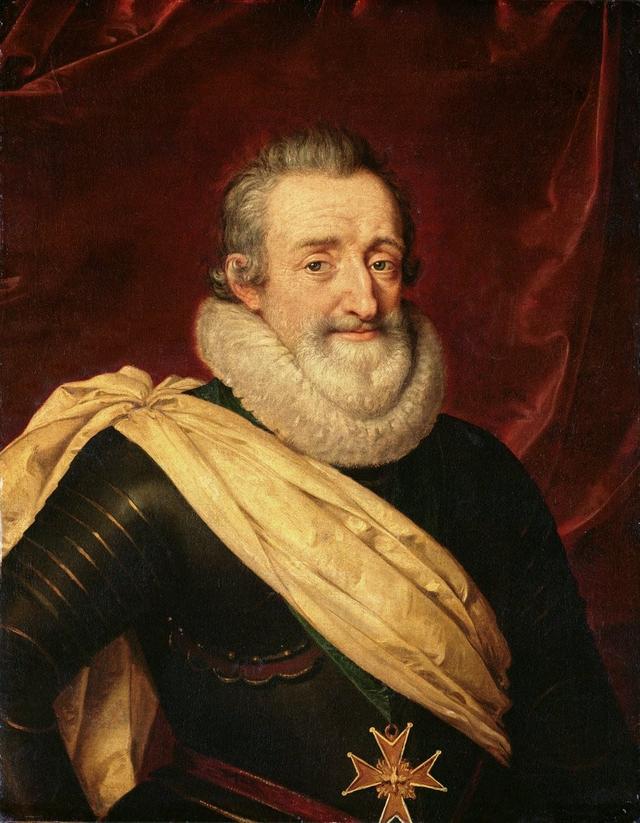
Fontainebleau tells a much longer story. Kings stayed there from the Middle Ages, and Philip the Fair was born and died there. Francis I transformed the old castle from 1528 and brought in Italian artists: the Francis I Gallery, with its frescoes and stucco work, is the finest room of the visit. Henry IV, Louis XIII (born at the palace), Louis XIV, Louis XV and Louis XVI all lived or hunted there. Marie Antoinette had her boudoirs there, including the Turkish Boudoir, open on guided tours.
Two stories you will hear on the spot. On 10 November 1657, the former Queen Christina of Sweden, a guest of Louis XIV, had her equerry Monaldeschi executed for treason in the Galerie des Cerfs, in front of her. And it was at Fontainebleau, in 1685, that Louis XIV signed the edict revoking the Edict of Nantes.
In short: at Versailles you see one king and his age; at Fontainebleau, a succession of reigns, from the Renaissance to the Second Empire.
Napoleon: why Fontainebleau is the place to go
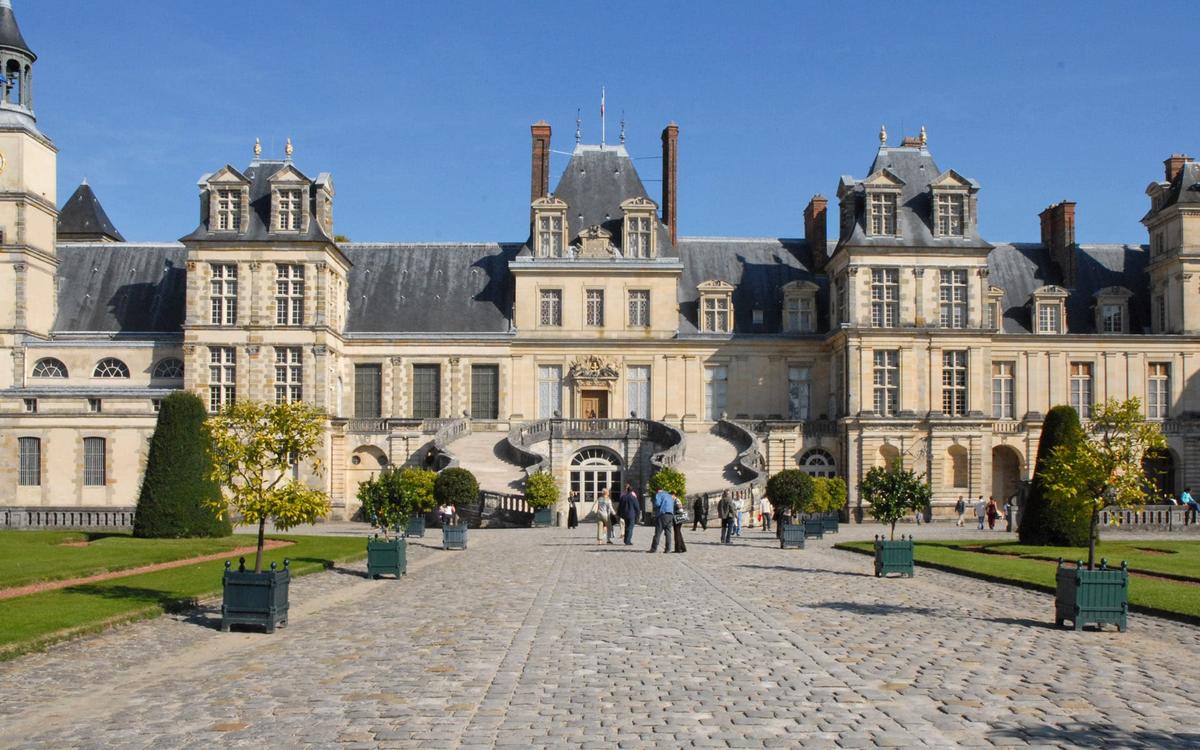
If Napoleon interests you, there is no choice to make. He left little mark on Versailles; Fontainebleau he lived in, furnished and loved. In 1804, to receive Pope Pius VII, who had come to crown him, he had a palace emptied by the Revolution refurnished in 19 days. The same Pius VII was held prisoner there from 19 June 1812 to January 1814.
At the palace, you will see:
- The Throne Room, fitted out in 1808, the only Napoleonic throne room preserved in its original state.
- The Napoleon I Museum, included in the ticket, with a bicorne hat, a frock coat and the coronation sword.
- The private apartments, including the Emperor's private library.
- The Cour des Adieux and the horseshoe staircase.
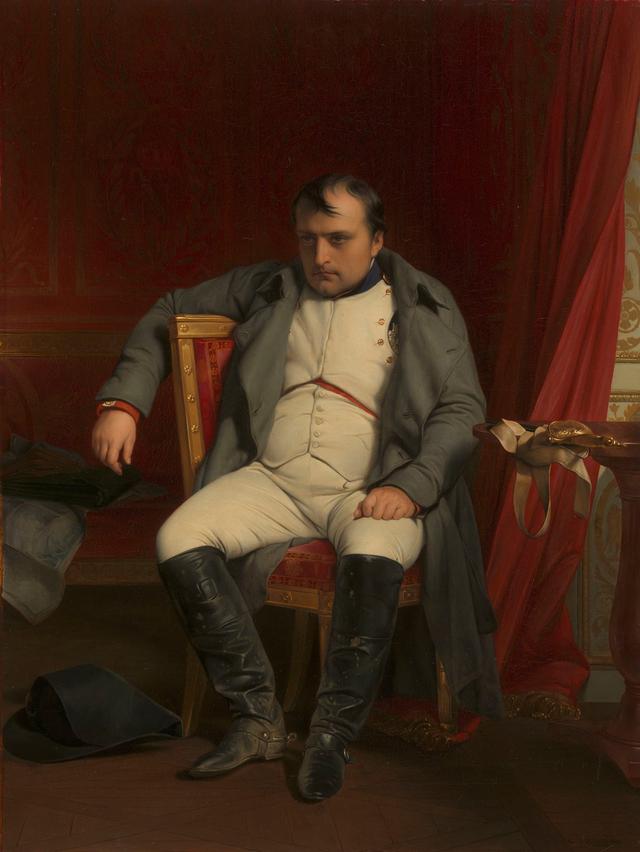
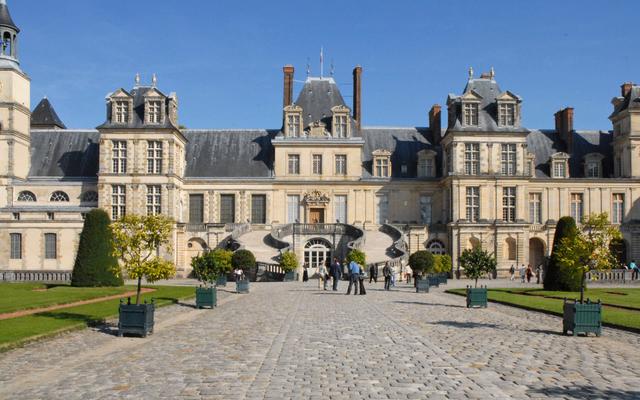
This is where it all came to a head in spring 1814. On 4 April, Napoleon abdicated in favour of his son; on 6 April, he gave up the throne for himself and his family. On the night of 12 to 13 April, he tried to poison himself in his bedroom. On 20 April, he walked down the horseshoe staircase and said farewell to the Old Guard in the courtyard that has borne the name ever since, before leaving for Elba. On St Helena, he described Fontainebleau as "the true home of kings, the house of the centuries".
How long to spend at each palace
Versailles needs a full day. The palace alone takes 2 to 3 hours, often more with the queues. The official website suggests this order: the palace from 9 am, the gardens in the late morning, then Trianon and Marie Antoinette's estate from 12 pm to 4.30 pm. The park is so large that the little train, rental bikes or rowing boats on the Grand Canal save a lot of time.
Fontainebleau takes half a day. Allow 2 to 3 hours for the State Apartments and the Napoleon Museum, then an hour for the gardens and the Carp Pond. If you stay all day, the forest starts a few minutes from the palace. See also: Things to do in Fontainebleau
Crowds: what to expect
This is the big difference. Versailles gets more than ten times as many visitors as the Palace of Fontainebleau. In the Hall of Mirrors in the middle of the day, you shuffle along. The palace itself says that Tuesdays and weekends are the busiest days; it is closed on Mondays.
At Fontainebleau, even in summer, you visit at your own pace. There are enough rooms for the crowds to thin out, and you rarely queue to get in.
Our tips:
- At Versailles, arrive before 9 am with a dated ticket, see the palace first, then head to the gardens. Avoid Tuesdays.
- On Mondays, Versailles is closed: a good day for Fontainebleau.
- On Tuesdays, it is the other way round: Fontainebleau is closed.
How to get to Versailles and Fontainebleau by train from Paris
Since 2025, a single Metro-Train-RER ticket takes you anywhere in the Île-de-France region (except the airports). It costs €2.55 one way in 2026; the Navigo Jour day pass, at €12.30, covers the whole region and the buses (Île-de-France Mobilités fares checked on 11 November 2026).
For Versailles, take the RER C to Versailles Château Rive Gauche, 10 minutes' walk from the palace. From central Paris, allow about 40 minutes. Other options: trains from Montparnasse to Versailles Chantiers (18 minutes' walk) or from Saint-Lazare to Versailles Rive Droite (17 minutes' walk). The RER C often has engineering works in summer: check the Île-de-France Mobilités app the day before.
For Fontainebleau, take a Line R train from Paris-Gare de Lyon to Fontainebleau-Avon, about 40 minutes, usually with two trains an hour during the day. Outside the station, bus 3401 towards Les Lilas drops you at the "Château" stop in about a quarter of an hour. Note that the bus needs a separate Bus-Tram ticket (€2.05) if you do not have a pass.
By car, Fontainebleau is reached on the A6 (about 60 km). For Versailles, the Saint-Cloud tunnel on the A13 is closed for works from 16 November 2026 to 31 August 2027: the train is a safer bet during that period.
With children
Both palaces are free for under-18s, so price does not decide it.
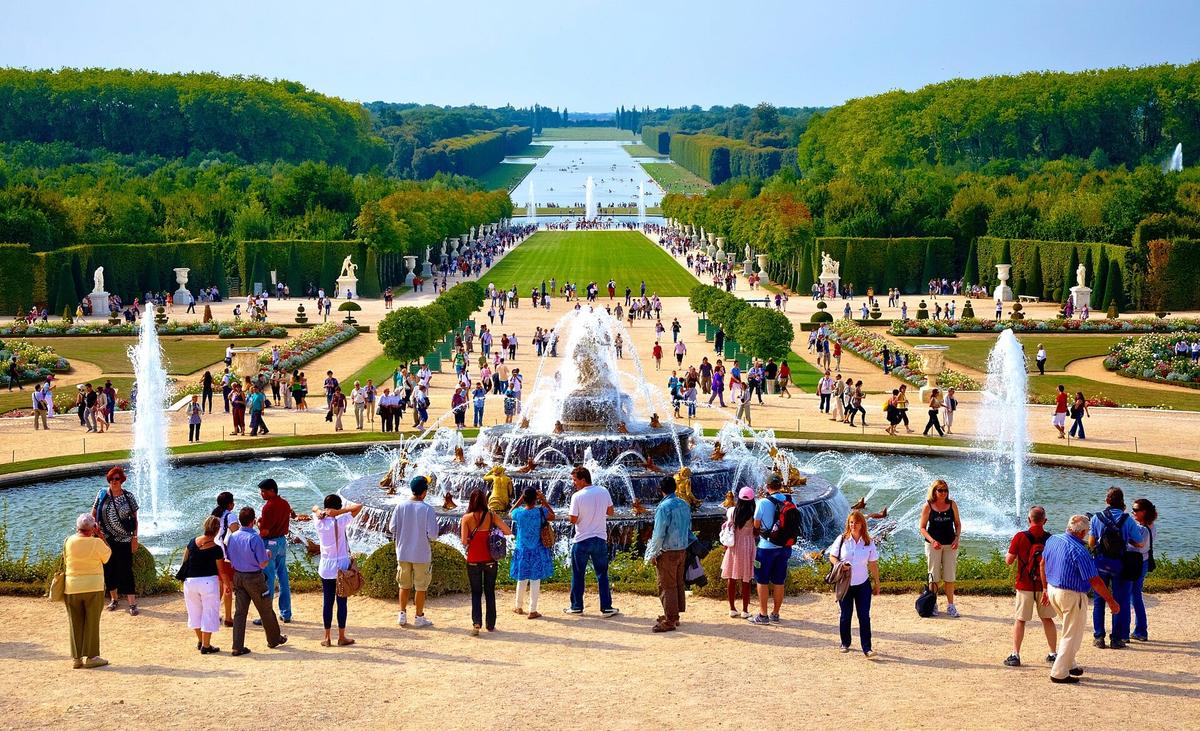
Versailles quickly tires young children: queues, crowds, rooms you walk through without stopping. The park makes up for it all: boats on the Grand Canal, bikes, the little train, and the fountains that play to music on Musical Fountains Show days, from April to October. The Queen's Hamlet, with its farm and animals, is a big hit.
Fontainebleau is easier with children: fewer people, a shorter visit and free gardens where they can run around. The Carp Pond, its big fish and the boats you can hire there in season often make the best memory of the day. With teenagers, the Throne Room and Napoleon's farewell speak to those who have studied the Empire at school.
With children under 8, choose Fontainebleau, or the gardens of Versailles without the palace. See also: Things to do in Versailles
Choose Versailles if... choose Fontainebleau if...
Choose Versailles if:
- it is your first trip to France and you want to see the Hall of Mirrors;
- Louis XIV and Marie Antoinette interest you more than Napoleon;
- you have a whole day and feel like walking in a very large park;
- you are coming between April and October for the Musical Fountains.
Choose Fontainebleau if:
- you hate crowds and queues;
- you want to see Napoleon, the Cour des Adieux and the Throne Room;
- you live outside Europe and are watching your budget (€17 against €35);
- you love the Renaissance and the art of Francis I;
- you want to end the day in the forest.
Our verdict: for a first visit, Versailles is still the one to do, as long as you go early and not on a Tuesday. If you already know Versailles, or if crowds spoil a visit for you, Fontainebleau is the best palace in the Paris region for the time and money it asks.
Where to buy tickets
For Versailles, buy your Passport online in advance: the palace time slot is compulsory, and the best times (9 am, 9.30 am) go fast in summer. A ticket with a guided tour lets you skip the longest entrance queue.
Partner links: if you book through these links, we earn a commission at no extra cost to you. Partner links · Learn more
At Fontainebleau, you can usually buy on the spot without waiting, but an online ticket saves you the ticket office queue on first Sundays and in July and August.
Can you visit Versailles and Fontainebleau on the same day?
Technically yes, by car: the two palaces are 75 km apart, about 75 minutes' drive without traffic. By train, you have to go back through Paris and change stations: allow nearly two hours between the two.
In practice, it is a bad idea. Versailles already fills a day, and you would only half see both palaces. Our advice:
- One day at Versailles, the palace in the morning, Trianon in the afternoon.
- Another day at Fontainebleau, with Vaux-le-Vicomte 25 km away, about 30 minutes' drive.
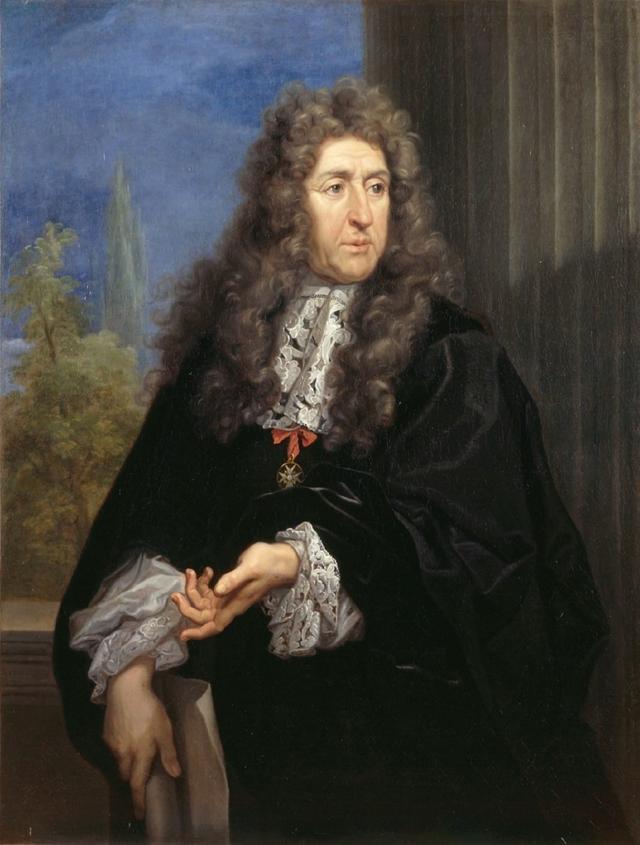
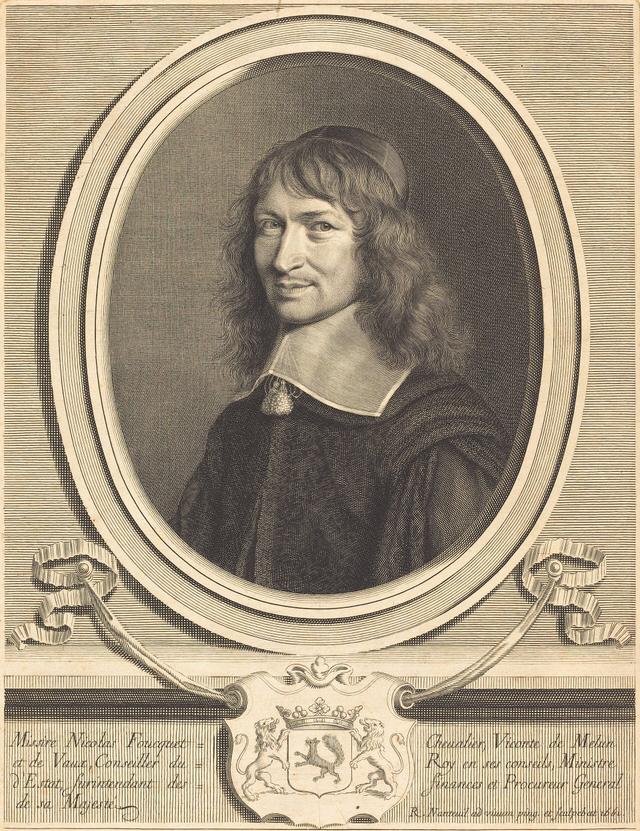
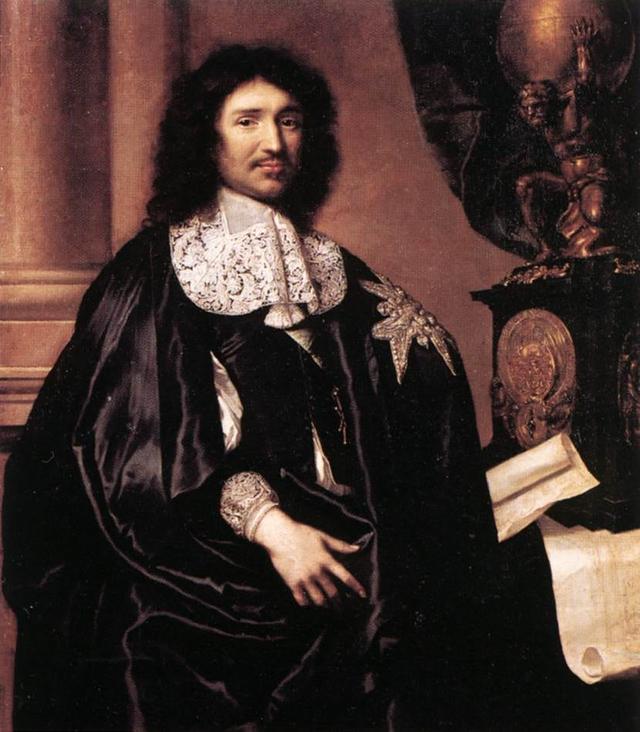
This second pairing makes sense. On 17 August 1661, the finance minister Fouquet entertained Louis XIV at Vaux with a famous party; on 5 September, he was arrested. The king then took on the architect Le Vau, the painter Le Brun and the gardener Le Nôtre to build Versailles. Vaux is the rough draft of Versailles, and you can visit it for €18. Check the dates: the main season ends in early November and the château reopens for Christmas.
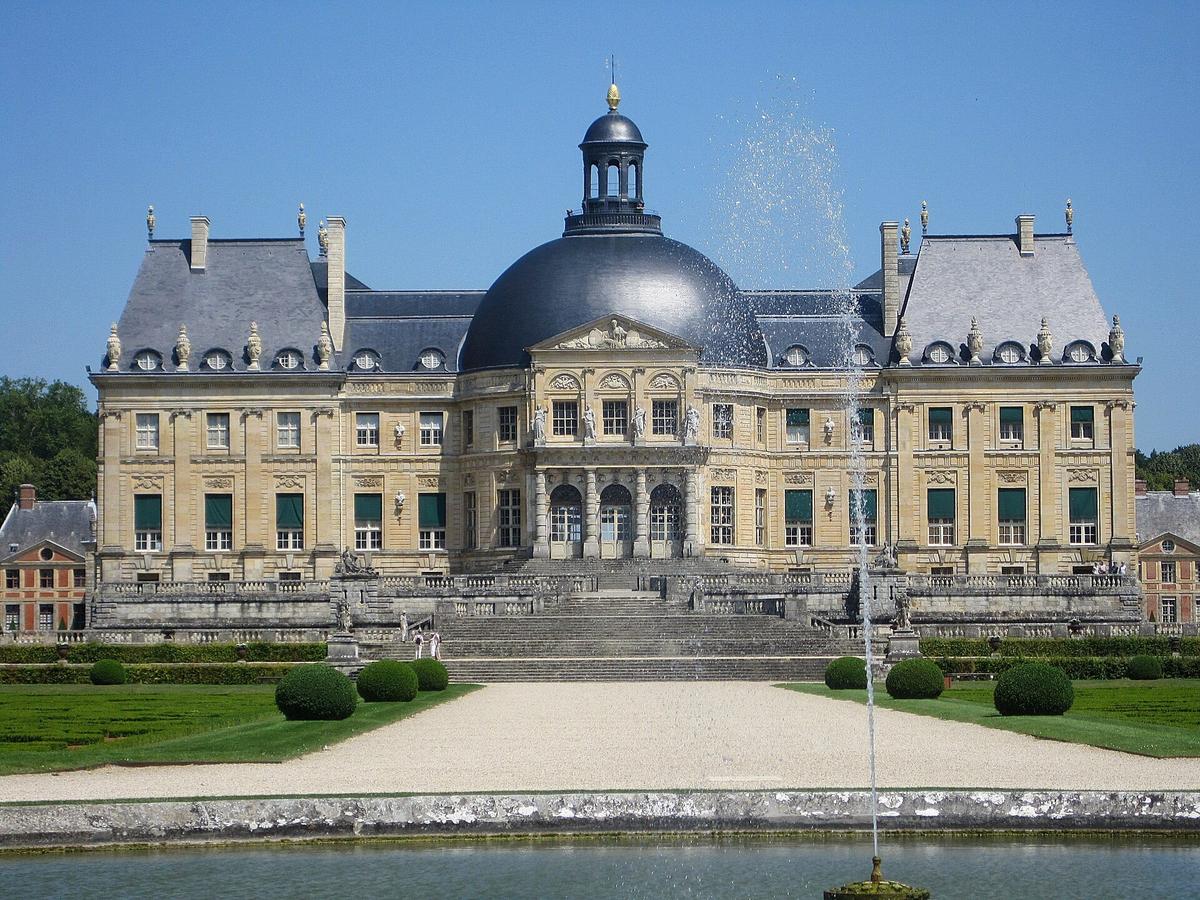
Without a car, Vaux is reached from Melun station (Line R) with the Châteaubus shuttle, which you book online, or by taxi. With a car rented in Paris, Fontainebleau and Vaux are easy to combine.
Where to stay
If you want to see both châteaux in Seine-et-Marne, stay in Fontainebleau. The town centre is a few minutes' walk from the palace, so you can be there at opening time before heading on to Vaux-le-Vicomte.
Places to stay near Fontainebleau
For Versailles, staying there is only useful if you want to be at the gates at 9 am or see the Night Fountains Show in summer. Otherwise, a Paris hotel near an RER C station is enough.
See also: Palace of Versailles, Palace of Fontainebleau, Vaux-le-Vicomte, Île-de-France, Louis XIV, Napoleon, Francis I, Marie Antoinette
FAQ
Which is more beautiful, Versailles or Fontainebleau?
Versailles is the grander, with the Hall of Mirrors and its gardens. Fontainebleau has more varied interiors, from the Renaissance to the Second Empire, and you visit it in far better conditions.
Which is cheaper?
Fontainebleau: €17 for everyone, against €32 to €35 for Versailles from April to October. Both are free for under-18s and for EU/EEA residents under 26.
Where did Napoleon say farewell to his Guard?
At Fontainebleau, in the Cour du Cheval-Blanc, now the Cour des Adieux, on 20 April 1814, at the foot of the horseshoe staircase.
How far is Versailles from Fontainebleau?
75 km, about 75 minutes by car. By train, you have to go back through Paris.
Which day should you avoid?
At Versailles, Tuesdays and weekends, and Mondays since it is closed. Fontainebleau is closed on Tuesdays.
Do you need to book?
At Versailles, yes: a timed slot is required for the palace, even for free entry. At Fontainebleau, it is only advisable in summer and on the first Sunday of the month.
Tickets to book online
Partner links: if you book through these links, we earn a commission at no extra cost to you. Partner links · Learn more
Monuments in this article
Related guides