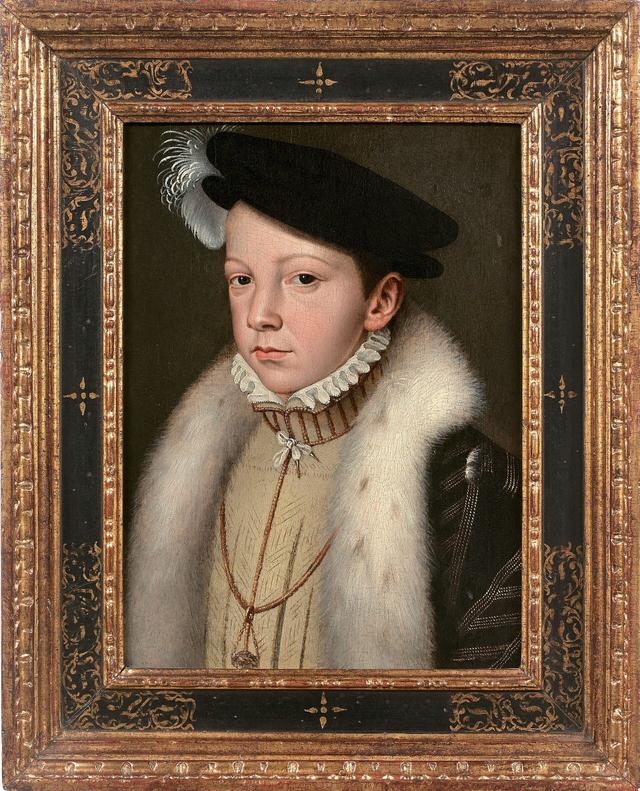
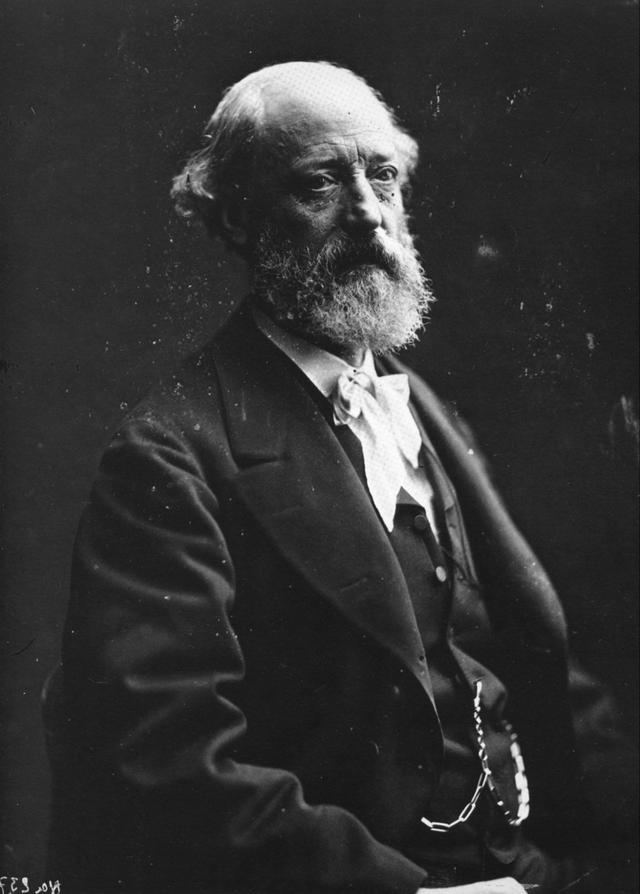
Charles IX, the king of the St Bartholomew's Day massacre
- Born
- 27 June 1550
- Died
- 30 May 1574
- Reign
- 1560 – 1574
- Family
- Valois-Angoulême
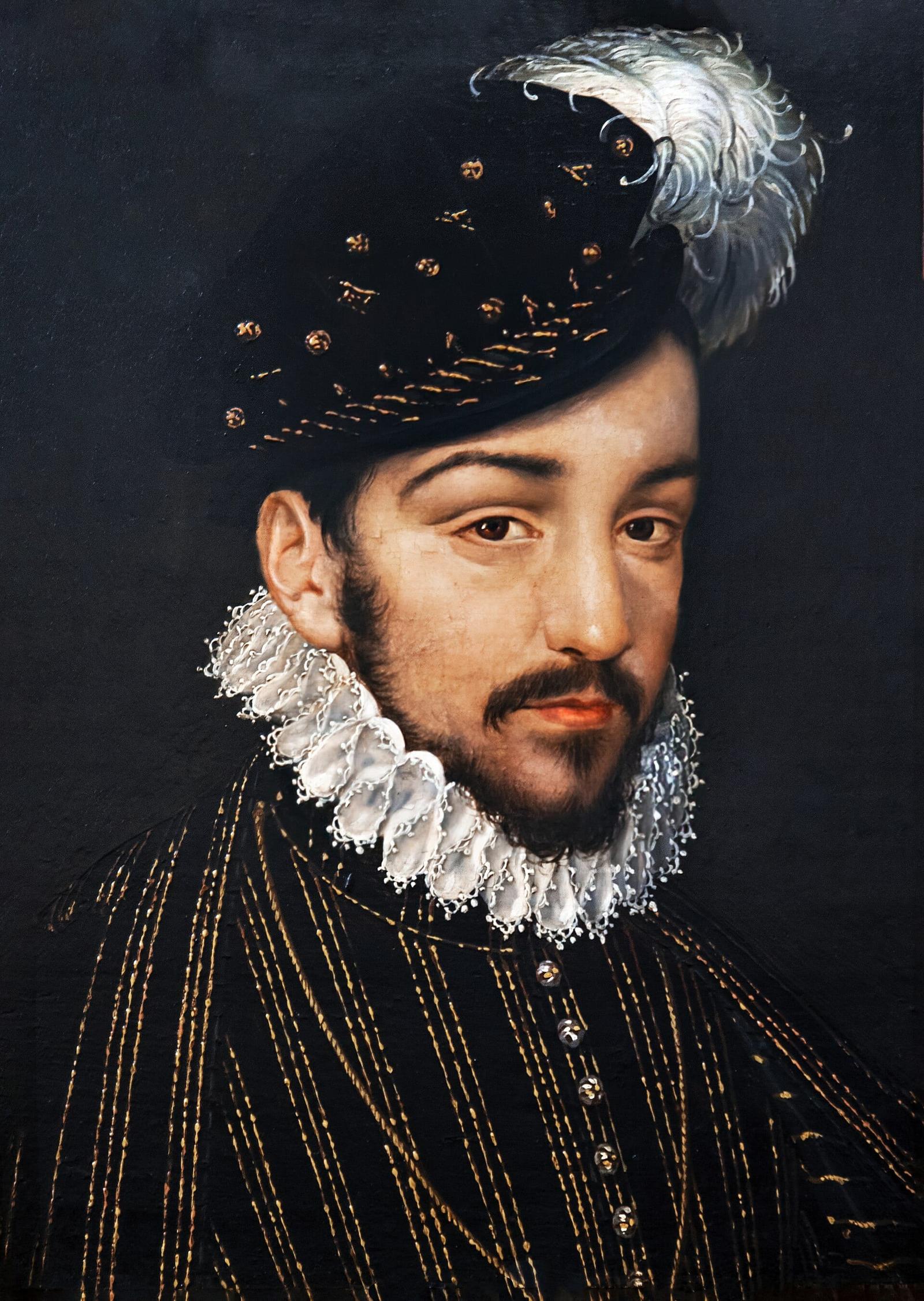
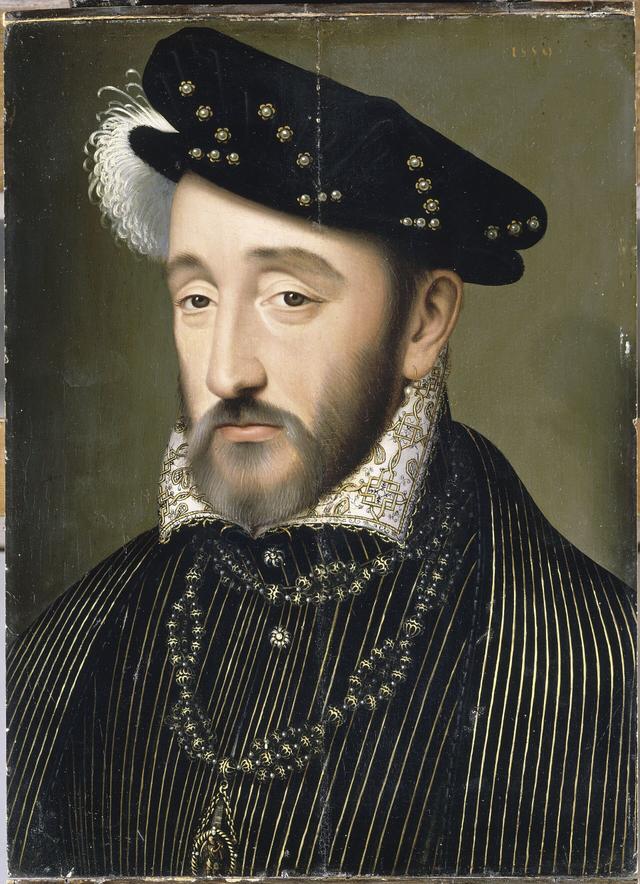
King at ten under the guardianship of his mother, Catherine de' Medici, Charles IX spent his reign in the middle of the Wars of Religion. He toured France for two years to show himself to his subjects, loved hunting and Ronsard's poetry, then let the St Bartholomew's Day massacre happen in August 1572. He died two years later, aged twenty-three.
Charles IX in dates
| Date | Event |
|---|---|
| 27 June 1550 | Born at the Château de Saint-Germain-en-Laye |
| 5 December 1560 | Becomes king when his brother Francis II dies |
| 15 May 1561 | Crowned at Reims |
| March 1562 | Massacre of Wassy: the Wars of Religion begin |
| 19 March 1563 | Edict of Amboise, ending the first war |
| August 1563 | Declared of age, at thirteen |
| March 1564 | Sets off from Fontainebleau on the grand tour of France |
| 26 November 1570 | Marries Elisabeth of Austria |
| 18 August 1572 | His sister Marguerite marries Henry of Navarre |
| 24 August 1572 | St Bartholomew's Day massacre in Paris |
| 30 May 1574 | Dies at the Château de Vincennes, aged twenty-three |
A ten-year-old king
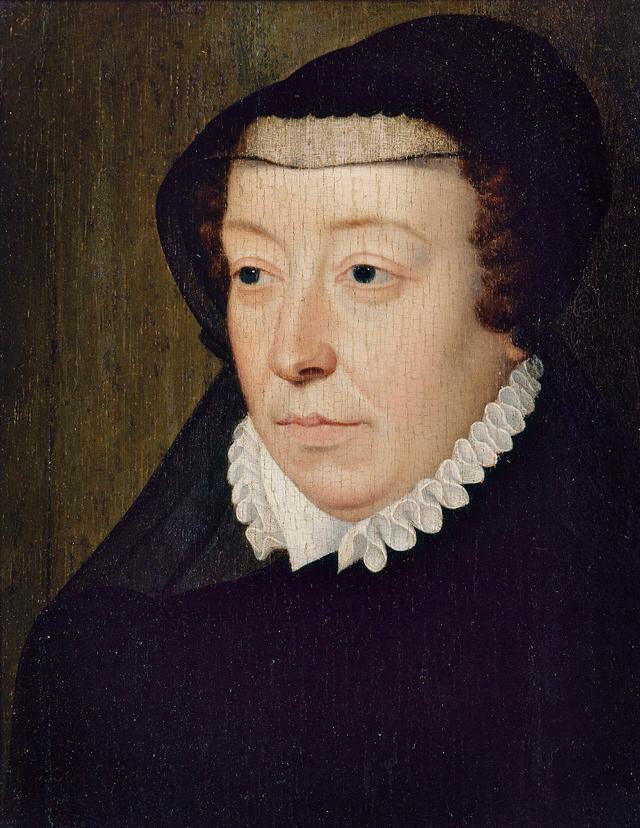
Charles was the third son of Henry II and Catherine de' Medici. He was born at the Château de Saint-Germain-en-Laye on 27 June 1550. No one expected him to reign. But his elder brother, Francis II, died on 5 December 1560 after seventeen months on the throne. Charles was ten. His mother became regent and would govern in his place for a long time. See also: Francis II, Catherine de' Medici, Henry II of France
The coronation at Reims
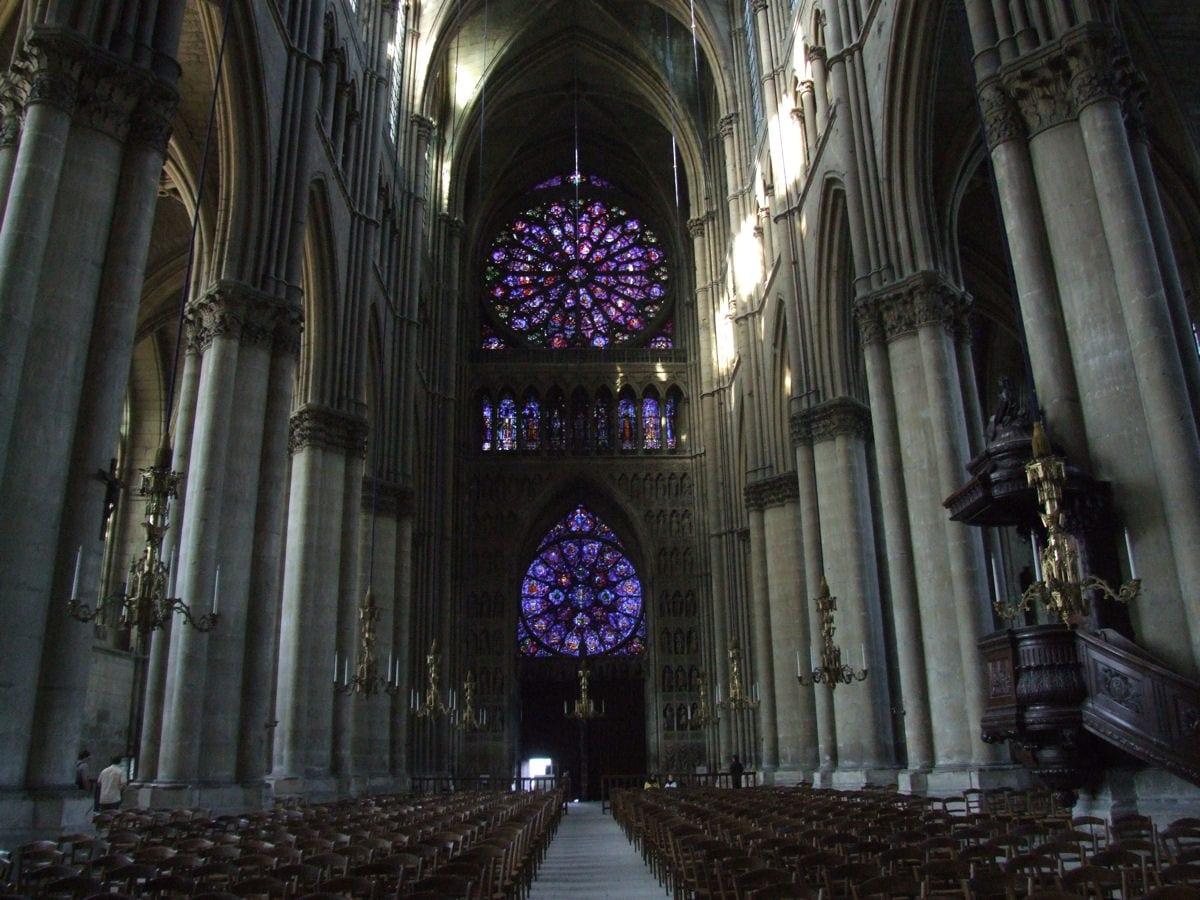
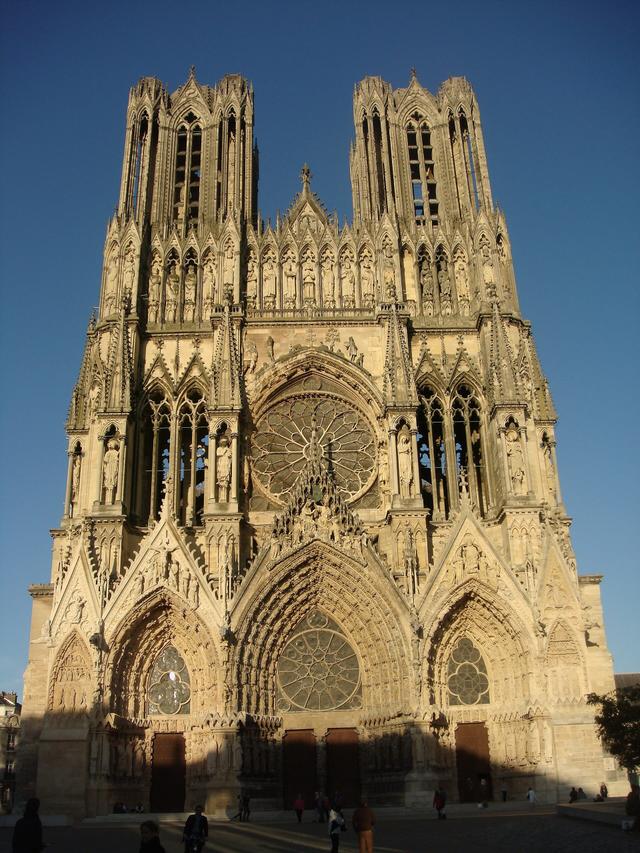
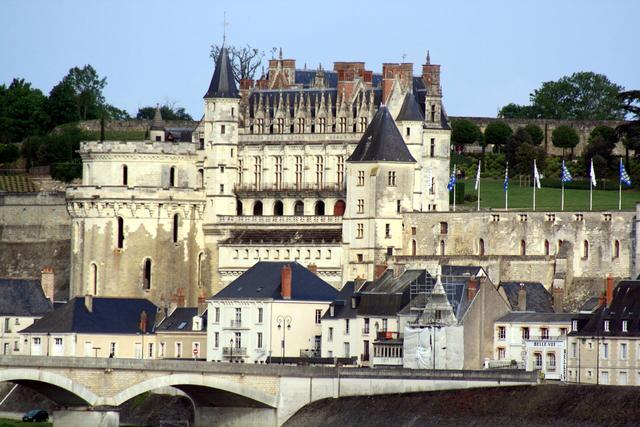
Charles IX was crowned in Reims Cathedral on 15 May 1561. Less than a year later, the massacre of Protestants at Wassy, in Champagne, set off the first War of Religion. It ended in March 1563 with the Edict of Amboise, which gave Protestants limited freedom of worship. In August 1563, at thirteen, the king was declared of age; his mother kept the real power. See also: Reims Cathedral, Royal Château of Amboise
What to see: the nave of the cathedral, nearly 140 metres long, where most kings of France were crowned, and the Smiling Angel on the north portal.
Chenonceau and Fontainebleau, the peace festivities
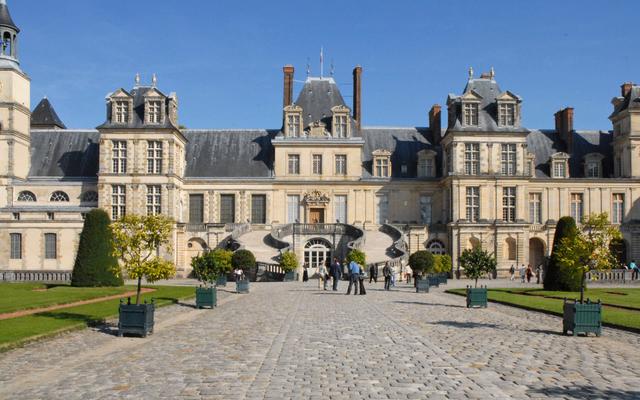
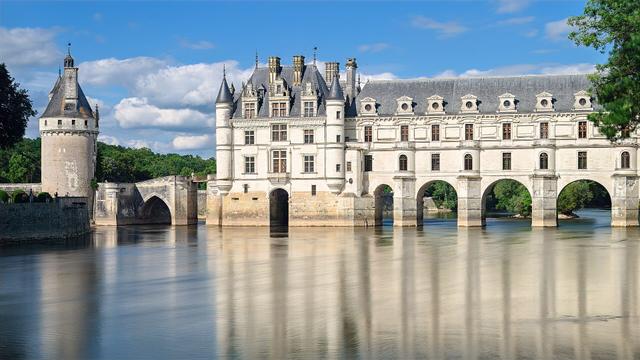
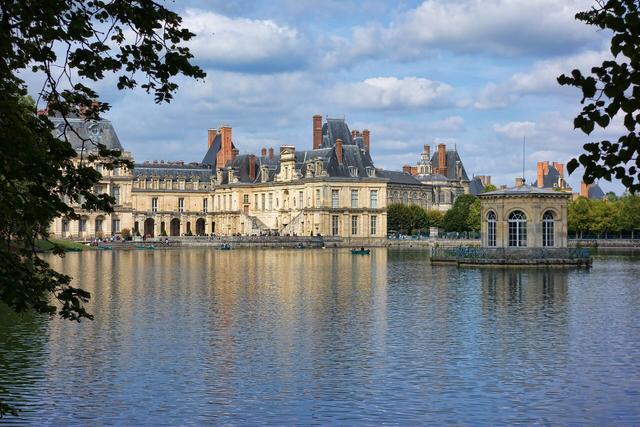
Catherine de' Medici believed in festivities as a way to reconcile the nobility. In the spring of 1563, after the peace of Amboise, she welcomed her son at Chenonceau, which had been hers since Henry II's death. In early 1564 the court settled at Fontainebleau for several weeks of tournaments, balls and shows, before a long journey. See also: Château de Chenonceau, Palace of Fontainebleau
What to see: at Chenonceau, the Five Queens' Bedroom, one of whom was his wife Elisabeth of Austria; at Fontainebleau, the Ballroom and the Francis I Gallery, the setting for those festivities.
The grand tour of France
In March 1564 Charles IX left Fontainebleau for a journey of more than two years across the kingdom. The aim was to show the young king to his subjects and to enforce the peace. The court passed through Champagne, Burgundy, Lyon, Provence, Toulouse, Bordeaux, La Rochelle and the Loire Valley. At Bayonne, in June 1565, he met his sister Elisabeth, Queen of Spain.
During this journey, the Edict of Roussillon, in 1564, fixed the start of the year on 1 January throughout the kingdom. Before that, depending on the region, the year began at Christmas, at Easter or on 25 March.
Ronsard and hunting
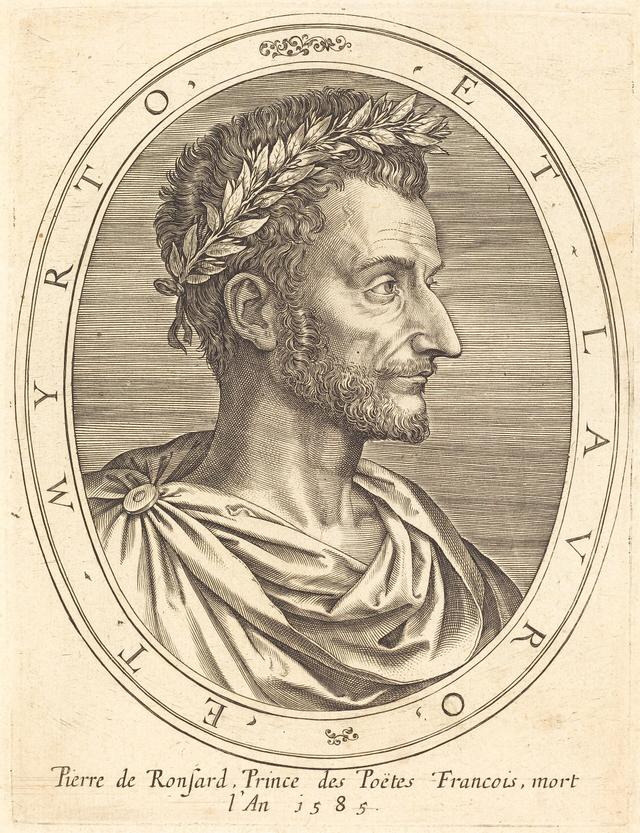
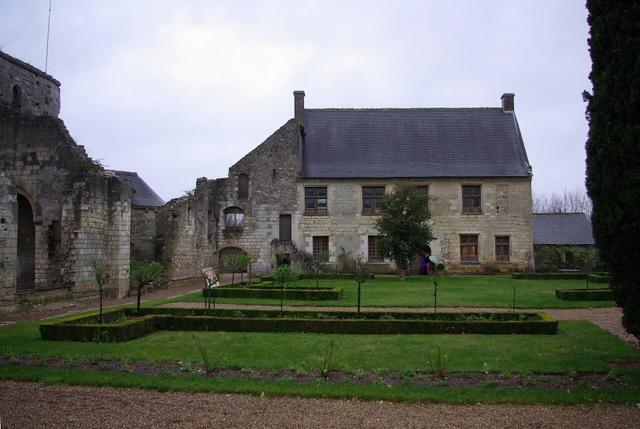
Charles IX loved poetry. He admired Ronsard, commissioned from him a national epic, La Franciade, which was never finished, and gave him the priory of Saint-Cosme, near Tours, where the poet would end his days. The king wrote verse himself. See also: Pierre de Ronsard, Saint-Cosme Priory, home of Ronsard
His real passion was hunting. He would go out for whole days, wear himself out, and blow his horn until he was out of breath. He dictated a treatise on stag hunting, La Chasse royale, published in 1625, half a century after his death.
What to see: at the Saint-Cosme priory, the prior's lodging where Ronsard lived, and his grave in the ruins of the church.
St Bartholomew's Day at the Louvre
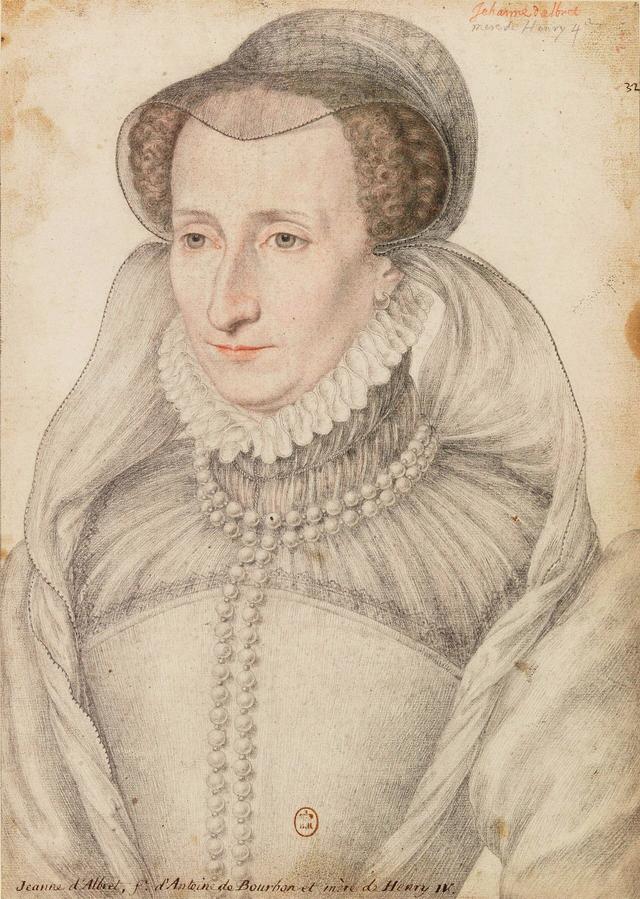
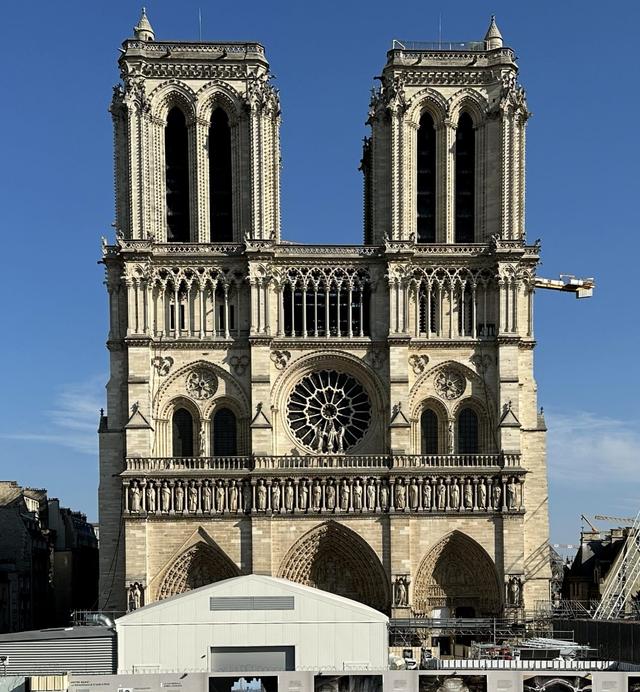
In 1570 the Peace of Saint-Germain ended the third War of Religion. To seal it, Catherine de' Medici married her daughter Marguerite to the Protestant Henry of Navarre, son of Jeanne d'Albret. The wedding took place on 18 August 1572 at Notre-Dame. Hundreds of Protestant noblemen had come to Paris. See also: Jeanne d'Albret, Henry IV
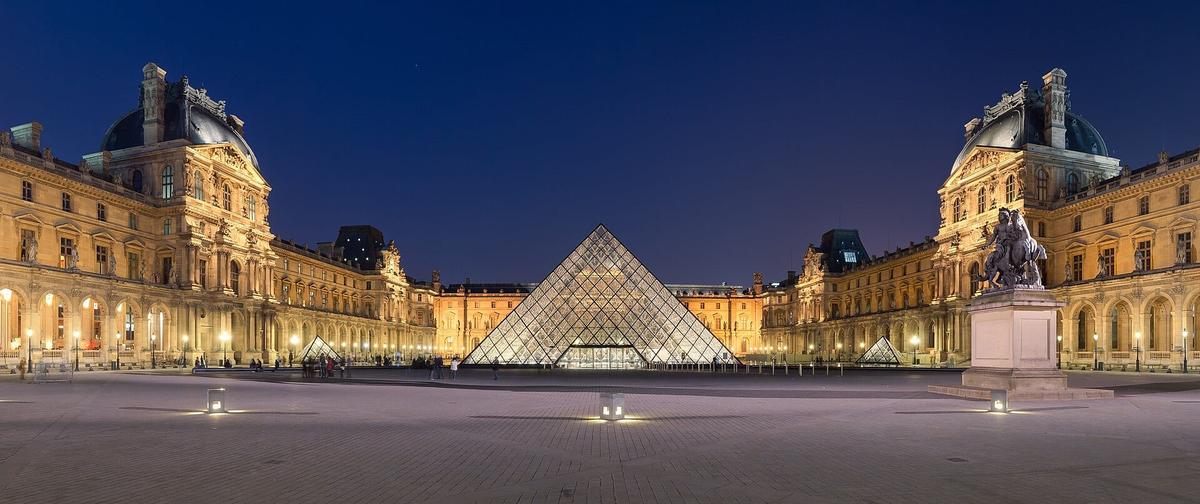
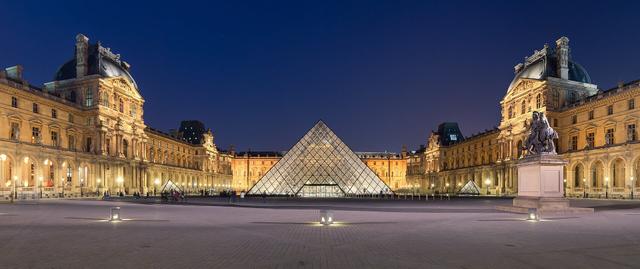
On 22 August Admiral de Coligny, the Protestant leader and a trusted adviser to the king, was wounded by an arquebus shot. The royal council decided to eliminate the Protestant leaders. On the night of 23 to 24 August the Duke of Guise's men killed Coligny, then the Protestant noblemen lodged at the Louvre were massacred in the palace courtyard. The killing spread across Paris and to several provincial towns. Thousands died. See also: Henry, Duke of Guise, Louvre Museum
A legend says that Charles IX fired an arquebus at people fleeing, from a window of the Louvre. For a long time this window was pointed out on the Petite Galerie, by the Seine. The story was written years later, and the part of the gallery shown to visitors probably did not yet exist in 1572.
What to see: at the Louvre, the rooms of the medieval Louvre in the basement of the Sully wing, and the Cour Carrée, whose Lescot wing was already standing in 1572.
Death at Vincennes, and Saint-Denis
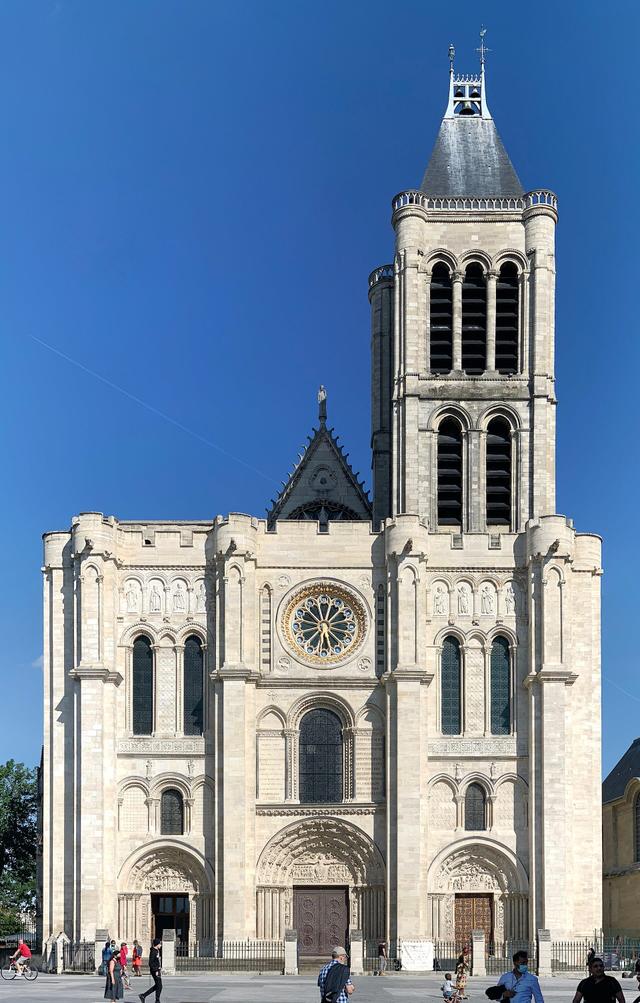
After the massacre the king was ill and gloomy. Suffering from tuberculosis, he died at the Château de Vincennes on 30 May 1574, aged twenty-three. He had a daughter with his wife, Elisabeth of Austria, whom he married in 1570, and a son with his mistress Marie Touchet, Charles, later Duke of Angoulême. The crown passed to his brother Henry, then King of Poland. Charles IX was buried at Saint-Denis on 13 July 1574. See also: Henry III, Basilica of Saint-Denis
What to see: in the basilica, his parents' tomb by Germain Pilon, and the crypt where the Valois lie.
In his footsteps: Paris, Reims and the Loire
In Paris, the Louvre and Saint-Denis are half an hour apart by metro and fit into the same day. Reims is 45 minutes from Paris by TGV. For the Loire, allow two days: Amboise and Chenonceau on one, Tours and the Saint-Cosme priory on the other. Fontainebleau is an easy train ride from Paris.
Partner links: if you book through these links, we earn a commission at no extra cost to you. Partner links · Learn more
FAQ
Where is Charles IX buried?
In the Basilica of Saint-Denis, with the other kings of France, since 13 July 1574.
Where was Charles IX born?
At the Château de Saint-Germain-en-Laye, on 27 June 1550.
Did Charles IX order the St Bartholomew's Day massacre?
He approved the elimination of the Protestant leaders decided in council on 23 August 1572. The massacre that followed in Paris got out of all control. The exact role of the king and his mother is still debated by historians.
What did Charles IX die of?
Tuberculosis, on 30 May 1574, at the Château de Vincennes. He was twenty-three.
Who did Charles IX marry?
Elisabeth of Austria, daughter of Emperor Maximilian II, on 26 November 1570. They had one daughter, Marie-Élisabeth, who died at five.
Sources: fr.wikipedia.org (Charles IX), fr.wikipedia.org (Massacre de la Saint-Barthélemy), louvre.fr, chenonceau.com, saint-denis-basilique.fr
Tickets to book online
Partner links: if you book through these links, we earn a commission at no extra cost to you. Partner links · Learn more
Places to visit


Related guides
Related historical figures