Suger, the abbot who invented Gothic
- Born
- c. 1081
- Died
- 13 January 1151
- Active years
- 1122 – 1151
- Family
- Artists, saints and favourites
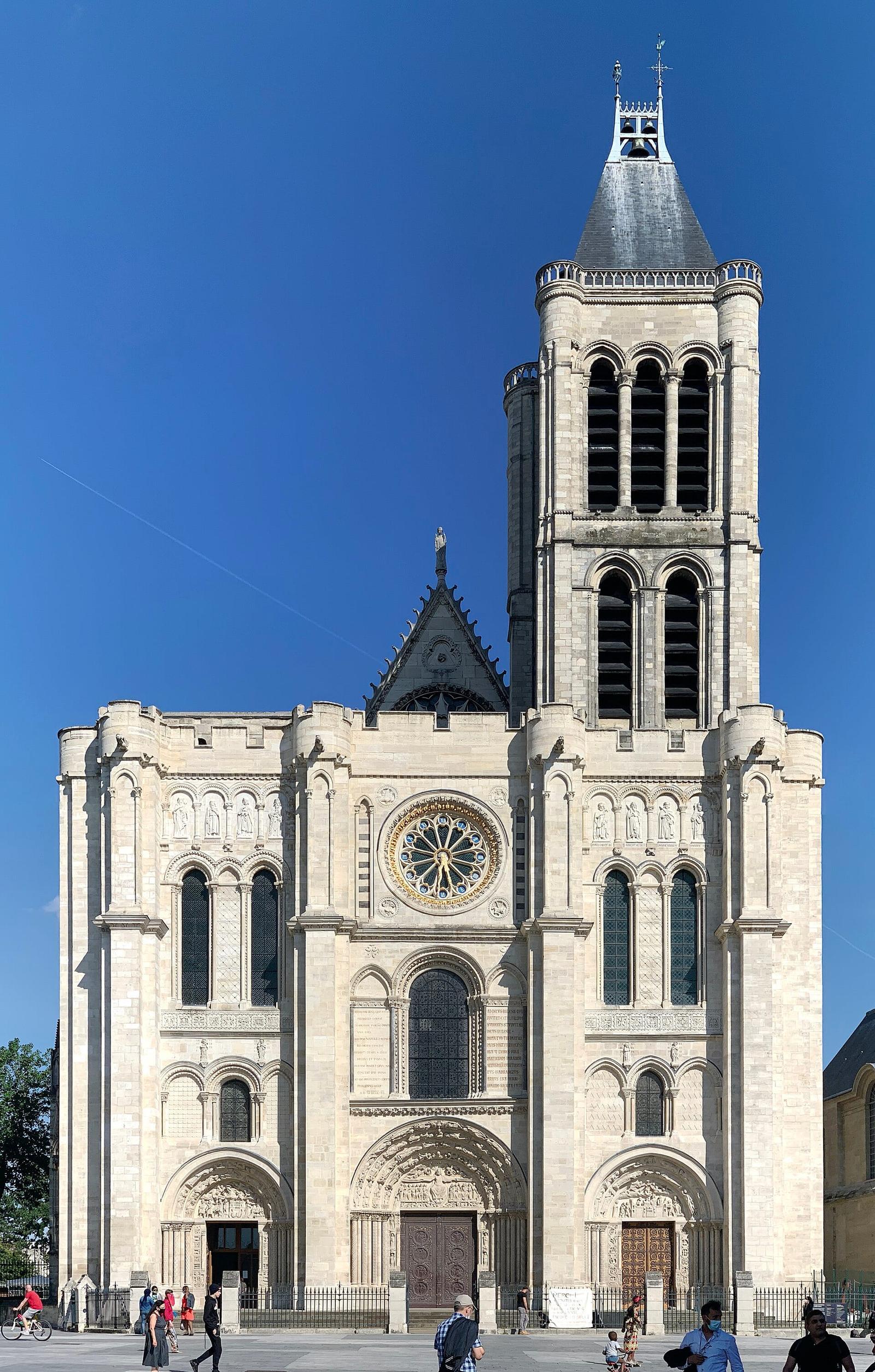
Given to an abbey as a child, he ended up governing France. Suger, Abbot of Saint-Denis, advised two kings and ran the kingdom during Louis VII's crusade. But he is remembered above all for one building project: the choir of his basilica, consecrated in 1144, where stone gives way to the light of the stained glass. It marks the birth of Gothic art.
Suger in dates
| Date | Event |
|---|---|
| c. 1081 | Born, probably near Paris |
| c. 1091 | Entrusted as a child to the abbey of Saint-Denis |
| 1122 | Elected Abbot of Saint-Denis |
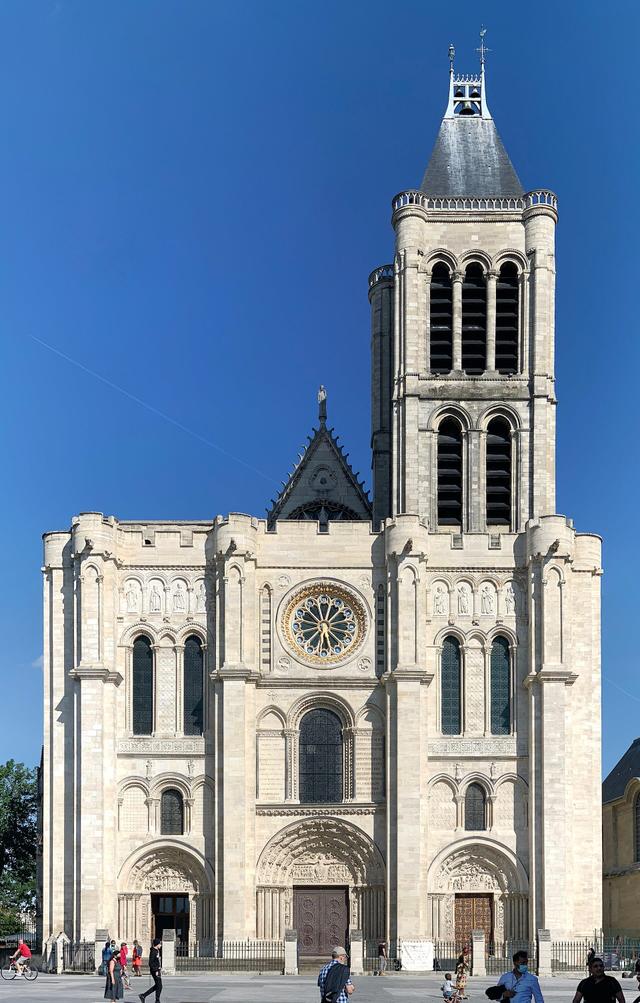
| c. 1135-1140 | Rebuilds the façade of the abbey church |
| 11 June 1144 | Consecration of the new choir, in the presence of Louis VII |
| 1147-1149 | Governs the kingdom during the Second Crusade |
| 13 January 1151 | Dies at Saint-Denis |
The oblate who became a minister
Suger entered the abbey of Saint-Denis at about ten, as an oblate, a child given to the Church by his family. There he met the young Prince Louis, the future Louis VI, who would later make him his adviser. Elected abbot in 1122, he ran the abbey, one of the richest in the kingdom, and served the king as a diplomat.
Under Louis VII, his influence grew even greater. When the king left on crusade in 1147 with Queen Eleanor of Aquitaine, it was Suger who governed France. On his return, Louis VII hailed him as “father of the country”. See also: Eleanor of Aquitaine
Saint-Denis: a choir of light
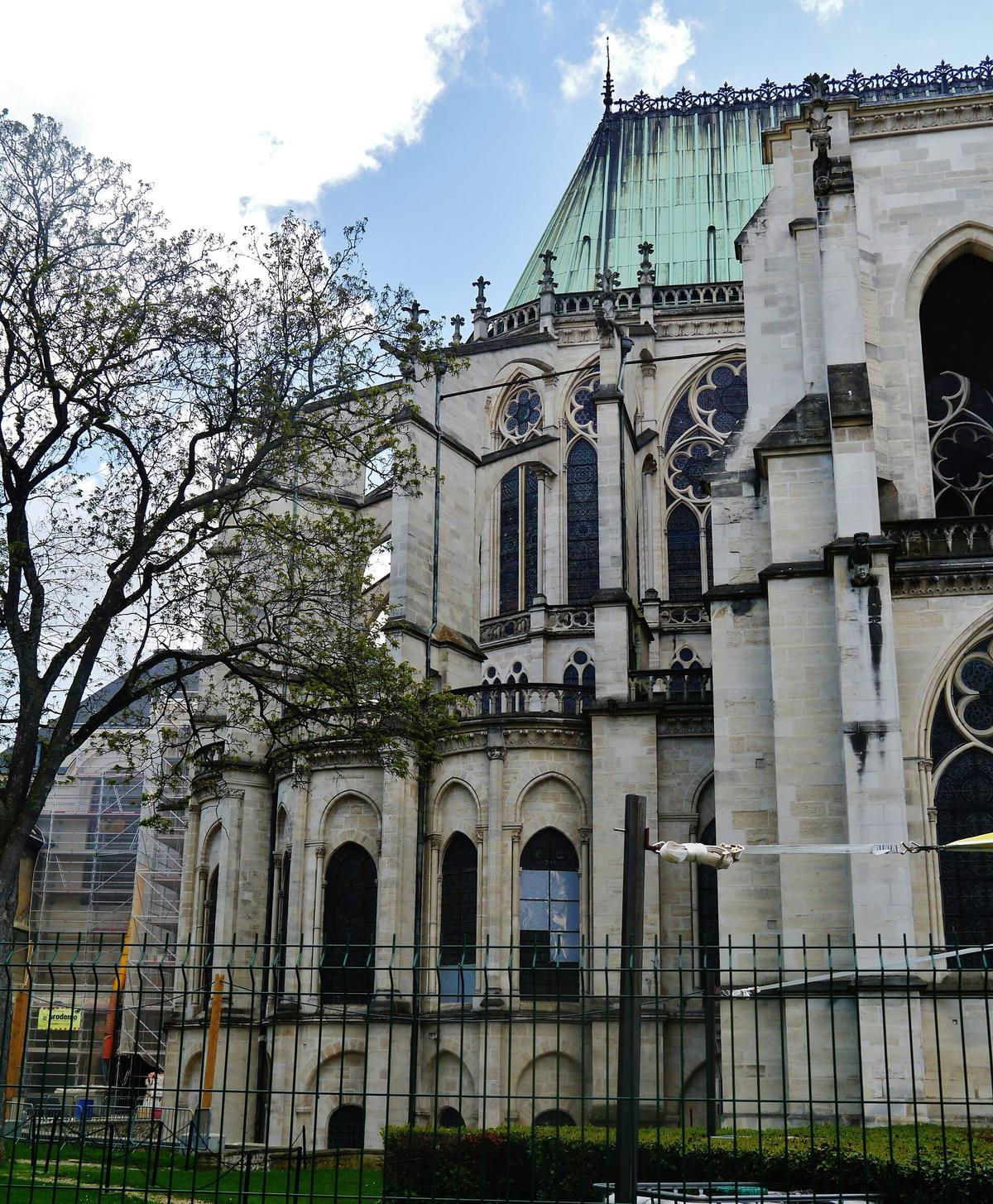
Saint-Denis was the abbey of kings: rulers had been buried there since the Merovingians. Suger wanted a church worthy of them. He first had the façade rebuilt, then the choir, consecrated in 1144. For this choir, his master builders combined rib vaults and pointed arches: the walls could open up into large windows, and the ambulatory was bathed in the light of the stained glass. See also: Basilica of Saint-Denis
For Suger, this light led to God; he wrote as much in his books on his administration and on the consecration of the church. He even had himself portrayed in one of the choir windows. The great Gothic cathedrals, from Chartres to Rouen, descend from this building site. See also: Rouen Cathedral
What to see: the ambulatory and the stained glass of Suger's choir, the west façade, then the royal effigies and the crypt.
The necropolis of kings
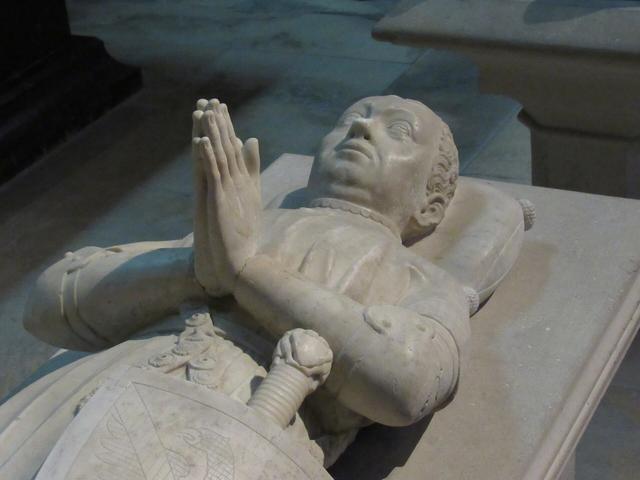
A century after Suger, Saint Louis had effigies of his predecessors carved at Saint-Denis. Today the basilica holds 70 effigies of kings, queens and princes, from Clovis to Louis XVI. See also: Saint Louis (Louis IX)
In his footsteps: Saint-Denis
The basilica is at the end of metro line 13, 100 metres from Basilique de Saint-Denis station. Allow one to two hours for the choir, the necropolis and the crypt. It pairs well with the Sainte-Chapelle, the other great Gothic stained-glass building in Paris. See also: Sainte-Chapelle
Partner links: if you book through these links, we earn a commission at no extra cost to you. Partner links · Learn more
Guided tours and day trips on GetYourGuide
FAQ
Who was Abbot Suger?
The Abbot of Saint-Denis from 1122 to 1151, adviser to Kings Louis VI and Louis VII, and regent of the kingdom during the Second Crusade.
Why is Gothic art said to have been born at Saint-Denis?
The choir rebuilt by Suger and consecrated in 1144 was the first to combine, on this scale, rib vaults, pointed arches and large stained-glass windows.
Did Suger govern France?
Yes, from 1147 to 1149, while Louis VII and Eleanor of Aquitaine were on crusade.
Where can you see Suger's work today?
At the Basilica of Saint-Denis: the west façade and above all the ambulatory of the choir, with its chapels and stained glass.
Where is Suger buried?
At the abbey of Saint-Denis, where he died on 13 January 1151.
Sources: fr.wikipedia.org (Suger), saint-denis-basilique.fr
Tickets to book online
Partner links: if you book through these links, we earn a commission at no extra cost to you. Partner links · Learn more