Louis XV, the Well-Beloved who became unloved
- Born
- 15 February 1710
- Died
- 10 May 1774
- Reign
- 1715 – 1774
- Family
- Bourbons
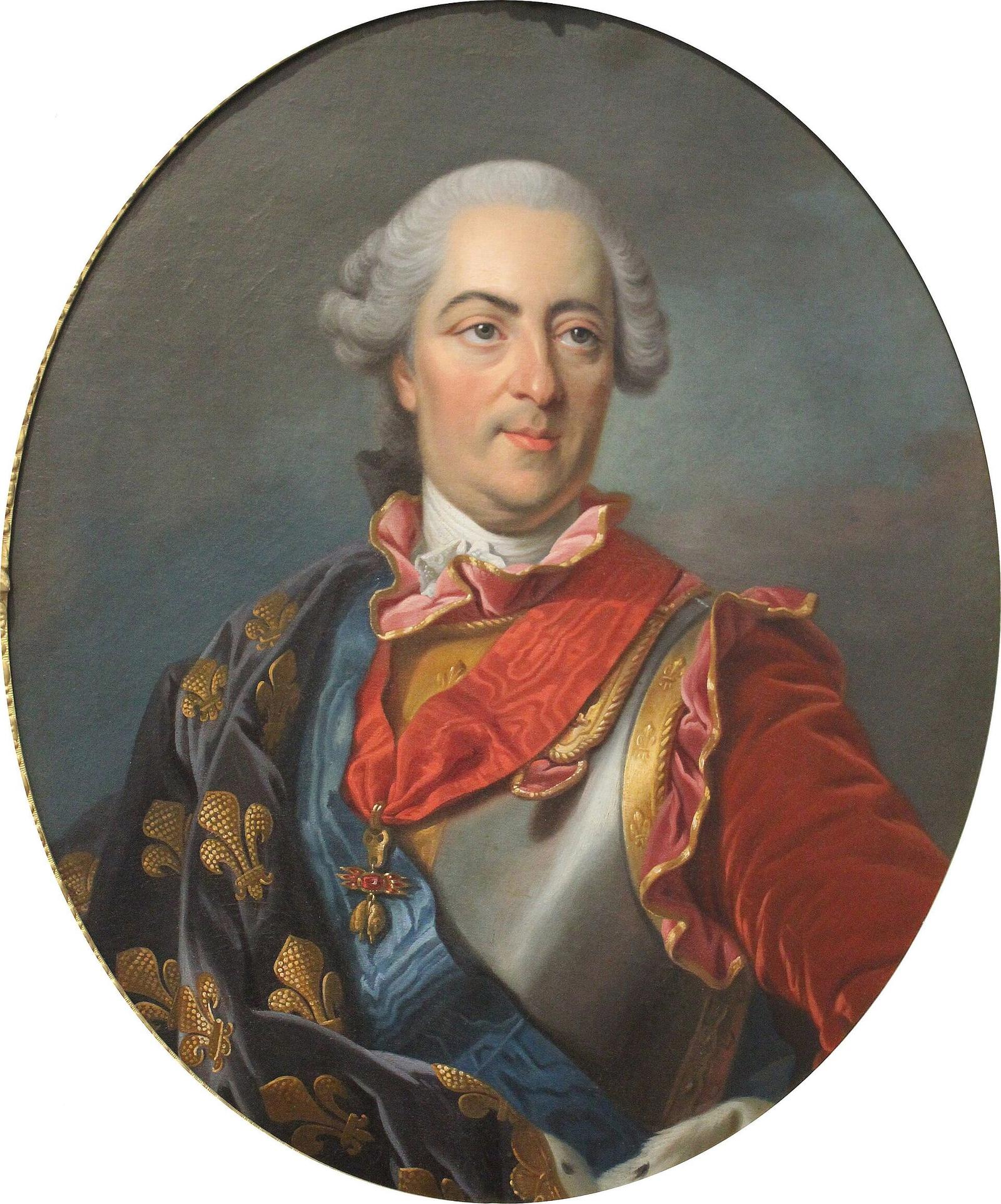
He was five when he became king, the only survivor of a family wiped out by disease. People called him the Well-Beloved at thirty-four, when he nearly died at Metz; at his death, thirty years later, his coffin crossed Paris at night to jeers. In between, Louis XV made Versailles a more private palace, housed his father-in-law at Chambord and exiled his best minister to the banks of the Loire.
Louis XV in dates
| Date | Event |
|---|---|
| 15 February 1710 | Born at Versailles, great-grandson of Louis XIV |
| 1712 | His parents and elder brother die of measles within less than a month |
| 1 September 1715 | Becomes king at five; Philippe d'Orléans is regent |
| 1722 | Crowned at Reims; the court returns to Versailles |
| 1725 | Marries Marie Leszczyńska, daughter of Stanislas, the deposed king of Poland |
| 1744 | Falls gravely ill at Metz: he is nicknamed the Well-Beloved |
| 1745 | Victory at Fontenoy; Madame de Pompadour settles at court |
| 1756-1763 | Seven Years' War: France loses Canada and India |
| 1758-1770 | The Duke of Choiseul runs the kingdom's policy |
| December 1770 | Exiles Choiseul to Chanteloup, near Amboise |
| 10 May 1774 | Dies of smallpox at Versailles; buried at Saint-Denis |
The child who survived
In 1711 and 1712, within less than a year, death took Louis XIV's son, then his grandson, the grandson's wife and their eldest son. All that was left was a two-year-old boy, the Duke of Anjou, saved, it is said, because his governess refused to let the doctors bleed him. On 1 September 1715, he became Louis XV. See also: Louis XIV
His cousin Philippe d'Orléans, Louis XIV's nephew, governed as regent and moved the court to Paris. In 1722 the young king was crowned and returned to Versailles, which he never left again.
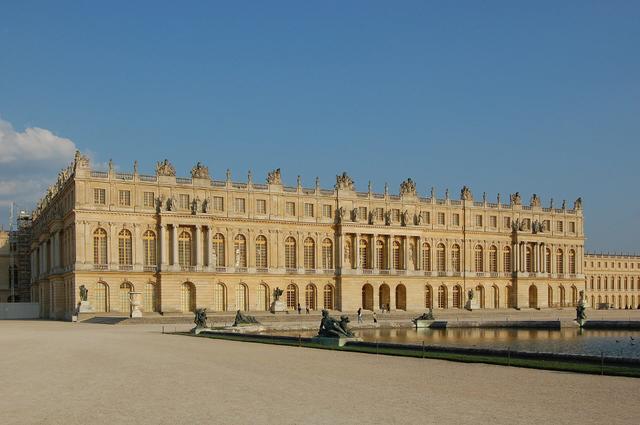
A more private Versailles
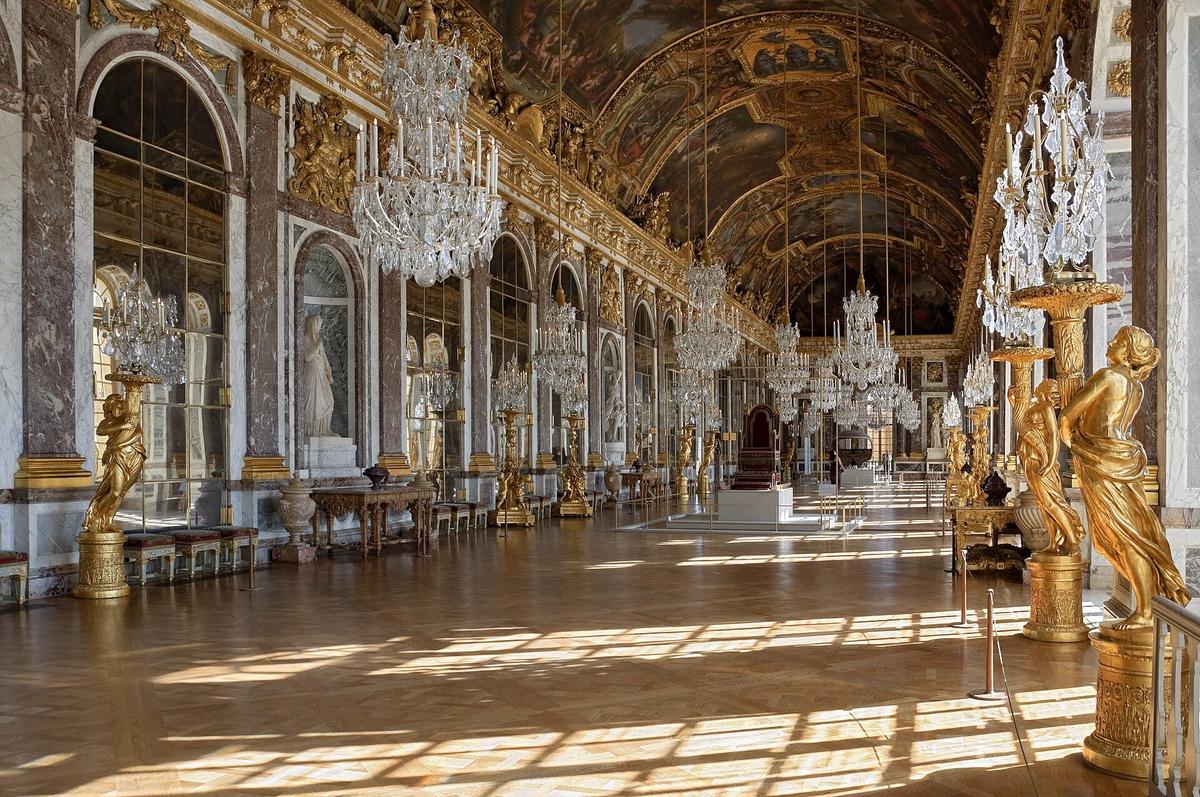
Louis XV disliked the life on public display that his great-grandfather had invented. Behind the State Apartments he had "petits appartements" fitted out, where he lived with a few close friends, worked, and sometimes did his own cooking. He built the Royal Opera, opened in 1770 for his grandson's wedding to Marie Antoinette, and, in the park, the Petit Trianon, a neoclassical pavilion he intended for Madame de Pompadour. See also: Palace of Versailles, Marie Antoinette
What to see: the Royal Opera, the King's private apartments, and on the Trianon estate, the Petit Trianon and the French garden around it.
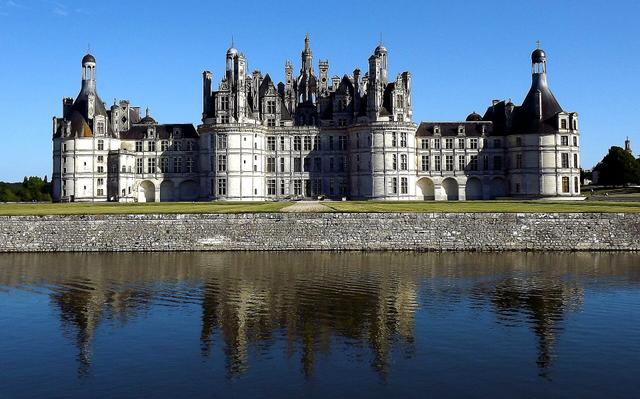
Chambord, for a deposed king and a marshal
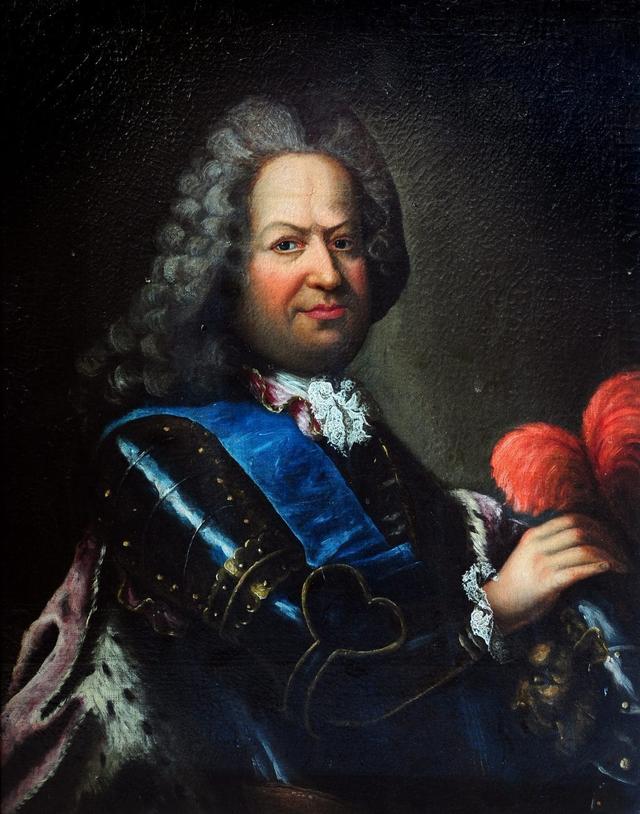
In 1725, Louis XV married Marie Leszczyńska, daughter of Stanislas, the king of Poland who had been driven from his throne. He housed his father-in-law at Chambord, where Stanislas lived from 1725 to 1733. Later, to thank the victor of Fontenoy, Marshal de Saxe, he gave him the château. Saxe stationed his regiments of uhlans there, built barracks and stables, and died there in 1750. See also: Château de Chambord
What to see: the royal apartment, furnished as Marshal de Saxe had it, and the Marshal's stables facing the château, where an equestrian show is now staged.
Choiseul, exiled to Chanteloup
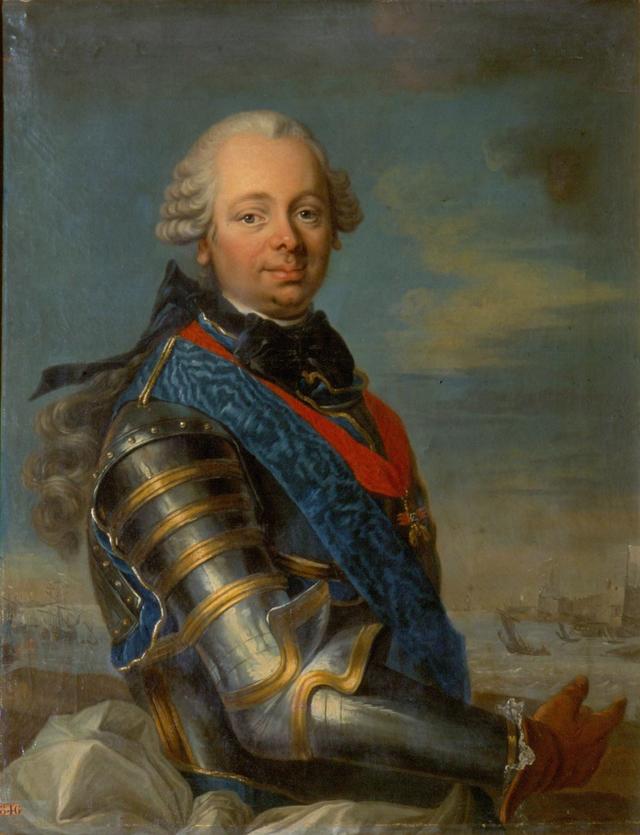
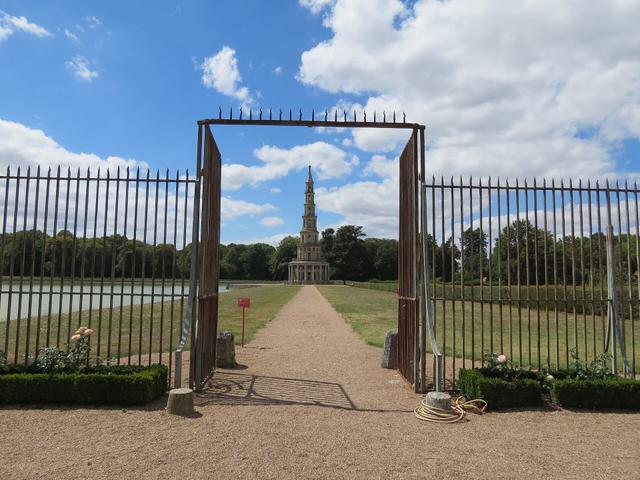
For twelve years the Duke of Choiseul was Louis XV's most powerful minister: he ran foreign affairs, the army and the navy, and prepared for revenge after the Seven Years' War. In December 1770, under the influence of Madame du Barry and the minister's opponents, the king exiled him to his estate at Chanteloup, near Amboise. The court, or part of it, flocked to visit him. See also: Duke of Choiseul, Chanteloup Pagoda
What to see: the Chanteloup Pagoda, which Choiseul built to thank his loyal friends. The château has gone, but you can climb to the top of the pagoda for a view of the Amboise forest and the Loire.
One of Louis XV's marshals in Anjou
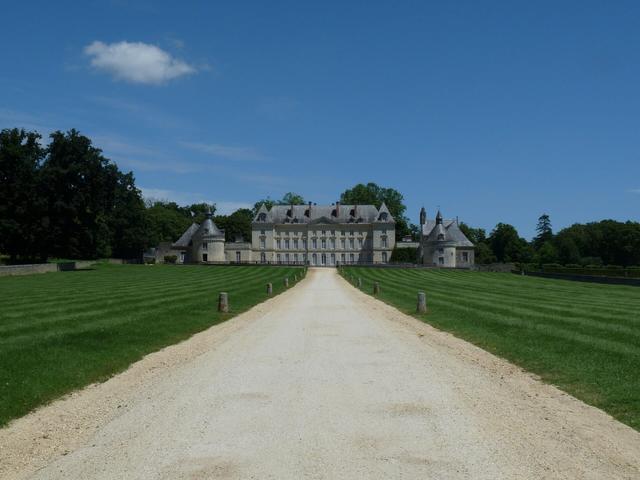
Marshal de Contades, one of the commanders of Louis XV's armies, had his Château de Montgeoffroy, near Angers, rebuilt from 1772 to 1776. The furniture ordered at the time is still in place: it is one of the few châteaux where you can see a late 18th-century house furnished as it was. See also: Château de Montgeoffroy
What to see: the drawing rooms and bedrooms with their original furniture, and the kitchen with its set of 260 copper pans.
An unpopular death
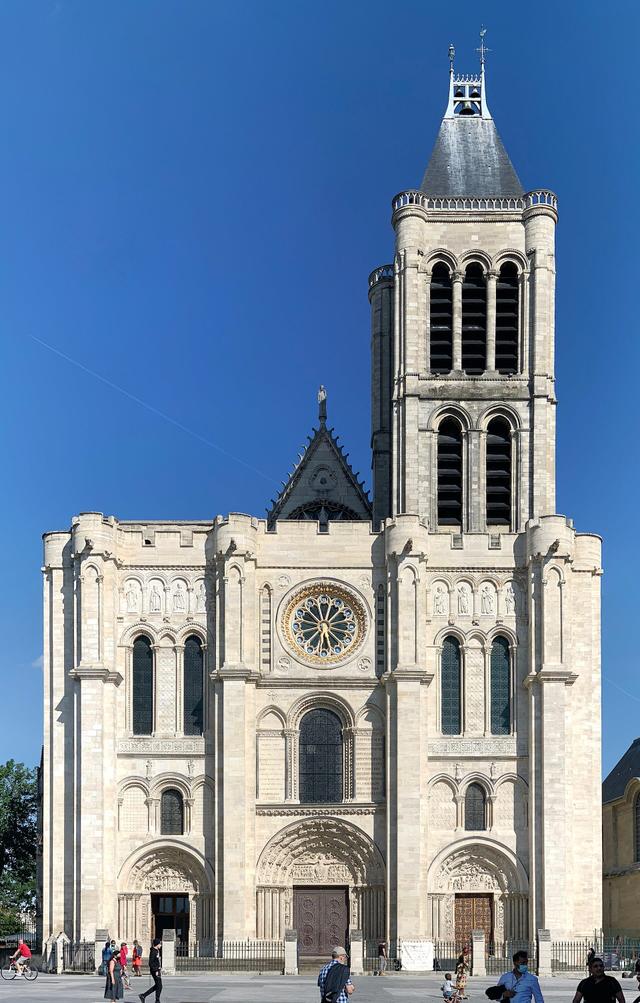
The wars were costly, the loss of Canada was humiliating, and the king's private life caused scandal. Louis XV died of smallpox on 10 May 1774, aged sixty-four. For fear of contagion, his body was taken by night, in haste, to the Basilica of Saint-Denis. His nineteen-year-old grandson became Louis XVI. See also: Basilica of Saint-Denis, Louis XVI
In his footsteps: Versailles and the Loire
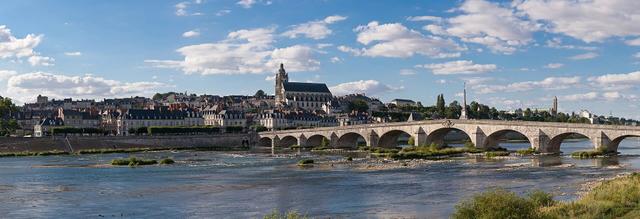
Versailles is a ten-minute walk from Versailles Château Rive Gauche station on RER line C. On the Loire, the Chanteloup Pagoda is 3 km from Amboise, and Chambord 15 km from Blois. Montgeoffroy is 28 minutes from Angers.
Partner links: if you book through these links, we earn a commission at no extra cost to you. Partner links · Learn more
Places to stay near Versailles
FAQ
Why did Louis XV become king at five?
His father, his grandfather and his elder brother had died between 1711 and 1712. When Louis XIV died in 1715, he was the direct heir.
Why was he called the Well-Beloved?
The nickname dates from 1744, when the king fell gravely ill at Metz and recovered. The whole country had prayed for him. His popularity later collapsed.
Who lived at Chambord under Louis XV?
His father-in-law, Stanislas Leszczyński, from 1725 to 1733, then Marshal de Saxe, to whom the king had given the château and who died there in 1750.
Who built the Petit Trianon?
Louis XV, in the 1760s, for Madame de Pompadour. She died before the work was finished; Louis XVI later gave it to Marie Antoinette.
Where is Louis XV buried?
In the Basilica of Saint-Denis. His tomb was desecrated during the Revolution, like those of the other kings.
Sources: fr.wikipedia.org (Louis XV)
Tickets to book online
Partner links: if you book through these links, we earn a commission at no extra cost to you. Partner links · Learn more
Places to visit


Related guides
Related historical figures