Choiseul, the exiled minister who built a pagoda
- Born
- 28 June 1719
- Died
- 8 May 1785
- Active years
- 1758 – 1770
- Family
- Artists, saints and favourites
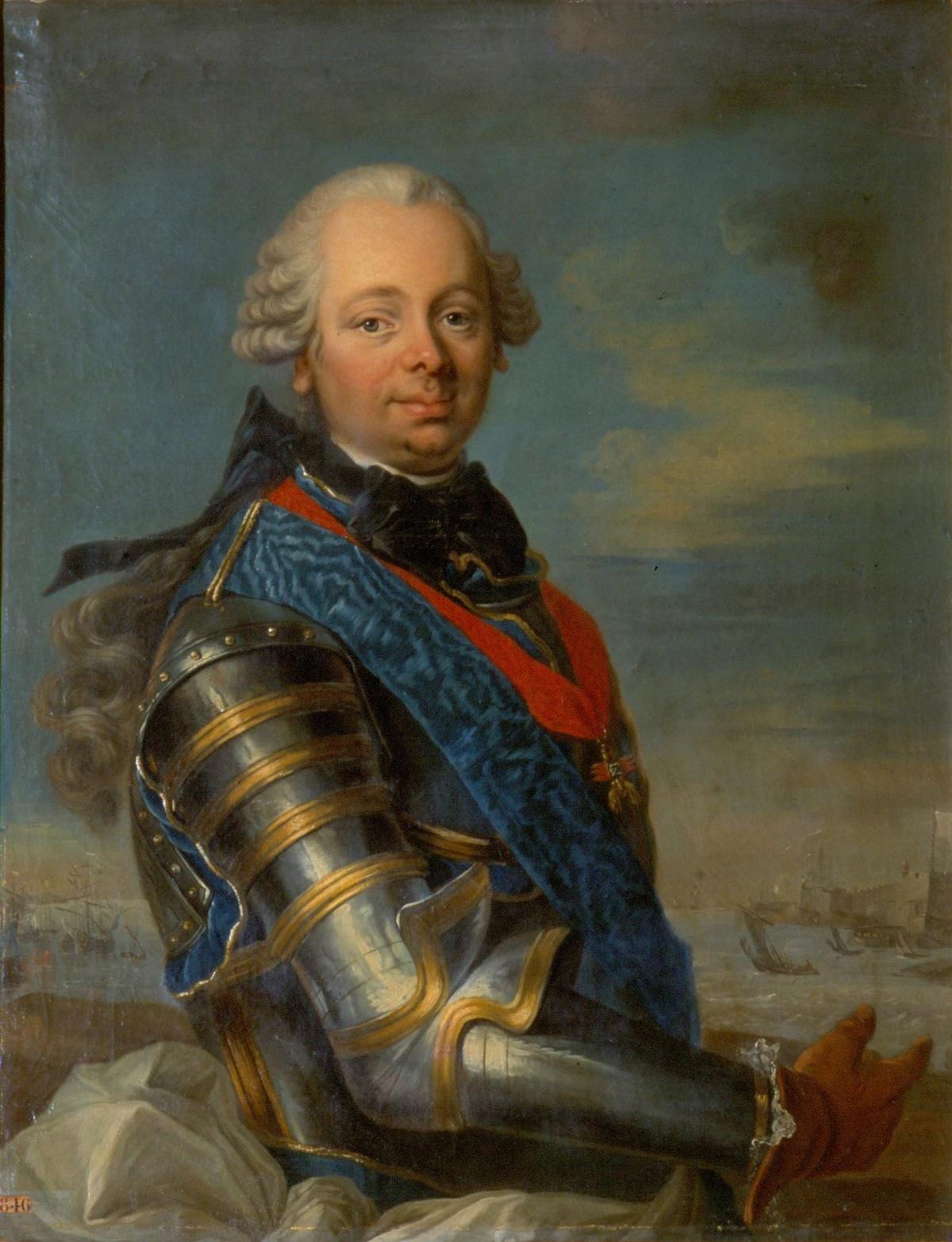
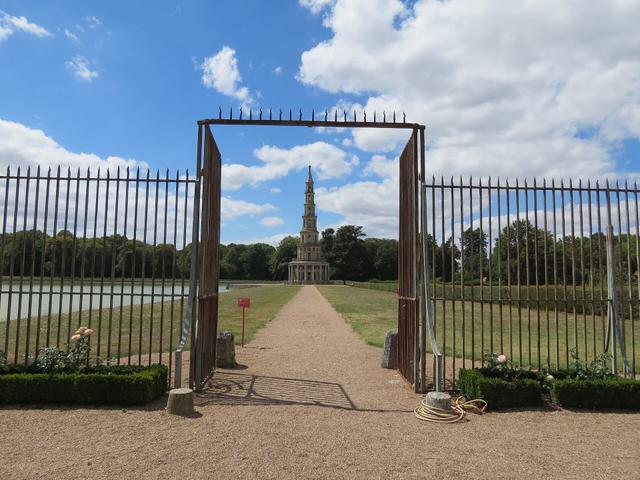
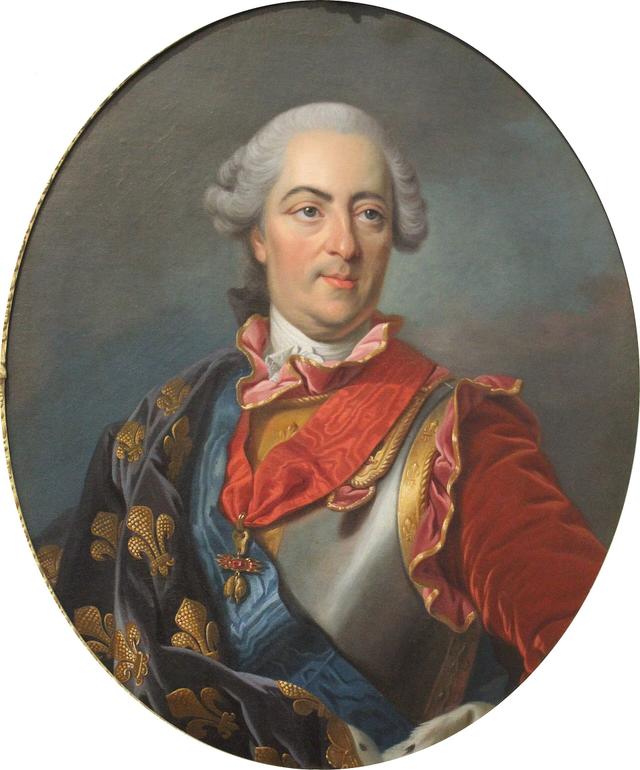
For twelve years he ran Louis XV's diplomacy, army and navy, brought Lorraine and Corsica into the kingdom and negotiated the marriage of the future Louis XVI to Marie Antoinette. Disgraced in 1770, the Duke of Choiseul left for his estate at Chanteloup, near Amboise, where half the court came to visit him. To thank these loyal friends, he built a 44-metre Chinese pagoda, the only part of his estate still standing today.
Choiseul in dates
| Date | Event |
|---|---|
| 28 June 1719 | Born in Nancy, in Lorraine |
| 1753 | Ambassador in Rome, then in Vienna from 1757 |
| 1758 | Made a duke; Secretary of State for Foreign Affairs |
| 1761 | Buys the Chanteloup estate; also takes over War and the Navy |
| 1763 | Treaty of Paris: end of the Seven Years' War |
| 1766 | Lorraine becomes French on the death of King Stanislas |
| 1768 | France acquires Corsica |
| 1770 | Marriage of the Dauphin and Marie Antoinette, which he negotiated |
| 24 December 1770 | Disgraced and exiled to Chanteloup |
| 1775-1778 | Construction of the Chanteloup Pagoda |
| 8 May 1785 | Dies in Paris, deep in debt |
Louis XV's minister
Étienne-François de Choiseul, Count of Stainville, came from a Lorraine family. An officer in the War of the Austrian Succession, he made his mark at court through his wit and the protection of Madame de Pompadour. Ambassador in Rome, then in Vienna, he became Secretary of State for Foreign Affairs and Duke of Choiseul in 1758.
The Seven Years' War was going badly: under the Treaty of Paris, in 1763, France lost Canada and most of India. Choiseul, who also ran War and the Navy, rebuilt the fleet and reformed the army as he prepared for revenge against England. In 1761 he signed the Family Compact with the Bourbons of Spain; in 1768 he obtained Corsica from the Republic of Genoa; and he negotiated the Dauphin's marriage to Archduchess Marie Antoinette to seal the alliance with Austria. See also: Louis XV, Marie Antoinette
The disgrace
Madame de Pompadour died in 1764. Her successor, Madame du Barry, loathed Choiseul, who openly despised her. His opponents convinced the king that he wanted to drag him into a new war. On 24 December 1770, a letter from Louis XV ordered him to leave the court and withdraw to Chanteloup.
Chanteloup, the exile's court
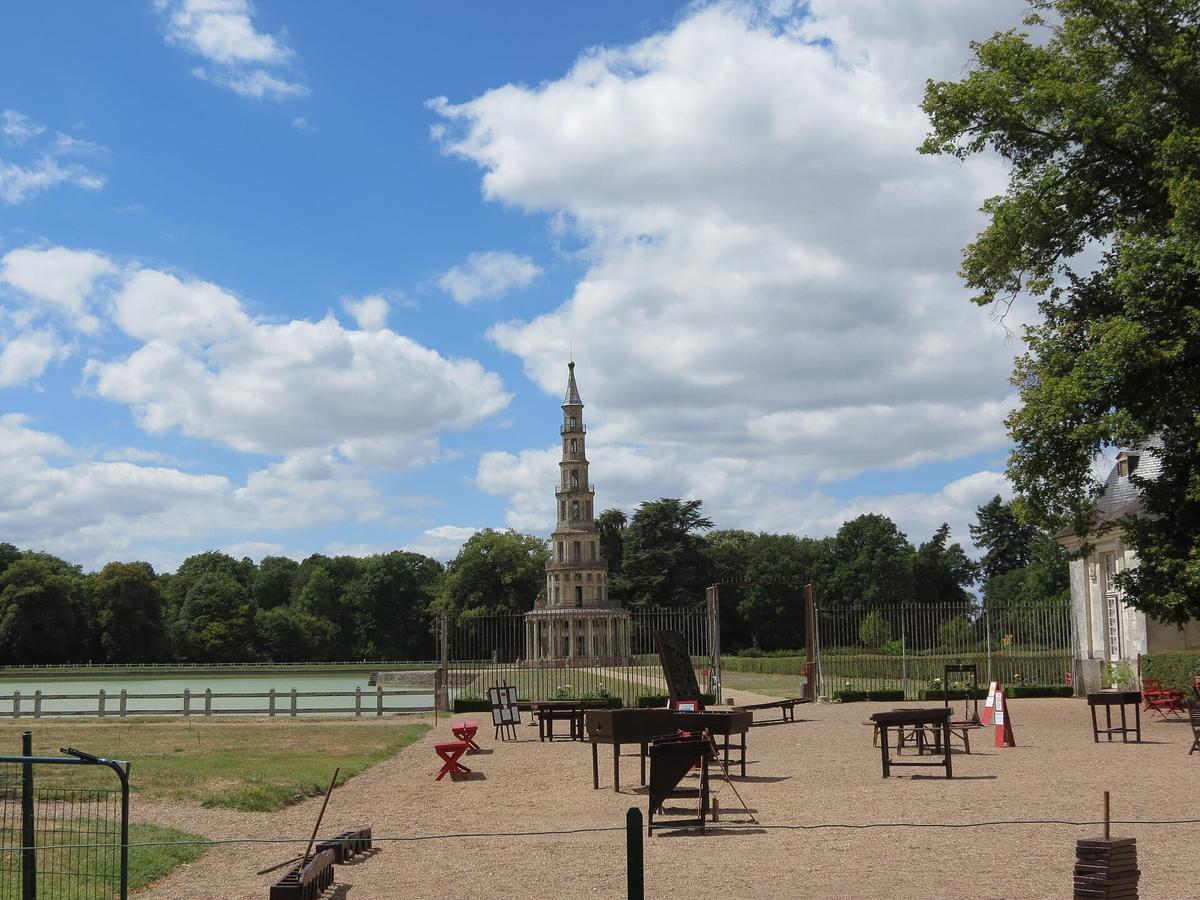
As Governor of Touraine, Choiseul had bought the Chanteloup estate, on the edge of the Amboise forest, in 1761. He enlarged the château and laid out gardens that rivalled those of Versailles. In exile, he lived in grand style. Visitors flocked there, so much so that going to Chanteloup became a way of showing opposition to the king. See also: Chanteloup Pagoda
To thank the friends who had stayed loyal, between 1775 and 1778 he built a 44-metre pagoda dedicated to friendship. The architect, Louis-Denis Le Camus, took his inspiration from the pagoda in Kew Gardens, near London.
Louis XVI allowed him to return to court in 1774 but did not give him a ministry. Choiseul died in 1785, ruined by his spending. The estate was sold soon afterwards; the château was demolished in 1829. Only the pagoda is still standing. See also: Louis XVI
What to see: the pagoda and its 7 levels (149 steps to the top), the large half-moon pond, the traces of the garden layout, and the wooden games in the park for children.
In his footsteps: Amboise and its forest
The Chanteloup Pagoda is 3 km from the centre of Amboise and easy to reach by bike. It combines well with the Royal Château of Amboise and Clos Lucé, Leonardo da Vinci's last home. See also: Royal Château of Amboise, Château du Clos Lucé Chenonceau is about twenty minutes away. See also: Château de Chenonceau
Partner links: if you book through these links, we earn a commission at no extra cost to you. Partner links · Learn more
FAQ
Why was the Duke of Choiseul exiled?
He had made enemies at court, starting with Madame du Barry, Louis XV's favourite. His opponents accused him of pushing the king into a new war with England. The king dismissed him on 24 December 1770.
Why is there a Chinese pagoda near Amboise?
Choiseul had it built from 1775 to 1778 in the park at Chanteloup to thank the friends who visited him during his exile. China was fashionable at the time.
What is left of the Château de Chanteloup?
Only the pagoda, the large pond and a few traces of the gardens. The château was demolished in the early 19th century.
What did Choiseul do for France?
He rebuilt the navy after the Seven Years' War, reformed the army, brought Corsica into the kingdom and prepared the alliance with Austria, sealed by Marie Antoinette's marriage.
Can you climb to the top of the Chanteloup Pagoda?
Yes, an inner staircase leads to the top, with a view over the Amboise forest and the Loire Valley.
Sources: fr.wikipedia.org (Étienne-François de Choiseul)