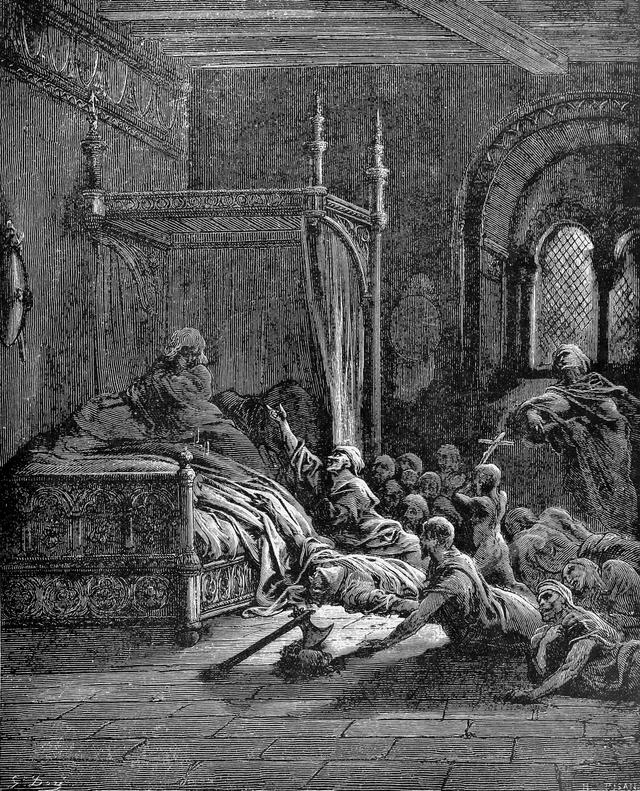
Charles V, the enemy welcomed in the Loire châteaux
- Born
- 24 February 1500
- Died
- 21 September 1558
- Active years
- 1519 – 1556
- Family
- Artists, saints and favourites
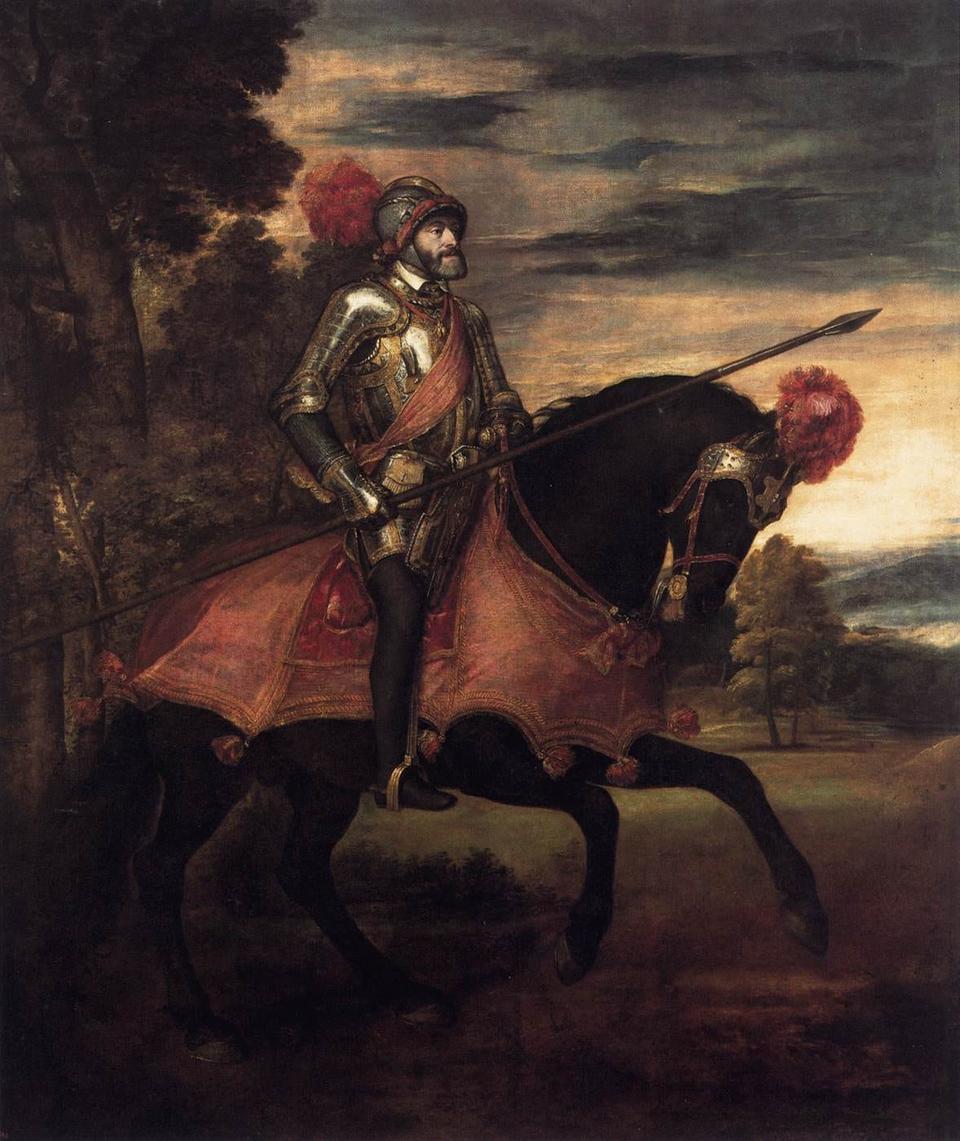
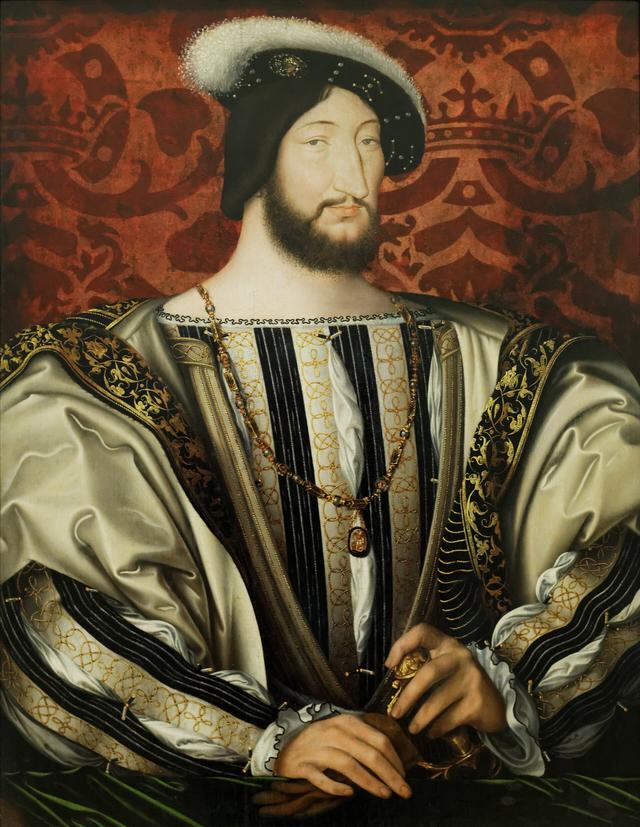
For twenty-five years Charles V and Francis I were at war. Yet in December 1539 the emperor crossed France as a guest. The king received him at Loches, Amboise, Chambord and Fontainebleau, and put on a show with his whole court to dazzle him. Here is the story of that journey and the châteaux where you can follow it.
Charles V in dates
| Date | Event |
|---|---|
| 24 February 1500 | Born in Ghent, son of Philip the Handsome and Joanna of Castile |
| 1516 | King of Spain |
| 28 June 1519 | Elected emperor, defeating Francis I |
| 24 February 1525 | Victory at Pavia on his 25th birthday: Francis I is taken prisoner |
| 1526 | Treaty of Madrid; the French king's two sons leave as hostages |
| July 1538 | Meets Francis I at Aigues-Mortes |
| 12 December 1539 | Welcomed by Francis I at Loches |
| December 1539 | Stops at Amboise, Chambord and Orléans, then Christmas at Fontainebleau |
| 1 January 1540 | Enters Paris |
| 1555-1556 | Abdicates; retires to the monastery of Yuste, in Spain |
| 21 September 1558 | Dies at Yuste |
The great rival of Francis I
Charles was born in Ghent in 1500. Through a chain of inheritances he received the Low Countries, Spain and its lands in America, Naples, and then the Austrian territories. He was also the nephew of Catherine of Aragon, Henry VIII's first wife. In 1519 he was elected emperor at nineteen. Francis I, also a candidate, lost. The King of France found himself surrounded: to the north, east and south, everything belonged to Charles. See also: Francis I
War came quickly. On 24 February 1525, on Charles's twenty-fifth birthday, his troops crushed the French army at Pavia, in Italy. Francis I was captured and taken to Madrid. He was only freed in 1526, leaving his two eldest sons as hostages, among them the future Henry II. They stayed four years in Spain. See also: Henry II of France, Louise of Savoy
In 1530, to seal the peace, Francis I married Eleanor of Austria, Charles's elder sister. The emperor had become his enemy's brother-in-law.
Aigues-Mortes: the first handshake
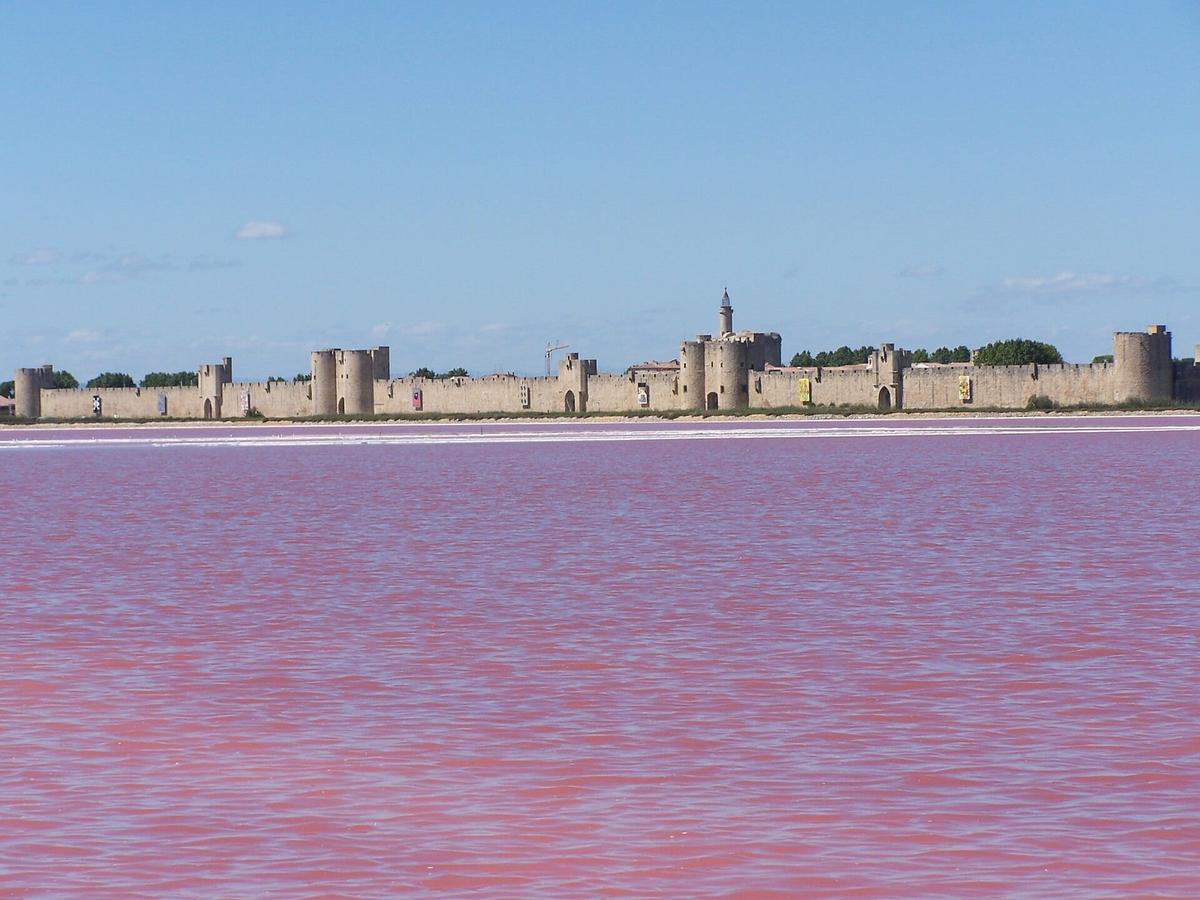
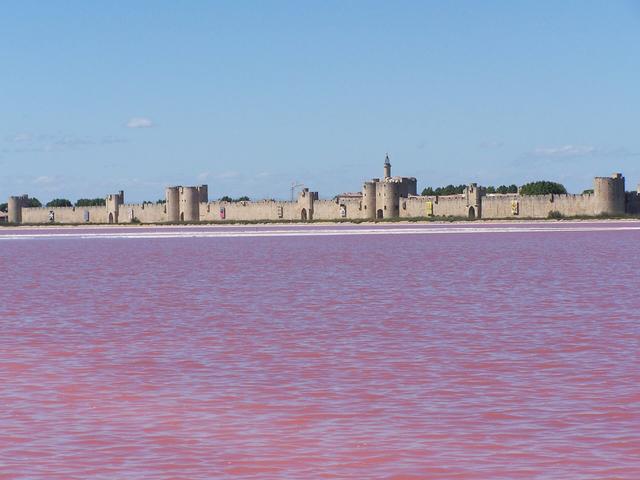
In June 1538 the pope secured a ten-year truce, but the two rulers refused to meet. A month later they changed their minds. On 14 July 1538 Charles V's galley sailed into the port of Aigues-Mortes. Francis I went on board to greet him, then the emperor came ashore and spent the night in the town. For two days the two men who had fought each other for twenty years promised friendship. See also: Aigues-Mortes Ramparts
What to see: the full circuit of the ramparts along the wall walk, and the Tour de Constance.
1539: the journey across France
In the autumn of 1539 Ghent, his home town, rebelled. Charles was in Spain. By sea, the journey was long and risky in winter. So he asked Francis I for permission to cross France. The king agreed, hoping to get the Duchy of Milan in return.
Charles entered France at Bayonne at the end of November. The king's sons came to meet him and escorted him through Bordeaux and Poitiers. Every town greeted him with formal entries and triumphal arches.
Loches: the king's welcome
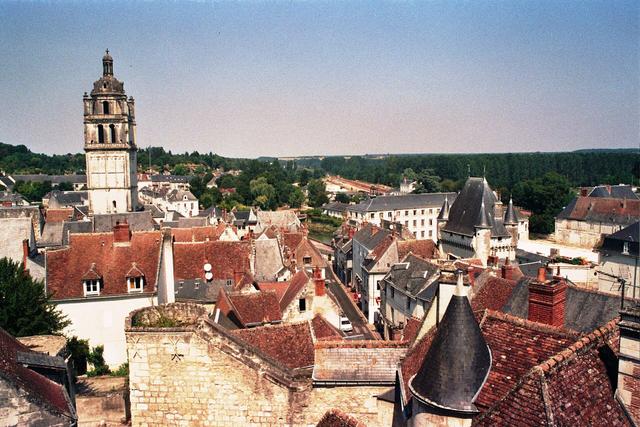
On 12 December 1539 the emperor arrived at Loches. Francis I was waiting for him there, with Queen Eleanor, Charles's sister, and the whole court. It was the first in a series of carefully planned receptions. Charles himself wrote down these dates in a letter sent from Orléans on 21 December. See also: Royal City of Loches
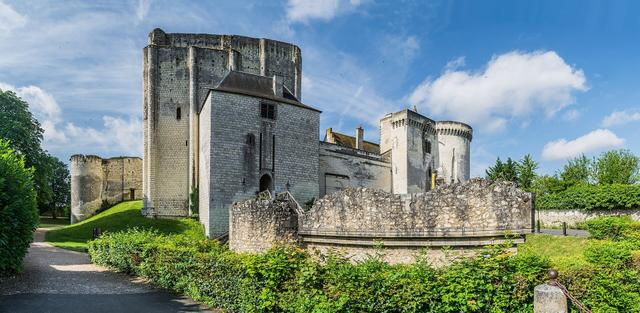
What to see: the royal lodge where the court stayed, Fulk Nerra's Romanesque keep and, below, the medieval town. See also: Fulk Nerra
Amboise: the fire in the tower
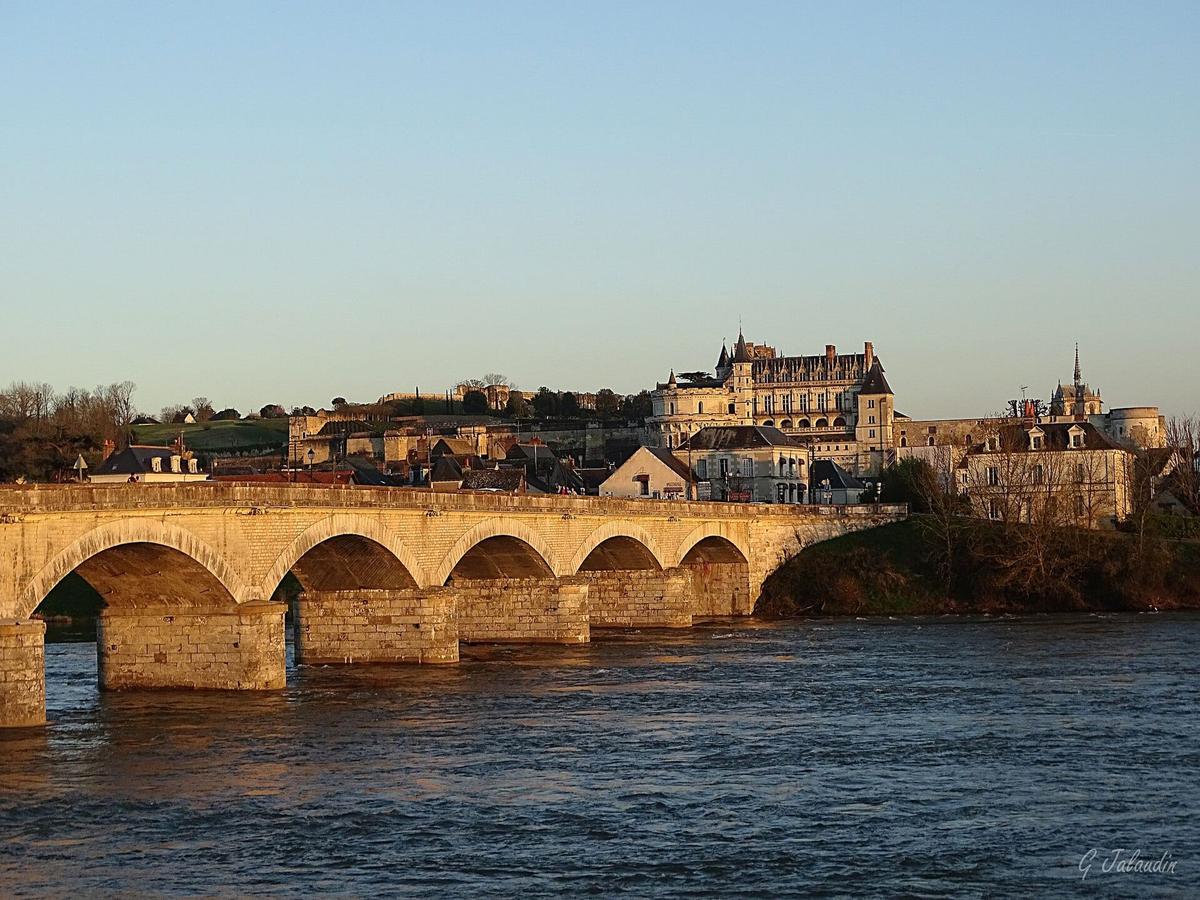
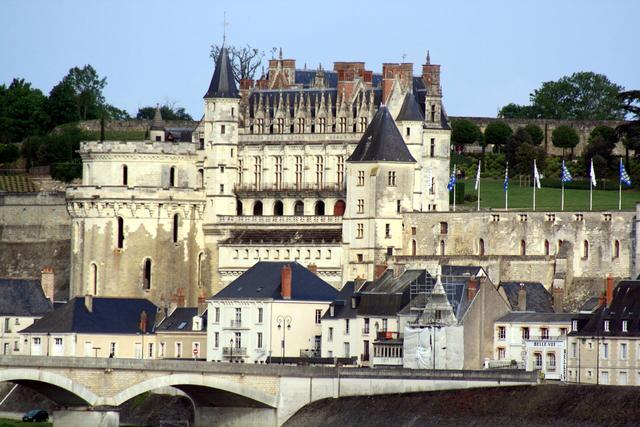
Two days later, on the Sunday, the procession reached Amboise. The plan was for the emperor to ride up the ramp inside one of the château's great towers, lit by torches and hung with fabrics. A torch set the hangings on fire. Smoke filled the tower, the horses panicked, and the emperor almost suffocated.
Everyone reached the top unhurt. But Francis I was furious: he feared people would think it was an attempt on his guest's life. It was Charles, his letter says, who had to calm the king down. The next day they rested at Amboise. See also: Royal Château of Amboise
What to see: the Minimes Tower and its ramp, wide enough for a horse, and the view of the Loire from the terrace.
Chambord: the king's showcase
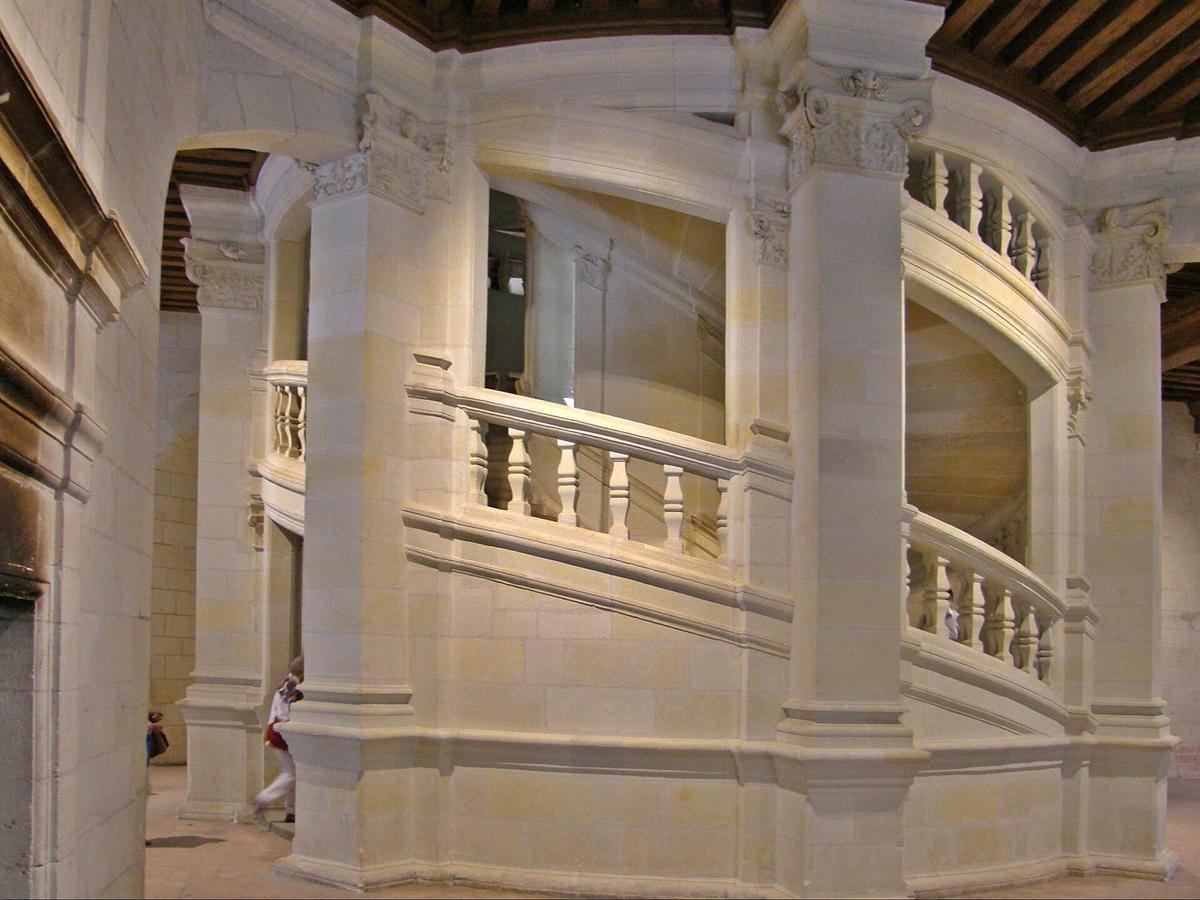
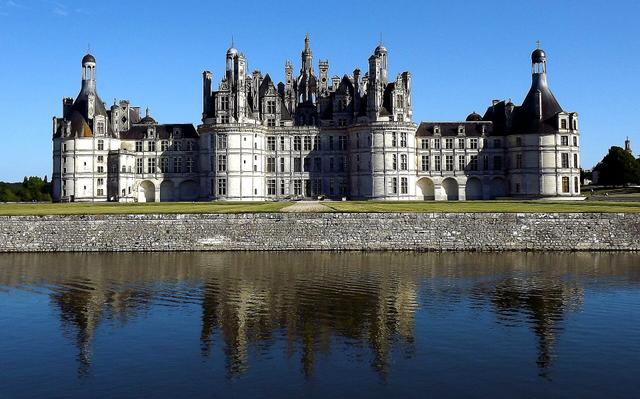
A few days before Christmas the two rulers reached Chambord. The château, begun in 1519, was still a building site, but the keep and its double-helix staircase were finished. Francis I, who hardly ever lived there, had wanted it precisely for visits like this: to show off his power.
Charles V is said to have called Chambord "a summary of what human skill can achieve". There is no proof he ever said it, but it sums up the effect the king was after. See also: Château de Chambord
What to see: the double-helix staircase, the roof terraces and the lantern tower, and the forest where they hunted.
Fontainebleau: Christmas at court
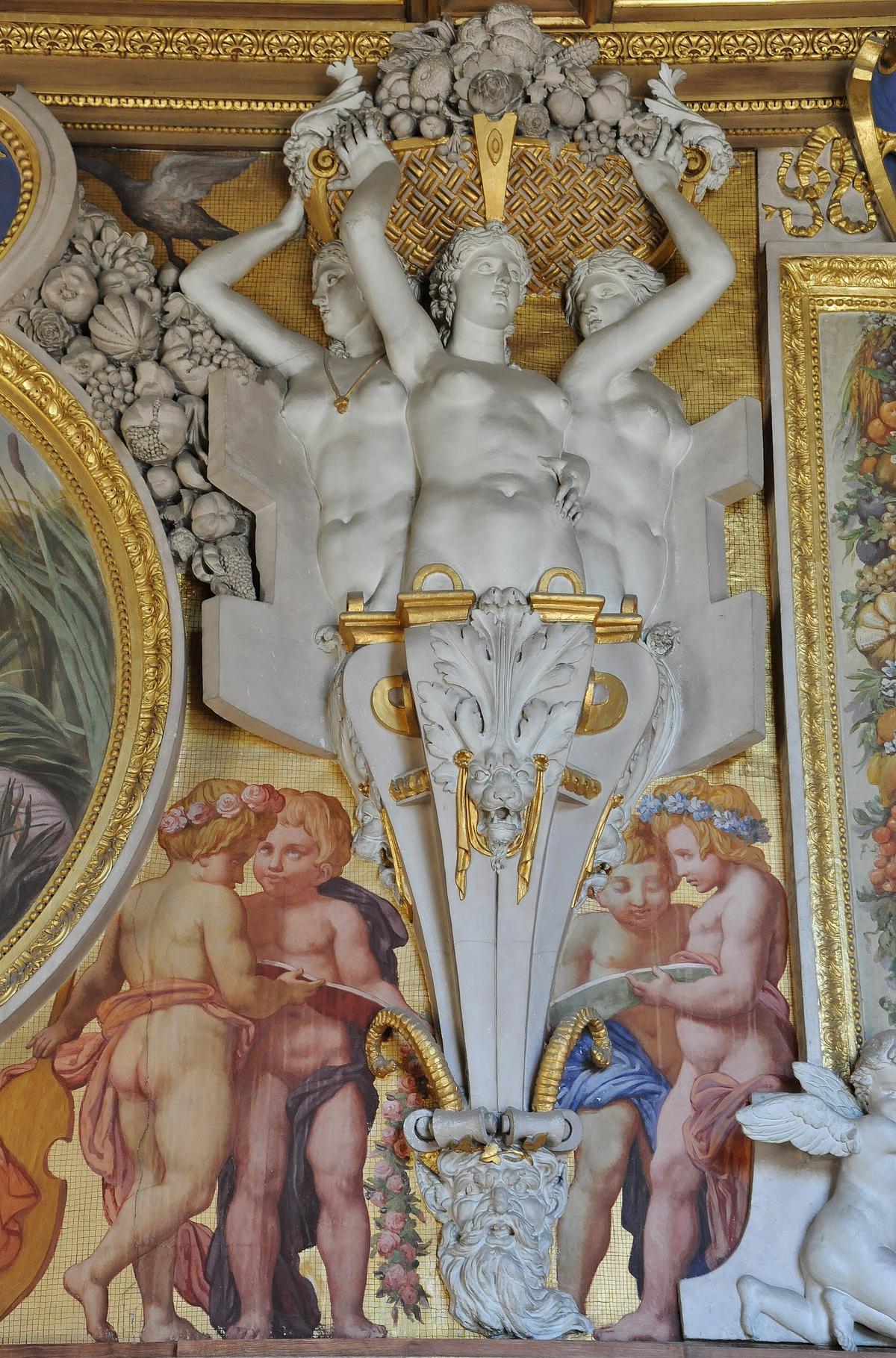
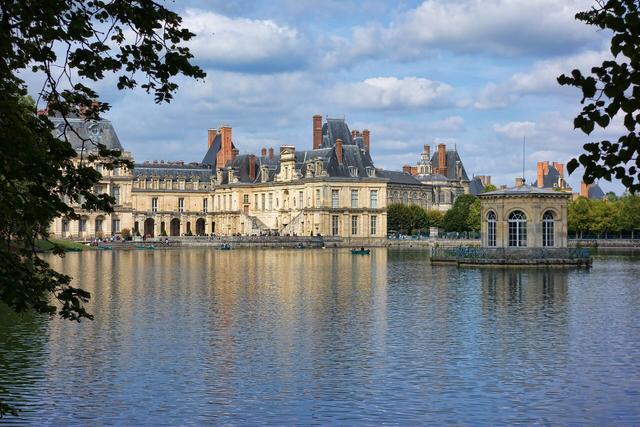
After a stop in Orléans, the emperor went on to Fontainebleau for Christmas, around 24 December. He stayed several days, between feasts and hunts in the forest. The king showed him his new château and the gallery that Rosso had been decorating since 1533, with Italian-style frescoes and stucco. See also: Palace of Fontainebleau
On 1 January 1540 Charles made his entry into Paris, then left for the Low Countries, where he crushed Ghent. Milan was never handed over. By 1542 the war had started again.
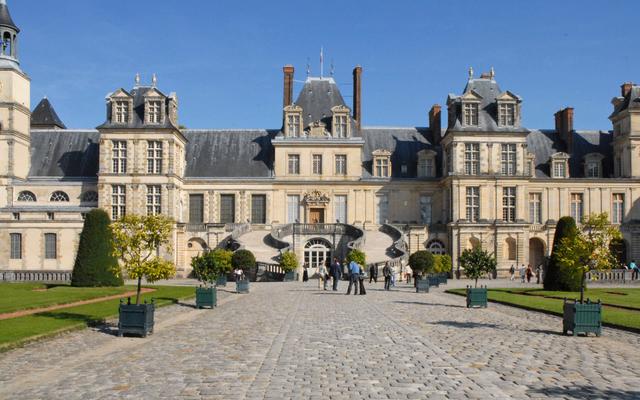
What to see: the Francis I Gallery, the ballroom and the White Horse Courtyard.
In his footsteps: the 1539 route
Loches, Amboise and Chambord follow the order of the journey and fit into two days from Tours or Blois: Loches and Amboise on the first day, Chambord on the second. Fontainebleau is a day trip from Paris, forty minutes by train from Gare de Lyon. See also: Things to do in Chambord and around, Things to do in Fontainebleau
Partner links: if you book through these links, we earn a commission at no extra cost to you. Partner links · Learn more
FAQ
Did Charles V visit Chambord?
Yes, in December 1539, a few days before Christmas, during his journey across France. Francis I received him there to impress him.
Why did Charles V cross France in 1539?
To put down the revolt in Ghent, his home town, without making the long sea voyage in winter.
Where was Charles V born?
In Ghent, in Flanders, on 24 February 1500.
Where is Charles V buried?
At the monastery of El Escorial, near Madrid. He died at the monastery of Yuste in 1558, and his body was moved later.
How were Charles V and Francis I related?
They were rivals all their lives, but also brothers-in-law: in 1530 Francis I married Eleanor, Charles's sister.
Sources: fr.wikipedia.org (Charles Quint), chambord.org, chateau-amboise.com, chateaudefontainebleau.fr
Tickets to book online
Partner links: if you book through these links, we earn a commission at no extra cost to you. Partner links · Learn more
Places to visit


Related guides
Related historical figures