Henry of Guise, Le Balafré (Scarface)
- Born
- 31 December 1550
- Died
- 23 December 1588
- Family
- Artists, saints and favourites
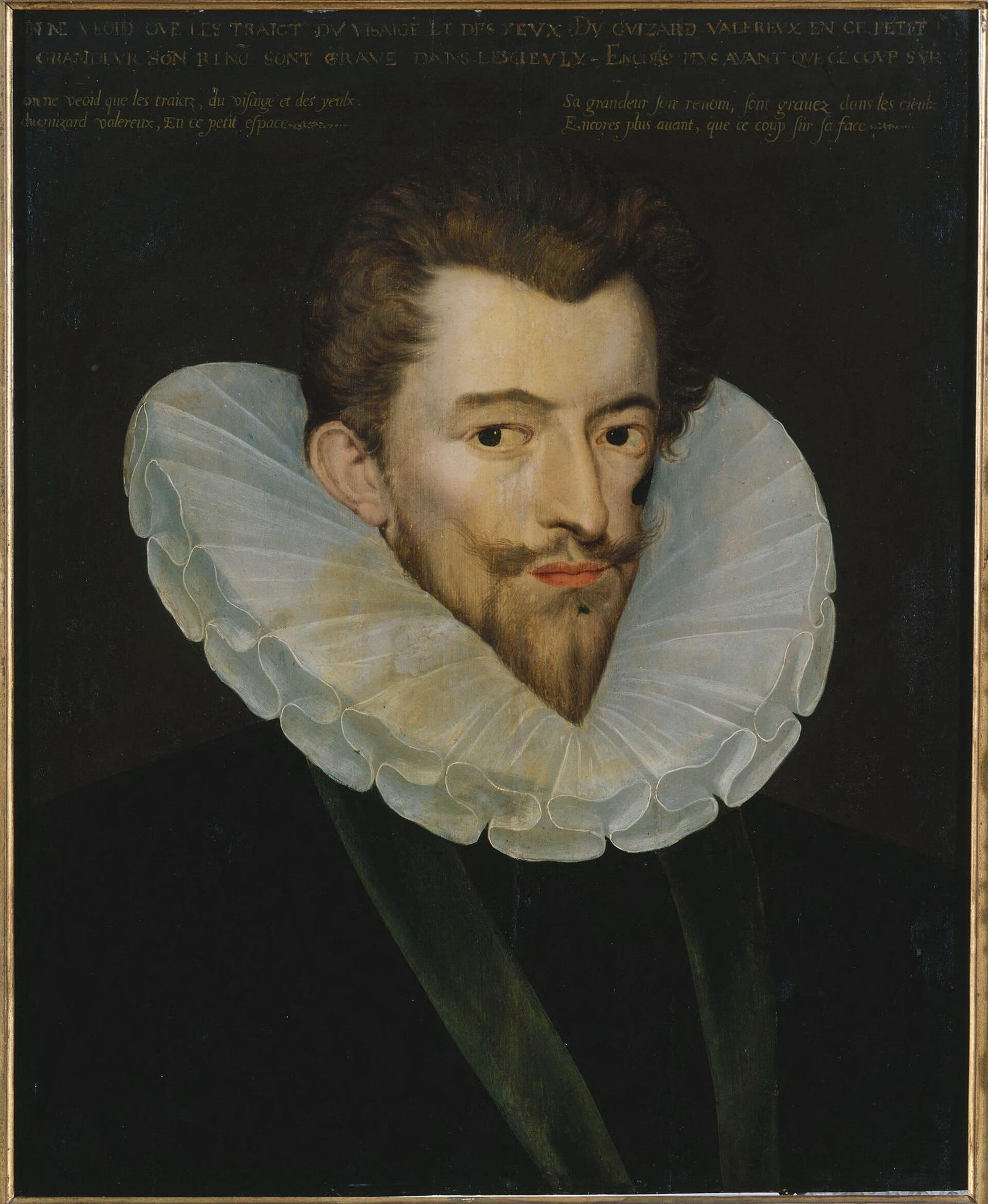

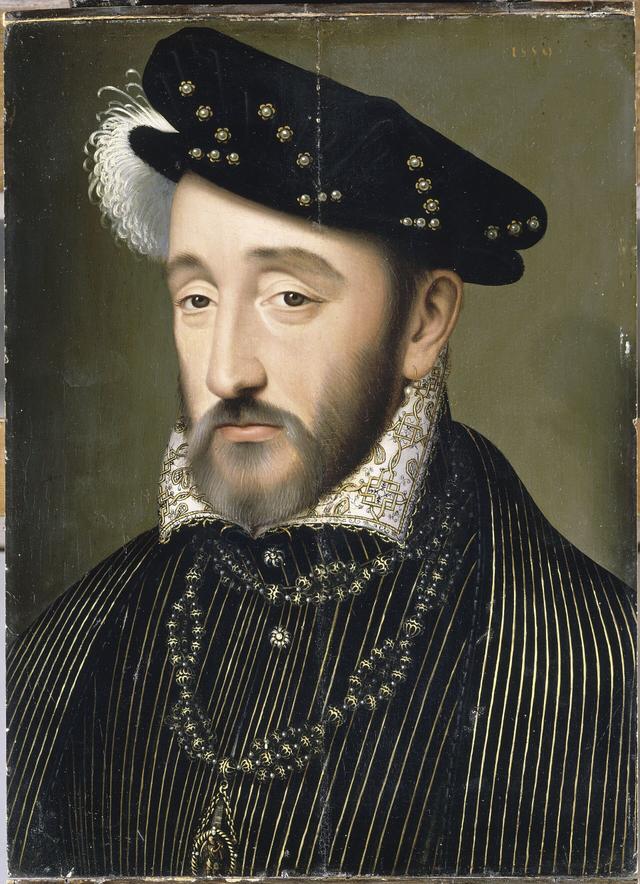
Tall, with a scar on his cheek, adored by the people of Paris: the Duke of Guise had everything a king needs except the crown. As leader of the Catholic League, he drove Henry III out of his own capital in 1588. A few months later, the king had him stabbed to death in his apartments at the Château de Blois. You can still visit the rooms where it happened.
Henry of Guise in dates
| Date | Event |
|---|---|
| 31 December 1550 | Born at Joinville, in Champagne, son of Francis, Duke of Guise |
| 1563 | His father is assassinated by a Protestant during the siege of Orléans |
| 24 August 1572 | Leads the troop that kills Admiral Coligny at the start of the St Bartholomew's Day massacre |
| 1575 | Wounded in the face at the Battle of Dormans: from now on he is “Le Balafré” (Scarface) |
| 1584 | Takes the lead of the Catholic League when a Protestant, Henry of Navarre, becomes heir to the throne |
| 12 May 1588 | Day of the Barricades: Paris rises for him and Henry III flees |
| Autumn 1588 | Dominates the Estates General gathered at Blois |
| 23 December 1588 | Murdered in the king's apartments at the Château de Blois |
Son of the Catholic hero
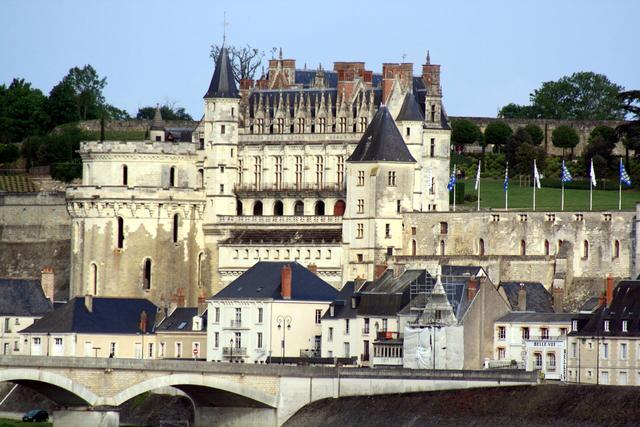
Henry of Lorraine was the eldest son of Francis of Guise, the great Catholic war leader who had taken Calais back from the English. His family dominated the court under Francis II: in 1560, the Amboise conspiracy, a Protestant plot crushed in blood at the château, was aimed at the Guises. See also: Royal Château of Amboise
In 1563, Francis of Guise was killed by a Protestant. His twelve-year-old son accused Admiral Coligny, leader of the Protestant party, of ordering the murder. Nine years later, on the morning of 24 August 1572, he led the troop that came to kill Coligny in his house: it was the first act of the St Bartholomew's Day massacre. See also: Catherine de' Medici
Le Balafré, king of Paris
In 1575, an arquebus shot left him with a scar on his cheek: he became “Le Balafré”, Scarface. In 1584, the king's younger brother died and the heir to the throne became a Protestant, Henry of Navarre. Guise then took the lead of the League, which rejected this successor, and secretly allied himself with Spain.
On 12 May 1588, Paris covered itself with barricades for him; Henry III had to flee his own capital. The king accepted all his conditions and summoned the Estates General to Blois. See also: Henry III
Blois, 23 December 1588
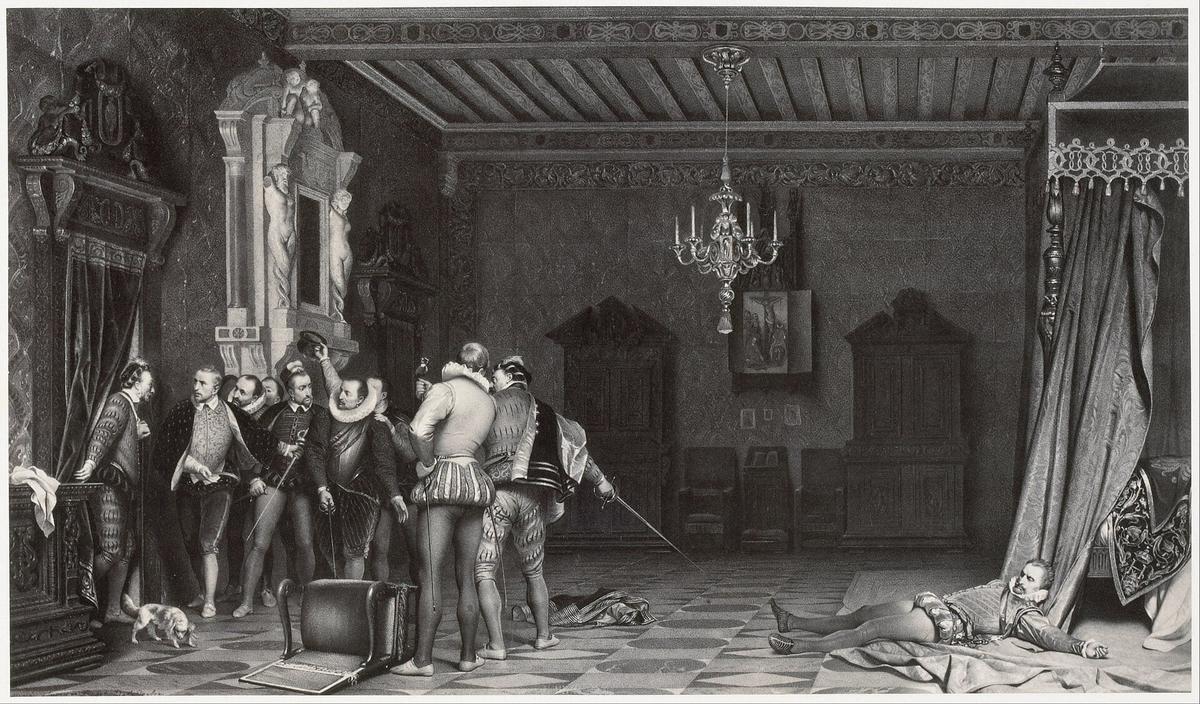

In the great Hall of the Estates, the deputies were on the League's side, and the duke behaved as if he were the master. In the early morning of 23 December 1588, Henry III sent for him to come to his old study, in the royal apartments of the Francis I wing. In the king's bedchamber, the Forty-Five, Henry III's personal guard, threw themselves on him. He was stabbed some thirty times and collapsed at the foot of the royal bed. See also: Royal Château of Blois
His brother, the Cardinal of Guise, was killed the next day. The bodies were burned and the ashes thrown into the Loire, so that they would not become relics. Tradition has the king saying over the body: “He is taller dead than alive” (« Il est plus grand mort que vivant »). The line is probably invented, but it proved true: the League rose up, and Henry III was himself assassinated eight months later.
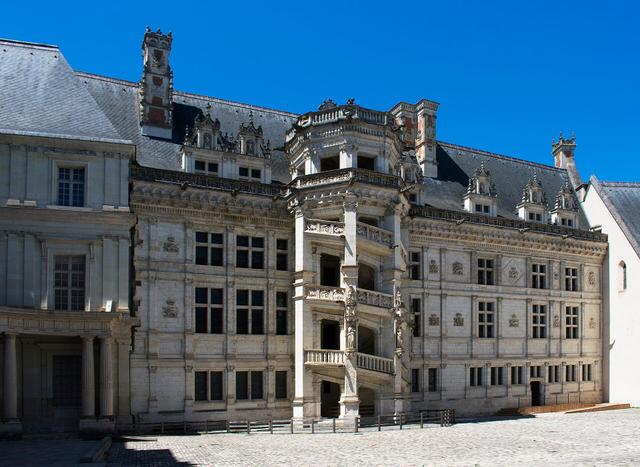
What to see: the Hall of the Estates, the king's bedchamber and the study where the murder took place, and the open loggia staircase of the Francis I wing.
In his footsteps: Blois and Amboise
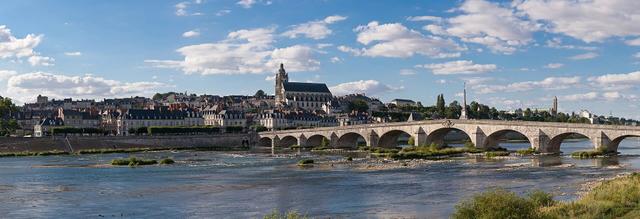
The Château de Blois is a 10-minute walk from the station, and Amboise is 40 km away. In the evenings, in season, a sound and light show fills the château courtyard. See also: Where to stay in Blois
Partner links: if you book through these links, we earn a commission at no extra cost to you. Partner links · Learn more
FAQ
Why is the Duke of Guise called “Le Balafré”?
Because of a face wound he received at the Battle of Dormans in 1575, which left a scar on his cheek. The nickname means “Scarface”.
Where was the Duke of Guise murdered?
At the Château de Blois, in the royal apartments of the Francis I wing, on 23 December 1588.
Who had the Duke of Guise killed?
King Henry III, who feared for his throne. The killers were members of the Forty-Five, his personal guard.
What happened to the Duke of Guise's body?
It was burned and the ashes were thrown into the Loire, like those of his brother, the Cardinal of Guise.
Did Henry III really say “He is taller dead than alive”?
Tradition attributes the line to him, but historians consider it apocryphal.
Sources: fr.wikipedia.org (Henri Ier de Guise), chateaudeblois.fr
Tickets to book online
Partner links: if you book through these links, we earn a commission at no extra cost to you. Partner links · Learn more
Places to visit
Related guides
Related historical figures