Ronsard, the poet of the Loire's roses
- Born
- 11 September 1524
- Died
- 27 December 1585
- Active years
- 1550 – 1585
- Family
- Artists, saints and favourites
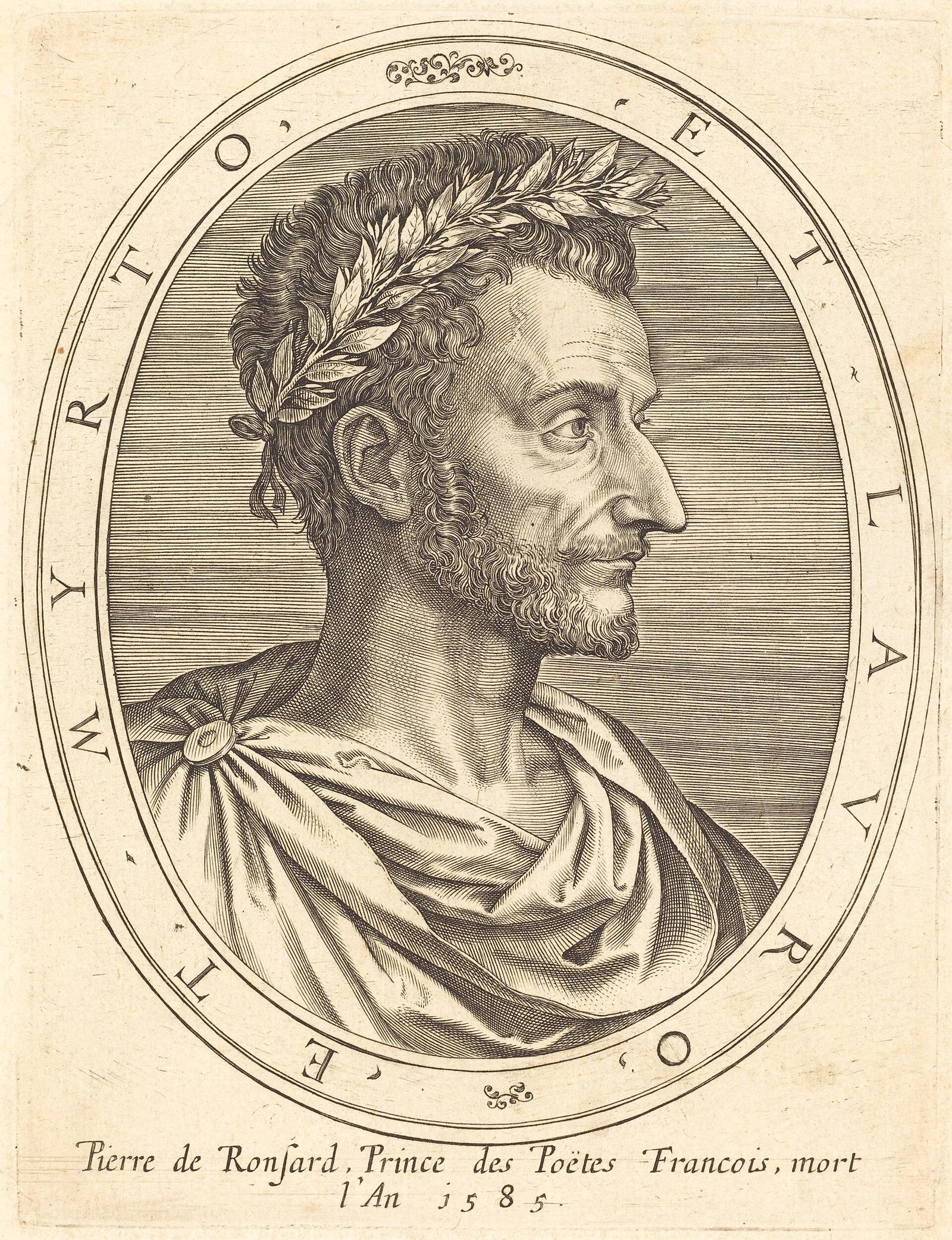
Deaf at eighteen, he gave up a career as a diplomat and took up Greek. Pierre de Ronsard became the poet of kings, from Henry II to Henry III, and wrote the lines about the rose that French schoolchildren still recite. His muse lived at Talcy, near Blois. He spent his last years in a priory on the edge of Tours, among his books and his garden, and he is buried there.
Ronsard in dates
| Date | Event |
|---|---|
| 11 September 1524 | Born at the manor of La Possonnière, in Couture-sur-Loir, in the Vendôme area |
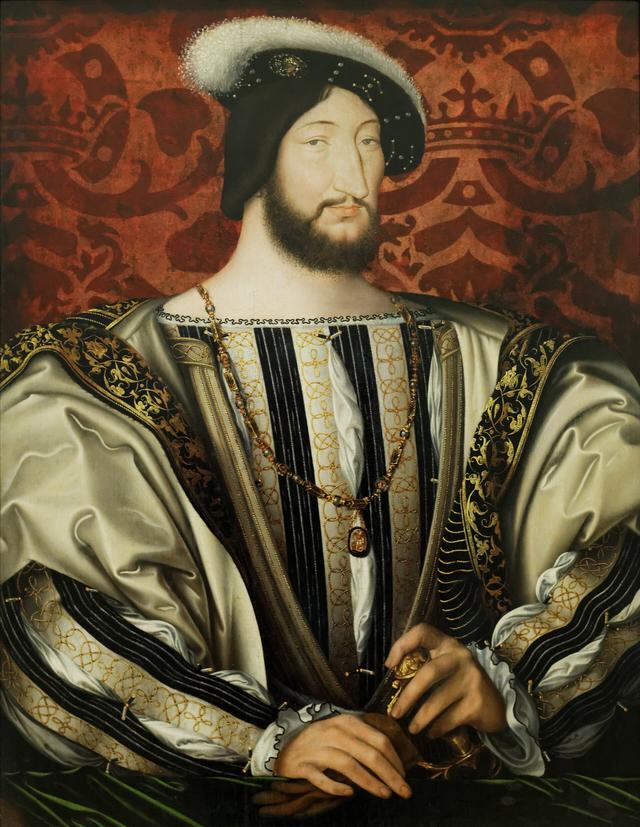
| 1536 | Page at court, serving the sons of Francis I |
| Around 1540 | An illness leaves him half deaf |
| 1545 | Meets Cassandre Salviati at a ball in Blois |
| 1547 | Studies Greek and Latin at the Collège de Coqueret in Paris, with Joachim du Bellay |
| 1550 | Publishes his first Odes |
| 1552 | The Amours, dedicated to Cassandre |
| 1565 | Becomes prior of Saint-Cosme, near Tours |
| 1578 | Sonnets for Helen |
| 27-28 December 1585 | Dies at Saint-Cosme Priory, where he is buried |
A page who went deaf
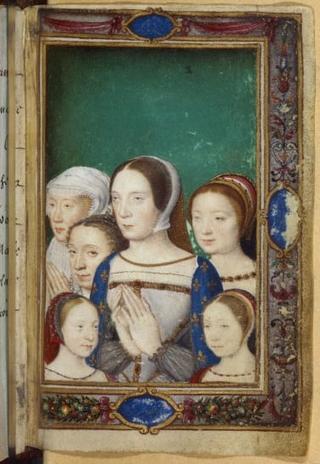
Pierre de Ronsard was born in a manor house in the Vendôme area, the son of a nobleman in the king's service. At twelve he joined the court as a page to the children of Francis I. He followed Madeleine of France to Scotland when she married King James V, then travelled in Germany with an ambassador. Everything was preparing him for the army or for diplomacy.
Around 1540, an illness left him half deaf. That was the end of his career at court. He received the tonsure, which allowed him to live on Church income without being a priest, and turned to study. At the Collège de Coqueret, in Paris, the scholar Jean Dorat taught him Greek. With Joachim du Bellay and a few friends, he set out to give the French language a poetry as lofty as that of the Ancients: the group would take the name of the Pléiade.
Talcy and Cassandre
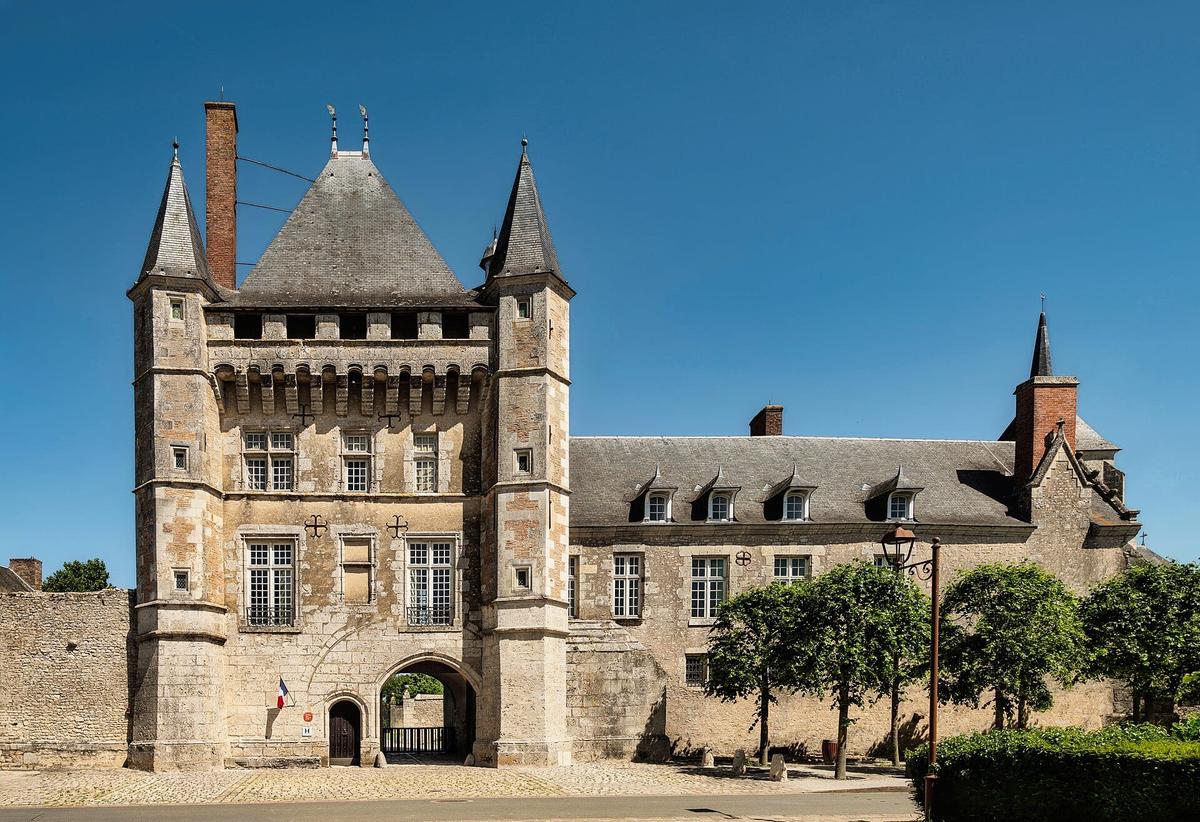
In 1545, at a ball at the court in Blois, Ronsard was twenty. He noticed Cassandre Salviati, daughter of Bernard Salviati, a Florentine banker who had bought the Château de Talcy, in the Beauce. She married another man the following year. He made her the heroine of his Amours, published in 1552, and it is to her that the ode “Mignonne, allons voir si la rose” (“Sweetheart, let us go and see if the rose”) is addressed. See also: Château de Talcy, Royal Château of Blois
Talcy has remained a small village château, with no major alterations after the 17th century. A generation after Ronsard, another poet, Agrippa d'Aubigné, fell in love there with Diane, Cassandre's niece.
What to see: the furnished rooms, the courtyard and its well, the dovecote with its 1400 nesting holes, the great wine press and the orchard garden.
The poet of kings
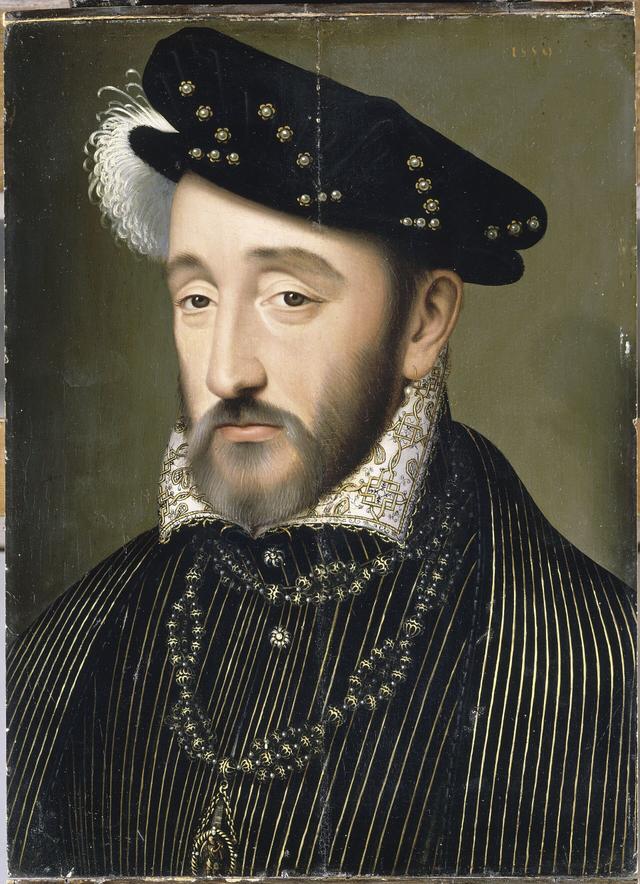
The Odes came out in 1550, the Amours in 1552. They were an instant success. Henry II, then Charles IX, made Ronsard the official poet of the court: he wrote hymns, elegies and verses for festivities and weddings. During the Wars of Religion, he sided with the Catholics and in 1562 published his Discours des misères de ce temps (Discourses on the Miseries of These Times). Charles IX commissioned a national epic from him, the Franciade, which he never finished. See also: Henry II of France, Catherine de' Medici
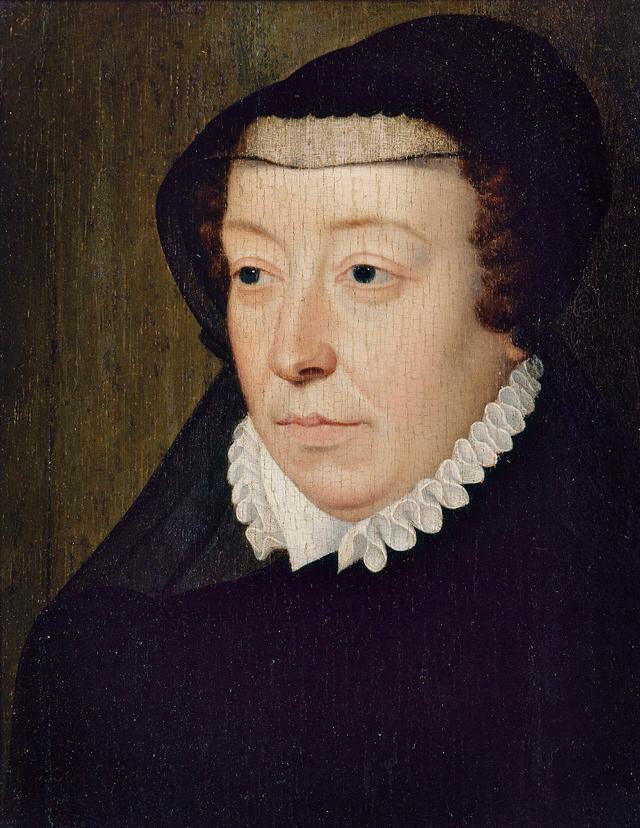
When Charles IX died in 1574, Henry III preferred younger poets. Ronsard still published, in 1578, the Sonnets for Helen, written for Hélène de Surgères, a maid of honour to Catherine de' Medici. They include “Quand vous serez bien vieille, au soir, à la chandelle” (“When you are very old, at evening, by the candle”). See also: Henry III
Saint-Cosme, the priory of roses
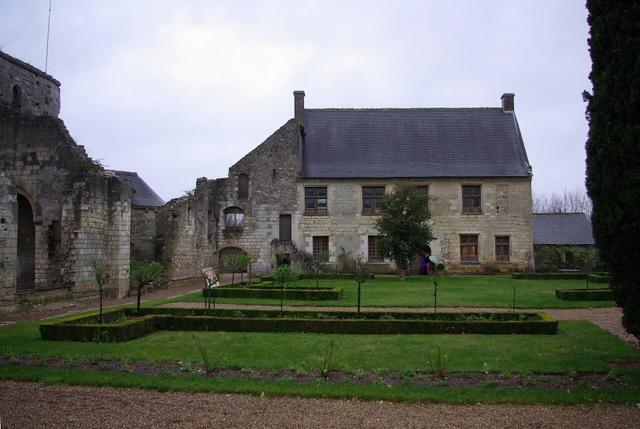
In 1565, Charles IX appointed him prior of Saint-Cosme, a community of canons founded in the 11th century on the banks of the Loire, just west of Tours. Ronsard was not a priest, but the priory gave him an income and a house. He spent more and more time there, writing, receiving his friends and tending his garden.
Ill, he died at the priory on the night of 27 to 28 December 1585. He is buried in the choir of the church, of which only ruins remain. See also: Saint-Cosme Priory, home of Ronsard
What to see: the prior's lodging, where he lived, and his tomb in the ruined choir. The gardens hold about 500 plant species, nearly 350 of which are mentioned in his poems. The rose garden is at its best in May and June.
In his footsteps: from Blois to Tours
Talcy is 25 km from Blois and 20 km from Chambord: an hour is enough to visit it, before or after the great château. See also: Château de Chambord Saint-Cosme Priory is in La Riche, served from the centre of Tours by buses Fil Bleu lignes 3A et 3B. To stay with gardens, Villandry is about twenty minutes away. See also: Château de Villandry
Partner links: if you book through these links, we earn a commission at no extra cost to you. Partner links · Learn more
Guided tours and day trips on GetYourGuide
FAQ
Where is Ronsard buried?
At Saint-Cosme Priory, in La Riche, on the edge of Tours. His tomb is in the choir of the former church, now in ruins.
Who is “Mignonne, allons voir si la rose” addressed to?
To Cassandre Salviati, daughter of the lord of Talcy, whom Ronsard met in 1545 at a ball in Blois.
Why was Ronsard deaf?
An illness, around 1540, left him half deaf. That is what took him away from a career at court and turned him towards study and poetry.
What was the Pléiade?
The group of poets formed around Ronsard and Joachim du Bellay in the middle of the 16th century. They wanted to enrich the French language and imitate the great Greek and Latin poets.
Can you visit Ronsard's house?
Yes, the prior's lodging at Saint-Cosme, with its gardens. His birthplace, the manor of La Possonnière in Couture-sur-Loir, is also open in season.
Sources: fr.wikipedia.org (Pierre de Ronsard)
Tickets to book online
Partner links: if you book through these links, we earn a commission at no extra cost to you. Partner links · Learn more
Places to visit
Related guides