Claude of France, the quiet queen of Francis I
- Born
- 13 October 1499
- Died
- 20 July 1524
- Reign
- 1515 – 1524
- Family
- Valois
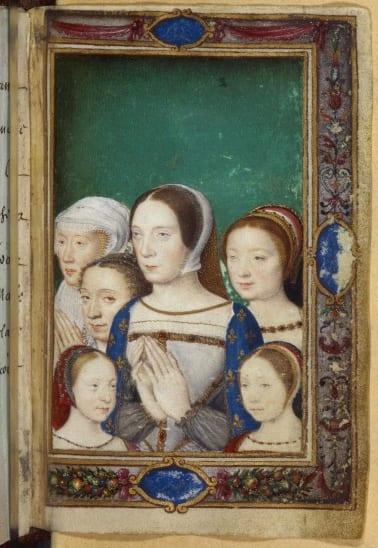

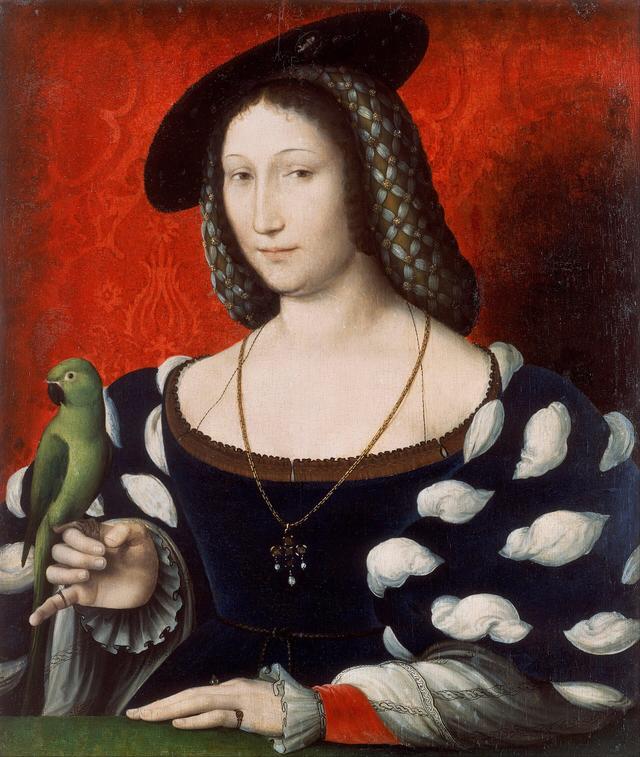
Daughter of Louis XII and Anne of Brittany, Claude of France brought Brittany to the crown and gave Francis I seven children. She died at twenty-four at the Château de Blois, where the Francis I wing was built for her. She is mostly remembered through a plum: in French, the greengage is still called the reine-claude.
Claude of France in dates
| Date | Event |
|---|---|
| 13 October 1499 | Born at Romorantin, daughter of Louis XII and Anne of Brittany |
| 1504 | The Treaty of Blois promises her to Charles of Luxembourg, the future Charles V |
| 1506 | The Estates General at Tours ask that she marry Francis of Angoulême instead; betrothal |
| 1514 | Her mother dies at Blois; she marries Francis at Saint-Germain-en-Laye on 18 May |
| 1 January 1515 | Louis XII dies: Francis I becomes king and Claude queen |
| 10 May 1517 | Crowned queen at Saint-Denis |
| 28 February 1518 | The dauphin Francis is born at Amboise |
| 1519 | The future Henry II is born at Saint-Germain-en-Laye |
| 20 July 1524 | Dies at the Château de Blois, aged 24 |
An heiress worth too much
Claude was born at the Château de Romorantin, in the Sologne, in 1499. She was the eldest daughter of King Louis XII and Queen Anne of Brittany. In France a woman could not reign, so she would never inherit the crown. But she would inherit Brittany, and that shaped her whole life. See also: Anne of Brittany, Louis XII
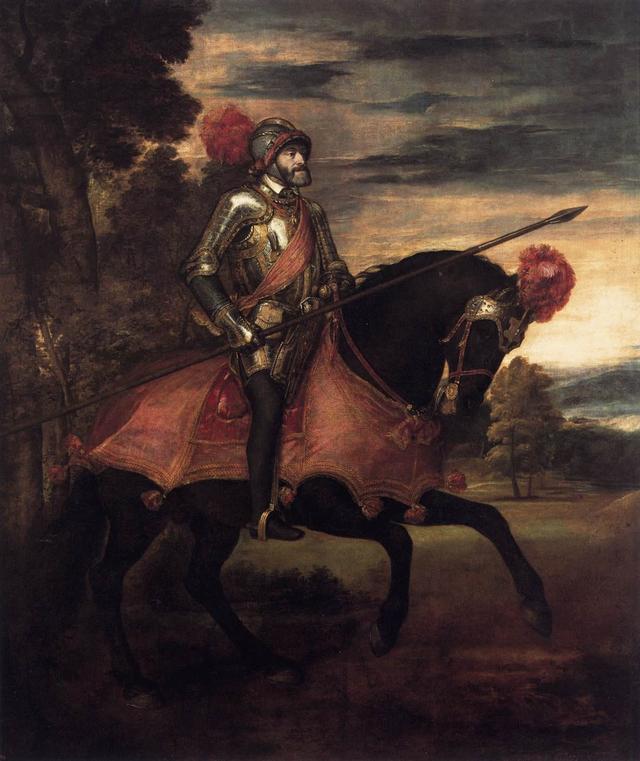
Her mother wanted her to marry Charles of Luxembourg, grandson of Emperor Maximilian. The Treaty of Blois of 1504 said so. Had the plan gone ahead, Brittany would have passed to the Habsburgs, and Claude would have been the wife of Charles V. See also: Charles V
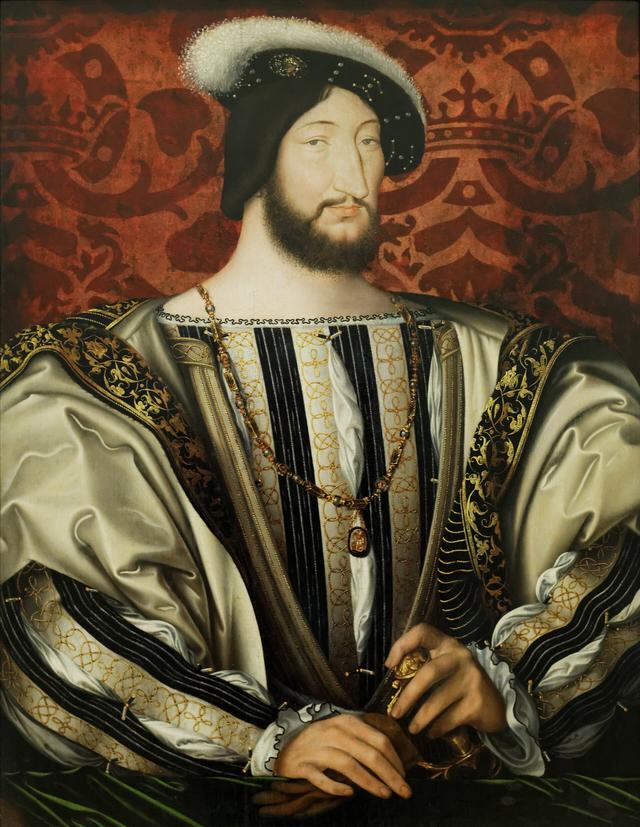
The king changed his mind. In 1506, at Tours, the Estates General begged him to give his daughter to "Monsieur François", his cousin and heir. The betrothal followed at once. Anne of Brittany never liked this match, which brought her duchy into the family of Louise of Savoy. See also: Louise of Savoy
Blois: the queen's château

Claude grew up at Blois, her parents' favourite residence. Anne of Brittany died there in January 1514. Four months later, on 18 May, Claude married Francis at Saint-Germain-en-Laye, still in mourning. On 1 January 1515 Louis XII died: at fifteen, she was Queen of France.
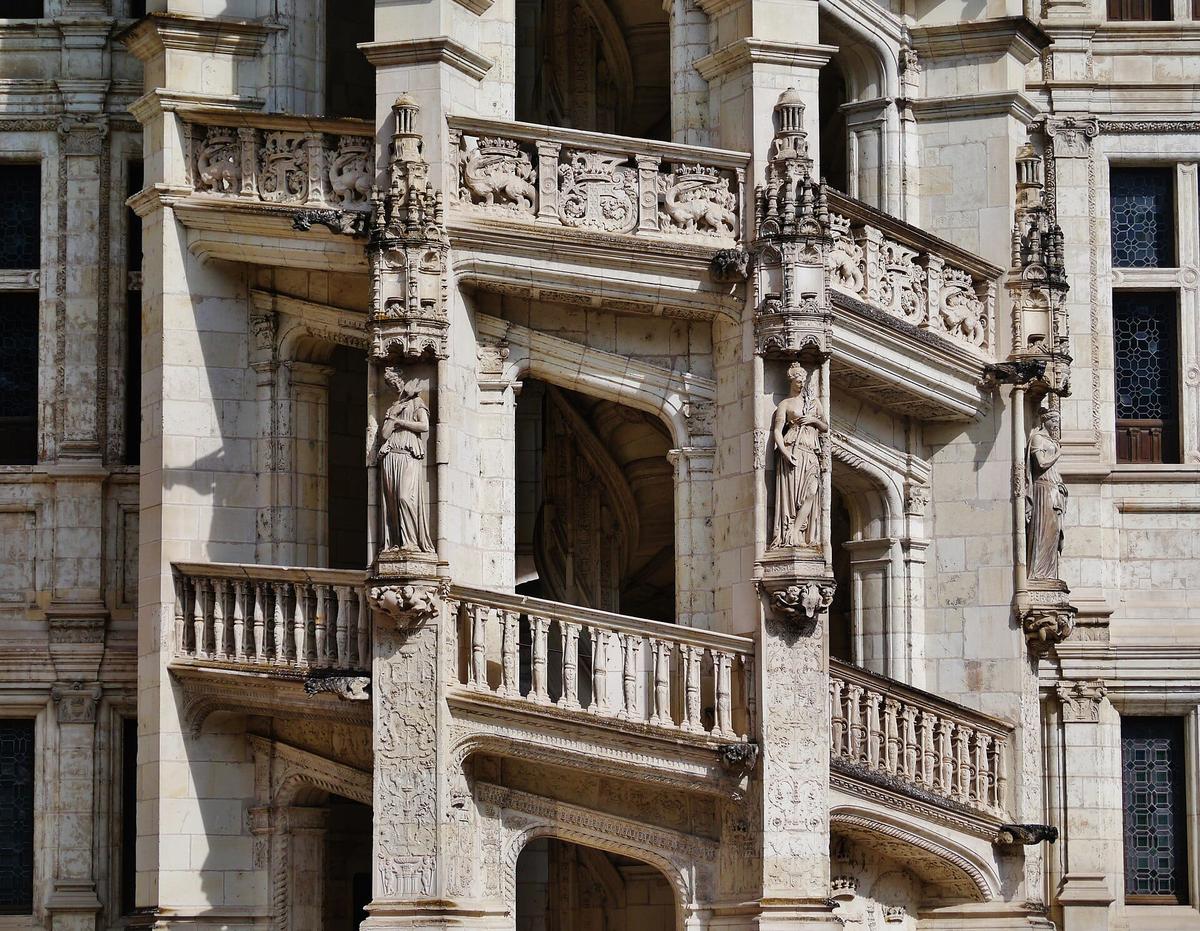
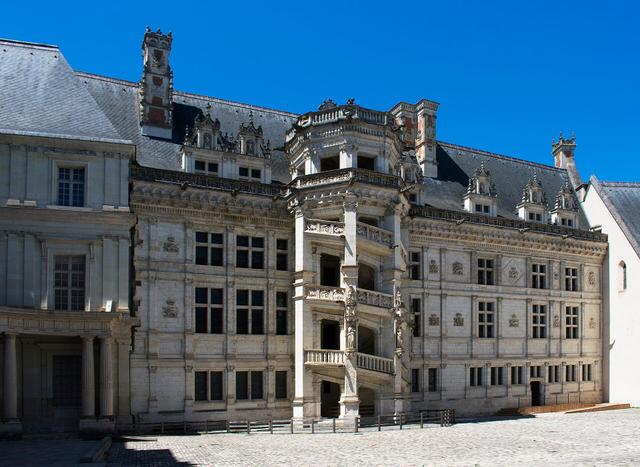
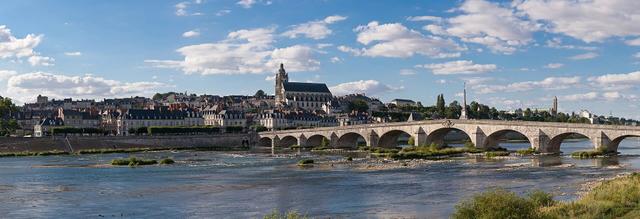
Blois remained her château. Francis I built a new wing there between 1515 and 1524. On its façade, the king's salamander sits next to the queen's "C" and the ermine of Brittany. Work almost stopped when she died: after her, the king came to Blois far less often. See also: Royal Château of Blois, Francis I
The French name of the greengage, reine-claude, honours her. According to tradition, the fruit came from the East and was grown in the royal orchards at Blois, where it took the queen's name.
What to see: the spiral staircase of the Francis I wing, with its salamanders and Claude's initials; in the Louis XII wing, her parents' ermines and porcupine.
Amboise: a queen almost always pregnant
Claude was small and walked with a slight limp. Ambassadors described her as gentle and devout. The court respected her, but the king was openly unfaithful. Her role was to provide heirs, and she did: seven children in nine years, from Louise in 1515 to Margaret in 1523.
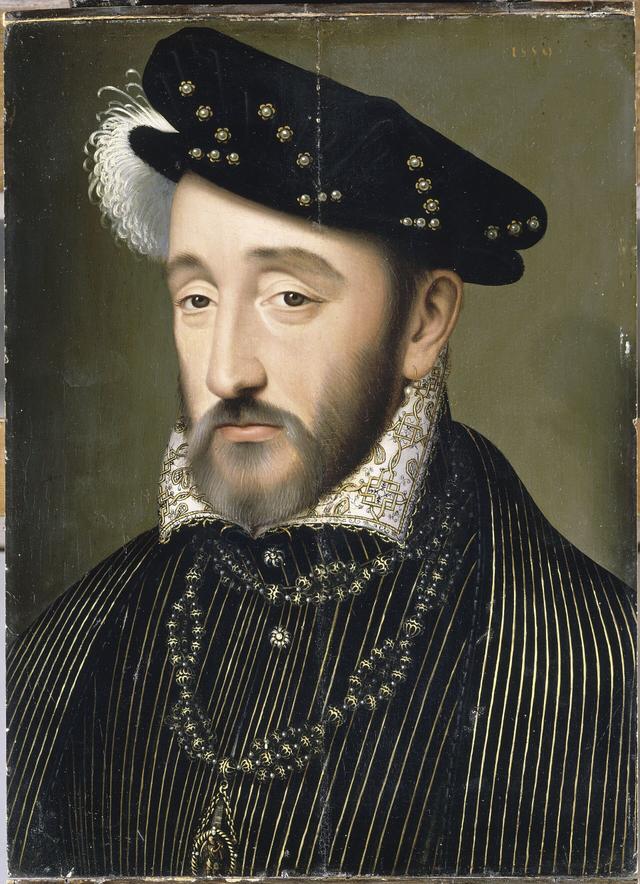
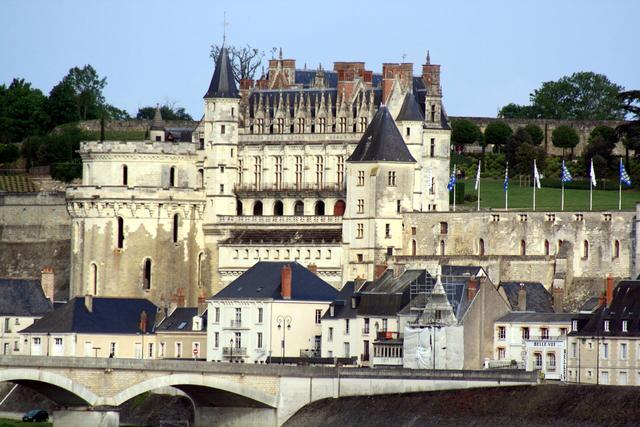
The first son, the dauphin Francis, was born at the Château d'Amboise on 28 February 1518. His christening that spring was the occasion for great celebrations. Leonardo da Vinci, then living at Clos Lucé close by, worked on the court festivities that year. The second son, Henry, was born at Saint-Germain-en-Laye in 1519: he was the future Henry II. See also: Royal Château of Amboise, Henry II of France, Leonardo da Vinci
Among the young ladies of her household was an Englishwoman, Anne Boleyn, the future wife of Henry VIII. She served Queen Claude for several years, until about 1521, and learned in France the manners that would make her name in London.
What to see: the royal lodgings and the Chapel of Saint-Hubert, where Leonardo da Vinci lies; five minutes' walk away, the manor of Clos Lucé.
Brittany, her inheritance
Claude became Duchess of Brittany when her mother died, but soon left the running of the duchy to her husband. In her will she passed it to her eldest son, the dauphin. This is what made possible the final union of Brittany and France in 1532, eight years after her death.
Claude died at Blois on 20 July 1524, worn out by her pregnancies, while Francis I was setting off for Italy. She was twenty-four. A few months later the king was taken prisoner at Pavia.
Saint-Denis: the tomb with Francis I
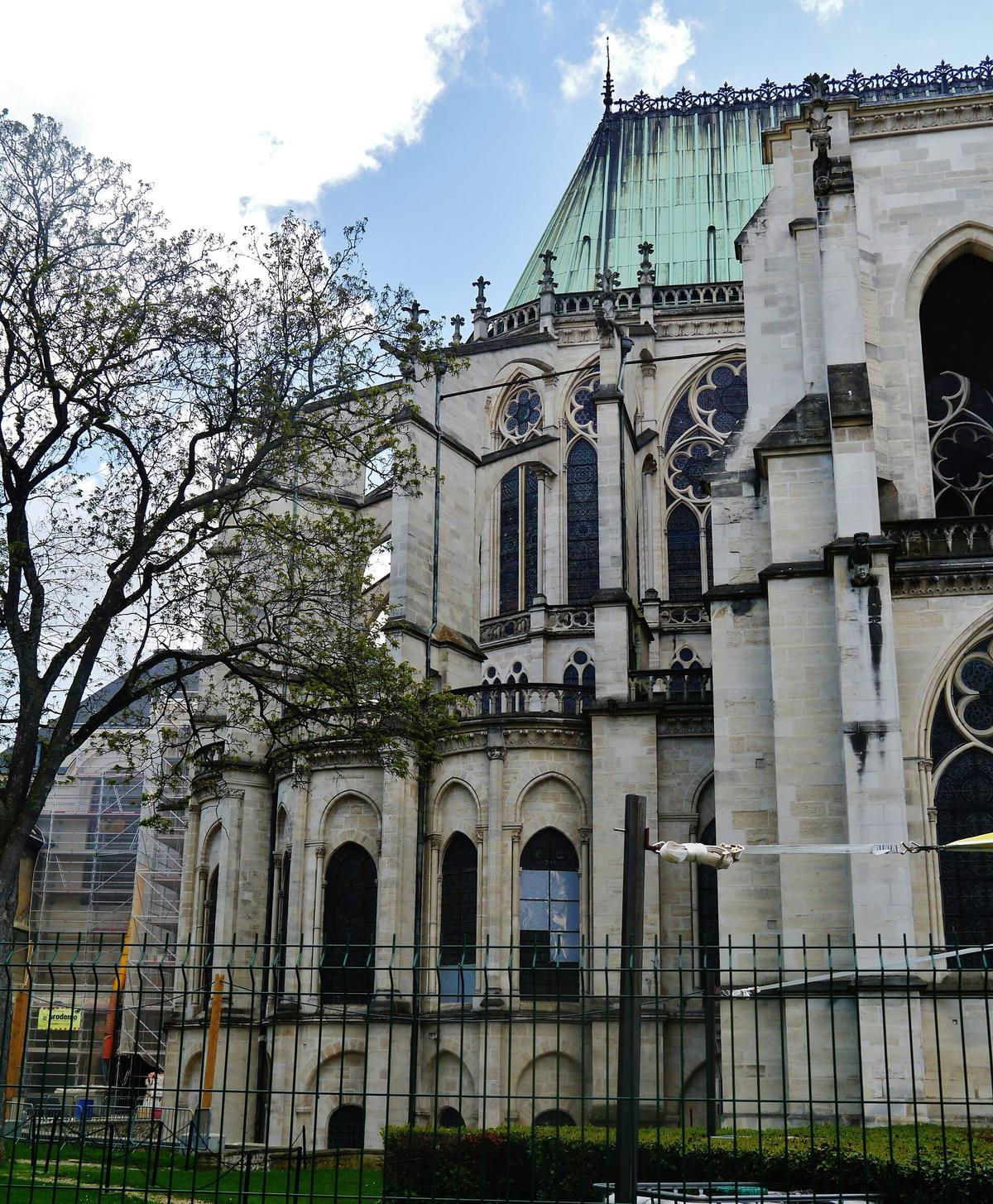

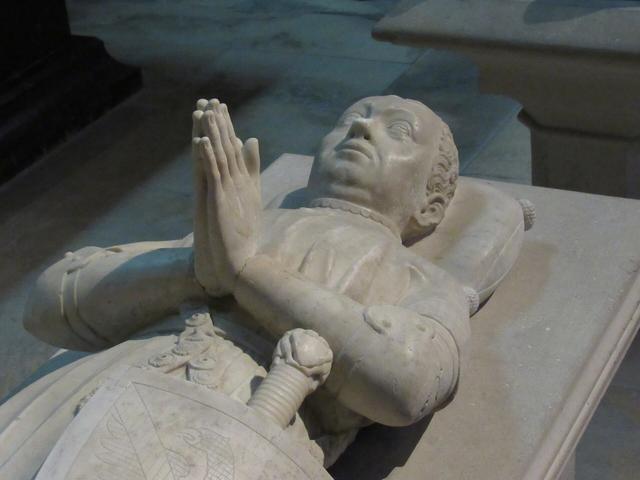
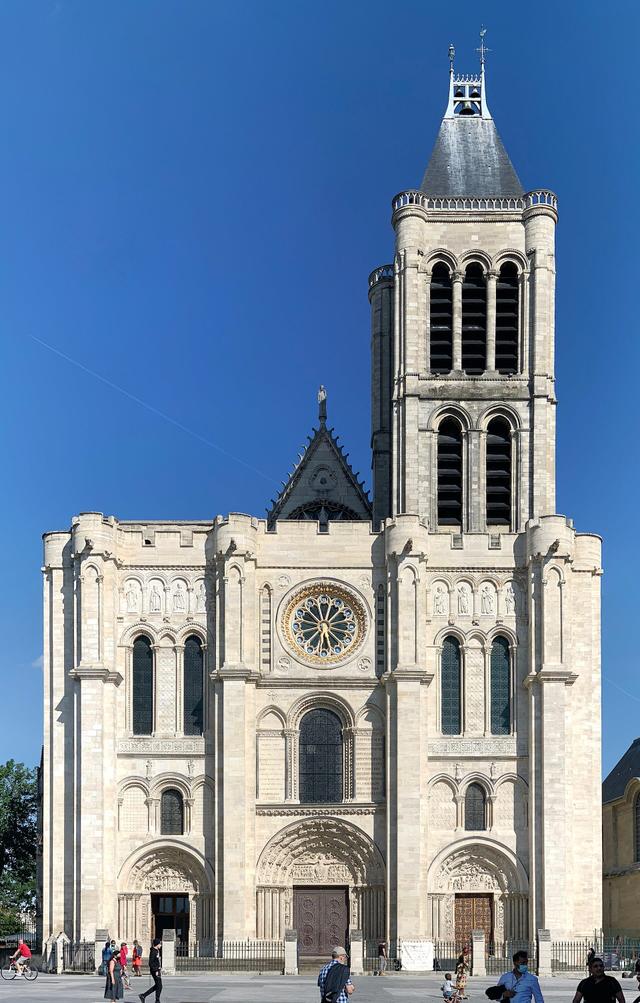
Claude was buried in the Basilica of Saint-Denis. Her son Henry II later had a great marble tomb built for his parents, designed by Philibert Delorme. On top, Francis I and Claude kneel in prayer with three of their children. Below, under the vault, the two bodies are carved naked, as corpses.
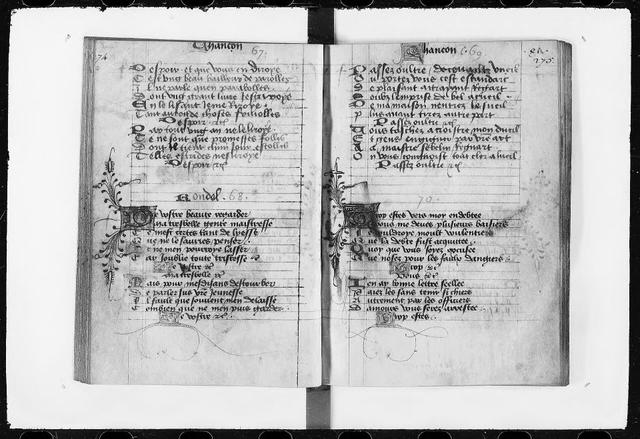
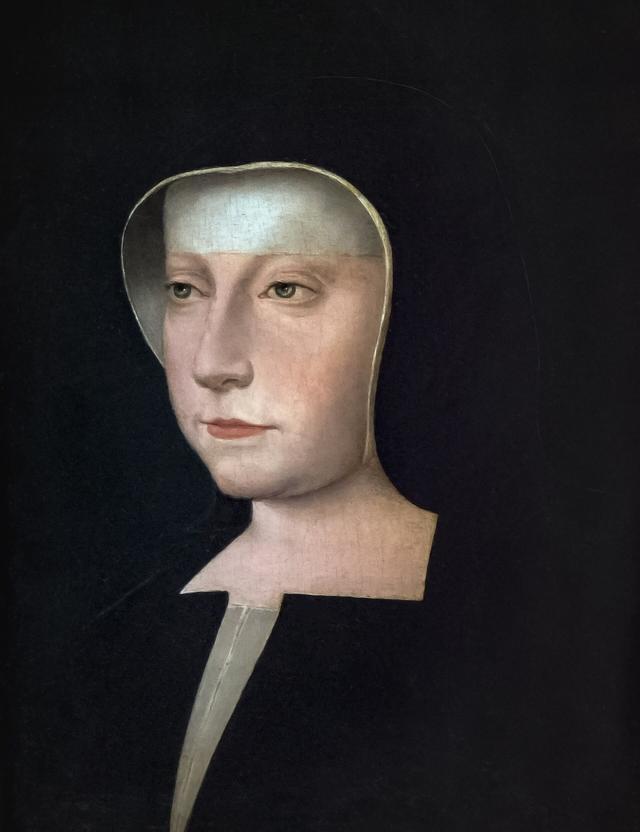
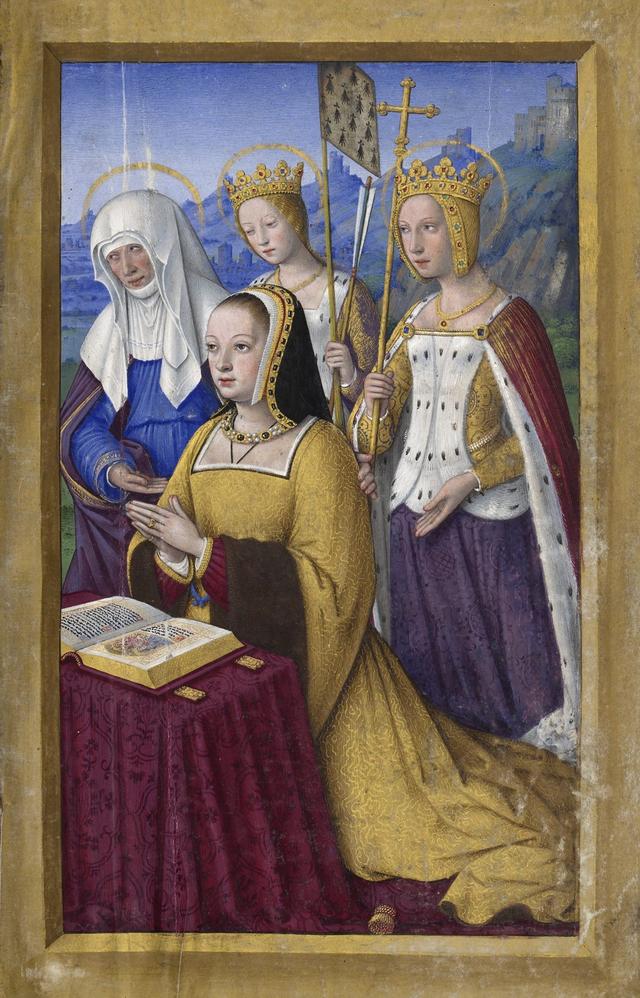
Her prayer books have survived better than her image. The smallest, kept at the Morgan Library in New York, is only about 7 centimetres tall and holds more than a hundred tiny paintings. See also: Basilica of Saint-Denis
What to see: the tomb of Francis I and Claude of France in the south transept and, not far away, that of her parents, Louis XII and Anne of Brittany.
In her footsteps: from Blois to Saint-Denis
Blois and Amboise are forty minutes apart by road, and a direct train links them in about twenty minutes. One day is enough for both châteaux; staying in Blois lets you start with the queen's own town. Saint-Denis is a half-day trip from Paris by metro. See also: Where to stay in Blois, Things to do in Saint-Denis
Partner links: if you book through these links, we earn a commission at no extra cost to you. Partner links · Learn more
FAQ
Where was Claude of France born?
At the Château de Romorantin, in the Sologne, on 13 October 1499.
Where is Claude of France buried?
In the Basilica of Saint-Denis, in the tomb she shares with Francis I.
Why is the greengage called reine-claude in French?
It is named after Claude of France, queen and wife of Francis I. According to tradition, the tree was grown in the royal orchards at Blois.
How many children did Claude of France have?
Seven, between 1515 and 1523, including the future King Henry II.
What did Claude of France die of?
She died at Blois in July 1524, aged twenty-four, worn out by nine years of almost constant pregnancies.
Sources: fr.wikipedia.org (Claude de France (1499-1524)), chateaudeblois.fr, chateau-amboise.com, saint-denis-basilique.fr
Tickets to book online
Partner links: if you book through these links, we earn a commission at no extra cost to you. Partner links · Learn more
Places to visit
Related guides



Related historical figures