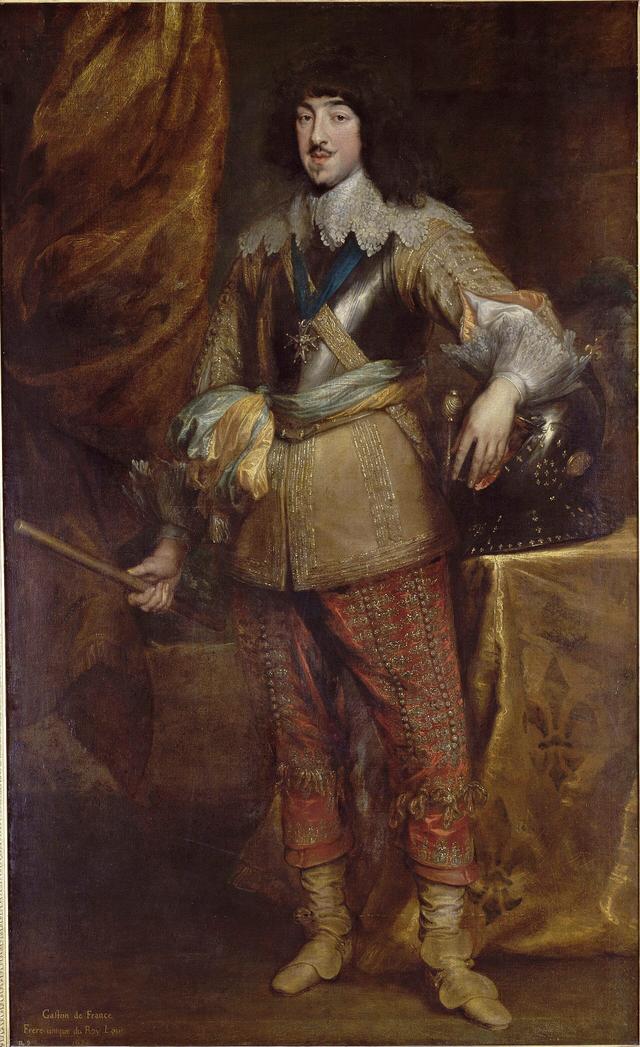
Catherine de' Medici, the queen who took Chenonceau
- Born
- 13 April 1519
- Died
- 5 January 1589
- Reign
- 1547 – 1589
- Family
- Medici
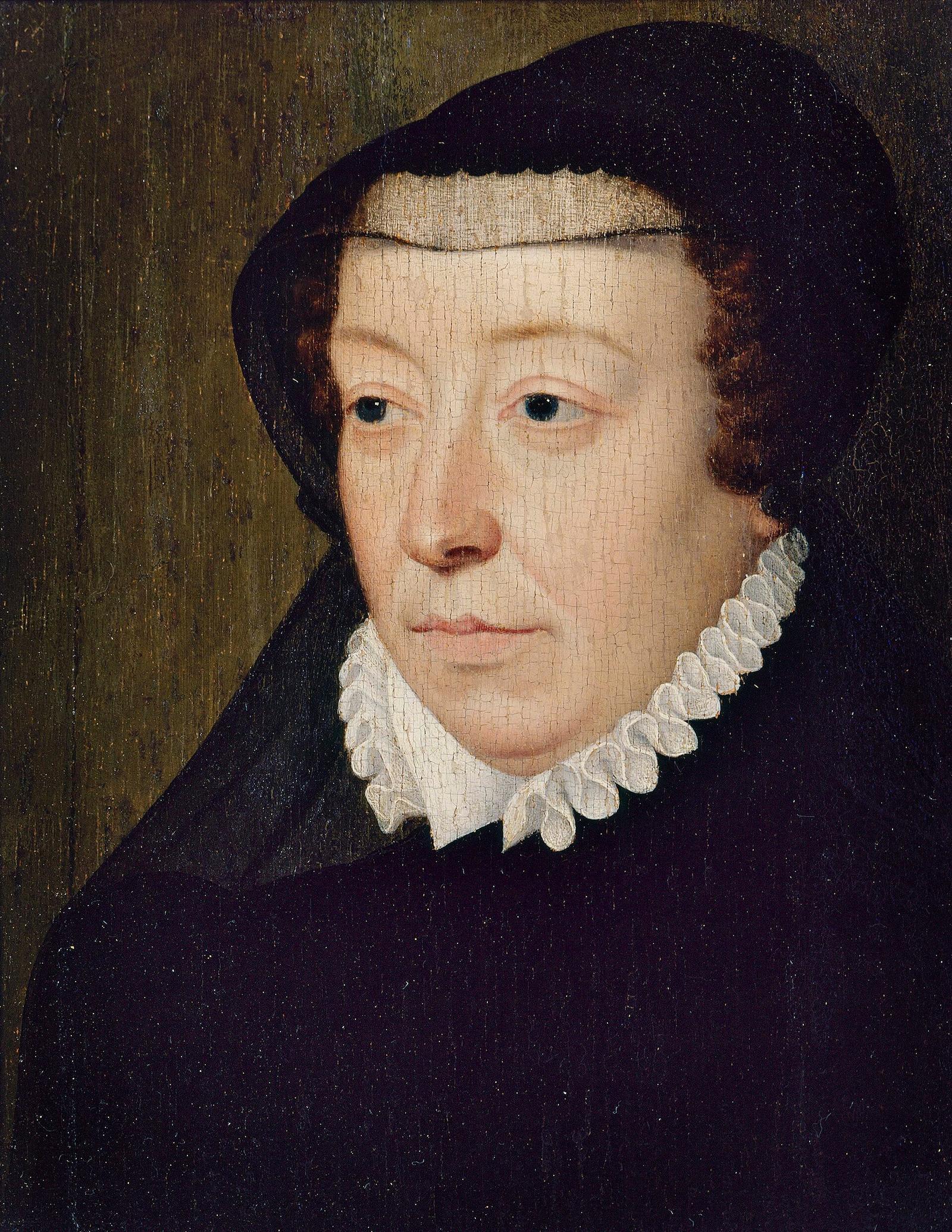
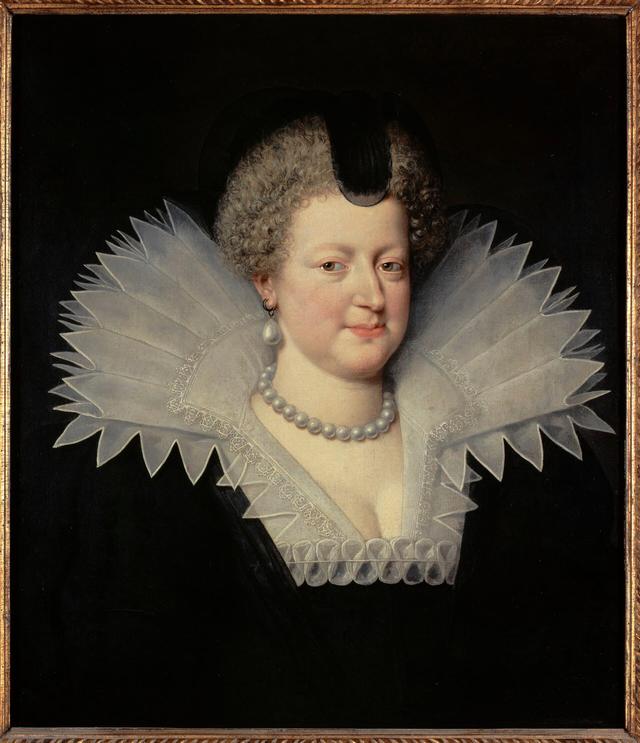
Long overshadowed by Diane de Poitiers, Catherine de' Medici governed France for thirty years in the name of her sons, in the middle of the Wars of Religion. In the Loire Valley she left the gallery at Chenonceau, a room of secret panels at Blois and the memory of her astrologers at Chaumont.
Catherine de' Medici in dates
| Date | Event |
|---|---|
| 13 April 1519 | Born in Florence, daughter of Lorenzo II de' Medici, Duke of Urbino; orphaned within weeks |
| 28 October 1533 | Marries Henry, second son of Francis I, in Marseille |
| 1547 | Henry II becomes king, Catherine Queen of France |
| 1550 | Buys the Château de Chaumont-sur-Loire |
| 10 July 1559 | Henry II dies of a jousting wound; Catherine takes Chenonceau back from Diane de Poitiers |
| 1560 | Amboise conspiracy; regent for her son Charles IX |
| 24 August 1572 | St Bartholomew's Day massacre, in Paris |
| 1576 | Work begins on the Chenonceau gallery, on the bridge over the Cher |
| 23 December 1588 | The Duke of Guise is murdered at the Château de Blois on the orders of Henry III |
| 5 January 1589 | Dies at the Château de Blois |
A Medici at the French court
Catherine was born in Florence into the richest family in Italy and lost both parents within a month. Her uncle, Pope Clement VII, arranged her marriage to the younger son of Francis I. She was fourteen when she married Henry in Marseille, in 1533.
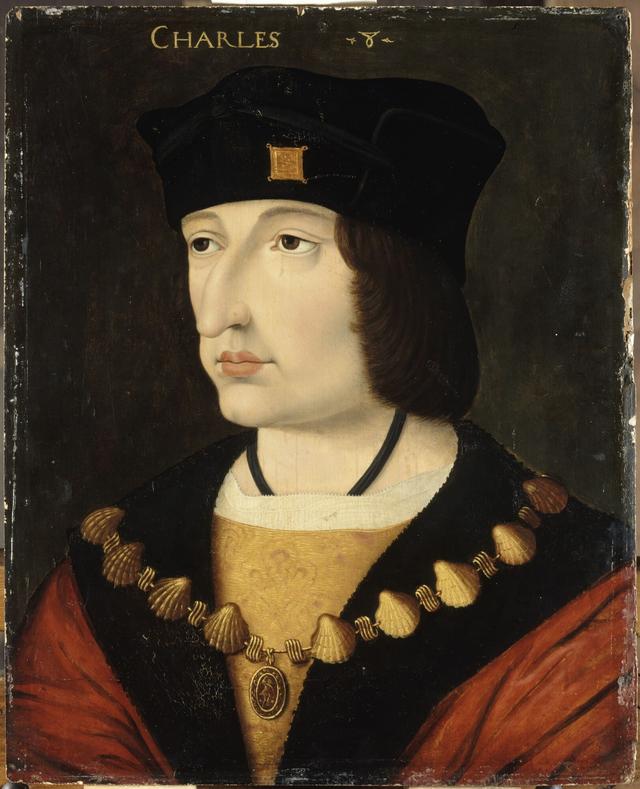
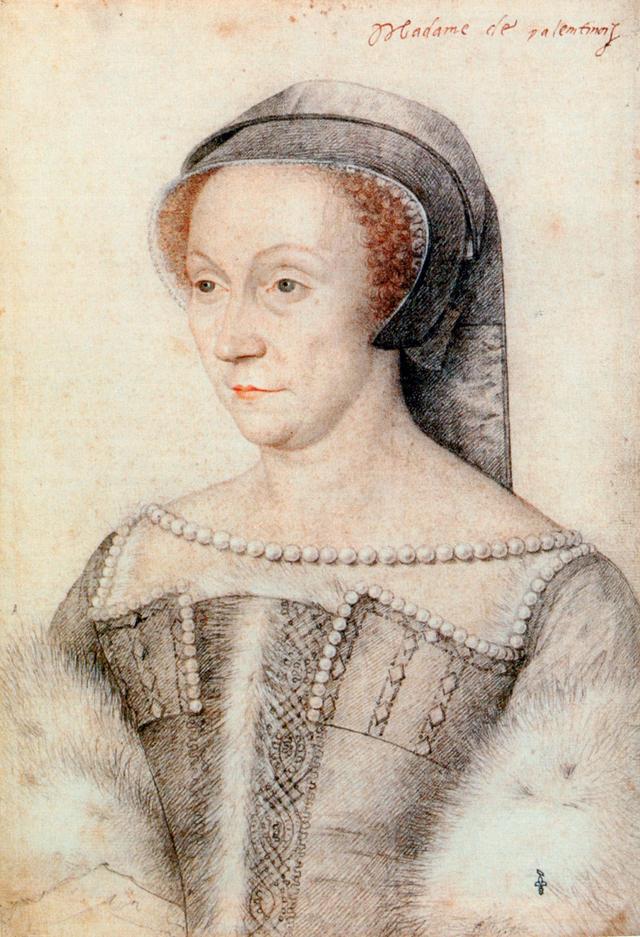
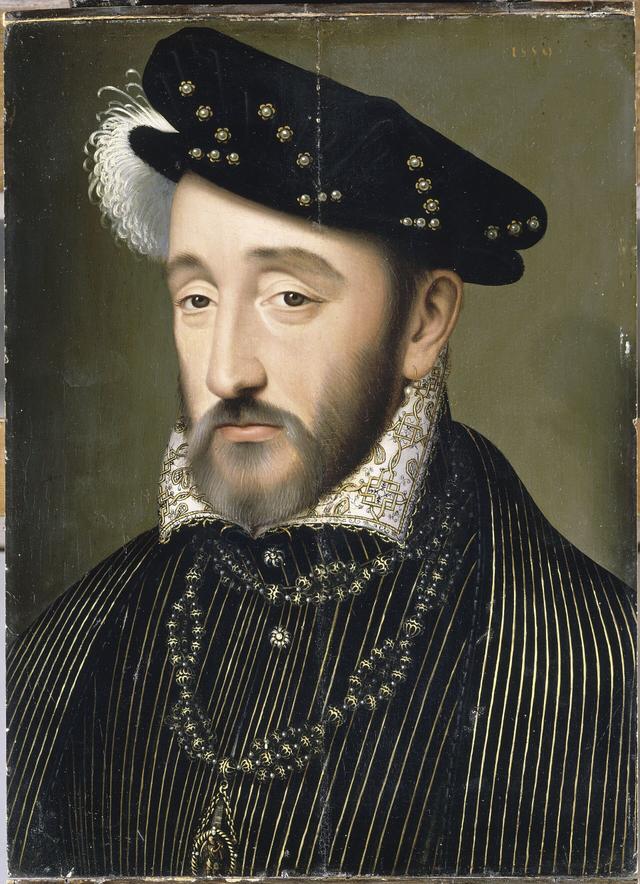
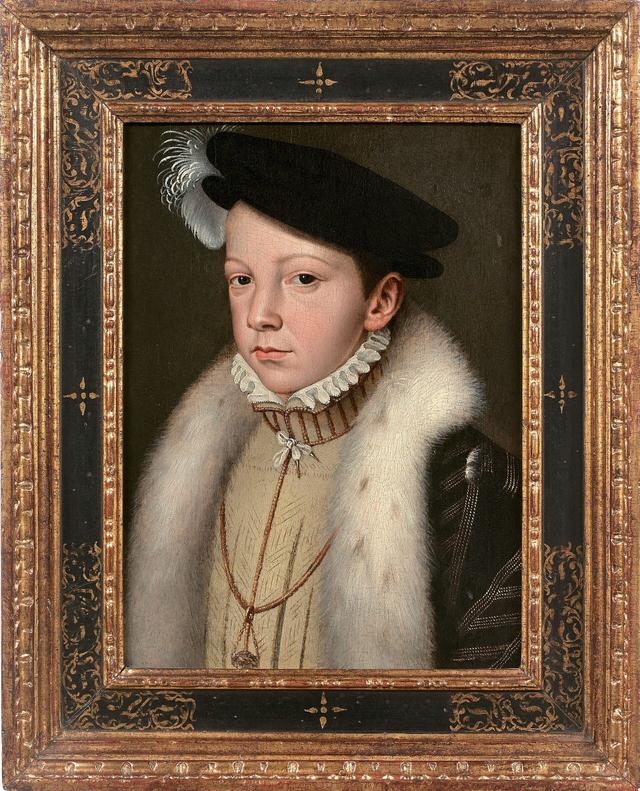
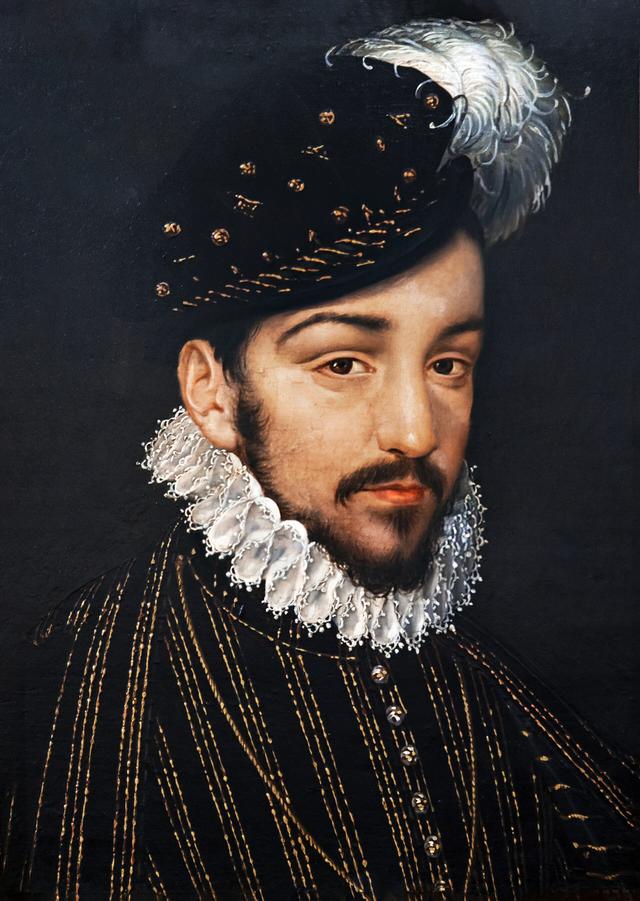
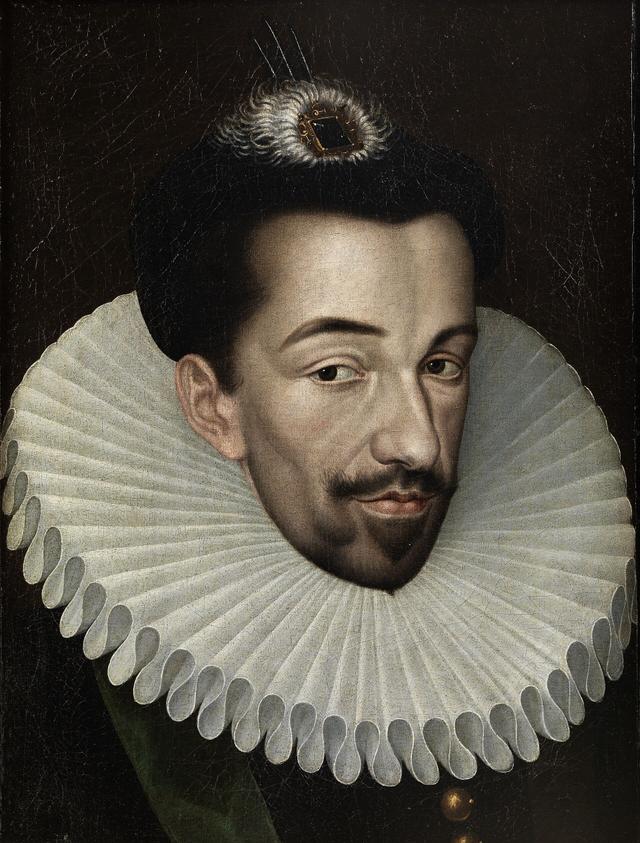
The early years were hard. Henry was not meant to reign, the couple had no children for ten years, and the prince's heart belonged to Diane de Poitiers, twenty years his senior. Then came ten children, including three kings: Francis II, Charles IX and Henry III. When Henry II died in 1559, from a lance splinter in the eye, Catherine became the most powerful person in the kingdom.
Chenonceau: revenge and the gallery
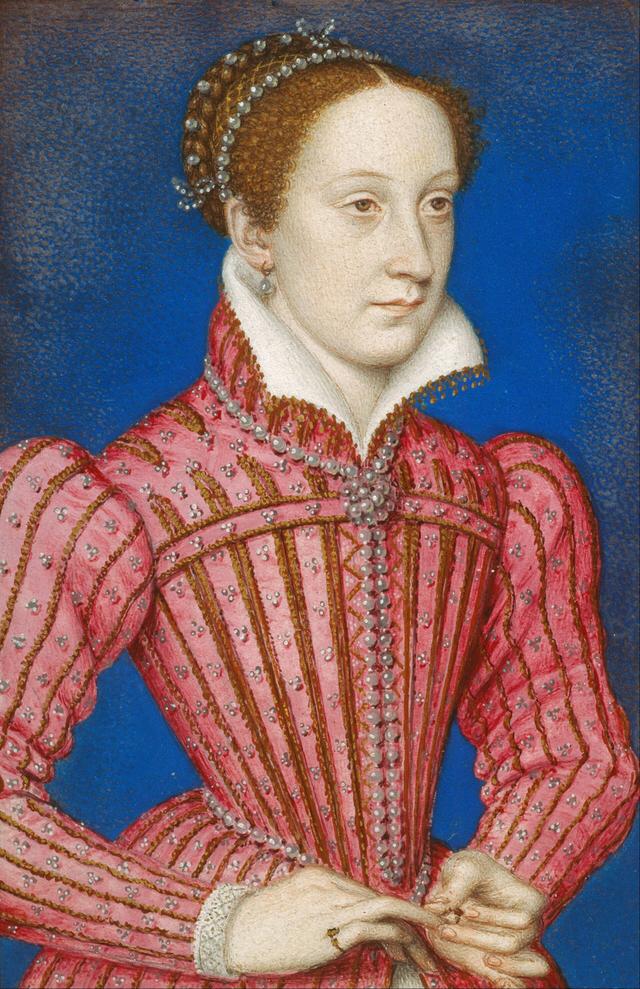
Henry II had given Chenonceau to Diane de Poitiers. After his death, Catherine took it back and gave her Chaumont in exchange. She made the château her place for celebrations: in 1560 she received the young Francis II and Mary Stuart there with fireworks and triumphal arches.
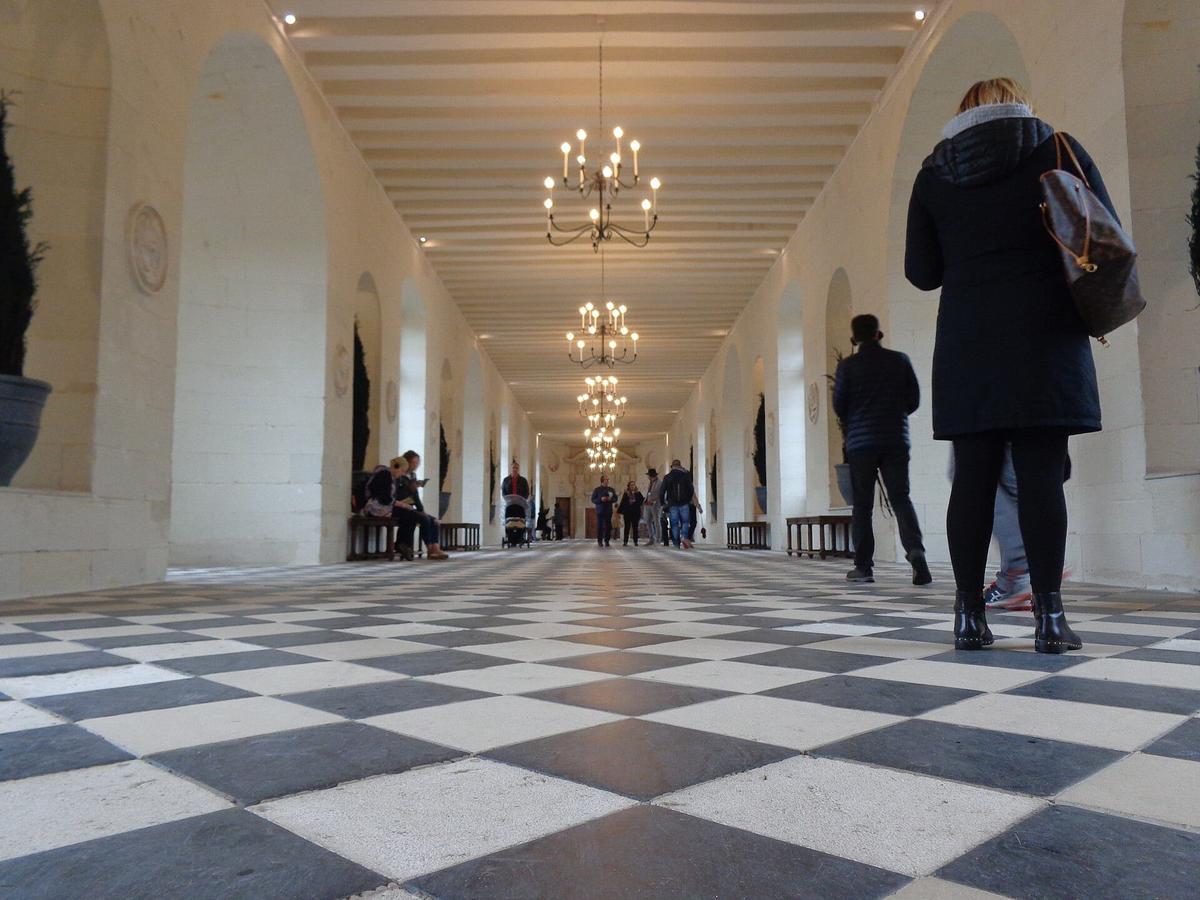
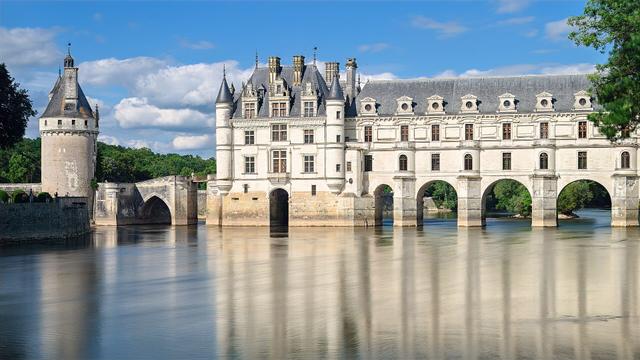
Her mark shows first on the bridge Diane had built across the Cher. From 1576, Catherine had a gallery built on it, 60 metres long and lit by 18 windows, which turned the château into the inhabited bridge everyone photographs today. She also laid out her own garden, facing her rival's. See also: Château de Chenonceau, Diane de Poitiers
What to see: the grand gallery, Catherine de' Medici's garden, the bedroom named after her, and the Green Study where she worked.
Blois: the secret cabinet and the queen's death
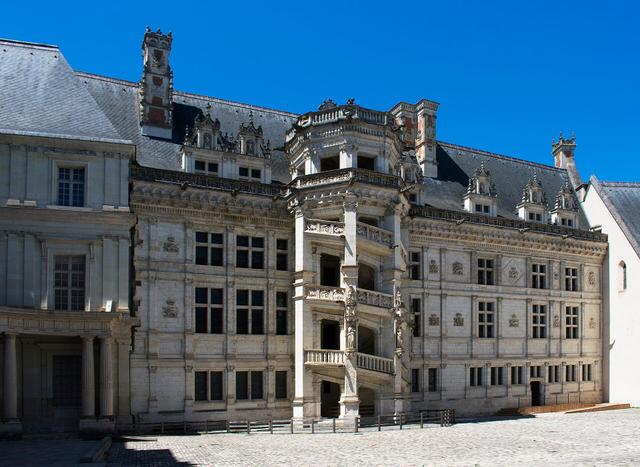
On the first floor of the Francis I wing, Catherine's study is lined with 237 carved wooden panels. Four of them open with a pedal hidden in the skirting board. Legend says she kept poisons there; jewels and papers are far more likely. The guide shows how the mechanism works, and children love it.
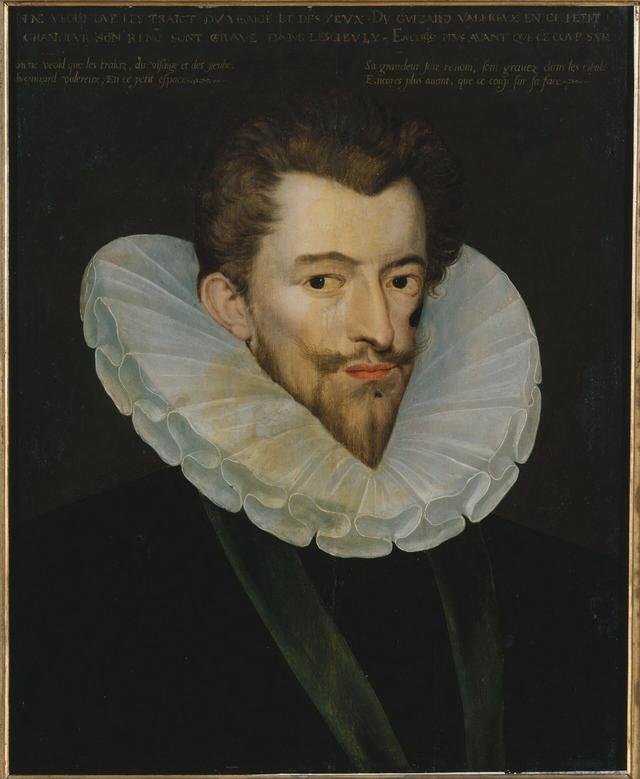
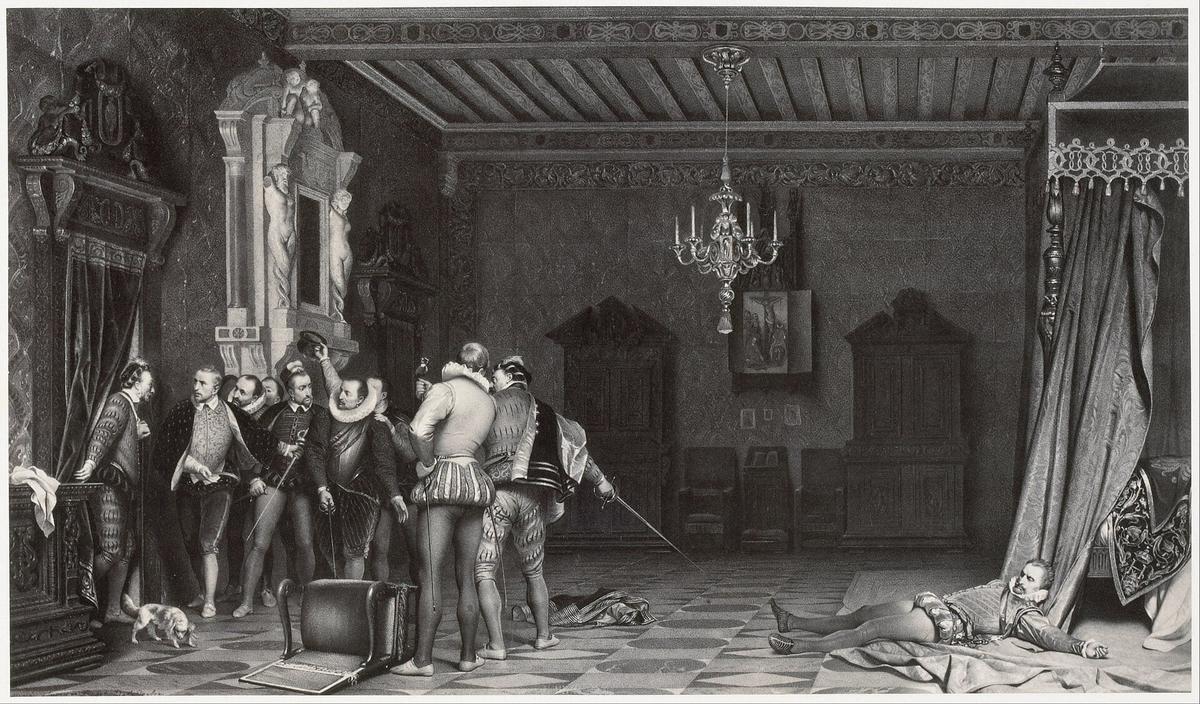
Blois is also where her life ended. On 23 December 1588, her son Henry III had the Duke of Guise, leader of the Catholic League, murdered two floors above her rooms. Catherine, already ill, died thirteen days later, on 5 January 1589. She was first buried in Blois; her remains were moved to Saint-Denis in 1610. See also: Royal Château of Blois
What to see: the study with its secret panels, the queen's bedroom, and Henry III's bedroom where the Duke of Guise was killed.
Chaumont: the astrologers' château
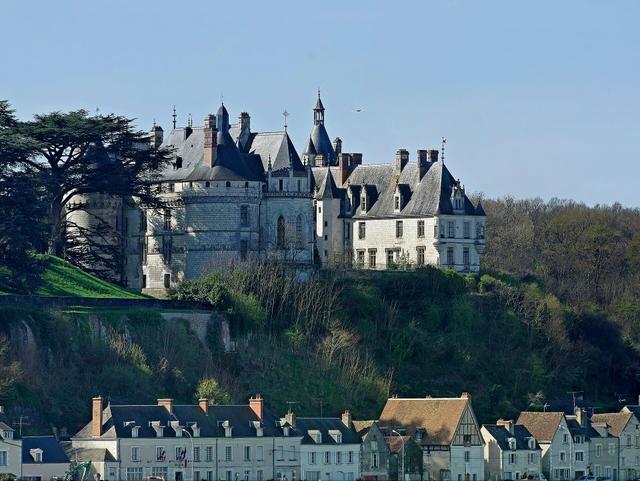
Catherine bought Chaumont in 1550, then handed it to Diane de Poitiers in 1559 in exchange for Chenonceau. Tradition says her astrologer Cosimo Ruggieri lived there, and even Nostradamus; one room still bears Ruggieri's name. There is no proof that Nostradamus ever came, but the queen sincerely believed in omens. See also: Domaine de Chaumont-sur-Loire
Amboise: the 1560 conspiracy
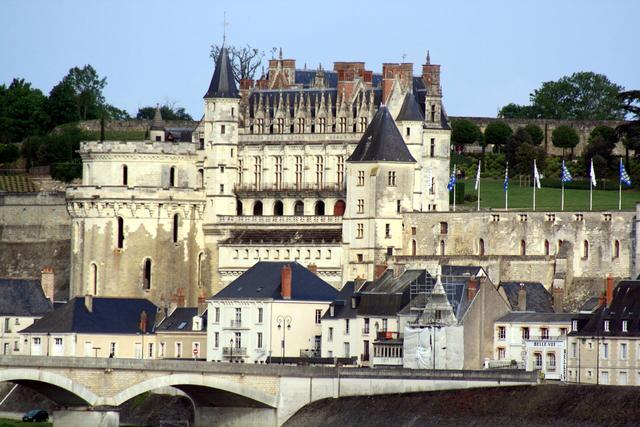
In March 1560, Protestants plotted to seize the young Francis II at Amboise and free him from the influence of the Guise family. The plot was discovered. The repression was brutal: conspirators were hanged from the balconies and battlements of the château, in full view of the court. Catherine then tried a policy of conciliation, before the Wars of Religion caught up with her. See also: Royal Château of Amboise
How history remembers her
Catherine's dark reputation owes a lot to the St Bartholomew's Day massacre in August 1572 and to Protestant pamphlets, and later to Alexandre Dumas's novel La Reine Margot. Historians today paint a more nuanced picture: a cautious regent, she spent years seeking compromise between Catholics and Protestants before resorting to the worst. She also gave Paris the Tuileries Palace and brought Italian fashions to the court.
In her footsteps: Chenonceau, Chaumont and Blois
The three châteaux fit into one day by car: Chenonceau in the morning, Chaumont at midday, Blois in the afternoon. Chaumont is 15 km from Blois. The Château d'Amboise, 13 km from Chenonceau, can replace Chaumont. See also: Loire Valley castles in 2 days
Partner links: if you book through these links, we earn a commission at no extra cost to you. Partner links · Learn more
Places to stay near Chenonceaux
FAQ
Where did Catherine de' Medici die?
At the Château de Blois, on 5 January 1589, aged 69.
Where is Catherine de' Medici buried?
In the Basilica of Saint-Denis, beside Henry II, in the tomb she had commissioned. She was first buried in Blois.
What did Catherine de' Medici do at Chenonceau?
She took it back from Diane de Poitiers in 1559, then had the grand gallery built on the bridge over the Cher, and laid out her own garden.
What is Catherine de' Medici's secret cabinet?
A room in the Château de Blois lined with 237 carved panels, four of which hide cupboards that open with a concealed pedal.
How many children did Catherine de' Medici have?
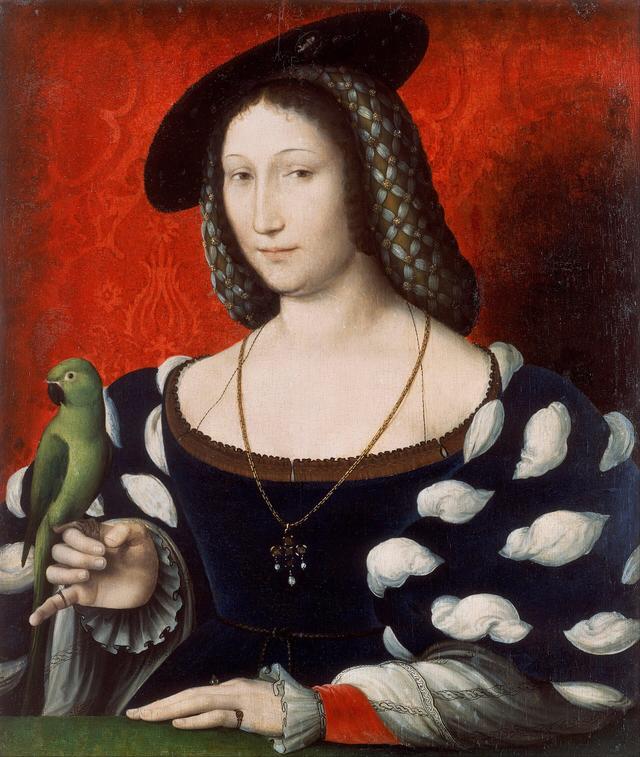
Ten, including three kings of France, Francis II, Charles IX and Henry III, and two queens, Elisabeth of Spain and Marguerite of Navarre, known as "Queen Margot".
Sources: fr.wikipedia.org (Catherine de Médicis), chenonceau.com, chateaudeblois.fr
Tickets to book online
Partner links: if you book through these links, we earn a commission at no extra cost to you. Partner links · Learn more
Places to visit


Related guides
Related historical figures