Diane de Poitiers, the lady of Chenonceau
- Born
- c. 1500
- Died
- 25 April 1566
- Active years
- 1547 – 1559
- Family
- Artists, saints and favourites
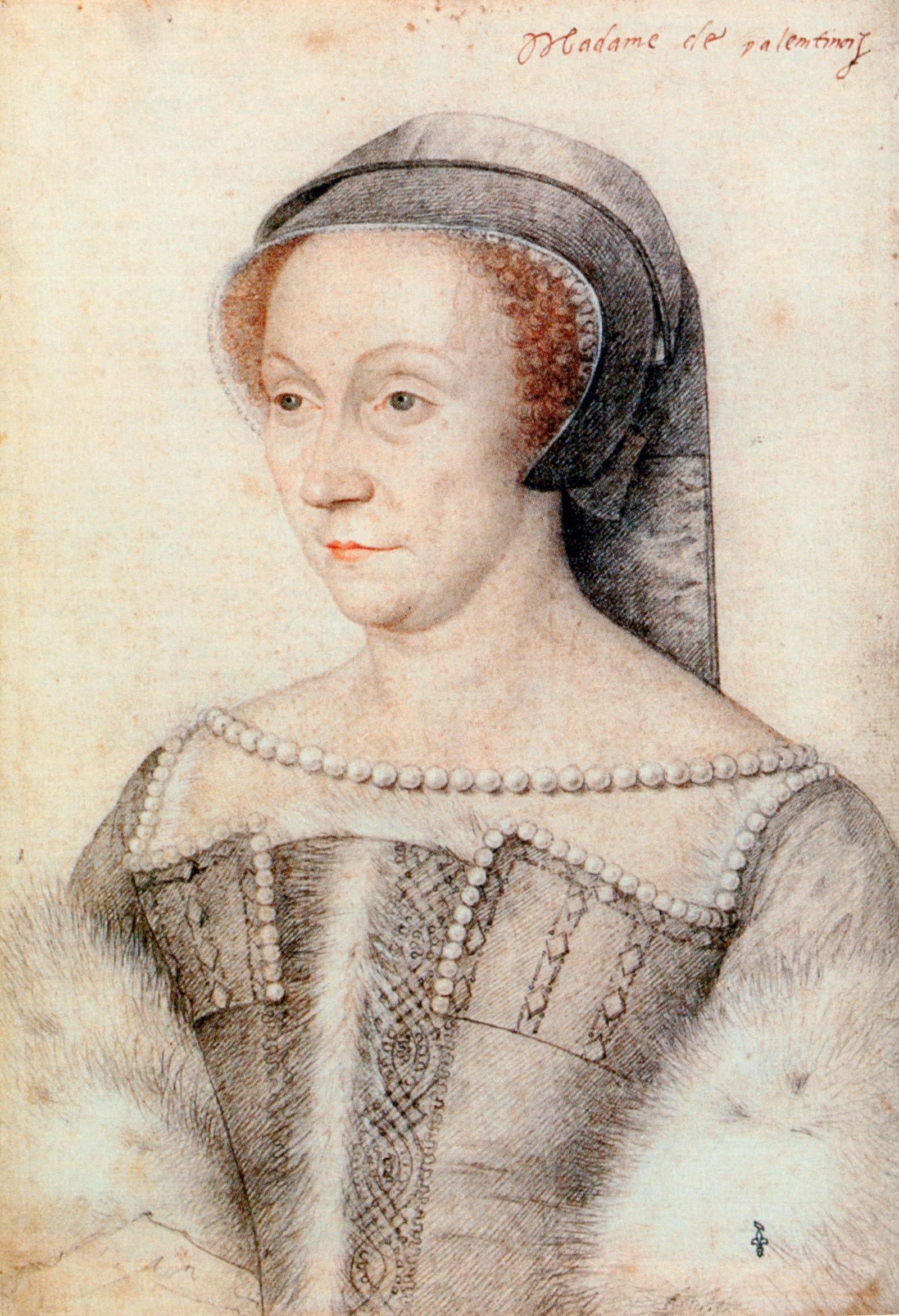
She was twenty years older than Henry II, and she kept his heart until the king died. Diane de Poitiers was given Chenonceau, built the bridge over the Cher and one of the finest gardens of the Renaissance there, then had to hand it over to the queen. Here is her life, and the places to find her today.
Diane de Poitiers in dates
| Date | Event |
|---|---|
| c. 1500 | Born in the Dauphiné, daughter of Jean de Poitiers, Lord of Saint-Vallier |
| 1515 | Marries Louis de Brézé, Grand Seneschal of Normandy, nearly forty years her senior |
| 1531 | Her husband dies; from then on she wears the black and white of mourning |
| c. 1536 | Start of her affair with the dauphin Henry, twenty years younger |
| 1547 | Henry II becomes king and gives her Chenonceau |
| 1548 | Made Duchess of Valentinois |
| 1556-1559 | Has the Chenonceau bridge built over the Cher |
| 10 July 1559 | Henry II dies; Catherine de' Medici takes Chenonceau back in exchange for Chaumont |
| 25 April 1566 | Dies at the Château d'Anet, in Normandy |
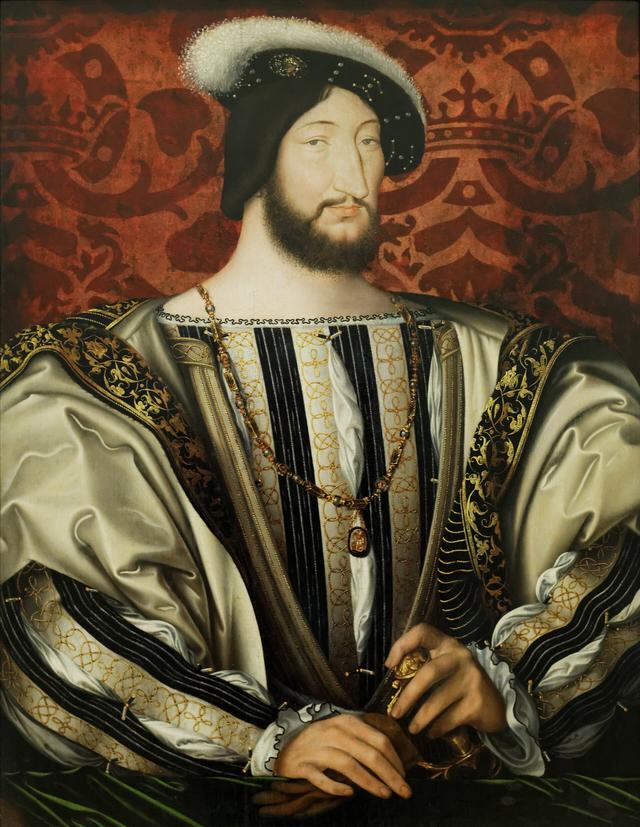
A widow at the court of Francis I
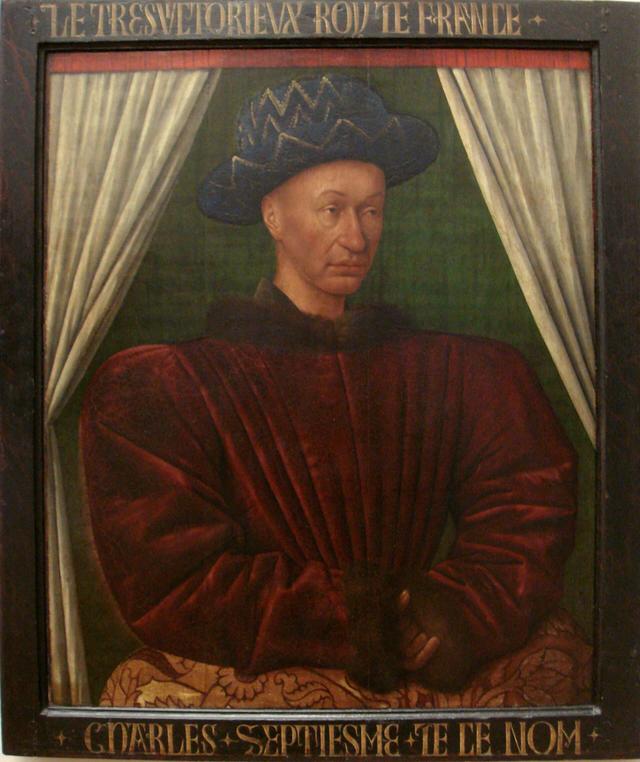
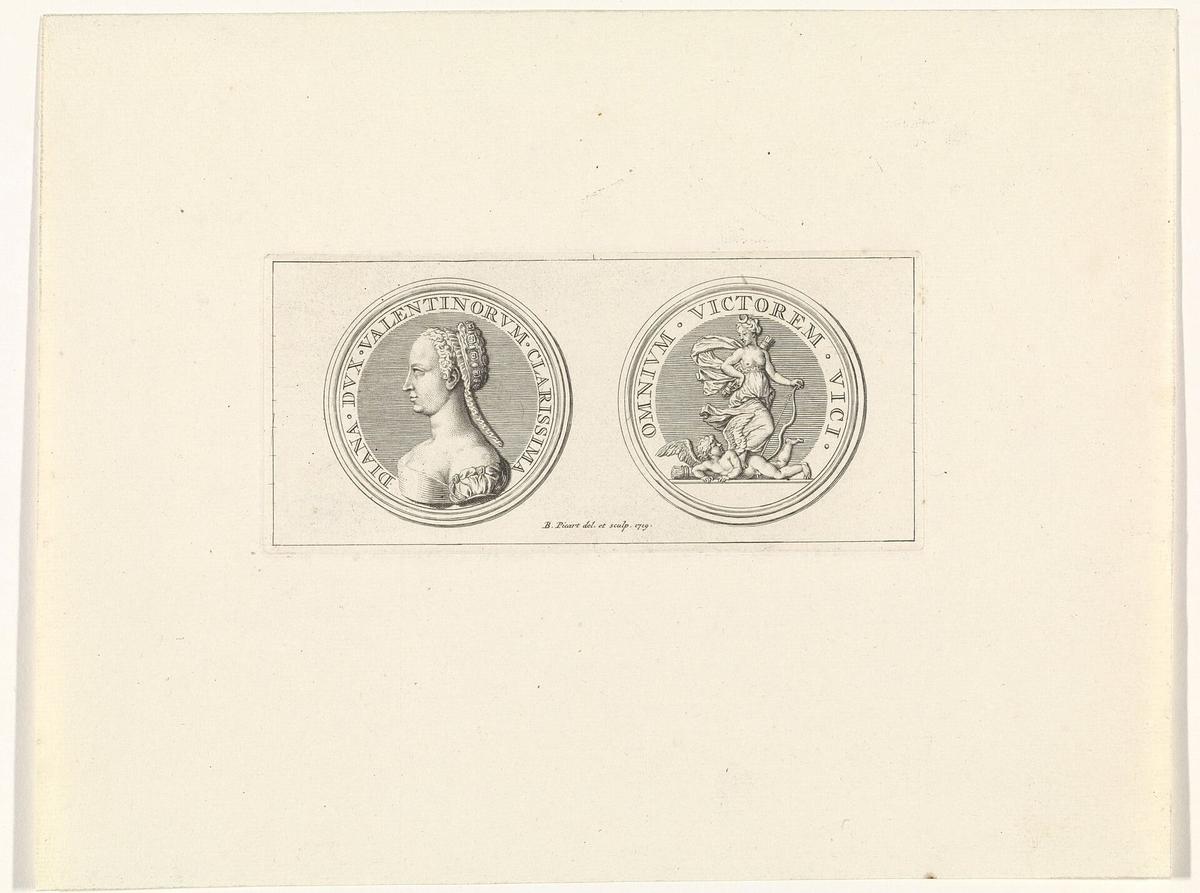
Diane de Poitiers was married at fifteen to Louis de Brézé, Grand Seneschal of Normandy and grandson of Charles VII and Agnès Sorel. She made her career at court as a lady-in-waiting. Widowed at thirty-one, she never again wore anything but black and white, the colours of mourning, and took as her image Diana the huntress, goddess of the moon.
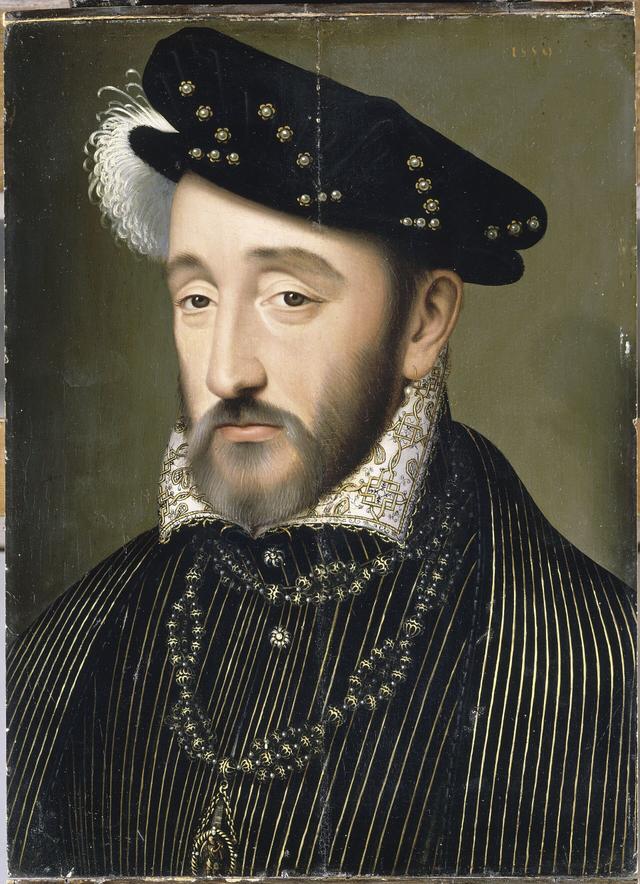
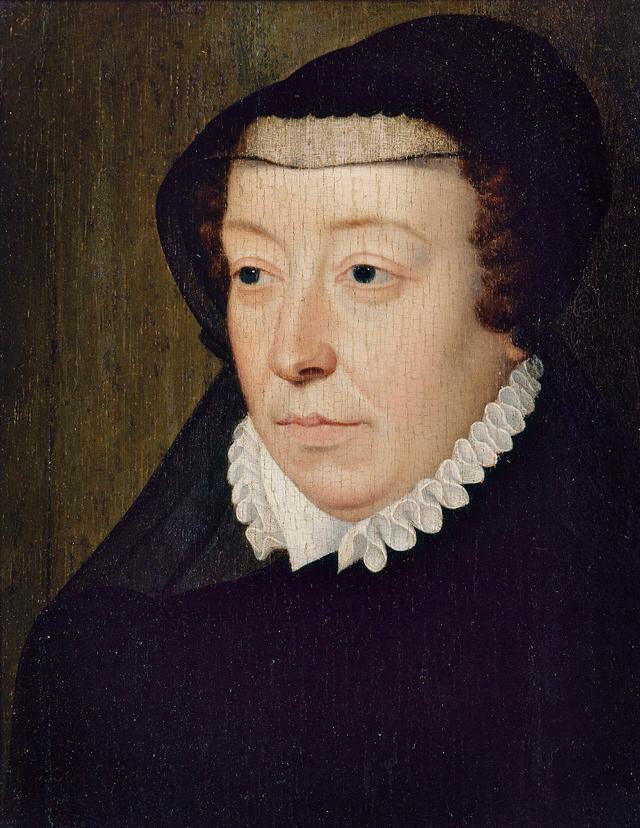
The dauphin Henry had known her since he was a child. Around 1536 they became close, then lovers. When Henry came to the throne in 1547, Diane was forty-seven and became the most influential woman in the kingdom, far more so than Queen Catherine de' Medici. The king adopted her colours, black and white, and her monogram, an H interlaced with two crescents or two Cs that can also be read as Ds. See also: Catherine de' Medici
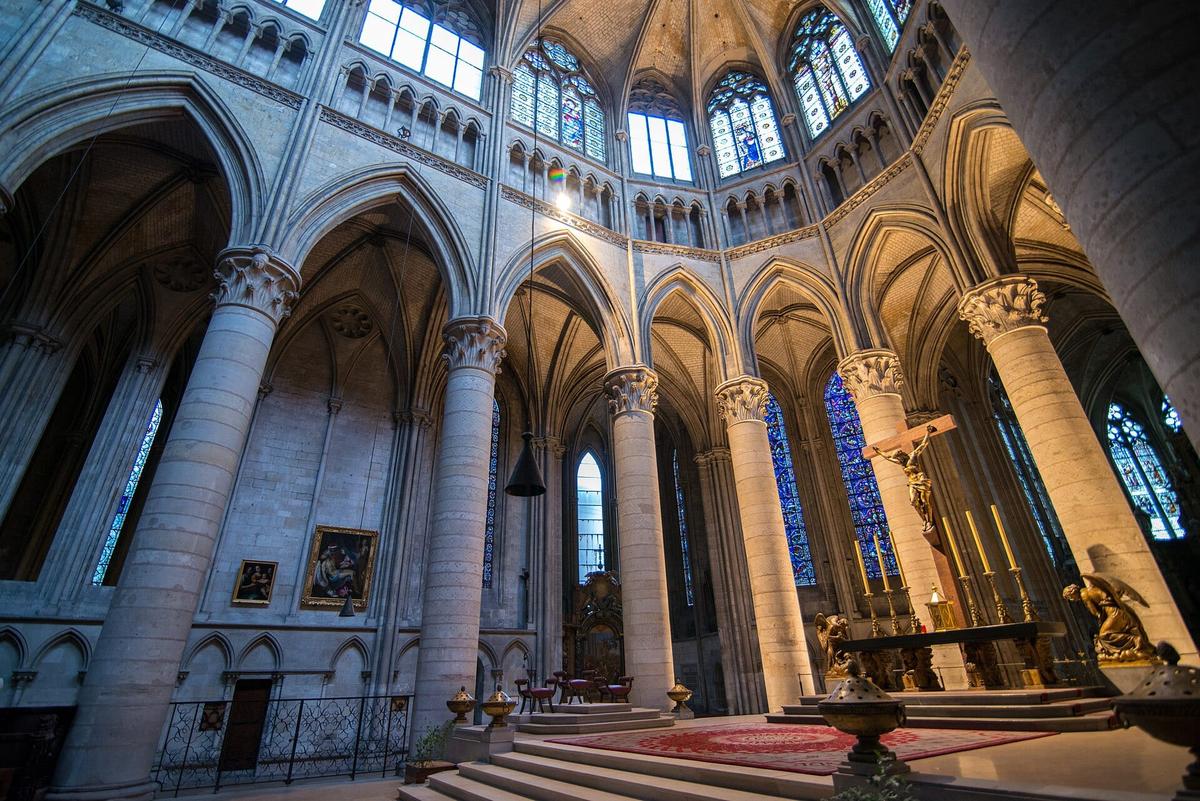
Rouen: her husband's tomb
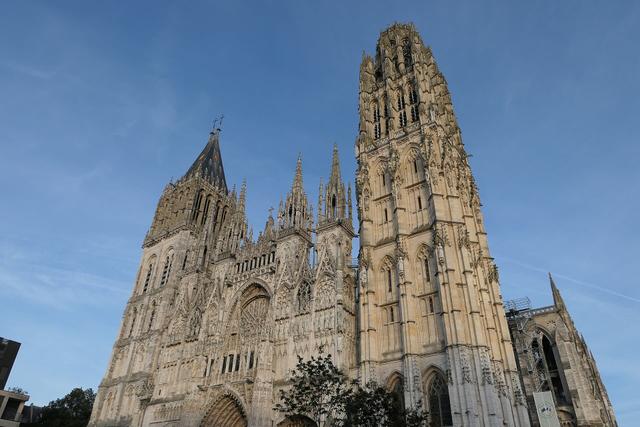
Before Chenonceau, there was Rouen. Between 1536 and 1541, Diane had the tomb of Louis de Brézé raised in the cathedral, one of the great Renaissance monuments in Normandy. It shows the dead man twice, as a corpse and as a horseman, and Diane as a kneeling widow. See also: Rouen Cathedral
Chenonceau: the bridge and the garden
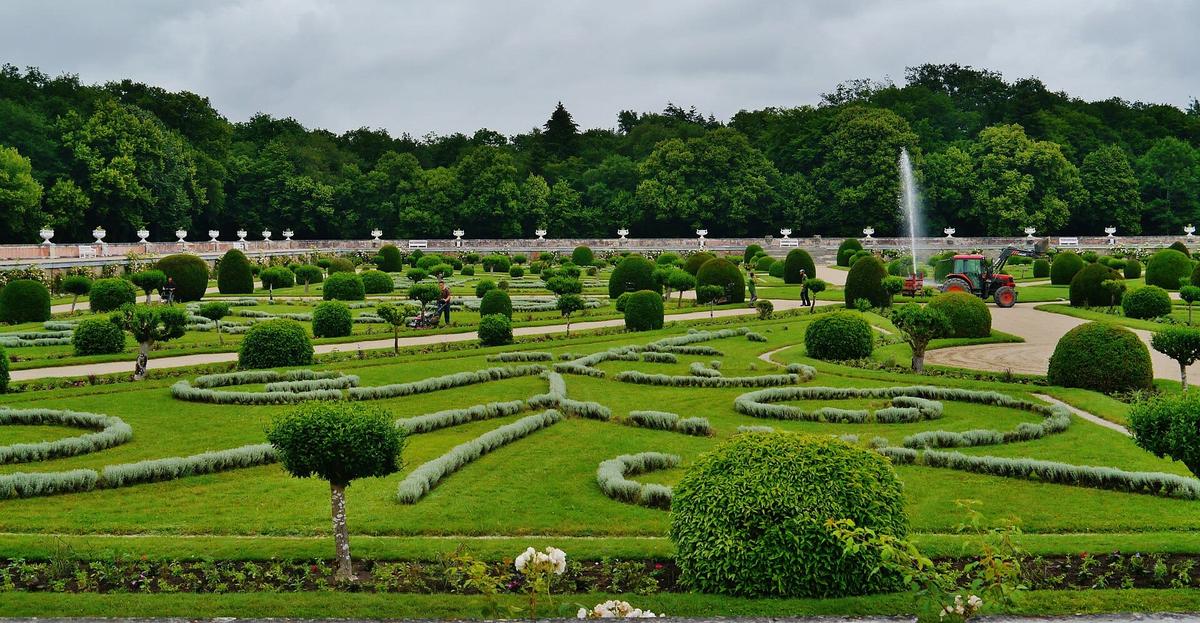
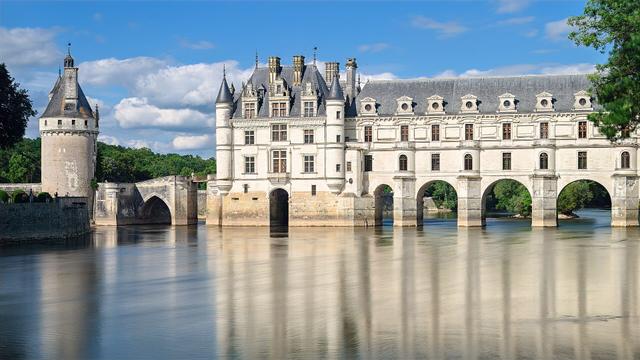
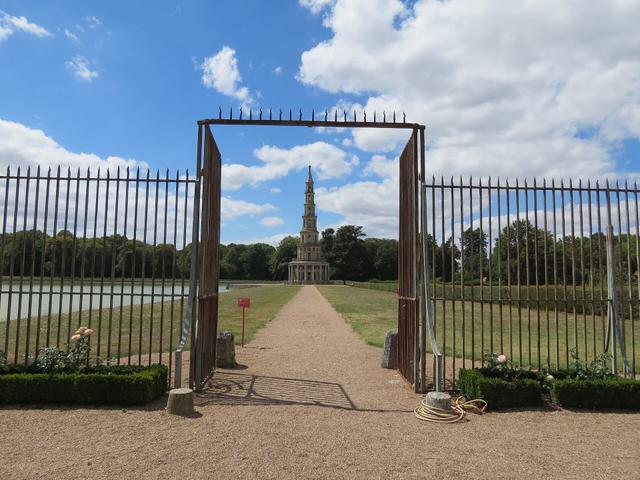
In 1547, Henry II gave her Chenonceau, which the Crown had seized a few years earlier. Diane ran the estate carefully, collected its revenues and transformed it. Between 1556 and 1559, the architect Philibert de l'Orme built a bridge over the Cher to link the château to the far bank. Catherine de' Medici would later build the gallery on these arches.
She also created a 2-hectare garden on a terrace protected from floods, planted with fruit trees and rare vegetables. The garden you walk through today, with its fountain and flowerbeds, follows the same layout. See also: Château de Chenonceau
What to see: Diane's garden, Diane de Poitiers' bedroom and her portrait, the bridge over the Cher seen from the riverbank.
1559: the forced swap for Chaumont
On 30 June 1559, at a tournament in Paris, Captain Montgomery's lance shattered and a splinter pierced Henry II's eye. The king died ten days later. Diane was not invited to his bedside. The widowed queen demanded the Crown jewels and Chenonceau from her. In exchange, Diane received Chaumont-sur-Loire in 1559.
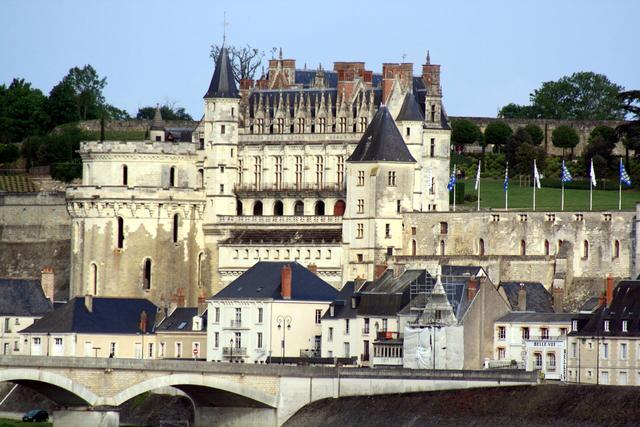
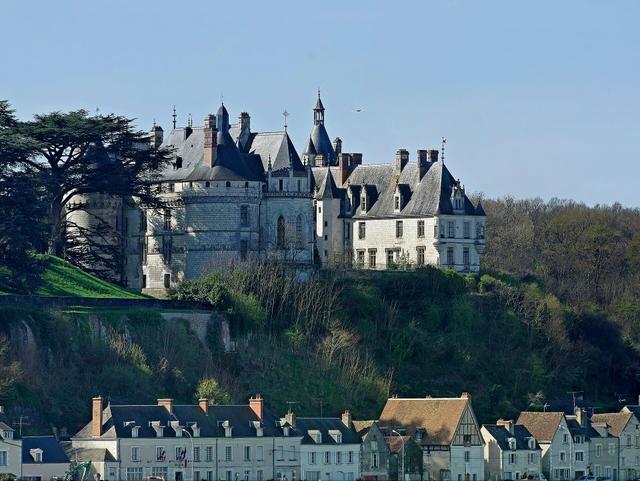
On paper the deal was a good one, as Chaumont brought in more than Chenonceau, but Diane hardly ever stayed there: the château only reminded her of her fall from favour. Today people visit it for its Renaissance rooms, its 19th-century stables and its garden festival. See also: Domaine de Chaumont-sur-Loire
Anet, and gold in her hair
Diane retired to her Château d'Anet, near Dreux, which Philibert de l'Orme had built for her. She died there on 25 April 1566. Her beauty past the age of sixty already fascinated people at the time: it was said that she bathed in cold water and drank gold.
This was not a legend. In 2008, a team of forensic doctors found her remains at Anet and measured very high levels of gold in them, published in the British Medical Journal in 2009. Diane most likely drank a gold elixir, meant to preserve youth, which slowly poisoned her.
In her footsteps: Chenonceau and Chaumont
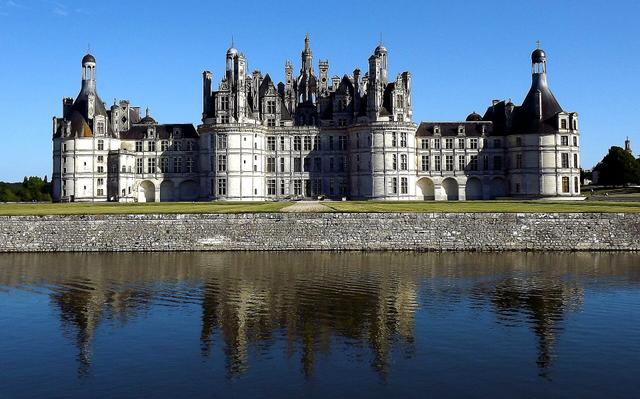
Chenonceau and Chaumont are about forty minutes apart by road. Get to Chenonceau at opening time to see Diane's garden before the crowds, then Chaumont in the afternoon, with its garden festival from April to November. Rouen is best visited as part of a trip to Normandy. See also: Chambord or Chenonceau
Partner links: if you book through these links, we earn a commission at no extra cost to you. Partner links · Learn more
Places to stay near Chenonceaux
FAQ
Who was Diane de Poitiers?
A great lady of the French court, widow of Louis de Brézé, Seneschal of Normandy, and the favourite of King Henry II for more than twenty years.
What did Diane de Poitiers build at Chenonceau?
The bridge over the Cher, between 1556 and 1559, and a large terraced garden that still bears her name.
Why did Diane de Poitiers leave Chenonceau?
When Henry II died in 1559, Queen Catherine de' Medici forced her to give it up, in exchange for the Château de Chaumont.
Where is Diane de Poitiers buried?
In the funerary chapel of the Château d'Anet, in Eure-et-Loir, where her remains were put back after being identified in 2008.
Did Diane de Poitiers drink gold?
Yes, very probably: analysis of her hair and bones, published in 2009, showed an abnormal concentration of gold, consistent with an elixir taken for years.
Sources: fr.wikipedia.org (Diane de Poitiers), chenonceau.com, bmj.com
Tickets to book online
Partner links: if you book through these links, we earn a commission at no extra cost to you. Partner links · Learn more
Places to visit
Related guides