Claude Monet, the painter of Normandy
- Born
- 14 November 1840
- Died
- 5 December 1926
- Family
- Artists, saints and favourites
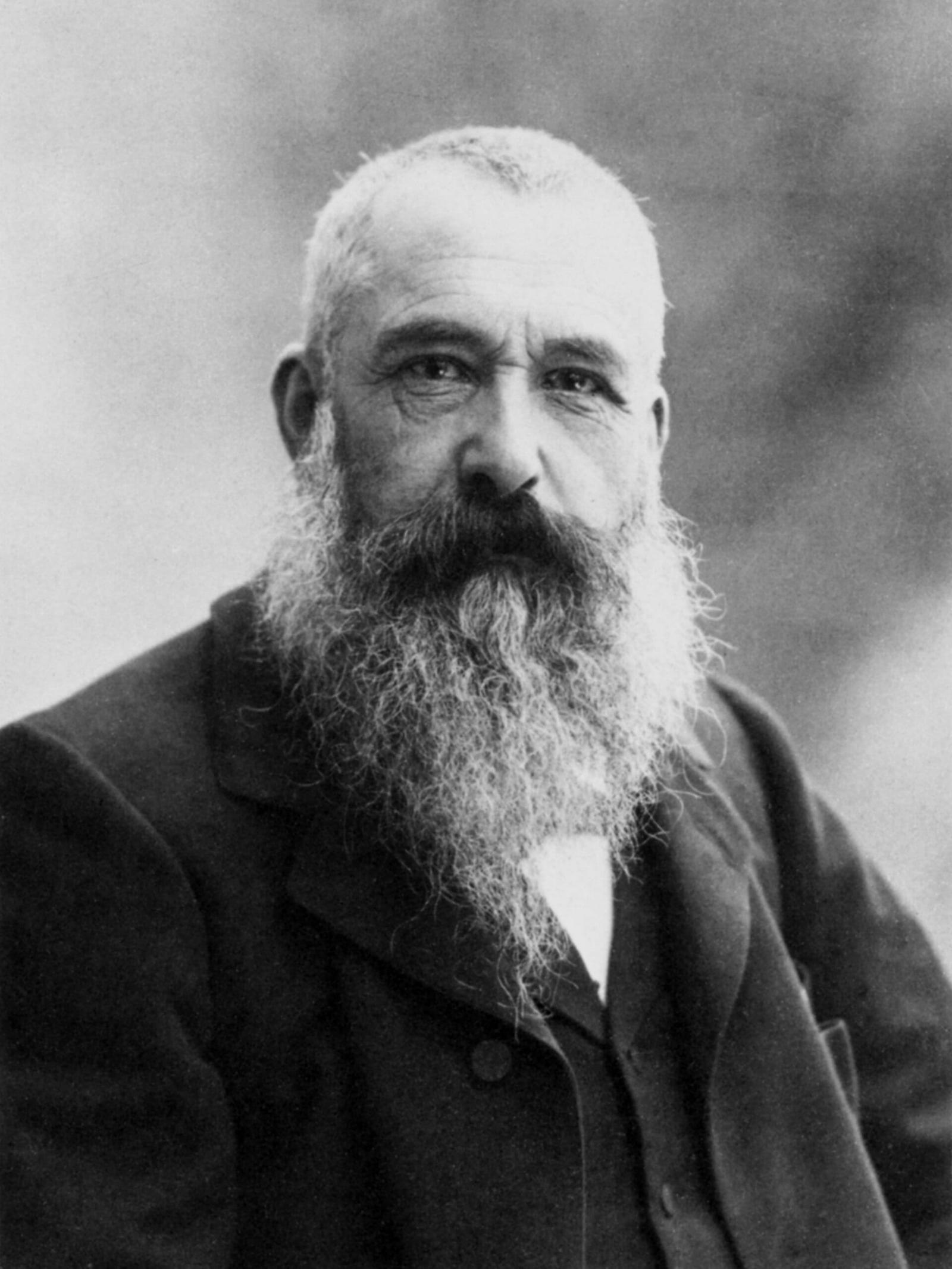
He was born in Paris, but it was Normandy that made him a painter. Monet grew up in Le Havre, learned to paint outdoors with Boudin, set up his easel on the pebbles of Étretat and in front of Rouen Cathedral, then spent forty years shut away in the garden he had made for himself at Giverny. You can follow almost his whole journey in a few days.
Claude Monet in dates
| Date | Event |
|---|---|
| 14 November 1840 | Born in Paris |
| Around 1845 | The family moves to Le Havre |
| 1858 | Eugène Boudin takes him painting outdoors |
| 1864 | Stays in Honfleur, at the Saint-Siméon farm, with Bazille |
| 1874 | Impression, Sunrise, a view of the port of Le Havre, at the first Impressionist exhibition |
| 1879 | His first wife, Camille Doncieux, dies |
| 1883 | Settles in Giverny; paints Étretat until 1886 |
| 1890 | Buys the house in Giverny |
| 1892-1894 | Paints the Rouen Cathedral series |
| 1893 | Digs the water lily pond; marries Alice Hoschedé |
| 1922 | Gives the large Water Lilies to the State; they are installed at the Orangerie in 1927 |
| 5 December 1926 | Dies in Giverny, where he is buried |
Le Havre and Honfleur: learning outdoors
Monet spent his childhood in Le Havre, where his father ran a business. As a teenager, he sold caricatures of the town's notables. Around 1858, Eugène Boudin, a painter of Normandy beaches and skies, persuaded him to paint from life, in the open air. Monet later said that this was when his eyes were opened.
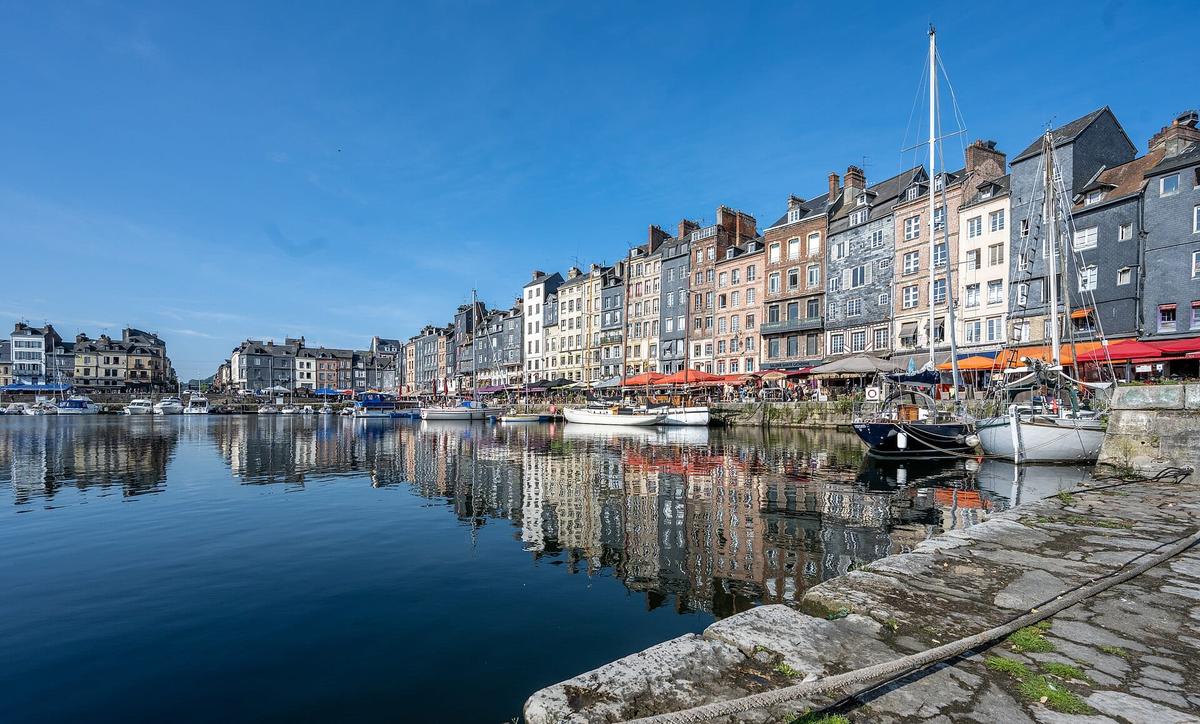
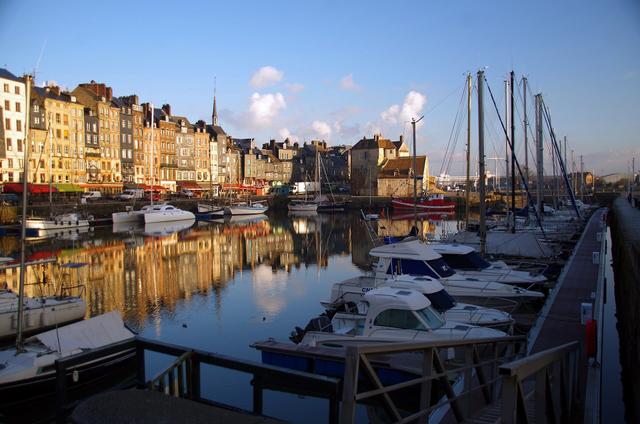
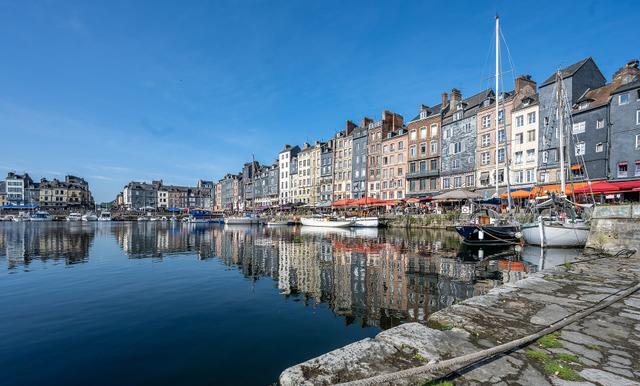
In 1864, he spent the summer in Honfleur with his friend Frédéric Bazille. The painters gathered at the Saint-Siméon farm, on the heights, around Boudin and Jongkind. The Eugène Boudin Museum shows this move from studio painting to outdoor light. See also: Honfleur
What to see: the Vieux Bassin (old harbour), the wooden church of Sainte-Catherine, the Eugène Boudin Museum.
Étretat: the cliffs
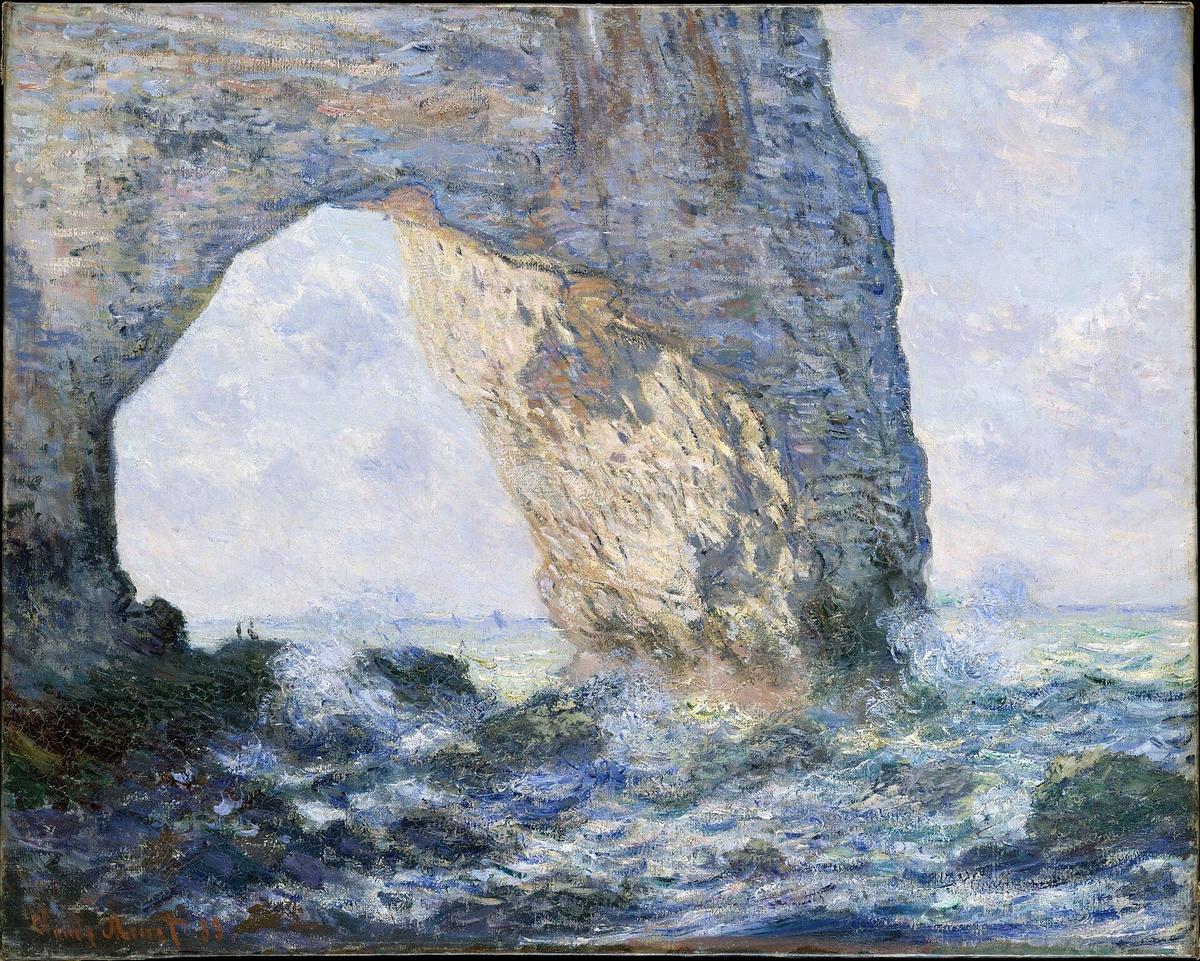
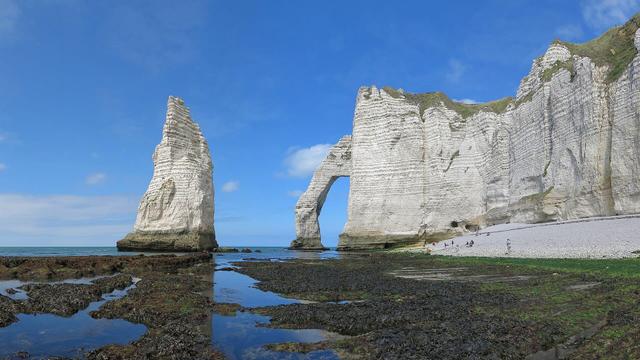
In the early 1880s, Monet returned to Étretat several times. He painted the Porte d'Aval, the Needle and above all the Manneporte, the most massive of the arches, in all weathers. He sometimes worked at the foot of the cliffs, at the mercy of the tide. See also: Étretat Cliffs
What to see: the path along the Aval cliff to the Manneporte, the view of the Needle, the pebble beach.
Rouen: the same façade thirty times
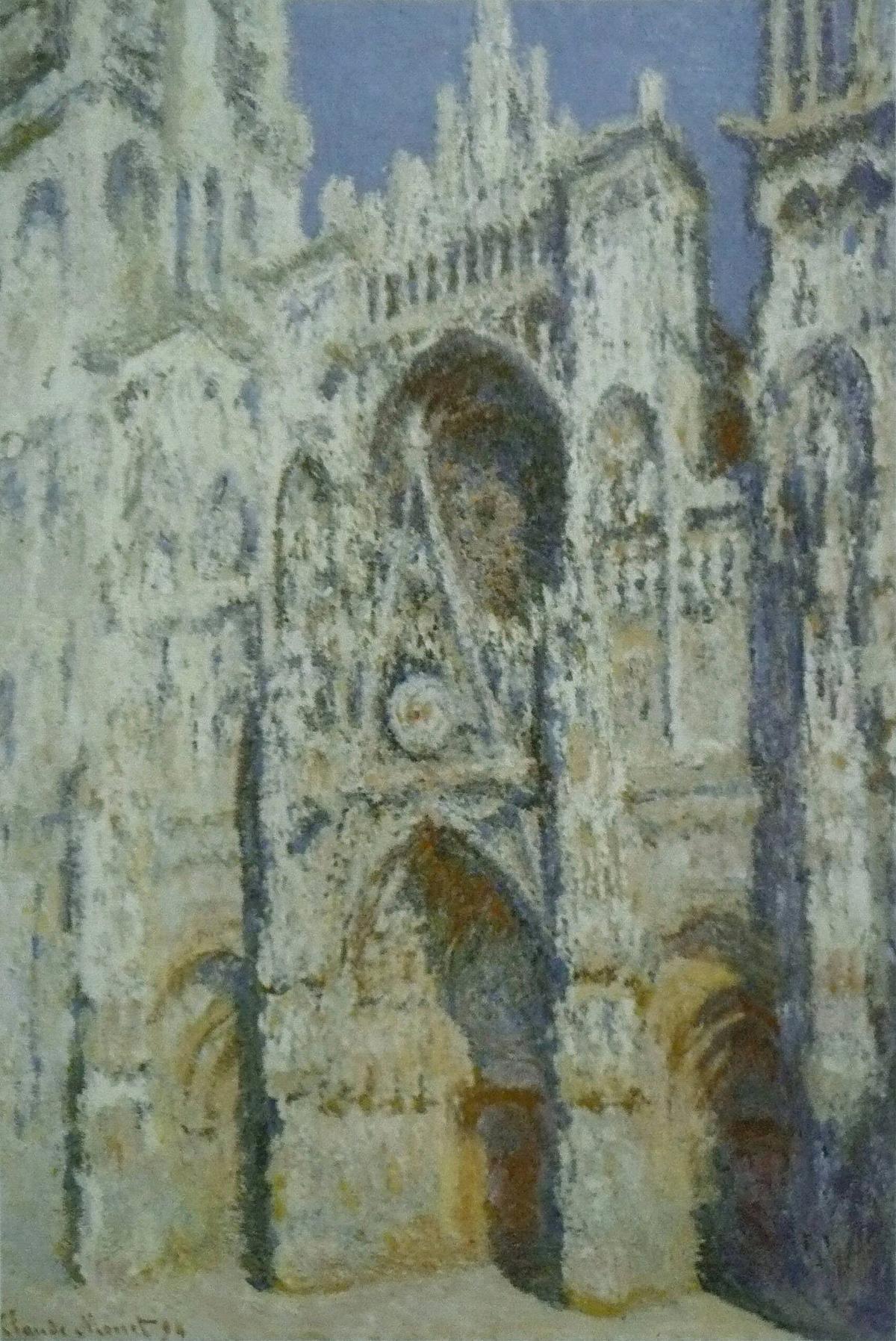
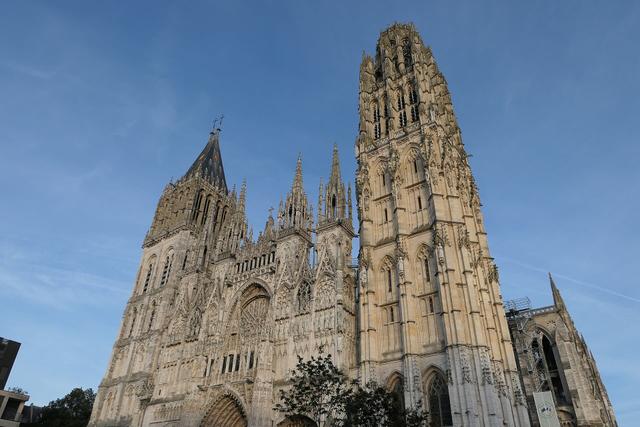
Between 1892 and 1894, Monet rented rooms opposite Rouen Cathedral and painted its façade some thirty times, at every hour and in all weathers. He finished the canvases in his studio at Giverny. The series caused both a scandal and a sensation: the stone is little more than an excuse to paint light. See also: Rouen Cathedral
What to see: the façade in the late afternoon, from the corner of the square where the tourist office is, then the Rouen Museum of Fine Arts, which holds one of the canvases.
Giverny: the garden as a painting
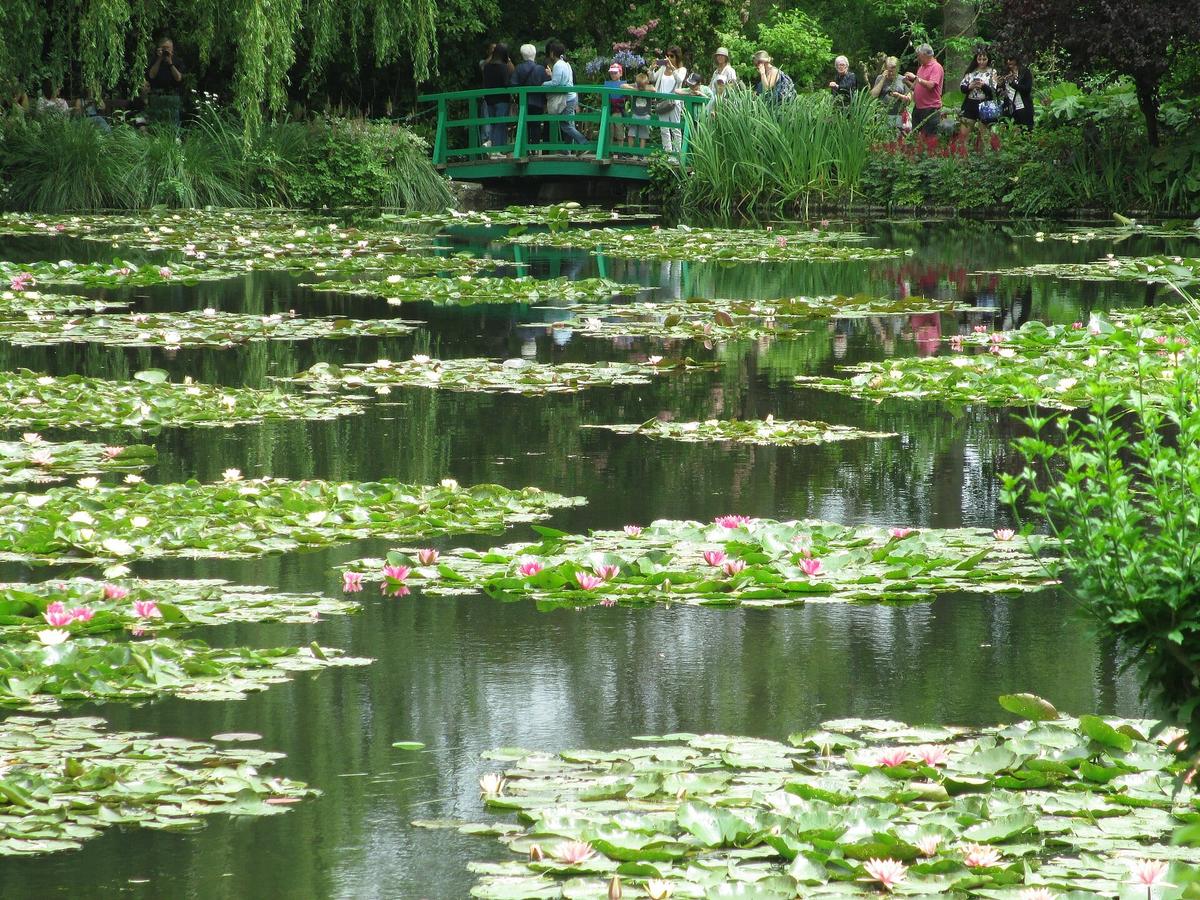
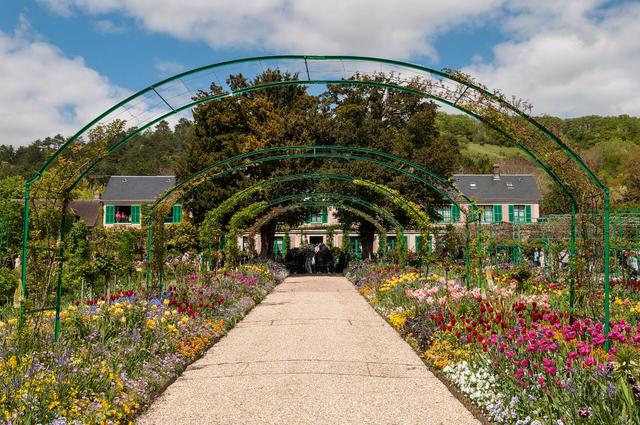
In 1883, Monet settled in Giverny with Alice Hoschedé and their eight children. He rented the house, then bought it in 1890. In front of it he planted the Clos Normand; on the other side of the lane, in 1893, he had a pond dug, fed by a branch of the Epte, with a Japanese bridge and water lilies. He painted them for nearly thirty years, up to the large panels in the Orangerie, despite cataracts in both eyes.
Monet died in Giverny in 1926. He is buried in the village cemetery, next to the church of Sainte-Radegonde. See also: Monet's House and Gardens
What to see: the Japanese bridge and the pond, the Clos Normand, the blue kitchen, the Japanese prints in the house.
In his footsteps: Monet's Normandy
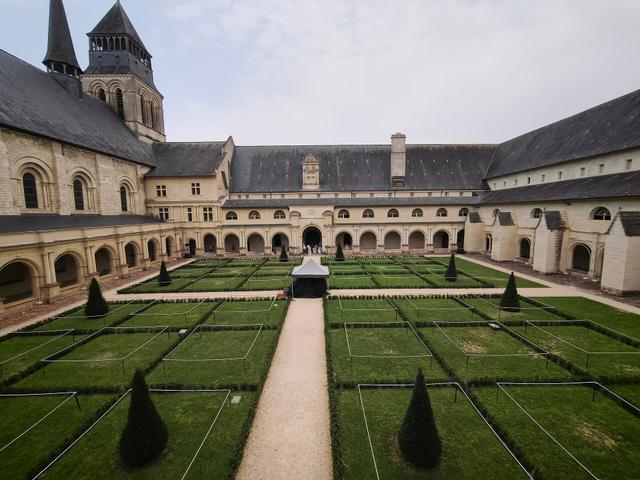
Giverny is 75 km from Paris; you get there by train to Vernon, then by shuttle bus. Château Gaillard, half an hour away, rounds off the day. See also: Château Gaillard Rouen is an hour from Giverny. Étretat and Honfleur lie on either side of the Seine estuary, with Le Havre in the middle.
Partner links: if you book through these links, we earn a commission at no extra cost to you. Partner links · Learn more
FAQ
Where can you see Claude Monet's house?
In Giverny, in the Eure department. The house and gardens are open from April to early November and close in winter.
How many Rouen Cathedral paintings did Monet make?
About thirty, between 1892 and 1894, at different times of day and in all weathers.
Which painting gave Impressionism its name?
Impression, Sunrise, a view of the port of Le Havre shown at the group's first exhibition in 1874.
Did Monet paint Étretat?
Yes, several times in the 1880s, including the Manneporte, the Porte d'Aval and the Needle.
Where is Claude Monet buried?
In Giverny cemetery, next to the church of Sainte-Radegonde, near his house.
Sources: fr.wikipedia.org (Claude Monet), fondation-monet.com
Places to visit
Related guides